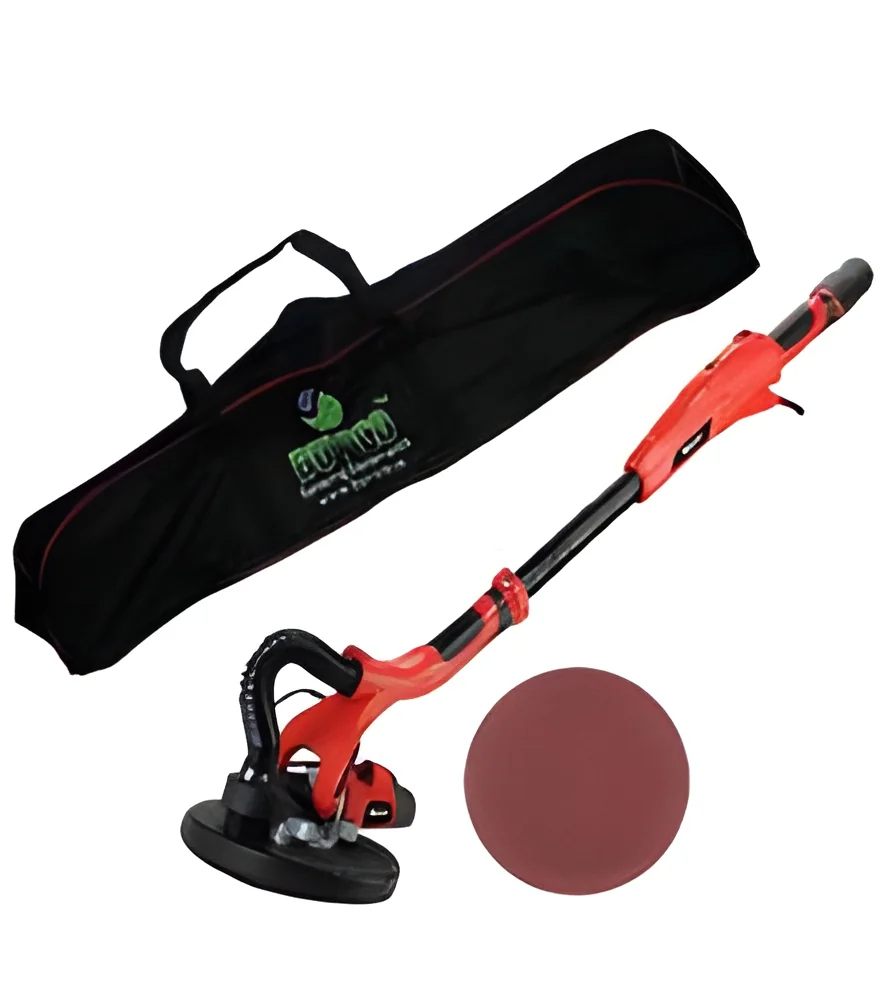
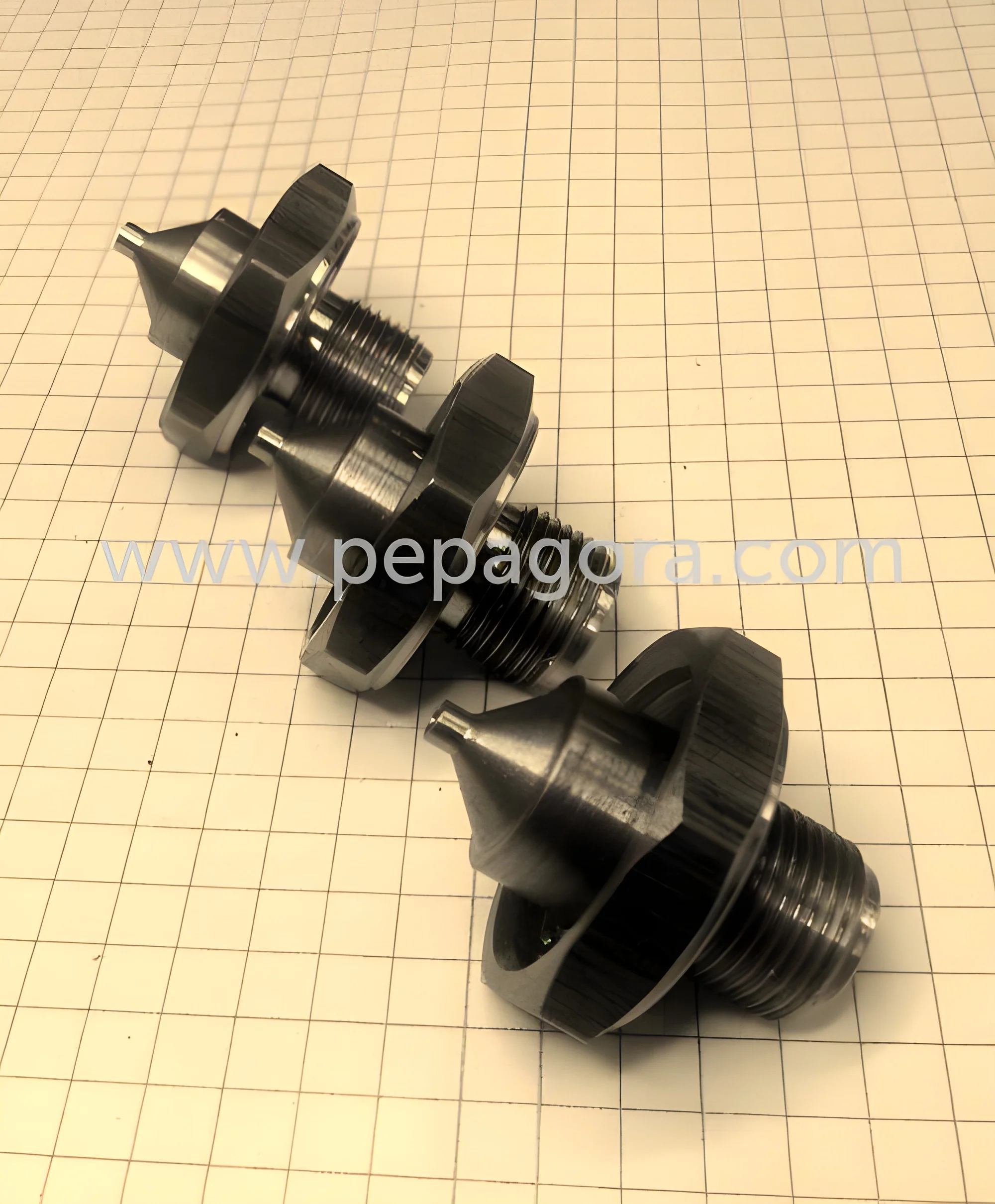
Key Features and Specifications
Spray guns come equipped with a variety of features and specifications that cater to different applications. Understanding these specifications is crucial for making informed decisions when purchasing these tools.
Key specifications include:
1. Design Type
- Manual or electric operation
- Various nozzle sizes for different applications
2. Fluid Delivery Rate
- Measured in liters per minute (LPM)
- Varies based on the type and model of the spray gun
3. Pressure Range
- Operating pressure in pounds per square inch (PSI)
- Typically ranges from 30 PSI to 80 PSI for optimal performance
4. Spray Pattern Adjustment
- Capability to adjust the spray pattern from wide to narrow
- Allows for versatility in application
5. Material Compatibility
- Suitable for various materials such as paint, varnishes, and primers
- Ensures a wide range of applications
6. Weight and Ergonomics
- Weight specifications affecting ease of use
- Ergonomic designs for improved comfort during extended use
7. Maintenance Requirements
- Ease of cleaning and maintenance
- Design features that facilitate quick disassembly
8. Safety Features
- Built-in safety mechanisms to prevent accidental discharge
- Compliance with industry safety standards
These specifications contribute to the overall functionality and efficiency of spray guns, making them essential tools in various industrial applications.
Common Applications and Use Cases
Spray guns find applications in several industries, each requiring specific functionalities.
1. Automotive: Spray guns are used for painting vehicles, providing a smooth and even finish. They are essential in both manufacturing and repair processes.
2. Construction: These tools are employed for applying coatings to surfaces, including walls and ceilings, ensuring durability and protection.
3. Manufacturing: In manufacturing settings, spray guns are utilized for finishing products, such as furniture and appliances, enhancing both aesthetics and protection.
4. Aerospace: Spray guns are critical in the aerospace industry for applying specialized coatings that protect aircraft from corrosion and wear.
5. Woodworking: In woodworking, spray guns provide an efficient way to apply stains and finishes on wooden surfaces, achieving high-quality results.
6. Agriculture: Spray guns are used in agriculture for applying pesticides and fertilizers evenly across crops, promoting better growth and yield.
7. Marine: The marine industry uses spray guns for painting and coating boats, ensuring they are protected against harsh environmental conditions.
Product Variants and Subcategories
Spray guns are diverse, catering to various needs across industries.
Manual Spray Guns: Manual spray guns require user handling for operation. They offer flexibility in application and are typically lighter, making them ideal for detailed work.
Electric Spray Guns: Electric variants simplify the spraying process through automated functions. They reduce user fatigue and increase efficiency, making them suitable for large projects.
HVLP Spray Guns: High Volume Low Pressure (HVLP) spray guns are designed to minimize overspray and improve transfer efficiency. They are often used in automotive and woodworking applications for a fine finish.
Airless Spray Guns: These guns operate without compressed air, using high pressure to atomize paint. They are preferred for larger surfaces and projects requiring thick coatings.
Benefits and Advantages
Spray guns offer significant advantages for businesses looking to improve their coating and finishing processes.
1. Efficiency: Spray guns allow for faster application compared to traditional methods, reducing project completion times.
2. Quality Finish: The fine mist produced by spray guns ensures a smooth, even application, enhancing the final appearance of the coated surface.
3. Versatility: These tools can be used with various materials, making them suitable for a wide range of applications across different industries.
4. Reduced Waste: Spray guns minimize overspray, leading to more efficient use of materials and lower costs.
5. Ergonomic Design: Many spray guns are designed to reduce user fatigue, allowing for prolonged use without discomfort.
6. Cost-Effectiveness: Investing in spray guns can lead to long-term savings through increased productivity and reduced material waste.
Buying Guide for B2B Buyers
When sourcing spray guns, businesses should consider several important factors to ensure they make the right choice.
1. Quality Assessment: Evaluate the quality of the spray guns by checking for certifications and user reviews. Look for features that enhance durability and performance.
2. Supplier Verification: Vet suppliers thoroughly to ensure reliability and product authenticity. Check their reputation in the market and their history of customer satisfaction.
3. Pricing and MOQ: Understand pricing structures and minimum order quantities (MOQ) to align with your budget and project needs. Compare multiple suppliers to find the best deal.
4. Delivery and Lead Times: Consider the logistics involved, including delivery schedules and lead times. Timely delivery is crucial for project timelines.
5. Compliance Requirements: Ensure that the products meet relevant industry standards and regulations. This is essential for maintaining quality and safety in operations.
Compliance and Certifications
Compliance with industry standards and certifications is vital for spray guns to ensure safety and performance.
Spray guns should adhere to relevant quality standards such as ISO 9001, which outlines quality management systems, and HACCP for ensuring safety in food-related applications.
Industry certifications like CE signify that products meet European safety and environmental requirements, ensuring they are safe for use.
Safety and testing requirements are critical, especially for electric spray guns. Products should undergo rigorous testing to verify their performance, safety features, and reliability.
Additionally, regional compliance considerations may vary. Buyers should be aware of specific regulations and standards applicable in their geographic areas to ensure compliance and avoid potential issues.
Why Source Spray Guns (Manual & Electric) from Pepagora?
Pepagora offers a trusted platform for sourcing spray guns, featuring several key advantages for businesses.
Verified Supplier Network: Pepagora connects buyers with a network of verified suppliers, ensuring product authenticity and quality. This network helps businesses find reliable sources for their equipment needs.
Streamlined RFQ Process: The platform features a streamlined request for quotation (RFQ) process, making it easier for buyers to obtain competitive pricing and terms from multiple suppliers.
Trade Assurance and Support: Buyers can benefit from trade assurance programs that protect their purchases. Support services are also available to assist with any inquiries or issues.
Regional Coverage: Pepagora has a broad geographic reach, serving markets in India, GCC, and Southeast Asia. This allows businesses to access a wide variety of suppliers and products tailored to their specific regional needs.

 IN
IN