What are Packaging Tapes?
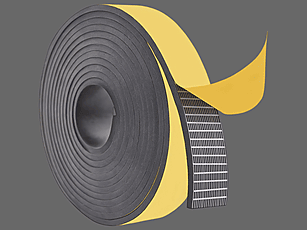
Packaging tapes are adhesive strips used primarily for sealing, securing, and protecting packages during shipping and storage. They are designed to adhere well to various surfaces, including cardboard, plastic, and metal. These tapes come in multiple widths, lengths, and thicknesses, catering to different packaging needs. The adhesive formulation and backing material also vary, allowing for specific applications and environmental considerations.
The primary uses of packaging tapes extend beyond simple sealing. They are vital in logistics, warehousing, and manufacturing sectors, ensuring products are securely packaged for distribution. Businesses use these tapes to enhance package integrity, prevent tampering, and improve branding through printed tapes. In addition, their versatility allows them to be used in various settings, from small retail operations to large-scale industrial applications. The packaging tape market is increasingly relevant as e-commerce continues to grow, driving demand for reliable and efficient packaging solutions.
Key Features and Specifications
Packaging tapes come with a variety of features that make them suitable for diverse applications. These features are essential for businesses looking to optimize their packaging processes and ensure product safety during transit. Key specifications for packaging tapes include:
1. Adhesive Type
- Options include acrylic, rubber, and hot melt adhesives.
- Each type offers different strengths and environmental resistance.
2. Backing Material
- Common materials include BOPP (Biaxially Oriented Polypropylene) and PVC (Polyvinyl Chloride).
- Each material affects durability and temperature resistance.
3. Thickness
- Ranges typically from 0.05 mm to 0.15 mm.
- Thickness impacts the tape's strength and performance.
4. Width
- Common widths range from 24 mm to 75 mm.
- Wider tapes provide better sealing and coverage.
5. Length
- Roll lengths can vary from 50 meters to 1000 meters.
- Longer rolls reduce the frequency of replacements.
6. Color Options
- Available in clear, brown, and colored varieties.
- Color can enhance branding and visibility.
7. Temperature Resistance
- Many tapes can withstand temperatures from -20°C to 80°C.
- Important for storage and shipping in various climates.
8. UV Resistance
- Certain tapes are designed to resist UV light degradation.
- Essential for outdoor storage or long-term use.
These specifications play a crucial role in selecting the right packaging tape for specific applications, ensuring optimal performance and reliability.
Common Applications and Use Cases
Packaging tapes find extensive applications across various industries due to their versatility and effectiveness.
1. E-commerce: In the e-commerce sector, packaging tapes are crucial for securing boxes and parcels during shipping. They help maintain the integrity of the package and ensure safe delivery.
2. Manufacturing: In manufacturing, packaging tapes are used for securing products on pallets, bundling materials, and sealing cartons before shipping to retailers or warehouses.
3. Warehousing: Warehousing operations rely on packaging tapes for labeling and securing boxes, facilitating organization and inventory management.
4. Food Industry: In the food sector, specialized packaging tapes are utilized for sealing food containers, ensuring freshness and compliance with safety standards.
5. Electronics: Packaging tapes are essential for securing electronic devices in boxes, protecting them from damage during transit.
6. Pharmaceuticals: In the pharmaceutical industry, tamper-evident packaging tapes are used to ensure product integrity and safety for consumers.
7. Retail: Retail businesses use packaging tapes for branding purposes, employing printed tapes to enhance their product packaging and visibility.
Product Variants and Subcategories
Packaging tapes come in various forms to cater to different needs and preferences.
Clear Packaging Tape: This variant is widely used for general-purpose sealing. It offers a discreet appearance, ensuring that the focus remains on the package itself. Its strong adhesive ensures that packages are securely sealed.
Printed Packaging Tape: Businesses often opt for printed tapes to include branding elements such as logos or messages. This variant not only seals packages but also serves as a marketing tool, enhancing brand visibility during shipping.
Double-Sided Tape: Used primarily in applications where both sides need to be bonded, double-sided tapes are ideal for mounting, crafting, and display purposes. They provide a clean finish without visible tape.
Specialty Packaging Tape: This includes tapes designed for specific applications, such as heavy-duty or tamper-evident varieties. These tapes cater to industries that require extra security or durability.
Benefits and Advantages
Sourcing the right packaging tapes offers numerous benefits for businesses looking to enhance their packaging processes.
1. Enhanced Package Security: Packaging tapes help secure boxes and prevent tampering, ensuring product safety during transit.
2. Cost-Effective Solution: Quality packaging tapes reduce the risk of damage, minimizing costs associated with product loss and returns.
3. Branding Opportunities: Custom printed tapes provide a means for businesses to promote their brand while packaging their products.
4. Versatility: Packaging tapes are suitable for various surfaces and applications, making them a versatile choice for different industries.
5. Easy Application: Most packaging tapes are designed for easy handling and application, allowing for efficient packaging processes.
6. Environmental Options: Many suppliers offer eco-friendly packaging tapes, allowing businesses to align with sustainability goals.
Buying Guide for B2B Buyers
When considering packaging tapes for purchase, B2B buyers should evaluate several critical factors to ensure they select the best options for their needs.
1. Quality Assessment: Buyers should examine the tape's adhesive strength, durability, and performance under various conditions. Testing samples can provide insights into the tape's efficacy.
2. Supplier Verification: It is essential to ensure that suppliers have a reputation for quality and reliability. Checking reviews, certifications, and references can help validate supplier credibility.
3. Pricing and MOQ: Understanding the pricing structure and minimum order quantities (MOQ) is vital for budget planning. Buyers should compare prices among suppliers and consider bulk discounts.
4. Delivery and Lead Times: Timely delivery is crucial for maintaining operations. Buyers must inquire about lead times and shipping options to avoid disruptions.
5. Compliance Requirements: Buyers should ensure that the packaging tapes meet relevant industry standards and regulations, such as safety certifications and environmental compliance.
Compliance and Certifications
Ensuring compliance with relevant standards and certifications is crucial for the manufacturing and use of packaging tapes. Many packaging tapes adhere to quality standards such as ISO 9001, which focuses on quality management systems. This standard ensures that manufacturers maintain high-quality practices throughout the production process.
Additionally, certain tapes may comply with HACCP (Hazard Analysis Critical Control Point) guidelines, especially in industries like food and pharmaceuticals, where safety is paramount. CE certification is another essential designation, indicating that the product meets European safety, health, and environmental protection standards.
Moreover, safety and testing requirements are critical, particularly for tapes used in sensitive applications. Regional compliance considerations may vary, so businesses must be aware of local regulations that govern packaging materials to ensure adherence to safety and quality standards.
Why Source Packaging Tapes from Pepagora?
Pepagora offers a reliable platform for sourcing high-quality packaging tapes, providing several advantages that streamline the buying process.
Verified Supplier Network: Pepagora connects buyers with a network of verified suppliers, ensuring that they are working with reputable sources. This verification process helps mitigate risks associated with supplier reliability and product quality.
Streamlined RFQ Process: The Request for Quotation (RFQ) process on Pepagora is designed to be user-friendly, allowing buyers to efficiently request quotes from multiple suppliers. This feature saves time and enables buyers to compare options effectively.
Trade Assurance and Support: Pepagora provides trade assurance, protecting buyers against potential issues such as shipment delays or product defects. The platform also offers customer support to assist with inquiries and resolve any concerns.
Regional Coverage: With a strong presence in India, the GCC, and Southeast Asia, Pepagora caters to a diverse range of buyers. This regional coverage ensures that businesses can find suitable packaging tape solutions tailored to their specific market needs.

 IN
IN

 India
India