What are Overhead Gantry Cranes?
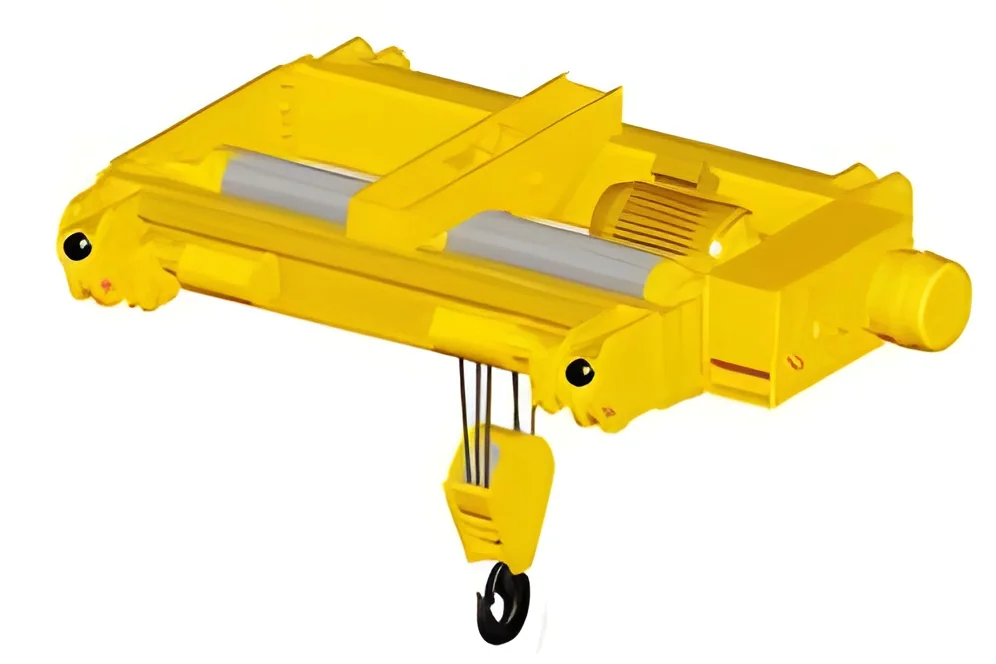
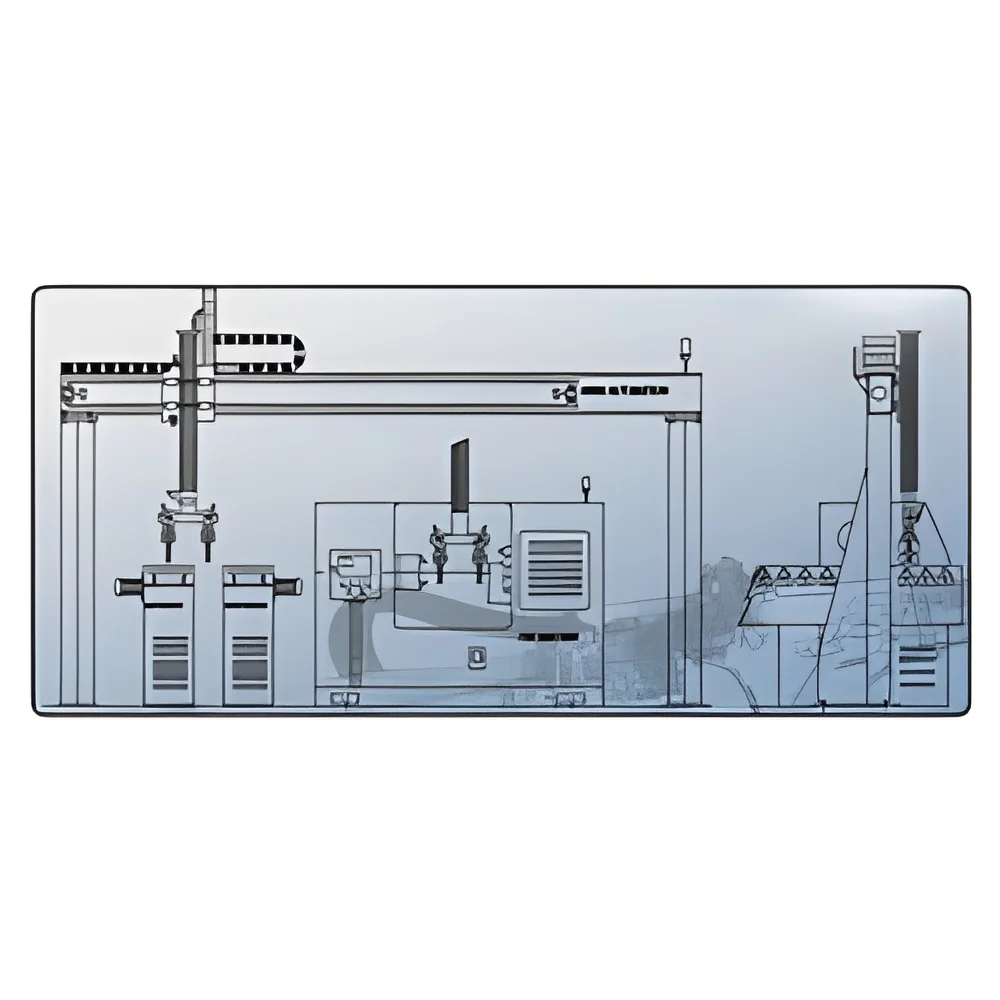
Overhead gantry cranes are sophisticated lifting devices that consist of a hoist and a bridge structure that moves along elevated tracks. They are designed to lift and transport heavy loads within industrial settings, providing a versatile solution for material handling. The crane's design allows it to span a large area, enabling it to lift items from one location and move them to another without the need for extensive ground space.
These cranes are widely used in various sectors such as manufacturing, shipping, and construction. They are particularly effective in facilities where heavy materials need to be moved frequently and efficiently. Businesses rely on overhead gantry cranes to improve productivity, enhance safety, and reduce the risk of workplace injuries associated with manual lifting. Their relevance in today’s industrial market continues to grow, as more companies seek automated solutions to streamline operations and increase efficiency.
Key Features and Specifications
Overhead gantry cranes come with several key features designed to enhance their performance and reliability. Understanding these specifications is crucial for businesses looking to invest in this equipment.
Key specifications include:
1. Load Capacity
- The maximum weight the crane can lift, typically ranging from 1 ton to over 100 tons.
2. Span Length
- The distance between the crane's supports, usually between 10 feet to 100 feet, depending on the application.
3. Lifting Height
- The maximum vertical distance the crane can lift loads, often adjustable according to operational needs.
4. Power Supply
- Commonly powered by electric motors, with options for battery-operated models in specific environments.
5. Speed of Operation
- Lifting and traveling speeds can vary, typically between 5 to 20 meters per minute.
6. Control System
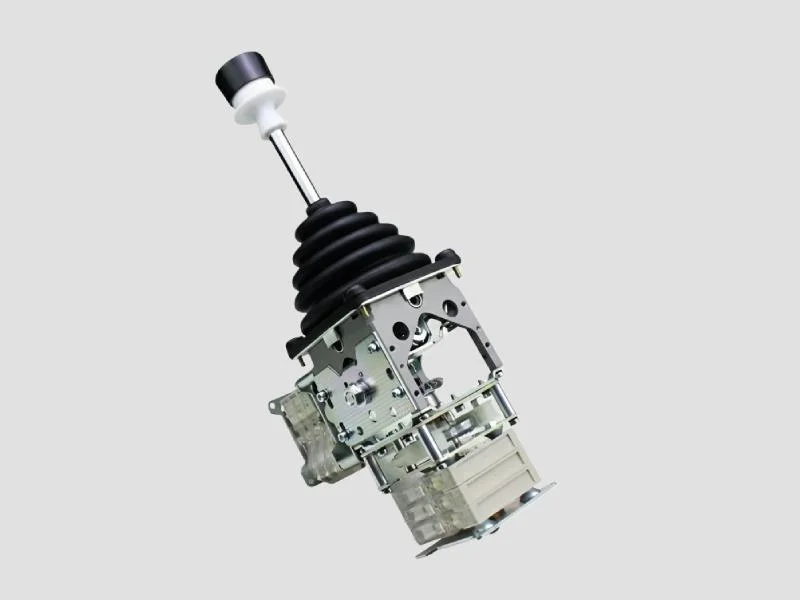
- Options for manual, pendant, or remote control systems to enhance operator convenience.
7. Safety Features
- Equipped with limit switches, emergency stop buttons, and overload protection systems.
8. Construction Material
- Typically made from high-strength steel to ensure durability and resistance to wear.
In summary, the specifications of overhead gantry cranes are critical to their efficiency and suitability for various industrial applications. Understanding these features helps businesses make informed decisions regarding their material handling needs.
Common Applications and Use Cases
Overhead gantry cranes find utility in numerous industries due to their versatility and effectiveness.
1. Manufacturing: Used for assembling components and moving heavy equipment within production lines.
2. Shipping and Logistics: Ideal for loading and unloading cargo containers in warehouses and distribution centers.
3. Construction: Employed on job sites to lift and position large materials such as steel beams and concrete slabs.
4. Automotive: Facilitates the transport of parts and engines during vehicle assembly processes.
5. Aerospace: Utilized for handling large aircraft components safely and efficiently.
6. Rail and Transportation: Assists in the maintenance and assembly of railcars and locomotives.
7. Steel and Metalworking: Essential for moving heavy metal sheets and products during the fabrication process.
Product Variants and Subcategories
Overhead gantry cranes come in various configurations to meet the specific needs of different industries.
Standard Gantry Crane
This variant features a fixed height and is designed for general lifting tasks in warehouses and manufacturing facilities. It is known for its robustness and ease of use.
Adjustable Gantry Crane
Equipped with adjustable height settings, this model allows for flexibility in lifting various loads, making it ideal for diverse applications.
Portable Gantry Crane
Designed for mobility, this lightweight crane can be easily moved to different locations. It is perfect for smaller operations or temporary setups.
Heavy-Duty Gantry Crane
Built to handle extremely heavy loads, this variant is often used in heavy manufacturing and construction environments.
Benefits and Advantages
Investing in overhead gantry cranes offers numerous advantages for businesses.
1. Increased Efficiency: These cranes streamline material handling, reducing the time required to move heavy loads.
2. Enhanced Safety: With features like overload protection, they minimize the risk of accidents and injuries in the workplace.
3. Versatility: Able to handle various materials across different industries, these cranes provide a flexible solution for lifting needs.
4. Space Optimization: Their ability to operate overhead frees up valuable floor space for other operations.
5. Cost-Effective: By reducing labor costs and improving workflow, overhead gantry cranes can lead to significant savings over time.
6. Customization Options: Many manufacturers offer customizable features to meet specific operational requirements.
Buying Guide for B2B Buyers
When sourcing overhead gantry cranes, several factors should be considered to ensure the right fit for your operations.
1. Quality Assessment: Evaluate the build quality and materials used in the crane's construction. Look for suppliers with a reputation for high standards.
2. Supplier Verification: Research potential suppliers to confirm their reliability and experience in the industry. Request references and check customer reviews.
3. Pricing and MOQ: Understand the price range for the cranes you need and inquire about minimum order quantities. This will help in budgeting and planning.
4. Delivery and Lead Times: Discuss logistics with suppliers, including delivery schedules and lead times, to ensure timely receipt of your equipment.
5. Compliance Requirements: Ensure that the cranes meet relevant safety and quality standards in your region, including certifications such as CE.
Compliance and Certifications
Compliance with industry standards and certifications is essential for overhead gantry cranes. Many manufacturers adhere to quality management systems such as ISO 9001, which ensures consistent quality and reliability.
Additionally, certifications like CE indicate that the cranes meet European safety, health, and environmental protection standards, assuring users of their safety and effectiveness.
Safety testing requirements are crucial to ensure that cranes operate safely under various loads and conditions. It is also important to consider regional compliance issues, as different countries may have specific regulations governing the use of lifting equipment.
Why Source Overhead Gantry Cranes from Pepagora?
Pepagora provides a trusted platform for sourcing overhead gantry cranes, presenting several key advantages for B2B buyers.
Verified Supplier Network: Pepagora connects buyers with a network of verified suppliers, ensuring that you have access to reliable and reputable manufacturers.
Streamlined RFQ Process: The platform simplifies the request for quotation process, allowing buyers to easily compare options and make informed decisions.
Trade Assurance and Support: Pepagora offers buyer protection measures that enhance confidence in transactions, providing peace of mind during the purchasing process.
Regional Coverage: With a strong presence in India, the GCC, and Southeast Asia, Pepagora supports businesses across diverse markets, ensuring access to quality cranes tailored to local requirements.

 IN
IN

 India
India