
 IN
Microprocessors
4 products available
What are Microprocessors?
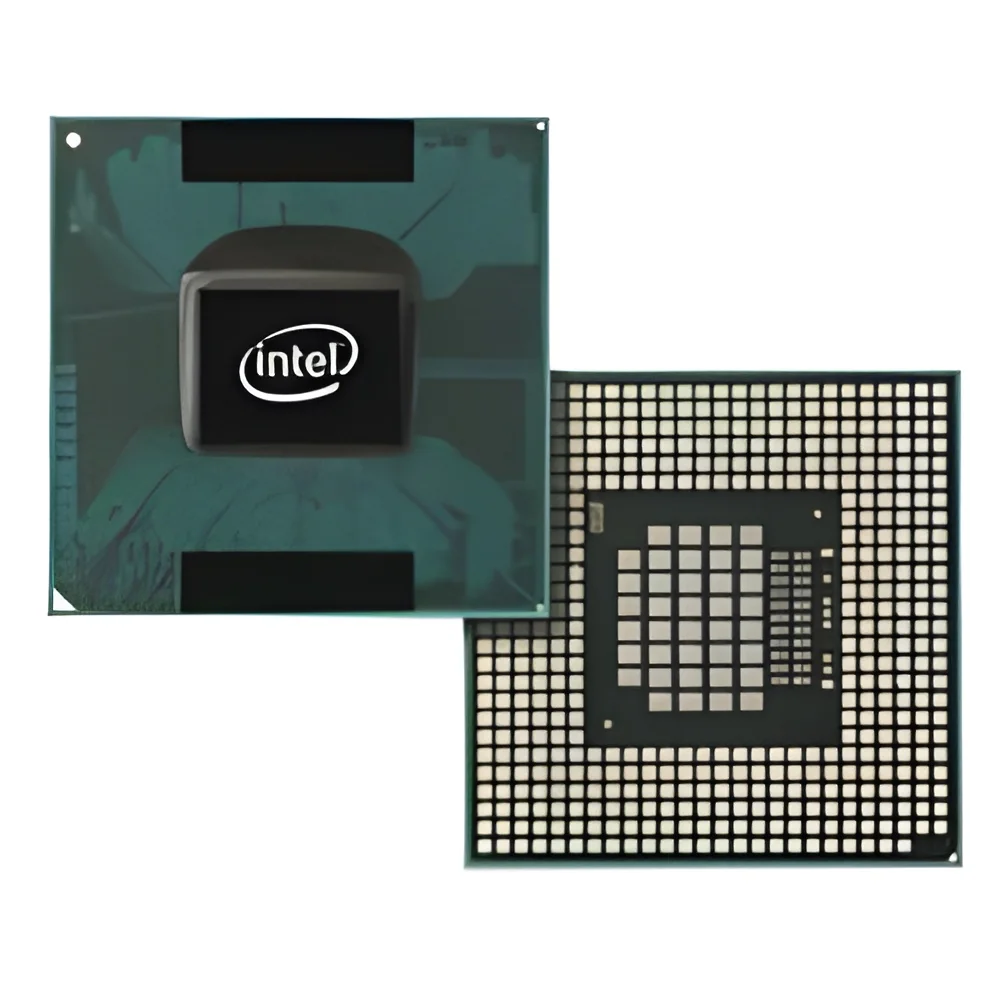
Microprocessors are integrated circuits that serve as the central processing unit (CPU) of a computer or other electronic devices. They execute a set of instructions to perform tasks, manage data, and control peripheral devices. Essentially, microprocessors act as the brain of a system, processing information and making decisions based on programmed logic. Their compact size and high performance have made them a cornerstone of modern computing technology.
Microprocessors find applications across various sectors, including telecommunications, automotive, consumer electronics, and industrial automation. Businesses utilize microprocessors for tasks ranging from simple data processing to complex calculations in embedded systems. As industries increasingly embrace automation and smart technologies, the demand for microprocessors continues to rise, driving innovation and competition in the market.
The relevance of microprocessors in today's economy cannot be overstated. They are integral to the functioning of countless devices and systems, from smartphones and computers to sophisticated industrial machines. As technology evolves, microprocessors are becoming more powerful and energy-efficient, indicating a robust growth trajectory within the sector.
Key Features and Specifications
Microprocessors are characterized by several key features and specifications that define their performance and suitability for various applications. Understanding these specifications is crucial for businesses looking to integrate microprocessors into their systems.
Key specifications include:
1. Clock Speed
- Determines how many cycles per second the processor can execute.
- Measured in gigahertz (GHz), with higher numbers indicating faster performance.
2. Core Count
- Refers to the number of individual processing units within the microprocessor.
- More cores typically allow for better multitasking and parallel processing.
3. Architecture
- Defines the design and functionality of the processor.
- Common architectures include x86, ARM, and RISC.
4. Cache Memory
- A small amount of high-speed memory located on the processor.
- Used to store frequently accessed data for quicker retrieval.
5. Thermal Design Power (TDP)
- Indicates the maximum amount of heat generated by the processor under load.
- Important for cooling system design and energy consumption considerations.
6. Instruction Set
- A set of commands that the processor can execute.
- Affects compatibility with software and performance capabilities.
7. Power Consumption
- The amount of power the microprocessor uses during operation.
- Lower consumption is crucial for battery-operated devices and energy-efficient systems.
8. Integrated Graphics
- Some microprocessors include built-in graphics capabilities.
- Useful for applications requiring visual output without a dedicated graphics card.
These specifications provide a comprehensive overview of microprocessors, enabling businesses to make informed decisions regarding their selection and deployment.
Common Applications and Use Cases
Microprocessors are versatile components used in a multitude of industries and applications.
1. Telecommunications: Microprocessors power communication devices such as smartphones, routers, and switches, managing data traffic and enabling connectivity.
2. Automotive: In the automotive sector, microprocessors control engine management systems, safety features, and infotainment systems, enhancing vehicle performance and user experience.
3. Consumer Electronics: Devices such as televisions, gaming consoles, and smart home appliances utilize microprocessors for processing tasks and improving functionality.
4. Industrial Automation: Microprocessors are key to controlling machinery, robotics, and manufacturing processes, optimizing efficiency and productivity in industrial settings.
5. Healthcare: In medical devices, microprocessors enable real-time monitoring, data analysis, and patient diagnostics, contributing to improved healthcare outcomes.
6. Aerospace: Microprocessors are critical in avionics systems, controlling navigation, communication, and safety features in aircraft.
7. Internet of Things (IoT): IoT devices rely on microprocessors to process data and interact with other devices, driving the growth of smart technology ecosystems.
These diverse applications highlight the essential role of microprocessors in modern technology and their impact across various fields.
Product Variants and Subcategories
Microprocessors come in a variety of types and configurations, tailored to meet specific needs and applications. This product diversity allows businesses to choose the right microprocessor for their particular use case.
General-Purpose Microprocessors: These are designed for a wide range of applications, suitable for personal computers, servers, and general computing tasks. They offer balanced performance and power consumption.
Embedded Microprocessors: Tailored for embedded systems, these microprocessors are optimized for specific functions within devices such as appliances, automotive systems, and industrial equipment. They often feature lower power consumption and specialized instruction sets.
Digital Signal Processors (DSPs): Designed for processing digital signals, DSPs are commonly used in audio, video, and telecommunications applications. They excel in tasks such as audio processing and real-time data analysis.
Microcontrollers: These are compact integrated circuits that include a processor, memory, and input/output peripherals. Microcontrollers are widely used in automation, robotics, and consumer electronics.
Benefits and Advantages
Investing in microprocessors offers numerous advantages for businesses across various industries.
1. Performance: Microprocessors deliver high processing speeds, enabling efficient execution of complex tasks and applications.
2. Energy Efficiency: Many modern microprocessors are designed to consume less power, reducing operational costs and supporting sustainability initiatives.
3. Versatility: With a wide range of types and configurations available, microprocessors can be tailored to meet diverse application needs.
4. Integration: Microprocessors often integrate additional features such as graphics processing, reducing the need for separate components and simplifying system design.
5. Scalability: Businesses can scale their operations easily by selecting microprocessors that meet their current and future demands.
6. Reliability: High-quality microprocessors are built to withstand challenging environments, ensuring longevity and stable performance in critical applications.
These benefits underline the importance of microprocessors in enhancing operational efficiency and supporting technological advancements.
Buying Guide for B2B Buyers
When sourcing microprocessors, it is essential for B2B buyers to consider several critical factors to ensure they select the best option for their needs.
1. Quality Assessment: Buyers should evaluate the quality of microprocessors based on manufacturer reputation, product reviews, and compliance with industry standards. High-quality components are vital for reliable performance.
2. Supplier Verification: Vetting suppliers is crucial. Buyers should check for certifications, past performance, and customer feedback to ensure they partner with reputable manufacturers.
3. Pricing and MOQ: Understanding the price range and minimum order quantities (MOQ) is important for budgeting. Buyers should compare prices from different suppliers to find competitive offers.
4. Delivery and Lead Times: Consideration of delivery schedules and lead times is essential for project planning. Reliable suppliers should provide clear timelines and options for expedited shipping if necessary.
5. Compliance Requirements: Ensure that the microprocessors meet specific compliance and regulatory standards relevant to the industry. This includes safety certifications and environmental regulations.
Compliance and Certifications
Microprocessors must adhere to various quality standards and certifications to ensure reliability and safety in their applications. One relevant standard is ISO 9001, which focuses on quality management systems, ensuring that manufacturers maintain high-quality production processes.
In addition to ISO certifications, microprocessors often require compliance with industry-specific regulations such as CE marking, which indicates conformity with health, safety, and environmental protection standards within the European Economic Area.
Safety and testing requirements are critical for microprocessors, especially when used in sensitive applications. Manufacturers must conduct rigorous testing to demonstrate that their products can withstand harsh conditions and perform reliably over time.
Regional compliance considerations may also come into play, as different countries or regions may have specific regulations governing electronic components. Buyers should ensure that the microprocessors they source comply with local laws and standards.
Why Source Microprocessors from Pepagora?
Pepagora provides a trusted platform for sourcing microprocessors, offering several key advantages that benefit B2B buyers in their procurement processes.
Verified Supplier Network: Pepagora connects buyers with a network of verified suppliers, ensuring that all listed manufacturers have undergone thorough vetting. This reduces the risk of sourcing low-quality products and enhances buyer confidence.
Streamlined RFQ Process: The platform simplifies the request for quotation (RFQ) process, allowing buyers to easily compare offerings from multiple suppliers. This efficiency can lead to better pricing and faster decision-making.
Trade Assurance and Support: Pepagora offers trade assurance, protecting buyers from potential issues in transactions. Additionally, dedicated support is available to assist buyers throughout the procurement process, ensuring a smooth experience.
Regional Coverage: With a focus on key markets such as India, the GCC, and Southeast Asia, Pepagora ensures that buyers have access to a broad range of suppliers and products tailored to regional needs. This geographic reach enhances sourcing flexibility and options for businesses looking to procure microprocessors.


 India



 India

Frequently Asked Questions
What are Microprocessors?
Microprocessors are compact integrated circuits that serve as the brain of a computer or embedded system. They execute instructions, perform calculations, and control other components within electronic devices.
What are the different types of Microprocessors?
Microprocessors can be categorized into various types, including CISC (Complex Instruction Set Computing), RISC (Reduced Instruction Set Computing), DSP (Digital Signal Processing) processors, and embedded microcontrollers. Each type serves different applications based on performance, complexity, and power consumption requirements.
How do I choose the right Microprocessors?
Choosing the right microprocessor involves considering factors such as processing speed, core architecture, power consumption, and compatibility with existing hardware. Additionally, assess the specific application requirements to determine the best fit for your needs.
What are the standard specifications for Microprocessors?
Standard specifications for microprocessors typically include clock speed (measured in GHz), number of cores, cache size, and instruction set architecture. Other important specifications may include thermal design power (TDP) and voltage range.
What is the price range for Microprocessors?
The price range for microprocessors can vary significantly based on factors such as brand, performance level, and application type. Generally, prices can range from a few hundred INR for basic models to thousands of INR for high-performance processors.
What quality standards apply to Microprocessors?
Microprocessors are typically manufactured under strict quality standards such as ISO 9001 and IPC standards for electronic assemblies. These standards ensure reliability, performance, and compliance with industry regulations.
Where can I find Microprocessors suppliers in India?
You can find microprocessor suppliers in India through online B2B marketplaces like Pepagora, industry trade shows, and electronics distribution companies. Conducting a thorough search online will provide various options to choose from.
Can Microprocessors be customized?
Yes, microprocessors can be customized based on specific application requirements, such as processing speed, power requirements, and additional features. Customization usually involves collaboration with manufacturers to develop tailored solutions.
What is the typical minimum order quantity for Microprocessors?
The typical minimum order quantity (MOQ) for microprocessors can vary by supplier and product type, but it often ranges from 10 to 100 units. It is advisable to check with specific suppliers for their MOQ policies.
What is the typical lead time for Microprocessors?
The typical lead time for microprocessors can range from a few days to several weeks, depending on the supplier, product availability, and order volume. It is essential to confirm lead times with suppliers when placing an order.
Why Businesses Trust Pepagora
Thousands of companies trust Pepagora to source smarter and sell faster
Expand Your Sales Globally

Source Smarter,Grow Faster
