What are Manual Call Points (MCP)?
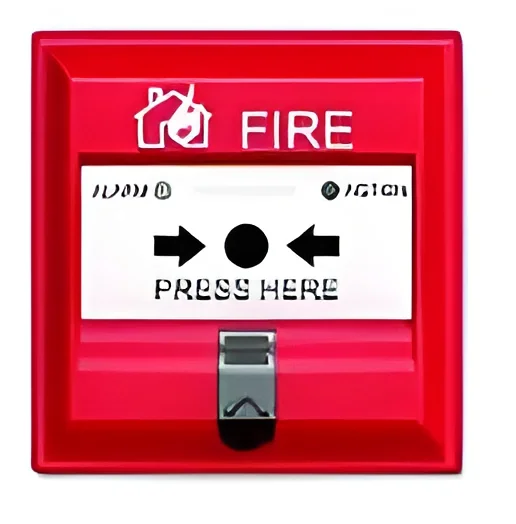
Manual Call Points (MCP) are essential safety devices used in fire alarm systems. They are strategically placed throughout buildings to allow individuals to manually trigger the alarm in case of an emergency. These devices usually feature a break glass mechanism that, when activated, sends a signal to the fire alarm control panel, alerting all occupants to evacuate the premises.
MCPs are primarily utilized in commercial and industrial settings where quick emergency response is crucial. They serve as a critical component of fire safety protocols, enabling personnel to alert others without needing to rely on automated systems alone. This is particularly vital in environments such as office buildings, manufacturing facilities, and educational institutions where high foot traffic may necessitate immediate evacuation procedures.
In today's market, the relevance of Manual Call Points has surged due to increased awareness of fire safety regulations and standards. Industries are now more focused on ensuring that their facilities are equipped with compliant and reliable safety measures. The demand for MCPs is growing as businesses recognize the importance of contributing to a safer working environment while adhering to safety regulations.
๐๐ฒ๐ ๐๐ฒ๐ฎ๐๐๐ฟ๐ฒ๐ ๐ฎ๐ป๐ฑ ๐ฆ๐ฝ๐ฒ๐ฐ๐ถ๐ณ๐ถ๐ฐ๐ฎ๐๐ถ๐ผ๐ป๐
Manual Call Points come with various features and specifications that enhance their functionality and reliability. Understanding these specifications is crucial for businesses when selecting the right MCP for their needs.
Key specifications include:
1. Activation Type
- Usually a break glass or push-button mechanism
- Ensures quick and easy activation in emergencies
2. Operating Voltage
- Typically operates at 12V or 24V DC
- Compatible with most fire alarm systems
3. Material
- Commonly made from durable plastic or metal
- Designed to withstand environmental conditions
4. Mounting Type
- Wall-mounted installation
- Ensures visibility and accessibility
5. Alarm Signal Type
- Standard alarm sound or visual indicator
- Alerts occupants effectively during emergencies
6. Compliance Standards
- CE certification is essential
- Adheres to international safety and quality standards
7. Color Options
- Available in bright red or green
- Enhances visibility in emergency situations
8. Environmental Ratings
- Designed for indoor use
- Some variants may have moisture-resistant features
These specifications ensure that MCPs are effective under various circumstances, making them a reliable choice for fire safety.
๐๐ผ๐บ๐บ๐ผ๐ป ๐๐ฝ๐ฝ๐น๐ถ๐ฐ๐ฎ๐๐ถ๐ผ๐ป๐ ๐ฎ๐ป๐ฑ ๐จ๐๐ฒ ๐๐ฎ๐๐ฒ๐
Manual Call Points are utilized across a range of industries, each with specific applications tailored to their unique environments.
1. Commercial Buildings: In office complexes, MCPs allow employees to alert others in case of a fire, ensuring swift evacuation procedures.
2. Manufacturing Facilities: Often located near machinery or high-risk areas, MCPs help workers immediately signal emergencies, minimizing potential hazards.
3. Educational Institutions: Schools and universities implement MCPs to empower students and staff to report emergencies, ensuring safety in densely populated areas.
4. Healthcare Facilities: Hospitals and clinics utilize MCPs to maintain safety protocols, allowing staff to act quickly in the event of a fire.
5. Retail Environments: Shopping centers employ MCPs to ensure customer safety and facilitate rapid response during emergencies.
6. Warehouses: In these settings, MCPs are crucial for alerting personnel about emergencies, especially in high-traffic zones.
7. Hospitality Sector: Hotels and restaurants install MCPs to safeguard guests and staff, promoting a secure environment.
๐ฃ๐ฟ๐ผ๐ฑ๐๐ฐ๐ ๐ฉ๐ฎ๐ฟ๐ถ๐ฎ๐ป๐๐ ๐ฎ๐ป๐ฑ ๐ฆ๐๐ฏ๐ฐ๐ฎ๐๐ฒ๐ด๐ผ๐ฟ๐ถ๐ฒ๐
Manual Call Points come in various designs, catering to different needs and environments.
Standard Manual Call Point
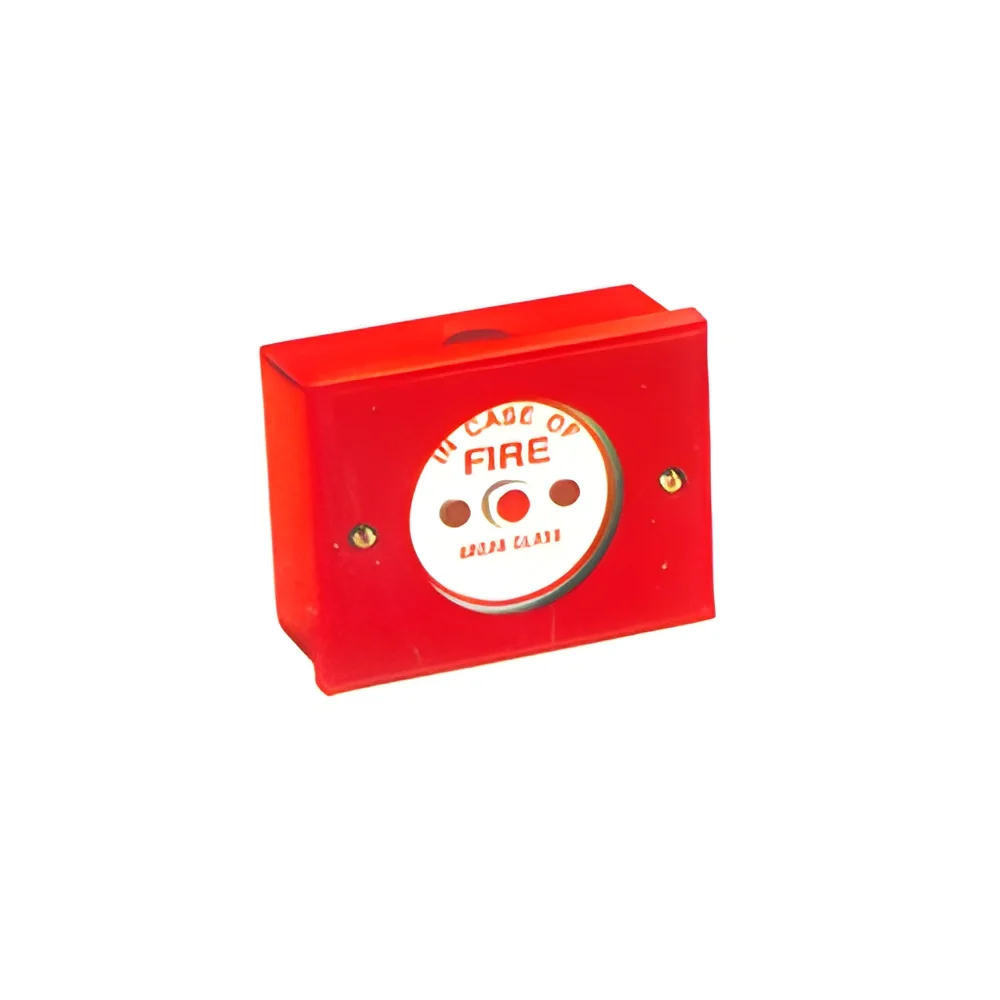
This variant features a break glass mechanism and is designed for general use in most commercial settings. Its simplicity and reliability make it a popular choice.
Weatherproof Manual Call Point
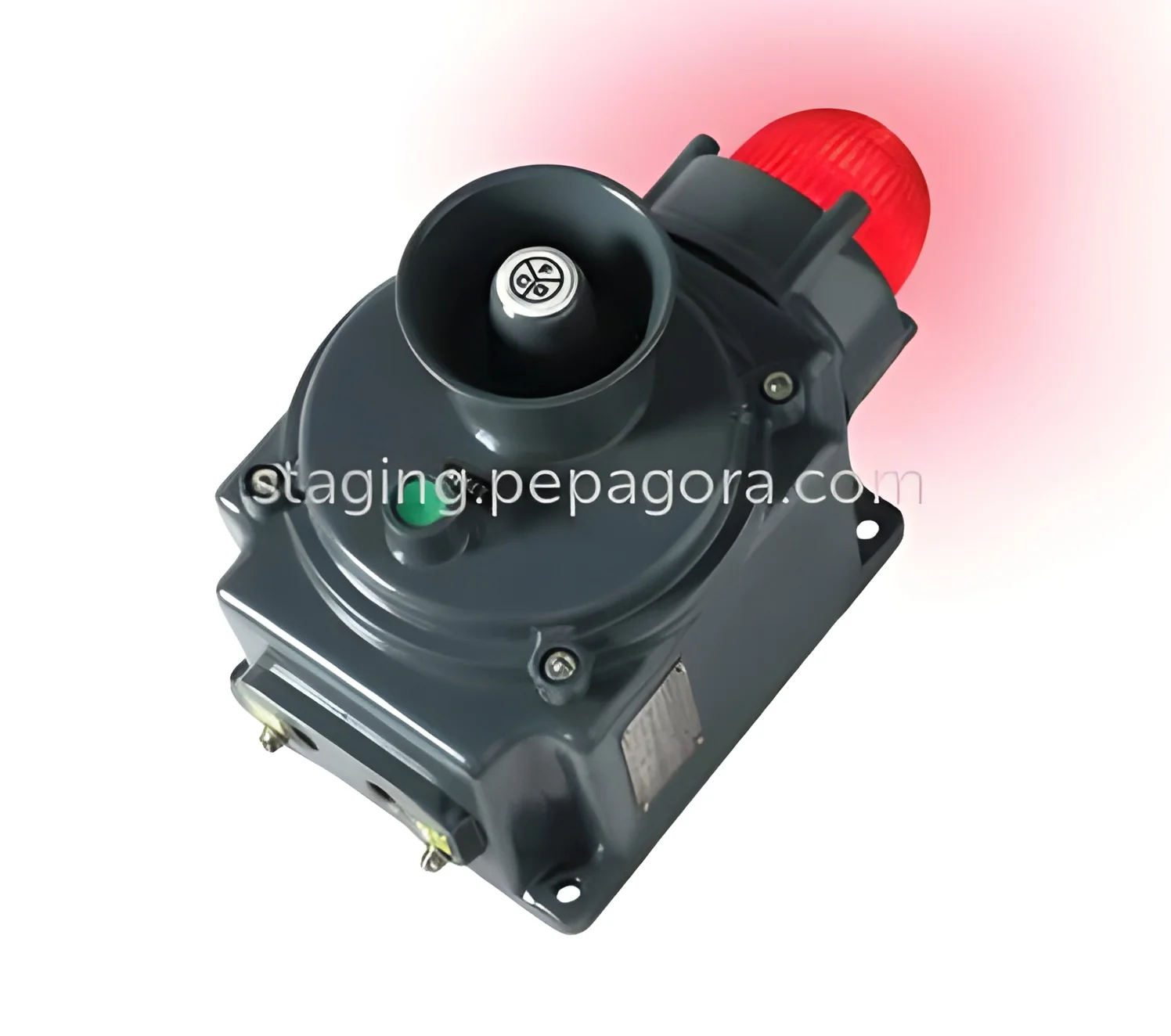
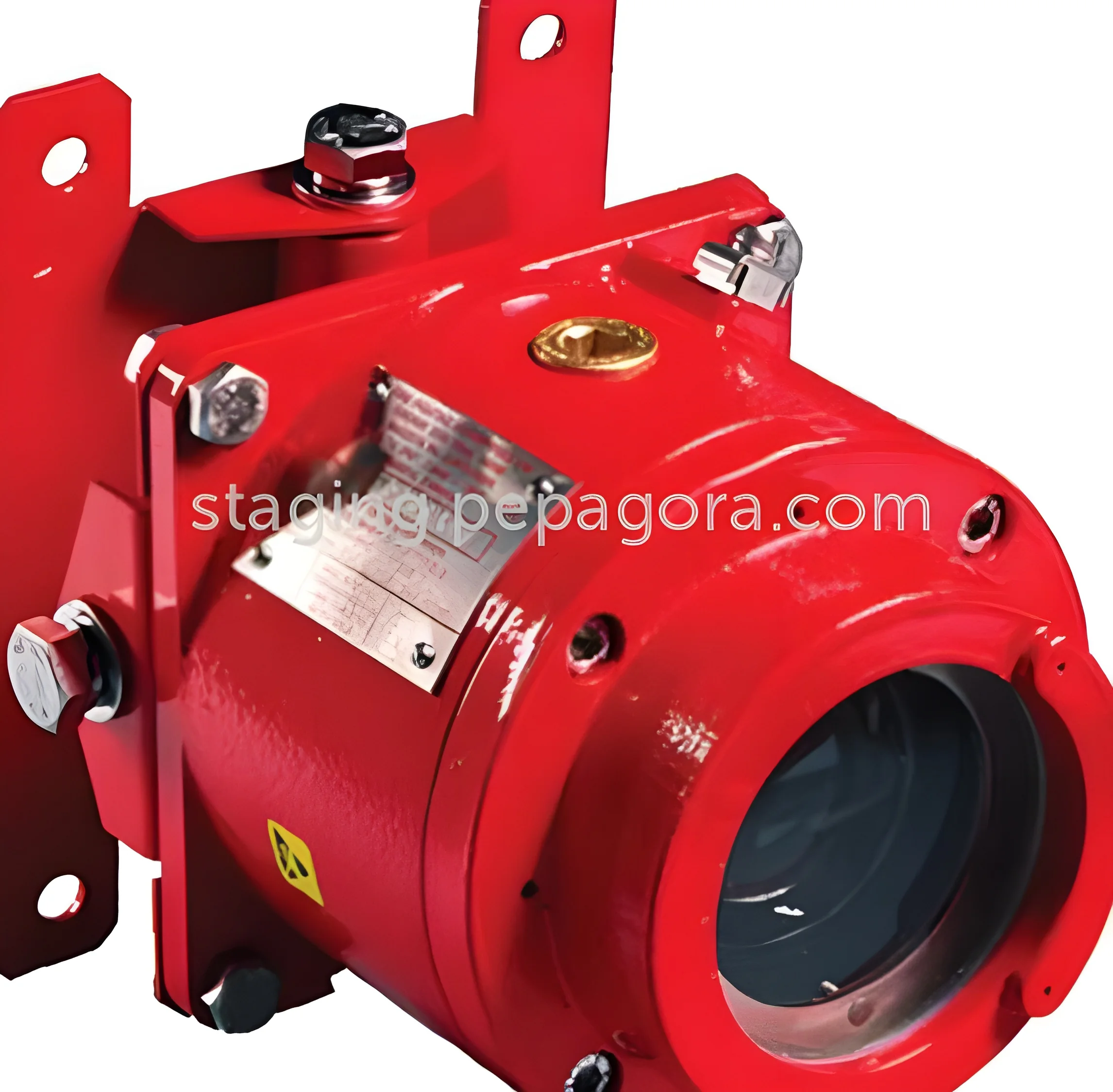
Designed for outdoor applications, this variant is built to withstand harsh environmental conditions. It is ideal for facilities that require external safety measures.
Remote Manual Call Point
This type allows activation from a distance, providing greater flexibility in large facilities. It is especially useful in manufacturing plants or expansive warehouses.
๐๐ฒ๐ป๐ฒ๐ณ๐ถ๐๐ ๐ฎ๐ป๐ฑ ๐๐ฑ๐๐ฎ๐ป๐๐ฎ๐ด๐ฒ๐
Manual Call Points offer significant advantages that enhance fire safety protocols in various settings.
1. Quick Activation: MCPs allow for immediate alarm signaling, reducing response time during emergencies.
2. User-Friendly Design: Their straightforward operation ensures that individuals of all ages can activate them without confusion.
3. Compliance with Regulations: Installing MCPs helps businesses adhere to safety standards, minimizing legal risks.
4. Increased Safety Awareness: The presence of MCPs promotes a culture of safety among employees and visitors.
5. Cost-Effectiveness: They provide an economical solution for fire safety without compromising reliability.
6. Versatility: MCPs can be used in diverse environments, making them suitable for almost any industry.
๐๐๐๐ถ๐ป๐ด ๐๐๐ถ๐ฑ๐ฒ ๐ณ๐ผ๐ฟ ๐๐ฎ๐ ๐๐๐๐ฒ๐ฟ๐
When sourcing Manual Call Points (MCP), businesses should consider several critical factors to ensure the right selection.
1. Quality Assessment: It is essential to evaluate the quality of MCPs by checking for certifications such as CE. Look for products from reputable manufacturers known for their reliability.
2. Supplier Verification: Vetting suppliers is crucial. Choose suppliers with a proven track record in the industry and positive customer reviews to ensure you receive high-quality products.
3. Pricing and MOQ: Understand the cost structure, including any minimum order quantities (MOQ). This helps in budgeting and ensures you fulfill your safety needs without overspending.
4. Delivery and Lead Times: Consider logistics when sourcing MCPs. Ensure that suppliers can meet your delivery demands within your required timeframe to avoid delays in installation.
5. Compliance Requirements: Be aware of local regulations and standards that apply to fire safety equipment to ensure compliance and avoid legal issues.
๐๐ผ๐บ๐ฝ๐น๐ถ๐ฎ๐ป๐ฐ๐ฒ ๐ฎ๐ป๐ฑ ๐๐ฒ๐ฟ๐๐ถ๐ณ๐ถ๐ฐ๐ฎ๐๐ถ๐ผ๐ป๐
Manual Call Points must meet various quality and safety standards to ensure their effectiveness and reliability. Key certifications include CE, which indicates compliance with European safety requirements.
Additionally, adherence to relevant industry standards such as ISO 9001 ensures that products are manufactured under strict quality management systems. This contributes to the overall safety and reliability of MCPs.
Safety testing is also essential for these devices. Manufacturers must conduct rigorous testing to confirm that MCPs function correctly under various conditions. Furthermore, regional compliance considerations should be taken into account, as different areas may have specific regulations governing fire safety equipment.
Why Source Manual Call Points (MCP) from Pepagora?
Pepagora offers a trustworthy platform for sourcing Manual Call Points (MCP) with several key advantages that benefit B2B buyers.
Verified Supplier Network: Pepagora connects buyers with a network of verified suppliers, ensuring that products meet industry standards and quality expectations.
Streamlined RFQ Process: The request for quotation (RFQ) system simplifies the sourcing process, allowing buyers to easily compare options and make informed purchasing decisions.
Trade Assurance and Support: Pepagora provides buyer protection through trade assurance, which safeguards transactions and ensures satisfaction with the procurement process.
Regional Coverage: With a strong presence in India, the GCC region, and Southeast Asia, Pepagora offers comprehensive coverage, making it easy for businesses to source MCPs in their respective markets.