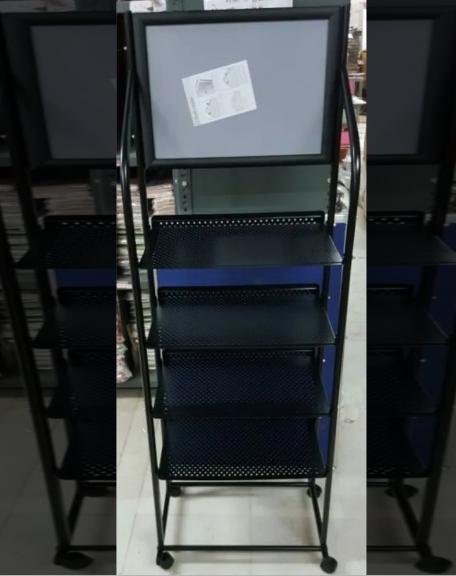
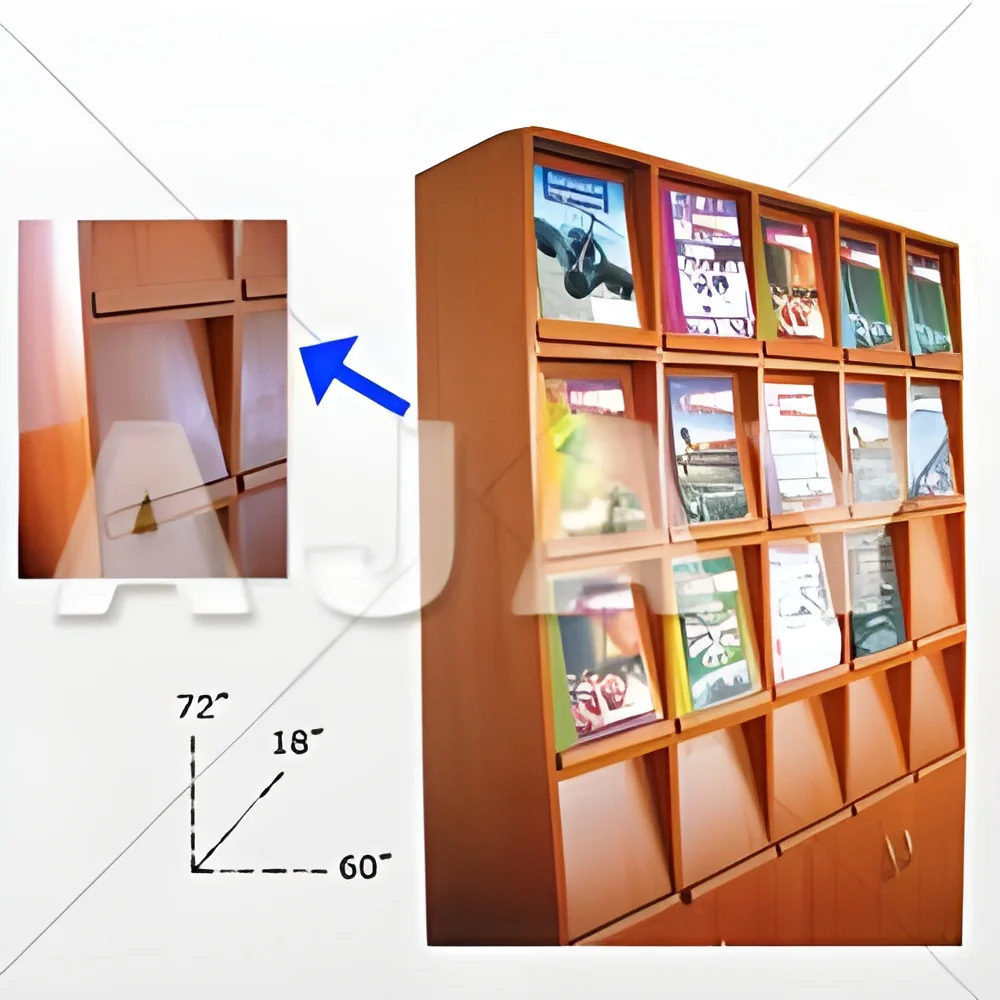
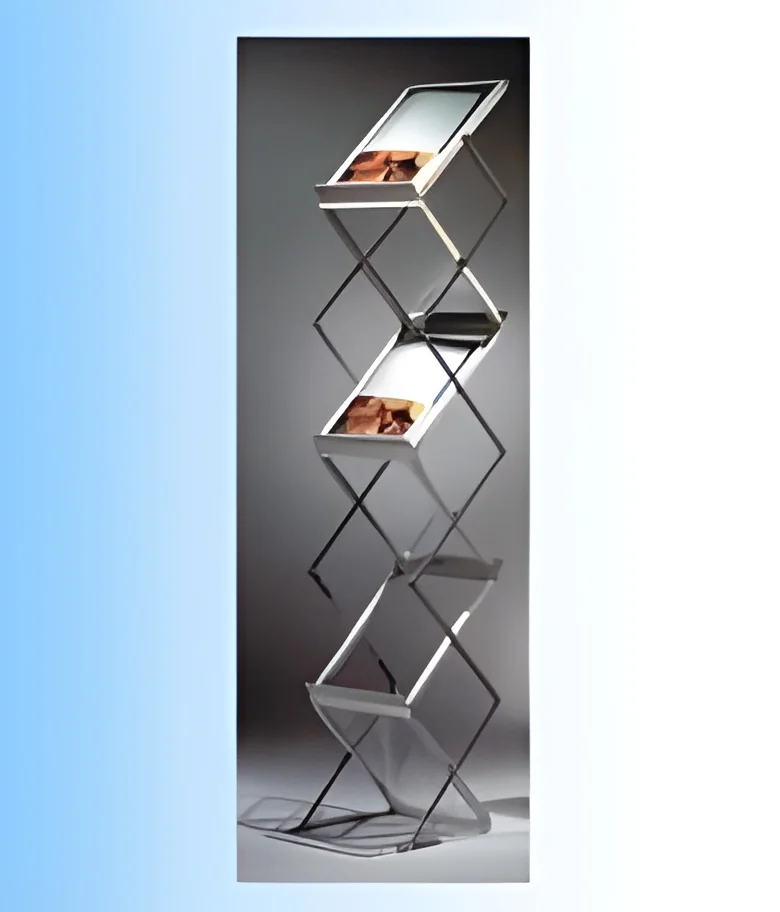
What are Magazine Racks?
Magazine racks are specialized storage solutions designed to organize and display magazines, brochures, and other printed materials. These racks are typically made from various materials such as metal, plastic, or wood and come in a range of styles and sizes to accommodate different needs. Their primary purpose is to keep printed items easily accessible and neatly arranged, helping to reduce clutter in offices, waiting rooms, and retail spaces.
In business settings, magazine racks serve as an effective way to showcase promotional materials and publications. They are widely used in industries such as retail, healthcare, and hospitality. By providing a neat and professional appearance, magazine racks enhance the presentation of information and can improve the customer experience. In a competitive market, having an organized display can significantly impact how a business is perceived.
The relevance of magazine racks in various industries cannot be overstated. With the growing emphasis on visual merchandising and effective communication, businesses are increasingly investing in quality display solutions. The market for magazine racks continues to evolve, incorporating innovative designs and functionalities to meet the changing needs of users.
Key Features and Specifications
Magazine racks come with a variety of features and specifications that cater to different business requirements. Understanding these can help buyers make informed decisions based on their specific needs.
Key specifications include:
1. Material
- Common materials include metal, plastic, and wood.
- Each material offers different levels of durability and aesthetic appeal.
2. Capacity
- Capacity refers to the number of magazines or brochures the rack can hold.
- Ranges can vary from a few slots to over fifty, depending on the design.
3. Size
- Dimensions vary widely, affecting where the rack can be placed.
- Standard sizes range from compact tabletop models to large floor-standing units.
4. Design Style
- Magazine racks come in various styles, such as wall-mounted, freestanding, or tabletop.
- The design can impact the visibility and accessibility of displayed items.
5. Weight
- Weight specifications are important for stability and portability.
- Heavier racks may provide more stability, while lighter options are easier to move.
6. Finish
- Different finishes, such as powder-coated, polished, or laminated, affect durability and appearance.
- Choice of finish can enhance or complement existing décor.
7. Customization Options
- Many manufacturers offer customization in size, color, and branding.
- Customization allows businesses to align the rack with their brand identity.
8. Assembly Requirements
- Some racks require assembly upon delivery, while others come fully assembled.
- Assembly complexity can vary significantly based on design.
In summary, the features and specifications of magazine racks play a vital role in determining their suitability for specific business environments. Buyers should carefully evaluate these aspects to select the right product.
Common Applications and Use Cases
Magazine racks are versatile products used in a variety of settings across different industries.
1. Retail: Retail environments use magazine racks to display product catalogs and promotional materials, enhancing customer engagement and encouraging purchases.
2. Healthcare: In medical offices and hospitals, magazine racks provide patients with reading material while they wait, improving the overall patient experience.
3. Hospitality: Hotels and restaurants utilize magazine racks in lobbies and waiting areas to showcase local attractions and dining options, helping guests feel informed and welcome.
4. Corporate Offices: Businesses often use magazine racks in reception areas to present company literature or industry publications, conveying professionalism and brand identity.
5. Educational Institutions: Schools and universities can use magazine racks to display brochures and newsletters, promoting events and resources to students and visitors.
6. Libraries: Libraries benefit from magazine racks by organizing periodicals and making them easily accessible to patrons, encouraging reading and research.
7. Nonprofits: Nonprofit organizations utilize magazine racks to share informative materials about their missions and initiatives, raising awareness and encouraging support from the community.
Product Variants and Subcategories
Magazine racks are available in several variants to meet diverse customer needs. While specific subcategories may not be available, here are some common variants.
Wall-mounted Magazine Rack: This variant is designed to save space by being attached directly to walls. It is ideal for small offices or areas with limited floor space. Wall-mounted racks can be used to display a variety of materials, keeping them organized and easily accessible.
Freestanding Magazine Rack: A popular choice for larger spaces, freestanding racks can hold multiple magazines and brochures. They are often placed in high-traffic areas such as lobbies or waiting rooms, allowing easy access for visitors.
Tabletop Magazine Rack: These compact racks are designed for use on desks or tables. They are perfect for smaller collections of magazines and can be easily relocated as needed. Tabletop racks are often used in offices or at events to provide information.
Multi-tier Magazine Rack: This design features multiple tiers or shelves, allowing for extensive storage in a compact footprint. Multi-tier racks are suitable for retail settings where a wide variety of materials need to be displayed.
Benefits and Advantages
Investing in magazine racks offers several advantages for businesses looking to enhance their display solutions.
1. Improved Organization: Magazine racks help keep printed materials organized and easily accessible, reducing clutter in workspaces.
2. Enhanced Presentation: A well-designed magazine rack improves the visual appeal of displayed materials, promoting a professional image.
3. Increased Accessibility: Racks make it easier for customers and employees to find and access important information quickly.
4. Space Efficiency: Many magazine racks are designed to maximize storage while minimizing the use of floor space, making them ideal for various environments.
5. Customization Potential: Many manufacturers offer customization options, allowing businesses to tailor magazine racks to their branding needs.
6. Durable Construction: High-quality materials ensure longevity, making magazine racks a cost-effective investment over time.
Buying Guide for B2B Buyers
When sourcing magazine racks, buyers should consider several critical factors to ensure they are making the best choice for their business needs.
1. Quality Assessment: Evaluate the materials and construction quality of magazine racks. Look for durability and stability to ensure the product will withstand regular use.
2. Supplier Verification: Research potential suppliers to ensure they have a reliable reputation. Check for industry certifications and customer reviews to confirm their credibility.
3. Pricing and MOQ: Understand the pricing structure and minimum order quantities (MOQ) set by suppliers. This helps in budgeting and ensures that the order meets business needs.
4. Delivery and Lead Times: Inquire about delivery times and logistics. Timely delivery is crucial for businesses that require immediate use of magazine racks.
5. Compliance Requirements: Ensure that the magazine racks meet relevant industry standards and regulations. This may include safety and quality certifications as mandated by local authorities.
Compliance and Certifications
Magazine racks are often subject to various compliance standards and certifications to ensure they meet industry expectations for quality and safety.
Relevant quality standards such as ISO 9001 focus on quality management systems, ensuring that manufacturers adhere to high production standards. Compliance with such standards can indicate a commitment to quality and customer satisfaction.
Certification like CE is crucial for products sold in the European market, ensuring they meet health, safety, and environmental protection standards. This certification can enhance a product's marketability and acceptance.
Additionally, safety and testing requirements may vary by region, and businesses should confirm that their chosen magazine racks comply with local regulations. This includes factors such as material safety, structural integrity, and any regional compliance considerations that may impact usability.
Why Source Magazine Racks from Pepagora?
Pepagora provides a trusted platform for sourcing magazine racks, offering several key advantages to B2B buyers.
Verified Supplier Network: Pepagora has a comprehensive network of verified suppliers, ensuring that buyers can connect with reputable manufacturers. This reduces the risk of sourcing low-quality products and enhances buyer confidence.
Streamlined RFQ Process: The platform features an efficient request-for-quotation (RFQ) process, allowing buyers to easily compare options and negotiate pricing. This transparency helps businesses make informed purchasing decisions.
Trade Assurance and Support: Buyers are protected through trade assurance programs that provide support throughout the procurement process. This includes assistance with order fulfillment and addressing any issues that may arise after purchase.
Regional Coverage: Pepagora's extensive reach across regions like India, the GCC, and Southeast Asia ensures that businesses can find suitable magazine racks tailored to their local markets. This geographic diversity allows for better alignment with regional preferences and requirements, enhancing the overall sourcing experience.

 IN
IN

 India
India