
 IN
Cabinets & Chests
28 products available
What are Cabinets & Chests?
Cabinets and chests are essential storage solutions commonly used across various industries. They serve as versatile furniture pieces designed to organize and secure tools, equipment, documents, and other valuable items. Typically made from durable materials such as wood, metal, or composite materials, these units can vary in size, design, and functionality to meet specific storage needs.
In the business realm, cabinets and chests are critical in workplaces, warehouses, and retail environments. They help maintain an orderly space, enhance workflow efficiency, and ensure that important items are readily accessible. From file cabinets used in offices to storage chests in manufacturing settings, these products play a vital role in operational organization.
The relevance of cabinets and chests in the market cannot be overstated. As industries evolve and the demand for efficient storage solutions grows, the market for these products continues to expand. Organizations are increasingly recognizing the importance of investing in high-quality cabinets and chests to improve productivity and safety in the workplace.
Key Features and Specifications
Cabinets and chests come with a range of features that enhance their usability and functionality. Understanding these specifications is crucial for businesses looking to invest in quality storage solutions.
Key specifications include:
1. Material
- Common materials include steel, wood, and plastic
- Offers durability and aesthetic options
2. Size and Dimensions
- Available in various sizes to fit different spaces
- Custom sizes may be available for specific needs
3. Load Capacity
- Varies depending on the design and material
- Essential to choose based on weight of items stored
4. Locking Mechanism
- Options may include key locks or combination locks
- Provides security for sensitive items
5. Finish
- Available in different finishes such as powder-coated or laminated
- Enhances durability and appearance
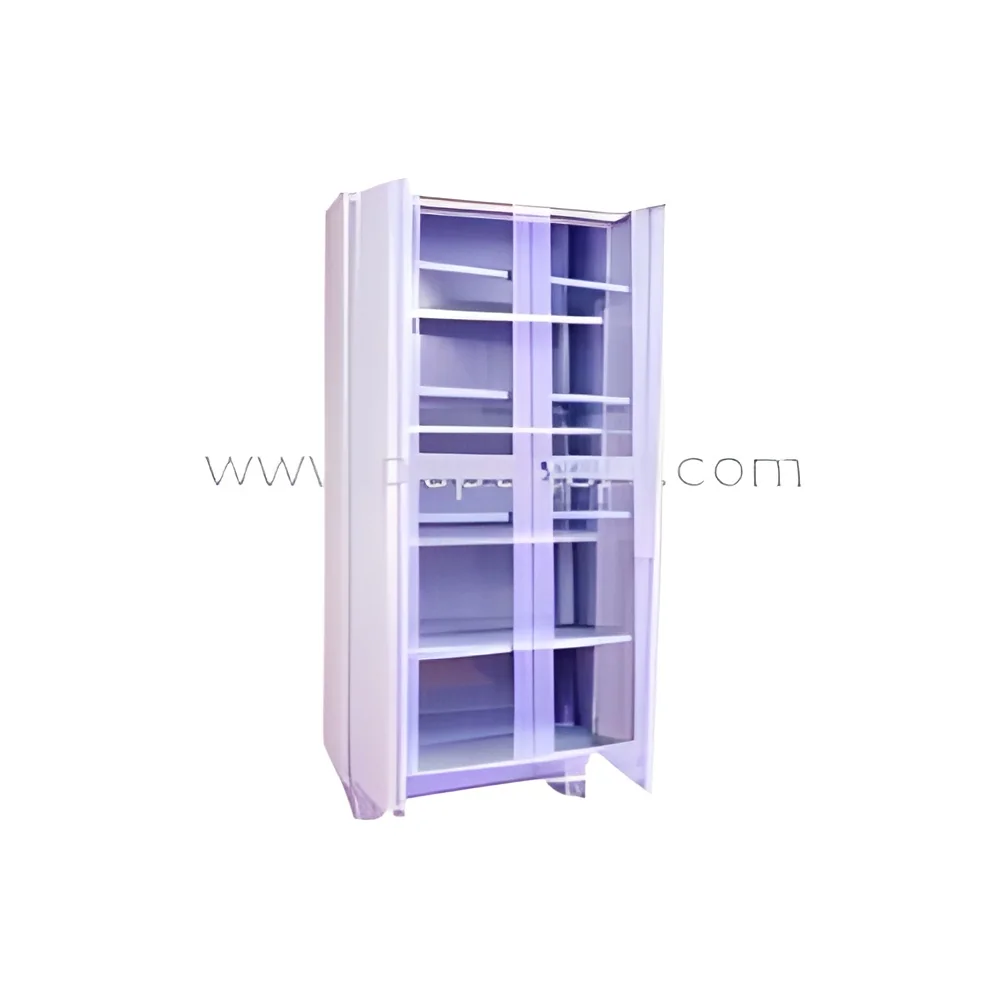
6. Shelving Options
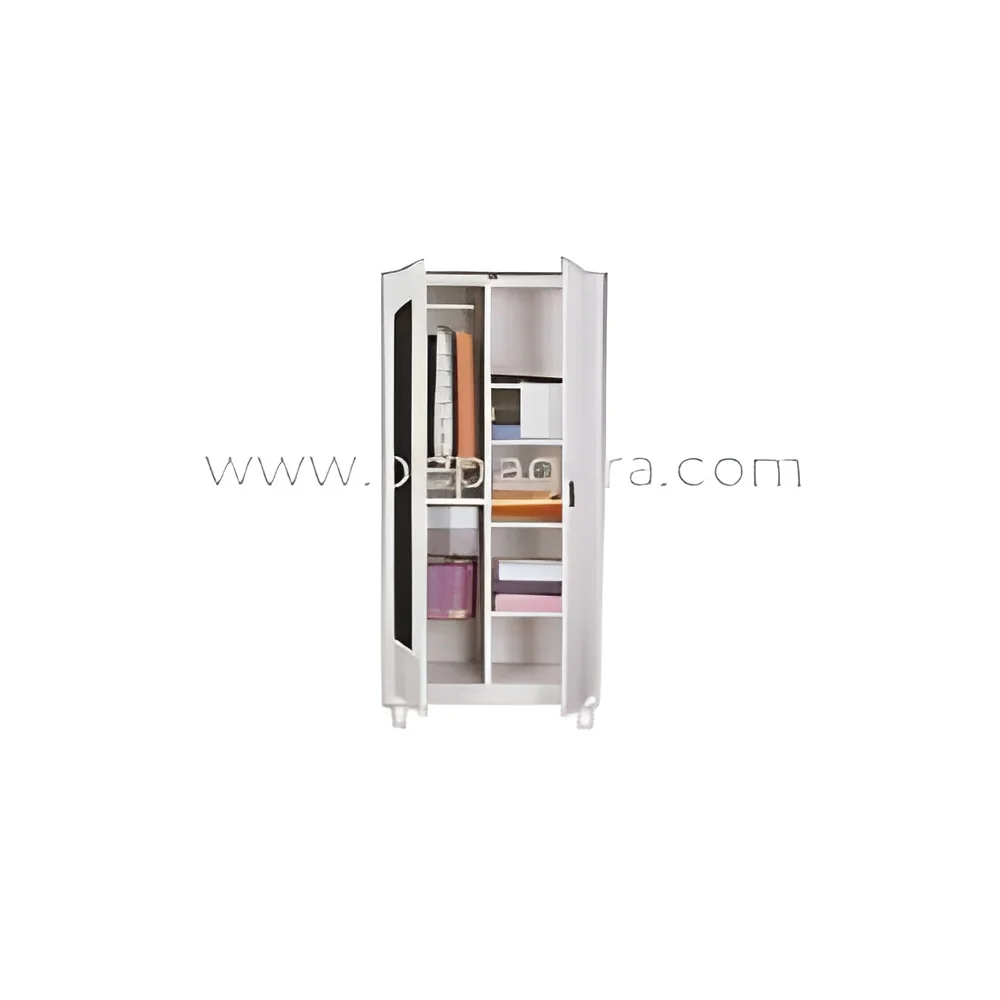
- Adjustable shelves for flexible storage
- Fixed shelves for stability
7. Mobility
- Some models feature wheels for easy transport
- Important for reconfigurable workspaces
8. Ventilation
- Certain models include ventilation features for airflow
- Essential for storing sensitive items
In summary, knowing these key features helps businesses select the right cabinets and chests that meet their specific storage requirements while ensuring quality and functionality.
Common Applications and Use Cases
Cabinets and chests are utilized across various industries for their adaptability and organizational capabilities.
1. Office Sector: In offices, cabinets are used to store files, documents, and office supplies. They help maintain a tidy workspace and ensure compliance with data protection regulations.
2. Manufacturing: In manufacturing settings, chests and cabinets store tools, spare parts, and safety equipment. This organization minimizes downtime and enhances safety during operations.
3. Retail: Retail environments use cabinets to display products or organize inventory. They can be designed for easy access for staff while ensuring a clean presentation for customers.
4. Healthcare: Hospitals and clinics utilize cabinets to store medical supplies and equipment securely. Ensuring easy access while maintaining hygiene and security is crucial.
5. Education: Schools and universities use cabinets to store supplies and educational materials. Organized storage helps in creating efficient learning environments.
6. Hospitality: Hotels and restaurants rely on cabinets to store linens, utensils, and supplies. Proper organization supports smooth operations in the hospitality industry.
7. Automotive: In automotive shops, cabinets are essential for organizing tools and parts. This helps technicians work efficiently and maintain a safe environment.
Product Variants and Subcategories
Cabinets and chests come in various designs to cater to different needs. Each variant offers unique features suitable for specific applications.
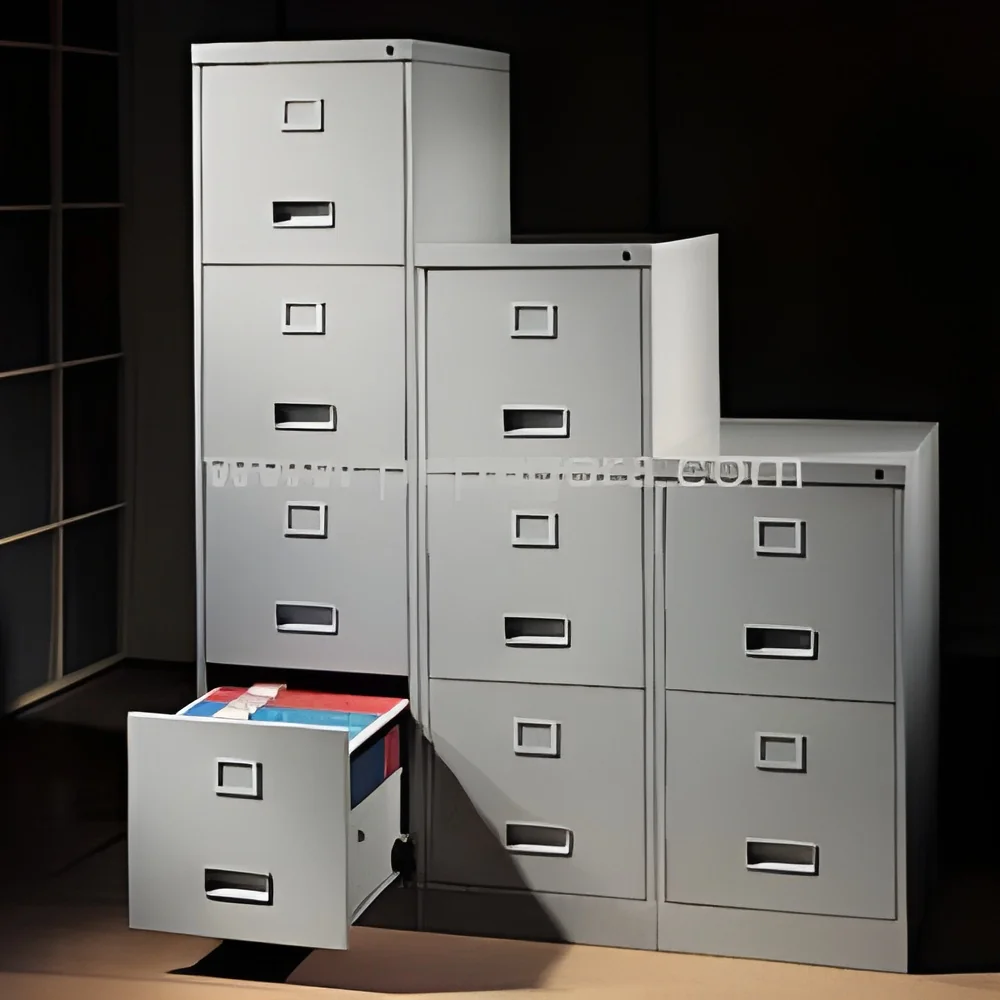
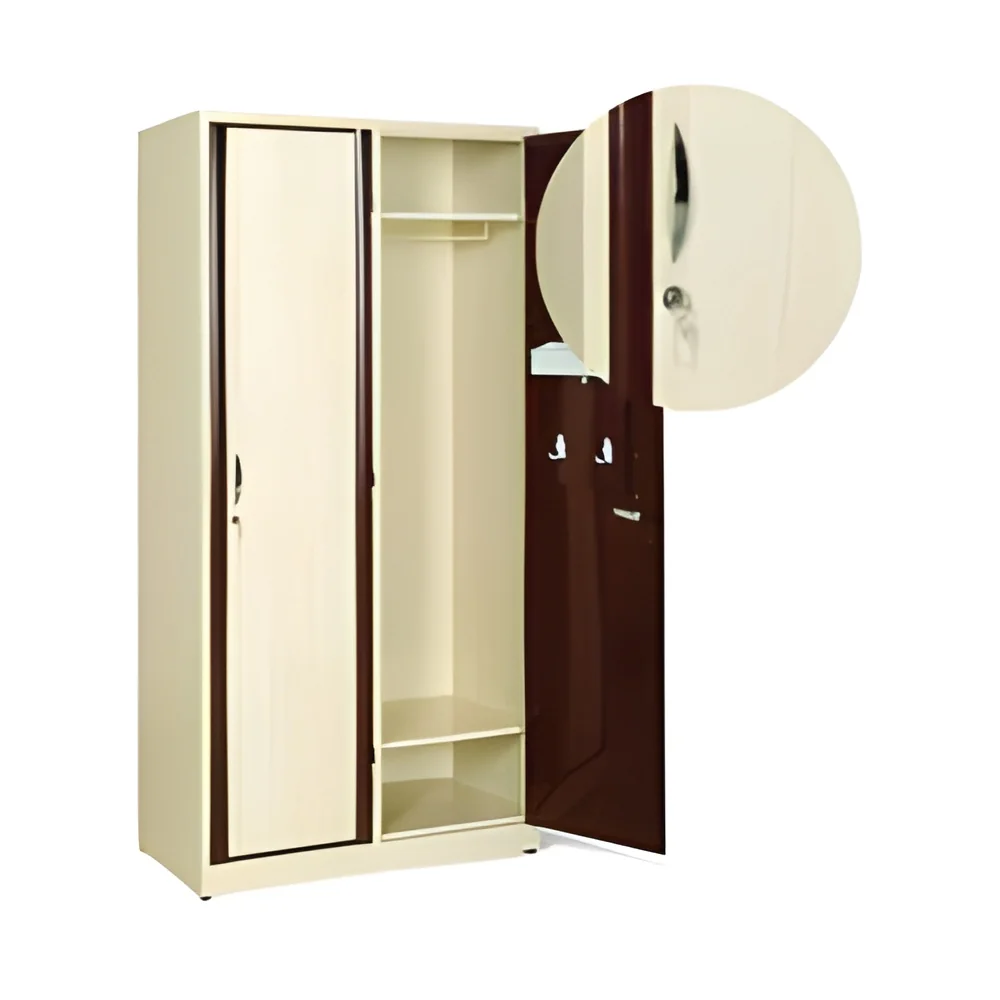
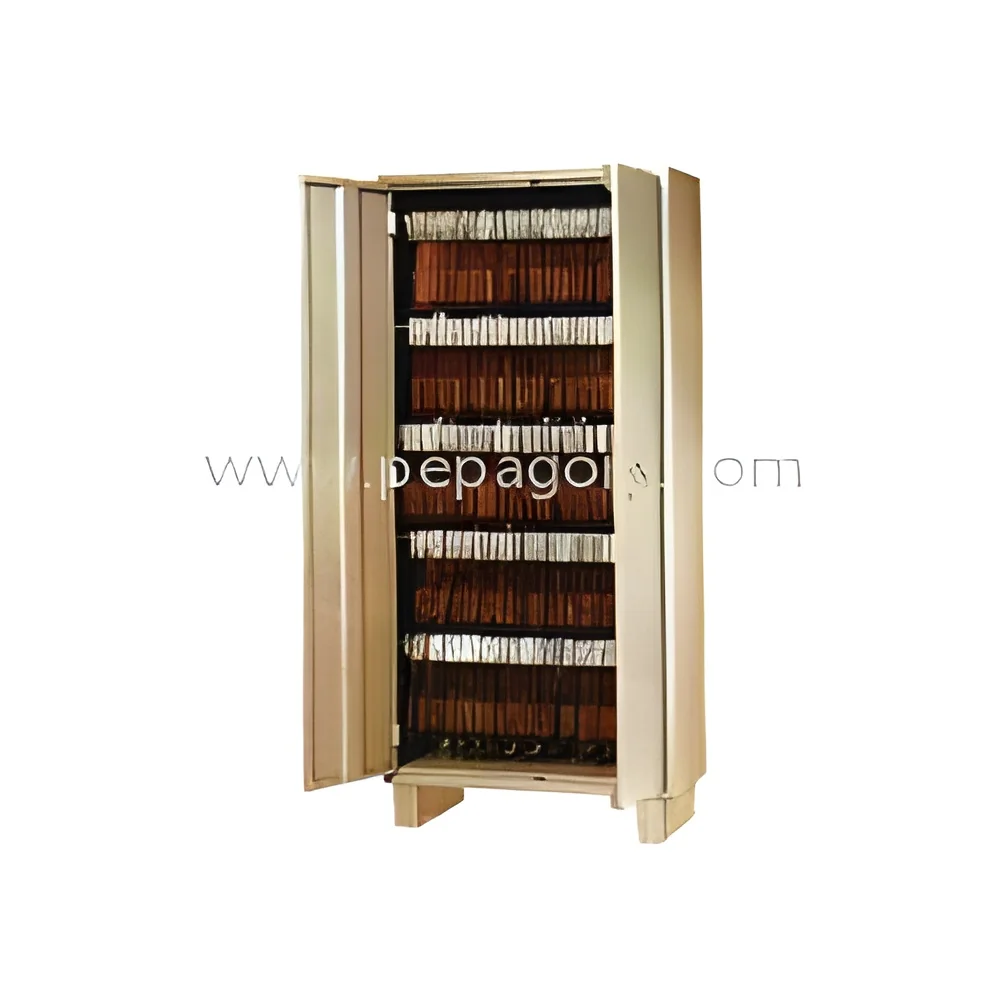
Metal Cabinets: These cabinets are known for their durability and security. Often used in industrial settings, they can withstand heavy use and provide robust protection for tools and equipment.
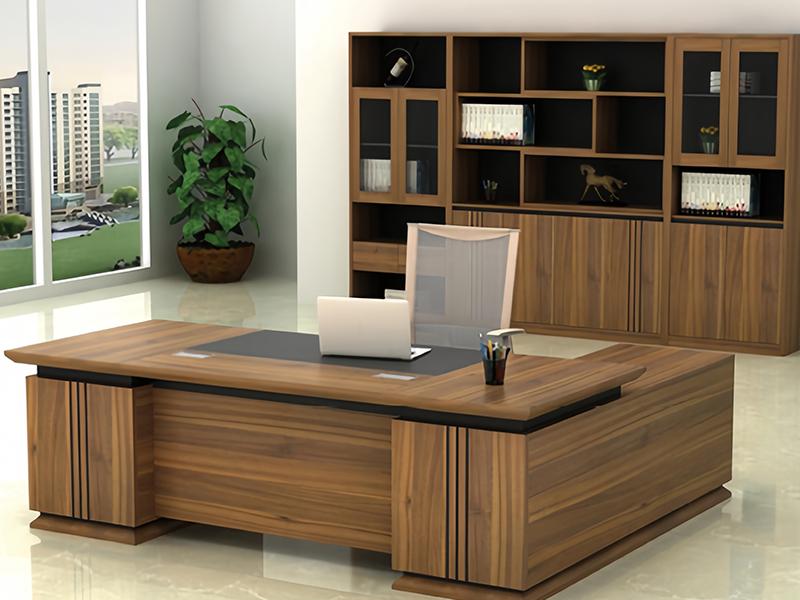
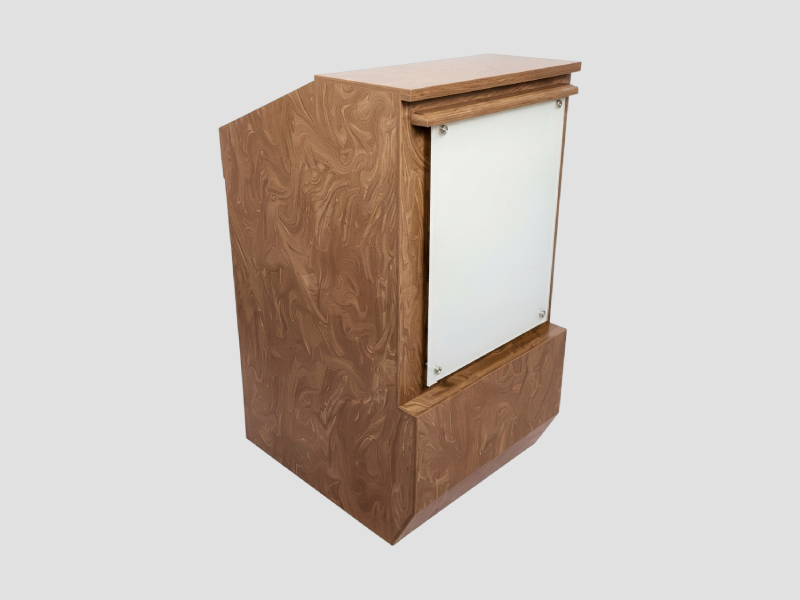
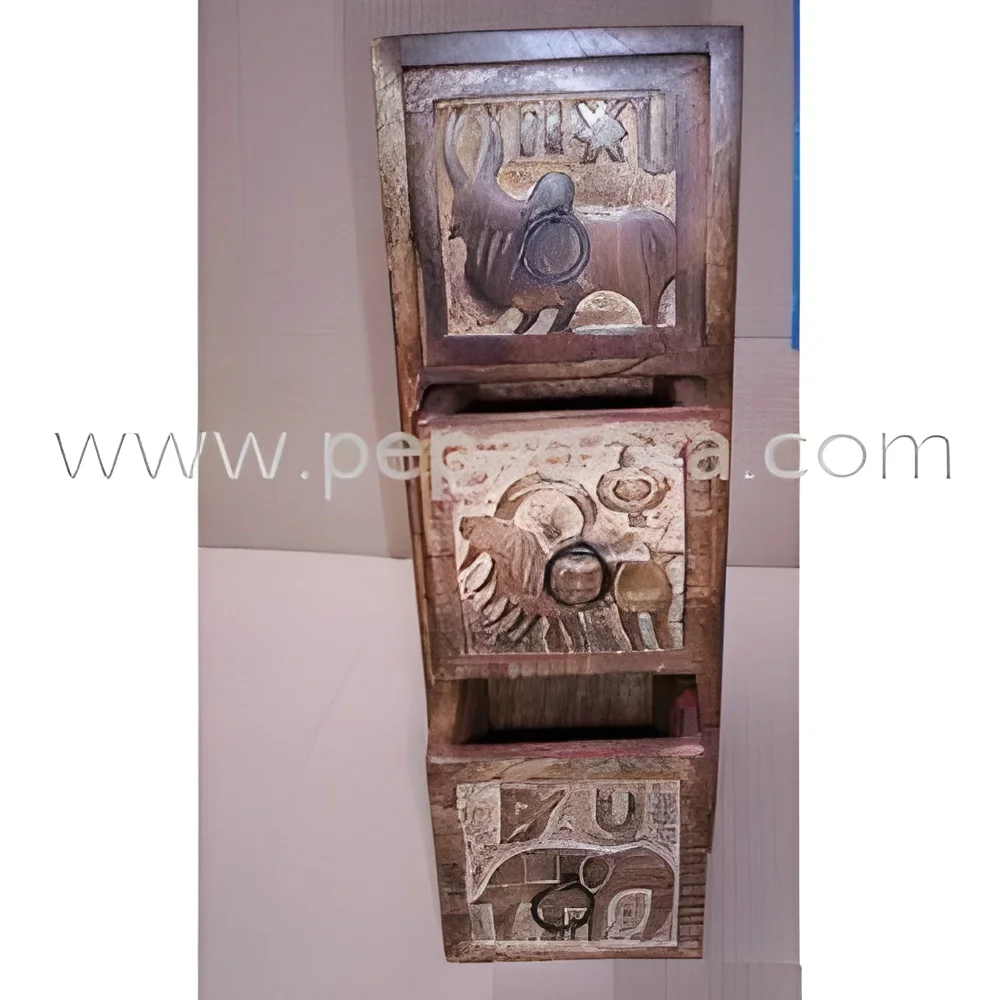
Wooden Chests: Often used in office and home environments, wooden chests combine aesthetics with functionality. They offer a classic look while providing ample storage space.
Mobile Cabinets: Designed for versatility, mobile cabinets come with wheels for easy relocation. They are ideal for dynamic workplaces where storage needs may change frequently.
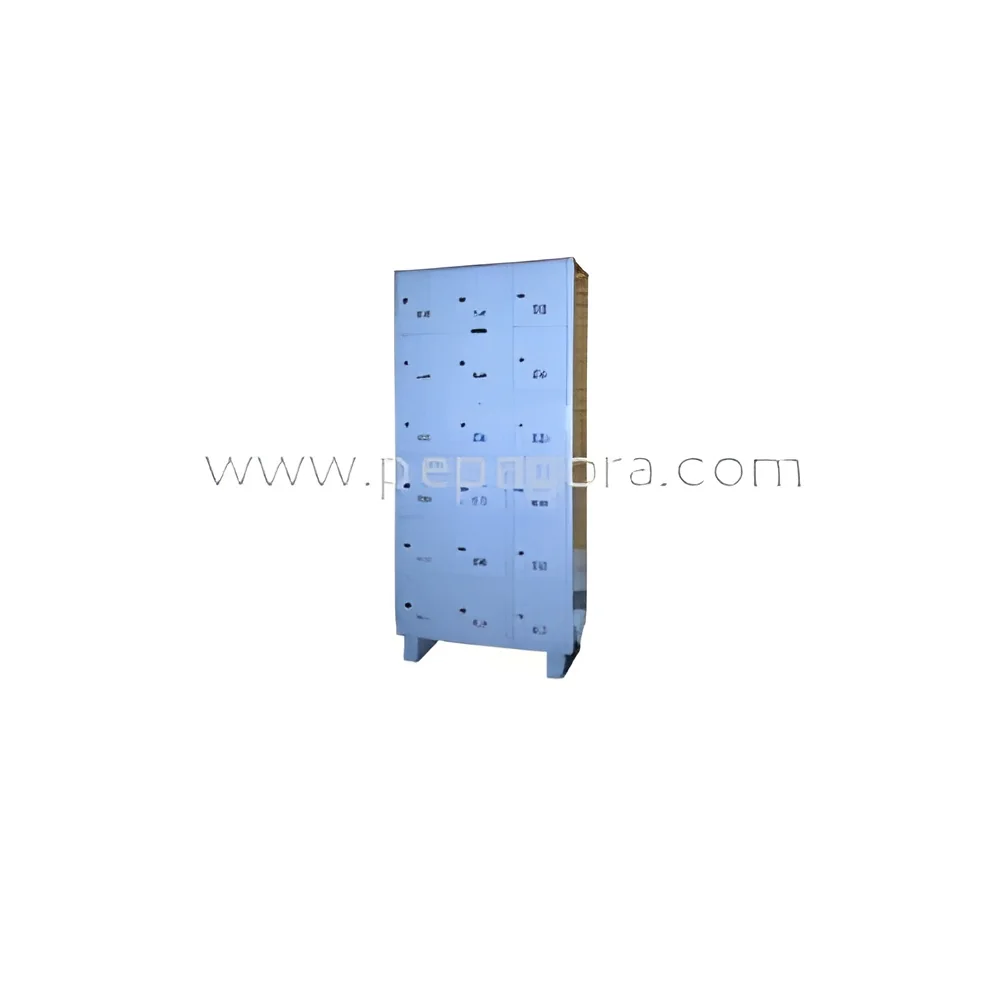
Lockable Cabinets: Security is paramount in many industries, and lockable cabinets provide peace of mind by safeguarding sensitive materials. These cabinets are commonly used in healthcare and government settings.
Benefits and Advantages
Investing in cabinets and chests brings numerous advantages to businesses.
1. Enhanced Organization: Cabinets and chests help keep items organized, making it easier for employees to find what they need without wasting time.
2. Improved Security: Lockable cabinets ensure that valuable or sensitive items are protected from unauthorized access.
3. Space Optimization: These storage solutions maximize available space, allowing for efficient use of work areas.
4. Increased Productivity: An organized environment reduces clutter, which can lead to increased productivity among employees.
5. Customization Options: Many manufacturers offer customization, allowing businesses to tailor solutions to their specific needs and preferences.
6. Long-Term Durability: Quality cabinets and chests are designed to withstand heavy use, providing a long-term storage solution that can save costs over time.
Buying Guide for B2B Buyers
When sourcing cabinets and chests, businesses should consider several important factors to ensure they make informed decisions.
1. Quality Assessment: Evaluate the materials and construction quality. Look for certifications and standards that indicate durability and reliability.
2. Supplier Verification: Vet suppliers by checking their reputation, customer reviews, and industry experience. A reliable supplier will provide quality products and support.
3. Pricing and MOQ: Consider the price range and minimum order quantities. Ensure that the pricing aligns with your budget while meeting your storage needs.
4. Delivery and Lead Times: Understand the logistics involved in delivery. Confirm lead times to ensure that products arrive when needed without impacting operations.
5. Compliance Requirements: Ensure that the cabinets and chests meet industry-specific compliance and safety standards. This is especially important in regulated industries.
Compliance and Certifications
Cabinets and chests must adhere to various quality standards and certifications to ensure they meet industry requirements.
ISO 9001 is a widely recognized standard that emphasizes effective quality management systems. Products that meet this standard ensure consistent quality and customer satisfaction.
HACCP (Hazard Analysis Critical Control Point) is crucial in industries that handle food and pharmaceuticals. Cabinets and chests used for storage in these sectors must comply with HACCP standards to ensure safety and hygiene.
CE certification signifies that products meet European health, safety, and environmental protection standards. This certification is essential for businesses looking to operate within the European market.
Safety and testing requirements often include assessments for load capacity, durability, and material safety. Regional compliance considerations may vary, so it's vital to research specific regulations applicable to your location and industry.
Why Source Cabinets & Chests from Pepagora?
Pepagora provides a trusted platform for sourcing cabinets and chests, offering numerous key advantages for B2B buyers.
Verified Supplier Network: Pepagora connects buyers with a network of verified suppliers. This ensures that businesses can source products from reliable manufacturers who meet quality standards.
Streamlined RFQ Process: The Request for Quotation (RFQ) system simplifies the procurement process. Buyers can easily request quotes from multiple suppliers, ensuring competitive pricing and transparency.
Trade Assurance and Support: Pepagora offers trade assurance, providing protection for buyers against potential issues. Support services are available to assist with any queries or challenges during the procurement process.
Regional Coverage: With a strong presence in India, the GCC, and Southeast Asia, Pepagora caters to a diverse range of businesses. This regional coverage ensures that buyers can access quality cabinets and chests tailored to their specific needs.













Frequently Asked Questions
What are Cabinets & Chests?
Cabinets & Chests are furniture pieces designed for storage and organization, often featuring compartments, shelves, and drawers. They are commonly used in both residential and commercial settings to keep items neatly stored and easily accessible.
What are the different types of Cabinets & Chests?
There are various types of Cabinets & Chests, including armoires, sideboards, storage chests, and filing cabinets. Each type serves a specific purpose, such as clothing storage, document organization, or general household items.
How do I choose the right Cabinets & Chests?
To choose the right Cabinets & Chests, consider factors such as the intended use, available space, and desired style. It is also important to evaluate the material and construction quality to ensure durability.
What are the standard specifications for Cabinets & Chests?
Standard specifications for Cabinets & Chests typically include dimensions, weight capacity, material type, and finish. Additionally, features like adjustable shelves, lockable drawers, and hardware specifications may also be relevant.
What is the price range for Cabinets & Chests?
The price range for Cabinets & Chests can vary widely based on material, size, and design. Generally, you can expect to pay anywhere from a few thousand to several tens of thousands of Indian Rupees for quality options.
What quality standards apply to Cabinets & Chests?
Quality standards for Cabinets & Chests can include adherence to safety regulations, material certifications, and durability testing. Manufacturers may follow industry standards to ensure that their products are reliable and safe for use.
Where can I find Cabinets & Chests suppliers in India?
You can find Cabinets & Chests suppliers in India through online marketplaces like Pepagora, trade shows, and industry-specific directories. It is advisable to research and compare suppliers based on their product range and customer reviews.
Can Cabinets & Chests be customized?
Yes, many manufacturers offer customization options for Cabinets & Chests. You can often choose dimensions, materials, finishes, and internal configurations to suit your specific needs.
What is the typical minimum order quantity for Cabinets & Chests?
The typical minimum order quantity (MOQ) for Cabinets & Chests can vary by supplier, but it generally ranges from 10 to 50 units. It's important to check with individual suppliers for their specific MOQ requirements.
What is the typical lead time for Cabinets & Chests?
The typical lead time for Cabinets & Chests varies depending on the supplier and whether the items are standard or customized. Generally, lead times can range from 2 to 8 weeks, so it's advisable to confirm with the supplier.
Why Businesses Trust Pepagora
Thousands of companies trust Pepagora to source smarter and sell faster
Expand Your Sales Globally

Source Smarter,Grow Faster
