
 IN
Bean Bags
3 products available
What are Bean Bags?
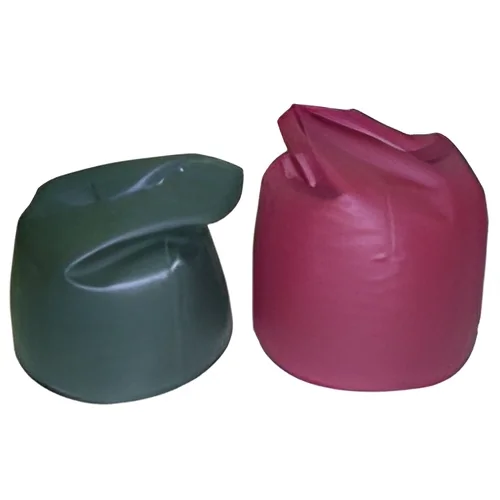
Bean bags are versatile seating options that are filled with small beads or pellets, allowing them to conform to the shape of the body. They are typically made from durable fabric and come in various shapes and sizes. The unique design of bean bags offers comfort and flexibility, making them an attractive alternative to traditional furniture.
In the business context, bean bags are commonly used in offices, lounges, recreational areas, and event spaces. They provide informal seating arrangements that encourage relaxation and social interaction. Their lightweight nature makes them easy to move, which is ideal for dynamic work environments or temporary setups.
The bean bag market has seen significant growth, driven by trends favoring casual and flexible seating solutions. Companies across various sectors are incorporating bean bags into their spaces to create a more inviting atmosphere. As consumers increasingly prioritize comfort and aesthetics, bean bags remain relevant in both the residential and commercial furniture markets.
Key Features and Specifications
Bean bags are designed with several key features that enhance their usability and appeal. Understanding these specifications can help businesses make informed purchasing decisions.
Key specifications include:
1. Material Composition
- Typically made from polyester, cotton, or vinyl.
- Offers durability and ease of cleaning.
2. Filling Type
- Filled with polystyrene beads or foam.
- Provides comfort and adaptability to body shape.
3. Size Options
- Available in various dimensions, such as small, medium, and large.
- Suitable for different age groups and uses.
4. Weight Capacity
- Generally supports up to 300 pounds.
- Ensures stability and safety for users.
5. Color Variability
- Offered in a wide range of colors and patterns.
- Allows customization to fit brand or aesthetic requirements.
6. Maintenance Requirements
- Many come with removable covers for easy washing.
- Resistant to stains and fading for prolonged use.
7. Safety Features
- Some models include child-safe zippers.
- Compliant with safety standards to prevent hazards.
In summary, bean bags combine comfort, versatility, and style, making them a popular choice for various environments.
Common Applications and Use Cases
Bean bags serve a wide range of industries and applications. Their adaptability makes them suitable for various environments.
1. Office Spaces: Many companies utilize bean bags in break rooms or collaborative areas to promote relaxation and informal meetings. They encourage creativity and comfort during brainstorming sessions.
2. Educational Institutions: Schools and universities use bean bags in libraries and lounges to create comfortable reading areas. They help foster a relaxed learning environment for students.
3. Hospitality Industry: Hotels and resorts often incorporate bean bags around pools and lounges, providing guests with a casual and inviting space to unwind.
4. Event Management: Bean bags are popular for events, trade shows, and exhibitions. They create comfortable seating for attendees and can be easily rearranged to fit the event layout.
5. Home Decor: Bean bags are commonly found in living rooms and playrooms, offering flexible seating options for family gatherings and leisure activities.
6. Outdoor Spaces: Some bean bags are designed for outdoor use, making them suitable for patios and gardens. They add a casual vibe to outdoor gatherings.
7. Retail Displays: Retailers use bean bags in showrooms or product displays to create an engaging customer experience. They invite customers to sit and interact with products.
Product Variants and Subcategories
Bean bags come in various designs and configurations, catering to different preferences and settings. Each variant offers unique features.
Classic Bean Bag
The classic bean bag is a staple in casual seating. It is round and easily molds to the user's shape, providing comfort for extended periods. This variant is suitable for both home and office use.
Lounger Bean Bag
The lounger variant is elongated, designed for reclining. It is perfect for lounging while watching TV or reading. This design is popular in home entertainment areas and recreational spaces.
Kids Bean Bag
Specifically designed for children, these bean bags are smaller and often come in fun shapes and colors. They provide a safe and comfortable seating option for kids in playrooms or bedrooms.
Gamer Bean Bag
Tailored for gamers, this variant includes back support and additional cushioning. It enhances comfort during long gaming sessions and is often used in dedicated gaming rooms.
Benefits and Advantages
Bean bags offer numerous benefits that make them an appealing choice for businesses and consumers alike.
Key benefits include:
1. Comfort: Bean bags provide exceptional comfort as they mold to the user's body, reducing pressure points and enhancing relaxation.
2. Flexibility: Their lightweight design allows for easy relocation, making them adaptable to various settings and arrangements.
3. Space Efficiency: Bean bags take up less space compared to traditional furniture, making them ideal for smaller areas or multifunctional spaces.
4. Cost-Effectiveness: Generally more affordable than conventional seating options, bean bags offer a budget-friendly alternative without sacrificing style.
5. Aesthetic Appeal: Available in numerous colors and designs, bean bags can enhance the visual appeal of any space.
6. Easy Maintenance: With removable covers and durable materials, bean bags are easy to clean and maintain, ensuring long-lasting use.
Buying Guide for B2B Buyers
When sourcing bean bags for commercial use, buyers should consider several important factors.
1. Quality Assessment: Evaluate the materials and construction of bean bags to ensure durability and comfort. Look for reputable brands known for their quality standards.
2. Supplier Verification: Vet suppliers by checking their credibility, reviews, and previous client experiences. A reliable supplier should have a proven track record in delivering high-quality products.
3. Pricing and MOQ: Understand the pricing structure and minimum order quantities (MOQ) required by suppliers. Compare costs across different vendors to find the best deals.
4. Delivery and Lead Times: Discuss delivery options and lead times to ensure timely receipt of products. Consider potential delays and plan accordingly.
5. Compliance Requirements: Verify any industry-specific regulations or certifications required for bean bags, such as safety standards or environmental considerations.
Compliance and Certifications
Bean bags must meet certain compliance and certification standards to ensure safety and quality.
Relevant quality standards include ISO 9001, which emphasizes quality management systems, ensuring that manufacturers maintain high production standards. Additionally, HACCP (Hazard Analysis Critical Control Point) is important for products used in environments where safety is a priority, although specific data on bean bags may not be available.
Industry certifications such as CE indicate compliance with European safety standards, assuring buyers of the product’s safety and reliability.
Safety and testing requirements may vary by region, and it is vital for manufacturers to adhere to local regulations regarding materials and construction. Buyers should verify compliance with any regional standards to ensure that the bean bags meet legal requirements.
Why Source Bean Bags from Pepagora?
Pepagora offers a reliable platform for sourcing bean bags, providing numerous advantages for B2B buyers.
Verified Supplier Network: Pepagora connects buyers with a network of verified suppliers, ensuring that all listed vendors meet stringent quality and reliability criteria. This reduces the risk associated with sourcing products.
Streamlined RFQ Process: The request for quotation (RFQ) system simplifies the procurement process. Buyers can easily submit their requirements and receive competitive quotes from multiple suppliers, saving time and effort.
Trade Assurance and Support: Pepagora provides trade assurance, offering buyer protection to ensure that transactions are secure. This support builds trust and confidence in the purchasing process.
Regional Coverage: With a strong presence in India, the GCC, and Southeast Asia, Pepagora caters to a wide geographic area, making it easier for businesses to find local suppliers and manage logistics effectively.
By choosing Pepagora, buyers can access a comprehensive selection of bean bags while benefiting from a trusted sourcing experience.


Frequently Asked Questions
What are Bean Bags?
Bean bags are versatile, soft furniture items filled with polystyrene beads or similar materials, designed to conform to the user's body shape. They are popular for their comfort and casual aesthetic, making them suitable for both indoor and outdoor use.
What are the different types of Bean Bags?
There are several types of bean bags, including traditional bean bags, bean bag chairs, and loungers. They come in various shapes, sizes, and materials, catering to different preferences and usage scenarios.
How do I choose the right Bean Bags?
To choose the right bean bag, consider factors such as size, shape, material, and intended use. It's essential to assess the comfort level, aesthetic appeal, and durability of the bean bag to ensure it meets your needs.
What are the standard specifications for Bean Bags?
Standard specifications for bean bags typically include dimensions (height, width, and depth), weight capacity, and material composition. Additionally, the filling type and quality can affect the overall comfort and longevity of the bean bag.
What is the price range for Bean Bags?
The price range for bean bags varies widely based on size, material, and design. Generally, prices can start from around INR 500 and can go up to INR 5,000 or more for premium options.
What quality standards apply to Bean Bags?
Quality standards for bean bags may include material safety certifications, durability tests, and adherence to manufacturing guidelines. Ensuring the bean bags meet these standards can help in maintaining longevity and safety.
Where can I find Bean Bags suppliers in India?
You can find bean bag suppliers in India through online marketplaces, trade shows, and industry directories. Platforms like Pepagora.com offer a list of verified suppliers and manufacturers for your sourcing needs.
Can Bean Bags be customized?
Yes, many manufacturers offer customization options for bean bags, including size, shape, material, and printing designs. Customization allows businesses to create unique products that align with their brand identity.
What is the typical minimum order quantity for Bean Bags?
The typical minimum order quantity (MOQ) for bean bags can vary depending on the supplier and customization options. Generally, MOQs can range from 10 to 100 units for standard products.
What is the typical lead time for Bean Bags?
The typical lead time for bean bags can vary based on factors such as order size, customization, and supplier capabilities. On average, lead times can range from 2 to 6 weeks from the date of order confirmation.
Why Businesses Trust Pepagora
Thousands of companies trust Pepagora to source smarter and sell faster
Expand Your Sales Globally

Source Smarter,Grow Faster
