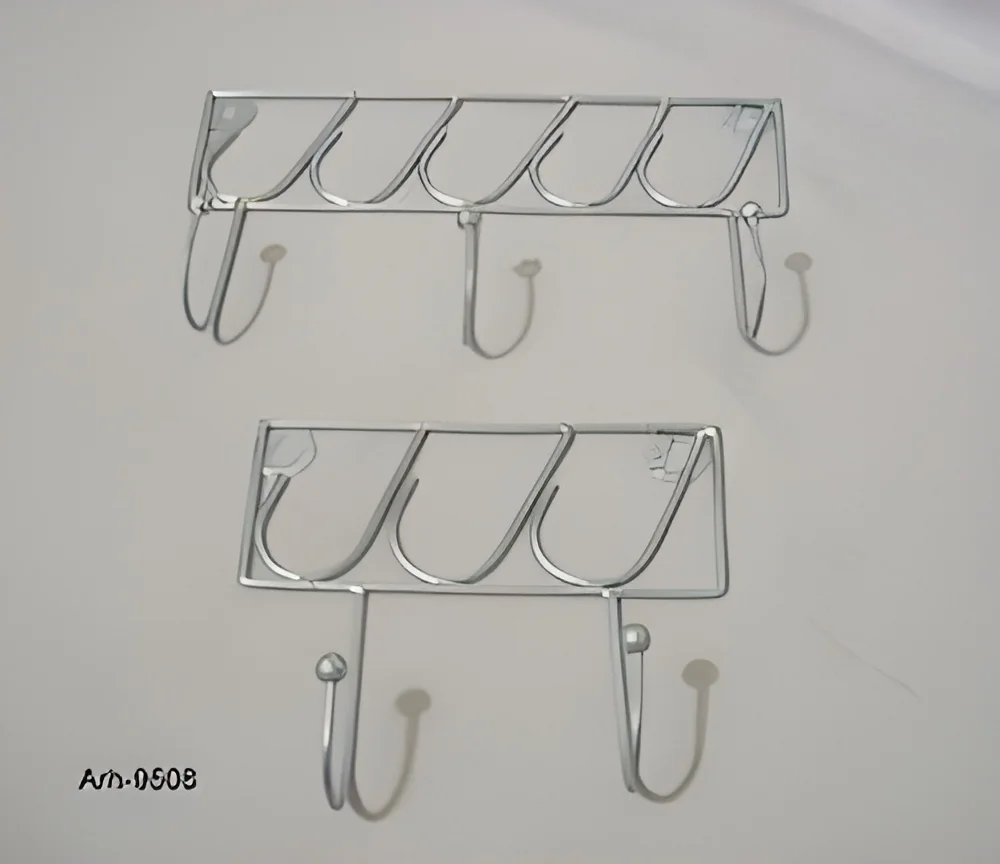
What are Coat Racks?
Coat racks are practical furniture items designed to provide a designated space for hanging coats, jackets, hats, and other outerwear. They are typically constructed from durable materials, such as wood or metal, and come in a variety of styles and sizes to cater to different environments. The primary function of coat racks is to help keep entryways organized and clutter-free, providing a convenient solution for storing outer garments.
In a business context, coat racks are commonly found in commercial spaces, such as offices, hotels, and retail establishments. They enhance the functionality of an entry area by offering visitors and employees a place to hang their coats. This not only promotes a tidy appearance but also contributes to the overall professionalism of the space. The market for coat racks continues to grow, driven by the need for efficient storage solutions in both residential and commercial settings.
Key Features and Specifications
Coat racks are designed with various features that enhance their usability and aesthetic appeal. Understanding these specifications is crucial for businesses looking to invest in coat racks.
Key specifications include:
1. Material Construction
- Options include wood, metal, and plastic
- Varying durability and aesthetic qualities
2. Design Type
- Freestanding, wall-mounted, or coat hooks
- Different styles to suit diverse environments
3. Capacity
- Number of coats or garments it can hold
- Ranges typically from 5 to 20 items
4. Dimensions
- Height, width, and depth specifications
- Important for fitting specific areas
5. Weight Capacity
- Maximum weight each rack can support
- Usually ranges from 50 to 200 pounds
6. Finish Options
- Various colors and coatings available
- Affects both appearance and resistance to wear
7. Assembly Requirements
- Some require assembly upon delivery
- Others come fully assembled for immediate use
8. Safety Features
- Stability and anti-tip designs
- Ensures safety in high-traffic areas
In summary, coat racks come with numerous features and specifications that can be tailored to meet the needs of different businesses, ensuring functionality and style.
Common Applications and Use Cases
Coat racks serve a multitude of industries, providing practical solutions for garment storage.
1. Offices: In corporate settings, coat racks help maintain an organized and professional appearance in reception areas and employee lounges.
2. Hotels: Coat racks are essential in hotel lobbies and guest rooms, offering convenience for guests checking in or out.
3. Retail Stores: Clothing retailers often use coat racks to display outerwear, allowing customers to easily access and try on items.
4. Restaurants: Coat racks in dining establishments provide patrons a designated place to hang their jackets, enhancing the dining experience.
5. Educational Institutions: Schools and universities use coat racks in hallways and classrooms to keep student belongings organized.
6. Healthcare Facilities: Hospitals and clinics utilize coat racks in waiting areas for patients and visitors, promoting a tidy environment.
7. Event Venues: Coat racks are frequently used in conference halls and banquet facilities to accommodate guests' outerwear during events.
Product Variants and Subcategories
Coat racks come in various forms, catering to different needs and preferences.
Freestanding Coat Racks: These are versatile and can be placed anywhere, often featuring multiple hooks for coats and hats. They are ideal for entryways and lobbies.
Wall-Mounted Coat Racks: Designed to save floor space, these racks are attached to walls and can be found in smaller areas. They typically feature hooks or shelving for added storage.
Heavy-Duty Coat Racks: Built to accommodate larger volumes of garments, these racks are made from robust materials and are suitable for high-traffic environments like schools or event venues.
Modular Coat Racks: These customizable solutions allow businesses to configure their coat storage according to specific needs, offering flexibility in design.
Benefits and Advantages
Investing in coat racks provides several key benefits for businesses.
1. Space Optimization: Coat racks help utilize small spaces effectively, making them ideal for busy environments.
2. Enhanced Organization: By providing a designated area for outerwear, coat racks contribute to a clutter-free environment.
3. Professional Appearance: A well-placed coat rack enhances the overall aesthetics of a space, promoting a professional image.
4. Improved Customer Experience: In retail and hospitality settings, coat racks improve guest comfort by offering convenient storage options.
5. Customization Options: Businesses can choose from various styles, materials, and colors to match their brand identity.
6. Durability: High-quality coat racks are built to withstand frequent use, ensuring long-term functionality.
Buying Guide for B2B Buyers
When sourcing coat racks, businesses should consider several important factors to ensure they make the right choice.
1. Quality Assessment: Evaluate materials and construction quality to ensure durability and longevity. Look for racks that can withstand the demands of high-traffic areas.
2. Supplier Verification: Vet potential suppliers to confirm their reliability and reputation. This includes checking references and reviewing customer feedback.
3. Pricing and MOQ: Understand the pricing structure and minimum order quantities (MOQ) required by suppliers. This will help in budgeting and ensuring cost-effectiveness.
4. Delivery and Lead Times: Inquire about logistics, including estimated delivery times and shipping options. This is crucial for planning space and inventory.
5. Compliance Requirements: Ensure that the coat racks meet relevant industry standards and regulations. This may include safety certifications and adherence to local building codes.
Compliance and Certifications
Coat racks must adhere to various quality standards and certifications to ensure safety and reliability. Commonly recognized standards include ISO 9001, which focuses on quality management systems, ensuring that manufacturers maintain a consistent level of quality in their products.
Additionally, the CE mark signifies that the coat racks meet European safety, health, and environmental protection requirements. This certification is particularly important for businesses operating within the European market.
Safety and testing requirements vary by region, and manufacturers should conduct necessary evaluations to confirm compliance. This may involve assessing materials for durability and ensuring that the design minimizes risks, such as tipping.
Businesses should also consider regional compliance considerations that could affect the import and use of coat racks, ensuring that they are informed of any local regulations.
Why Source Coat Racks from Pepagora?
Pepagora is a trusted platform for sourcing coat racks, offering several key advantages that can benefit B2B buyers.
Verified Supplier Network: Pepagora has a robust network of verified suppliers. This ensures that buyers can source high-quality coat racks from reputable manufacturers, reducing the risk of subpar products.
Streamlined RFQ Process: The platform simplifies the request for quotation (RFQ) process, enabling buyers to receive competitive pricing and timely responses from multiple suppliers. This efficiency helps businesses make informed purchasing decisions quickly.
Trade Assurance and Support: Pepagora provides buyer protection through trade assurance, ensuring that transactions are secure and reliable. This adds an extra layer of confidence for businesses making significant purchases.
Regional Coverage: With a focus on markets in India, the GCC, and Southeast Asia, Pepagora offers regional expertise and support. Buyers can access local suppliers while benefiting from Pepagora's extensive knowledge of market trends and demands.
By leveraging these advantages, businesses can effectively source coat racks that meet their specific needs and contribute to a well-organized environment.

 IN
IN