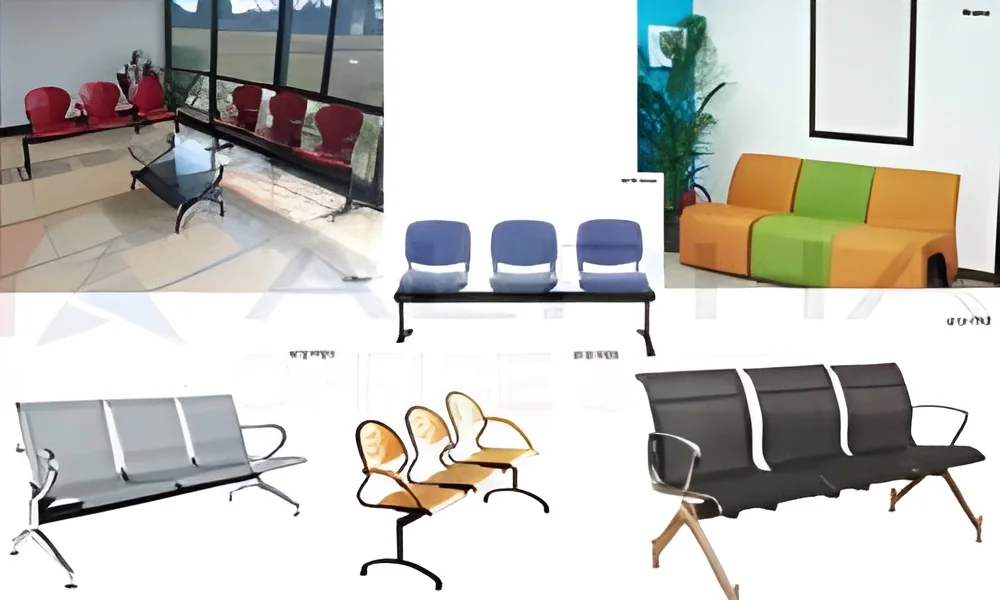
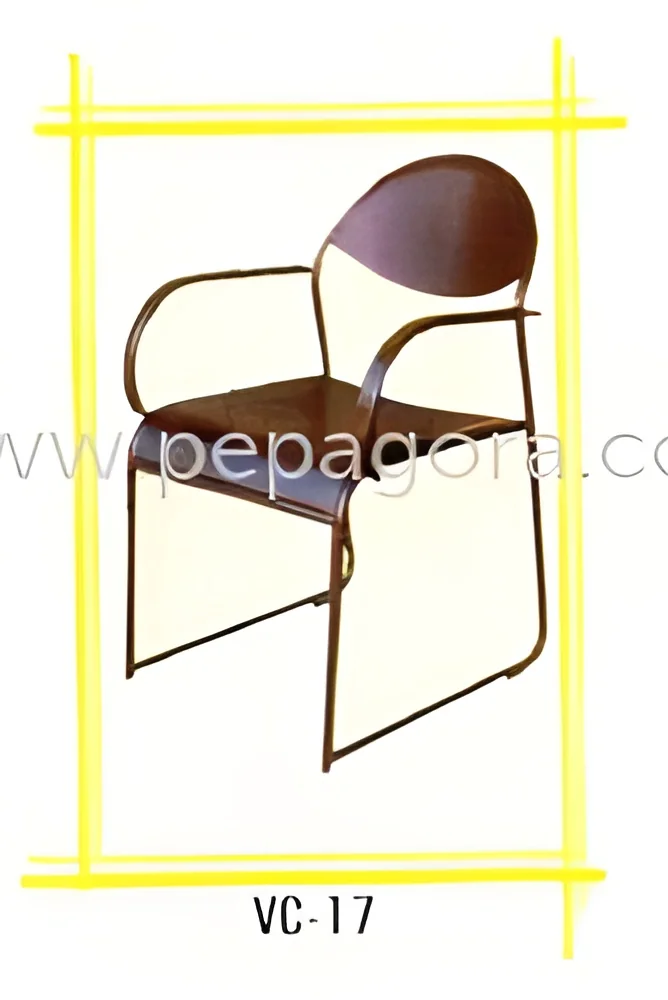
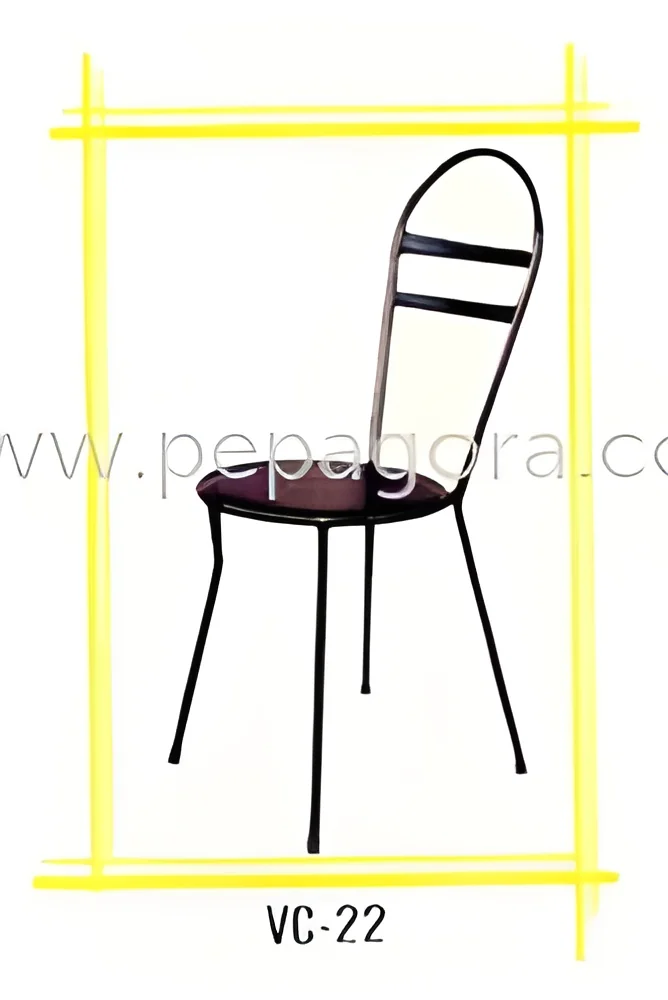
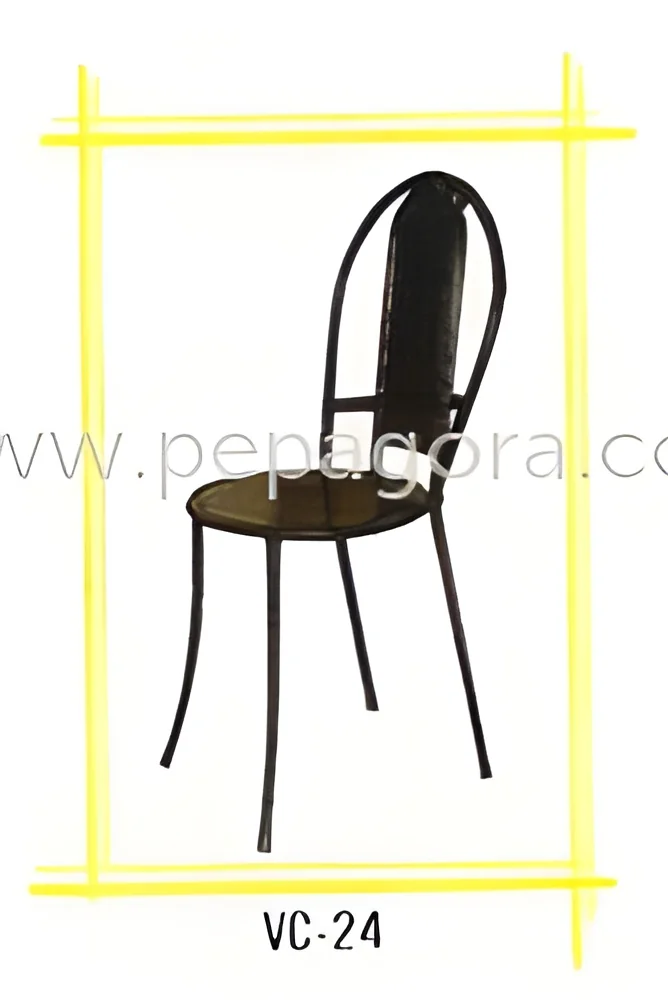
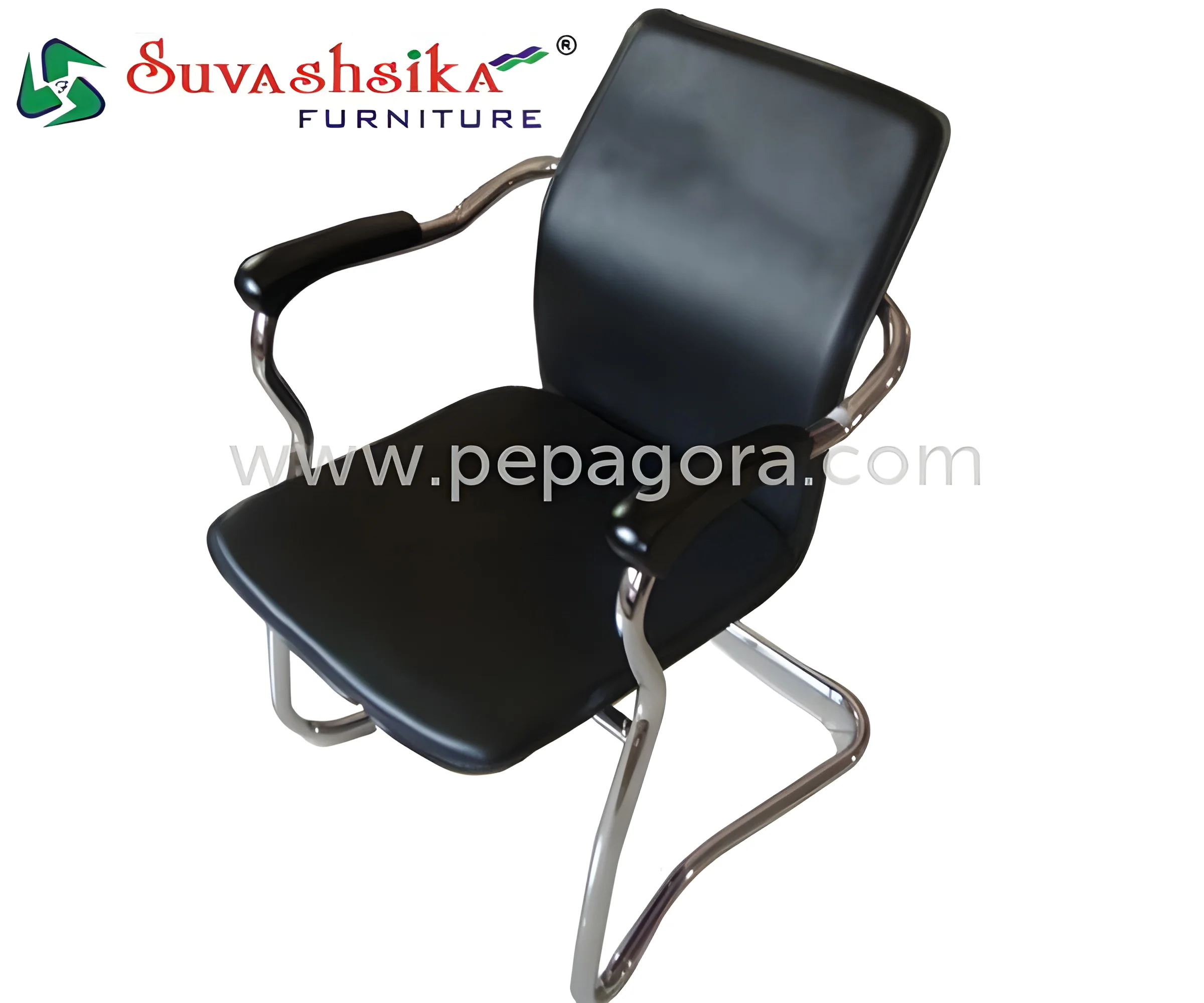
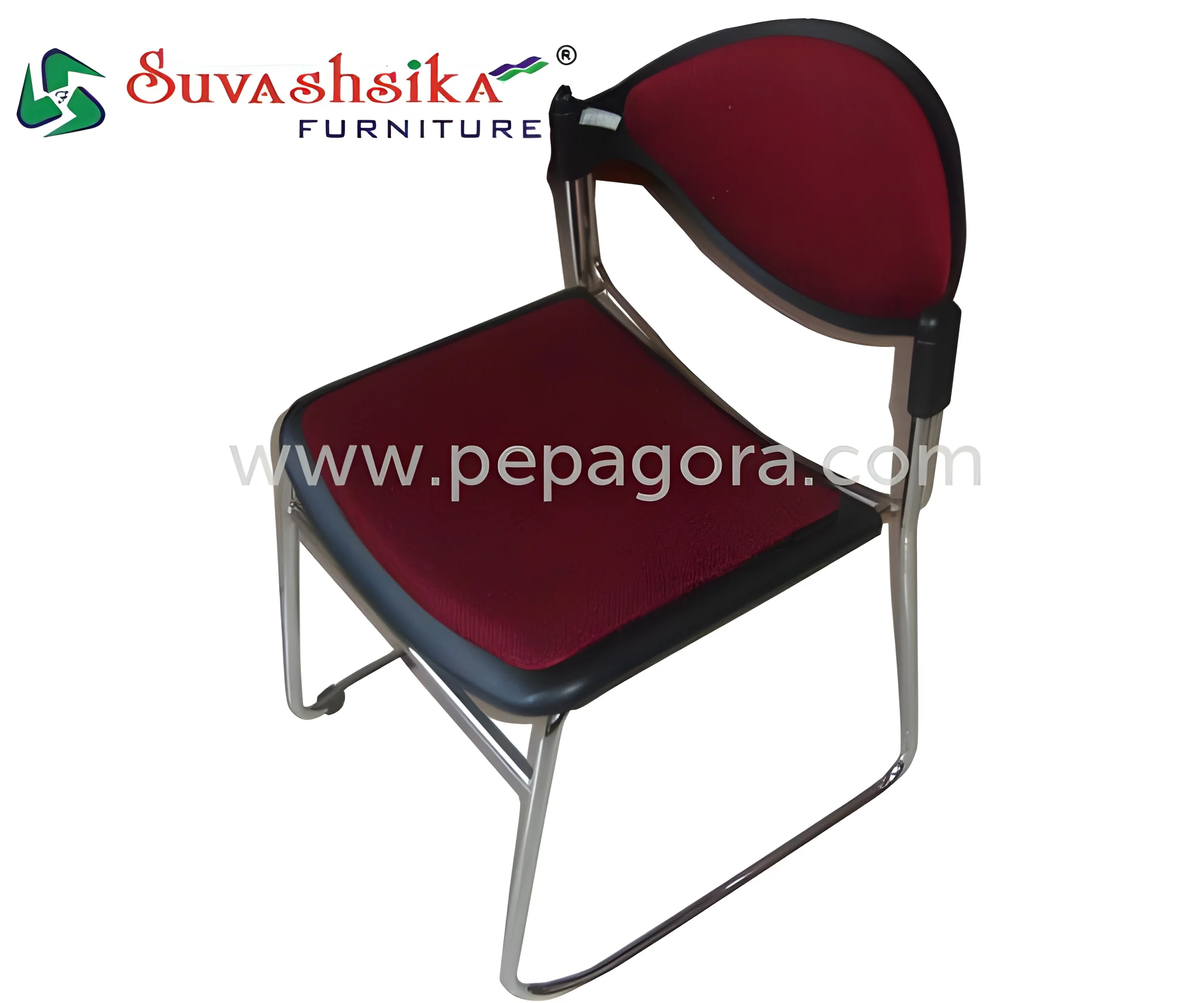
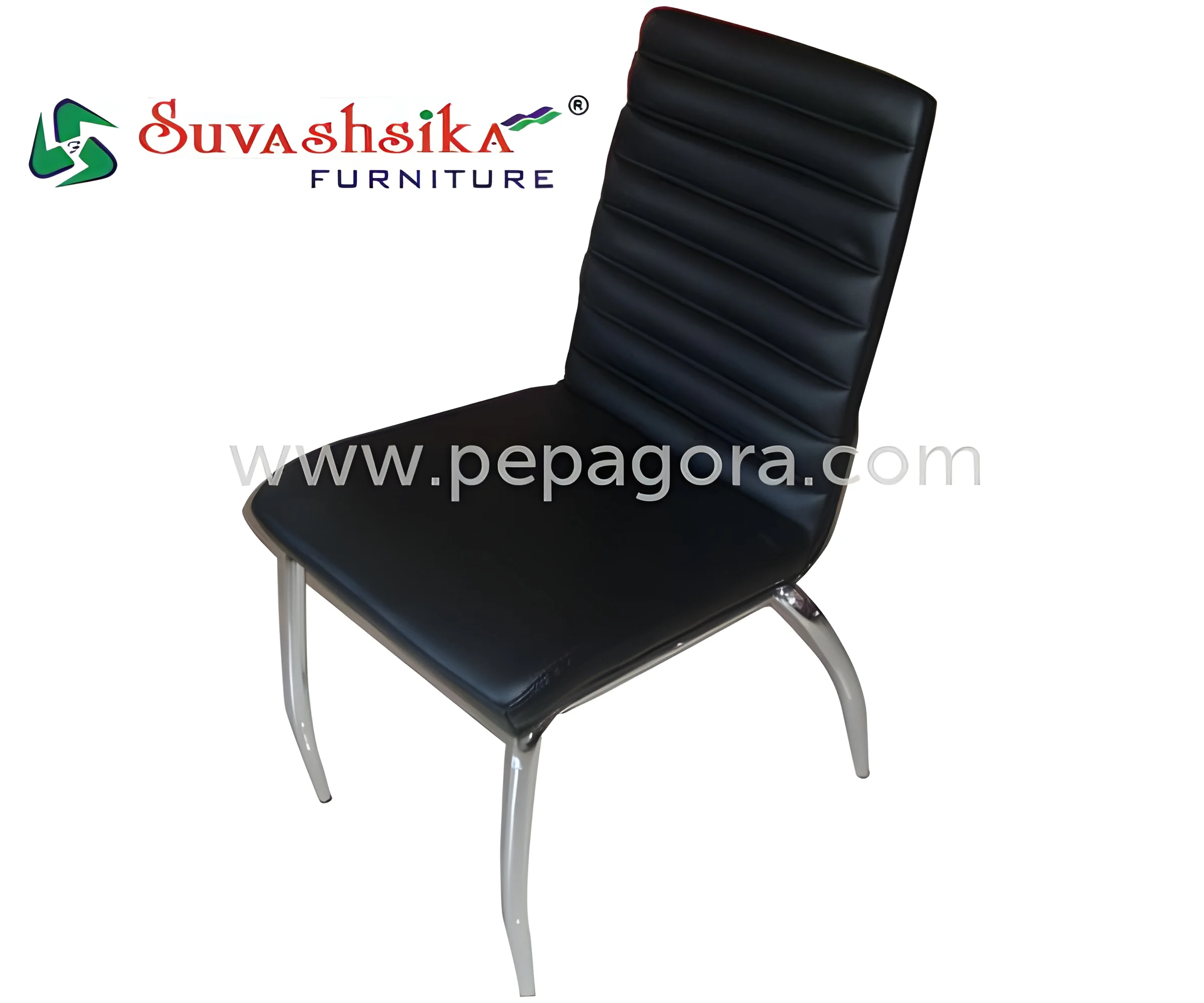
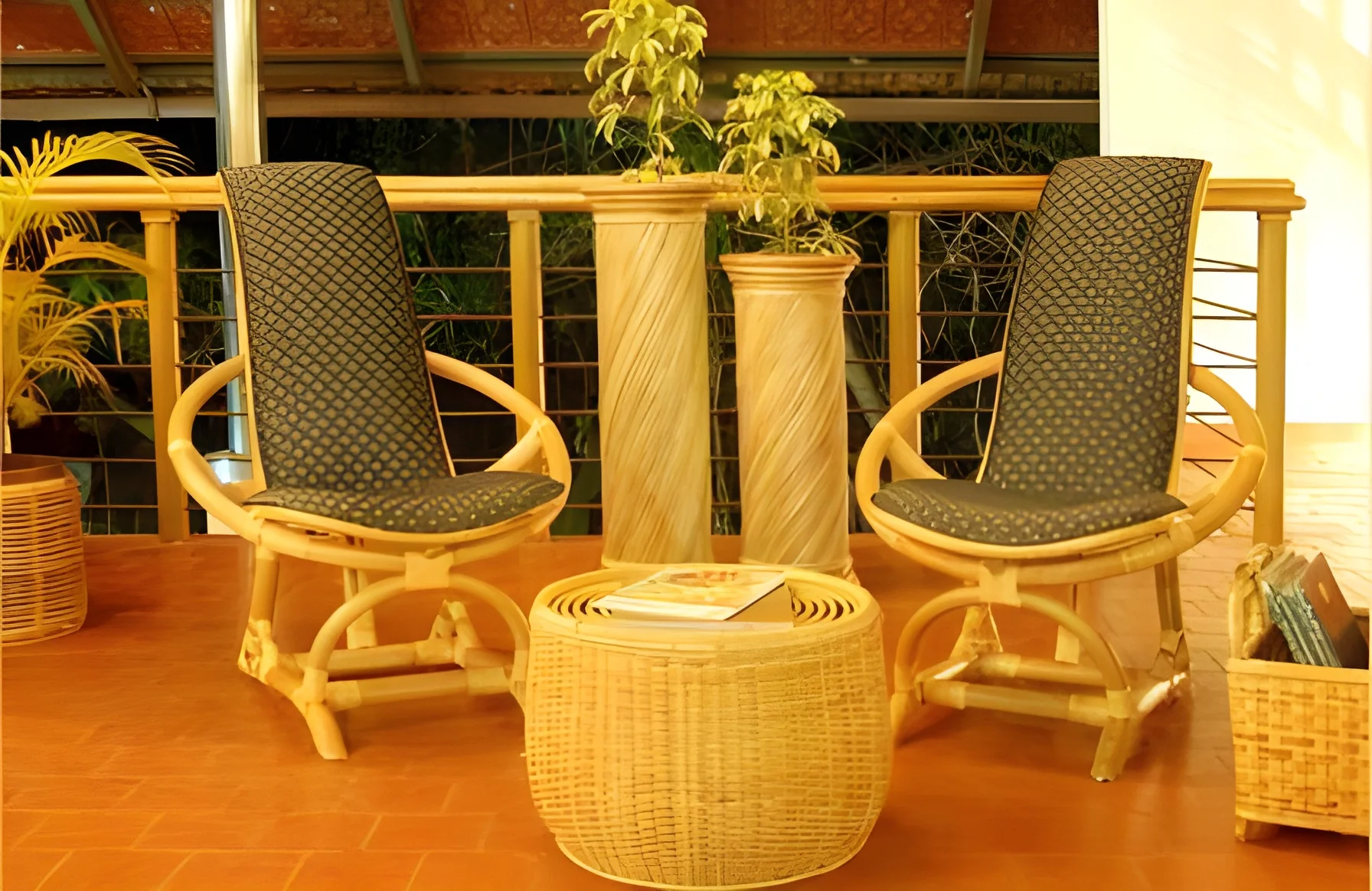
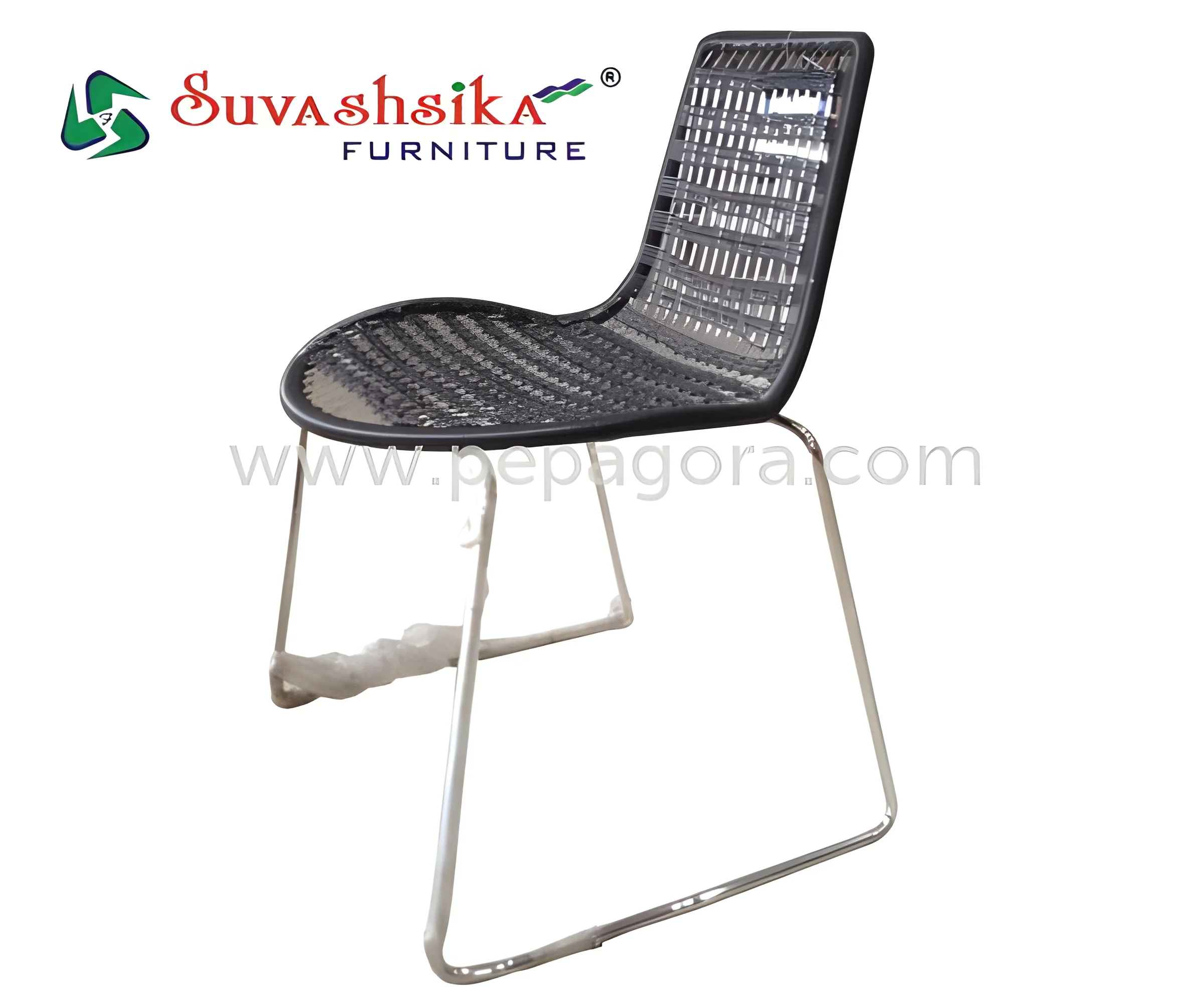
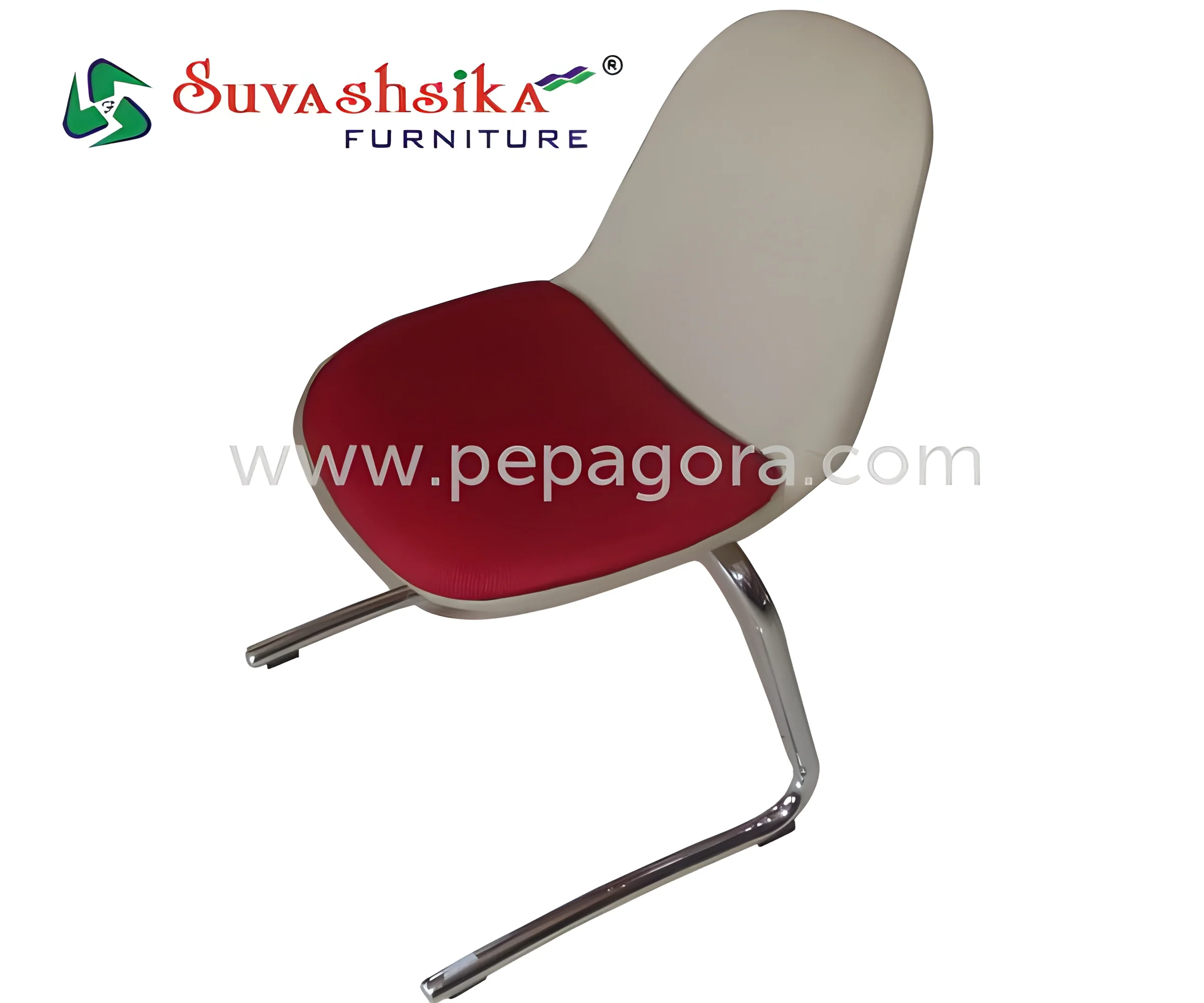
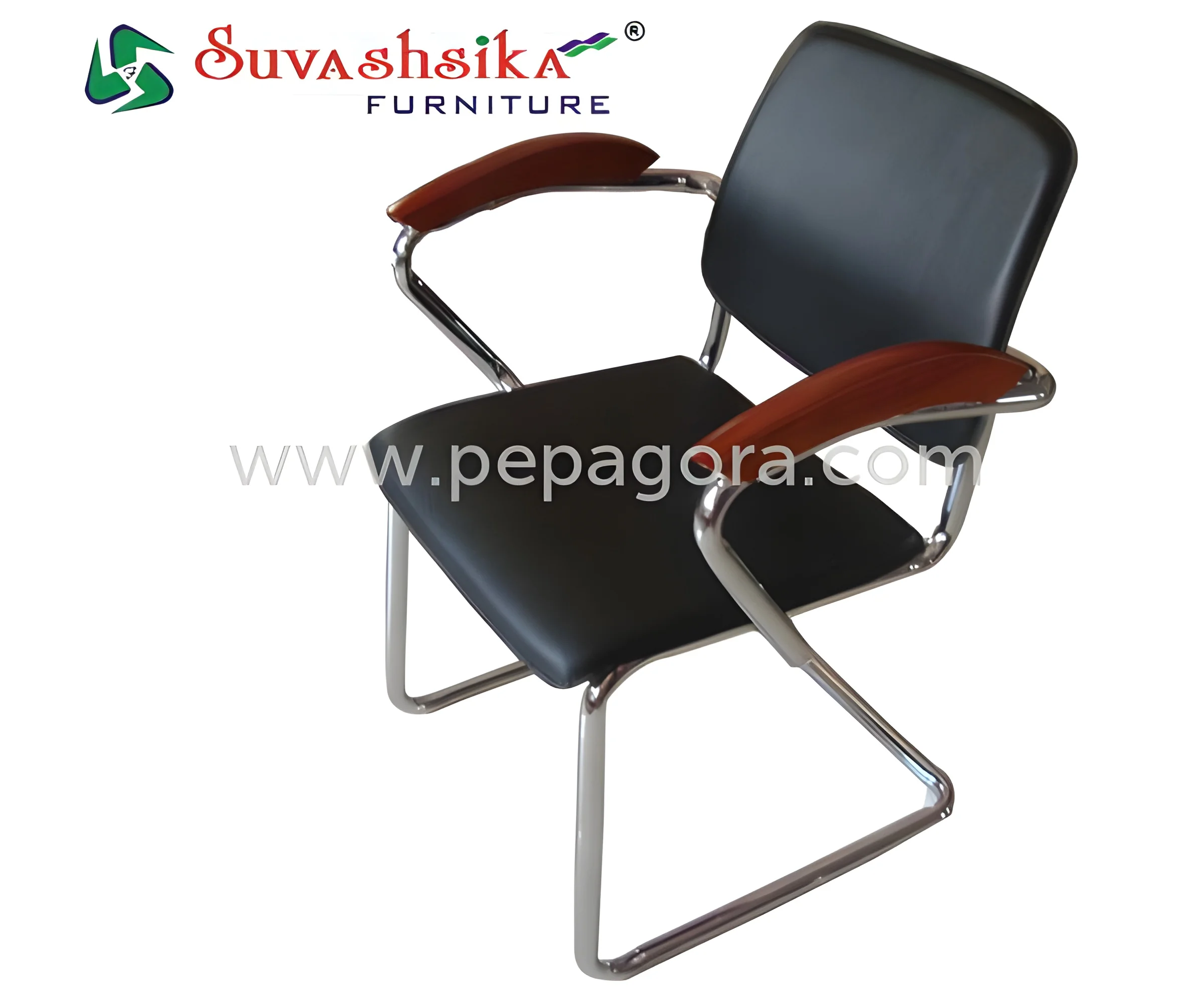
What are Chairs & Recliners?
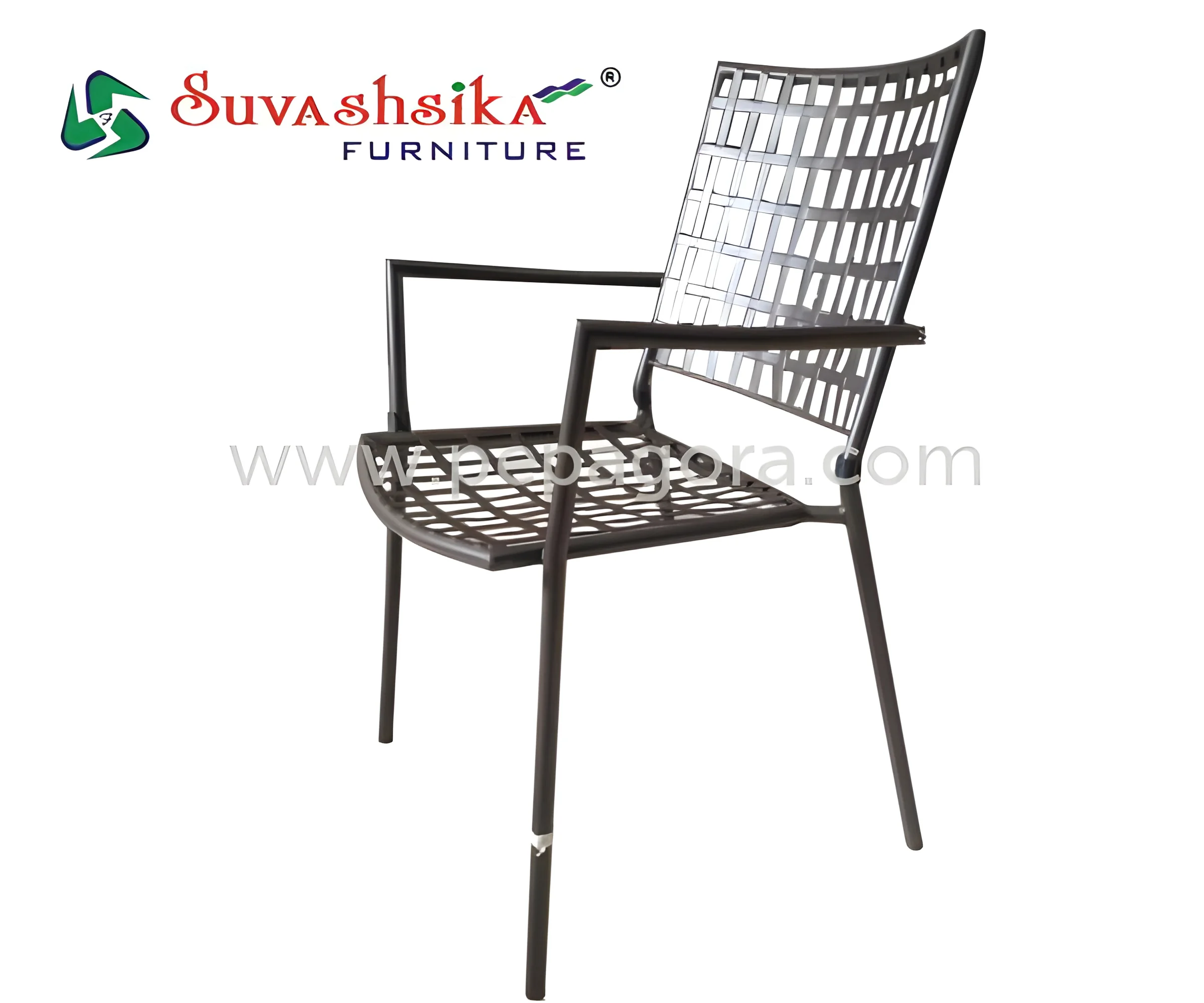
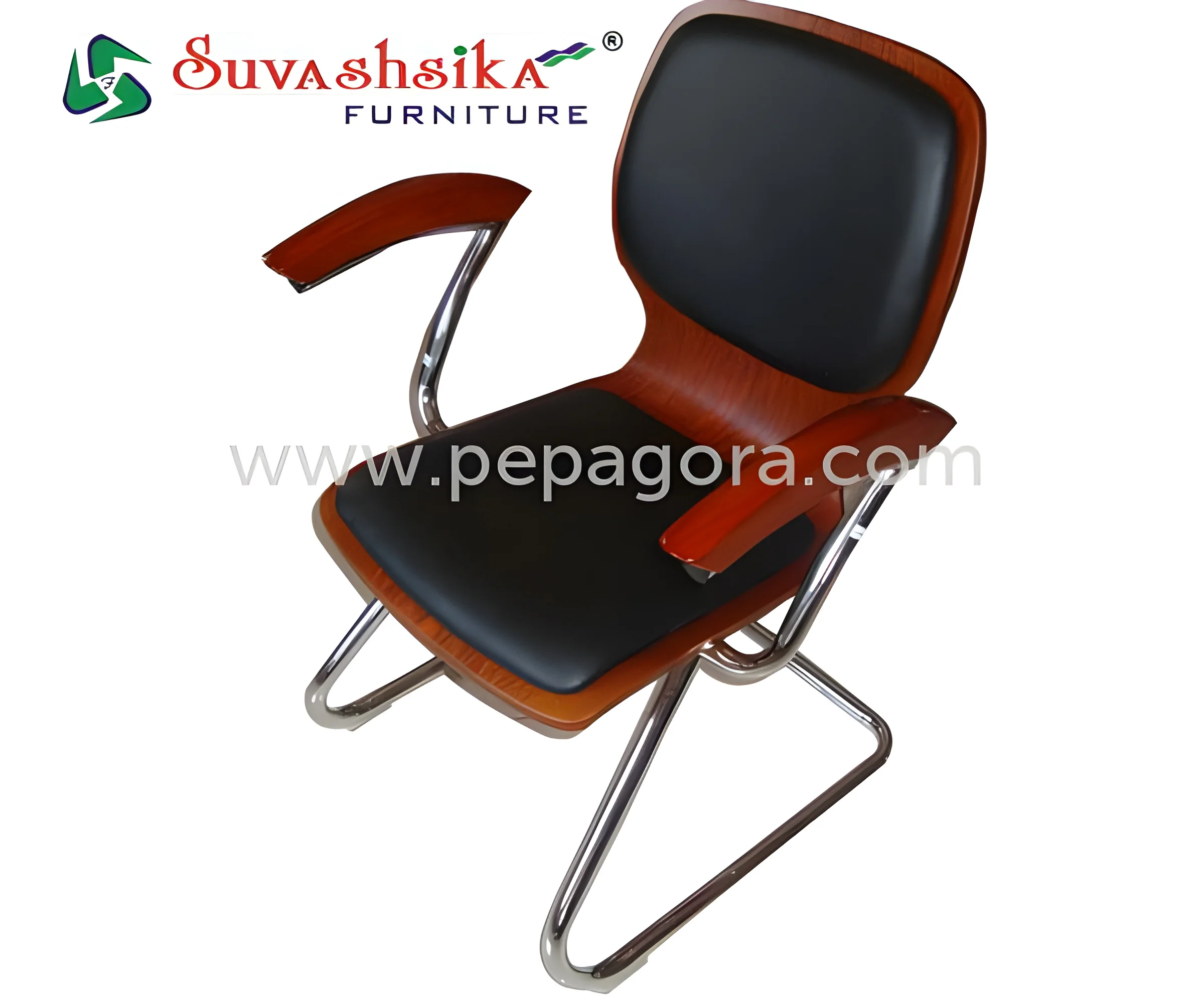
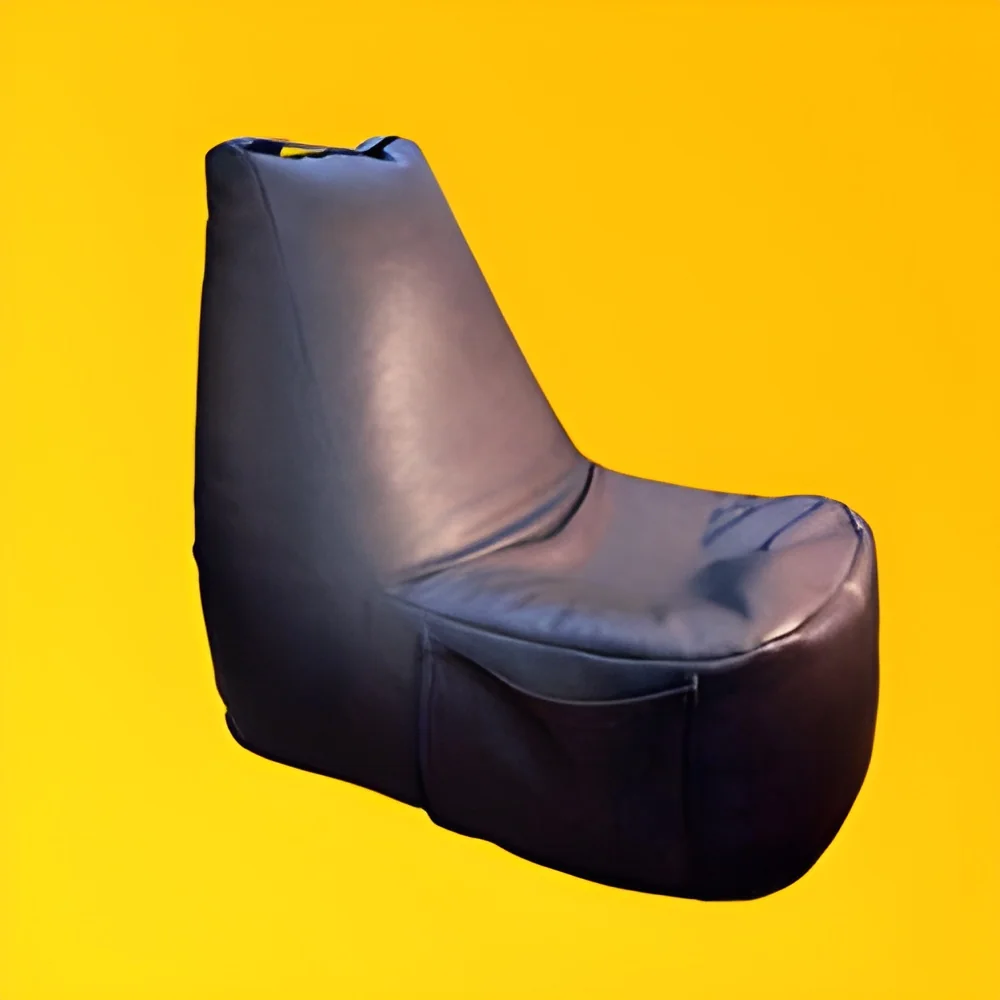
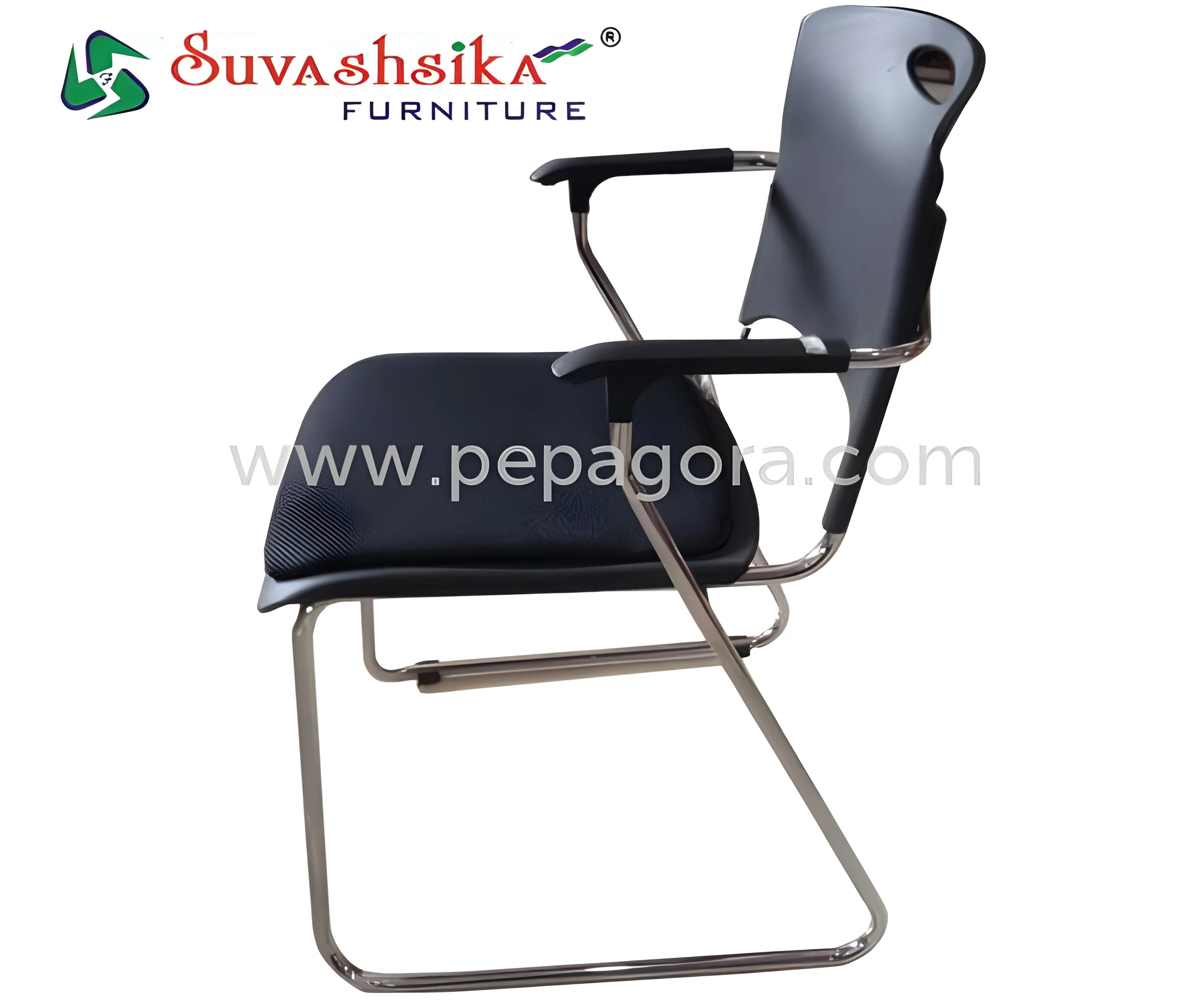
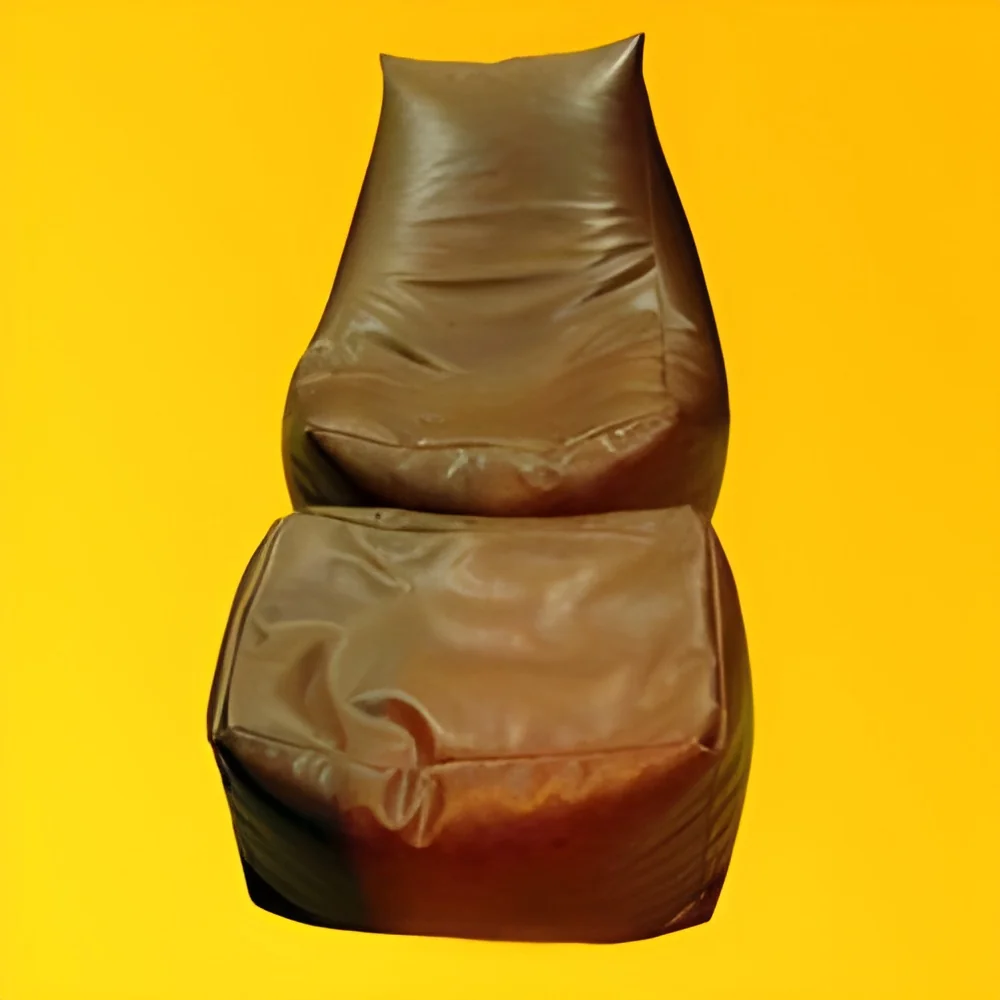
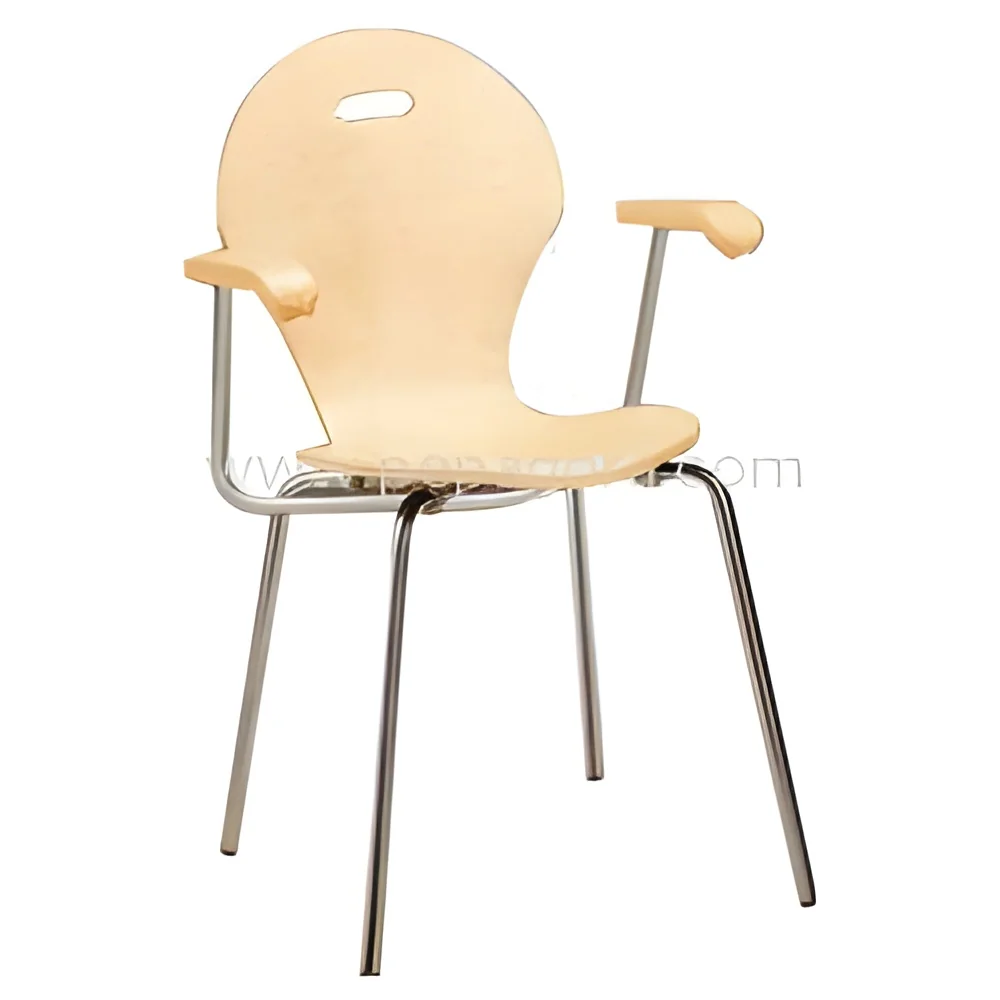
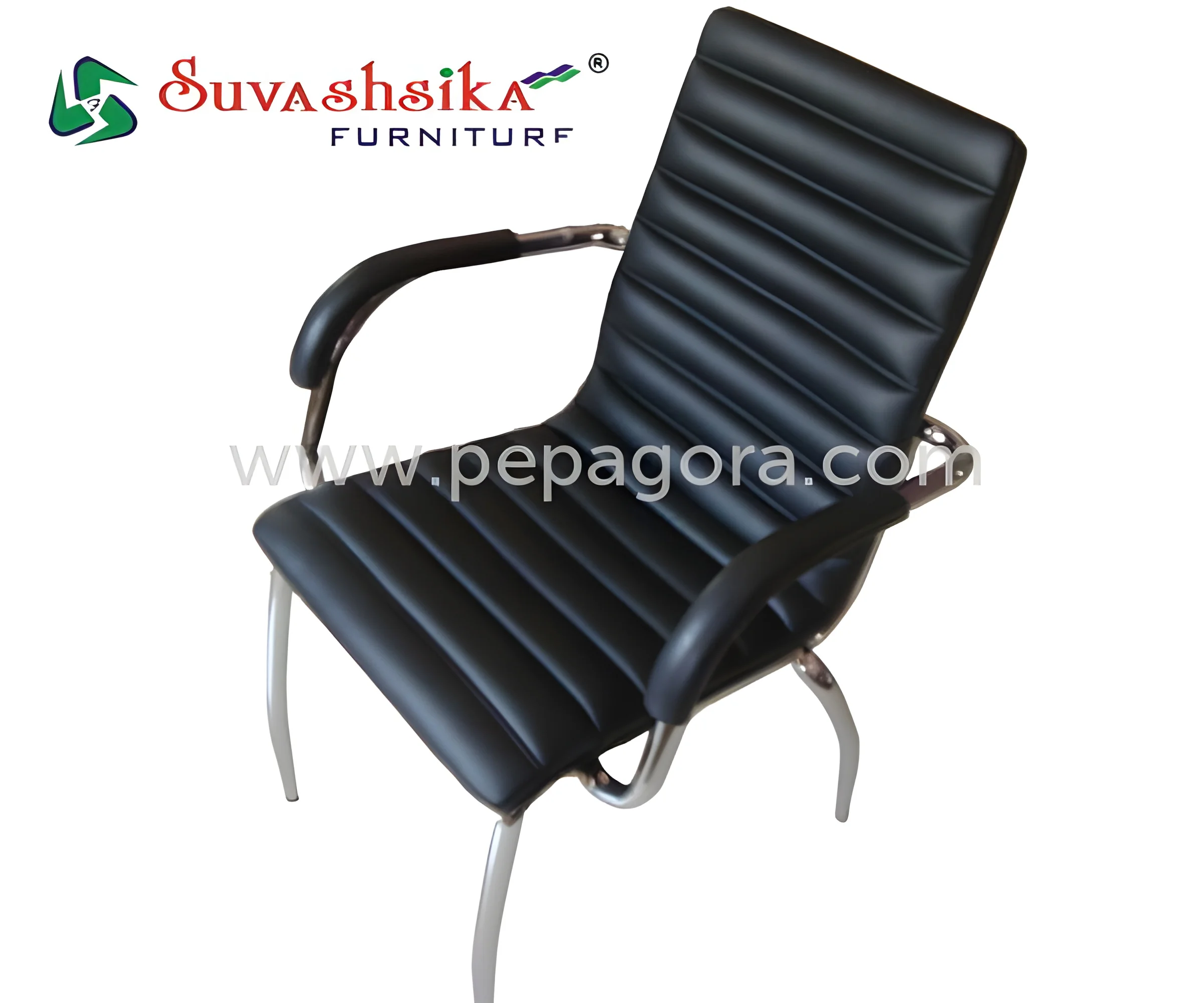
Chairs and recliners are essential pieces of furniture designed for comfort and support in various settings. Chairs generally refer to standard seating options, while recliners are specialized chairs that can recline to provide enhanced relaxation. They often come with adjustable features that allow users to modify their seating position for optimal comfort. This versatility makes them popular in both residential and commercial environments.
The primary uses of chairs and recliners include seating in offices, lounges, waiting areas, and healthcare facilities. Businesses often utilize these products to enhance the comfort of their employees and clients, creating inviting spaces that encourage relaxation and productivity. In the context of healthcare, recliners are particularly beneficial for patients who need to rest or recover in a comfortable position. The market for chairs and recliners continues to grow, driven by increasing demand for ergonomic and stylish seating solutions across various industries.
Key Features and Specifications
Chairs and recliners are designed with a variety of features that cater to different needs. Understanding these specifications can help buyers make informed decisions when selecting the right products for their business.
Key specifications include:
1. Material Quality
- Chairs and recliners are commonly made from materials such as leather, fabric, and synthetic blends.
- The choice of material affects durability, comfort, and maintenance requirements.
2. Dimensions
- Standard chair dimensions typically range from 18 to 24 inches in seat height and 22 to 30 inches in width.
- Recliners may vary significantly in size, accommodating different body types and spaces.
3. Weight Capacity
- Most chairs support weight capacities between 250 to 400 pounds.
- Recliners may have specific weight limits that should be considered based on user needs.
4. Adjustability Features
- Many recliners offer multiple reclining positions, footrests, and lumbar support adjustments.
- Chairs may also include height and tilt adjustments for ergonomic support.
5. Design Styles
- Chairs and recliners come in various designs, including modern, classic, and industrial styles.
- The design often influences their suitability for different environments.
6. Certifications
- Products may carry certifications like CE, indicating compliance with safety and quality standards.
- Buyers should verify certifications to ensure the products meet relevant industry requirements.
7. Color Options
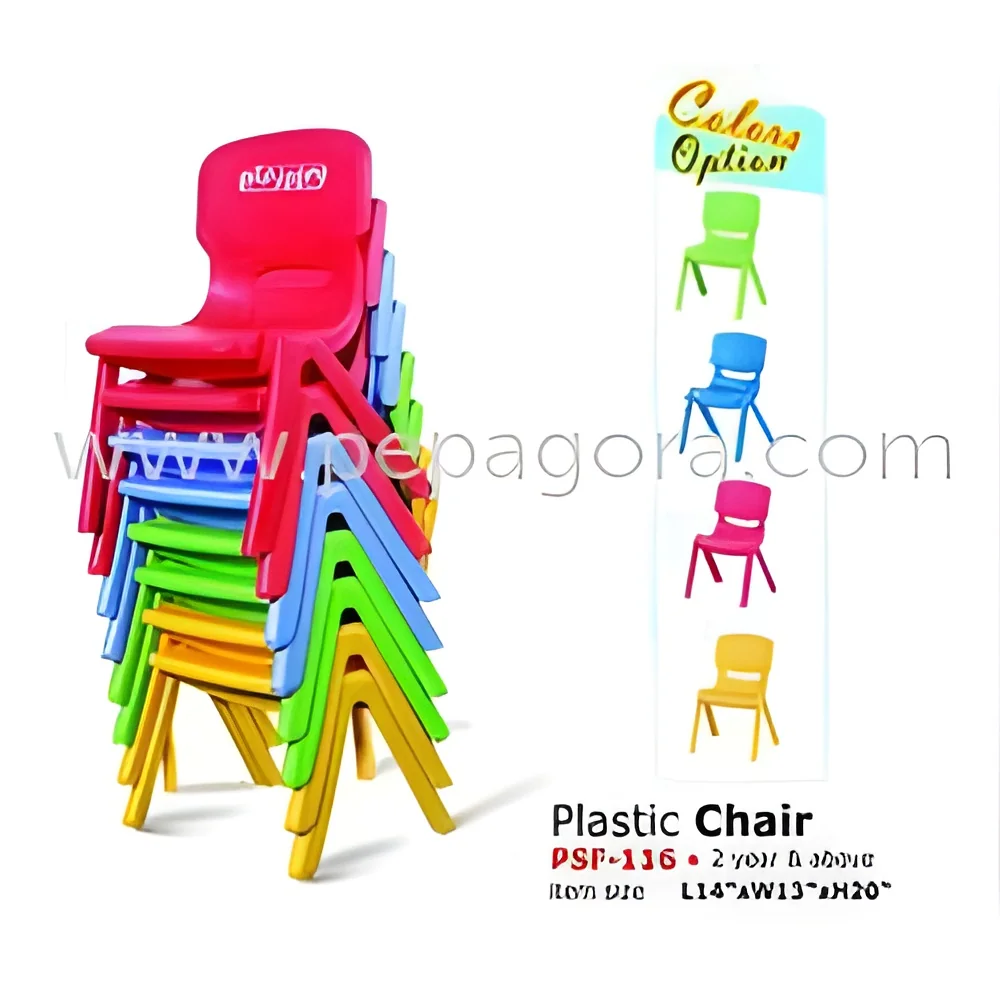
- A wide range of color options is available, allowing businesses to match their branding or interior decor.
- Customization options may also be offered for specific color requirements.
In summary, understanding these key features and specifications is crucial for businesses looking to invest in chairs and recliners to ensure they meet the functional and aesthetic needs of their environments.
Common Applications and Use Cases
Chairs and recliners serve various industries, offering comfort and functionality tailored to specific applications.
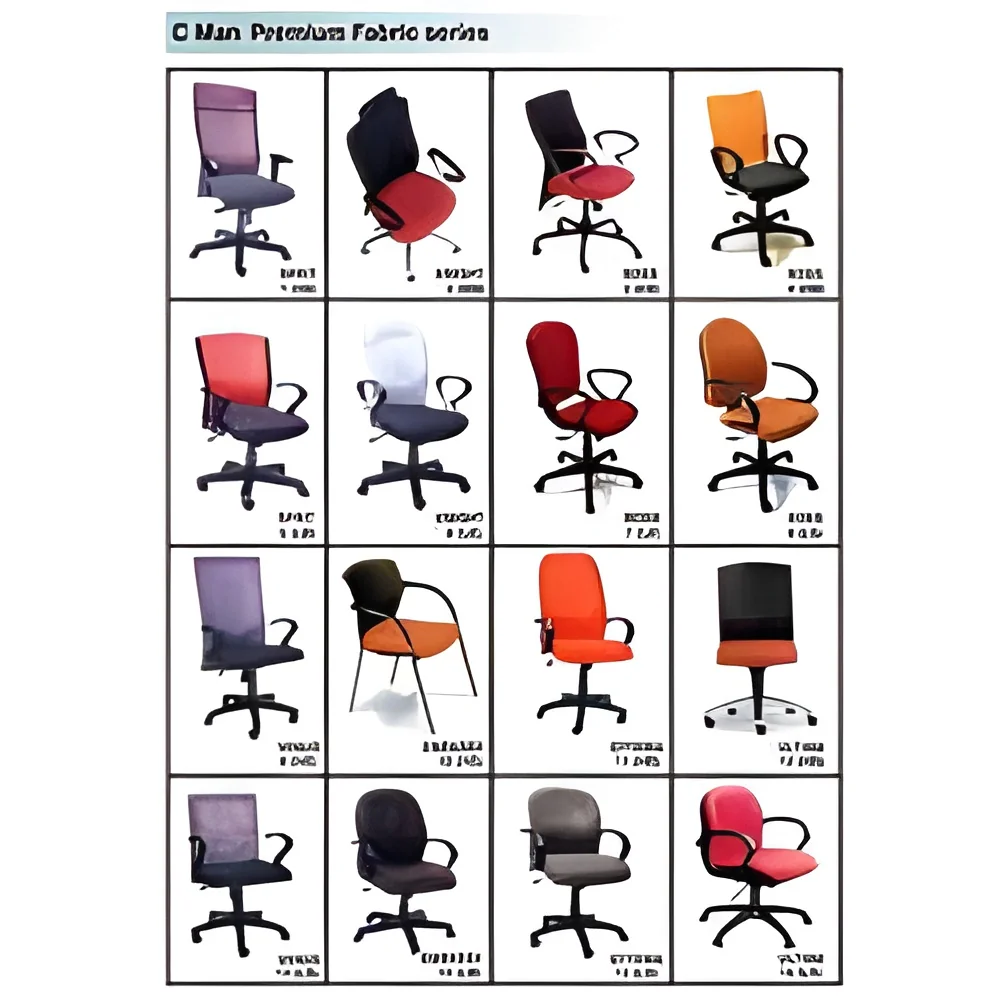
1. Office Environment: In corporate settings, ergonomic chairs are essential for promoting employee well-being during long work hours. Recliners are often used in break rooms or lounges to provide relaxation during breaks.
2. Healthcare Facilities: Hospitals and clinics utilize recliners for patient comfort. These chairs allow patients to rest comfortably during recovery or treatment, enhancing their overall experience.
3. Hospitality Industry: Hotels and resorts frequently incorporate stylish chairs and recliners in guest rooms and lounges to create inviting spaces that enhance the guest experience.
4. Educational Institutions: Schools and universities use chairs in classrooms and lecture halls. Recliners may be found in student lounges, promoting relaxation and social interaction.
5. Retail Spaces: Stores often place comfortable chairs and recliners in waiting areas to improve customer satisfaction while they wait for services.
6. Residential Spaces: Home offices and living rooms benefit from ergonomic chairs and stylish recliners, providing comfort and functionality for everyday use.
7. Fitness Centers: Some gyms and wellness centers include recliners in relaxation areas for members to unwind after workouts, promoting recovery and rest.
Product Variants and Subcategories
Chairs and recliners come in a variety of styles and functions, allowing for a tailored fit in different environments.
Reclining Office Chair
This variant combines office chair functionality with reclining features, making it perfect for professionals who need to balance work and relaxation. It often includes lumbar support and adjustable height to ensure ergonomic benefits.
Massage Recliner
Designed with embedded massage functions, this variant provides therapeutic benefits, making it ideal for healthcare settings or home relaxation. These recliners often feature multiple massage settings and heat functions for maximum comfort.
Ergonomic Task Chair
This type of chair is tailored for extended use in office settings, promoting posture and comfort. It includes adjustable features such as armrests and seat depth to accommodate various body types.
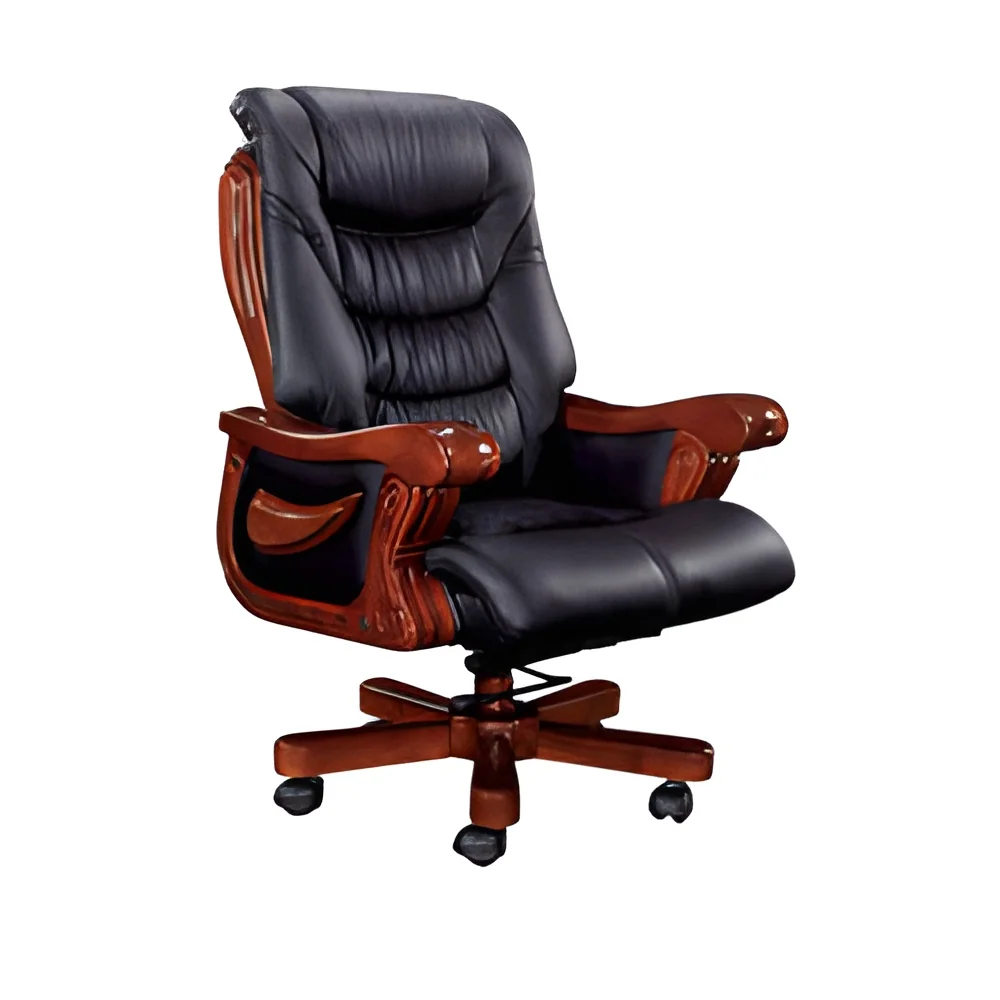
High-Back Recliner
This variant offers additional neck and back support, making it suitable for both home and office use. Its design often includes plush cushioning and a stylish appearance.
Benefits and Advantages
Investing in chairs and recliners brings numerous advantages to businesses and their users.
1. Enhanced Comfort: Ergonomically designed chairs and recliners provide superior comfort, reducing fatigue and improving user satisfaction.
2. Increased Productivity: Comfortable seating options can boost employee productivity by creating an inviting work environment.
3. Versatility: Chairs and recliners come in various styles and functions, making them suitable for diverse applications across multiple industries.
4. Design Aesthetics: Stylish options enhance the visual appeal of spaces, contributing to a positive atmosphere for clients and employees.
5. Health Benefits: Ergonomic designs promote better posture and overall health, reducing the risk of discomfort and injury.
6. Customization Options: Many manufacturers offer customization in materials, colors, and features, allowing businesses to align their purchases with brand identity.
Buying Guide for B2B Buyers
When sourcing chairs and recliners, businesses should consider several key factors to ensure they make the best purchase decisions.
1. Quality Assessment: Evaluate the materials and construction quality of chairs and recliners. Look for durability and ease of maintenance to ensure long-term use.
2. Supplier Verification: Conduct thorough research on suppliers to ensure they are reputable and can provide high-quality products. Check reviews and references when possible.
3. Pricing and MOQ: Understand the pricing structure and minimum order quantities (MOQ) that suppliers require to find a balance between cost-effectiveness and product quality.
4. Delivery and Lead Times: Consider the logistics involved in delivery and the lead times offered by suppliers. Ensure that the timeline aligns with your business needs.
5. Compliance Requirements: Be aware of any relevant regulations and safety standards that apply to chairs and recliners, ensuring that the products meet necessary compliance requirements.
Compliance and Certifications
Compliance and certifications play a vital role in ensuring the quality and safety of chairs and recliners. Relevant quality standards, such as ISO 9001, ensure that manufacturers adhere to consistent quality management processes.
Industry certifications, including CE, indicate that products have been tested and meet essential safety requirements. These certifications provide assurance to buyers regarding the reliability of the products.
Safety and testing requirements may vary by region, and businesses should be aware of local regulations that govern the use of furniture in public spaces. Compliance with these regulations is essential for avoiding legal issues and ensuring user safety.
Regional compliance considerations can also impact sourcing decisions. Understanding the specific requirements of different markets, such as those in India, GCC, and Southeast Asia, is crucial for businesses looking to expand their reach.
Why Source Chairs & Recliners from Pepagora?
Pepagora provides a trusted platform for sourcing chairs and recliners, offering several significant advantages to B2B buyers.
Verified Supplier Network: Pepagora boasts a network of verified suppliers, ensuring that buyers can access high-quality products from reputable manufacturers. This verification process adds a layer of trust to the sourcing experience.
Streamlined RFQ Process: The platform features a straightforward request for quotation (RFQ) system, allowing buyers to easily compare quotes and choose the best option for their needs. This efficiency saves time and resources in the procurement process.
Trade Assurance and Support: Pepagora offers trade assurance, protecting buyers throughout the purchasing process. This support includes assistance with disputes and ensuring that products meet agreed-upon standards.
Regional Coverage: With a focus on markets in India, GCC, and Southeast Asia, Pepagora provides extensive geographic reach. This coverage allows businesses to find suitable chairs and recliners tailored to their regional requirements and preferences.

 IN
IN