What are Upholstered Furniture (Velvet, Linen, Leatherette)?
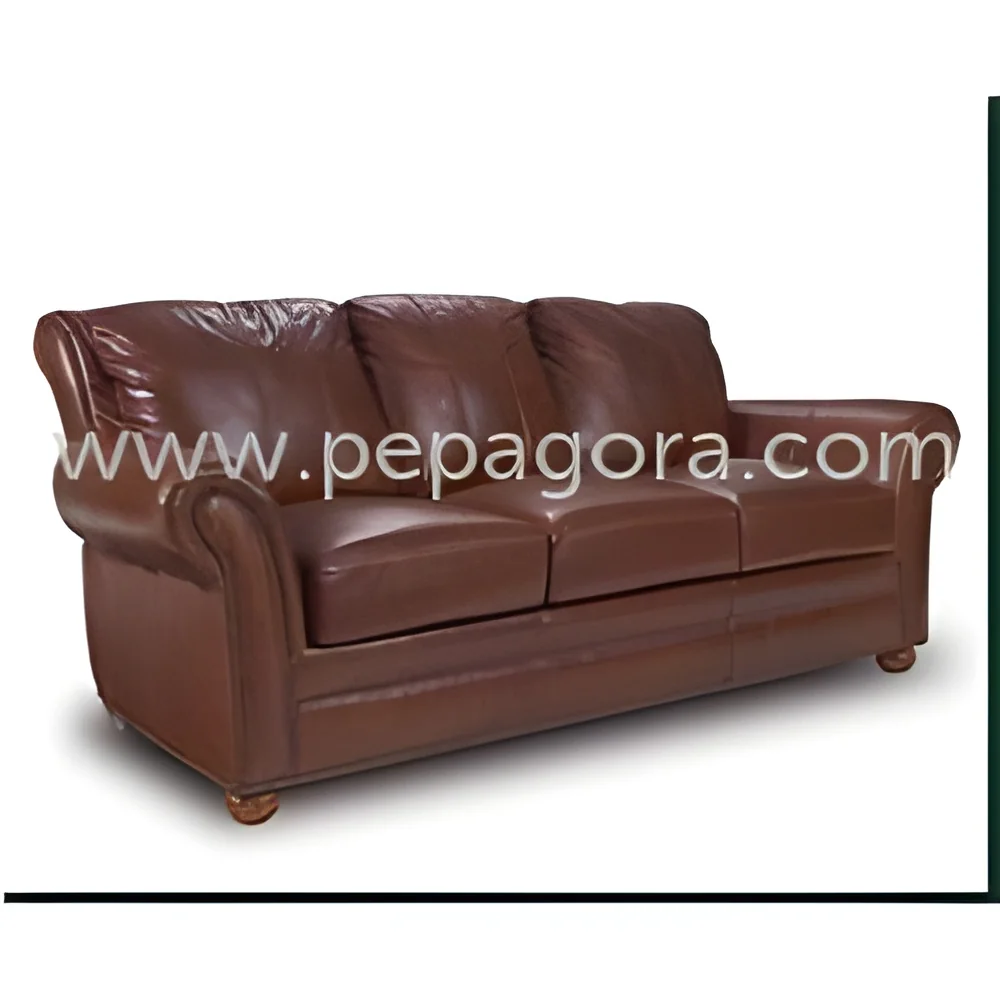
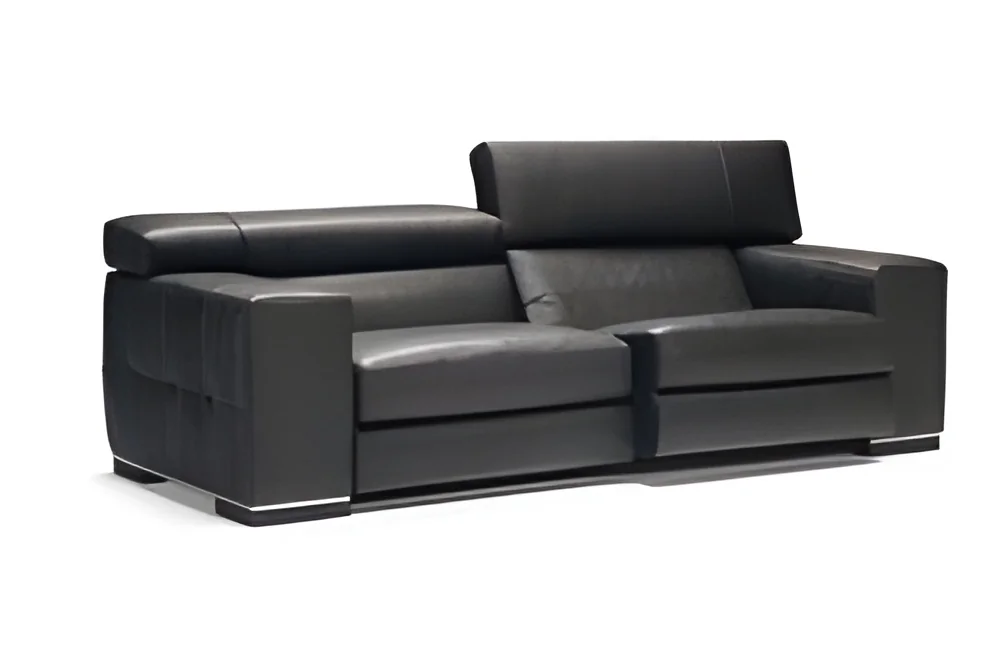
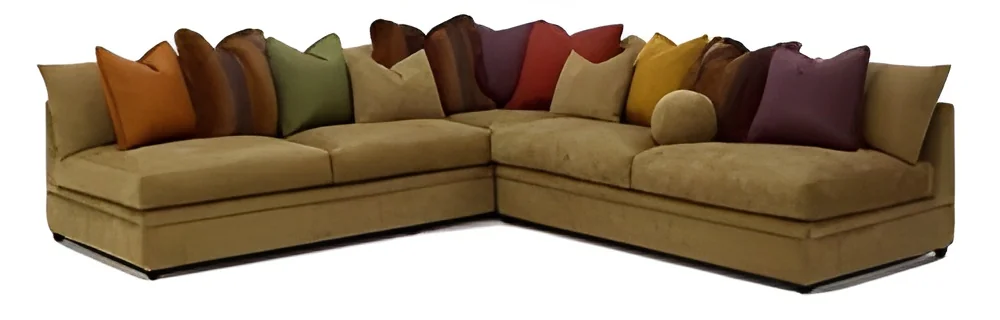
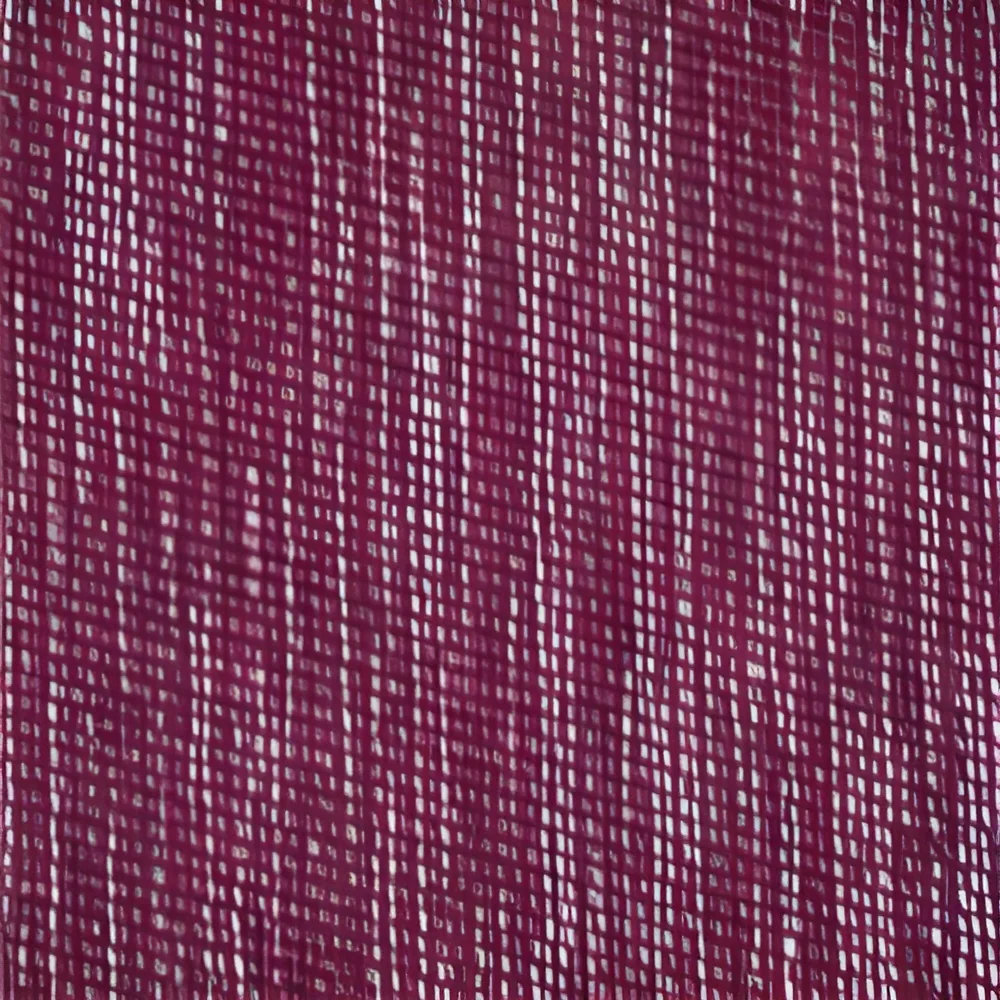
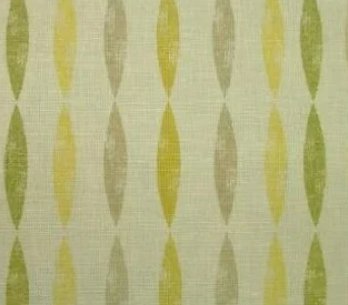
Upholstered furniture is a category that includes various types of seating and decorative pieces covered with soft materials. Common upholstery fabrics include velvet, linen, and leatherette. Velvet is known for its rich texture and luxurious appearance, making it a popular choice for high-end furniture. Linen offers a more casual look, with its natural fibers providing breathability and comfort. Leatherette, a synthetic alternative to leather, is often favored for its durability and ease of maintenance.
These products are primarily used in commercial settings such as offices, hotels, restaurants, and healthcare facilities. Upholstered furniture not only enhances the aesthetic appeal of a space but also offers comfort and functionality. Businesses often use these items to create inviting environments for clients, employees, and visitors.
The upholstered furniture market is significant within the broader furniture industry. As businesses increasingly prioritize design and comfort, the demand for high-quality upholstered pieces continues to grow. Companies are investing in this category to differentiate themselves in competitive markets, making upholstery a critical area for manufacturers and suppliers.
𝗞𝗲𝘆 𝗙𝗲𝗮𝘁𝘂𝗿𝗲𝘀 𝗮𝗻𝗱 𝗦𝗽𝗲𝗰𝗶𝗳𝗶𝗰𝗮𝘁𝗶𝗼𝗻𝘀
Upholstered furniture comes with a variety of features and specifications that cater to different business needs. Understanding these specifications is essential for making informed purchasing decisions.
Key specifications include:
1. Fabric Type
- Options such as velvet, linen, and leatherette provide varied textures and durability.
- Each fabric has distinct properties suited for different environments.
2. Frame Construction
- Solid wood, metal, or engineered wood frames ensure stability and longevity.
- The choice of materials affects weight capacity and durability.
3. Cushioning Material
- Foam, gel, or fiberfill options offer varying levels of comfort and support.
- Thickness and density influence the overall feel and lifespan.
4. Dimensions
- Available in multiple sizes to fit various spaces and configurations.
- Important to consider the scale relative to the room layout.
5. Weight Capacity
- Specifications usually indicate the maximum weight each piece can support.
- Essential for ensuring safety and durability in high-use areas.
6. Maintenance Requirements
- Different fabrics may have specific cleaning and care instructions.
- Understanding maintenance needs helps in long-term care.
7. Warranty Information
- Many manufacturers provide warranties that cover defects and wear.
- Warranties can vary in duration and coverage specifics.
In summary, understanding the key features and specifications of upholstered furniture is crucial for businesses aiming to select the right products for their needs.
𝗖𝗼𝗺𝗺𝗼𝗻 𝗔𝗽𝗽𝗹𝗶𝗰𝗮𝘁𝗶𝗼𝗻𝘀 𝗮𝗻𝗱 𝗨𝘀𝗲 𝗖𝗮𝘀𝗲𝘀
Upholstered furniture finds applications across various sectors, enhancing functionality and design.
1. Hospitality: Hotels and restaurants use upholstered pieces for lounges and dining areas, creating inviting atmospheres for guests.
2. Corporate Offices: Comfortable seating solutions are essential for break rooms and reception areas, promoting a welcoming environment for employees and clients.
3. Healthcare: Hospitals and clinics utilize upholstered furniture in waiting areas and patient rooms, providing comfort for visitors and patients alike.
4. Educational Institutions: Schools and universities incorporate upholstered seating in common areas and libraries to offer comfort to students.
5. Retail: Stores use upholstered furniture to create stylish display areas, encouraging customer engagement and relaxation.
6. Residential: Many businesses also supply upholstered items for home settings, enhancing both comfort and aesthetics.
7. Event Spaces: Upholstered furniture is often rented for events, providing stylish seating options that improve guest experiences.
𝗣𝗿𝗼𝗱𝘂𝗰𝘁 𝗩𝗮𝗿𝗶𝗮𝗻𝘁𝘀 𝗮𝗻𝗱 𝗦𝘂𝗯𝗰𝗮𝘁𝗲𝗴𝗼𝗿𝗶𝗲𝘀
Upholstered furniture encompasses a diverse range of products tailored to various applications. While specific subcategories are not available, several notable variants are commonly recognized.
Sofas
Sofas provide comfortable seating for multiple people and are available in various designs, including sectional and loveseat styles. They are often used in both residential and commercial settings.
Chairs
Upholstered chairs range from dining chairs to accent chairs, offering versatility in style and comfort. They can be customized to suit different environments, such as offices or cafes.
Ottomans
Ottomans serve as multifunctional pieces, providing additional seating or footrests. They are often used in living spaces and commercial lounges, adding a touch of style.
Benches
Upholstered benches are ideal for entryways or communal spaces, offering both seating and storage options. They are popular in hospitality and retail settings.
𝗕𝗲𝗻𝗲𝗳𝗶𝘁𝘀 𝗮𝗻𝗱 𝗔𝗱𝘃𝗮𝗻𝘁𝗮𝗴𝗲𝘀
Investing in upholstered furniture provides several key benefits for businesses.
1. Enhanced Comfort: Upholstered pieces offer a soft and inviting seating experience, promoting longer use and satisfaction.
2. Aesthetic Appeal: The variety of fabrics and designs allows businesses to choose pieces that align with their branding and interior design.
3. Durability: High-quality upholstered furniture is built to withstand heavy use, ensuring longevity in commercial environments.
4. Easy Maintenance: Many upholstery fabrics are designed for easy cleaning, making them suitable for high-traffic areas.
5. Customization Options: Businesses can often request custom designs or fabric choices to meet specific needs and preferences.
6. Acoustic Benefits: Upholstered furniture can help dampen sound in large spaces, contributing to a quieter and more comfortable environment.
𝗕𝘂𝘆𝗶𝗻𝗴 𝗚𝘂𝗶𝗱𝗲 𝗳𝗼𝗿 𝗕𝟮𝗕 𝗕𝘂𝘆𝗲𝗿𝘀
When sourcing upholstered furniture, several critical factors should be considered to ensure the best selection for business needs.
1. Quality Assessment: Evaluate the materials and construction quality. Look for robust frames and durable fabrics that can withstand regular use.
2. Supplier Verification: Conduct thorough research on potential suppliers. Check their credentials, reviews, and previous client experiences to ensure reliability.
3. Pricing and MOQ: Understand the pricing structure and minimum order quantities. This information helps in budgeting and ensures you can meet your supply needs.
4. Delivery and Lead Times: Confirm the lead times for delivery. Timely delivery is essential for project planning and avoiding delays.
5. Compliance Requirements: Be aware of any regulatory standards that apply to the furniture. Ensuring compliance can prevent future issues related to safety and quality.
𝗖𝗼𝗺𝗽𝗹𝗶𝗮𝗻𝗰𝗲 𝗮𝗻𝗱 𝗖𝗲𝗿𝘁𝗶𝗳𝗶𝗰𝗮𝘁𝗶𝗼𝗻𝘀
Upholstered furniture must adhere to various compliance standards and certifications to guarantee quality and safety.
One of the most recognized quality standards is ISO 9001, which focuses on quality management systems. Companies producing upholstered furniture may seek this certification to demonstrate their commitment to quality processes.
Additionally, industry certifications like CE mark compliance indicate that the products meet European safety standards. This is crucial for businesses looking to sell in European markets.
Safety and testing requirements also play a significant role, especially in sectors like healthcare and hospitality. Products must undergo rigorous testing to ensure they are safe for use.
Regional compliance considerations may vary, so it is essential for manufacturers and suppliers to be aware of local regulations governing upholstered furniture in different markets.
Why Source Upholstered Furniture (Velvet, Linen, Leatherette) from Pepagora?
Pepagora offers a trusted platform for sourcing upholstered furniture with several key advantages that benefit B2B buyers.
Verified Supplier Network: Pepagora has a rigorous verification process for suppliers, ensuring that businesses can connect with reputable manufacturers. This reduces the risk associated with sourcing and enhances buyer confidence.
Streamlined RFQ Process: The platform simplifies the request for quotation process, allowing buyers to easily compare offers from multiple suppliers. This efficiency saves time and helps buyers make informed decisions.
Trade Assurance and Support: Pepagora provides trade assurance, protecting buyers from potential disputes. Their support team is available to assist with any issues that may arise during the sourcing process.
Regional Coverage: With a strong presence in India, the GCC, and Southeast Asia, Pepagora connects buyers with suppliers across these regions, facilitating access to a diverse range of upholstered furniture options. This geographic reach ensures that businesses can find products that meet their specific needs while benefiting from local supply chains.