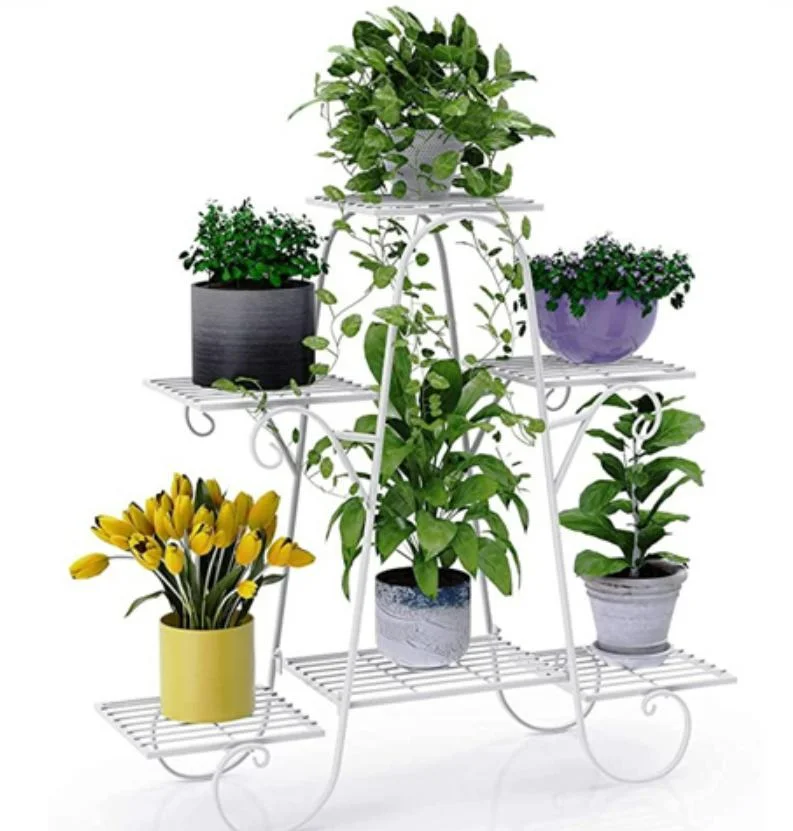
What are Planter Stands?
Planter stands are specialized supports designed to elevate potted plants off the ground. They come in various designs, sizes, and materials to accommodate different types of plants and aesthetic preferences. The primary function of planter stands is to provide stability and proper drainage, which is crucial for plant health. Elevating plants also enhances visibility and displays them attractively, making them a popular choice in both residential and commercial settings.
In business applications, planter stands are widely used in nurseries, garden centers, and retail spaces. They not only serve a functional purpose but also contribute to the overall presentation of plants. By organizing plants vertically, businesses can maximize their display area, making it easier for customers to browse. Moreover, planter stands are increasingly being utilized in office spaces, hotels, and restaurants to enhance indoor environments.
The market for planter stands is growing, driven by the increasing trend of indoor gardening and the popularity of houseplants. As more consumers seek to incorporate greenery into their spaces, the demand for aesthetically pleasing and functional planter stands continues to rise. This trend is relevant across industries, including horticulture, interior design, and retail.
Key Features and Specifications
Planter stands offer a variety of features and specifications that enhance their functionality and appeal. When considering a planter stand, it is essential to look at the following key specifications.
Key specifications include:
1. Material
- Common materials include wood, metal, and plastic.
- Durability and weather resistance depend on the chosen material.
2. Height
- Available heights typically range from 12 inches to 36 inches.
- Adjustable height options are also available to suit different plant sizes.
3. Weight Capacity
- Most planter stands support weights ranging from 20 to 100 pounds.
- It is crucial to choose a stand that can accommodate the weight of the plant and pot.
4. Design Style
- Options include modern, rustic, and contemporary designs.
- Aesthetic choices can enhance the decor of any space.
5. Stability Features
- Many stands come with anti-slip bases or additional support brackets.
- Ensuring stability is important for the safety of both the plants and the surrounding area.
6. Indoor/Outdoor Use
- Some planter stands are specifically designed for outdoor use, with materials that resist weather damage.
- Others are intended for indoor settings, focusing on style and presentation.
In summary, understanding the key features and specifications of planter stands helps buyers make informed decisions that align with their design and functional needs.
Common Applications and Use Cases
Planter stands are versatile products used across various industries. Their applications extend beyond simple gardening.
1. Nurseries: Planter stands are commonly used in nurseries to display plants in an organized manner, allowing customers to view a wider selection without taking up too much floor space.
2. Retail Spaces: In gardening and home decor stores, planter stands enhance product visibility, making it easier for consumers to browse and choose plants.
3. Offices: Many businesses use planter stands to introduce greenery into their workspaces, which can improve air quality and employee well-being.
4. Restaurants: Establishments often utilize planter stands to create inviting atmospheres, enhancing dining experiences with attractive plant displays.
5. Hotels: Hotels frequently incorporate planter stands in lobbies and outdoor areas to elevate the aesthetic appeal of their spaces.
6. Residential Settings: Homeowners use planter stands to showcase indoor plants, creating visually appealing arrangements throughout their living spaces.
Product Variants and Subcategories
Planter stands come in various styles and configurations, allowing for customization based on individual needs.
Wooden Planter Stands: These offer a natural aesthetic and are often chosen for their durability and classic look. They can fit in with both modern and traditional decor.
Metal Planter Stands: Known for their industrial appearance, metal stands are sturdy and often designed to withstand outdoor elements. They are popular in contemporary settings.
Plastic Planter Stands: Lightweight and often more affordable, plastic stands are versatile and available in many colors and styles. They are suitable for indoor use and easy to move.
Height-Adjustable Planter Stands: These stands allow users to modify the height according to plant needs. They are particularly useful for growing plants that require different light levels.
Benefits and Advantages
Choosing the right planter stand can provide numerous benefits for both businesses and consumers.
1. Space Efficiency: Planter stands help maximize limited space by allowing vertical planting, which is ideal for small areas.
2. Enhanced Plant Health: Elevating plants promotes better air circulation and drainage, leading to healthier growth.
3. Aesthetic Appeal: Planter stands can significantly enhance the visual presentation of plants, making them more attractive in various settings.
4. Versatility: These stands can be used indoors or outdoors, accommodating different environmental conditions and design preferences.
5. Easy Maintenance: Elevated plants are easier to care for, making tasks like watering and pruning more convenient.
6. Customization Options: With various styles and materials available, businesses can choose stands that align with their branding and decor.
Buying Guide for B2B Buyers
When sourcing planter stands, several critical factors should be considered to ensure the right purchase.
1. Quality Assessment: Evaluate the quality of materials and construction. Look for stands that are sturdy and well-designed to prevent tipping or breakage.
2. Supplier Verification: Research potential suppliers to ensure they have a good reputation and provide high-quality products. Check reviews and ask for references if necessary.
3. Pricing and MOQ: Consider the cost of each stand and the minimum order quantity. Ensure pricing aligns with your budget while still meeting quality expectations.
4. Delivery and Lead Times: Discuss logistics with suppliers to understand lead times for delivery. This is essential for planning inventory and meeting customer demands.
5. Compliance Requirements: Ensure that the products meet any relevant industry standards or regulations, particularly if they will be used outdoors or in public spaces.
Compliance and Certifications
Compliance is a crucial aspect of sourcing planter stands. Various quality standards and certifications may apply, ensuring product reliability and safety.
ISO 9001: This standard outlines requirements for a quality management system. Suppliers with this certification demonstrate a commitment to quality.
CE Certification: This certification indicates that the product meets European Union safety, health, and environmental protection standards, making it important for businesses exporting to European markets.
Safety and Testing Requirements: Ensure that products undergo rigorous testing to guarantee their structural integrity and safety for use in commercial settings.
Regional Compliance Considerations: Depending on the geographic market, there may be specific regulations governing product materials and safety. It is essential to adhere to these guidelines to avoid legal issues.
Why Source Planter Stands from Pepagora?
Pepagora stands out as a trusted platform for sourcing planter stands, offering numerous advantages for B2B buyers.
Verified Supplier Network: Pepagora ensures that all suppliers are thoroughly vetted, providing buyers with confidence in the quality and reliability of the products offered.
Streamlined RFQ Process: The request for quotation system simplifies the purchasing process, allowing buyers to easily compare offers from multiple suppliers.
Trade Assurance and Support: Pepagora provides buyer protection through trade assurance policies, ensuring that transactions are secure and that buyers receive the products they expect.
Regional Coverage: With an extensive network covering India, the GCC, and Southeast Asia, Pepagora enables businesses to source planter stands from various regions, enhancing supply chain flexibility.

 IN
IN