What are Living Room Cabinets?
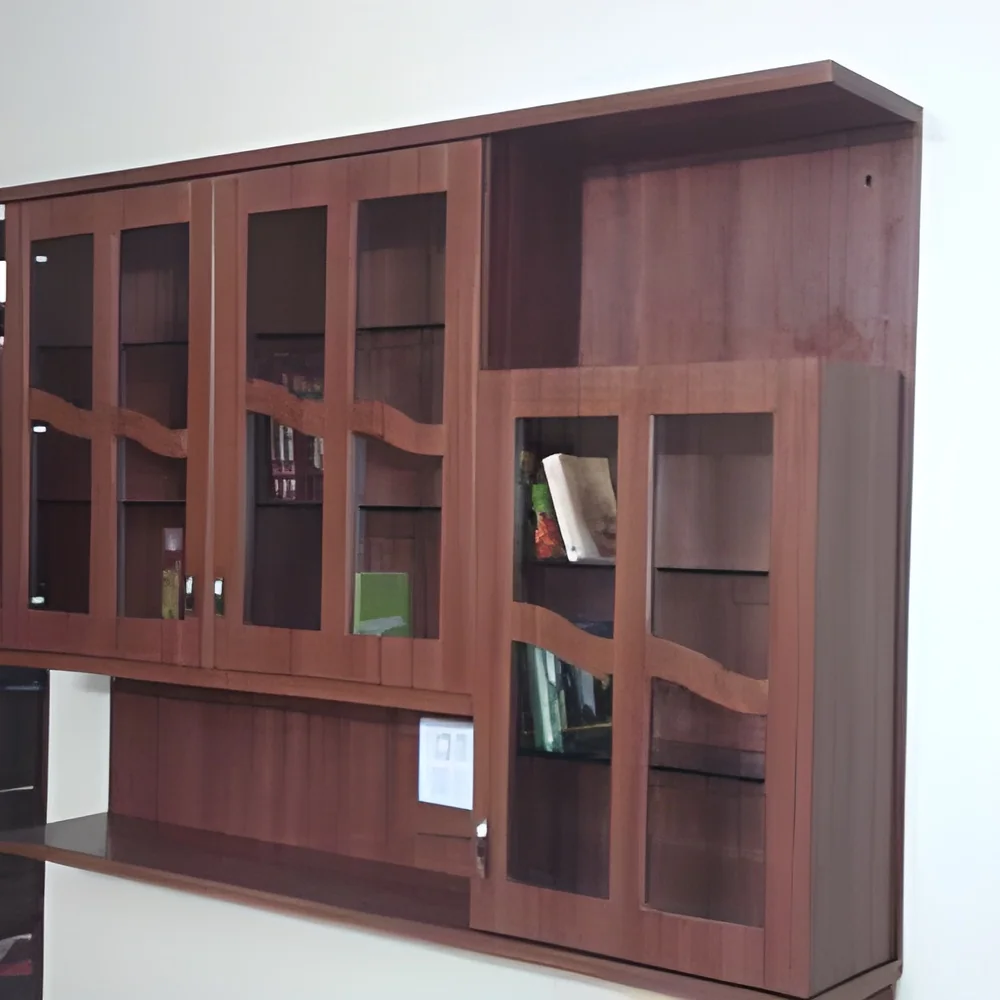
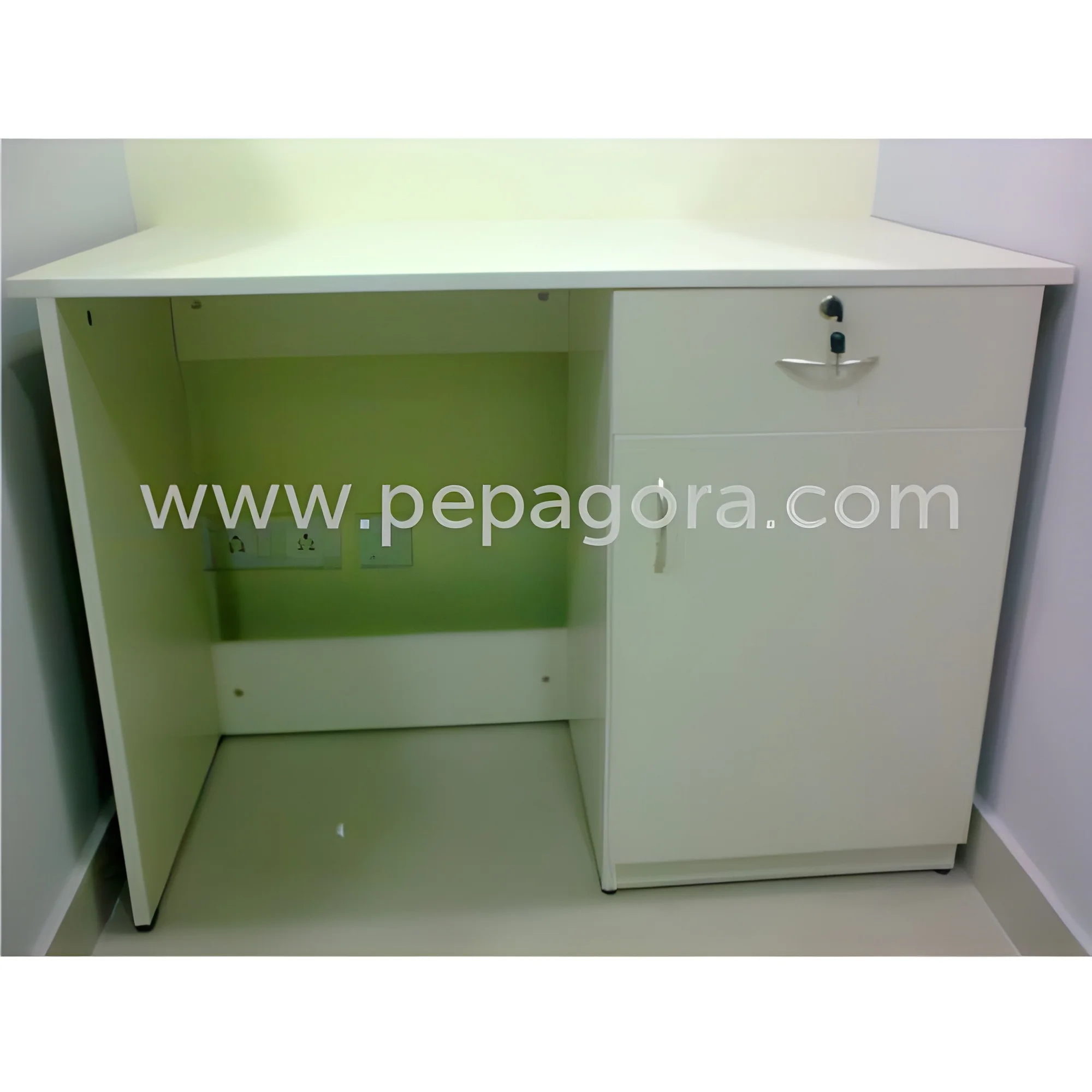
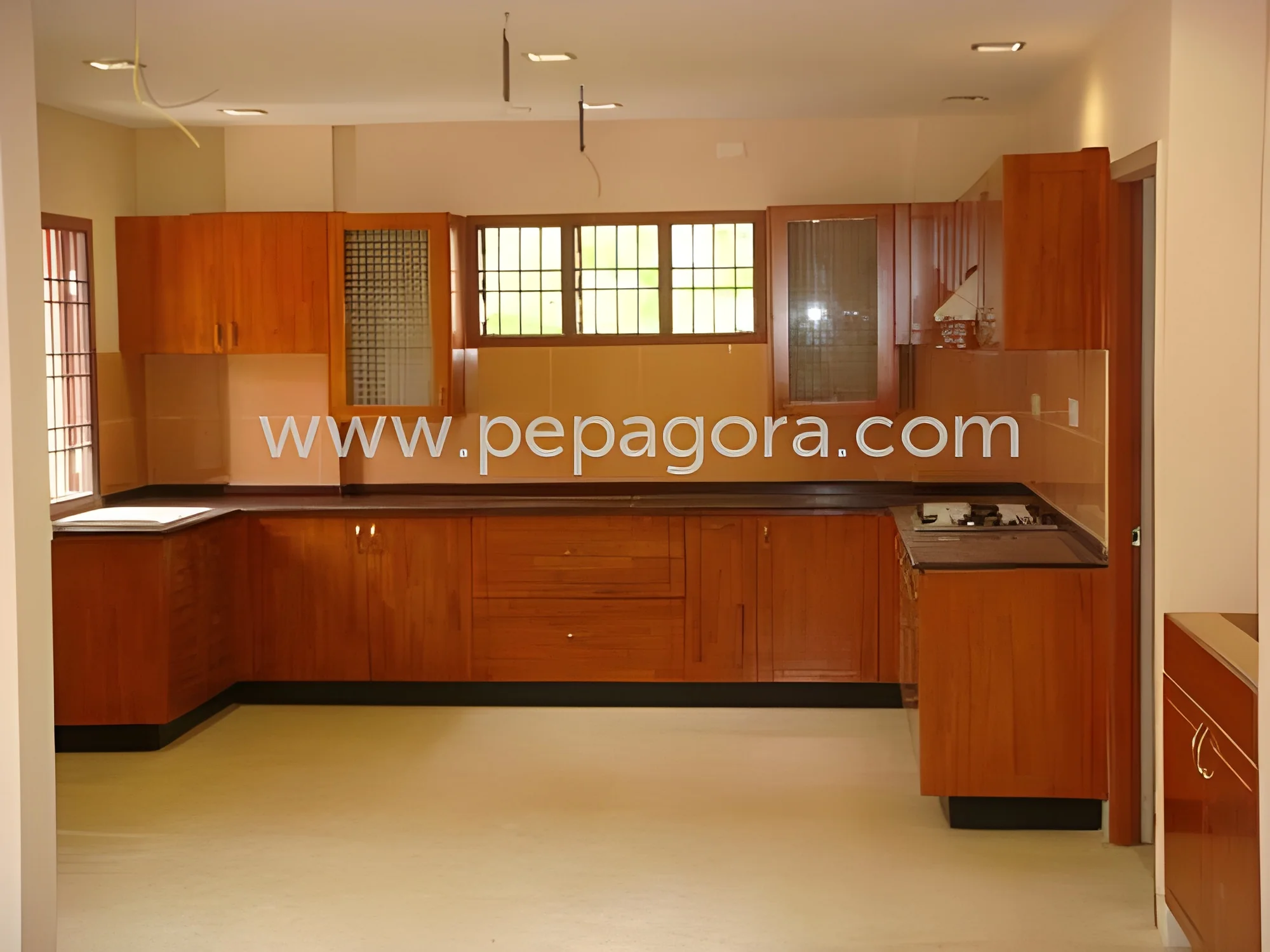
Living Room Cabinets are furniture pieces designed to enhance the functionality and organization of a living space. These cabinets often combine aesthetics with practicality, serving as storage solutions for various items such as books, electronics, and decorative pieces. They come in a variety of styles, sizes, and finishes to cater to different design preferences, making them suitable for both residential and commercial environments.
The primary uses of Living Room Cabinets extend beyond mere storage. In business applications, they can be utilized in waiting areas, lounges, and showrooms, helping to create a welcoming atmosphere while providing essential storage. Their versatile design allows them to be used in various settings, from homes to office spaces, contributing to the overall decor while maintaining order. The market for Living Room Cabinets is significant, driven by trends in interior design and the increasing demand for functional yet stylish furniture solutions.
Key Features and Specifications
Living Room Cabinets come equipped with various features that enhance their utility and appeal. Understanding these specifications is crucial for making informed purchasing decisions.
Key specifications include:
1. Material
- Common materials include wood, MDF, and metal.
- Each material offers different durability and aesthetic qualities.
2. Dimensions
- Standard sizes range from compact units to larger, custom-built cabinets.
- Height, width, and depth can vary significantly based on design.
3. Storage Capacity
- Varies based on the number of shelves and compartments.
- Can accommodate a range of items, from books to electronics.
4. Finish Options
- Available in various finishes such as matte, glossy, and textured.
- Different finishes can complement diverse interior styles.
5. Door Types
- Cabinets may feature sliding doors, hinged doors, or open shelving.
- Door types impact accessibility and design flow.
6. Color Choices
- Range from neutral tones to vibrant colors.
- Color selection can affect the overall ambiance of a space.
7. Weight Capacity
- Each cabinet has a specified weight limit for its shelves.
- Important for ensuring safe storage of heavier items.
8. Assembly Requirements
- Some cabinets are pre-assembled, while others require assembly.
- Consider ease of assembly when purchasing.
In summary, the specifications of Living Room Cabinets vary widely, ensuring that there is a suitable option for every need and preference.
Common Applications and Use Cases
Living Room Cabinets are versatile and serve various industries effectively.
1. Residential Spaces: In homes, these cabinets are commonly used to store multimedia equipment, books, and personal items, while also contributing to the room's decor.
2. Offices: In corporate settings, they can be utilized to organize documents, office supplies, and promotional materials, helping maintain a tidy workspace.
3. Hospitality: Hotels and restaurants use Living Room Cabinets in lobbies and lounges to enhance guest experiences while providing storage for brochures and other materials.
4. Retail: In showrooms, these cabinets can display products and provide storage for inventory, enhancing the shopping experience.
5. Educational Institutions: Schools and libraries use Living Room Cabinets to store materials and resources, keeping spaces organized and accessible.
6. Healthcare: In waiting rooms, cabinets can store reading materials and informational brochures, improving patient experiences.
7. Community Centers: These cabinets serve as storage for various recreational items and resources, contributing to organized and functional communal spaces.
Product Variants and Subcategories
Living Room Cabinets come in various styles and configurations, catering to diverse tastes and needs.
Modern Cabinets
These cabinets feature sleek lines and minimalist designs, often made from materials like glass and metal. They are ideal for contemporary living spaces and commercial environments where a clean look is desired.
Traditional Cabinets
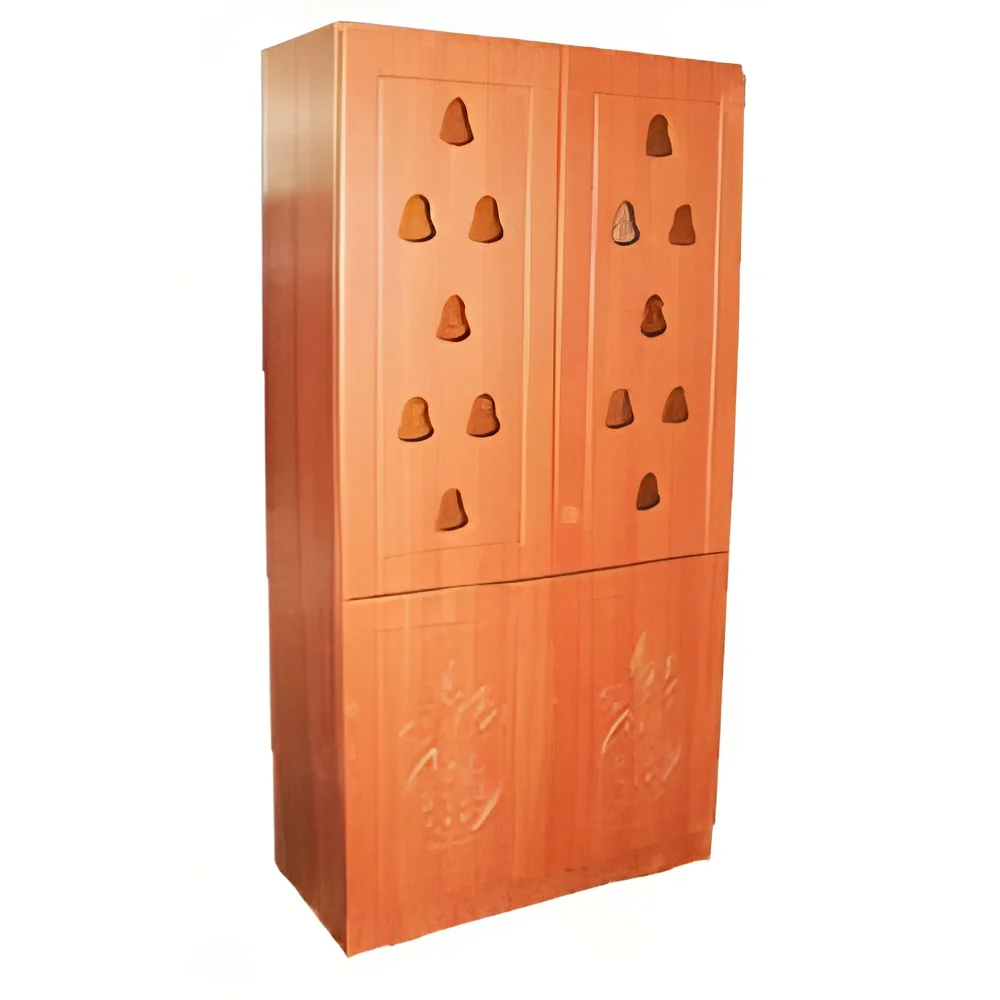
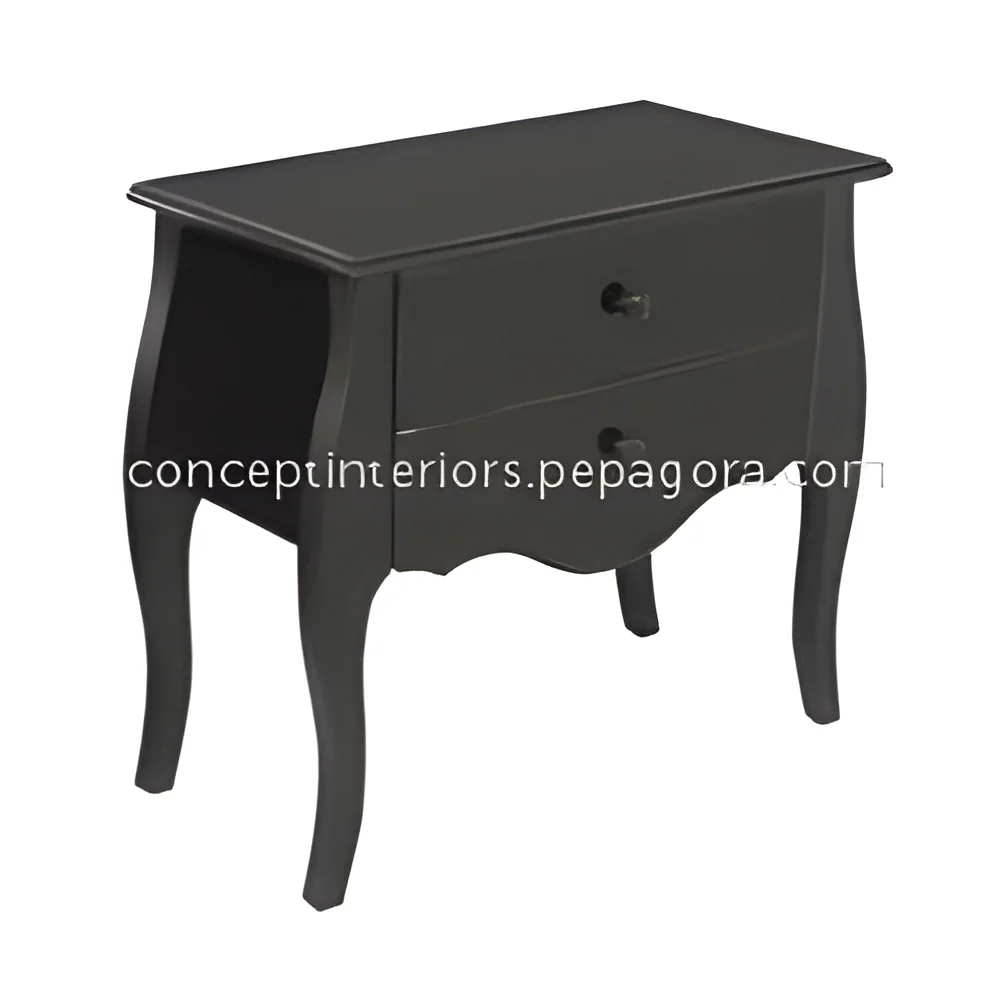
Characterized by ornate details and classic finishes, traditional cabinets add a touch of elegance to living spaces. They are often constructed from solid wood and can include intricate carvings.
Multi-functional Cabinets
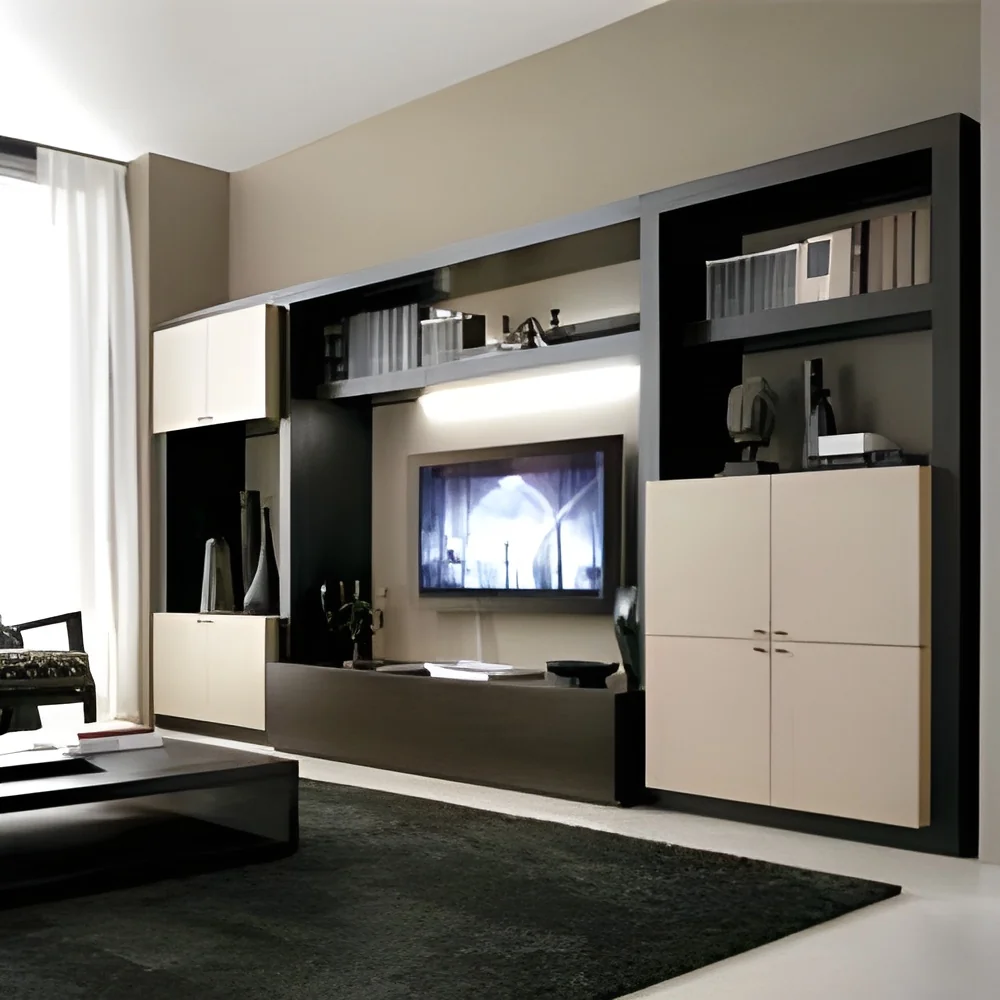
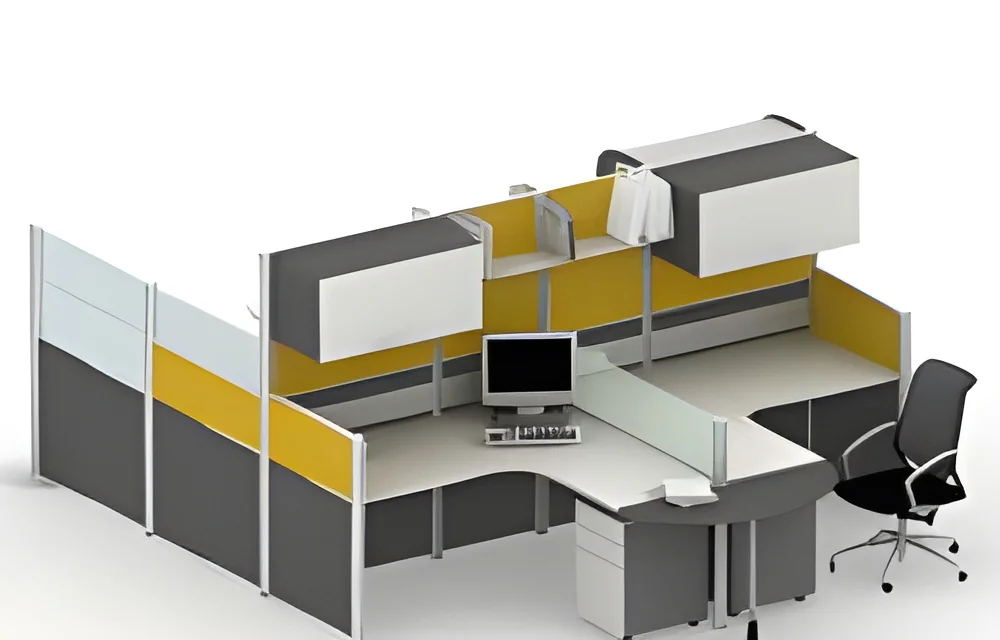
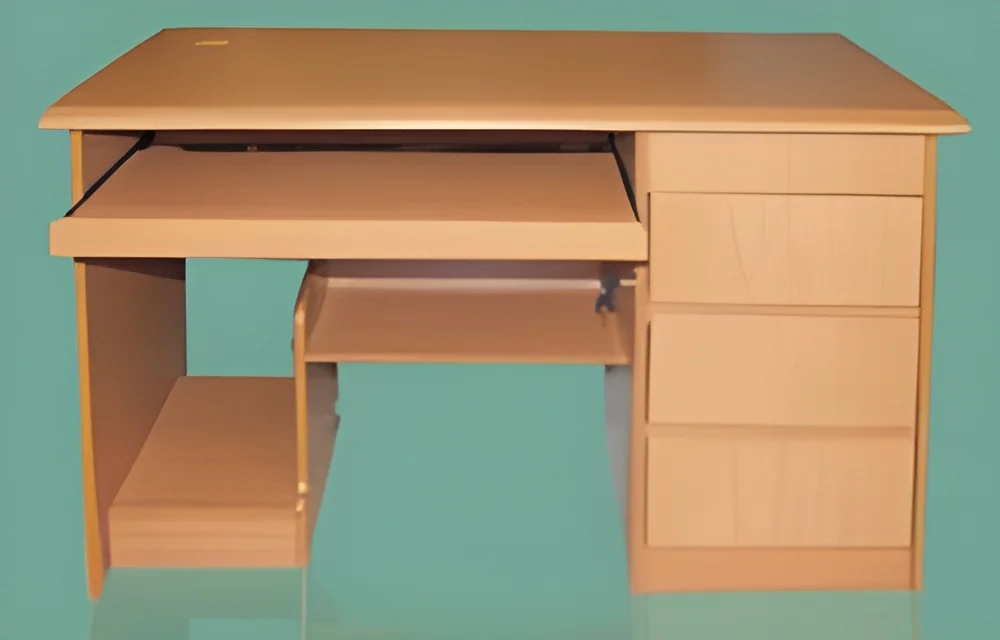
These cabinets combine storage with additional features, such as built-in desks or media centers. They are perfect for maximizing space in smaller environments.
Benefits and Advantages
Living Room Cabinets provide numerous advantages that make them a valuable addition to any space.
1. Enhanced Organization: These cabinets help keep living areas tidy by providing dedicated storage for various items.
2. Aesthetic Appeal: With a range of designs available, they can complement any decor style, enhancing the overall look of a room.
3. Increased Functionality: Many cabinets offer multi-functional features, allowing for versatile use beyond just storage.
4. Space Optimization: They can be designed to fit snugly into corners or small areas, making the most of limited space.
5. Customization Options: Many manufacturers offer customization, allowing businesses to tailor cabinets to specific needs and preferences.
6. Durability: Quality cabinets are built to last, providing long-term storage solutions that withstand daily use.
Buying Guide for B2B Buyers
When sourcing Living Room Cabinets for business purposes, it is essential to consider several key factors.
1. Quality Assessment: Evaluate the materials and craftsmanship to ensure durability and longevity. Look for high-quality finishes and sturdy construction.
2. Supplier Verification: Conduct thorough research on potential suppliers. Check their reputation, customer reviews, and past projects to ensure reliability.
3. Pricing and MOQ: Understand the pricing structure and minimum order quantities (MOQ). This will help in budgeting and aligning with business needs.
4. Delivery and Lead Times: Discuss logistics with suppliers to ensure timely delivery. Consider lead times that align with your project schedules.
5. Compliance Requirements: Be aware of any regulatory standards that apply to the cabinets, such as safety certifications and environmental regulations.
Compliance and Certifications
Living Room Cabinets must adhere to specific quality and safety standards. Relevant certifications include ISO 9001 for quality management systems, ensuring consistent quality in manufacturing processes. Additionally, compliance with the CE marking indicates that the product meets European safety, health, and environmental protection standards.
Safety and testing requirements will vary based on the materials used and the intended application of the cabinets. Buyers should also consider regional compliance issues, as different areas may have unique regulations governing furniture production and safety.
Why Source Living Room Cabinets from Pepagora?
Pepagora provides a trusted platform for sourcing Living Room Cabinets, offering numerous advantages to B2B buyers.
Verified Supplier Network: Pepagora connects buyers with a network of verified suppliers, ensuring a reliable sourcing experience. Each supplier undergoes a thorough vetting process, providing peace of mind for buyers.
Streamlined RFQ Process: The request-for-quotation (RFQ) system simplifies the sourcing process, allowing buyers to compare multiple offers quickly and efficiently. This feature saves time and enhances decision-making.
Trade Assurance and Support: Pepagora offers trade assurance, providing buyer protection and support throughout the purchasing process. This assurance builds trust and confidence in transactions.
Regional Coverage: With a strong presence in India, the GCC, and Southeast Asia, Pepagora ensures that buyers can access a wide range of Living Room Cabinets tailored to regional preferences and needs. This extensive reach facilitates efficient sourcing for businesses across various markets.

 IN
IN



 India
India