
 IN
LED Monitors
33 products available
What are LED Monitors?
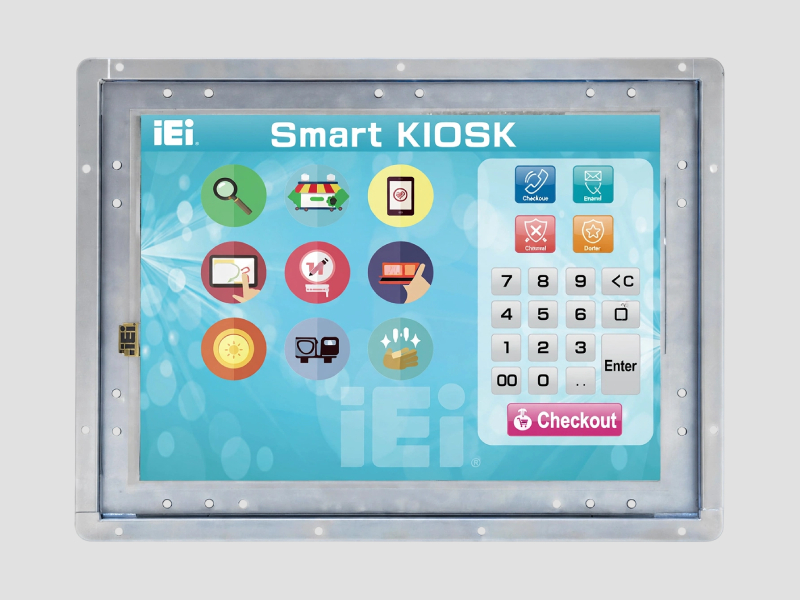
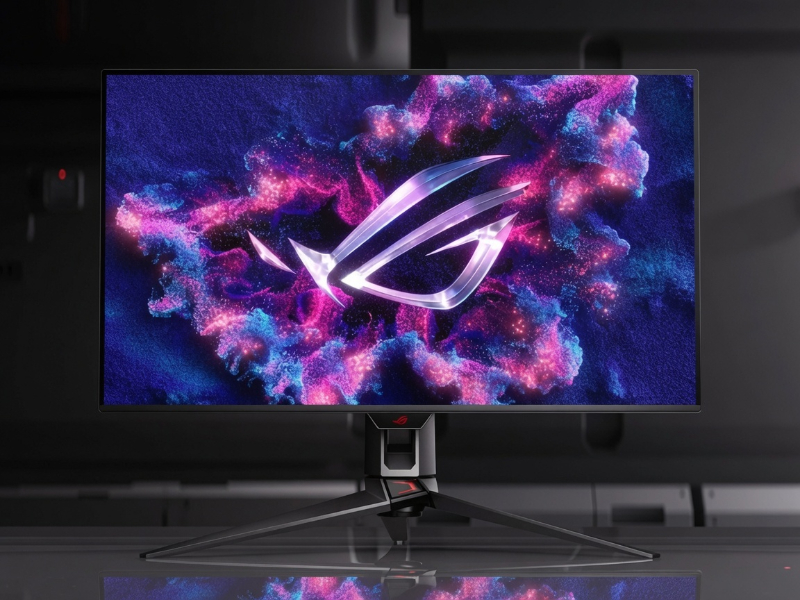
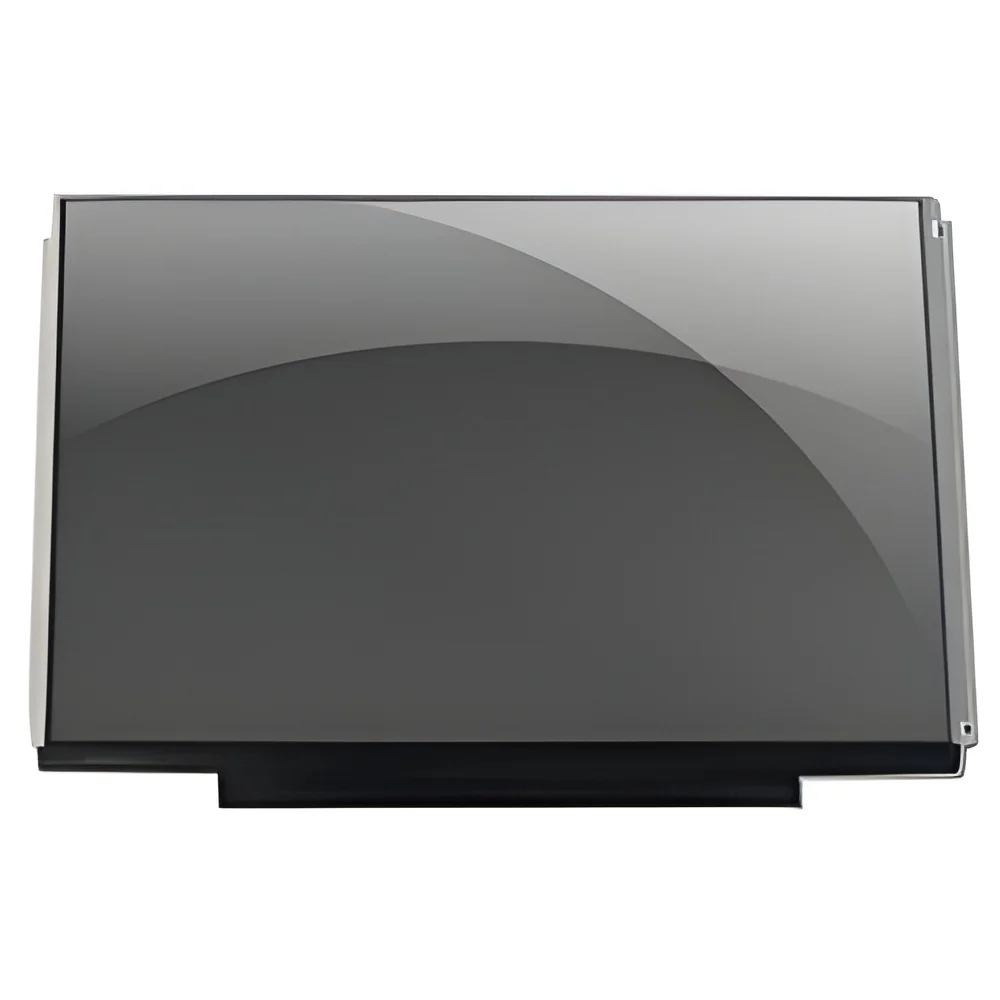
LED monitors are display devices that utilize light-emitting diodes (LEDs) as their light source. Unlike traditional monitors that use fluorescent backlighting, LED monitors offer enhanced brightness, improved energy efficiency, and superior color accuracy. These monitors are designed to provide a clear and vibrant visual experience, making them suitable for a wide range of applications, from business presentations to graphic design and video editing.
In business contexts, LED monitors are widely used in offices, conference rooms, control centers, and manufacturing environments. They are essential for tasks that require precise visual representation, such as data analysis, design work, and monitoring systems. Their versatility and reliability make them a popular choice for various industries, including information technology, healthcare, education, and entertainment. The growing demand for high-quality displays in professional settings continues to drive the LED monitor market, reflecting the importance of visual technology in today's business landscape.
Key Features and Specifications
LED monitors come with a variety of features and specifications that enhance their functionality and performance. When selecting an LED monitor, it is essential to consider these key specifications to ensure the product meets your business needs.
Key specifications include:
1. Screen Size
- Available in various sizes ranging from 19 inches to over 32 inches
- Larger screens provide better visibility for collaboration and presentations
2. Resolution
- Common resolutions include Full HD (1920x1080), 2K (2560x1440), and 4K (3840x2160)
- Higher resolutions offer sharper images and improved detail
3. Refresh Rate
- Typical refresh rates range from 60Hz to 144Hz
- Higher refresh rates provide smoother motion for video and gaming
4. Response Time
- Measured in milliseconds (ms), with typical values between 1ms and 5ms
- Lower response times reduce motion blur and ghosting effects
5. Brightness
- Measured in nits, with standard brightness levels ranging from 200 to 400 nits
- Higher brightness levels enhance visibility in well-lit environments
6. Connectivity Options
- Includes HDMI, DisplayPort, VGA, and USB ports
- Multiple connectivity options provide flexibility in connecting various devices
7. Color Gamut
- Supports sRGB, Adobe RGB, or DCI-P3 color spaces
- Wider color gamuts deliver more accurate and vibrant colors
8. Energy Efficiency
- Rated with energy consumption metrics
- Energy-efficient designs help reduce operating costs
In summary, understanding the key features and specifications of LED monitors is crucial for making informed purchasing decisions. These specifications can significantly impact performance and suitability for specific business applications.
Common Applications and Use Cases
LED monitors find utility across various sectors and applications. Their adaptability makes them a valuable asset in many professional environments.
1. Information Technology: IT professionals use LED monitors for programming, software development, and system monitoring. The high resolutions and color accuracy support detailed work.
2. Education: Educational institutions employ LED monitors in classrooms and lecture halls for presentations and interactive learning. Their clarity and brightness enhance the learning experience.
3. Healthcare: In medical settings, LED monitors are used for patient monitoring, imaging, and telemedicine. High-resolution displays are crucial for accurate diagnostics.
4. Graphic Design: Graphic designers rely on LED monitors for visual arts and media projects. The superior color reproduction helps in creating visually impactful designs.
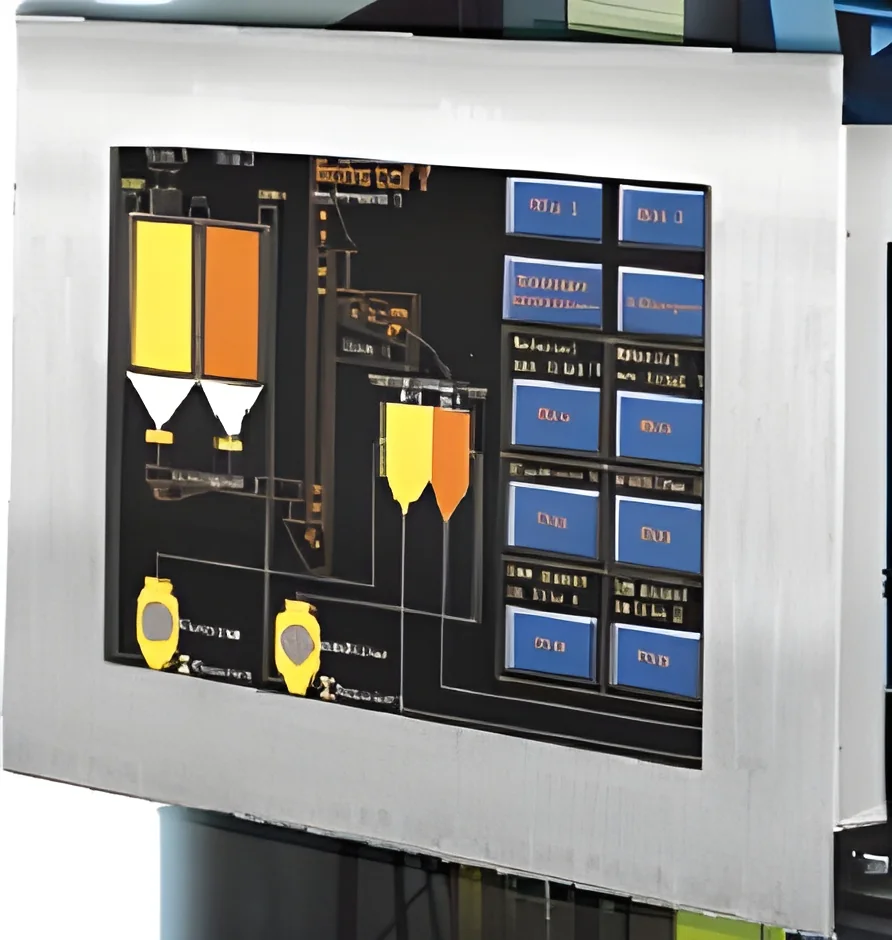
5. Manufacturing: In manufacturing environments, LED monitors are employed in control rooms for monitoring production lines and equipment status. Their reliability is essential for operational efficiency.
6. Broadcasting: The broadcasting industry utilizes LED monitors for video editing and live production. High refresh rates and response times are critical for real-time broadcasting.
7. Retail: Retail spaces use LED monitors for advertising and customer engagement. Dynamic displays attract attention and enhance the shopping experience.
Product Variants and Subcategories
LED monitors are available in various types to cater to different user needs and preferences. While specific subcategories may not be available, the general diversity in design and functionality allows for tailored solutions.
Professional Series Monitors: These monitors are designed for graphic design and content creation. They offer high color accuracy and advanced calibration features, making them ideal for professionals who require precise visual representation.
Gaming Monitors: Optimized for gaming, these monitors feature high refresh rates and fast response times. They often come with enhanced connectivity options and customizable settings for an immersive gaming experience.
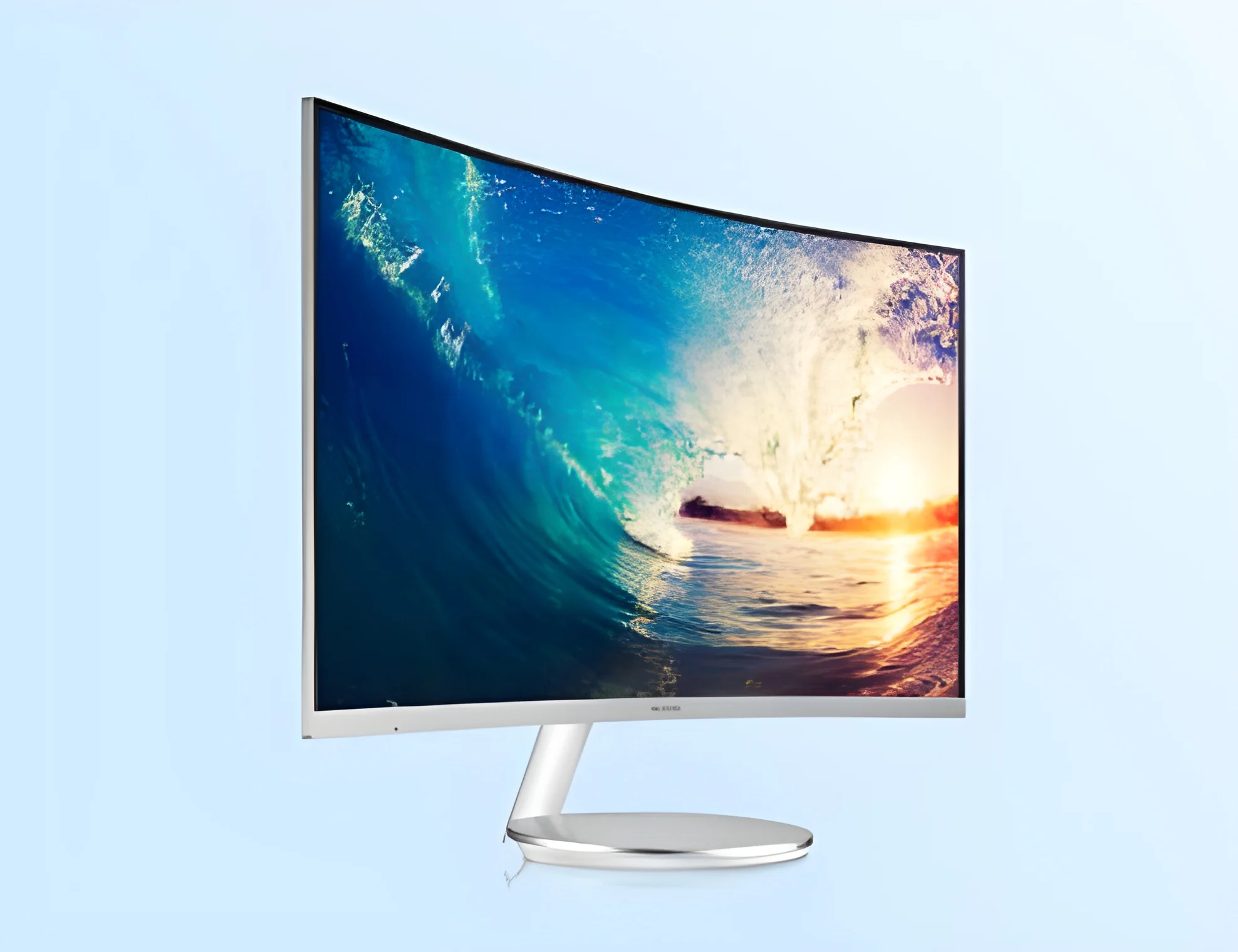
Curved Monitors: Curved LED monitors provide an immersive viewing experience by wrapping the screen around the viewer's field of vision. They are popular in gaming and multimedia applications.
Benefits and Advantages
LED monitors offer numerous benefits that enhance their appeal for business applications. Their advantages make them a preferred choice for many organizations.
1. Improved Visual Quality: LED monitors provide superior brightness and color accuracy, enhancing the overall viewing experience.
2. Energy Efficiency: With lower power consumption compared to traditional monitors, LED monitors help reduce energy costs.
3. Longer Lifespan: LEDs have a longer operational life than conventional display technologies, resulting in lower replacement costs.
4. Lightweight and Slim Design: LED monitors are generally lighter and thinner, allowing for easier installation and a cleaner workspace.
5. Versatile Connectivity: Multiple input options facilitate easy integration with various devices and systems.
6. Enhanced Viewing Comfort: Many LED monitors come with features like flicker-free technology and blue light filters, reducing eye strain during prolonged use.
Buying Guide for B2B Buyers
When sourcing LED monitors for business use, several important factors should be considered to ensure the best purchase decision.
1. Quality Assessment: Evaluate the build quality and display performance. Look for reliable brands and read reviews to gauge user satisfaction.
2. Supplier Verification: Vet suppliers thoroughly by checking their credentials, customer feedback, and industry reputation. This ensures reliable and trustworthy procurement.
3. Pricing and MOQ: Consider the pricing structure and minimum order quantities (MOQ) offered by suppliers. Compare prices across different vendors to find the best deal.
4. Delivery and Lead Times: Ensure that suppliers can meet your delivery requirements. Understand lead times to avoid disruptions in your operations.
5. Compliance Requirements: Verify that the monitors comply with relevant safety and industry standards. This may include certifications like CE, ensuring the product meets quality and safety benchmarks.
Compliance and Certifications
LED monitors must adhere to various compliance and certification standards that guarantee quality and safety in their operation. Key standards include ISO 9001, which outlines quality management systems, and CE certification, indicating conformity with health and safety requirements in the European market.
Safety and testing requirements are crucial to ensure that LED monitors do not pose risks to users. Manufacturers must conduct thorough testing to meet these standards and regulations, which may vary by region. It is important for buyers to be aware of these compliance aspects to ensure that the products they procure meet all necessary safety and quality benchmarks.
Regional compliance considerations may also play a role in sourcing decisions. Different regions may have specific regulations that need to be followed, making it essential to understand the local compliance landscape when purchasing LED monitors.
Why Source LED Monitors from Pepagora?
Pepagora offers a reliable platform for sourcing LED monitors, providing several key advantages to B2B buyers.
Verified Supplier Network: Pepagora connects buyers with a network of verified suppliers. This ensures that buyers can trust the quality and reliability of the products they source.
Streamlined RFQ Process: The request for quotation (RFQ) process on Pepagora is designed to be efficient and user-friendly. Buyers can easily compare quotes from different suppliers, helping them make informed decisions.
Trade Assurance and Support: Pepagora provides trade assurance to protect buyers during transactions. This includes support services that help resolve any disputes or issues that may arise.
Regional Coverage: Pepagora has a broad geographic reach, covering markets in India, the GCC, and Southeast Asia. This makes it easier for buyers to find local suppliers and products that meet their specific needs.
In conclusion, sourcing LED monitors from Pepagora ensures a secure, efficient, and satisfactory purchasing experience for businesses looking to enhance their visual technology capabilities.








 India
 India
 India
 India
 India

 India





Frequently Asked Questions
What are LED Monitors?
LED Monitors are display devices that utilize Light Emitting Diodes (LEDs) as their primary source of illumination. They are known for their energy efficiency, vibrant colors, and slim design, making them a popular choice for both personal and professional use.
What are the different types of LED Monitors?
There are several types of LED Monitors, including edge-lit, backlit, and OLED displays. Edge-lit monitors have LEDs placed along the edges, while backlit monitors feature a full array of LEDs behind the screen. OLED monitors offer superior color accuracy and contrast by using organic compounds that emit light.
How do I choose the right LED Monitors?
When selecting LED Monitors, consider factors such as screen size, resolution, refresh rate, and panel type. Determine your specific needs, such as gaming, graphic design, or general use, to find the model that best suits your requirements.
What are the standard specifications for LED Monitors?
Standard specifications for LED Monitors typically include screen size (measured diagonally), resolution (e.g., Full HD, 4K), response time, and refresh rate. Additionally, connectivity options like HDMI, DisplayPort, and USB-C are essential for compatibility with other devices.
What is the price range for LED Monitors?
The price range for LED Monitors can vary widely based on size, resolution, and features. Generally, you can expect to pay anywhere from INR 8,000 to INR 50,000 or more, depending on the specifications and brand.
What quality standards apply to LED Monitors?
LED Monitors should adhere to quality standards such as ISO 9241 for ergonomics and performance, as well as energy efficiency standards like Energy Star. Manufacturers may also comply with regional safety and performance certifications to ensure reliability.
Where can I find LED Monitors suppliers in India?
You can find LED Monitors suppliers in India through various online B2B marketplaces, industry trade shows, and manufacturer directories. Websites like Pepagora.com can connect you with reliable LED Monitors manufacturers and suppliers.
Can LED Monitors be customized?
Yes, many manufacturers offer customization options for LED Monitors. This may include modifications in size, resolution, or specific features tailored to meet the unique requirements of businesses.
What is the typical minimum order quantity for LED Monitors?
The typical minimum order quantity (MOQ) for LED Monitors varies by supplier and can range from 5 to 100 units. It is advisable to check with individual suppliers for their specific MOQ policies.
What is the typical lead time for LED Monitors?
The typical lead time for LED Monitors can vary based on the supplier and the order size. Generally, lead times range from 2 to 6 weeks, depending on availability and customization requirements.
Why Businesses Trust Pepagora
Thousands of companies trust Pepagora to source smarter and sell faster
Expand Your Sales Globally

Source Smarter,Grow Faster
