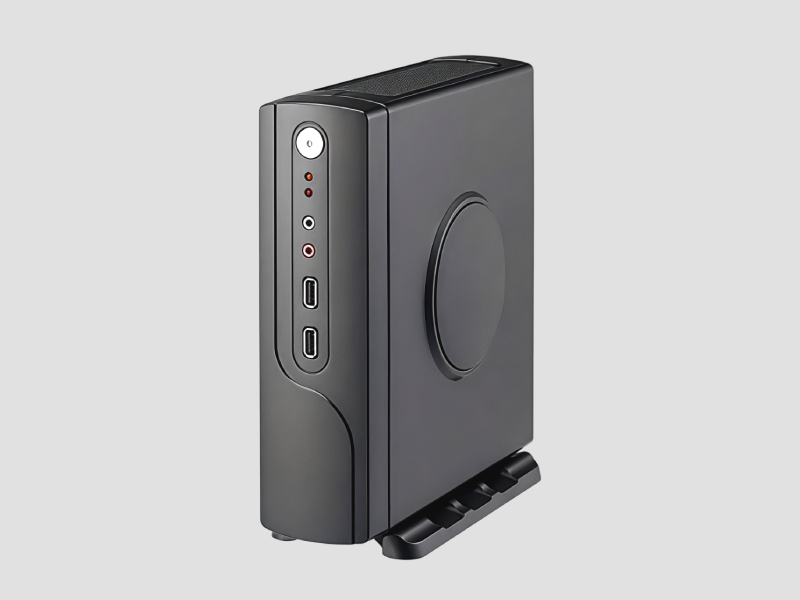
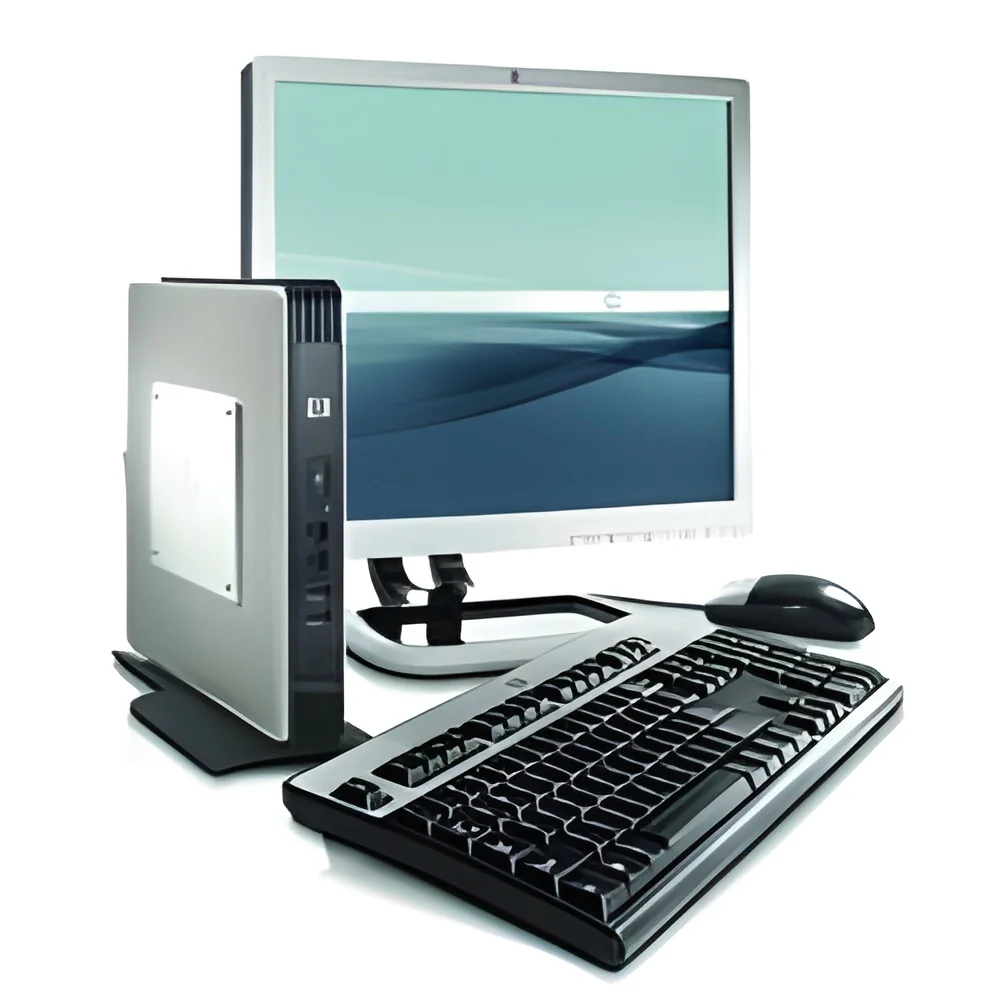
𝗪𝗵𝗮𝘁 𝗮𝗿𝗲 𝗧𝗵𝗶𝗻 𝗖𝗹𝗶𝗲𝗻𝘁𝘀?
Thin clients are lightweight computer systems that rely on a server to perform most of their processing tasks. Unlike traditional desktop computers, which have their own hardware and software, thin clients use a minimal amount of local resources. They typically connect to a server that runs applications and stores data, allowing users to access these resources remotely. This setup not only reduces the need for powerful hardware at individual workstations but also simplifies IT management and enhances data security.
Thin clients are primarily used in environments where multiple users need to access the same applications or data simultaneously. They are commonly found in sectors such as education, healthcare, and corporate offices, where centralized control and secure access to sensitive information are crucial. By utilizing thin clients, organizations can reduce hardware costs, streamline maintenance processes, and improve energy efficiency. The growing demand for remote work solutions and cloud computing has further increased the relevance of thin clients in today's market.
𝗞𝗲𝘆 𝗙𝗲𝗮𝘁𝘂𝗿𝗲𝘀 𝗮𝗻𝗱 𝗦𝗽𝗲𝗰𝗶𝗳𝗶𝗰𝗮𝘁𝗶𝗼𝗻𝘀
Thin clients come equipped with a variety of features that make them suitable for different business environments. They are designed for efficient performance, low power consumption, and ease of use. The specifications of thin clients can vary widely based on intended applications and industry needs.
Key specifications include:
1. Processing Power
- Typically equipped with low-power CPUs designed for efficient task handling
- Often ranges from dual-core to quad-core processors
2. Memory Capacity
- Generally includes between 2GB to 8GB of RAM
- Sufficient for running basic applications and accessing cloud services
3. Storage Options
- Usually feature flash storage or solid-state drives (SSD)
- Commonly available capacities range from 8GB to 32GB
4. Connectivity
- Equipped with multiple USB ports, Ethernet, and Wi-Fi capabilities
- Supports various display output options like HDMI or DisplayPort
5. Operating System
- Runs on lightweight operating systems such as Linux or customized environments
- Designed for seamless integration with virtual desktop infrastructures (VDI)
6. Security Features
- Includes built-in encryption and secure access protocols
- Often supports biometric authentication options
7. Energy Efficiency
- Consumes significantly less power compared to traditional PCs
- Designed to operate within low thermal ranges for better longevity
8. Form Factor
- Comes in compact and space-saving designs
- Can be mounted on the back of monitors or placed on desks
In summary, thin clients offer a range of features that enhance their functionality in a business setting, providing a cost-effective and secure alternative to traditional computing solutions.
𝗖𝗼𝗺𝗺𝗼𝗻 𝗔𝗽𝗽𝗹𝗶𝗰𝗮𝘁𝗶𝗼𝗻𝘀 𝗮𝗻𝗱 𝗨𝘀𝗲 𝗖𝗮𝘀𝗲𝘀
Thin clients are versatile devices that find applications across various industries. Their ability to centralize data and applications makes them ideal for environments where security and efficiency are paramount.
1. Education: In classrooms, thin clients enable multiple students to access learning applications and resources simultaneously. They facilitate collaborative learning while allowing IT staff to manage systems efficiently.
2. Healthcare: In hospitals and clinics, thin clients provide healthcare professionals with secure access to patient records and medical applications. They ensure compliance with data protection regulations while improving workflow efficiency.
3. Corporate Offices: Thin clients are increasingly utilized in corporate environments to streamline operations and reduce hardware costs. Employees can access essential applications and documents without the need for powerful individual workstations.
4. Retail: In retail environments, thin clients support point-of-sale systems and inventory management software. They help businesses manage transactions and stock levels efficiently while minimizing downtime.
5. Call Centers: Thin clients are ideal for call center operations, allowing agents to access customer information and communication tools seamlessly. They provide a reliable solution for high-demand environments.
6. Manufacturing: In manufacturing facilities, thin clients enable real-time monitoring of production processes. They connect to central servers to provide data analytics and operational insights.
7. Financial Services: In the financial sector, thin clients provide secure access to sensitive financial applications and customer data. They help organizations meet compliance standards while ensuring data integrity.
𝗣𝗿𝗼𝗱𝘂𝗰𝘁 𝗩𝗮𝗿𝗶𝗮𝗻𝘁𝘀 𝗮𝗻𝗱 𝗦𝘂𝗯𝗰𝗮𝘁𝗲𝗴𝗼𝗿𝗶𝗲𝘀
Thin clients are available in various configurations to meet specific business needs. Although there are no established subcategories, different variants cater to distinct use cases and operational requirements.
Basic Thin Client
This variant is designed for simple tasks such as web browsing and accessing cloud applications. It features essential connectivity options and is suitable for environments with basic computing needs.
Enterprise Thin Client
Built for demanding business environments, this variant includes advanced security features and enhanced processing power. It supports virtual desktop infrastructure and is ideal for corporations with robust IT requirements.
High-Performance Thin Client
This variant is equipped with higher specifications, including more RAM and processing power. It is suitable for applications that require additional computing resources, such as graphic design or data analysis.
𝗕𝗲𝗻𝗲𝗳𝗶𝘁𝘀 𝗮𝗻𝗱 𝗔𝗱𝘃𝗮𝗻𝘁𝗮𝗴𝗲𝘀
Thin clients offer numerous advantages for businesses looking to optimize their IT infrastructure. They provide a modern solution that aligns with the needs of today's digital workplaces.
Key benefits include:
1. Cost Savings: Thin clients reduce hardware costs and energy consumption, leading to lower overall operational expenses.
2. Simplified Management: Centralized management of applications and data allows IT teams to deploy updates and troubleshoot issues efficiently.
3. Enhanced Security: With data stored on secure servers, thin clients minimize the risks associated with data breaches and unauthorized access.
4. Improved Scalability: Businesses can easily scale their operations by adding more thin clients without significant infrastructure changes.
5. Increased Productivity: Employees can access applications and data quickly, leading to reduced downtime and improved workflow efficiency.
6. Eco-Friendly: Thin clients consume less energy and produce less electronic waste compared to traditional PCs, supporting sustainability initiatives.
𝗕𝘂𝘆𝗶𝗻𝗴 𝗚𝘂𝗶𝗱𝗲 𝗳𝗼𝗿 𝗕𝟮𝗕 𝗕𝘂𝘆𝗲𝗿𝘀
When sourcing thin clients, it is essential for B2B buyers to consider several important factors. These considerations will help ensure the selection of the right products for their business needs.
1. Quality Assessment: Buyers should evaluate the quality of thin clients based on performance metrics and durability standards. Look for reputable brands known for reliability and support.
2. Supplier Verification: It is crucial to vet suppliers thoroughly. Check for customer reviews, industry certifications, and the supplier's track record in delivering quality products.
3. Pricing and MOQ: Understand the pricing structure and minimum order quantities (MOQ) set by suppliers. This ensures that the purchase meets budgetary constraints while fulfilling business requirements.
4. Delivery and Lead Times: Assess the logistics involved in the procurement process. Confirm lead times to ensure timely delivery and plan for any potential delays.
5. Compliance Requirements: Be aware of regulatory compliance needs specific to your industry. Ensure that the thin clients meet safety and quality standards relevant to your operations.
𝗖𝗼𝗺𝗽𝗹𝗶𝗮𝗻𝗰𝗲 𝗮𝗻𝗱 𝗖𝗲𝗿𝘁𝗶𝗳𝗶𝗰𝗮𝘁𝗶𝗼𝗻𝘀
Thin clients must adhere to several industry standards and certifications to ensure reliability and safety. Common quality standards include ISO 9001, which focuses on quality management systems and continuous improvement.
Additionally, thin clients may carry industry certifications such as CE, indicating compliance with European safety and environmental standards. These certifications ensure that the products meet specific performance and safety criteria.
Safety and testing requirements are paramount, especially in sectors like healthcare and finance, where data protection is critical. Buyers should also consider regional compliance requirements, as these can vary significantly across different markets.
𝗪𝗵𝘆 𝗦𝗼𝘂𝗿𝗰𝗲 𝗧𝗵𝗶𝗻 𝗖𝗹𝗶𝗲𝗻𝘁𝘀 𝗳𝗿𝗼𝗺 𝗣𝗲𝗽𝗮𝗴𝗼𝗿𝗮?
Pepagora provides a trusted platform for sourcing thin clients, offering several key advantages for B2B buyers.
The verified supplier network ensures that buyers can connect with reputable manufacturers and distributors. Each supplier undergoes a rigorous vetting process to guarantee quality and reliability.
Pepagora's streamlined RFQ process simplifies the quotation system. Buyers can quickly request quotes from multiple suppliers, making it easier to compare prices and features.
Trade assurance and support are integral to the Pepagora experience. The platform offers buyer protection, ensuring that transactions are secure and that buyers receive the products as promised.
Finally, Pepagora boasts regional coverage across India, the GCC, and Southeast Asia. This broad geographic reach allows businesses to access thin clients tailored to their specific market needs, enhancing operational efficiency and customer satisfaction.

 IN
IN