
 IN
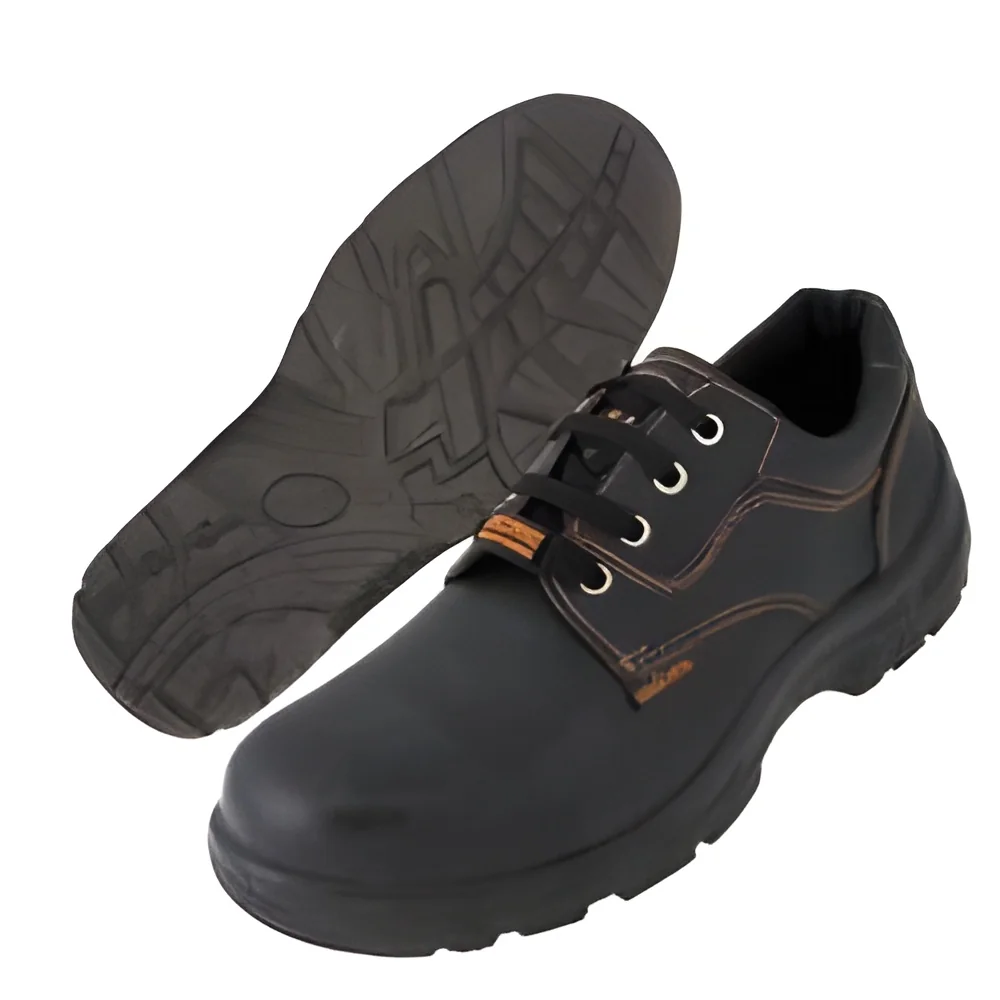
Leather Safety Shoes
47 products available
What are Leather Safety Shoes?
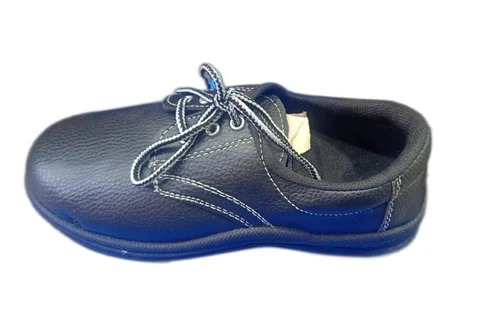
Leather safety shoes are specialized footwear designed to provide protection for workers in various industrial and commercial environments. Made from durable leather, these shoes are engineered to withstand tough conditions while ensuring comfort and safety. They typically include features such as reinforced toes, slip-resistant soles, and support for prolonged wear, making them essential for those in high-risk jobs.
These shoes find primary applications in industries such as construction, manufacturing, logistics, and warehousing. Workers in these sectors face hazards like falling objects, sharp materials, and slippery surfaces, making safety footwear a critical component of their personal protective equipment. The relevance of leather safety shoes in the market is underscored by increasing safety regulations and a growing awareness of workplace safety, leading to a robust demand across various sectors.
Key Features and Specifications
Leather safety shoes are characterized by several key features that enhance their utility and performance in demanding environments. Understanding these specifications is vital for buyers looking to make informed decisions.
Key specifications include:
1. Material Composition
- Constructed primarily from high-quality leather for durability and comfort.
- Various finishes available to suit specific industry requirements.
2. Safety Standards Compliance
- Adherence to industry standards such as CE certification.
- Ensures that shoes meet necessary safety and performance criteria.
3. Toe Protection
- Reinforced toe caps to protect against impact and compression.
- Options for steel, composite, or aluminum toe caps.
4. Sole Design
- Slip-resistant outsoles to provide traction on various surfaces.
- Options for oil-resistant and heat-resistant soles for added safety.
5. Comfort Features
- Padded collars and insoles for enhanced comfort during long wear.
- Breathable linings to promote airflow and moisture management.
6. Weight
- Lightweight designs available to reduce fatigue over extended periods.
- Varies based on materials and construction methods.
7. Electrical Resistance
- Anti-static properties to protect against electrical hazards.
- Important for workers in industries dealing with electrical equipment.
8. Customization Options
- Possibility for branding or personalization based on company requirements.
- Tailored features to meet specific job demands.
In summary, understanding the features and specifications of leather safety shoes allows businesses to select the right footwear for their workforce, ensuring safety, comfort, and compliance with industry standards.
Common Applications and Use Cases
Leather safety shoes are versatile and applicable in numerous industries, ensuring worker safety across various settings.
1. Construction: Workers in construction face risks from falling objects and uneven surfaces. Leather safety shoes provide the necessary protection and support.
2. Manufacturing: In manufacturing facilities, employees are often exposed to heavy machinery and sharp tools. Safety shoes mitigate injury risks.
3. Warehousing: Employees in warehouses deal with heavy loads and potentially hazardous materials. Proper footwear is crucial for preventing accidents.
4. Logistics: Workers in logistics and distribution centers require slip-resistant shoes to navigate busy environments safely.
5. Maintenance: Maintenance personnel often work in environments with various risks. Leather safety shoes provide durability and protection against chemical spills.
6. Agriculture: Farmers and agricultural workers benefit from footwear that withstands tough conditions while keeping their feet safe from injury.
7. Mining: In mining operations, safety footwear is essential to protect against falling debris and hazardous materials.
Product Variants and Subcategories
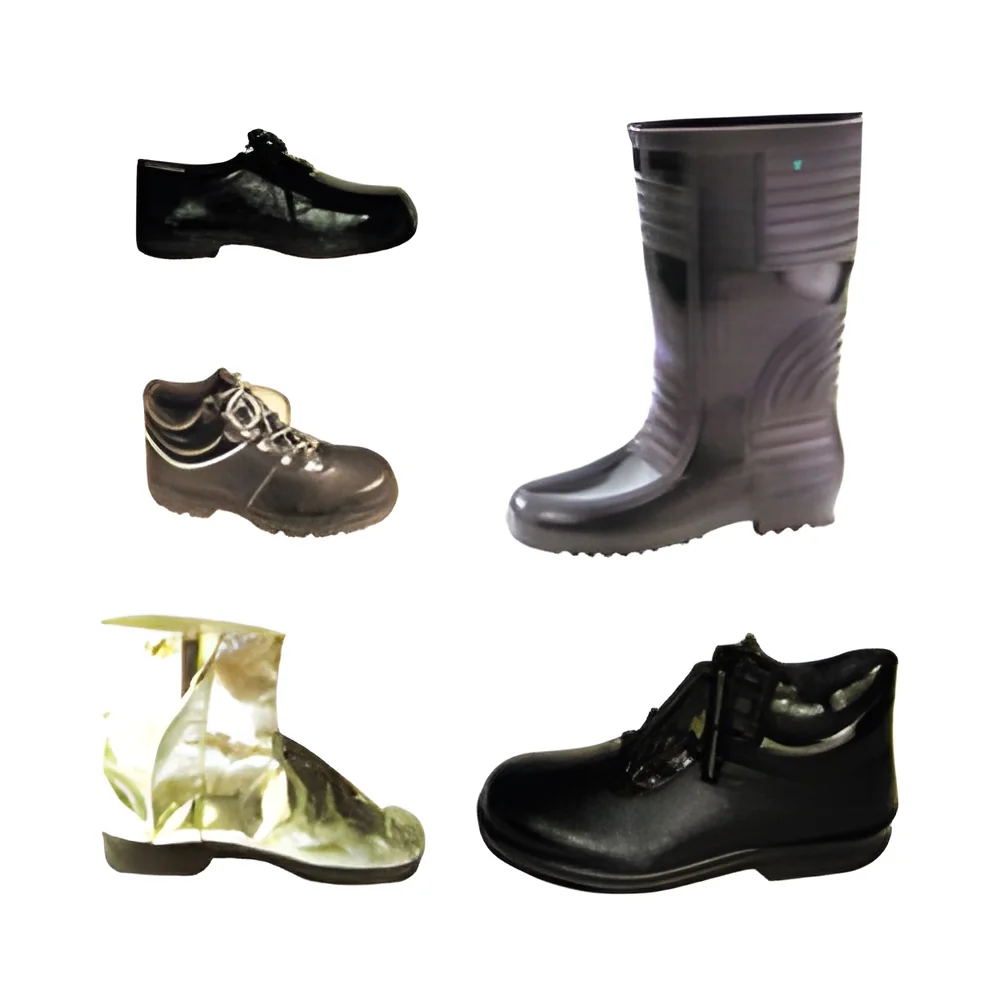
Leather safety shoes come in a variety of designs to cater to different needs and preferences. This diversity allows businesses to select footwear that best fits their operational requirements.
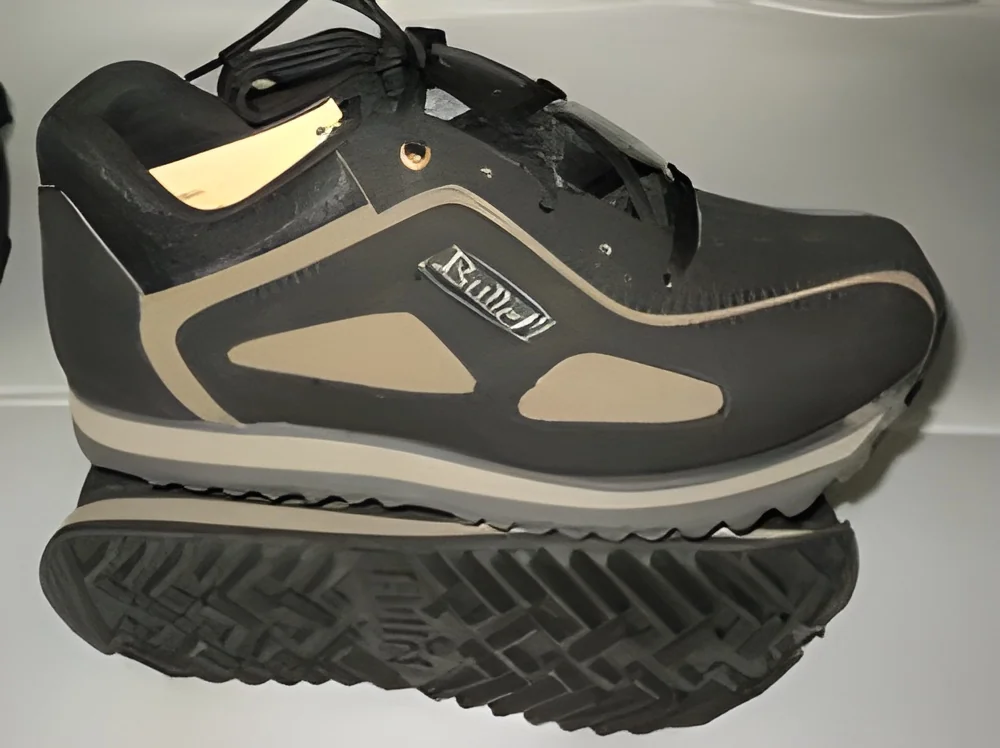
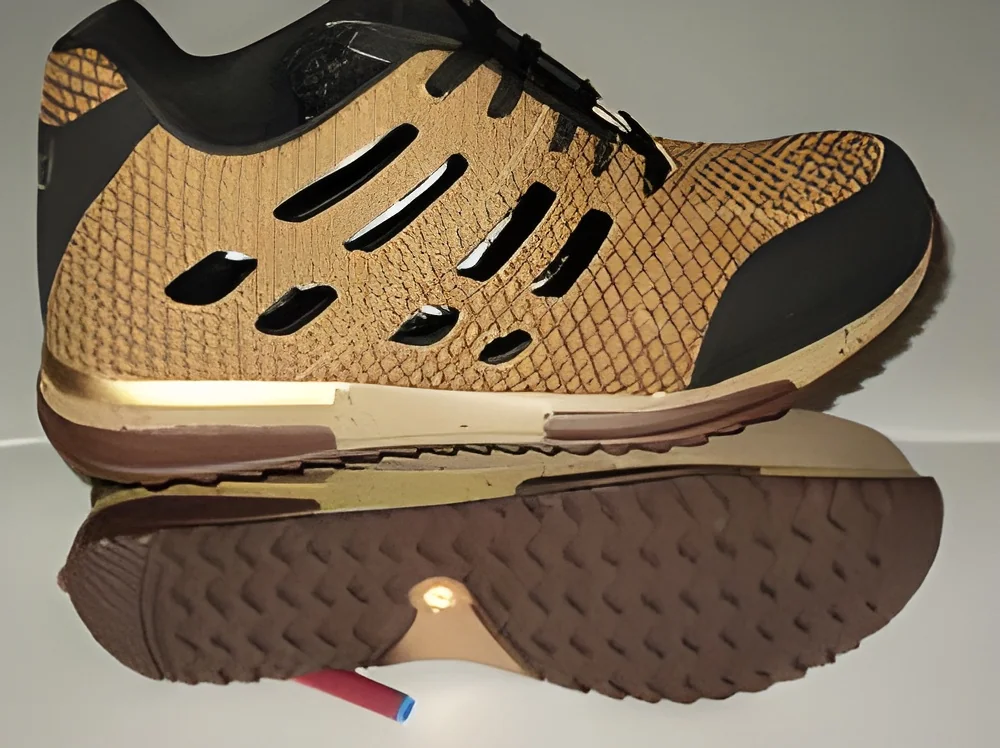
Standard Safety Shoes: These are the basic models designed to meet essential safety standards. They typically feature reinforced toes and slip-resistant soles for general use in various industries.
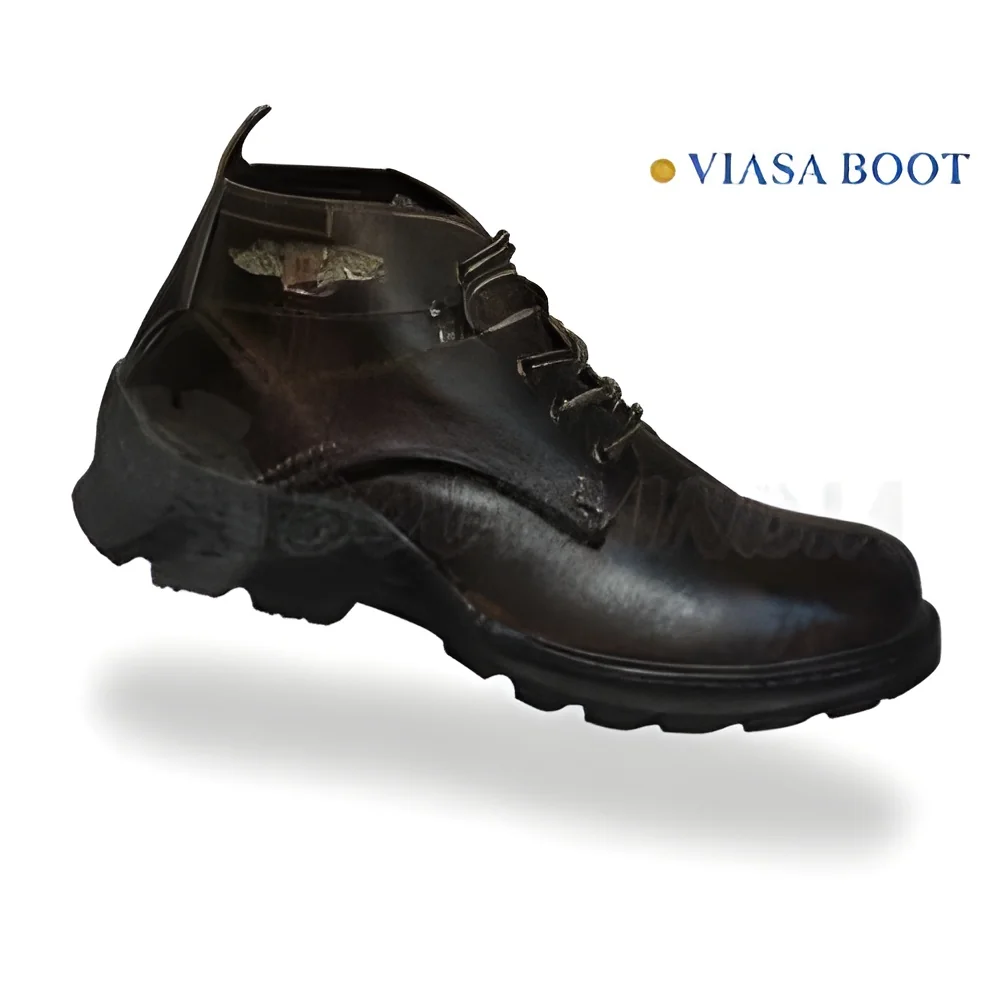
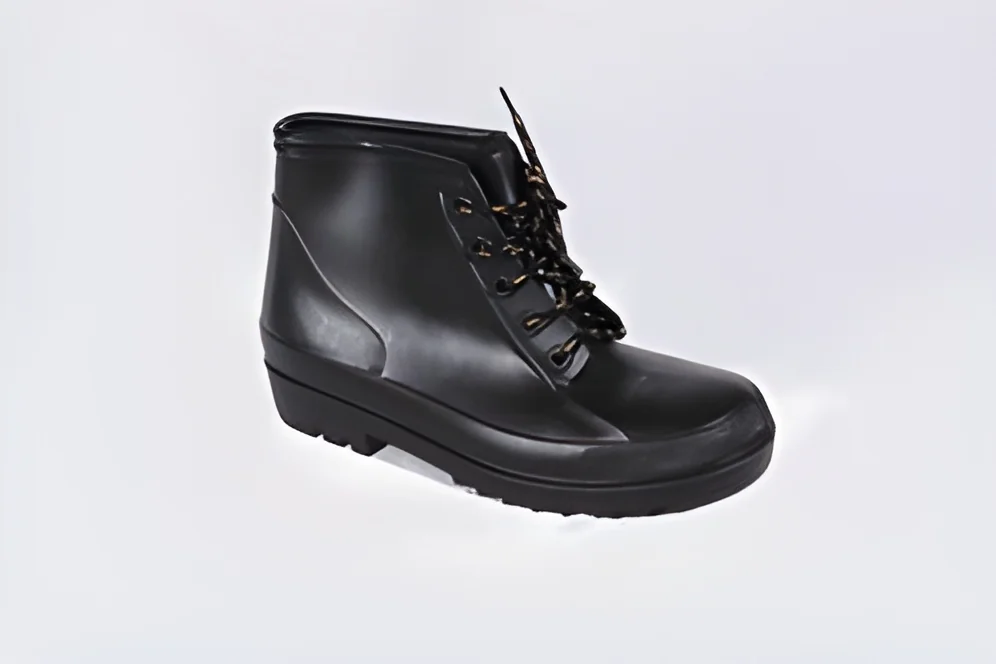
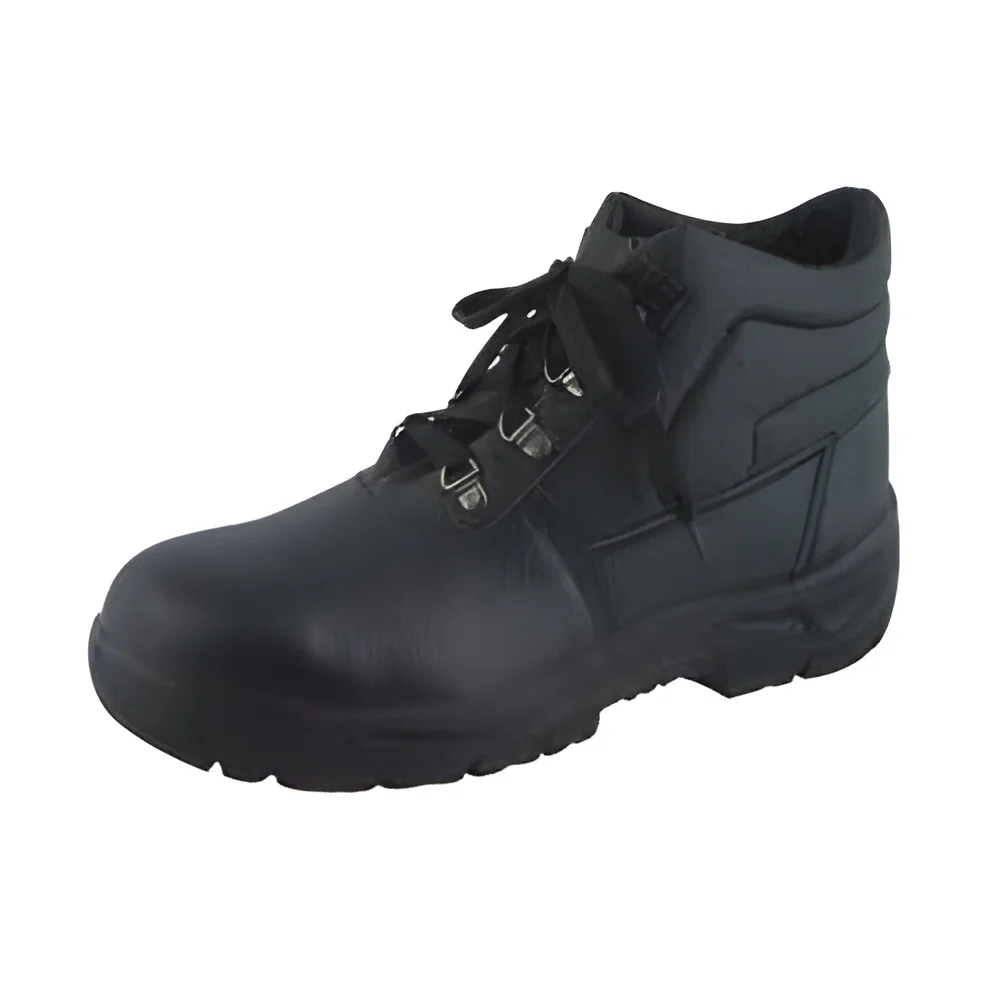
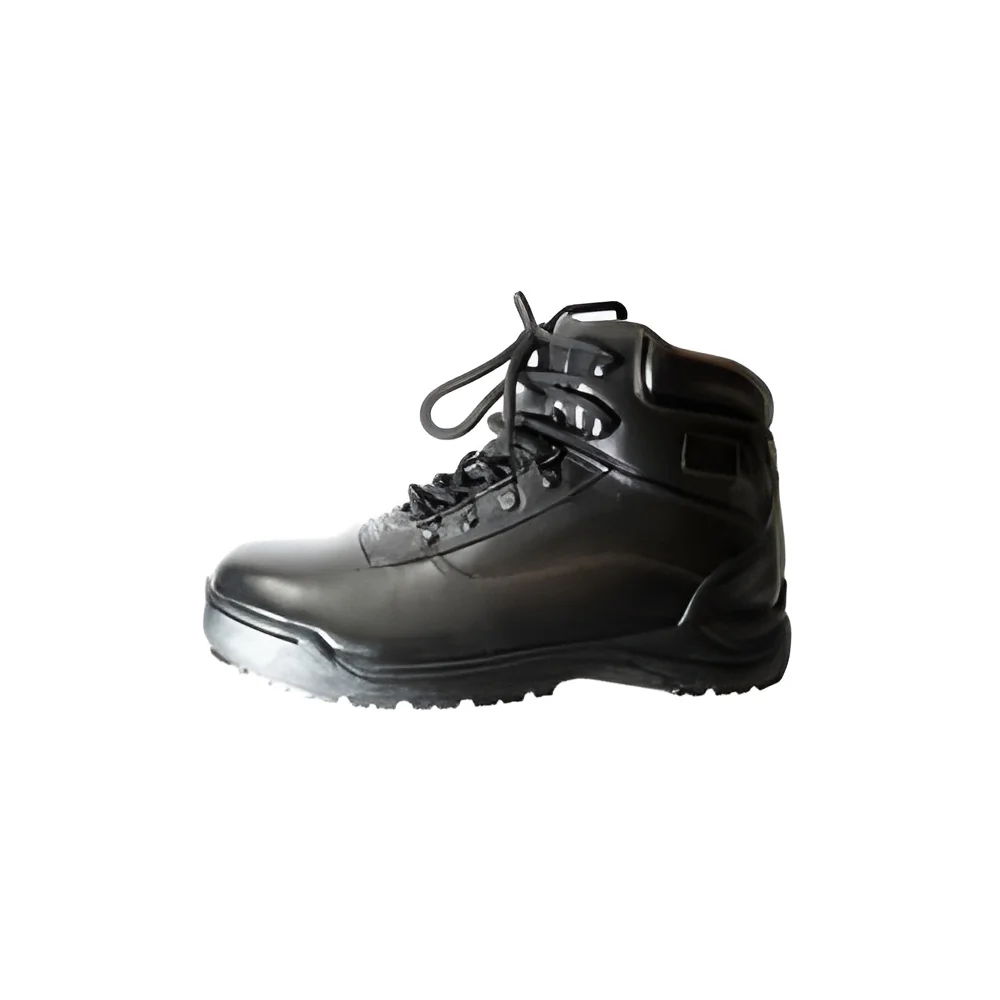
High-Top Safety Boots: Offering additional ankle support, high-top boots are ideal for rugged environments. They are often used in construction and outdoor settings.
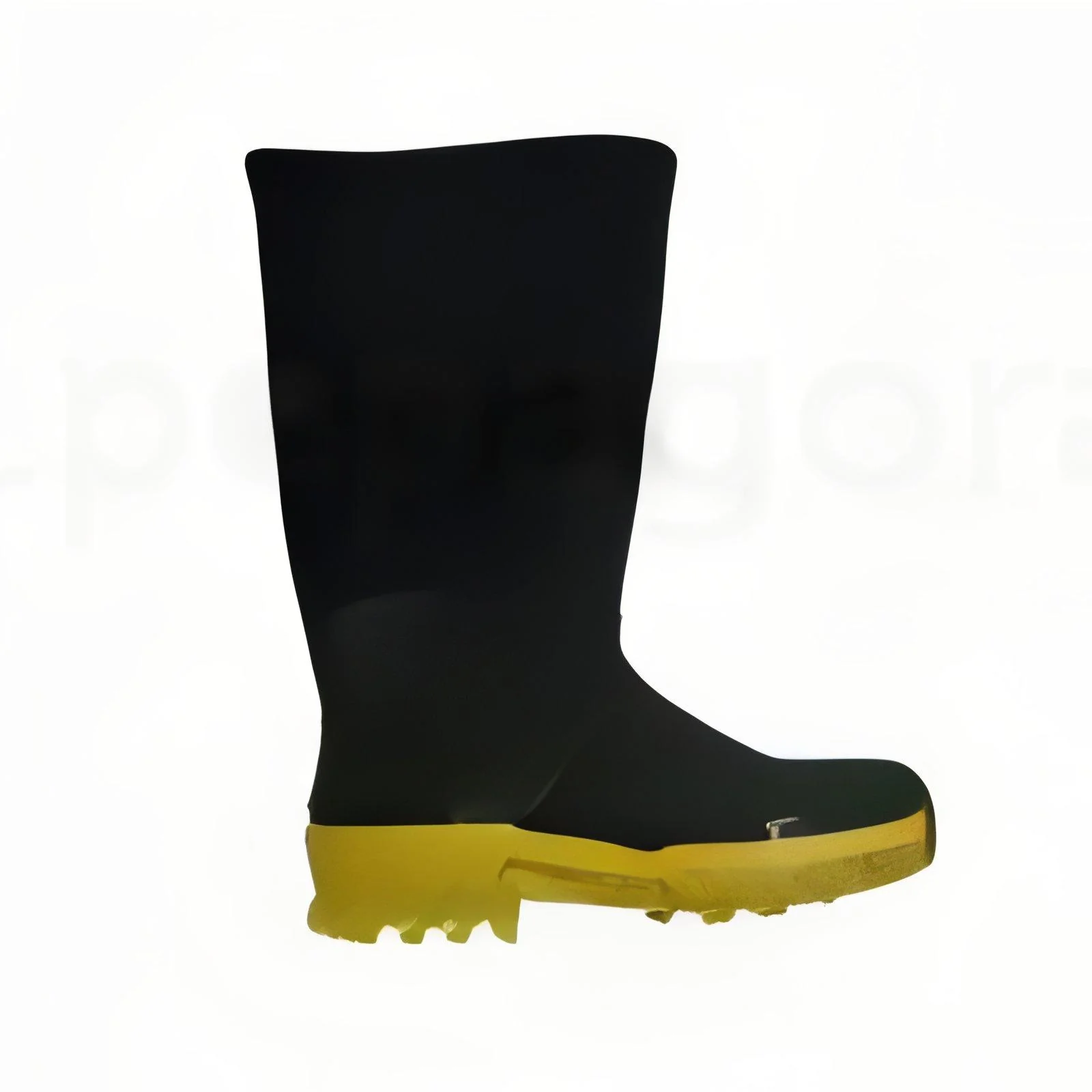
Waterproof Safety Shoes: Designed to keep feet dry in wet conditions, these shoes are perfect for jobs that require working in rain or near water sources.
Steel Toe Safety Shoes: These shoes provide maximum protection with reinforced steel toe caps. They are commonly used in heavy-duty industries like construction and manufacturing.
Benefits and Advantages
Leather safety shoes offer numerous benefits that enhance workplace safety and employee satisfaction.
1. Enhanced Safety: The robust design and materials provide excellent protection against workplace hazards, reducing injury risks.
2. Durability: Made from high-quality leather, these shoes are built to withstand harsh conditions and prolonged use, ensuring long-term value.
3. Comfort: With features like padded insoles and breathable materials, leather safety shoes offer comfort for workers during extended shifts.
4. Slip Resistance: The specialized outsoles provide traction in various environments, minimizing the risk of slips and falls.
5. Compliance: Wearing certified safety footwear ensures compliance with industry regulations, protecting both workers and employers.
6. Versatility: Suitable for a wide range of industries, leather safety shoes can be adapted to meet specific job requirements.
Buying Guide for B2B Buyers
When sourcing leather safety shoes, it is crucial for B2B buyers to consider several factors to ensure they make the right choice.
1. Quality Assessment: Evaluate the quality of materials and construction methods. Look for shoes that meet recognized safety standards and have positive reviews from users.
2. Supplier Verification: Vet suppliers thoroughly to ensure they provide genuine products. Check for certifications and customer feedback to assess reliability.
3. Pricing and MOQ: Understand the pricing structure and minimum order quantities. Compare different suppliers to find the best value without compromising quality.
4. Delivery and Lead Times: Inquire about delivery times and logistics. Timely delivery is essential for maintaining productivity and workforce safety.
5. Compliance Requirements: Ensure that the safety shoes meet industry-specific compliance needs. This is vital for maintaining safety standards in the workplace.
Compliance and Certifications
Leather safety shoes are subject to various compliance and certification requirements to ensure they meet safety and quality standards. One key standard is the CE certification, which confirms that the footwear meets European safety requirements.
Additionally, manufacturers may adhere to quality management systems such as ISO 9001, which guarantees consistent quality in production. Other standards, such as HACCP and GDP, may apply depending on the industry and specific use cases.
Safety testing is crucial to verify the performance of leather safety shoes. This includes assessments for slip resistance, impact protection, and electrical hazards. Buyers should also consider regional compliance requirements, which may vary based on local regulations and industry practices.
Why Source Leather Safety Shoes from Pepagora?
Pepagora provides a trusted platform for sourcing leather safety shoes, offering several advantages for B2B buyers.
Verified Supplier Network: Pepagora ensures that all listed suppliers are thoroughly vetted, providing buyers with confidence in the quality and authenticity of products.
Streamlined RFQ Process: The request for quotation process is simplified, allowing buyers to easily obtain competitive quotes from multiple suppliers, saving time and effort.
Trade Assurance and Support: Buyers benefit from trade assurance measures, which protect their purchases and provide support throughout the sourcing process.
Regional Coverage: Pepagora has a broad geographic reach, serving customers in India, the GCC, and Southeast Asia. This extensive network ensures that buyers can find suitable suppliers that meet their specific needs.

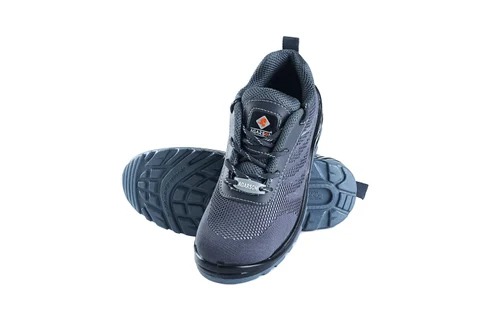
 India
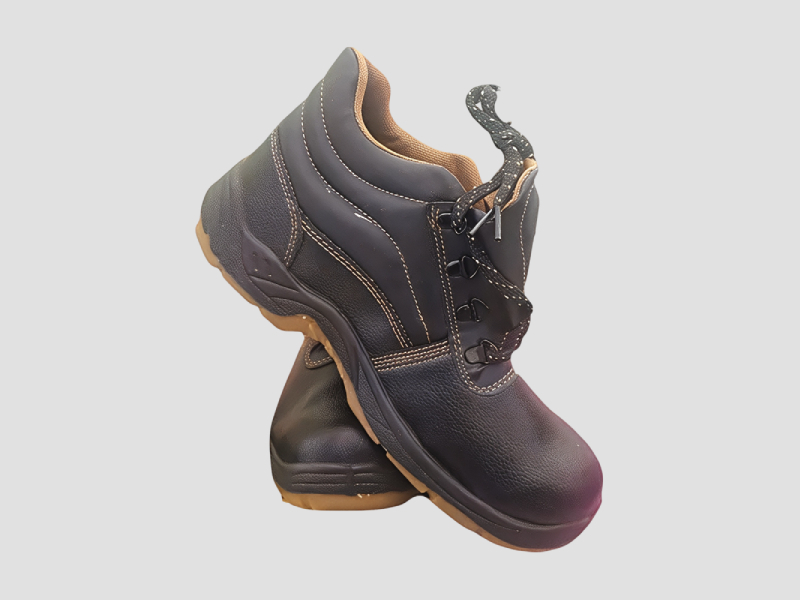
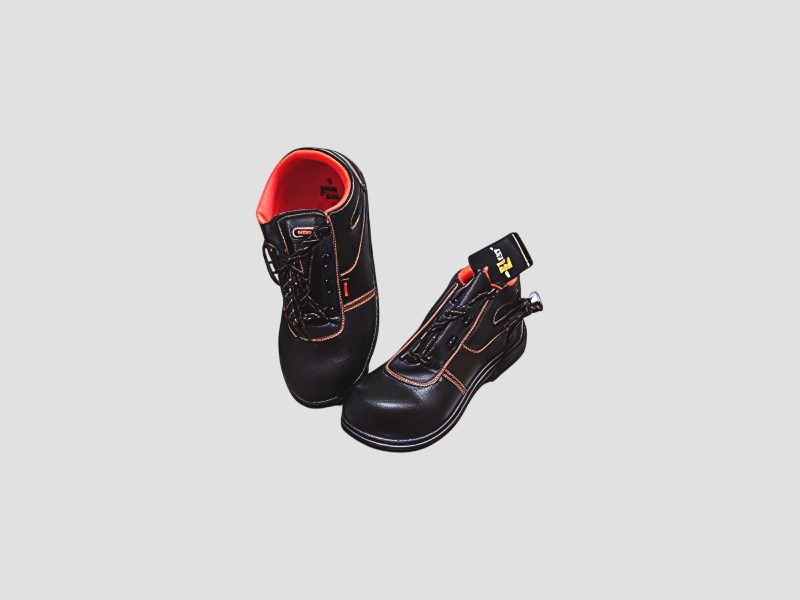

 India
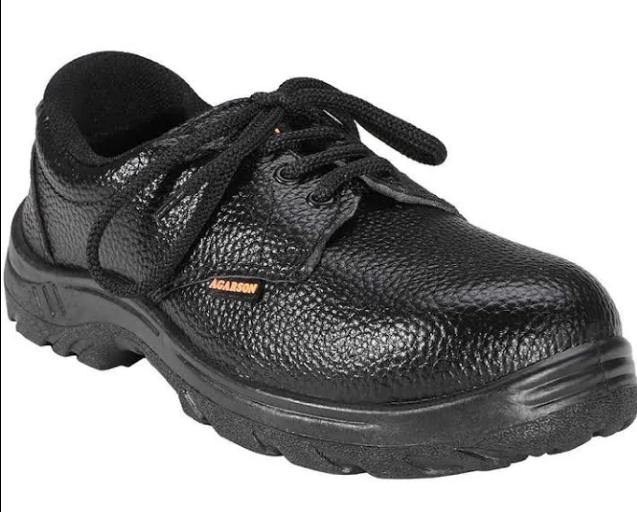
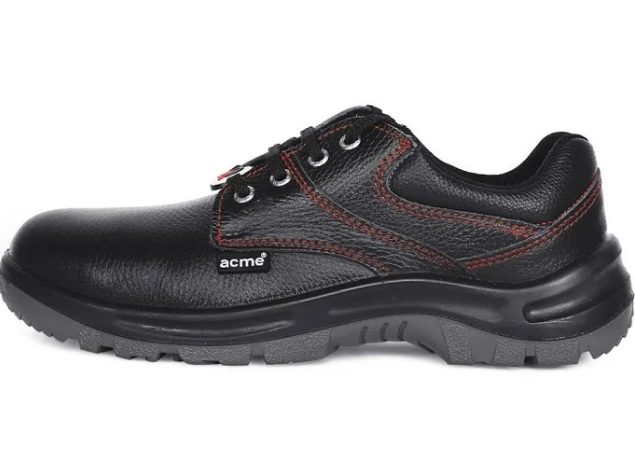
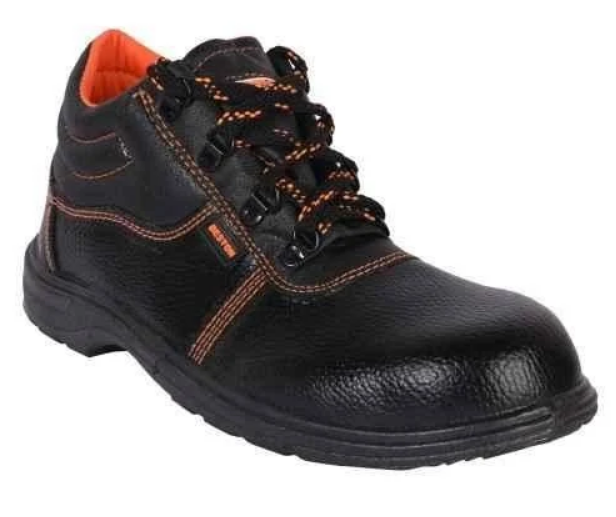
 India
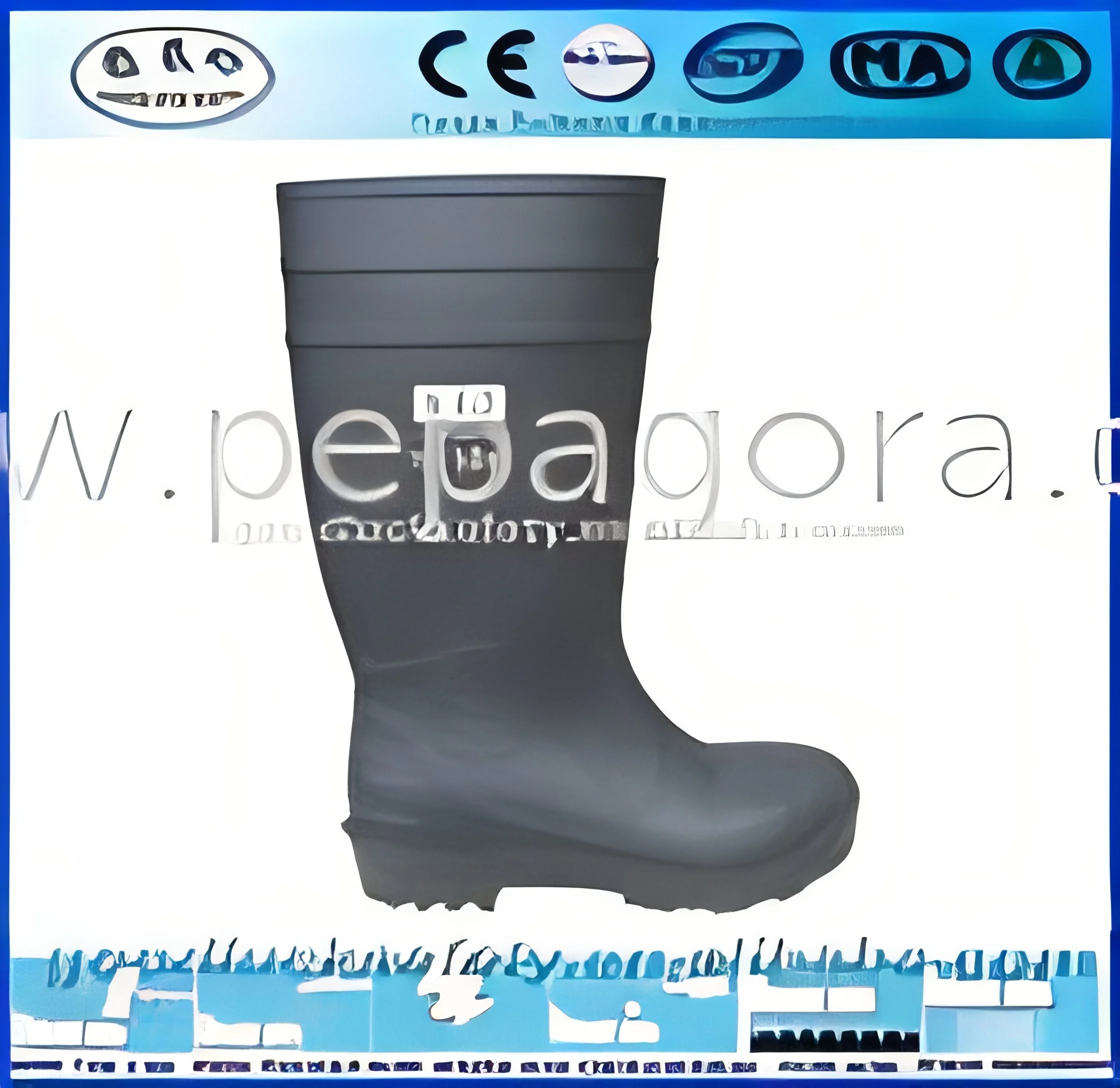
 India
 India
 India
 India
 India
 India
 India

 India
 India

 India

 India

Frequently Asked Questions
What are Leather Safety Shoes?
Leather safety shoes are footwear designed to protect the feet from various hazards in industrial and work environments. They are typically made from durable leather and feature reinforced areas to withstand impact, punctures, and electrical hazards.
What are the different types of Leather Safety Shoes?
There are several types of leather safety shoes, including steel-toe shoes, composite-toe shoes, slip-resistant shoes, and waterproof shoes. Each type is designed to meet specific safety requirements depending on the work environment and potential hazards.
How do I choose the right Leather Safety Shoes?
To choose the right leather safety shoes, consider factors such as the specific hazards of your work environment, the required safety features, and your comfort preferences. It’s also important to select the correct size and fit to ensure adequate protection and comfort during long hours of wear.
What are the standard specifications for Leather Safety Shoes?
Standard specifications for leather safety shoes often include compliance with safety standards such as IS 15298 in India. This includes features like impact resistance (usually up to 200 joules), slip resistance, and protection against electrical hazards.
What is the price range for Leather Safety Shoes?
The price range for leather safety shoes can vary widely based on brand, quality, and features. Generally, prices can range from INR 1,500 to INR 5,000 or more, depending on the specifications and manufacturer.
What quality standards apply to Leather Safety Shoes?
Leather safety shoes must adhere to specific quality standards to ensure safety and durability. In India, they typically comply with IS 15298 standards, which outline requirements for impact resistance, slip resistance, and other safety features.
Where can I find Leather Safety Shoes suppliers in India?
You can find leather safety shoes suppliers in India through online marketplaces like Pepagora.com, as well as through local industrial supply stores and trade shows. It's advisable to compare different suppliers to find those that offer quality products and competitive pricing.
Can Leather Safety Shoes be customized?
Yes, many manufacturers offer customization options for leather safety shoes. Customizations can include specific safety features, sizes, colors, and branding to meet the unique needs of businesses or industries.
What is the typical minimum order quantity for Leather Safety Shoes?
The typical minimum order quantity (MOQ) for leather safety shoes can vary by supplier, but it is often around 50 to 100 pairs. However, some suppliers may accommodate smaller orders depending on the specific arrangement.
What is the typical lead time for Leather Safety Shoes?
The typical lead time for leather safety shoes can range from 2 to 6 weeks, depending on the supplier and the complexity of the order. Custom orders may require additional time for production and delivery.
Why Businesses Trust Pepagora
Thousands of companies trust Pepagora to source smarter and sell faster
Expand Your Sales Globally

Source Smarter,Grow Faster
