What are Kids’ Bicycles?
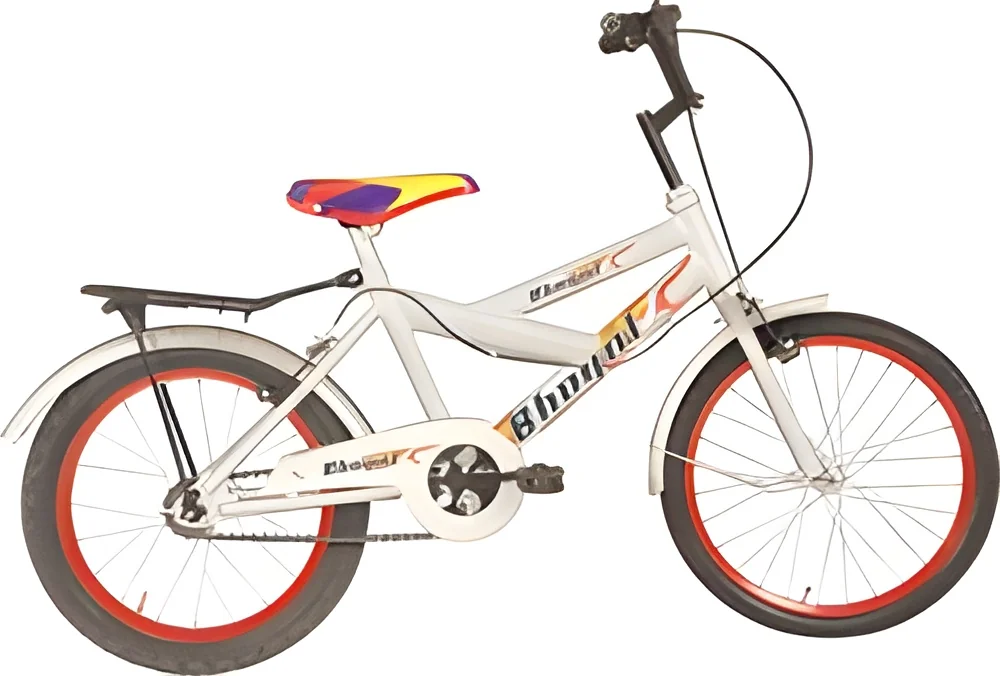
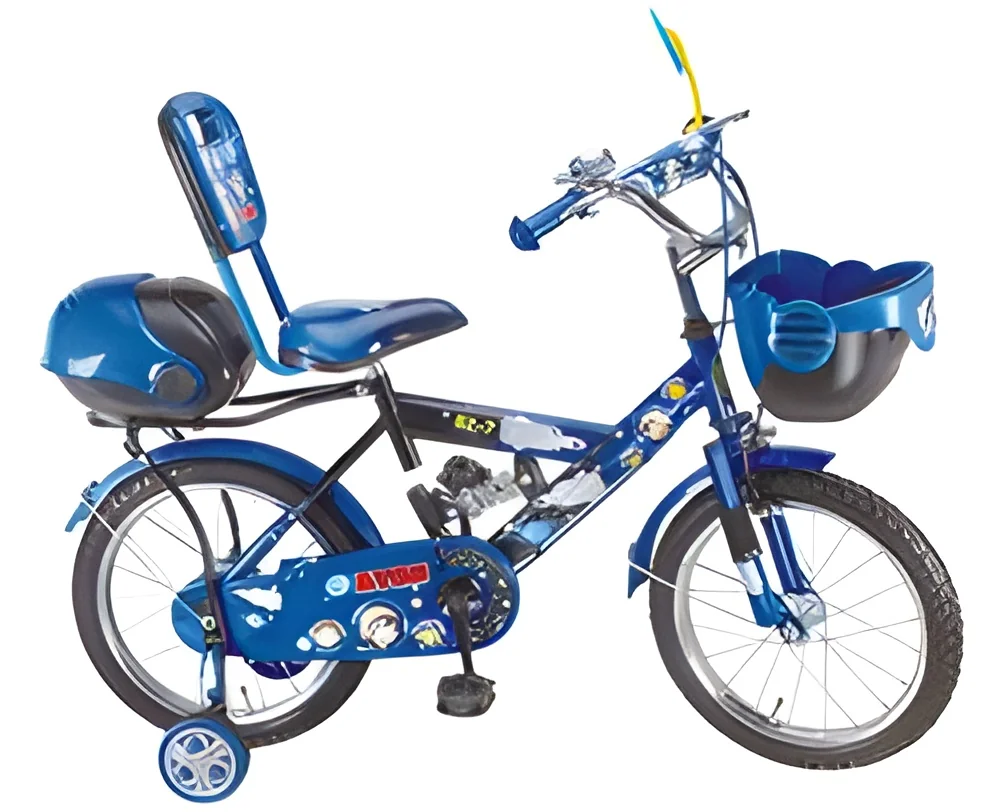
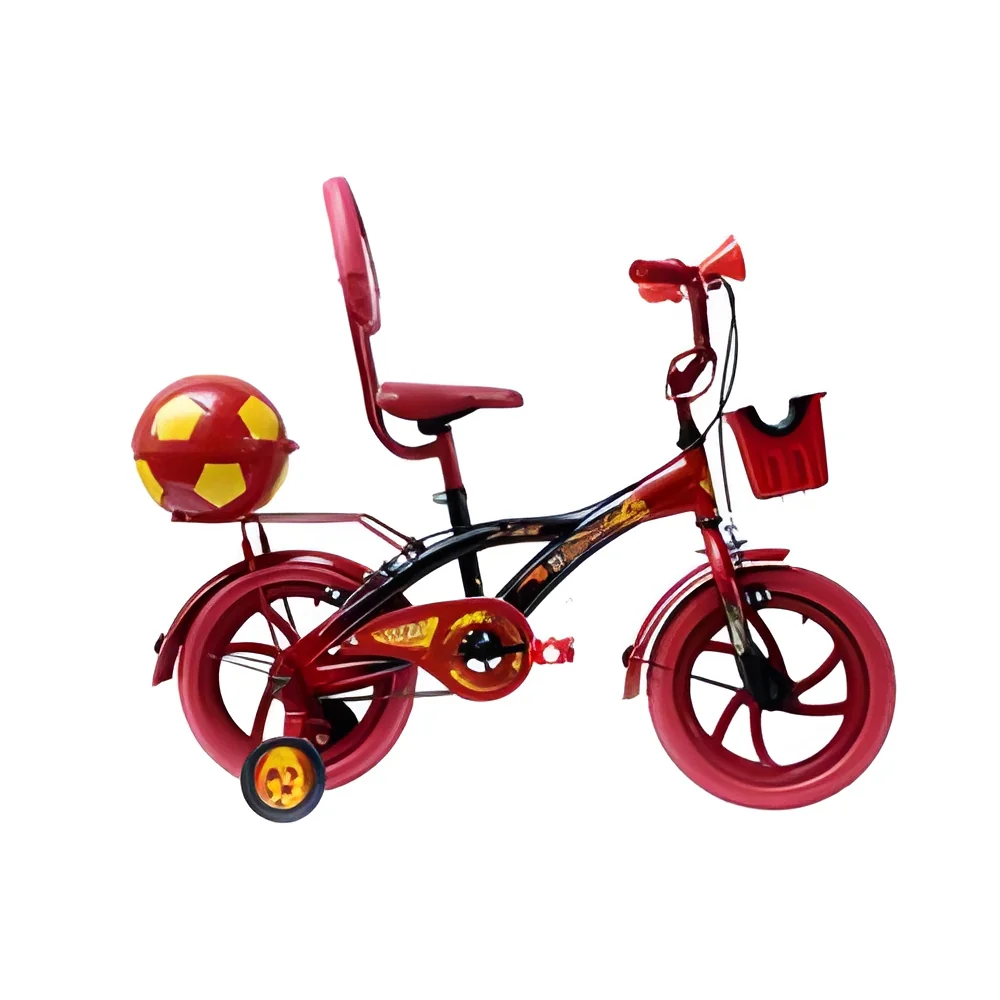
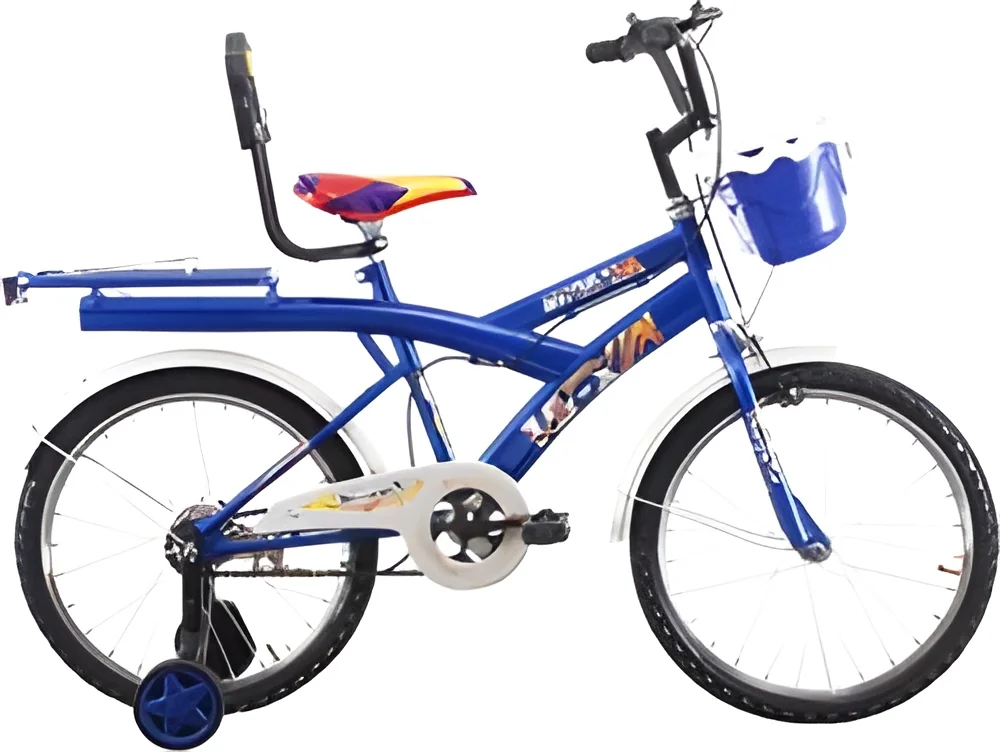
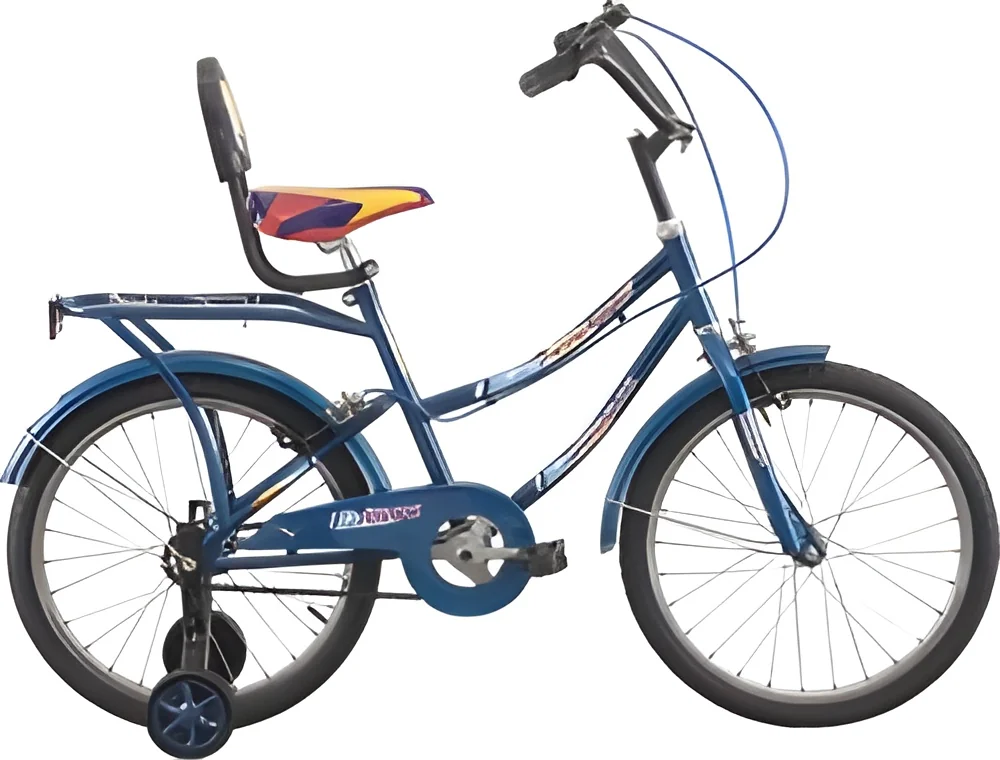
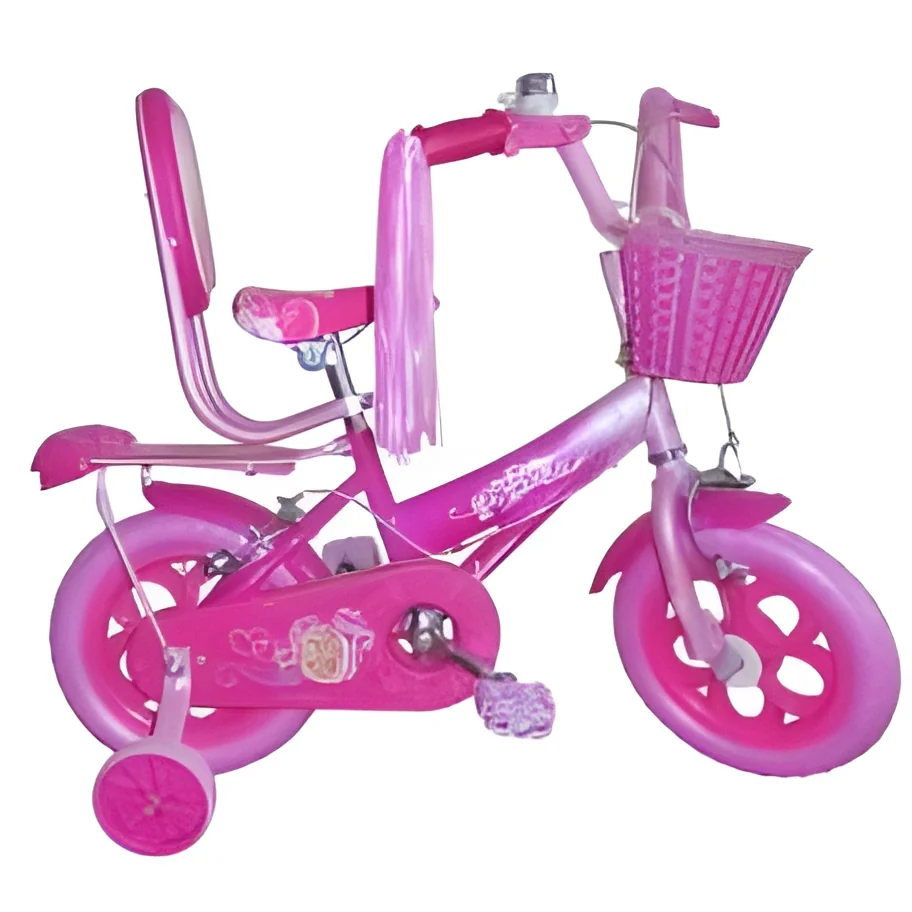
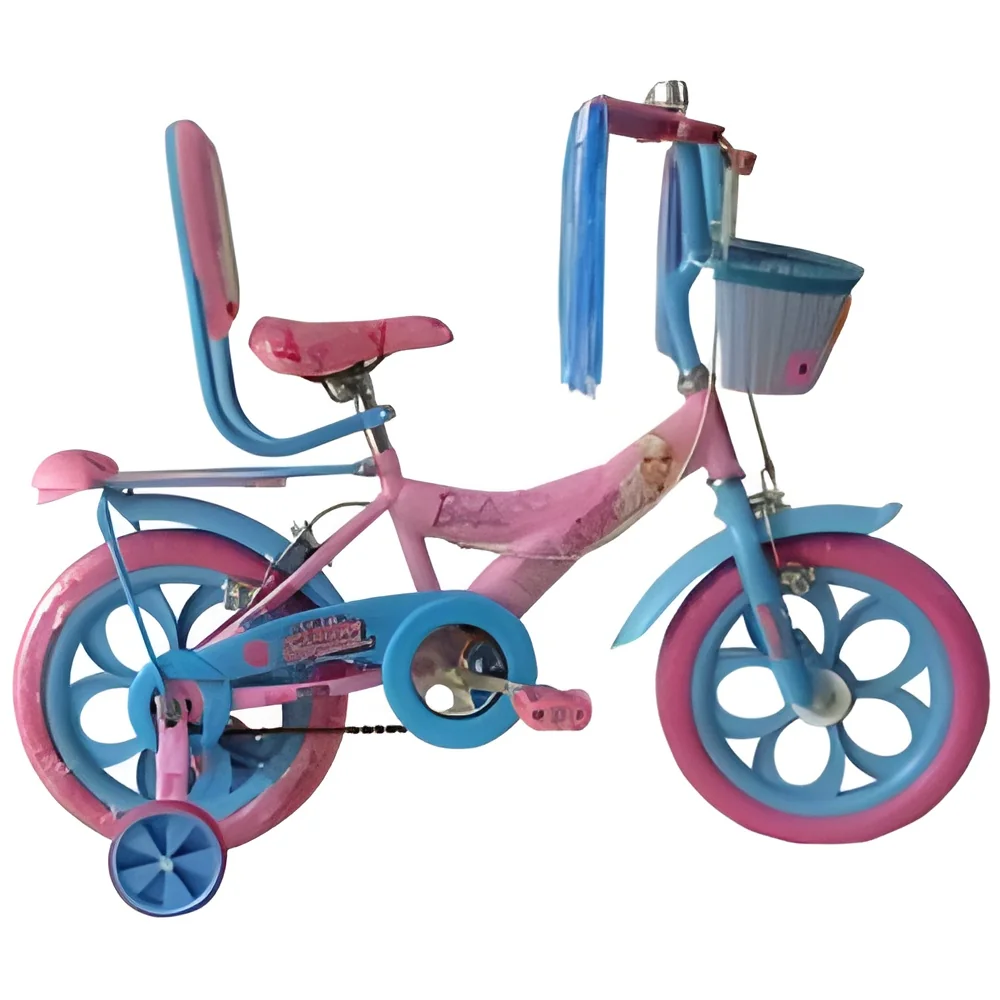
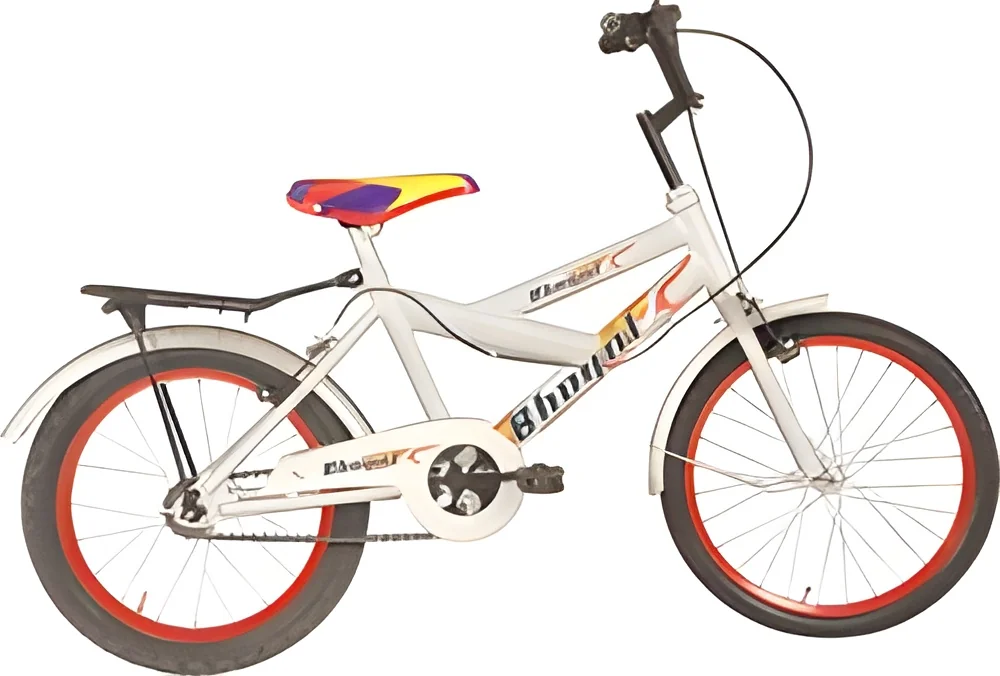
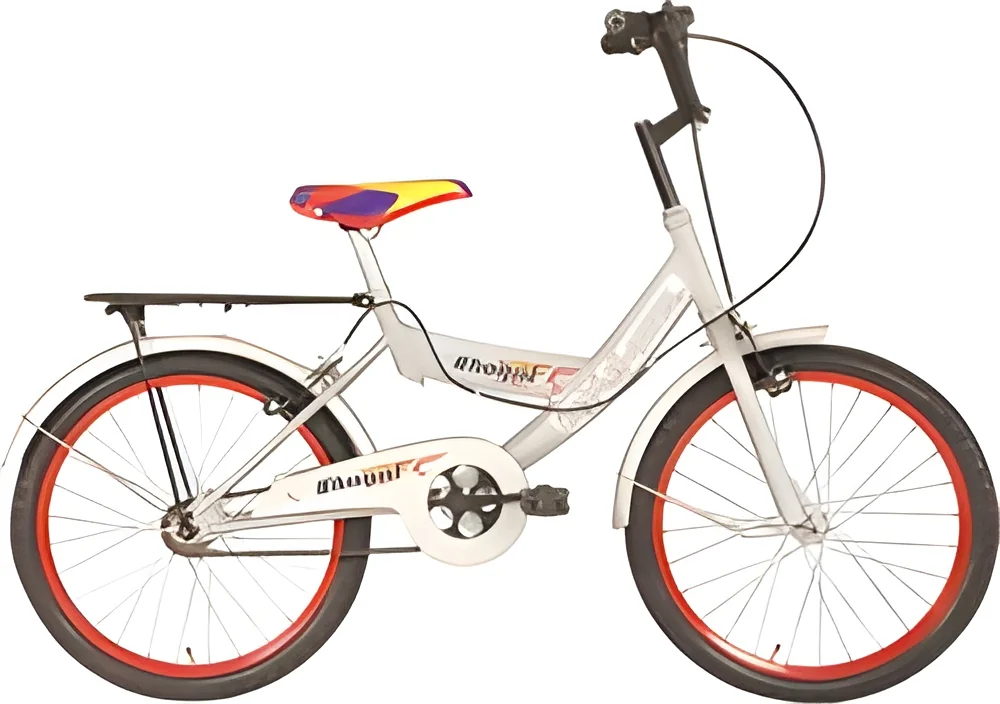
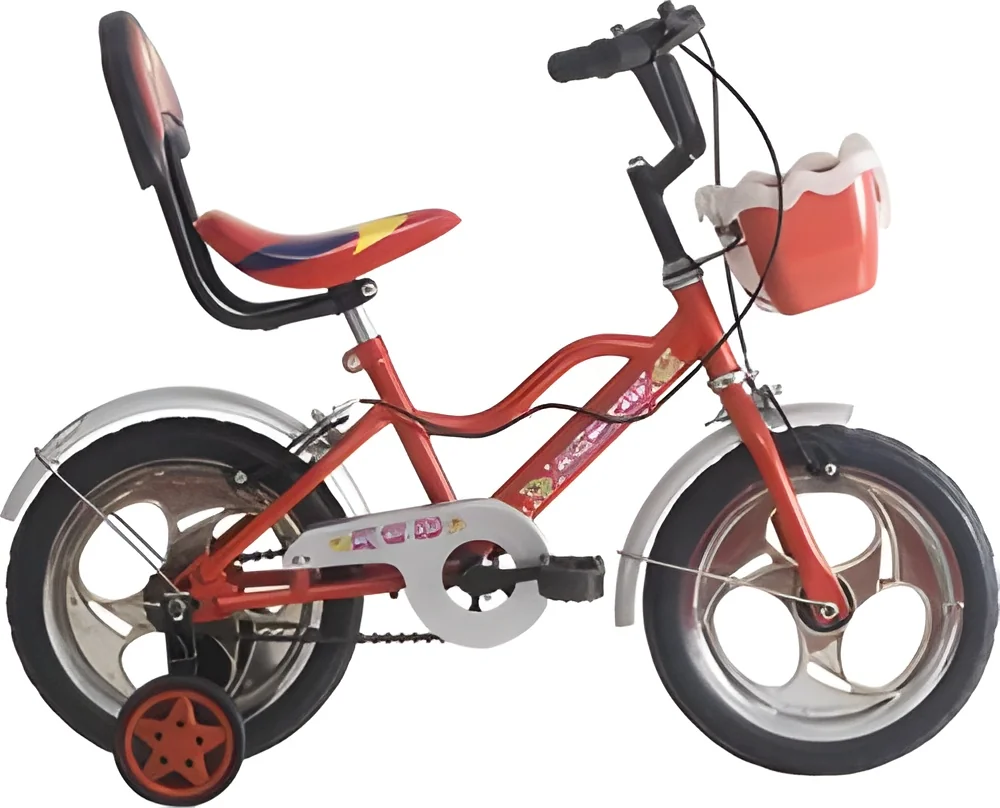
Kids’ bicycles are specially designed two-wheeled vehicles tailored to the needs and safety of children. They come in various sizes, styles, and colors to cater to different age groups and preferences. These bicycles are built with lightweight materials and ergonomic designs to ensure comfort and ease of use for young riders.
The primary uses of kids’ bicycles include recreational riding, skill development, and commuting short distances. They are popular among parents seeking to promote an active lifestyle for their children. In educational settings, they can be used to teach children about balance and coordination. The market for kids’ bicycles is significant, with steady demand from families, schools, and community programs focusing on youth physical activity.
In the broader industry context, the kids’ bicycle market is influenced by trends in health and fitness, environmental consciousness, and advancements in bicycle technology. Manufacturers are continually innovating to enhance safety features and design aesthetics. As urban areas become more bicycle-friendly, the relevance of kids’ bicycles continues to grow, making them a staple in many households.
Key Features and Specifications
Kids’ bicycles come with a range of features designed to ensure safety, comfort, and usability for young riders. When selecting a bicycle, it is essential to consider these specifications to meet the needs of children at different developmental stages.
Key specifications include:
1. Frame Material
- Typically made from lightweight aluminum or steel to enhance durability.
- Weight ranges from 8 to 20 pounds depending on the size.
2. Wheel Size
- Common sizes include 12", 16", 20", and 24" to accommodate various heights.
- A larger wheel size often supports older children.
3. Braking System
- Options include coaster brakes and hand brakes, with hand brakes being more common in larger bikes.
- Ensures quick stopping ability for safety.
4. Seat Height Adjustment
- Adjustable seat heights to accommodate growing children.
- Range typically between 20 to 30 inches from the ground.
5. Tire Type
- Options include smooth tires for pavement and knobby tires for off-road riding.
- Tire width can vary, influencing stability and traction.
6. Safety Features
- Reflectors, bells, and safety grips to enhance visibility and security.
- Helmets are often recommended as an additional safety measure.
7. Weight Capacity
- Generally supports between 50 to 100 pounds depending on the model.
- Important for ensuring durability and safety during use.
8. Color and Design Options
- Available in various colors and designs to appeal to children.
- Customization options may be available from certain manufacturers.
In summary, understanding these specifications helps buyers select the right kids’ bicycles that cater to safety, usability, and growing needs.
Common Applications and Use Cases
Kids’ bicycles are versatile products that find applications across multiple sectors.
1. Education: Schools use bicycles as part of physical education programs to teach children about fitness and coordination. They can also serve as a mode of transport for students living nearby.
2. Recreation: Community centers and parks often encourage cycling programs that promote outdoor activities among children. These bicycles are integral to such initiatives.
3. Retail: Bicycle shops and online retailers cater to families looking to purchase quality bicycles for their children. They provide a range of options based on age and skill level.
4. Sports: Youth cycling clubs and teams utilize kids’ bicycles for training and competition, fostering a sense of community and teamwork among young athletes.
5. Environmental Initiatives: Programs promoting sustainable transportation often include kids’ bicycles as a means to encourage eco-friendly habits among the younger generation.
6. Family Activities: Many families use bicycles for leisurely rides in parks or on bike trails, promoting family bonding through outdoor activities.
7. Health Promotion: Organizations focused on child health often promote cycling as a fun way to encourage physical activity and combat obesity.
Product Variants and Subcategories
Kids’ bicycles feature a variety of designs and styles to cater to different preferences and uses.
Balance Bikes: These are designed for younger children to help them develop their balance and coordination before transitioning to pedal bikes. They have no pedals and allow kids to scoot along with their feet.
Mountain Bikes: Built for off-road terrain, these bicycles come with wider tires and durable frames. They are suitable for adventurous young riders looking to explore trails.
BMX Bikes: These bicycles are designed for performance and agility, often used in racing and stunt riding. They have a robust build to withstand impacts.
Cruiser Bikes: Ideal for casual rides, cruiser bikes feature a comfortable seat and upright riding position. They are perfect for leisurely rides in neighborhoods or parks.
Benefits and Advantages
Choosing the right kids’ bicycle provides several advantages that contribute to the overall development and well-being of children.
1. Promotes Physical Activity: Riding a bicycle encourages children to engage in regular exercise, improving their physical health.
2. Enhances Coordination: Learning to ride helps children develop balance and coordination skills that are beneficial in other sports and activities.
3. Fosters Independence: Bicycles give children a sense of freedom and independence, allowing them to explore their surroundings more confidently.
4. Encourages Social Interaction: Cycling can be a group activity, offering opportunities for children to socialize and make new friends.
5. Supports Environmental Awareness: Using a bicycle as a mode of transport helps children understand the importance of eco-friendly practices.
6. Builds Confidence: Mastering cycling skills can boost a child's self-esteem and confidence as they learn to navigate different terrains.
Buying Guide for B2B Buyers
When sourcing kids’ bicycles for business, several important factors should be considered to make informed purchasing decisions.
1. Quality Assessment: Evaluate the materials and construction of the bicycles. Look for durable frames and reliable braking systems to ensure safety and longevity.
2. Supplier Verification: Research and vet potential suppliers to ensure they provide quality products. Look for manufacturers with a good reputation and positive customer feedback.
3. Pricing and MOQ: Understand the price ranges for different models and inquire about minimum order quantities. Negotiate pricing where possible to maximize cost-effectiveness.
4. Delivery and Lead Times: Confirm delivery schedules and lead times with suppliers to ensure timely availability of products for your business needs.
5. Compliance Requirements: Be aware of any regulatory standards and compliance certifications required in your region, such as safety regulations, to avoid potential legal issues.
Compliance and Certifications
In the production of kids’ bicycles, adherence to quality standards is essential to ensure safety and reliability.
Relevant quality standards include ISO 9001, which focuses on quality management systems, ensuring that manufacturers maintain high standards in production processes.
Industry certifications such as CE mark indicate that the bicycles meet European safety and quality requirements, providing assurance to buyers regarding product safety.
Safety and testing requirements are critical in the design and manufacturing process. These may include impact tests and quality assessments to confirm that the bicycles can withstand typical use and potential accidents.
Regional compliance considerations vary, and businesses must familiarize themselves with local regulations to ensure that products meet all necessary legal and safety standards.
Why Source Kids’ Bicycles from Pepagora?
Pepagora provides a trusted platform for sourcing kids’ bicycles, offering several key advantages for B2B buyers.
Verified Supplier Network: Pepagora connects buyers with a network of verified suppliers, ensuring that all partners meet quality and reliability standards. This reduces the risk associated with sourcing.
Streamlined RFQ Process: The request for quotation (RFQ) process is designed for efficiency. Buyers can easily compare quotes from multiple suppliers, facilitating informed purchasing decisions.
Trade Assurance and Support: Pepagora offers trade assurance to protect buyers throughout the transaction process. This includes support for any disputes or issues that may arise.
Regional Coverage: With a strong presence in India, GCC, and Southeast Asia, Pepagora enables buyers to access a wide range of suppliers and products tailored to their regional markets. This enhances the sourcing experience for businesses looking to procure kids’ bicycles.

 IN
IN