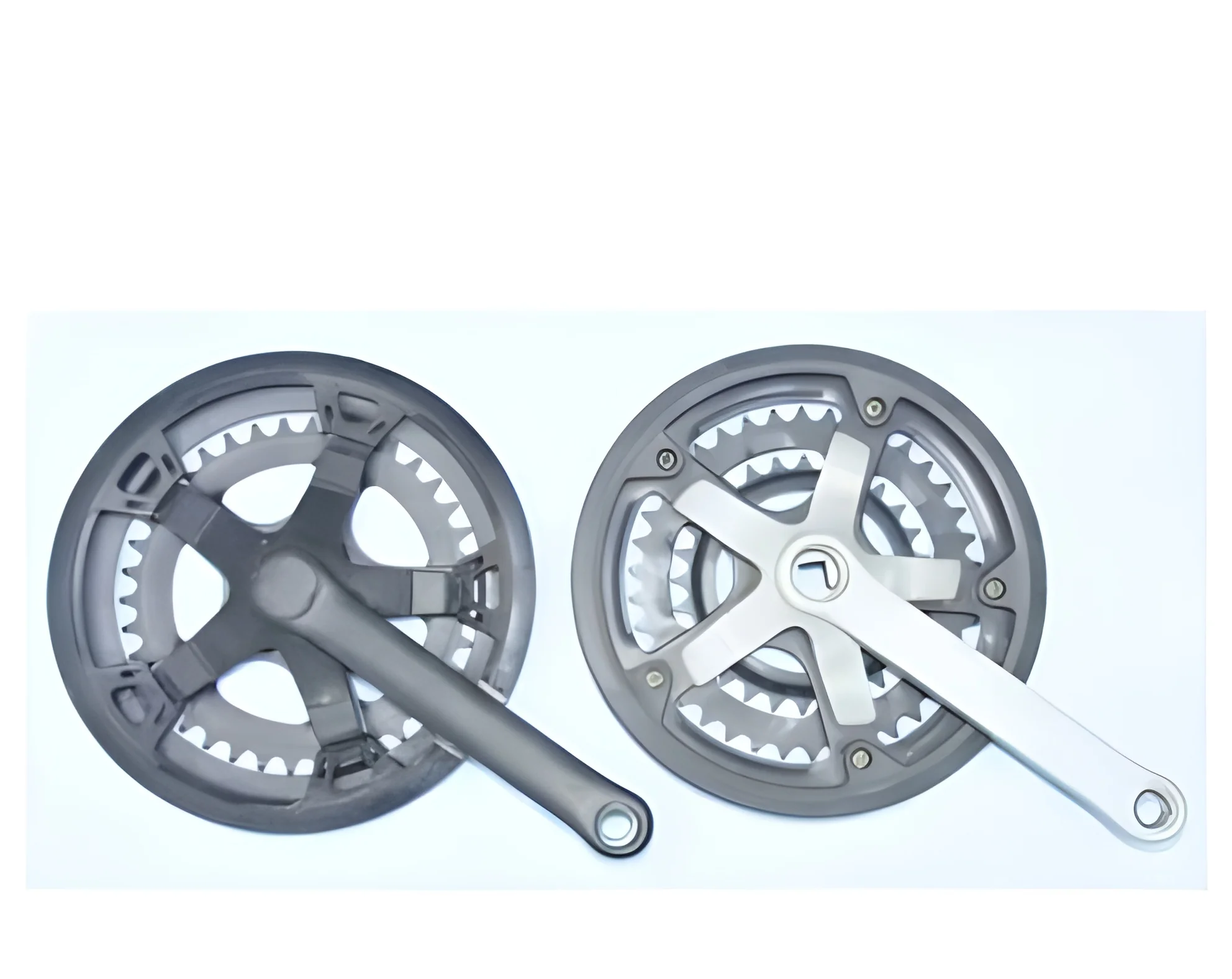
What are Bicycle Chains & Gears?
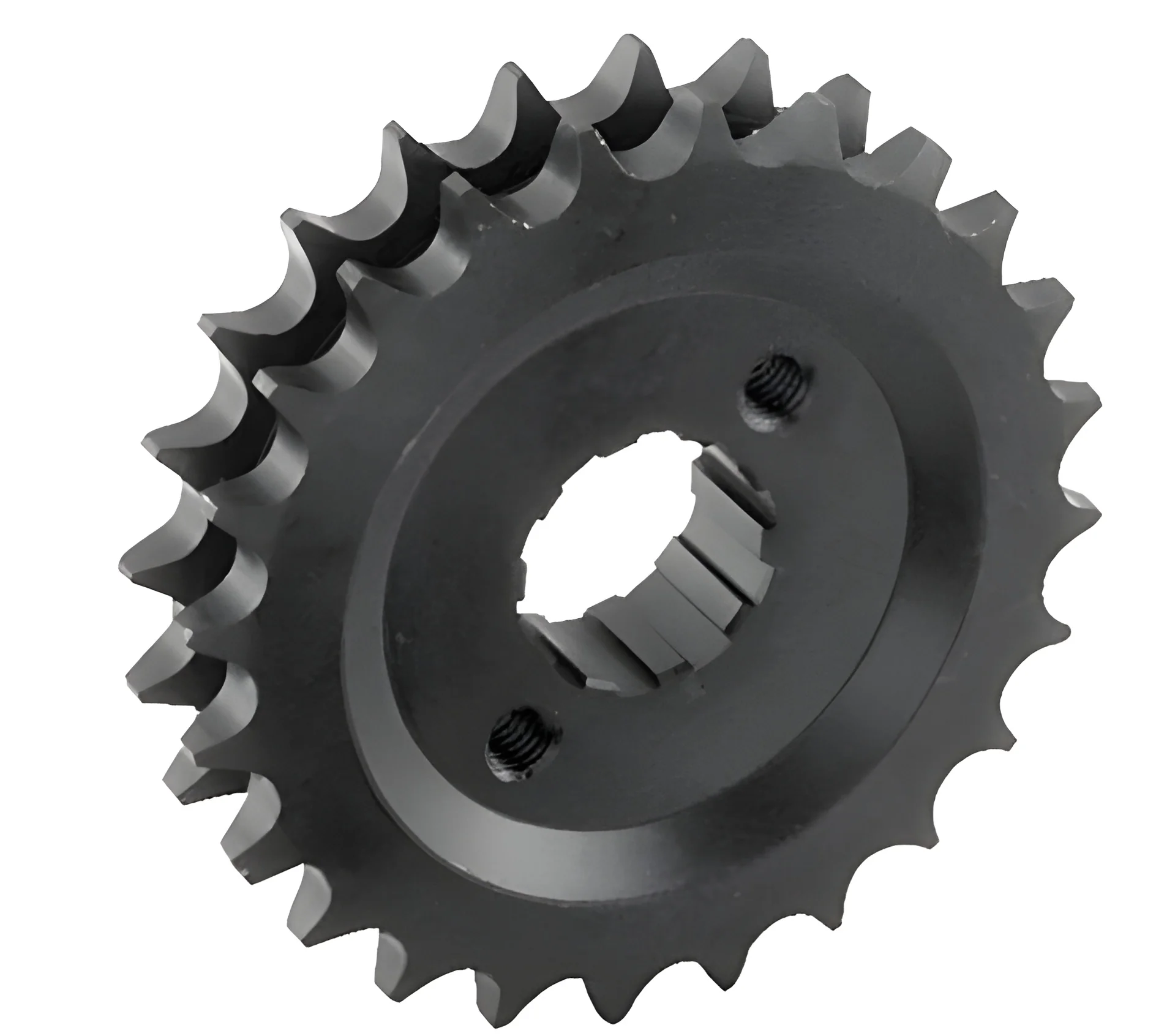
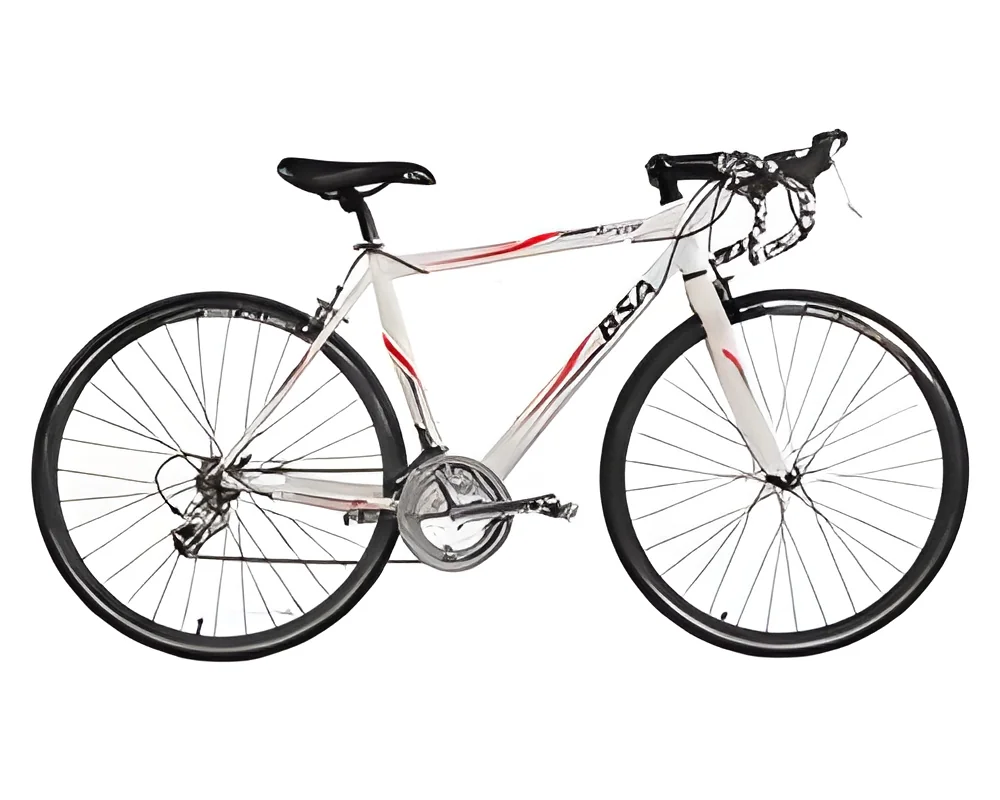
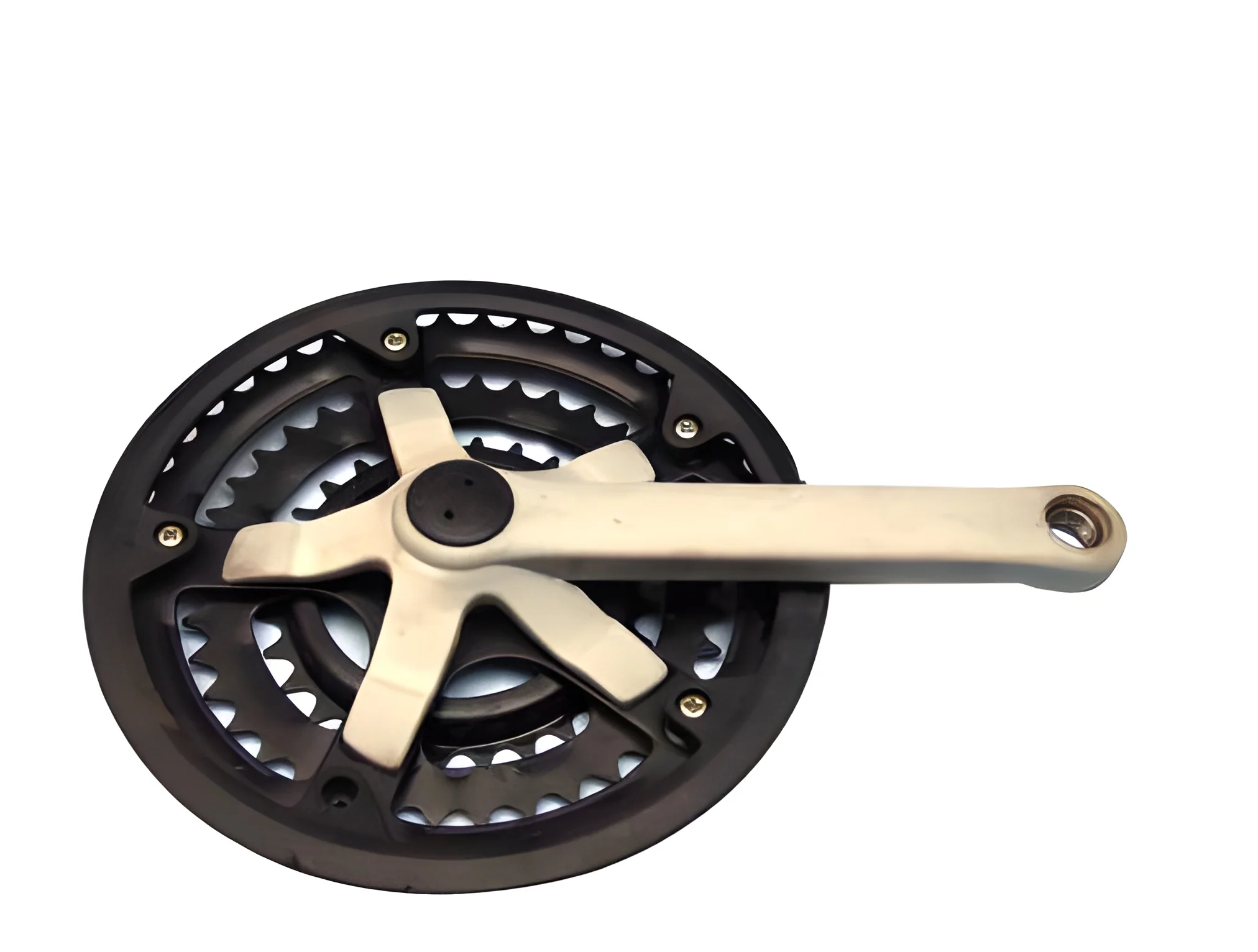
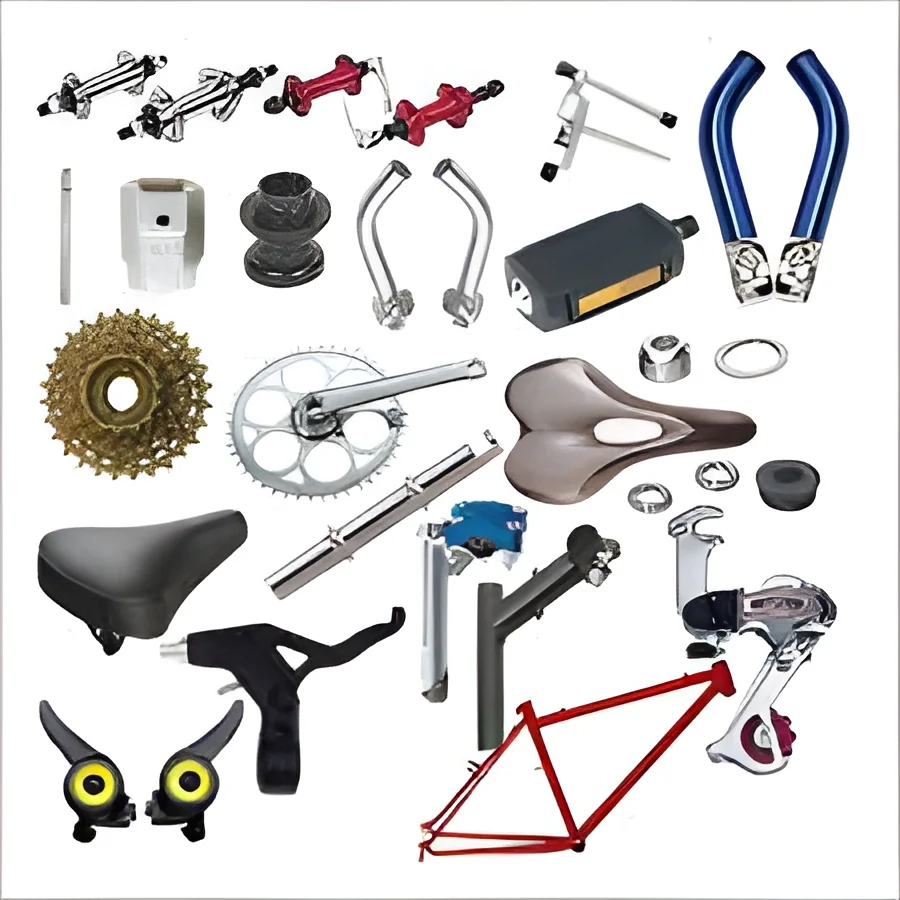
Bicycle chains and gears are integral components of a bicycle's drivetrain system. The chain serves as a link between the pedals and the rear wheel, transferring power generated by the rider. Gears, which include cogs and sprockets, allow the rider to adjust the bike's mechanical advantage, making it easier to pedal under various conditions. Together, they ensure efficient motion and enhance the overall cycling experience.
Bicycle chains and gears are widely used in various applications, ranging from casual commuting to competitive cycling. Businesses across the cycling industry, including manufacturers, retailers, and service providers, rely on high-quality chains and gears to meet their customers' needs. The proper selection of these components can significantly impact performance, safety, and user satisfaction.
In today's market, the demand for advanced bicycle chains and gears is growing as more individuals adopt cycling as a sustainable mode of transport. The increasing popularity of cycling events and recreational riding also fuels innovation and investment in this sector. As such, businesses that supply bicycle components must stay current with industry trends and technological advancements to remain competitive.
Key Features and Specifications
Bicycle chains and gears come with a variety of features and specifications that cater to different cycling needs. Understanding these specifications is crucial for businesses looking to source the right components for their customers.
Key specifications include:
1. Chain Length
- Determines compatibility with various bicycle sizes
- Typically ranges from 100 to 130 links
2. Gear Ratios
- Affects the bike's performance under different terrains
- Common ratios include 1:1 to 3:1
3. Material Composition
- Impacts durability and weight
- Common materials include stainless steel and aluminum
4. Weight Capacity
- Ensures safety and performance standards
- Varies by design, often up to 300 pounds
5. Compatibility Standards
- Important for fitting with various bike styles
- Must align with specific brands and models
6. Finish and Coating
- Enhances corrosion resistance and aesthetic appeal
- Options include nickel plating and anodizing
7. Lubrication Requirements
- Affects maintenance frequency and ease
- Some chains are pre-lubricated for convenience
8. Noise Level
- Impacts user experience
- High-quality chains are designed for quieter operation
In summary, understanding these specifications is essential for ensuring that the chains and gears meet the performance and safety standards required in the cycling industry.
Common Applications and Use Cases
Bicycle chains and gears serve various industries beyond just recreational cycling.
1. Commuter Cycling: Many urban commuters rely on bicycles for daily transportation. Durable chains and gears enhance the reliability of these bikes in city conditions.
2. Competitive Cycling: Racing bicycles require precision-engineered chains and gears for optimal performance. High-quality components can improve speed and efficiency.
3. Mountain Biking: Off-road cyclists need robust chains and gears that can withstand rough terrain. These components are designed for higher durability and resistance to wear.
4. E-Bikes: Electric bicycles integrate advanced chains and gears to handle the additional torque from electric motors, ensuring smooth performance.
5. Bicycle Manufacturing: Manufacturers need reliable suppliers of chains and gears to assemble quality bicycles for various segments.
6. Bicycle Maintenance Services: Service providers require high-quality replacement chains and gears to keep bicycles functioning optimally for their customers.
7. Recreational Cycling: Casual riders seek reliable components for leisurely rides, focusing on comfort and ease of use.
Product Variants and Subcategories
Bicycle chains and gears come in various forms to cater to different cycling needs.
Single-speed Chains: These chains are designed for bikes with a single gear and are simpler in construction. They are lightweight and easy to maintain, making them ideal for urban commuting.
Multi-speed Chains: These chains are compatible with bikes that have multiple gears, allowing for a more versatile riding experience. They are engineered for efficiency and durability under varying loads.
Derailleur Gears: These gears provide seamless shifting capabilities between multiple speeds. They are commonly used in road and mountain bikes for enhanced performance.
Internal Gear Hubs: This variant houses the gears internally, providing a smoother aesthetic and protection from the elements. They are popular in commuter and city bikes.
Coaster Brakes: Some bicycles use coaster brakes, which integrate the gear system. This variant is convenient for casual riders looking for easy operation.
Benefits and Advantages
Bicycle chains and gears offer numerous benefits that enhance the cycling experience for users.
1. Improved Efficiency: High-quality chains and gears facilitate smoother power transfer, making pedaling easier and more efficient.
2. Enhanced Durability: Robust materials and construction extend the lifespan of chains and gears, reducing the frequency of replacements.
3. Versatility: With multiple gear options, cyclists can easily adapt to different terrains, improving overall performance and comfort.
4. Reduced Maintenance: Quality components require less frequent maintenance, saving time and effort for users.
5. Safety Assurance: Reliable chains and gears are crucial for safe cycling, minimizing the risk of mechanical failures during rides.
6. Comfort: Properly functioning gears contribute to a more enjoyable cycling experience, allowing riders to focus on their journey rather than mechanical issues.
Buying Guide for B2B Buyers
When sourcing Bicycle Chains & Gears, businesses must consider several factors to ensure they make informed decisions.
1. Quality Assessment: Evaluate the quality of materials and construction standards. Look for certifications that indicate reliable manufacturing processes.
2. Supplier Verification: Vet suppliers thoroughly to ensure they provide high-quality products. Check for industry experience and customer reviews.
3. Pricing and MOQ: Understand the pricing structures and minimum order quantities. Negotiate terms that align with your business needs while ensuring cost-effectiveness.
4. Delivery and Lead Times: Confirm delivery schedules and lead times with suppliers. Timely delivery is crucial for maintaining inventory and meeting customer demands.
5. Compliance Requirements: Be aware of any regulatory standards applicable to bicycle components in your region. Ensure that the products meet relevant safety and quality standards.
Compliance and Certifications
Compliance and certifications are vital for ensuring the quality and safety of bicycle chains and gears.
Manufacturers often adhere to relevant quality standards such as ISO 9001, which ensures consistent quality management systems. This certification indicates that a manufacturer meets international standards for quality assurance.
Additionally, the CE marking is essential for products sold in the European market, signaling compliance with health, safety, and environmental protection standards.
Safety and testing requirements are also critical. Bicycle components undergo rigorous testing to ensure they can withstand the demands of various cycling conditions.
Regional compliance considerations may vary, requiring businesses to stay informed about local regulations and standards that apply to bicycle products.
Why Source Bicycle Chains & Gears from Pepagora?
Pepagora provides a trusted platform for sourcing Bicycle Chains & Gears, offering several key advantages for B2B buyers.
Verified Supplier Network: Pepagora connects businesses with a network of vetted suppliers, ensuring that only high-quality products are offered. This verification process helps reduce risks associated with sourcing.
Streamlined RFQ Process: The platform features a user-friendly Request for Quotation (RFQ) system, allowing buyers to easily request and compare quotes from multiple suppliers. This efficiency enables informed purchasing decisions.
Trade Assurance and Support: Pepagora offers trade assurance to protect buyers, ensuring that transactions are secure and that products meet the agreed-upon specifications. This support builds confidence in the sourcing process.
Regional Coverage: With a focus on markets in India, the Gulf Cooperation Council (GCC), and Southeast Asia, Pepagora provides extensive geographic reach. This coverage allows businesses to tap into diverse markets and expand their customer base.

 IN
IN