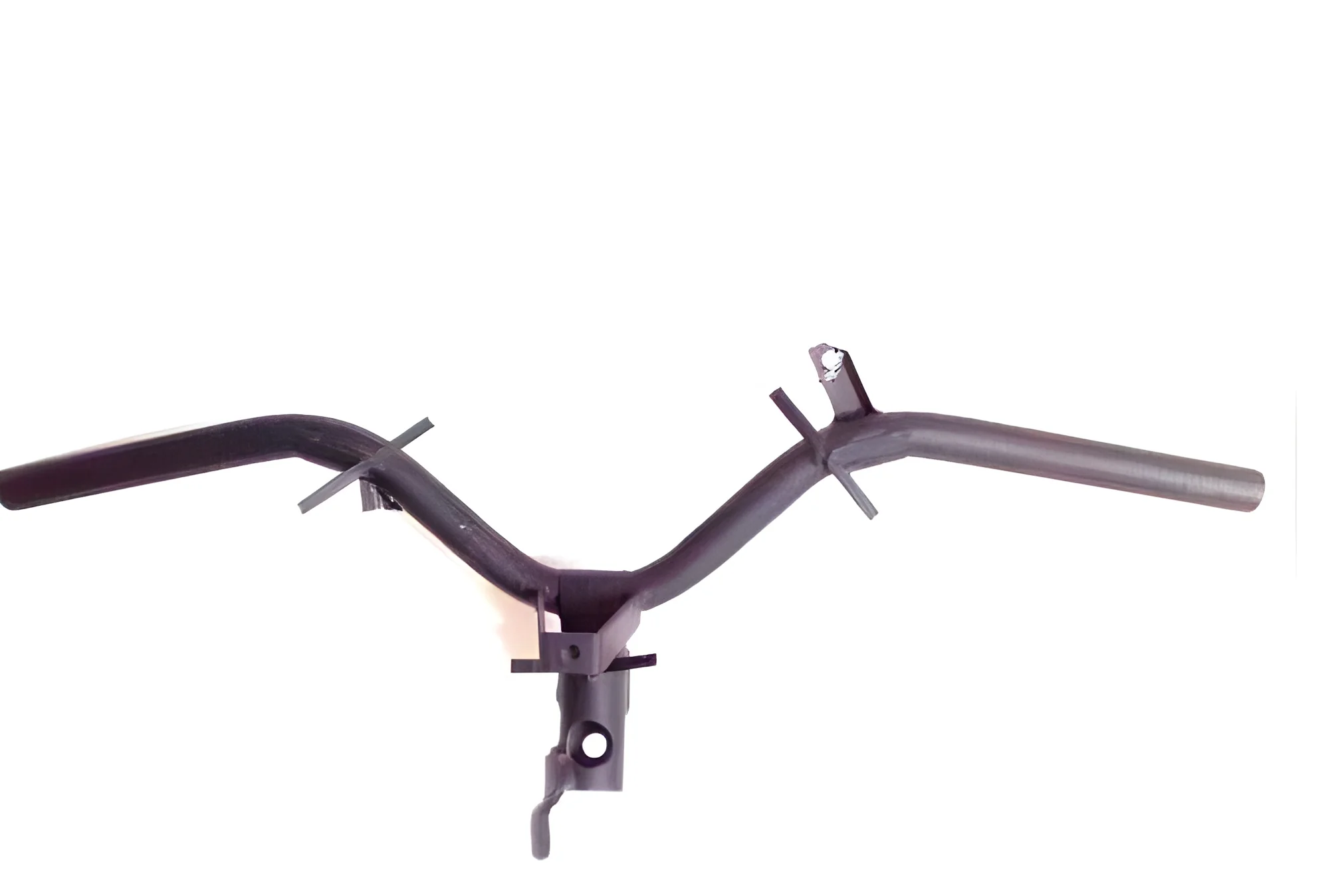
What are Bicycle Handlebars & Grips?
Bicycle handlebars and grips are essential components that define the steering and control of a bicycle. Handlebars serve as the interface between the rider and the bike, allowing for steering, stability, and comfort during rides. Grips, on the other hand, are attached to the ends of the handlebars and provide a comfortable surface for the rider’s hands, helping to reduce fatigue and improve control.
These products are primarily used in various types of bicycles, including road, mountain, and hybrid bikes. They play a crucial role in enhancing the riding experience by ensuring that riders can maneuver their bicycles effectively. In the B2B context, manufacturers and suppliers focus on providing high-quality handlebars and grips that meet the diverse needs of bike assemblers, retailers, and repair shops. The market for bicycle components is growing, driven by the increasing popularity of cycling for both recreation and commuting.
As the cycling industry evolves, the demand for innovative and ergonomically designed handlebars and grips has surged. With the rise of e-bikes and custom bicycles, there is a need for a wide range of options that cater to different rider preferences and styles. This has led to increased competition among manufacturers, making it essential for businesses to stay updated on the latest trends and technologies in bicycle components.
Key Features and Specifications
Bicycle handlebars and grips come with various features and specifications that cater to different cycling needs. Understanding these specifications is crucial for businesses looking to source the right products for their customers.
Key specifications include:
1. Material Composition
- Common materials include aluminum, carbon fiber, and steel.
- These materials provide varying levels of strength, weight, and durability.
2. Handlebar Width
- Widths typically range from 580mm to 800mm.
- A wider handlebar offers improved control, especially for mountain bikes.
3. Grip Thickness
- Available in various thicknesses to suit rider preferences.
- Thicker grips can provide more comfort but may affect control.
4. Rise and Drop
- Handlebars can have a rise of 0mm to 50mm or more.
- A higher rise may offer a more comfortable riding position.
5. Clamp Diameter
- Standard diameters include 25.4mm, 31.8mm, and 35mm.
- Proper clamp size is essential for compatibility with stems.
6. Weight
- Handlebars typically weigh between 200g to 400g.
- Lighter handlebars are preferred for racing and competitive cycling.
7. Grip Material
- Common grip materials include rubber, foam, and silicone.
- Different materials provide varying levels of comfort and grip.
8. Design Types
- Options include flat, riser, and drop handlebars.
- Each design type caters to specific riding styles and preferences.
These specifications enable businesses to select the right products that align with customer needs and preferences.
Common Applications and Use Cases
Bicycle handlebars and grips are utilized across various industries and applications.
1. Cycling Retail: Retailers often stock a variety of handlebars and grips to cater to different types of bicycles and rider preferences.
2. Bike Manufacturing: Manufacturers integrate handlebars and grips into bicycles, ensuring they meet specific performance and ergonomic standards.
3. Bicycle Repair Shops: Repair shops require a diverse inventory of handlebars and grips for bike servicing and customization.
4. E-Bike Industry: With the rise of electric bikes, handlebars and grips designed for e-bikes are essential for enhanced comfort and control.
5. Sports and Recreation: Handlebars and grips are crucial in recreational cycling, where comfort and performance are priorities.
6. Professional Racing: Competitive cyclists seek specialized handlebars and grips that optimize aerodynamics and handling.
7. Fitness Centers: Gyms and fitness studios that offer cycling classes require durable and comfortable handlebars and grips for their stationary bikes.
Product Variants and Subcategories
Bicycle handlebars and grips come in various designs and features to suit different cycling needs.
Riser Handlebars: These handlebars are characterized by a higher rise, providing a more comfortable and upright riding position. They are popular among mountain bikers and commuters who prioritize comfort during long rides.
Drop Handlebars: Commonly found on road bikes, drop handlebars allow for a more aerodynamic position. They provide multiple hand positions, which can enhance comfort on long-distance rides.
Flat Handlebars: These are typically used on mountain and hybrid bikes, offering a straightforward and stable grip. Flat handlebars are preferred for their simplicity and control in various riding conditions.
Ergonomic Grips: Designed to reduce hand fatigue, ergonomic grips are molded to fit the natural shape of the hand. They are ideal for cyclists who ride for extended periods and need additional comfort.
Lock-On Grips: These grips feature a locking mechanism that prevents them from slipping during use. Lock-on grips are favored for their stability and ease of installation.
Benefits and Advantages
Bicycle handlebars and grips offer several key benefits to enhance the cycling experience.
1. Improved Control: Quality handlebars provide better steering control, allowing for precise maneuvers in various conditions.
2. Enhanced Comfort: Ergonomically designed grips reduce hand fatigue and improve comfort during long rides.
3. Customization: A wide range of styles and designs allows cyclists to customize their bikes to match their personal preferences.
4. Increased Safety: Properly designed handlebars and grips contribute to rider safety by ensuring a secure hold and stability during rides.
5. Versatility: Handlebars and grips come in various designs, making them suitable for different cycling styles, from casual riding to competitive racing.
6. Durability: High-quality materials ensure that handlebars and grips can withstand wear and tear, providing long-lasting performance.
Buying Guide for B2B Buyers
When sourcing bicycle handlebars and grips, businesses should consider several key factors to ensure they select the right products.
1. Quality Assessment: Evaluate the materials and construction quality to ensure durability and performance. Look for reputable brands that adhere to industry standards.
2. Supplier Verification: Vet suppliers by checking their credentials, customer reviews, and industry reputation. Partnering with verified suppliers can reduce risks.
3. Pricing and MOQ: Understand the price range for different types of handlebars and grips, and inquire about minimum order quantities to gauge budget requirements.
4. Delivery and Lead Times: Discuss logistics with suppliers to determine delivery schedules and lead times to ensure timely inventory replenishment.
5. Compliance Requirements: Familiarize yourself with any regulatory requirements and certifications that may apply to handlebars and grips in your target market.
Compliance and Certifications
Bicycle handlebars and grips must adhere to various quality standards and certifications to ensure safety and reliability.
ISO 9001 is a widely recognized quality management standard that emphasizes consistent quality and continuous improvement. Manufacturers that comply with this standard demonstrate their commitment to maintaining high-quality products.
CE certification is crucial for products marketed in Europe, indicating compliance with health, safety, and environmental protection standards. This certification reassures buyers that the products meet essential safety requirements.
Safety and testing requirements may vary by region, but typically include stress testing and durability assessments to ensure that handlebars and grips can withstand real-world usage.
Businesses should also consider regional compliance, as different countries may have specific regulations and certifications that apply to bicycle components. Staying informed about these requirements is essential for ensuring product viability in diverse markets.
Why Source Bicycle Handlebars & Grips from Pepagora?
Pepagora offers a reliable platform for sourcing bicycle handlebars and grips, providing several key advantages for B2B buyers.
Verified Supplier Network: Pepagora connects businesses with a network of verified suppliers, ensuring that buyers can source high-quality products from trusted manufacturers. This verification process helps mitigate risks associated with product quality and supplier reliability.
Streamlined RFQ Process: The request for quotation (RFQ) system simplifies the sourcing process, allowing buyers to easily compare prices and specifications from multiple suppliers. This efficiency enables businesses to make informed purchasing decisions.
Trade Assurance and Support: Pepagora offers trade assurance and buyer protection, providing peace of mind for businesses making significant purchases. This support helps ensure that buyers receive the products they ordered as specified.
Regional Coverage: Pepagora has a broad geographic reach, covering key markets such as India, the GCC, and Southeast Asia. This extensive network allows businesses to access a diverse range of products and suppliers, facilitating seamless sourcing across regions.

 IN
IN