
 IN
Bicycle Saddles & Seat Posts
3 products available
What are Bicycle Saddles & Seat Posts?
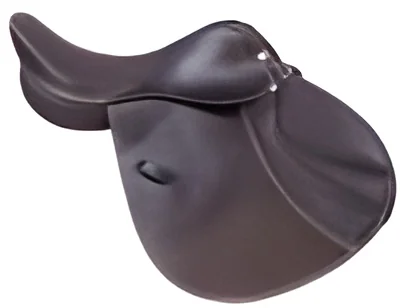
Bicycle saddles and seat posts are essential components of a bicycle that ensure comfort and proper riding posture for cyclists. The saddle, commonly known as the bike seat, is designed to support the rider's weight and provide a stable surface for sitting while pedaling. The seat post is the tube that connects the saddle to the bicycle frame, allowing for adjustments in height and angle to accommodate different rider preferences and ergonomic needs.
These components are crucial for various applications, including recreational cycling, competitive racing, and long-distance touring. In a business context, manufacturers and suppliers focus on producing saddles and seat posts that meet diverse rider requirements, enhancing the overall cycling experience. The market for these products is growing, driven by increased cycling popularity and the demand for high-performance, customizable options.
As cycling continues to gain traction as a sustainable and healthy mode of transportation, the relevance of quality bicycle saddles and seat posts cannot be overstated. Industries involved in manufacturing, retail, and distribution are actively exploring innovations to improve comfort, support, and durability in these critical components.
Key Features and Specifications
Bicycle saddles and seat posts come with a variety of features designed to enhance comfort, support, and performance. Understanding these specifications is vital for businesses looking to source these products effectively.
Key specifications include:
1. Saddle Width
- Varies between 130 mm to 250 mm
- Designed to accommodate different pelvic widths for optimal comfort
2. Saddle Material
- Options include synthetic leather, foam padding, and gel
- Affects durability, comfort, and weight
3. Seat Post Diameter
- Common sizes range from 25.4 mm to 34.9 mm
- Ensures compatibility with different bike frames
4. Seat Post Length
- Typically available in lengths between 250 mm to 400 mm
- Allows for better fit and adjustability for different rider heights
5. Weight Capacity
- Most saddles support weights from 80 kg to 120 kg
- Ensures safety and stability for various riders
6. Suspension Type
- Options include rigid, spring, and elastomer
- Enhances comfort by absorbing shocks from the road
7. Adjustment Features
- Some seat posts offer quick-release mechanisms or adjustable angles
- Facilitates easy customization for rider preferences
8. Certification Standards
- CE certification ensures compliance with safety regulations
- Important for market acceptance and quality assurance
In summary, these specifications provide essential insights into the performance and compatibility of bicycle saddles and seat posts, helping businesses make informed purchasing decisions.
Common Applications and Use Cases
Bicycle saddles and seat posts are utilized in various industries that require cycling equipment.
1. Recreational Cycling: Many individuals use bicycles for leisure activities, necessitating comfortable saddles and adjustable seat posts for long rides.
2. Competitive Racing: Professional cyclists rely on lightweight saddles and high-performance seat posts to enhance speed and aerodynamics during races.
3. Fitness and Health: Gyms and fitness centers often provide stationary bikes with adjustable saddles and seat posts to accommodate users of different sizes.
4. Delivery Services: Companies utilizing bicycles for deliveries benefit from durable saddles and seat posts that can withstand daily use.
5. Urban Transportation: As cities promote cycling as a mode of transport, bike-sharing programs require robust and comfortable saddles and seat posts for diverse riders.
6. Off-Road Cycling: Mountain biking requires specialized saddles and seat posts that offer better shock absorption and stability on rugged terrain.
7. Custom Bicycles: Custom bike builders often seek specific saddle and seat post configurations to meet unique client needs.
Product Variants and Subcategories
Bicycle saddles and seat posts are available in various variants to suit different cycling styles and preferences.
Performance Saddles
These saddles are designed for racing and offer a streamlined shape to reduce drag. They often feature minimal padding to save weight and improve pedaling efficiency.
Comfort Saddles
Ideal for recreational cyclists, comfort saddles have additional padding and wider designs to enhance support during longer rides. They are perfect for leisurely cycling or commuting.
Mountain Bike Saddles
These saddles are built to endure rough terrain and often feature additional cushioning and a rugged design. They provide stability and comfort for off-road cyclists.
Adjustable Seat Posts
These seat posts allow cyclists to change the height and angle quickly. They are particularly useful for riders who share bikes or frequently adjust their position for different terrains.
Specialized Seat Posts
Some seat posts are designed with built-in suspension systems to absorb shocks and vibrations. They are popular among mountain bikers and those riding on uneven surfaces.
Benefits and Advantages
Bicycle saddles and seat posts offer numerous benefits that enhance the cycling experience.
1. Comfort: High-quality saddles provide better support, reducing fatigue during long rides and improving overall enjoyment.
2. Adjustability: Adjustable seat posts allow cyclists to find their optimal riding position, enhancing comfort and efficiency.
3. Performance: Lightweight saddles and seat posts can improve speed and maneuverability, benefiting competitive cyclists.
4. Durability: Quality materials and construction ensure that saddles and seat posts can withstand wear and tear, providing long-lasting performance.
5. Safety: Well-designed saddles and seat posts enhance rider stability and support, reducing the risk of injury.
6. Customization: A range of options enables cyclists to choose saddles and seat posts tailored to their specific needs, ensuring a better fit.
Buying Guide for B2B Buyers
When sourcing bicycle saddles and seat posts, several factors need to be considered to ensure optimal purchasing decisions.
1. Quality Assessment: Evaluate materials, construction, and design to ensure the products meet durability and comfort standards.
2. Supplier Verification: Research potential suppliers to ensure they have a good reputation and provide quality products.
3. Pricing and MOQ: Understand market pricing and minimum order quantities to align with budget constraints and procurement strategies.
4. Delivery and Lead Times: Plan logistics by confirming delivery timelines and any potential delays in the supply chain.
5. Compliance Requirements: Ensure that products comply with relevant safety and quality standards to avoid regulatory issues.
Compliance and Certifications
Bicycle saddles and seat posts must adhere to various compliance standards to ensure safety and quality. ISO 9001 outlines the requirements for a quality management system, ensuring consistent quality in production processes.
CE certification is essential for products sold in European markets, indicating compliance with health, safety, and environmental protection standards. Meeting these certifications is crucial for manufacturers and suppliers to gain market acceptance.
Safety and testing requirements often involve assessments of material durability and structural integrity to prevent failures during use. Additionally, regional compliance considerations may vary, necessitating awareness of local regulations in different markets.
Why Source Bicycle Saddles & Seat Posts from Pepagora?
Pepagora provides a trusted platform for sourcing bicycle saddles and seat posts, offering several key advantages to buyers.
Verified Supplier Network: Pepagora has established relationships with reputable suppliers, ensuring that buyers have access to high-quality products. This network helps mitigate risks associated with sourcing.
Streamlined RFQ Process: The request for quotation process is designed to be user-friendly, allowing buyers to obtain competitive pricing and timely responses from suppliers, simplifying the procurement process.
Trade Assurance and Support: Pepagora offers trade assurance to protect buyers, ensuring that they receive products as described and on time. This support builds confidence in transactions.
Regional Coverage: With a presence in India, the GCC, and Southeast Asia, Pepagora provides broad geographic coverage, facilitating connections between buyers and suppliers across these regions.
These advantages position Pepagora as a reliable source for businesses seeking quality bicycle saddles and seat posts, enhancing their operations and offerings in the cycling market.



Frequently Asked Questions
What are Bicycle Saddles & Seat Posts?
Bicycle saddles are the seats on a bicycle where the rider sits, while seat posts are the components that attach the saddle to the bicycle frame. They come in various designs and materials to enhance comfort and performance during cycling.
What are the different types of Bicycle Saddles & Seat Posts?
There are several types of bicycle saddles, including road, mountain, and touring saddles, each designed for specific riding styles. Seat posts can vary in design as well, with options like rigid, suspension, and adjustable seat posts to suit different preferences.
How do I choose the right Bicycle Saddles & Seat Posts?
To choose the right bicycle saddle and seat post, consider the type of cycling you will be doing, your body type, and personal comfort preferences. It is also advisable to test different models to find the best fit for your riding style.
What are the standard specifications for Bicycle Saddles & Seat Posts?
Standard specifications for bicycle saddles include width, length, and material, while seat posts are typically measured by diameter and length. Common materials used include plastic, foam, and various metals for durability and comfort.
What is the price range for Bicycle Saddles & Seat Posts?
The price range for bicycle saddles and seat posts can vary widely based on brand, materials, and features. Generally, you can expect to pay anywhere from ₹500 to ₹10,000 or more for high-end models.
What quality standards apply to Bicycle Saddles & Seat Posts?
Quality standards for bicycle saddles and seat posts often include durability, weight capacity, and comfort levels. Look for products that meet international safety and manufacturing standards to ensure reliability.
Where can I find Bicycle Saddles & Seat Posts suppliers in India?
You can find bicycle saddles and seat posts suppliers in India through various online marketplaces like Pepagora.com, local bicycle shops, and trade shows. Researching and comparing different suppliers can help you find the best options.
Can Bicycle Saddles & Seat Posts be customized?
Yes, many manufacturers offer customization options for bicycle saddles and seat posts, including colors, materials, and ergonomic features. Customization can help meet specific rider preferences and enhance comfort.
What is the typical minimum order quantity for Bicycle Saddles & Seat Posts?
The typical minimum order quantity (MOQ) for bicycle saddles and seat posts can vary by supplier, but it often ranges from 50 to 100 units. It's advisable to check with individual suppliers for their specific MOQs.
What is the typical lead time for Bicycle Saddles & Seat Posts?
The typical lead time for bicycle saddles and seat posts can vary based on the supplier and order size, but it generally ranges from 2 to 6 weeks. Factors such as customization and shipping can also affect delivery times.
Why Businesses Trust Pepagora
Thousands of companies trust Pepagora to source smarter and sell faster
Expand Your Sales Globally

Source Smarter,Grow Faster
