
 IN
Folding Bicycles
8 products available
What are Folding Bicycles?
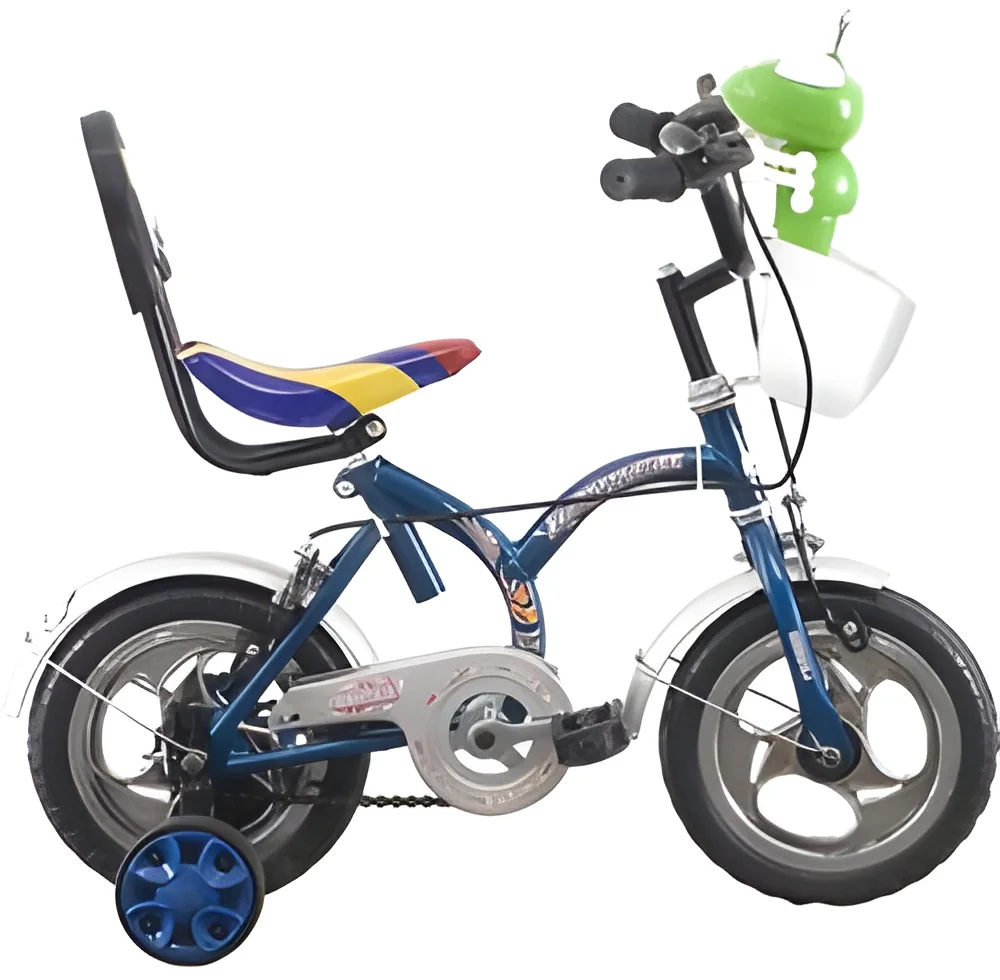
Folding bicycles are compact, portable bicycles designed to be easily folded and unfolded for storage and transportation. These bicycles feature a hinge mechanism that allows the frame to collapse into a smaller size, making them ideal for urban commuting, travel, and limited storage spaces. Their lightweight design often incorporates durable materials, making them both practical and efficient for everyday use.
Folding bicycles are primarily used in urban environments, where space is at a premium and the need for flexible transportation options is high. Businesses often utilize them for employee commuting solutions, ensuring staff can easily navigate cities without relying on public transport or parking. Additionally, they are popular among travel enthusiasts who wish to bring their bicycles on trips without the hassle of transporting full-sized bikes. The growth of cycling as a sustainable transport method has further increased the relevance of folding bicycles in today's market.
The folding bicycle industry has seen a rise in demand as more individuals and businesses recognize the benefits of compact transportation solutions. With advancements in technology and design, manufacturers are able to offer a variety of models that cater to different needs and preferences, further expanding their market appeal. This trend aligns with the global shift towards environmentally friendly modes of transport, positioning folding bicycles as a relevant player in the modern mobility landscape.
Key Features and Specifications
Folding bicycles come with a variety of features that enhance their usability and performance. Understanding these specifications is crucial for making informed purchasing decisions. Here are some key specifications to consider when evaluating folding bicycles:
1. Frame Material
- Common materials include aluminum, steel, and carbon fiber.
- Each material affects weight, durability, and cost.
2. Wheel Size
- Typical wheel sizes range from 16 to 20 inches.
- Smaller wheels provide better portability; larger wheels offer improved ride quality.
3. Folding Mechanism
- Various mechanisms exist, such as vertical, horizontal, or mid-frame hinges.
- Ease of folding and unfolding impacts overall user experience.
4. Weight Capacity
- Most folding bicycles support a weight range of 220 to 300 pounds.
- It's essential to choose a bike that meets the intended user's weight requirements.
5. Gearing System
- Options include single-speed and multi-speed systems.
- Multi-speed models offer versatility for different terrains.
6. Braking System
- Common systems include rim brakes and disc brakes.
- Disc brakes provide better stopping power in wet conditions.
7. Suspension Type
- Some models feature front suspension for added comfort.
- Full suspension options are available for more rugged use.
8. Folded Dimensions
- The size of the bicycle when folded varies by model.
- Compact dimensions enhance storage and transport convenience.
In summary, selecting the right folding bicycle involves understanding these features and specifications to ensure the product meets specific needs and preferences.
Common Applications and Use Cases
Folding bicycles are versatile and find applications across various industries and scenarios.
1. Urban Commuting: Many businesses provide folding bicycles to employees, enabling efficient travel within cities and reducing reliance on cars or public transportation.
2. Hospitality: Hotels and resorts often offer folding bicycles as part of their guest services, allowing visitors to explore the local area conveniently.
3. Delivery Services: Some courier companies utilize folding bicycles for quick local deliveries, capitalizing on their agility in crowded urban environments.
4. Education: Universities and colleges promote folding bicycles among students, encouraging sustainable transport options that are easy to store in dorms or shared spaces.
5. Tourism: Travel companies may include folding bicycles in their tour packages, giving tourists an adventurous way to explore destinations.
6. Health and Fitness: Gyms and training centers may offer folding bicycles for fitness classes or outdoor activities, catering to health-conscious individuals.
7. Government and Public Transport: Some cities promote folding bicycles as part of their public transport systems, providing an alternative for first and last-mile connectivity.
Product Variants and Subcategories
Folding bicycles come in various designs and configurations to suit different user needs.
Urban Folding Bicycle
This variant is designed for city commuting with a focus on lightweight construction and compact folding capabilities. It often features a minimalist design and is equipped with practical accessories like fenders and lights for daily use.
Mountain Folding Bicycle
Built for off-road conditions, this variant includes robust features such as wider tires and enhanced suspension systems. It's suitable for cyclists looking to explore rugged terrains while still having the convenience of a folding design.
Electric Folding Bicycle
This variant incorporates an electric motor to assist with pedaling, making it ideal for longer distances and hilly terrains. It offers added convenience for those who may find traditional folding bicycles physically demanding over extended rides.
Benefits and Advantages
Folding bicycles provide numerous advantages that appeal to both individual users and businesses.
1. Space-Saving: Their compact design allows for easy storage in small living spaces, vehicles, or office environments.
2. Portability: Folding bicycles can be easily transported, making them ideal for travel or commuting on public transport.
3. Eco-Friendly: Using a folding bicycle contributes to reduced carbon emissions and promotes sustainable transport solutions.
4. Cost-Effective: Folding bicycles eliminate the need for expensive parking fees and reduce overall commuting costs.
5. Health Benefits: Regular use encourages physical activity, leading to improved fitness and well-being.
6. Versatile Use: Their adaptability makes them suitable for various environments, from urban commuting to leisure activities.
Buying Guide for B2B Buyers
When sourcing folding bicycles for business purposes, it is essential to consider several key factors to ensure a successful purchase decision.
1. Quality Assessment: Evaluate the materials and construction quality of the bicycles. Look for durability and customer reviews to gauge overall satisfaction.
2. Supplier Verification: Research and verify the credibility of suppliers. Check their reputation, history, and customer feedback to ensure reliable sourcing.
3. Pricing and MOQ: Understand the pricing structure and minimum order quantities. This helps in budgeting and determining the feasibility of large-scale purchases.
4. Delivery and Lead Times: Inquire about the logistics involved in delivery. Assess lead times to ensure timely availability for your business needs.
5. Compliance Requirements: Ensure that the bicycles meet local regulations and industry standards. Familiarize yourself with any certifications or testing requirements relevant to your region.
Compliance and Certifications
Folding bicycles must adhere to certain quality standards and certifications to ensure safety and performance.
ISO 9001 is a widely recognized standard indicating that manufacturers implement effective quality management systems. Compliance with this standard assures businesses of consistent product quality.
CE certification is essential for products sold within the European market. It indicates that the bicycles meet health, safety, and environmental protection standards set by the EU.
Manufacturers are also encouraged to conduct thorough safety and performance testing on their folding bicycles. This includes assessing the durability of materials, braking efficiency, and overall ride quality.
Businesses should be aware of regional compliance considerations, as regulations may vary significantly across different markets. Ensuring adherence to local laws is critical for successful importation and sales.
Why Source Folding Bicycles from Pepagora?
Pepagora offers a reliable platform for sourcing folding bicycles, providing a range of advantages for B2B buyers.
Verified Supplier Network: The platform connects buyers with a network of verified suppliers, ensuring access to reputable manufacturers. This reduces risk and enhances trust in the sourcing process.
Streamlined RFQ Process: Pepagora features an efficient request for quotation (RFQ) system that simplifies the buying process. Buyers can easily compare prices and specifications, leading to informed purchasing decisions.
Trade Assurance and Support: Pepagora provides buyer protection through its trade assurance program. This ensures that transactions are secure and that buyers receive the products as promised.
Regional Coverage: With a strong presence in India, GCC, and Southeast Asia, Pepagora caters to a wide geographical area, making it convenient for businesses to source folding bicycles from various regions.
By leveraging these advantages, B2B buyers can confidently source high-quality folding bicycles tailored to their specific needs.

Frequently Asked Questions
What are Folding Bicycles?
Folding bicycles are compact bicycles designed to fold into a smaller size for easy storage and transport. They are particularly popular among urban commuters and travelers due to their convenience and versatility.
What are the different types of Folding Bicycles?
There are several types of folding bicycles, including compact fold, mid-fold, and vertical fold designs. Each type varies in how the frame and wheels are folded, affecting portability and ride quality.
How do I choose the right Folding Bicycles?
When selecting a folding bicycle, consider factors such as your height, weight capacity, intended use, and foldability. It's also important to test ride different models to assess comfort and performance.
What are the standard specifications for Folding Bicycles?
Standard specifications for folding bicycles typically include wheel size, frame material, weight, and gear options. Most folding bicycles have wheel sizes ranging from 16 to 20 inches, with aluminum or steel frames.
What is the price range for Folding Bicycles?
The price range for folding bicycles can vary widely, typically from INR 10,000 to INR 50,000 or more, depending on the brand, features, and quality. Higher-end models with advanced features may command a premium price.
What quality standards apply to Folding Bicycles?
Folding bicycles should comply with safety and quality standards such as ISO (International Organization for Standardization) and CEN (European Committee for Standardization) regulations. These standards ensure durability, safety, and performance.
Where can I find Folding Bicycles suppliers in India?
You can find folding bicycles suppliers in India through online B2B marketplaces like Pepagora.com, trade fairs, and local bicycle shops. It's advisable to compare multiple suppliers to find the best options.
Can Folding Bicycles be customized?
Yes, many manufacturers offer customization options for folding bicycles, including color, frame design, and additional features. Customization is often available for bulk orders.
What is the typical minimum order quantity for Folding Bicycles?
The typical minimum order quantity (MOQ) for folding bicycles can vary by supplier, but it generally ranges from 10 to 50 units. It's essential to check with individual suppliers for their specific MOQs.
What is the typical lead time for Folding Bicycles?
The typical lead time for folding bicycles can range from 15 to 45 days, depending on the supplier and order size. Custom orders may require additional time for production and assembly.
Why Businesses Trust Pepagora
Thousands of companies trust Pepagora to source smarter and sell faster
Expand Your Sales Globally

Source Smarter,Grow Faster
