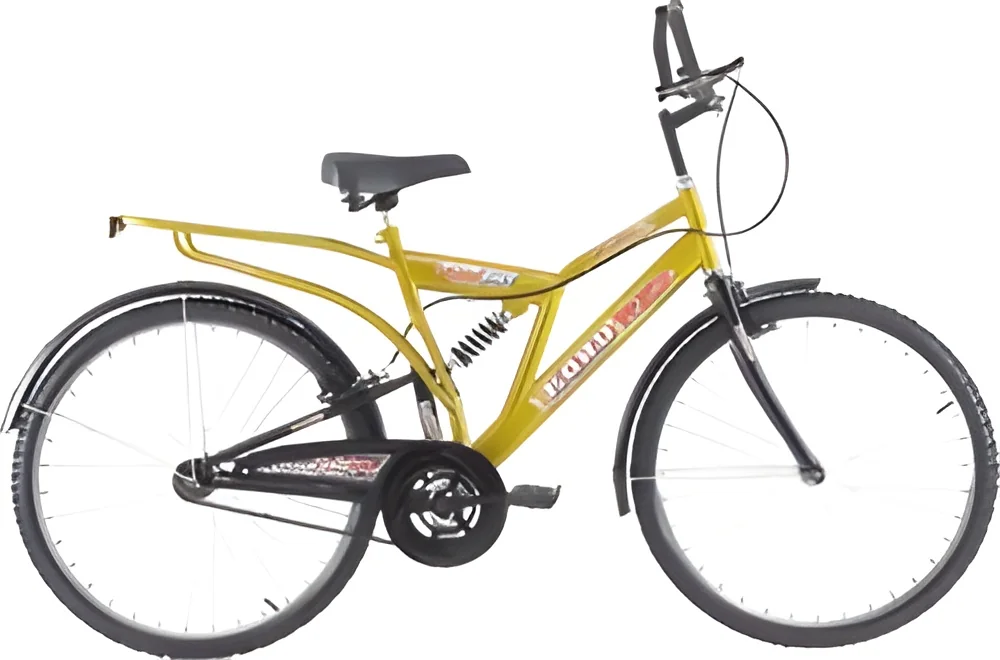
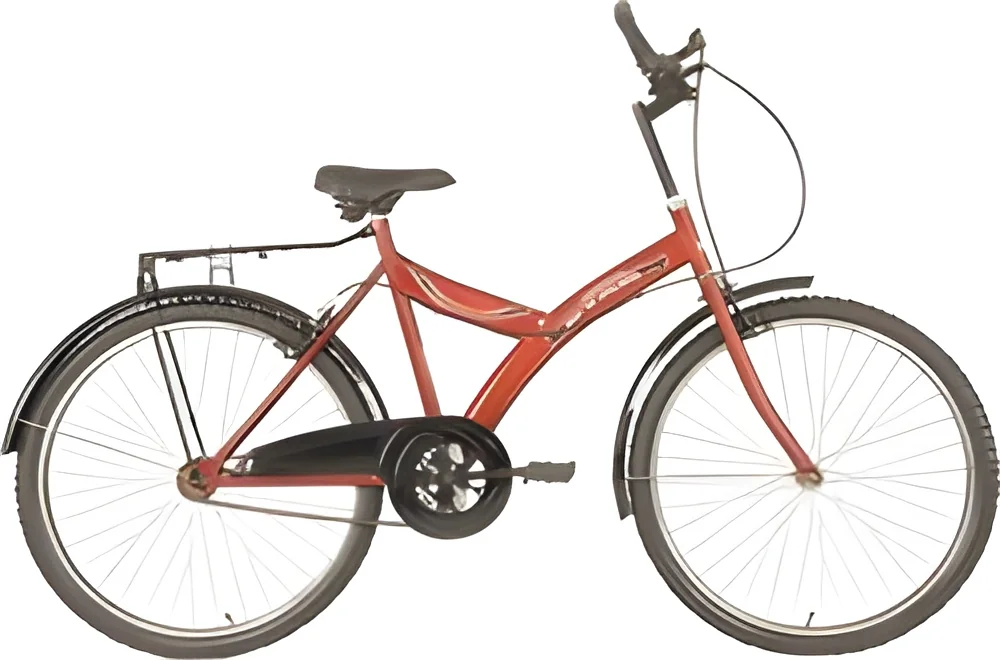
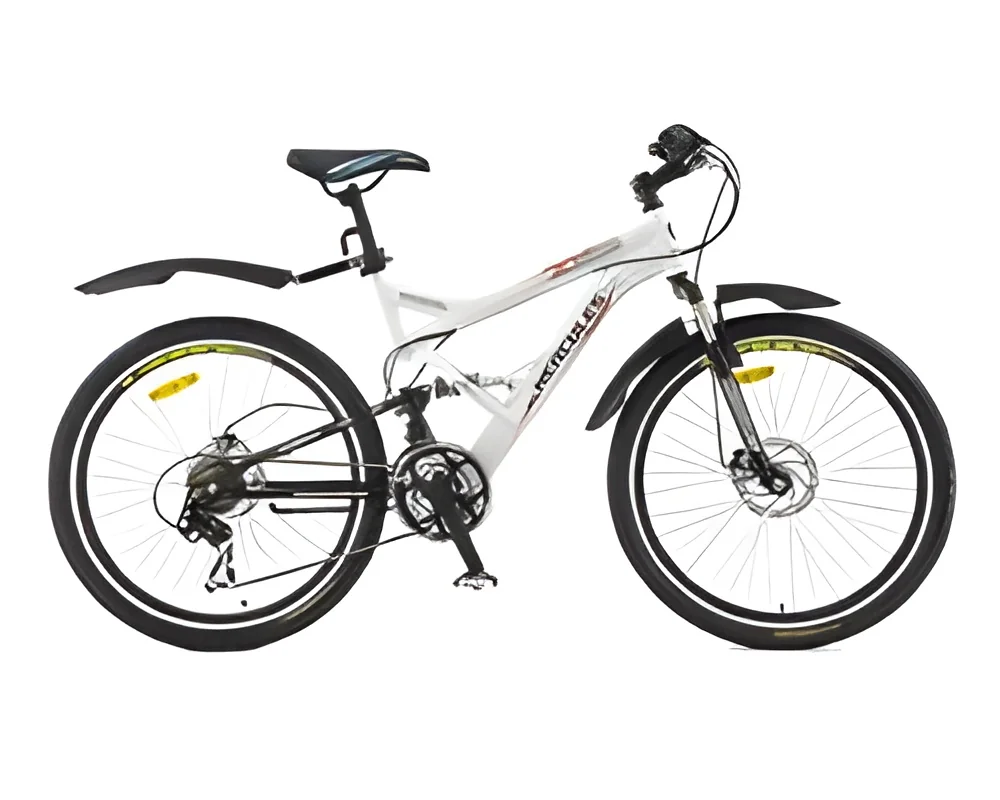
What are Bicycle Frames & Forks?
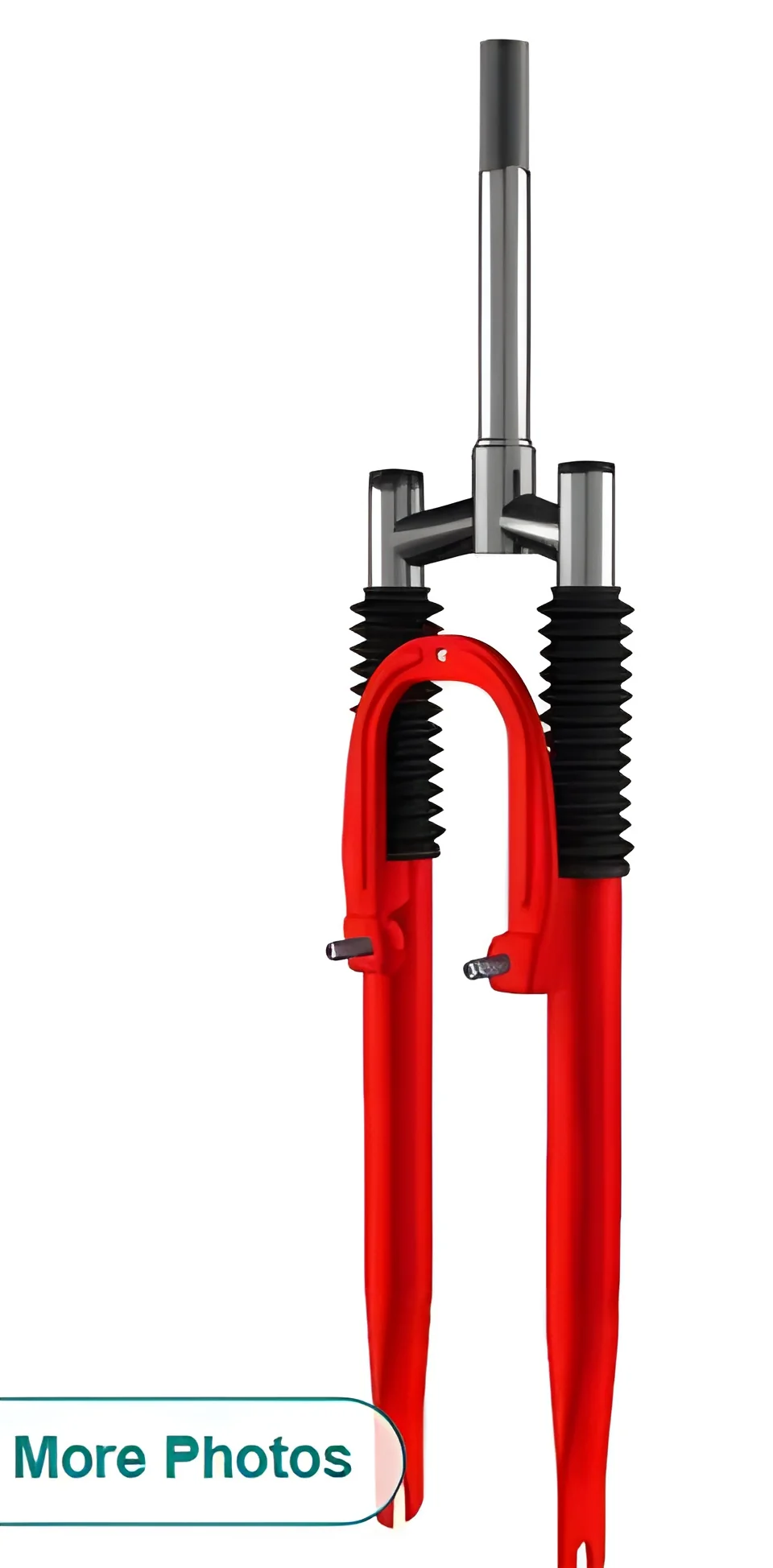
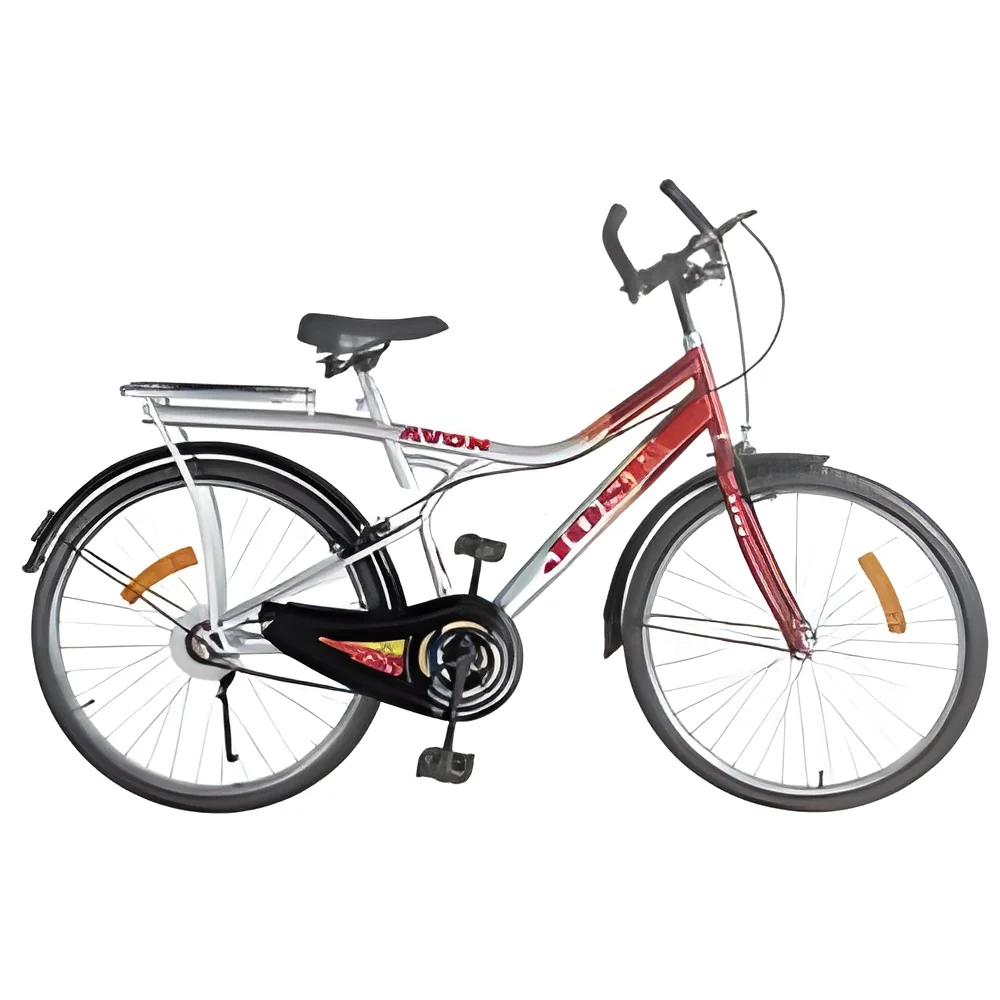
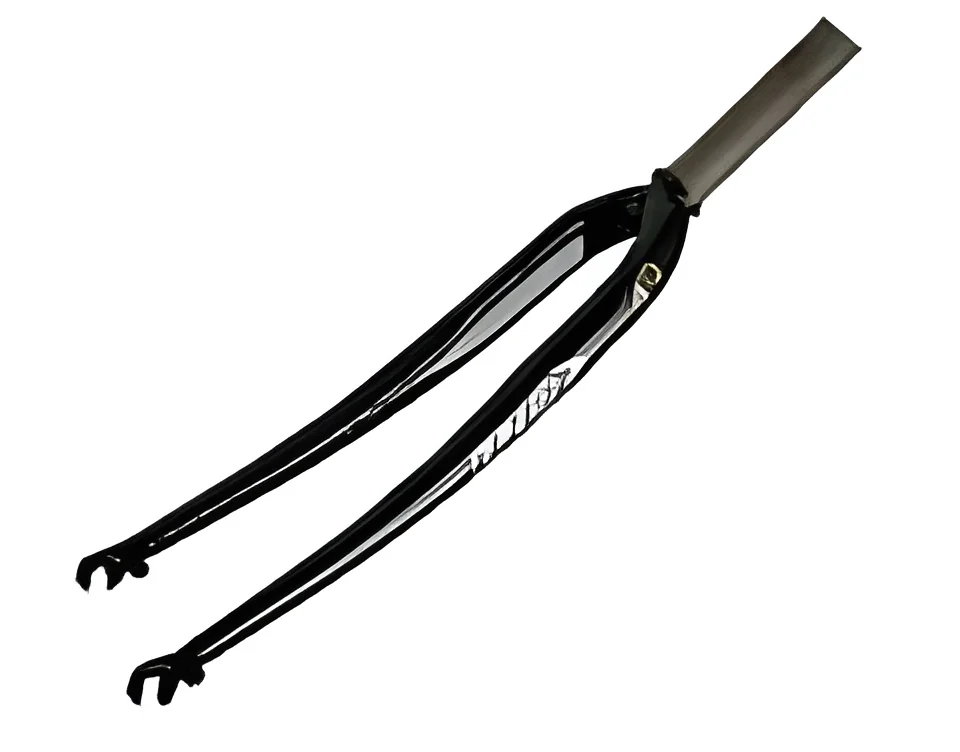
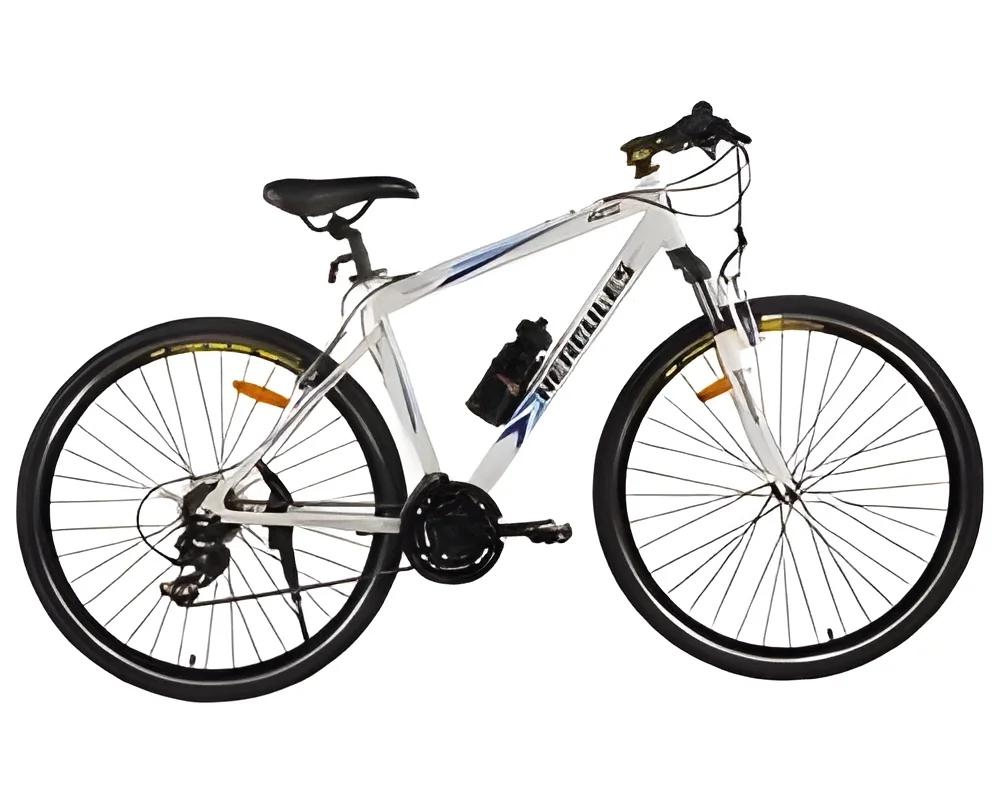
Bicycle frames and forks are critical components of bicycles that provide structure and support. The frame is the primary structure of the bicycle, connecting various parts like the wheels, handlebars, and pedals. The fork, which holds the front wheel, is attached to the frame and allows for steering. Together, these components determine the bicycle's geometry, handling, and overall performance.
These products are essential in various business applications, including manufacturing, assembly, and customization of bicycles. Bicycle manufacturers rely on high-quality frames and forks to create reliable and durable bicycles for consumers. Additionally, businesses involved in the repair and maintenance of bicycles often source these components to enhance the performance of existing bikes. The market for bicycle frames and forks has been growing, driven by increasing demand for cycling as a sport and mode of transportation, particularly in urban areas.
Key Features and Specifications
Bicycle frames and forks come with a range of features and specifications that are crucial for performance and durability. Understanding these specifications helps businesses make informed purchasing decisions.
Key specifications include:
1. Material
- Common materials include aluminum, carbon fiber, steel, and titanium.
- Each material offers different weight, strength, and cost considerations.
2. Frame Size
- Frame sizes are typically measured in centimeters or inches.
- Custom sizing options may be available for specialized needs.
3. Weight Capacity
- The weight capacity of the frame is crucial for safety and performance.
- Specifications often include maximum load limits.
4. Geometry
- Geometry refers to the design dimensions that affect handling and comfort.
- Common geometries include road, mountain, and hybrid designs.
5. Fork Type
- Fork types can be rigid, suspension, or a combination.
- Each type serves different riding styles and conditions.
6. Compatibility
- Compatibility with components like brakes, wheels, and drivetrains is essential.
- Ensures seamless assembly and performance.
7. Finish
- Frames and forks may come with various finishes, such as powder coating or anodizing.
- Affects durability, aesthetics, and corrosion resistance.
8. Certification
- CE certification ensures compliance with safety and quality standards.
- Important for market acceptance and regulatory compliance.
Understanding these specifications allows businesses to select the right bicycle frames and forks to meet their operational needs and customer preferences.
Common Applications and Use Cases
Bicycle frames and forks are utilized in various industries including:
1. Bicycle Manufacturing: Companies produce complete bicycles by sourcing frames and forks, ensuring quality and performance standards are met.
2. Repair Shops: Bicycle repair and maintenance businesses use frames and forks to replace damaged components, enhancing the longevity of bicycles.
3. Custom Bicycle Builders: Enthusiasts and companies specializing in custom bicycles rely on high-quality frames and forks to create unique, tailored products.
4. Sporting Goods Retailers: Retailers often stock bicycle frames and forks as separate components for customers who prefer to build or upgrade their bicycles.
5. Rental Services: Bicycle rental companies invest in durable frames and forks to ensure their fleets can withstand frequent use and varied conditions.
6. Educational Institutions: Schools and universities with cycling programs may incorporate frames and forks in their training and education programs, teaching students about bicycle mechanics and design.
7. Eco-Friendly Initiatives: Organizations promoting cycling as a sustainable mode of transport utilize frames and forks in their campaigns, highlighting the benefits of cycling over motor vehicles.
Product Variants and Subcategories
Bicycle frames and forks come in a variety of options to cater to different needs and preferences. The diversity in products allows businesses to find specific solutions for their target market.
Aluminum Frames
Aluminum frames are lightweight and offer a good balance of strength and cost. They are commonly used in road bikes and mountain bikes, providing durability for various terrains.
Carbon Fiber Forks
Carbon fiber forks are designed for performance-oriented bicycles. They are known for their lightweight and ability to absorb road vibrations, making them ideal for competitive cyclists.
Steel Frames
Steel frames are favored for their strength and repairability. They are often used in touring and commuter bicycles, offering a classic feel and reliability.
Titanium Frames
Titanium frames provide an excellent strength-to-weight ratio and are highly resistant to corrosion. They are often sought after by high-end bicycle manufacturers for their premium offerings.
Benefits and Advantages
Choosing the right bicycle frames and forks offers numerous advantages for businesses and consumers alike.
Key benefits include:
1. Enhanced Performance: High-quality frames and forks improve bicycle handling, stability, and overall ride experience.
2. Customization Options: Businesses can select from various materials and designs to meet specific customer preferences and market demands.
3. Durability: Investing in reliable frames and forks minimizes replacement frequency, ensuring long-term value.
4. Weight Reduction: Lightweight materials contribute to better performance, especially in competitive cycling scenarios.
5. Safety Assurance: Certified frames and forks adhere to safety standards, providing peace of mind for manufacturers and end-users.
6. Versatility: A wide range of options allows businesses to cater to different cycling styles, from casual riding to professional racing.
Buying Guide for B2B Buyers
When sourcing bicycle frames and forks, businesses should consider several key factors to ensure they select the right products.
1. Quality Assessment: Evaluate the materials and construction methods used in the frames and forks. High-quality components ensure durability and performance.
2. Supplier Verification: Research and verify suppliers to ensure they have a good reputation and can provide reliable products.
3. Pricing and MOQ: Understand the pricing structures and minimum order quantities. This helps in budgeting and planning inventory.
4. Delivery and Lead Times: Consider the logistics involved in sourcing frames and forks. Reliable delivery times are essential for maintaining production schedules.
5. Compliance Requirements: Ensure that the frames and forks meet any applicable industry standards and regulations, particularly for safety and quality.
Compliance and Certifications
Bicycle frames and forks must adhere to various compliance and certification standards to ensure safety and quality. Key relevant standards include ISO 9001, which focuses on quality management systems, and CE marking, which indicates conformity with health, safety, and environmental protection standards.
Manufacturers are often required to conduct safety testing to assess the performance and durability of their products. This includes testing for structural integrity and resistance to various conditions.
Regional compliance considerations may vary, so businesses should be aware of local regulations that may affect the sale and use of bicycle frames and forks in different markets. Staying informed about these requirements helps ensure smooth operations and market acceptance.
Why Source Bicycle Frames & Forks from Pepagora?
Pepagora provides a trusted platform for sourcing bicycle frames and forks, offering several key advantages for B2B buyers.
Verified Supplier Network: Pepagora features a network of verified suppliers, ensuring that buyers can source high-quality frames and forks from reputable manufacturers.
Streamlined RFQ Process: The request for quotation (RFQ) process is designed to be straightforward, allowing businesses to easily compare options and make informed decisions.
Trade Assurance and Support: Buyers benefit from trade assurance programs that protect their orders and investments, providing confidence in their purchases.
Regional Coverage: With a strong presence in India, the GCC, and Southeast Asia, Pepagora offers extensive geographic reach, making it easier for businesses to find the right products in their regions.
By choosing Pepagora, businesses can enhance their sourcing experience and access a wide array of bicycle frames and forks tailored to their specific needs.

 IN
IN