What are Bicycles (Road, Mountain, Hybrid, Electric)?
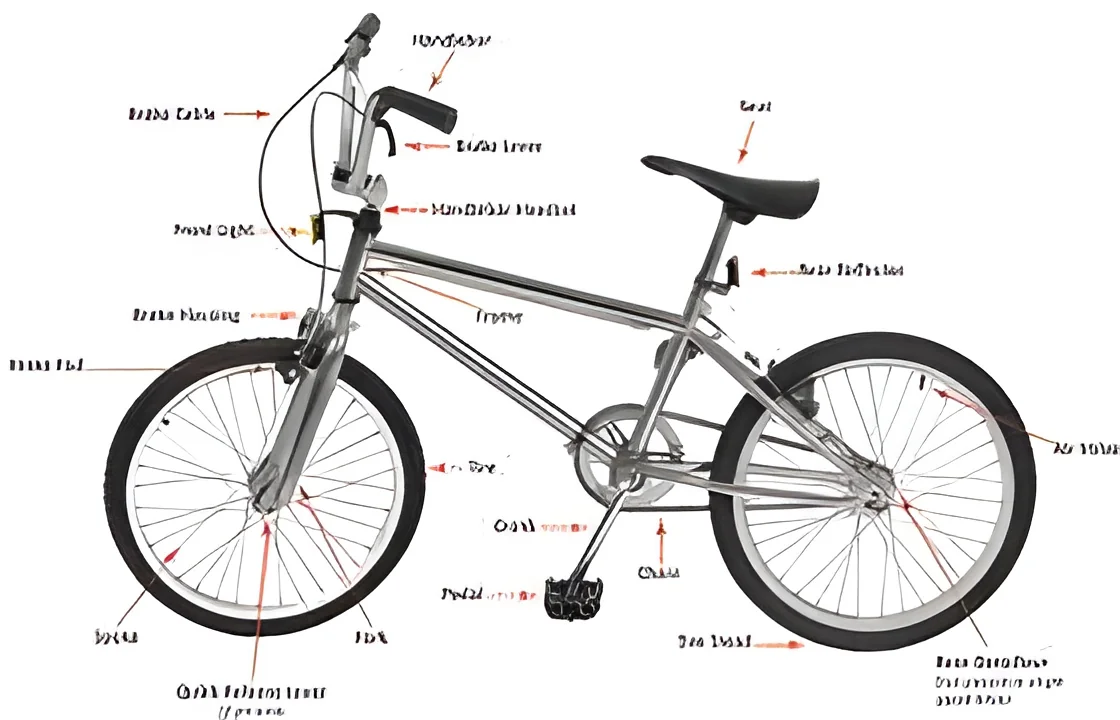
Bicycles are two-wheeled vehicles powered by human pedaling, designed for various terrains and uses. They come in different types, including road, mountain, hybrid, and electric bicycles, each tailored to specific riding conditions and user preferences. Road bikes are typically lightweight and optimized for speed on paved surfaces, while mountain bikes are built for rugged terrains with features that enhance durability and stability. Hybrid bikes combine elements of both road and mountain bikes to offer versatility, and electric bicycles incorporate a battery-powered motor to assist with pedaling.
These bicycles are utilized in several business contexts, from transportation and logistics to recreational activities. They serve as an eco-friendly mode of transport in urban settings and are increasingly popular for delivery services due to their agility. Furthermore, they cater to the growing demand for sustainable commuting options and recreational riding, making them relevant in today's market. The bicycle industry continues to evolve, driven by innovation in design and technology, reflecting a broader shift towards sustainable transportation solutions.
𝗞𝗲𝘆 𝗙𝗲𝗮𝘁𝘂𝗿𝗲𝘀 𝗮𝗻𝗱 𝗦𝗽𝗲𝗰𝗶𝗳𝗶𝗰𝗮𝘁𝗶𝗼𝗻𝘀
Bicycles feature a range of specifications that cater to different riding styles and conditions. Understanding these specifications can help buyers select the right type of bicycle for their needs.
Key specifications include:
1. Frame Material
- Common materials include aluminum, carbon fiber, and steel.
- Each material affects weight, durability, and ride quality.
2. Wheel Size
- Common sizes for road bikes are 700c, while mountain bikes often use 26”, 27.5”, or 29”.
- Wheel size impacts handling and comfort.
3. Gear System
- Options range from single-speed to multi-speed systems.
- Gear systems affect versatility and performance on varied terrains.
4. Brake Type
- Available options include rim brakes and disc brakes.
- Brake types impact stopping power and maintenance needs.
5. Suspension System
- Mountain bikes typically feature front, full, or no suspension.
- Suspension systems enhance comfort and control on rough terrain.
6. Weight Capacity
- Varies by bicycle type and design.
- Important for ensuring the bike meets user needs.
7. Electric Motor Power (for Electric Bicycles)
- Common power ratings include 250W, 500W, or higher.
- Motor power influences speed and range.
8. Battery Type and Range (for Electric Bicycles)
- Lithium-ion batteries are standard, with ranges typically from 20 to 100 miles.
- Battery specifications determine usability and charging needs.
In summary, understanding these specifications allows businesses to make informed decisions when selecting bicycles tailored to their specific applications.
𝗖𝗼𝗺𝗺𝗼𝗻 𝗔𝗽𝗽𝗹𝗶𝗰𝗮𝘁𝗶𝗼𝗻𝘀 𝗮𝗻𝗱 𝗨𝘀𝗲 𝗖𝗮𝘀𝗲𝘀
Bicycles serve numerous industries and applications, making them versatile tools in various contexts.
1. Transportation: Bicycles are widely used for commuting in urban areas, providing an efficient and eco-friendly alternative to cars.
2. Delivery Services: Many companies utilize bicycles for last-mile delivery solutions, capitalizing on their ability to navigate congested areas quickly.
3. Fitness and Recreation: Gyms and fitness centers often promote cycling as a part of health and wellness programs, while recreational riders enjoy cycling in parks and trails.
4. Tourism: Bicycle rentals are a popular option for tourists looking to explore cities and scenic routes at their own pace.
5. Education: Schools and universities may incorporate bicycles into their transportation programs, encouraging students to cycle as a healthy commuting option.
6. Emergency Services: Some emergency responders use bicycles for rapid access in high-density areas where vehicles may struggle.
7. Environmental Initiatives: Many organizations promote cycling as part of sustainability efforts, encouraging a shift towards greener transportation.
𝗣𝗿𝗼𝗱𝘂𝗰𝘁 𝗩𝗮𝗿𝗶𝗮𝗻𝘁𝘀 𝗮𝗻𝗱 𝗦𝘂𝗯𝗰𝗮𝘁𝗲𝗴𝗼𝗿𝗶𝗲𝘀
Bicycles come in various forms, each designed to meet distinct needs and preferences.
Road Bicycles
Road bicycles are designed for speed on paved roads, featuring lightweight frames and narrow tires. They are ideal for racing and long-distance rides, providing efficient performance on smooth surfaces.
Mountain Bicycles
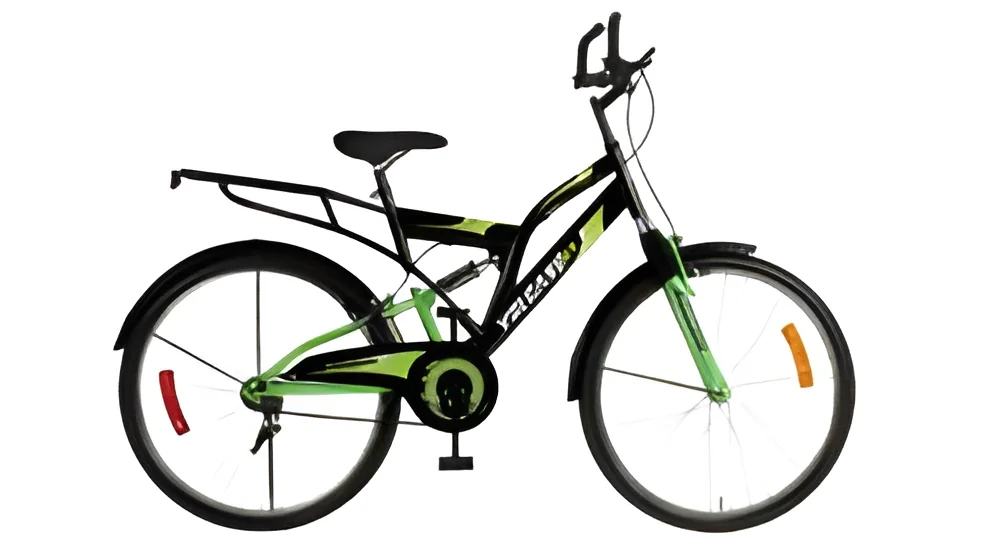
Mountain bicycles are built to navigate rough terrains. They feature robust frames, wider tires, and advanced suspension systems to absorb shocks and provide better control on uneven surfaces.
Hybrid Bicycles
Hybrid bicycles combine the features of road and mountain bikes, offering versatility for both on-road and off-road riding. They are suitable for casual riders who want comfort and practicality.
Electric Bicycles
Electric bicycles incorporate a motor to assist with pedaling, making them a popular choice for commuters and recreational riders. They provide an easier riding experience, especially over long distances or hilly terrain.
𝗕𝗲𝗻𝗲𝗳𝗶𝘁𝘀 𝗮𝗻𝗱 𝗔𝗱𝘃𝗮𝗻𝘁𝗮𝗴𝗲𝘀
Bicycles offer numerous advantages for businesses and individuals alike.
1. Cost-Effective: Bicycles are typically less expensive to purchase and maintain compared to motor vehicles, resulting in lower operational costs.
2. Eco-Friendly: Cycling reduces carbon emissions, making it a sustainable choice for transportation and delivery.
3. Health Benefits: Regular cycling promotes physical fitness, contributing to overall health and well-being.
4. Flexibility: Bicycles can navigate congested areas more easily than cars, providing greater access and convenience.
5. Low Maintenance: Bicycles generally require less maintenance than motor vehicles, reducing downtime and repair costs.
6. Increased Productivity: For delivery services, bicycles can enhance delivery speed and efficiency, improving overall service levels.
𝗕𝘂𝘆𝗶𝗻𝗴 𝗚𝘂𝗶𝗱𝗲 𝗳𝗼𝗿 𝗕𝟮𝗕 𝗕𝘂𝘆𝗲𝗿𝘀
When sourcing Bicycles (Road, Mountain, Hybrid, Electric), several factors should be considered to ensure the right choice.
1. Quality Assessment: Evaluate the materials and construction quality of bicycles to ensure durability and reliability.
2. Supplier Verification: Vet potential suppliers by checking their reputation, certifications, and previous customer reviews to ensure you are partnering with a reliable source.
3. Pricing and MOQ: Understand the pricing structure and minimum order quantities required by suppliers to align with your budget and needs.
4. Delivery and Lead Times: Confirm the expected delivery timelines and logistics capabilities of suppliers to ensure timely availability of products.
5. Compliance Requirements: Ensure that the bicycles meet any relevant industry standards or regulations, which may vary by region.
𝗖𝗼𝗺𝗽𝗹𝗶𝗮𝗻𝗰𝗲 𝗮𝗻𝗱 𝗖𝗲𝗿𝘁𝗶𝗳𝗶𝗰𝗮𝘁𝗶𝗼𝗻𝘀
Bicycles must adhere to various quality standards and certifications to ensure safety and performance. Compliance with standards such as ISO 9001 ensures that manufacturers maintain high quality in their production processes. Additionally, CE certification is often required for bicycles sold in Europe, indicating that they meet safety and environmental requirements.
Safety and testing requirements include structural integrity tests and performance evaluations, which are essential for ensuring that bicycles can withstand typical usage conditions. Regional compliance considerations may also apply, depending on market-specific regulations for bicycles and their components.
Why Source Bicycles (Road, Mountain, Hybrid, Electric) from Pepagora?
Pepagora offers a trusted platform for sourcing Bicycles (Road, Mountain, Hybrid, Electric), providing several key advantages for B2B buyers.
Verified Supplier Network: Pepagora connects buyers with a network of verified suppliers, ensuring that businesses can find reliable sources for high-quality bicycles.
Streamlined RFQ Process: The platform facilitates a straightforward request for quotation process, making it easy for buyers to obtain competitive pricing and detailed product information.
Trade Assurance and Support: Buyers benefit from trade assurance services that protect their purchases, providing peace of mind throughout the sourcing process.
Regional Coverage: Pepagora has a vast reach across India, the GCC, and Southeast Asia, allowing businesses to source bicycles effectively from various regions.

 IN
IN