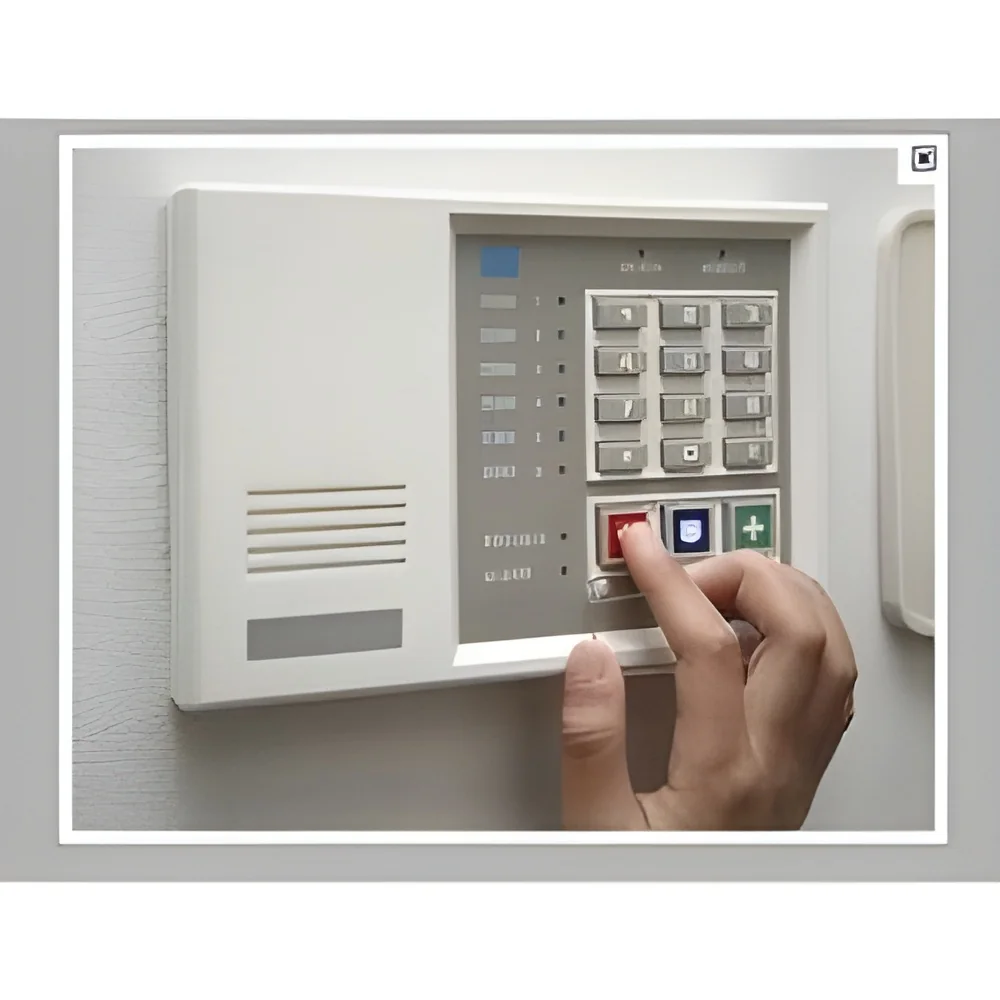
What are Keypad Access Systems?
Keypad Access Systems are electronic devices that control entry to secure areas through the input of a numeric code. These systems replace traditional keys and lock mechanisms, offering a more secure and convenient method of access management. Users enter a predetermined code on a keypad, and upon successful input, the system grants access. This technology is widely used in commercial and industrial settings to enhance security and streamline entry processes.
These systems find primary applications in various business environments where security is paramount. They are commonly used in offices, warehouses, schools, and healthcare facilities. By offering a secure means of access, businesses can protect sensitive areas from unauthorized personnel while maintaining a smooth flow of authorized traffic. The growing need for enhanced security solutions has positioned Keypad Access Systems as a critical component in modern security infrastructure.
With the increasing focus on security in various industries, Keypad Access Systems are becoming more relevant. The market for these systems is expanding due to the rise in security concerns, alongside technological advancements that improve functionality and integration with other security systems. Companies are seeking adaptable and robust solutions that can be tailored to specific security needs, contributing to the growth of this market segment.
Key Features and Specifications
Keypad Access Systems come equipped with several features and specifications that enhance their functionality and reliability. Understanding these key aspects can help businesses choose the right system for their needs.
Key specifications include:
1. Security Codes
- Systems typically allow for multiple user codes, enabling personalized access for different individuals.
- Codes can often be easily changed or deleted as needed.
2. User Capacity
- Many systems can support a varying number of users, ranging from a few to hundreds, depending on the model.
- This feature makes them suitable for both small businesses and larger enterprises.
3. Power Supply
- Keypad Access Systems usually operate on battery power or can be hardwired to an electrical source.
- Battery life can vary, with some systems offering low-battery alerts.
4. Environmental Resistance
- Many keypads are designed to withstand harsh environmental conditions, including dust and moisture.
- This feature ensures durability and longevity in outdoor or industrial settings.
5. Integration Capabilities
- Systems can often be integrated with existing security solutions, such as alarms and surveillance cameras.
- This integration enhances overall security management.
6. Size and Design
- Keypads come in various sizes and designs to fit different applications and aesthetic preferences.
- Compact designs are available for limited spaces, while larger models may offer additional features.
7. Programming Options
- Users can typically program the systems through user-friendly interfaces, making setup and changes straightforward.
- Advanced models may offer remote programming capabilities.
8. Certification
- Many Keypad Access Systems are CE certified, ensuring compliance with European safety standards.
In summary, Keypad Access Systems are characterized by their versatility, security features, and ease of use, making them a valuable investment for businesses aiming to enhance their security protocols.
Common Applications and Use Cases
Keypad Access Systems are utilized across various industries for effective security management.
1. Commercial Offices: These systems are commonly installed in office buildings to control access to sensitive areas, such as server rooms or executive suites. They help restrict entry to authorized personnel only.
2. Warehouses and Distribution Centers: Keypad Access Systems provide secure access to storage areas, ensuring that only employees can enter. This enhances inventory security and reduces theft.
3. Educational Institutions: Schools and universities use these systems to manage access to different facilities, including laboratories and administrative offices, promoting safety on campus.
4. Healthcare Facilities: Hospitals and clinics employ Keypad Access Systems to protect restricted areas, such as pharmacies and patient data rooms, ensuring compliance with privacy regulations.
5. Residential Complexes: In gated communities, these systems provide residents with secure access while controlling entry for visitors, enhancing safety within the neighborhood.
6. Government Buildings: Public sector facilities utilize Keypad Access Systems to maintain security in sensitive areas, ensuring only authorized personnel can access crucial information.
7. Fitness Centers: Gyms often use these systems to manage member access, allowing only paying members to enter the premises while tracking attendance.
Product Variants and Subcategories
Keypad Access Systems come in various forms to cater to different needs and environments.
Standalone Keypad Access Systems: These are independent units that can be installed at entry points without the need for a central control panel. They are easy to install and ideal for smaller applications.
Networked Keypad Access Systems: These systems connect to a central network, allowing for centralized management of multiple access points. They offer enhanced features, such as remote monitoring and control.
Wireless Keypad Systems: Utilizing wireless technology, these systems eliminate the need for extensive wiring, making installation simpler and more cost-effective. They are particularly useful in retrofitting older buildings.
Biometric Keypad Systems: Combining keypad access with biometric authentication, these systems enhance security by requiring users to provide a fingerprint or facial recognition in addition to the code.
Benefits and Advantages
Investing in Keypad Access Systems provides numerous benefits for businesses.
1. Enhanced Security: These systems significantly reduce unauthorized access, providing a more secure environment for sensitive areas.
2. Cost-Effective: Keypad systems eliminate the need for traditional key management, reducing costs associated with lost keys and rekeying.
3. Flexibility: These systems allow for easy modification of user codes, enabling businesses to adapt access as staff changes occur.
4. Audit Trails: Many systems offer logging capabilities, allowing businesses to track who accessed specific areas and when, aiding in compliance and security audits.
5. User-Friendly: Keypad systems are generally easy to use, requiring minimal training for staff to operate effectively.
6. Customizable Solutions: Businesses can choose from various models and features to find the best fit for their specific security needs.
Buying Guide for B2B Buyers
When sourcing Keypad Access Systems, there are several critical factors to consider.
1. Quality Assessment: Evaluate the quality of materials and construction to ensure durability and reliability. Look for systems that meet industry standards and have positive user reviews.
2. Supplier Verification: Vet potential suppliers by checking their credentials, certifications, and customer feedback. A reliable supplier will provide support and warranty for their products.
3. Pricing and MOQ: Consider the overall cost, including installation, maintenance, and any recurring fees. Minimum order quantities may vary, so clarify this with suppliers before purchasing.
4. Delivery and Lead Times: Discuss logistics and expected delivery times to ensure the system can be installed within your project timeline.
5. Compliance Requirements: Ensure the systems meet relevant industry standards and regulations, such as safety certifications and environmental compliance.
Compliance and Certifications
Compliance and certifications are crucial for ensuring that Keypad Access Systems meet industry standards.
Keypad Access Systems often adhere to quality standards such as ISO 9001, which focuses on effective quality management systems. This certification demonstrates a commitment to consistent quality and customer satisfaction.
Many systems are CE certified, indicating compliance with European safety, health, and environmental protection standards. This certification assures buyers that the product has been thoroughly tested and meets essential safety requirements.
Safety and testing requirements are essential, as they ensure the systems will function reliably under various conditions. Manufacturers should provide documentation of testing procedures and results.
Regional compliance considerations may vary, so it is important for businesses to verify that the systems meet local regulations and standards applicable in their specific region or industry.
Why Source Keypad Access Systems from Pepagora?
Pepagora offers a trusted platform for sourcing Keypad Access Systems, providing several key advantages for B2B buyers.
Verified Supplier Network: Pepagora connects buyers with a network of verified suppliers, ensuring that you source products from reputable manufacturers. This verification process increases buyer confidence and helps mitigate risks associated with purchasing.
Streamlined RFQ Process: The platform simplifies the request for quotation process, allowing buyers to easily compare prices and specifications from multiple suppliers. This efficiency can save time and help businesses make informed purchasing decisions.
Trade Assurance and Support: Pepagora provides trade assurance to protect buyers from potential issues, ensuring that transactions are secure. Additionally, the platform offers support to address any questions or concerns during the purchasing process.
Regional Coverage: With a strong presence in India, the GCC, and Southeast Asia, Pepagora serves a diverse range of customers. This geographic reach enables businesses to access local suppliers and solutions that fit their specific needs and requirements.

 IN
IN

 India
India