What are Kaftans?
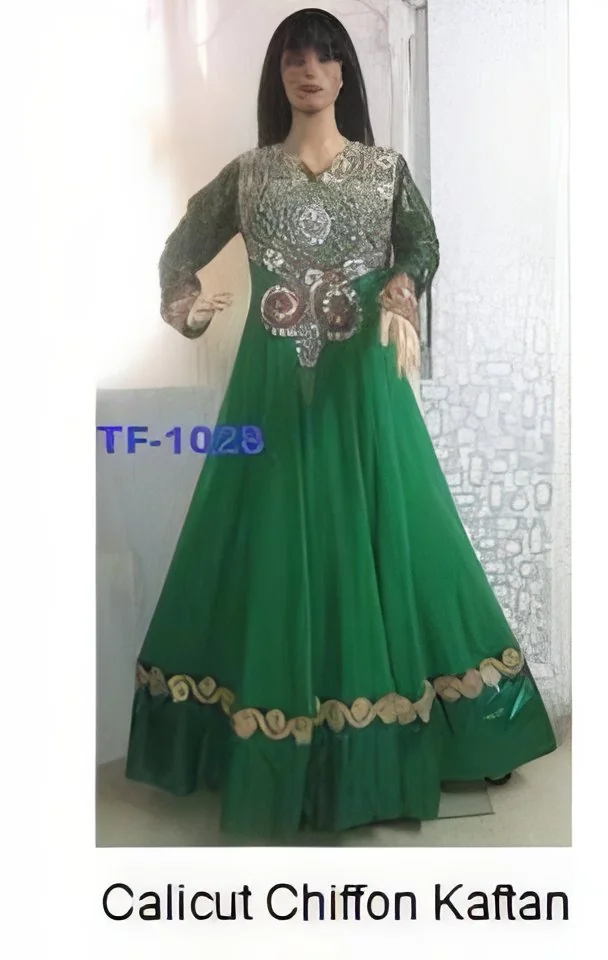
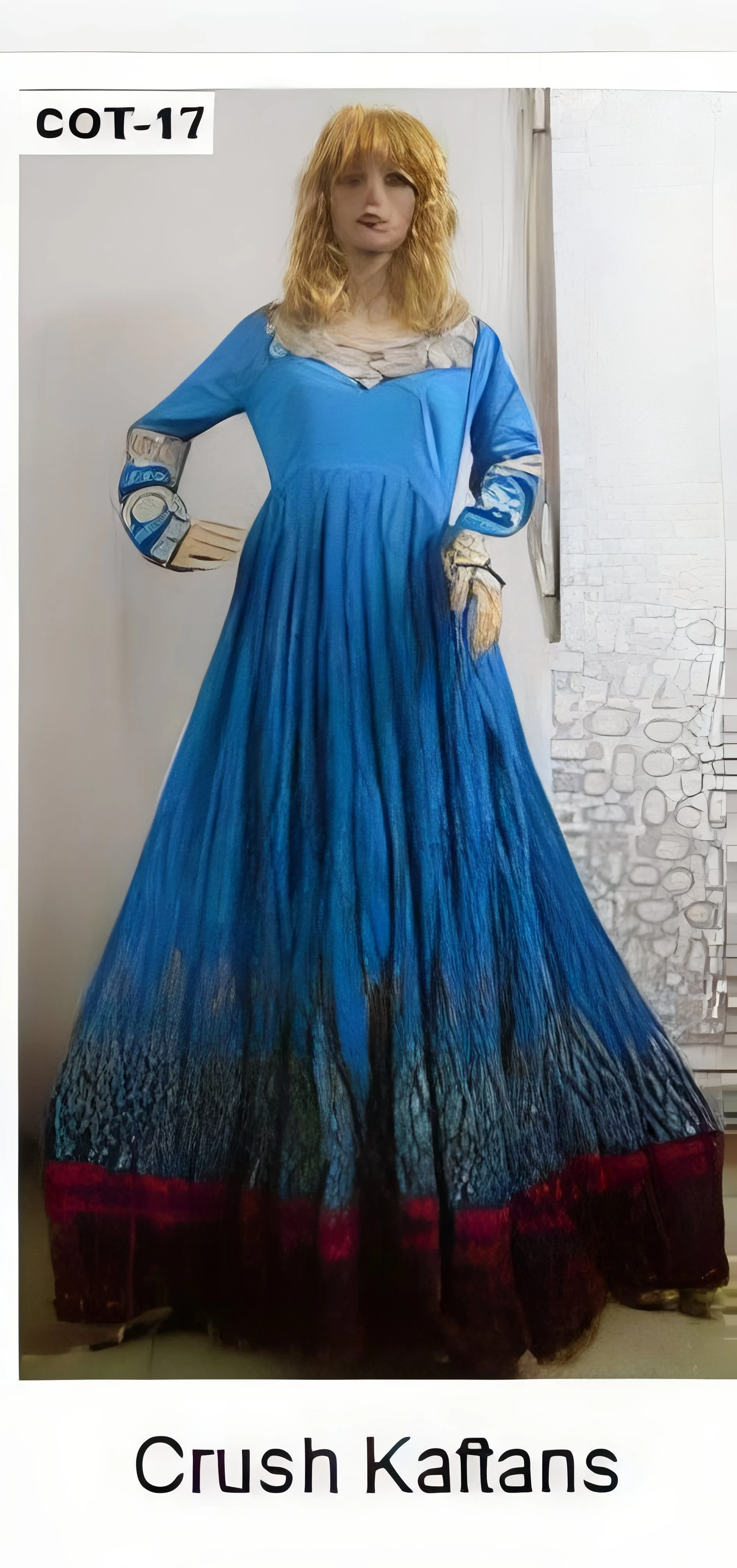
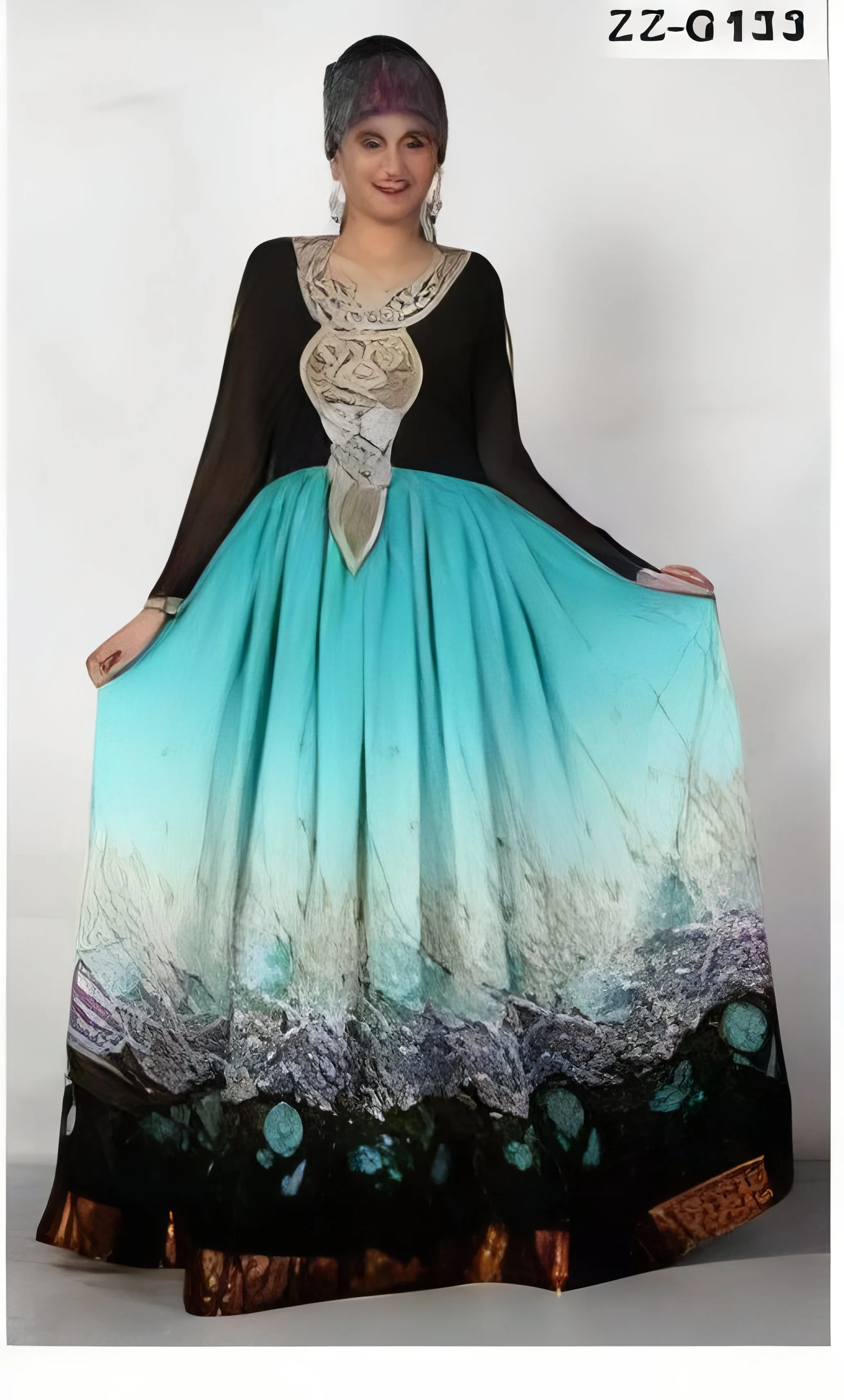
Kaftans are versatile garments that originate from Middle Eastern and North African cultures. Traditionally characterized by their loose-fitting design and rich fabrics, they are often worn by both men and women. Kaftans can vary widely in style, color, and material, making them suitable for a range of occasions from casual to formal settings.
In a business context, kaftans are commonly used in the fashion industry, particularly in textile manufacturing and retail. They are popular in resorts and beachwear collections, appealing to consumers seeking comfort and style. Additionally, kaftans are increasingly being adopted in global fashion markets due to their adaptability and cultural significance.
As the market for kaftans continues to grow, they represent a significant segment in the apparel industry. With increasing demand for both traditional and modern designs, businesses can tap into various consumer preferences, further enhancing the relevance of kaftans in contemporary fashion.
Key Features and Specifications
Kaftans are designed with a range of features that cater to both comfort and aesthetic appeal. Their specifications can vary based on the intended market and demographic, but several key aspects are commonly highlighted.
Key specifications include:
1. Fabric Type
- Kaftans can be made from various materials including cotton, silk, and synthetic blends.
- The choice of fabric often affects breathability, drape, and comfort.
2. Size Range
- Available in multiple sizes to accommodate different body types.
- Commonly offered in sizes from small to plus sizes.
3. Design Variations
- Kaftans come in numerous styles, including long, short, printed, and embroidered options.
- Custom designs may be offered based on consumer needs.
4. Color Options
- A wide spectrum of colors is available, from vibrant hues to muted tones.
- Seasonal collections often influence color availability.
5. Care Instructions
- Many kaftans are machine washable, but specific care may be required for delicate fabrics.
- Hang drying is often recommended to maintain shape and quality.
6. Decorative Elements
- Embellishments such as beads, sequins, and embroidery enhance visual appeal.
- These features can vary significantly based on cultural influences.
7. Versatility
- Kaftans can be styled for various occasions, making them suitable for both casual and formal wear.
- They can be layered with other garments for added style.
In summary, kaftans are characterized by their diverse fabric choices, size ranges, and design options, making them a flexible choice for businesses in the fashion industry.
Common Applications and Use Cases
Kaftans find utility across several industries, showcasing their versatility and adaptability.
1. Fashion Retail: Kaftans are a staple in clothing boutiques and online fashion stores, appealing to a broad audience.
2. Resort Wear: Many resorts and vacation destinations offer kaftans as part of their guest apparel collections, emphasizing comfort and style.
3. Cultural Celebrations: Kaftans are often worn during festivals and traditional events, making them significant in cultural apparel markets.
4. Home Decor: Some businesses incorporate kaftan designs into home textiles, such as curtains and decorative throws.
5. Custom Apparel: Tailoring services often use kaftan designs for special events, providing personalized options for consumers.
6. Event Planning: Kaftans are popular choices for themed events, including weddings and parties, where guests may appreciate comfortable yet stylish attire.
7. E-commerce: Online platforms increasingly feature kaftans due to their growing popularity, enabling businesses to reach a global audience.
Product Variants and Subcategories
Kaftans offer a variety of styles and designs catering to diverse consumer preferences. This diversity allows businesses to target specific markets effectively.
Casual Kaftans
These variants are typically made from lightweight fabrics and are designed for everyday wear. They often feature simple patterns and comfortable fits, ideal for relaxed settings.
Formal Kaftans
Formal kaftans are crafted from luxurious materials such as silk and are often embellished with intricate designs. They are suitable for special occasions and events, appealing to customers seeking elegant attire.
Beach Kaftans
Designed for warm weather, beach kaftans are lightweight and often feature vibrant colors and prints. They are popular among vacationers looking for stylish cover-ups.
Printed Kaftans
These kaftans showcase bold prints and patterns, making them eye-catching options for fashion-forward consumers. They cater to those who prefer unique and expressive styles.
Benefits and Advantages
Kaftans offer numerous benefits that make them appealing for both consumers and businesses.
Key benefits include:
1. Comfort: The loose-fitting design of kaftans ensures comfort, making them suitable for various occasions.
2. Versatility: Kaftans can be styled in multiple ways, allowing consumers to dress them up or down depending on the event.
3. Cultural Significance: Kaftans carry cultural relevance, especially in regions where they are traditionally worn, enhancing their market appeal.
4. Fashion Trend: As global fashion trends evolve, kaftans have gained traction, attracting a broader audience.
5. Easy Maintenance: Many kaftans are machine washable and easy to care for, appealing to busy consumers.
6. Customization Potential: The option for custom designs allows businesses to cater to specific customer preferences and trends.
Buying Guide for B2B Buyers
When sourcing kaftans for business purposes, several factors should be taken into consideration to ensure a successful purchase.
1. Quality Assessment: Evaluate the fabric and stitching quality to ensure durability and comfort. Request samples if possible to assess craftsmanship.
2. Supplier Verification: Research potential suppliers to confirm their reliability and reputation in the industry. Look for reviews and testimonials from other buyers.
3. Pricing and MOQ: Understand the pricing structure and minimum order quantities (MOQ) required by suppliers. This will help in budgeting and inventory planning.
4. Delivery and Lead Times: Inquire about delivery schedules and lead times to ensure timely availability of products for your business.
5. Compliance Requirements: Ensure that the products meet any necessary local or international standards, including safety and quality regulations.
Compliance and Certifications
When dealing with kaftans, it is important to be aware of relevant compliance and certification requirements.
Quality standards such as ISO 9001 may apply, ensuring that manufacturing processes meet international quality management standards. These standards help businesses maintain consistency and reliability in their products.
In addition, industry certifications like CE indicate that products conform to health and safety standards recognized in the European market. This can be particularly relevant for businesses exporting kaftans internationally.
Safety and testing requirements should also be considered, particularly if the products will be used in environments with specific safety regulations.
Lastly, regional compliance considerations may vary, so it is essential to understand the regulations in the target markets where the kaftans will be sold.
Why Source Kaftans from Pepagora?
Pepagora offers a reliable platform for sourcing kaftans, providing various advantages for B2B buyers.
The verified supplier network ensures that businesses can connect with reputable manufacturers and suppliers. This verification process minimizes risks associated with sourcing and helps ensure product quality.
The streamlined RFQ process makes it easy for buyers to request quotations from multiple suppliers. This efficiency allows businesses to compare prices and options quickly, facilitating informed decision-making.
Additionally, trade assurance and support from Pepagora protect buyers during the sourcing process. This protection fosters trust and confidence, allowing businesses to focus on their core operations.
Finally, Pepagora's regional coverage spans India, the GCC, and Southeast Asia, enabling businesses to tap into diverse markets and access a wider range of kaftan styles and designs.

 IN
IN