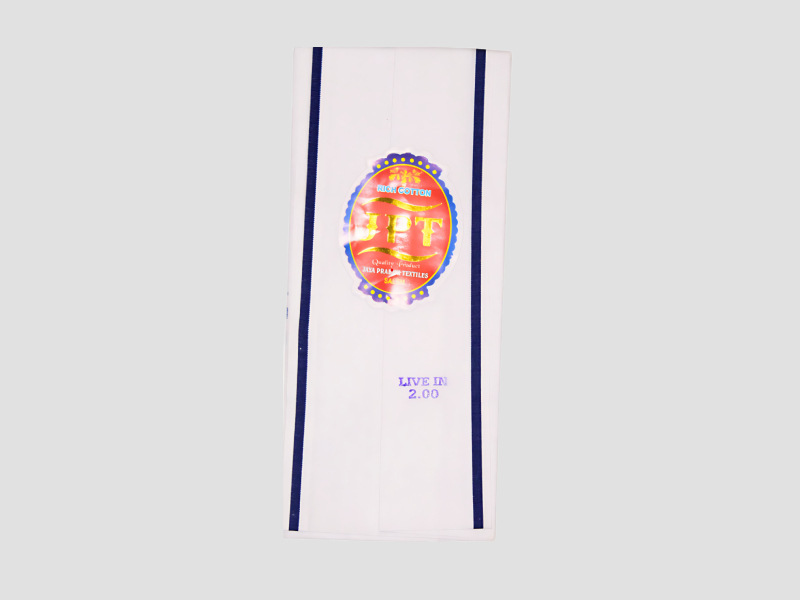
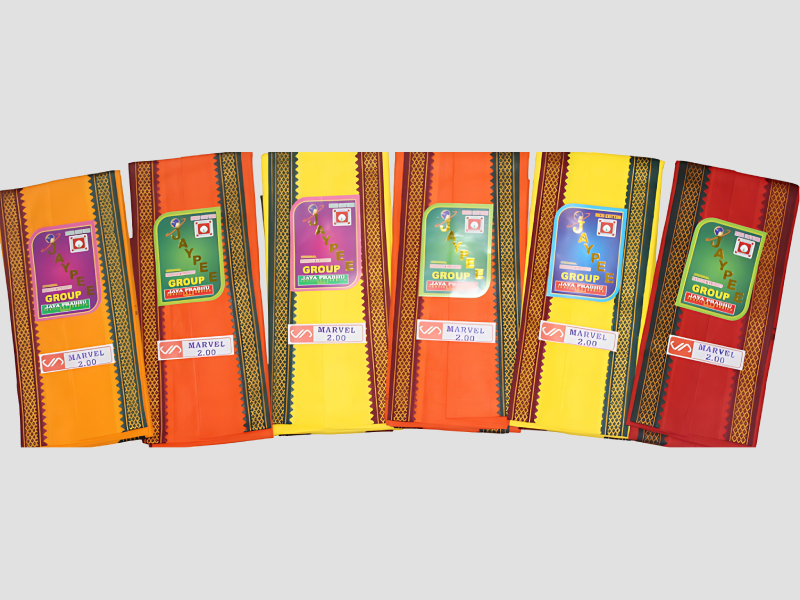
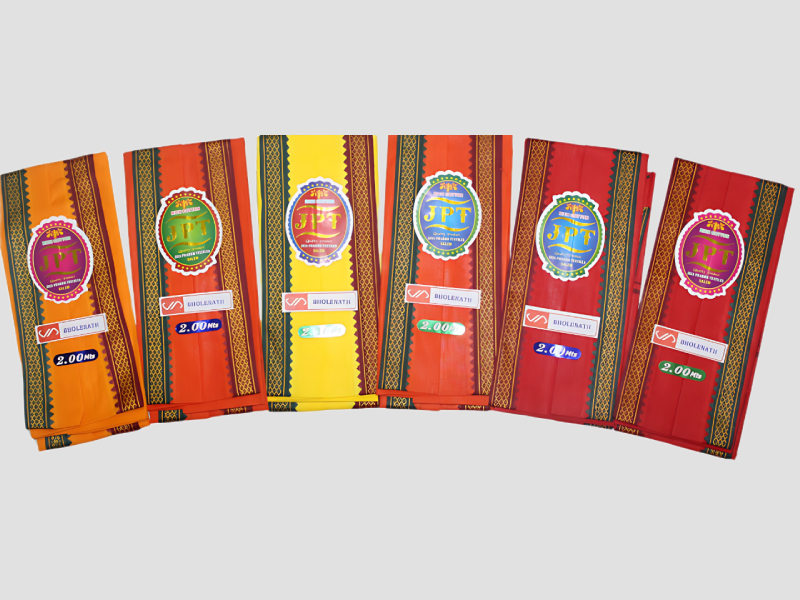
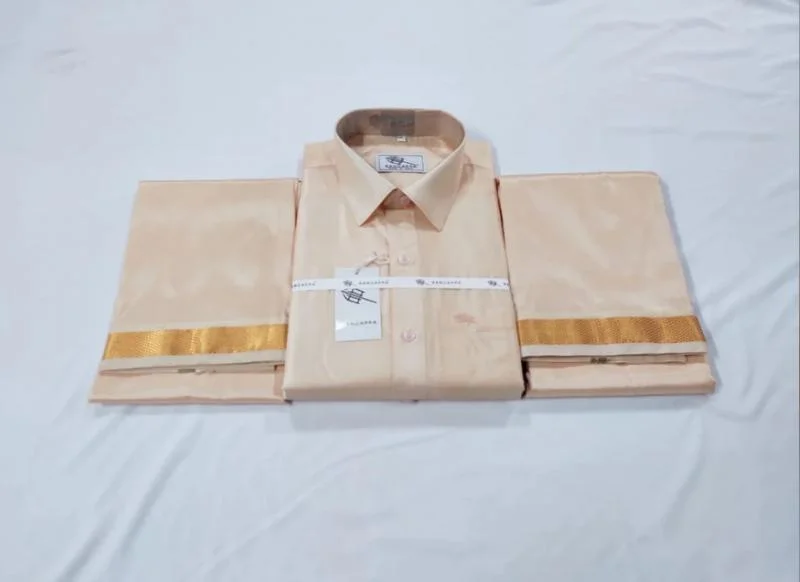
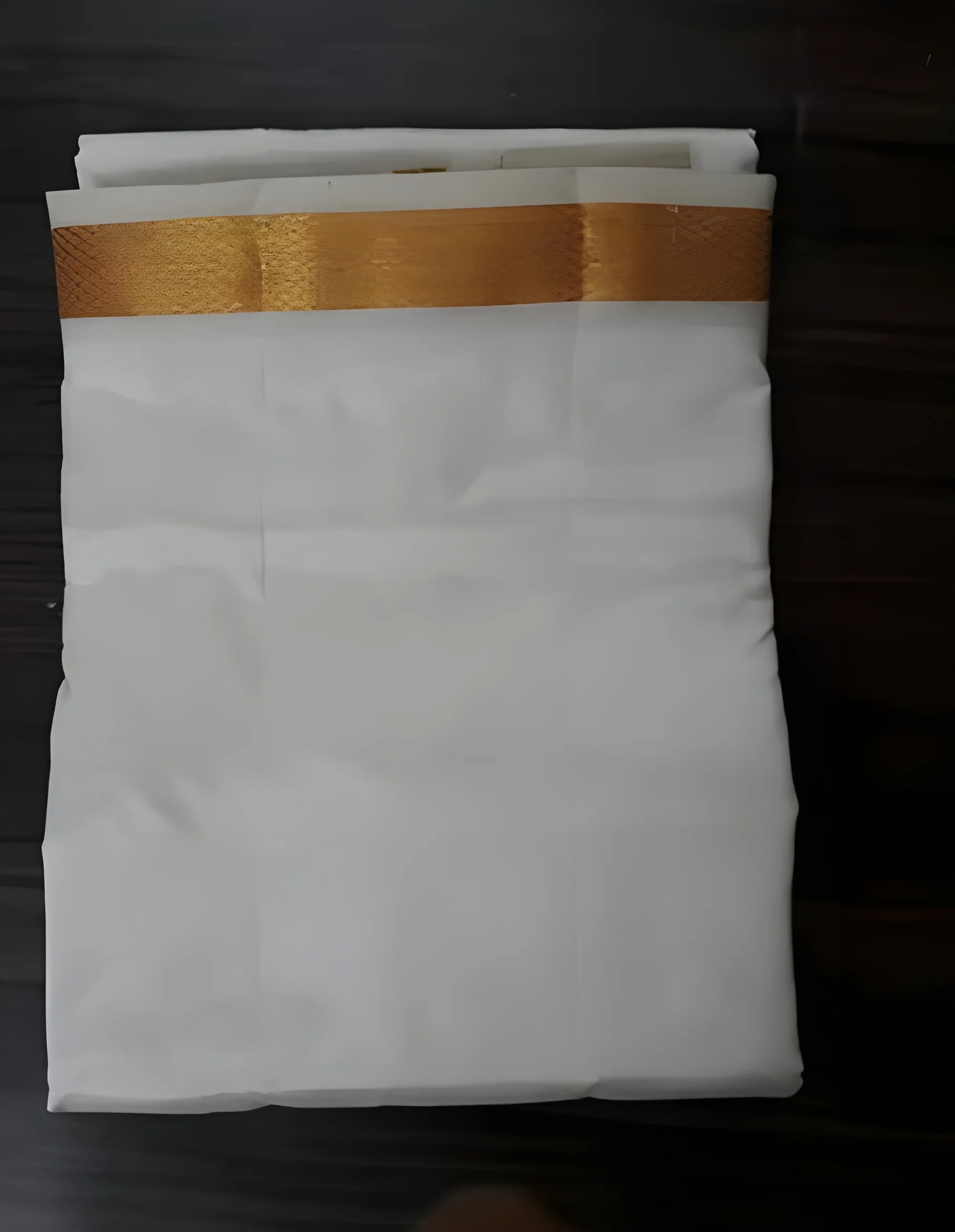
What are Dhotis?
Dhotis are traditional garments primarily worn by men in South Asia, particularly in India. They are typically made from cotton or silk and are wrapped around the waist, with one end often draped over the shoulder. The design of a dhoti allows for ease of movement, making it a popular choice for both formal and informal occasions. The dhoti is characterized by its simplicity and comfort, often featuring various colors and patterns depending on regional traditions.
In a business context, dhotis are commonly worn during cultural events, religious ceremonies, and weddings. They are also used in industries where traditional attire is preferred, such as hospitality and tourism. The garment holds significant cultural relevance, especially in rural areas where traditional clothing is still widely embraced. As the global market expands, there is a growing demand for authentic and high-quality dhotis, highlighting their importance in both local and international markets.
Key Features and Specifications
Dhotis come with several features that cater to the needs of different users. They are designed for comfort, durability, and style, making them suitable for various occasions. The specifications of dhotis can vary based on material, design, and intended use.
Key specifications include:
1. Material
- Usually made from cotton or silk
- Breathable and lightweight for comfort
2. Size
- Typically available in various lengths and widths
- Custom sizes can be accommodated based on request
3. Color and Pattern
- Available in a wide range of colors and patterns
- Options include plain, striped, or printed designs
4. Care Instructions
- Generally machine washable or hand washable
- Requires gentle care to maintain fabric quality
5. Durability
- Strong stitching and quality fabric ensure longevity
- Resistant to wear and tear with proper maintenance
6. Cultural Significance
- Reflects traditional attire in various regions
- Symbolizes cultural identity in many communities
In summary, dhotis are versatile garments with specifications that accommodate various preferences and requirements, making them a relevant choice in both traditional and contemporary settings.
Common Applications and Use Cases
Dhotis serve multiple industries and have various applications that highlight their versatility.
1. Hospitality: In the hospitality industry, dhotis are often worn by staff in traditional restaurants or cultural events, adding to the overall aesthetic and guest experience.
2. Religious Ceremonies: Dhotis are commonly worn during religious events and ceremonies, signifying respect and cultural adherence.
3. Weddings: In many South Asian weddings, dhotis are a popular choice for grooms and male guests, reflecting traditional values and elegance.
4. Cultural Festivals: During festivals, dhotis are worn to celebrate heritage and showcase traditional attire, making them integral to cultural expressions.
5. Fashion: In the fashion industry, dhotis have been adapted into modern styles, appealing to a younger audience looking for fusion wear.
6. Performing Arts: Dhotis are used in traditional dance and theatrical performances, emphasizing cultural storytelling through attire.
Product Variants and Subcategories
Dhotis exhibit a range of diversity in design and material, catering to different preferences and occasions.
Casual Dhotis: Casual dhotis are made from lightweight cotton, perfect for everyday wear. They are comfortable and easy to drape, making them suitable for informal gatherings or home wear.
Formal Dhotis: Formal dhotis often feature silk or high-quality cotton. They are designed for weddings and ceremonial events, showcasing intricate patterns and embroidery.
Designer Dhotis: These dhotis are created by fashion designers and come in unique styles. They often blend traditional designs with contemporary fashion trends, appealing to modern consumers.
Benefits and Advantages
Dhotis offer numerous benefits that make them an attractive choice for consumers and businesses alike.
1. Comfort: Dhotis are designed for comfort, allowing ease of movement, which is essential for daily wear or special occasions.
2. Versatility: They can be worn for various occasions, from casual outings to formal events, making them a multifaceted garment.
3. Cultural Representation: Dhotis signify cultural pride and are essential for maintaining traditions, especially during festivals and ceremonies.
4. Breathability: Made from natural fabrics like cotton, dhotis are breathable, making them suitable for warm climates.
5. Customization: Dhotis can be customized in terms of size, color, and design, allowing for personal expression.
6. Eco-Friendly: Cotton dhotis are typically made from sustainable materials, appealing to environmentally conscious consumers.
Buying Guide for B2B Buyers
When sourcing dhotis for business purposes, several factors should be considered to ensure quality and suitability.
1. Quality Assessment: It is crucial to evaluate the quality of the fabric and stitching. Look for samples to assess the durability and comfort of the dhoti.
2. Supplier Verification: Vet potential suppliers to ensure they have a reliable track record. Check their certifications and customer reviews to gauge their credibility.
3. Pricing and MOQ: Understand the pricing structure and minimum order quantities (MOQ) before making decisions. Compare prices among different suppliers to find competitive offers.
4. Delivery and Lead Times: Discuss delivery options and lead times with suppliers to ensure timely receipt of orders, especially for events or peak seasons.
5. Compliance Requirements: Be aware of any regulatory standards applicable to the garments, including quality certifications and safety requirements.
Compliance and Certifications
Dhotis must adhere to specific quality and safety standards to ensure they are suitable for consumers. Relevant quality standards include ISO 9001, which focuses on quality management systems. This certification lays the groundwork for consistent quality in manufacturing processes.
Additionally, the CE marking signifies compliance with European safety standards, ensuring that the products meet health, safety, and environmental requirements. Testing for safety and quality is important, especially for garments intended for ceremonial or formal use.
Regional compliance considerations may vary, so it is essential to understand local regulations governing textile products. Adhering to these standards not only assures quality but also enhances marketability in various regions.
Why Source Dhotis from Pepagora?
Pepagora provides a trusted platform for sourcing dhotis with several key advantages that can benefit B2B buyers.
Verified Supplier Network: Pepagora ensures that all suppliers are thoroughly vetted, providing buyers with confidence in the quality and reliability of the products they source.
Streamlined RFQ Process: The platform features an efficient Request for Quotation (RFQ) system, making it easy for buyers to obtain competitive quotes from multiple suppliers in one place.
Trade Assurance and Support: Pepagora offers trade assurance, protecting buyers from potential risks and ensuring that transactions are secure. This support enhances trust and encourages smoother business relationships.
Regional Coverage: With a strong presence in India, the GCC, and Southeast Asia, Pepagora enables businesses to access a wide range of suppliers and products, ensuring that buyers can find the right dhotis to meet their needs.

 IN
IN