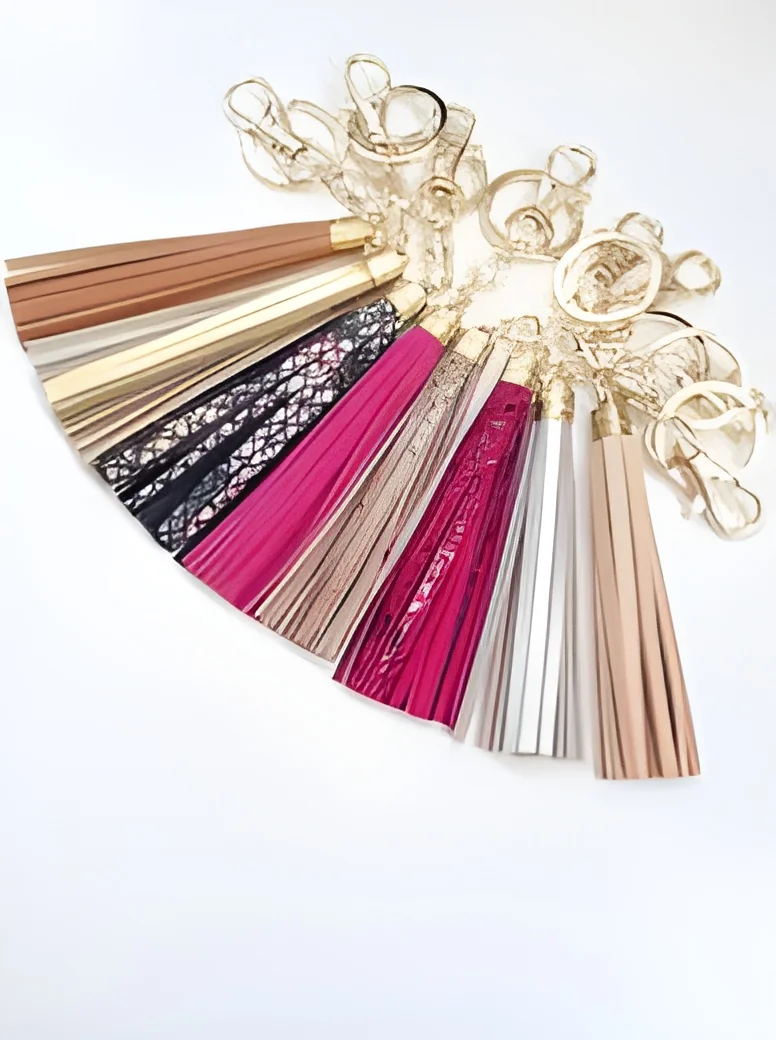
What are Bohemian Ethnic Wear?
Bohemian ethnic wear refers to a style of clothing that embodies a free-spirited and artistic aesthetic. This type of attire often features vibrant colors, unique patterns, and a blend of various cultural influences. The designs are typically characterized by flowing fabrics, intricate embroidery, and a relaxed fit, making them comfortable for everyday use. Bohemian wear reflects individuality and creativity, appealing to those who embrace a non-traditional lifestyle.
In the B2B landscape, bohemian ethnic wear is primarily used in the fashion industry, especially by retailers and boutiques that cater to a niche market. It is popular among consumers looking for unique clothing options that stand out from mainstream fashion. Additionally, this type of attire is often used in festivals, cultural events, and artistic gatherings, reinforcing its relevance in lifestyle branding and marketing strategies.
The market for bohemian ethnic wear has been growing steadily, driven by the increasing demand for unique and culturally inspired fashion. As consumers seek out garments that tell a story and express personal style, businesses in this sector find ample opportunities to innovate and connect with their audiences. This trend indicates a promising future for manufacturers and suppliers within the bohemian wear industry.
Key Features and Specifications
Bohemian ethnic wear is distinguished by several key features that cater to both aesthetic appeal and functionality. These specifications ensure that the garments meet the needs of consumers while also aligning with industry standards.
Key specifications include:
1. Fabric Composition
- Typically made from natural materials such as cotton, linen, and silk.
- Ensures breathability and comfort for the wearer.
2. Design Elements
- Incorporates intricate patterns, embroidery, and embellishments.
- Reflects a blend of cultural influences and artistic expressions.
3. Size Variability
- Available in a range of sizes to accommodate diverse body types.
- Often includes adjustable features for a personalized fit.
4. Color Palette
- Features a wide variety of colors, from earthy tones to vibrant hues.
- Allows for flexibility in styling and personal preference.
5. Production Techniques
- Utilizes both traditional craftsmanship and modern manufacturing processes.
- Ensures quality and uniqueness in each piece.
6. Durability
- Designed to withstand regular wear while maintaining aesthetic appeal.
- Quality materials contribute to the longevity of the garments.
7. Sustainability
- Many brands emphasize eco-friendly practices in sourcing and production.
- Appeals to environmentally conscious consumers.
In summary, bohemian ethnic wear combines artistic design with practical features, making it a unique offering in the fashion industry.
Common Applications and Use Cases
Bohemian ethnic wear serves various industries beyond just fashion retail.
1. Fashion Retail: Boutique stores and online platforms often stock bohemian wear to attract customers seeking unique styles that reflect their individuality.
2. Event Planning: Clothing rental services for festivals and cultural events frequently utilize bohemian attire, enhancing the overall aesthetic of these gatherings.
3. Arts and Crafts: Artists and designers use bohemian styles as inspiration for various creative projects, further promoting the cultural significance of this fashion.
4. Hospitality: Hotels and resorts in tourist destinations may offer bohemian-style clothing for guests, enhancing their experience and aligning with local cultural themes.
5. Lifestyle Brands: Companies that promote wellness and sustainability often incorporate bohemian wear into their product lines, appealing to a target market that values these principles.
6. Travel Retail: Airport boutiques and travel shops may feature bohemian clothing, catering to travelers looking for stylish yet comfortable attire.
7. E-commerce Platforms: Online marketplaces that focus on niche fashion trends often include bohemian ethnic wear as part of their catalog, reaching a broader audience.
Product Variants and Subcategories
The diversity of bohemian ethnic wear allows for various product variants that cater to different preferences and occasions.
Maxi Dresses
These flowing garments are perfect for warm weather and casual outings. Maxi dresses often feature vibrant prints and comfortable fits, making them a popular choice for festivals and beach vacations.
Kaftans
Kaftans are versatile and can be worn as cover-ups or standalone outfits. They typically feature loose fits and intricate designs, appealing to those seeking comfort without sacrificing style.
Tops and Blouses
Bohemian tops often include unique embroidery and patterns, making them suitable for both casual and semi-formal occasions. They can easily be paired with jeans or skirts for a relaxed look.
Palazzo Pants
These wide-legged trousers are a staple in bohemian fashion. Palazzo pants offer comfort and style, making them ideal for relaxed outings or creative work environments.
Benefits and Advantages
The appeal of bohemian ethnic wear extends beyond aesthetics, providing numerous advantages for businesses and consumers alike.
Key benefits include:
1. Unique Style: Bohemian wear stands out due to its distinct designs, attracting customers looking for something different from mainstream fashion.
2. Comfort: The use of breathable fabrics and relaxed fits makes these garments suitable for all-day wear, appealing to consumers prioritizing comfort.
3. Cultural Significance: Each piece often reflects a rich cultural background, allowing wearers to express their values and lifestyle.
4. Versatility: Bohemian ethnic wear can be styled for various occasions, from casual outings to formal events, making it a valuable addition to any wardrobe.
5. Sustainable Options: Many brands focus on eco-friendly practices, appealing to environmentally conscious consumers and enhancing brand loyalty.
6. Market Demand: The growing interest in unique and culturally inspired fashion presents significant opportunities for businesses in this sector.
Buying Guide for B2B Buyers
When sourcing bohemian ethnic wear, B2B buyers should consider several critical factors to ensure a successful procurement process.
1. Quality Assessment: Evaluate the fabric quality, stitching, and overall craftsmanship. Look for suppliers that provide samples to assess quality firsthand.
2. Supplier Verification: Conduct background checks on potential suppliers to verify their credentials and reputation in the industry. This helps mitigate risks associated with unreliable vendors.
3. Pricing and MOQ: Understand the pricing structure and the minimum order quantity (MOQ) required by suppliers. This information is crucial for budgeting and inventory planning.
4. Delivery and Lead Times: Discuss logistics and expected delivery times with suppliers to ensure that you can meet your own customers' demands without delays.
5. Compliance Requirements: Familiarize yourself with any regulatory standards that apply to bohemian ethnic wear, such as safety certifications and labeling requirements. This ensures that your products meet market expectations.
Compliance and Certifications
Ensuring compliance with industry standards is essential for both manufacturers and retailers of bohemian ethnic wear. Relevant quality standards such as ISO 9001 focus on quality management systems, which help ensure consistent production processes and high-quality products.
Additionally, many suppliers may hold certifications like CE, which indicates conformity with health and safety standards in the European market. This certification can enhance the credibility of products and facilitate market entry.
Safety and testing requirements must also be adhered to, particularly for products intended for specific age groups or sensitive markets. Regular testing of materials for harmful substances ensures consumer safety and compliance with regulations.
Regional compliance considerations should be addressed, as different regions may have varying standards for textile products. Understanding these requirements is crucial for successful market entry and sustainability in the bohemian ethnic wear sector.
Why Source Bohemian Ethnic Wear from Pepagora?
Pepagora provides a trusted platform for sourcing bohemian ethnic wear, offering several key advantages for B2B buyers.
Verified Supplier Network: Pepagora connects buyers with a network of verified suppliers, ensuring that you can source high-quality products with confidence. This vetting process helps minimize risks associated with procurement.
Streamlined RFQ Process: The Request for Quotation (RFQ) system simplifies the sourcing process, allowing buyers to quickly obtain quotes from multiple suppliers. This efficiency saves time and enables informed decision-making.
Trade Assurance and Support: Pepagora offers trade assurance to protect buyers throughout the purchasing process. This support includes assistance with logistics, quality checks, and dispute resolution, enhancing buyer confidence.
Regional Coverage: With a strong presence in India, the GCC, and Southeast Asia, Pepagora facilitates access to a wide range of bohemian ethnic wear options. This geographic reach allows buyers to tap into diverse markets and consumer preferences.

 IN
IN