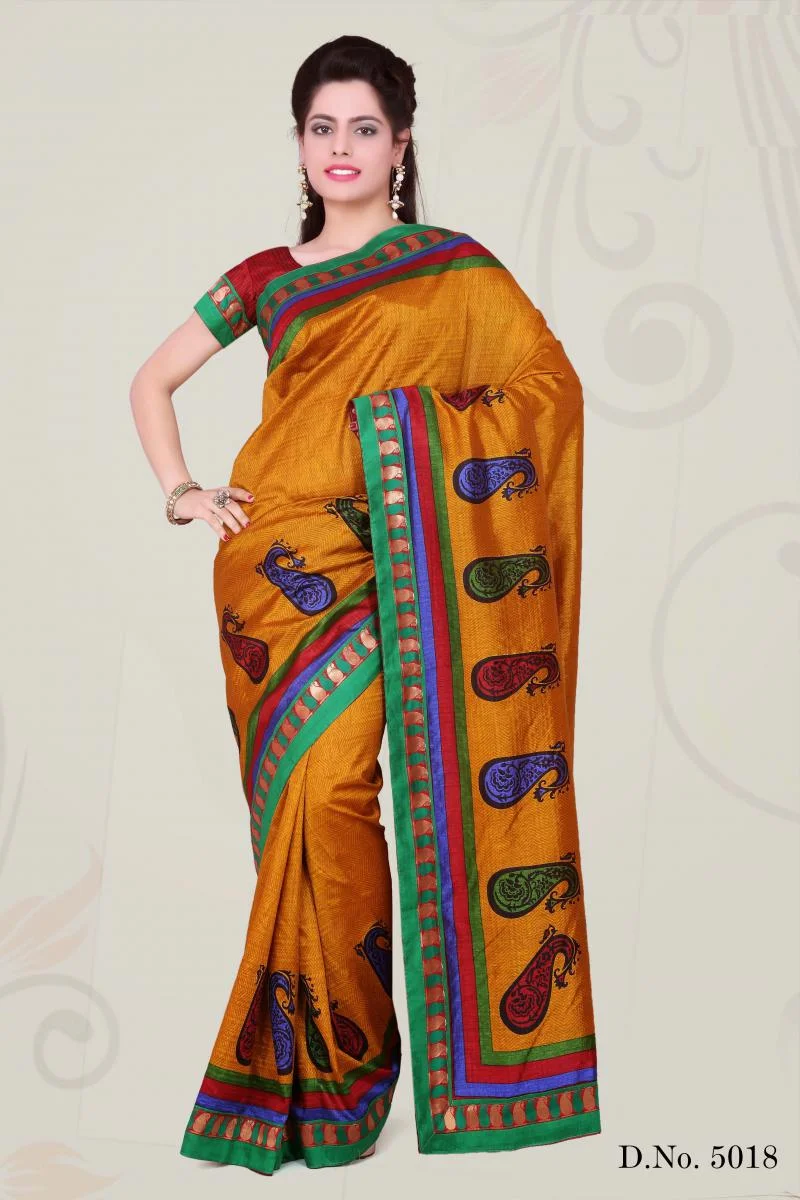
What are Sarees (Silk, Cotton, Georgette)?
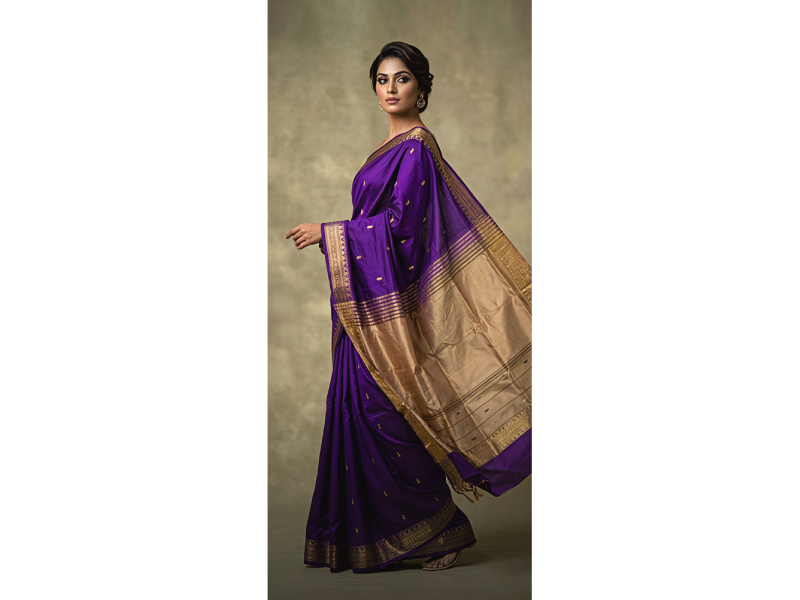
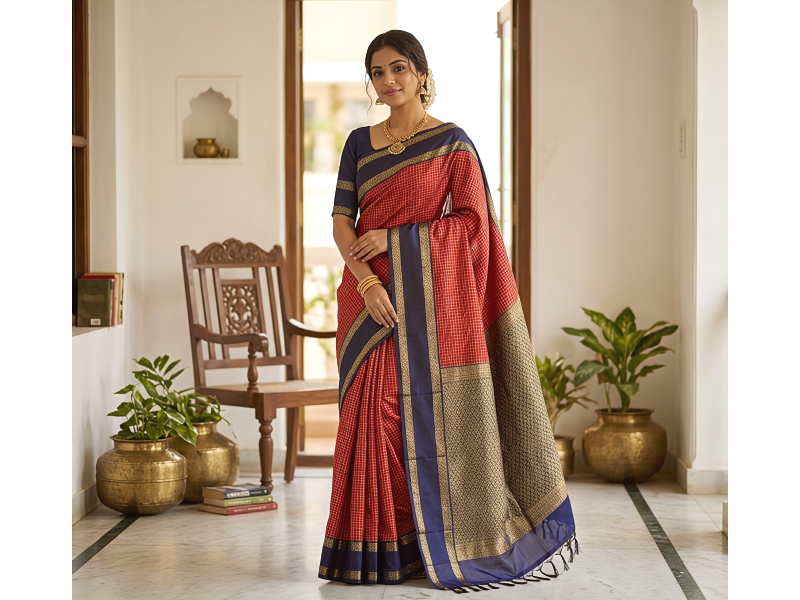
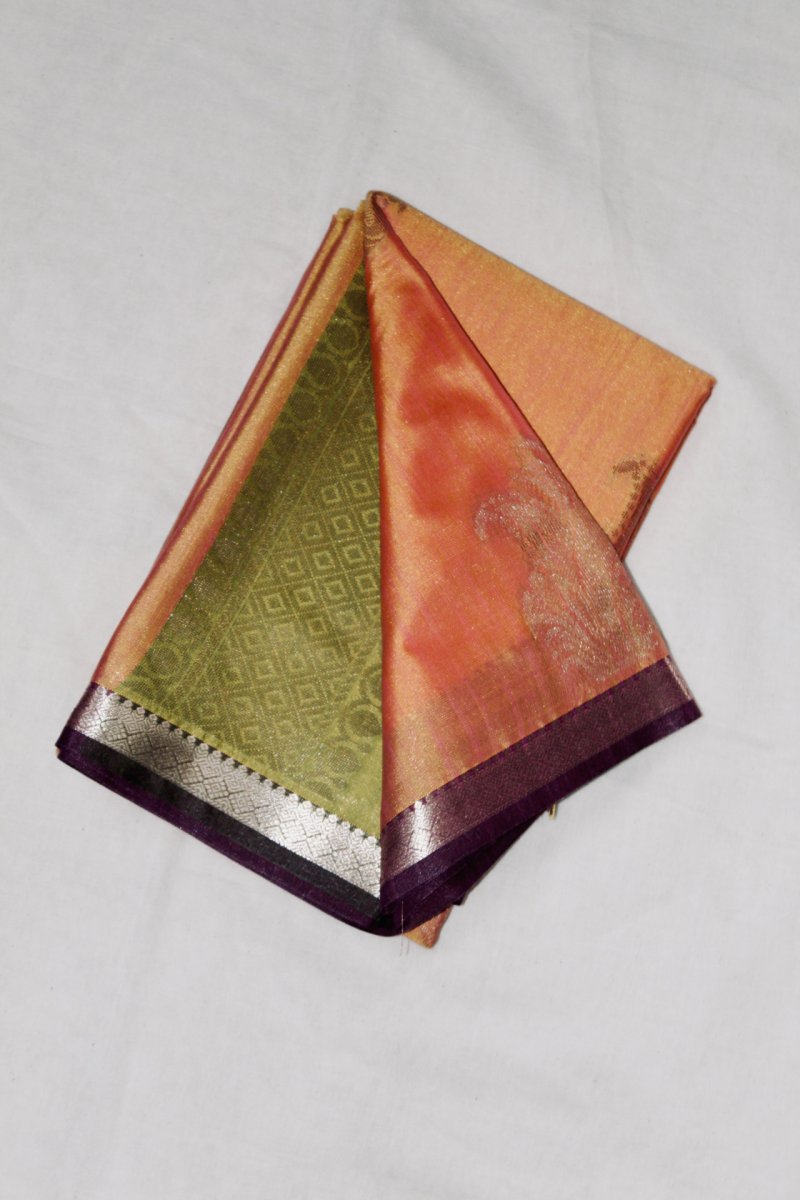
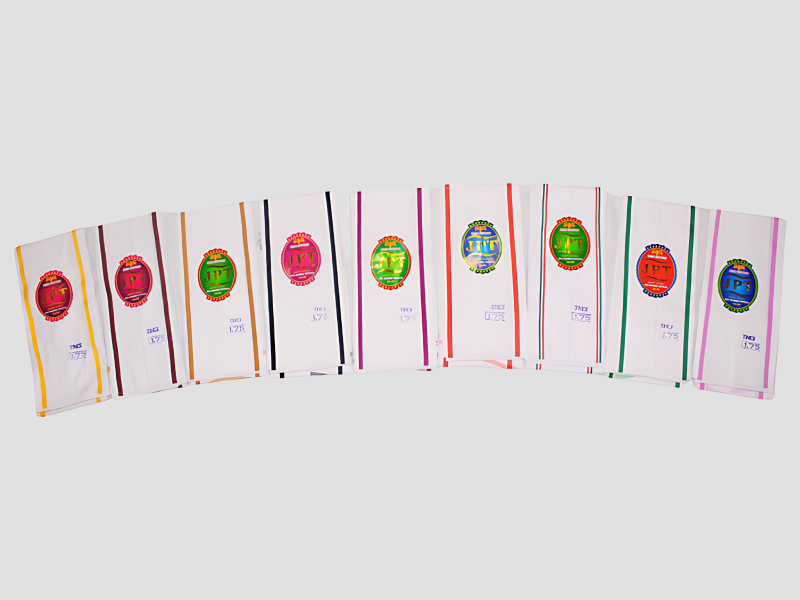
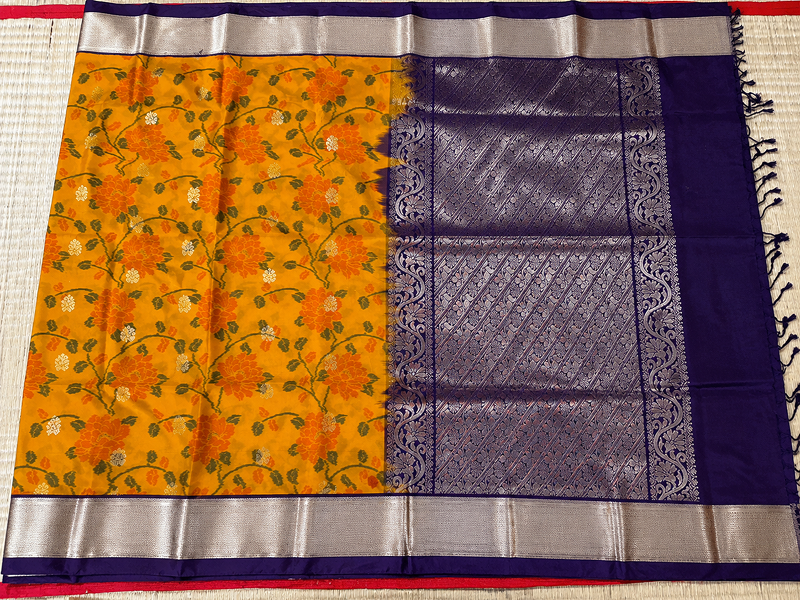
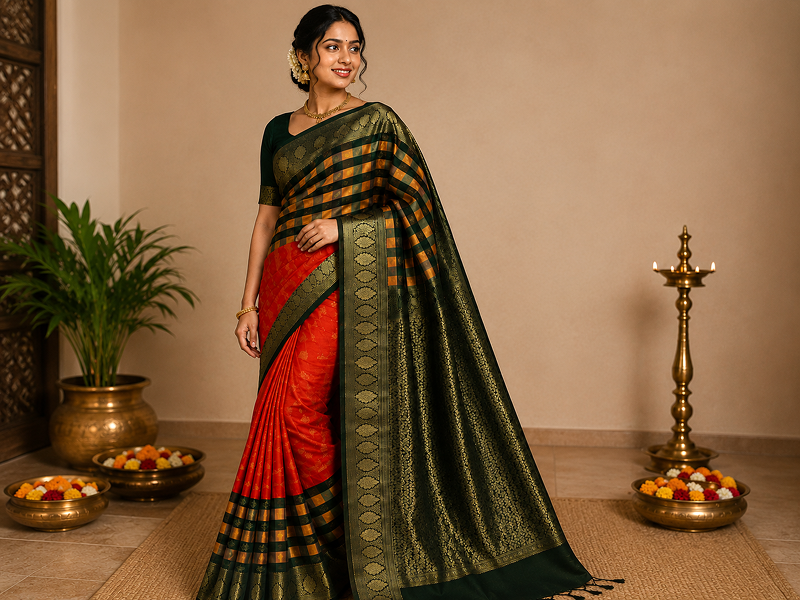
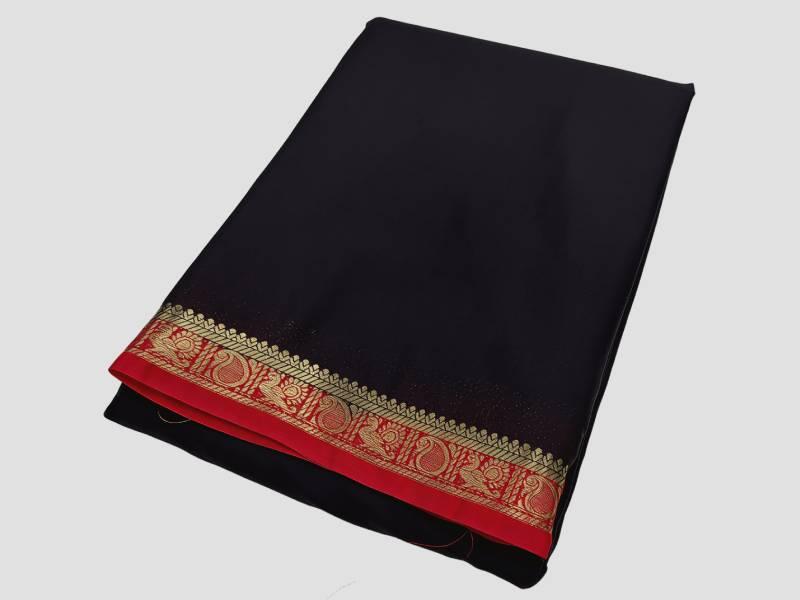
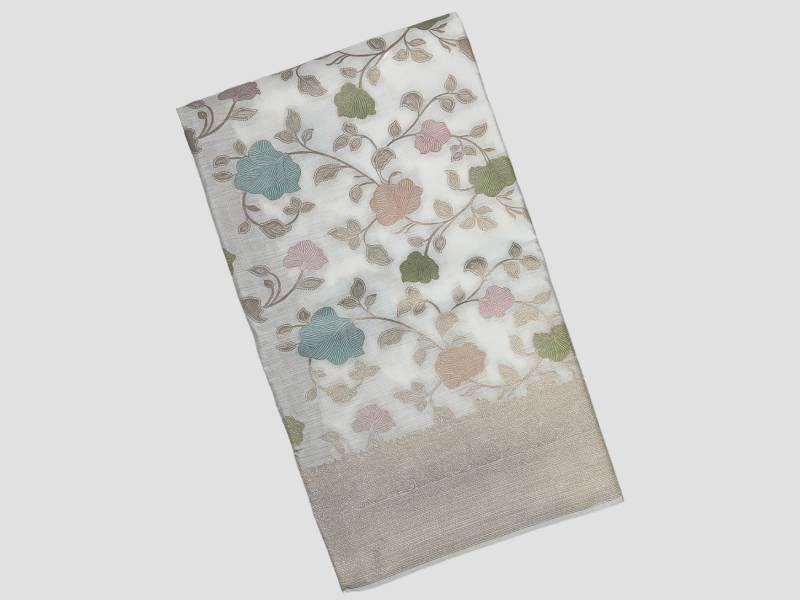
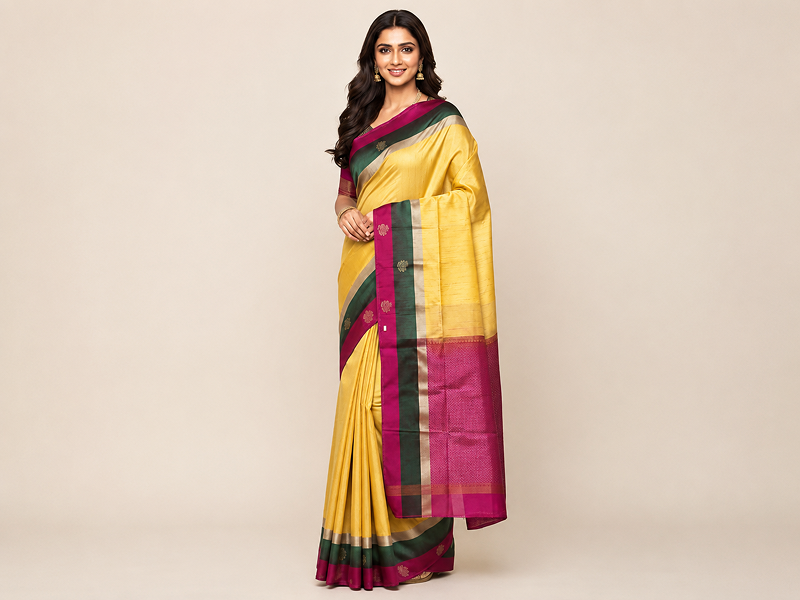
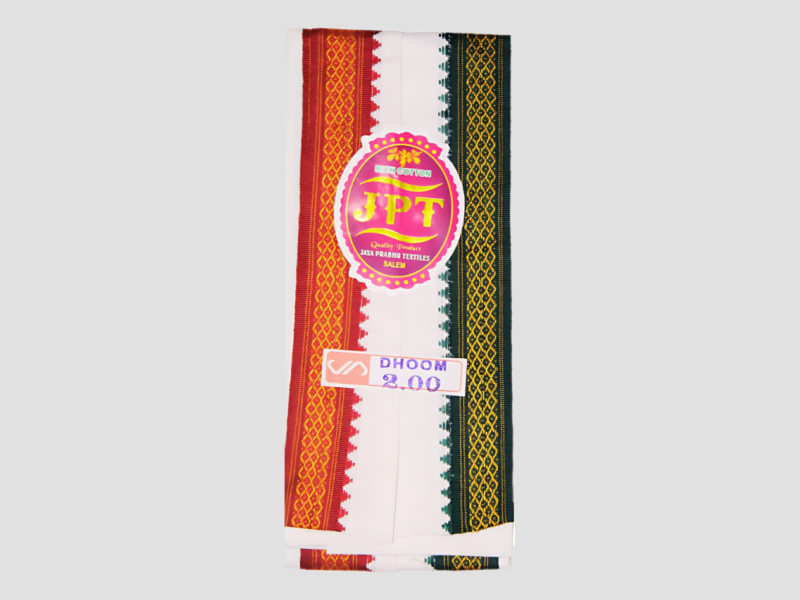
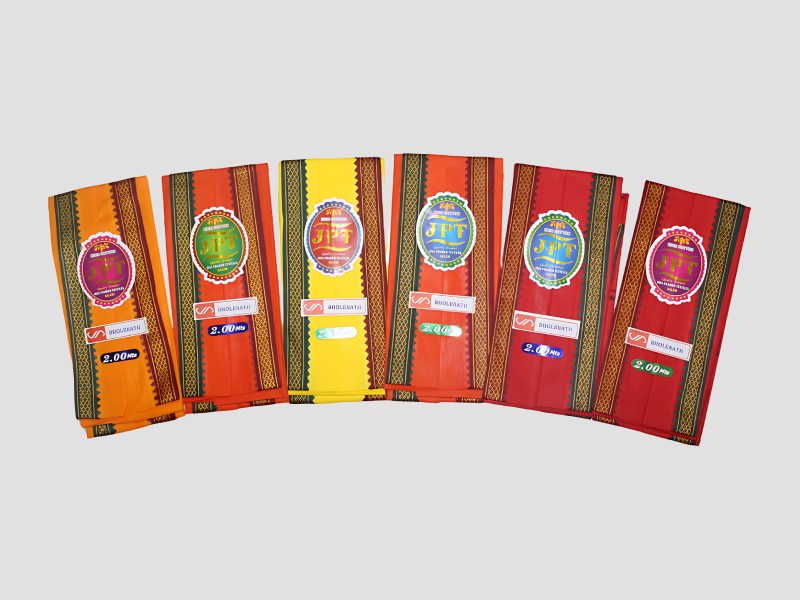
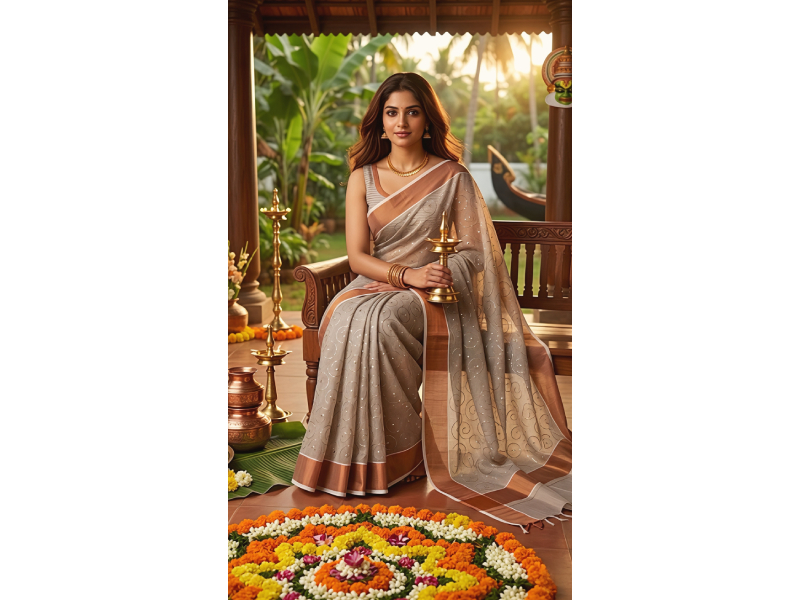
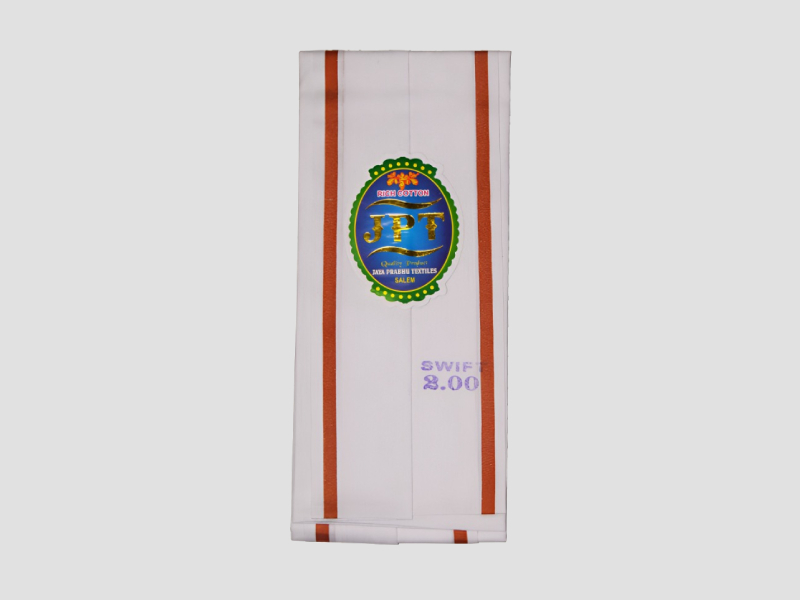
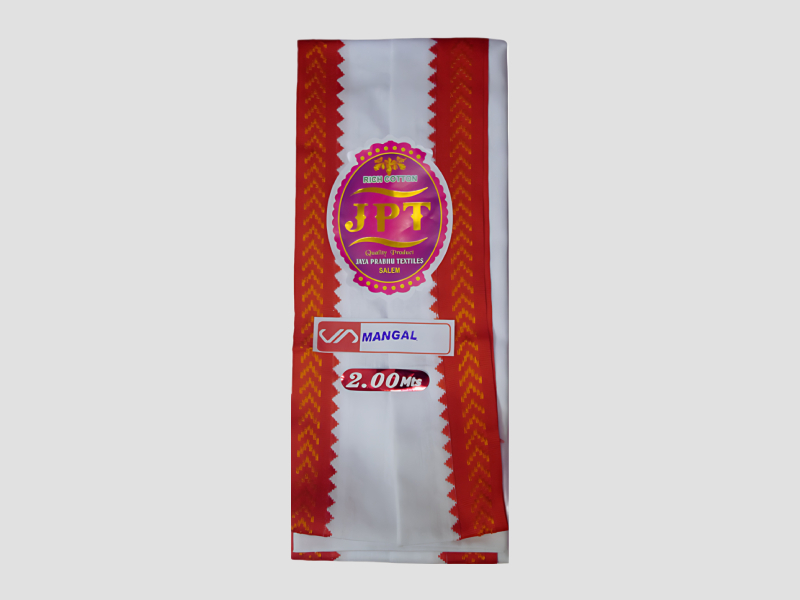
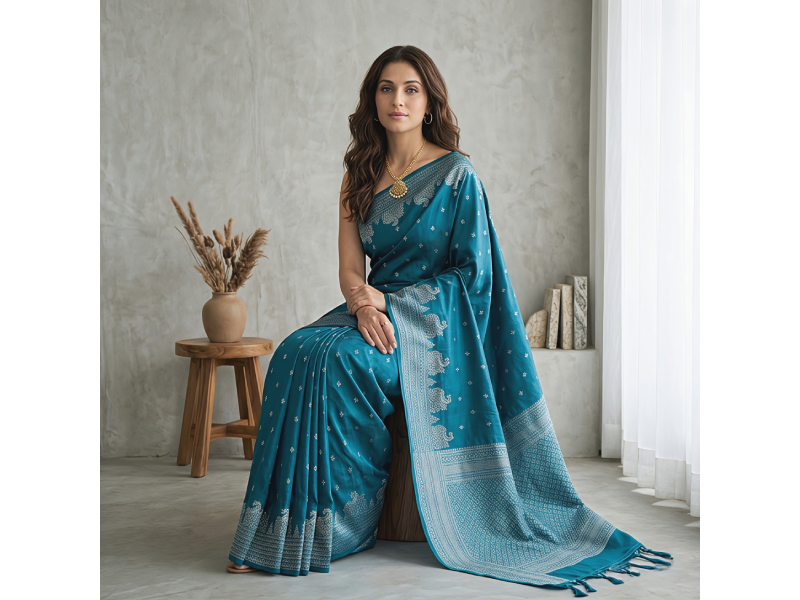
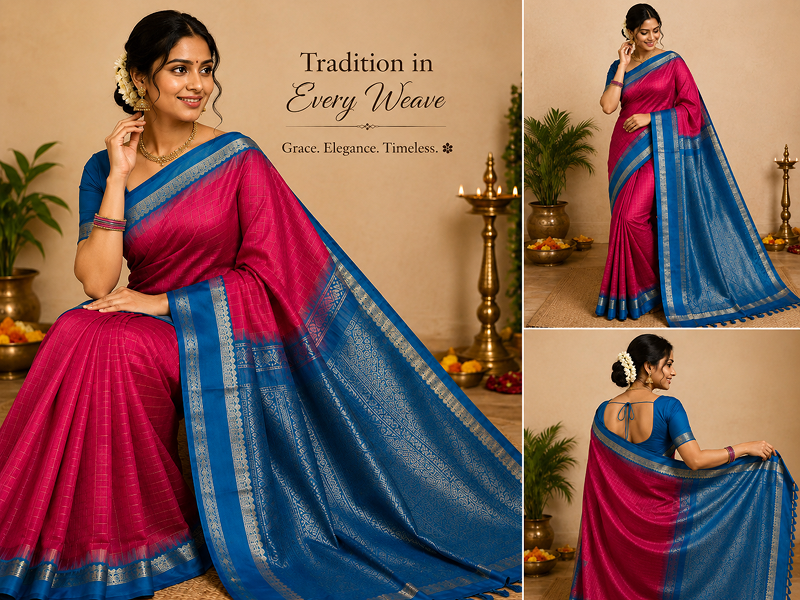
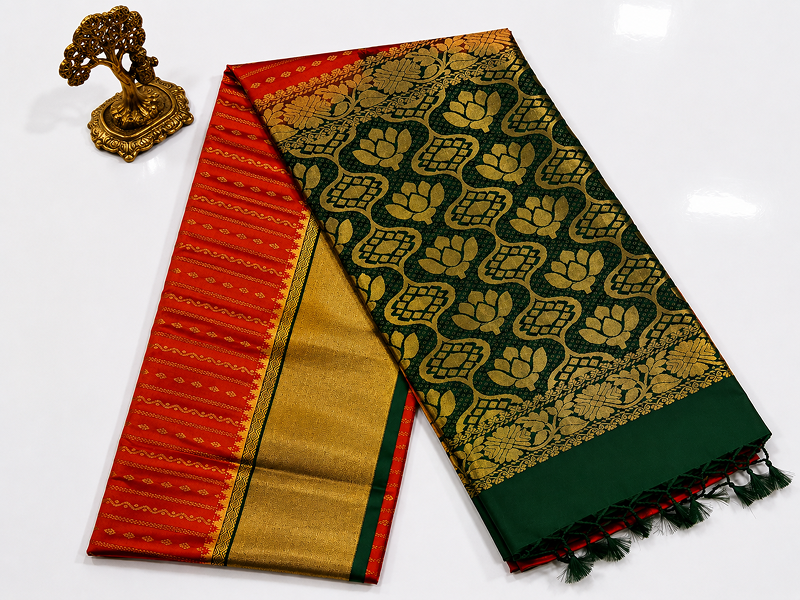
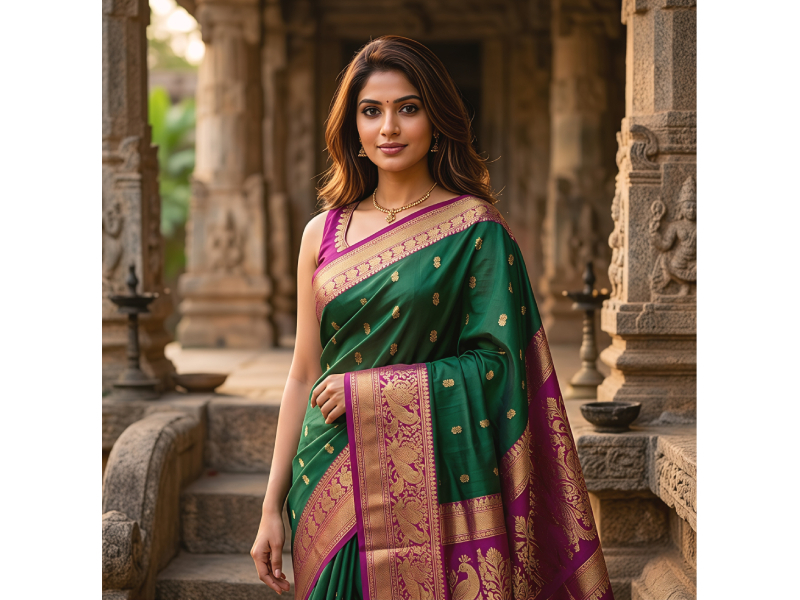
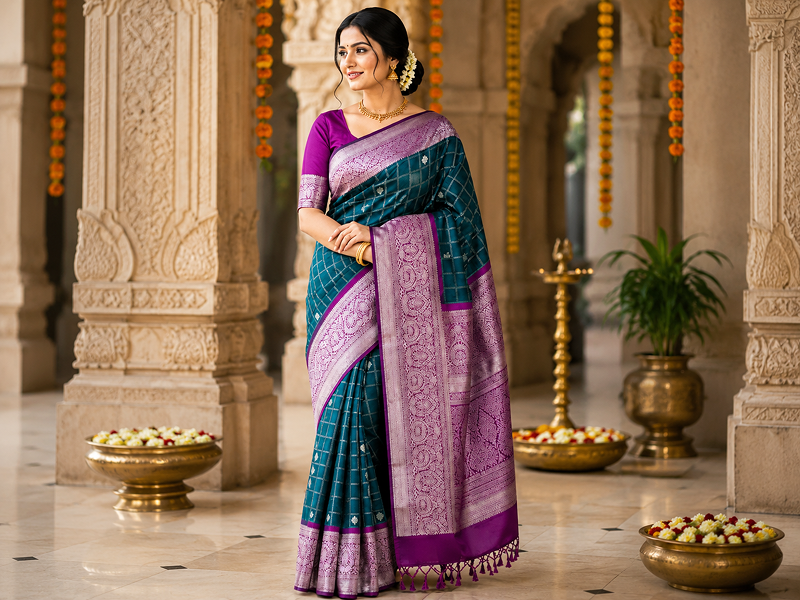
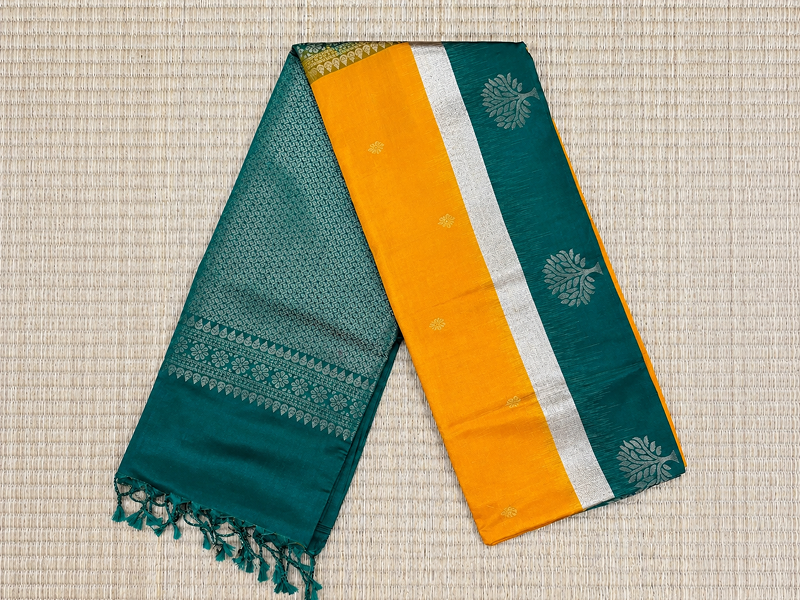
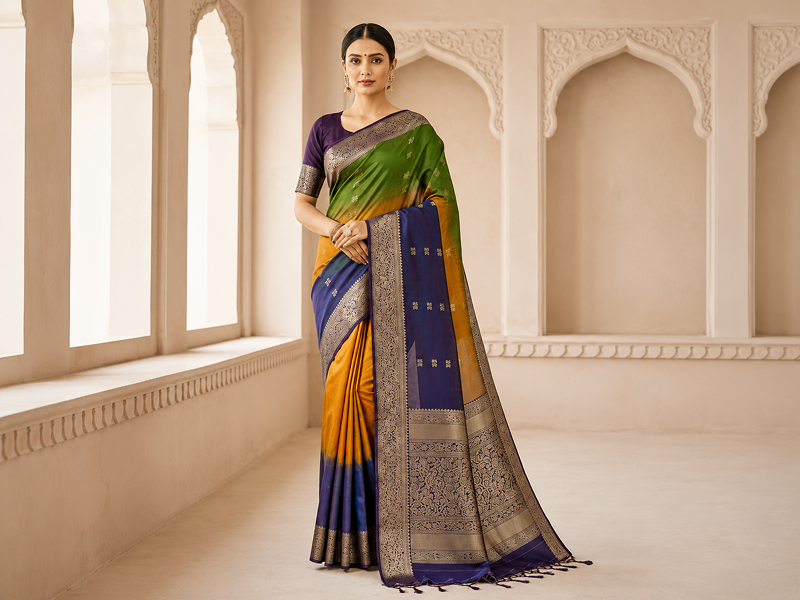
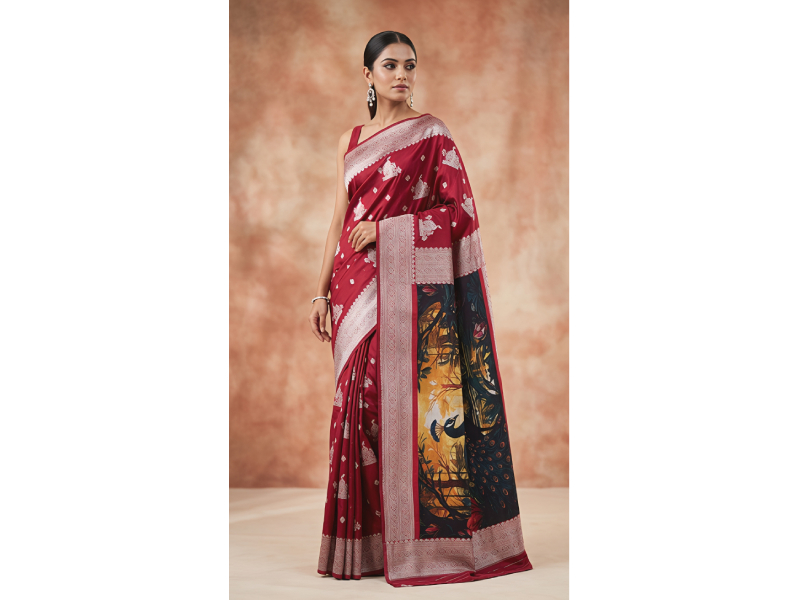
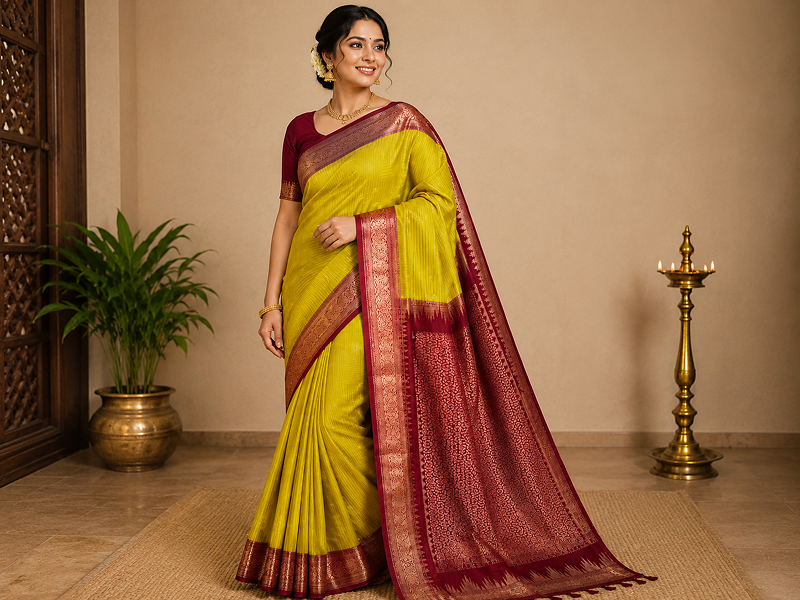
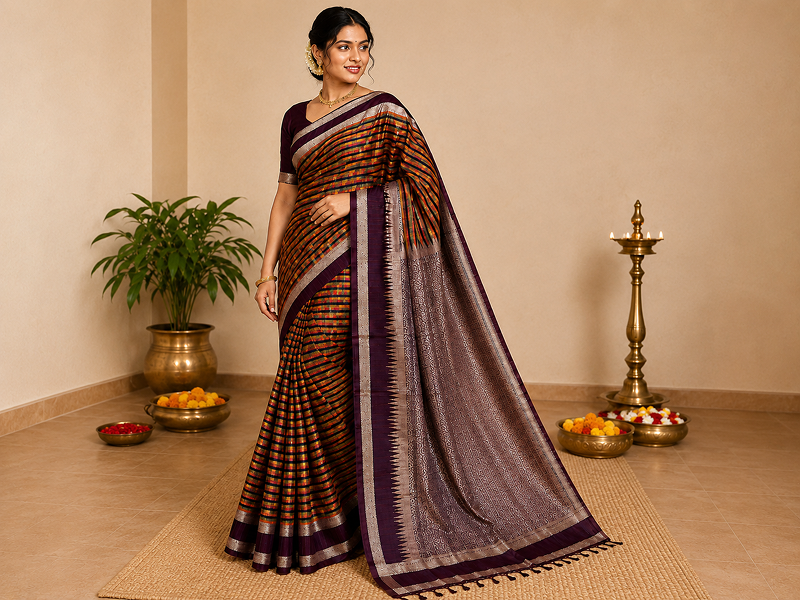
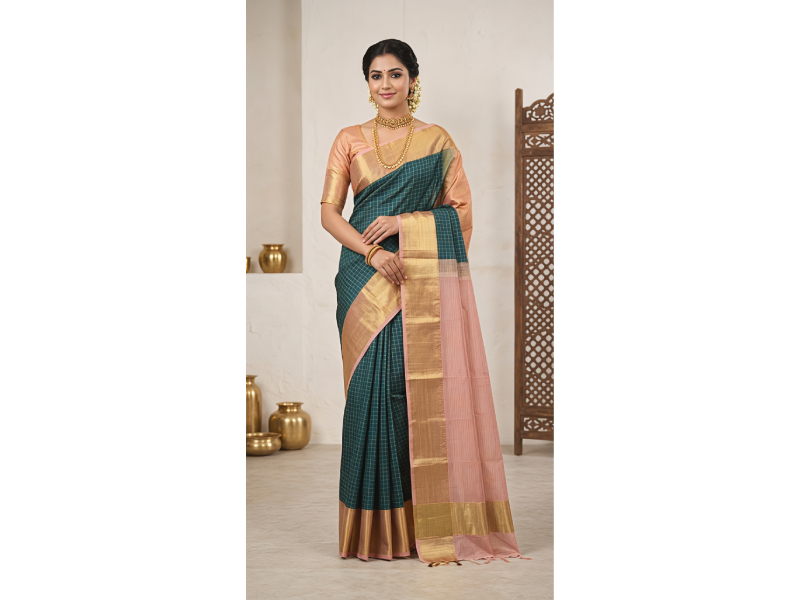
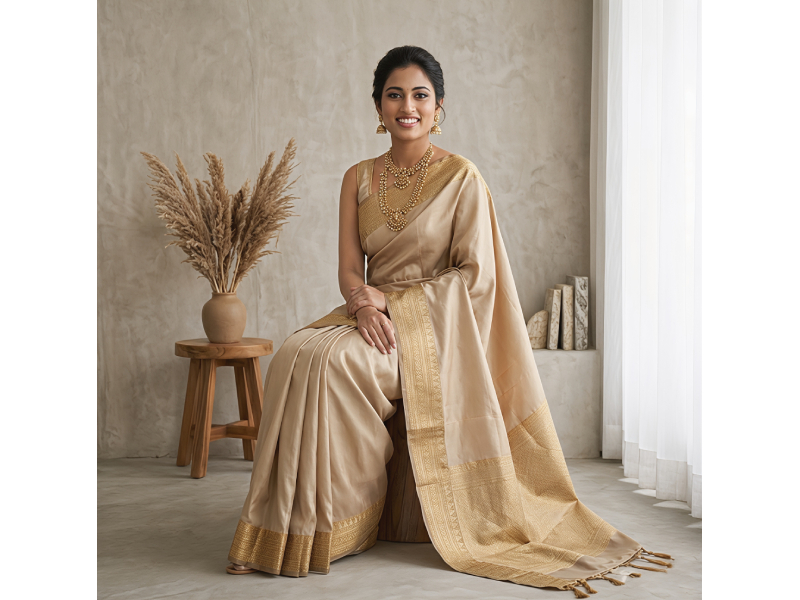
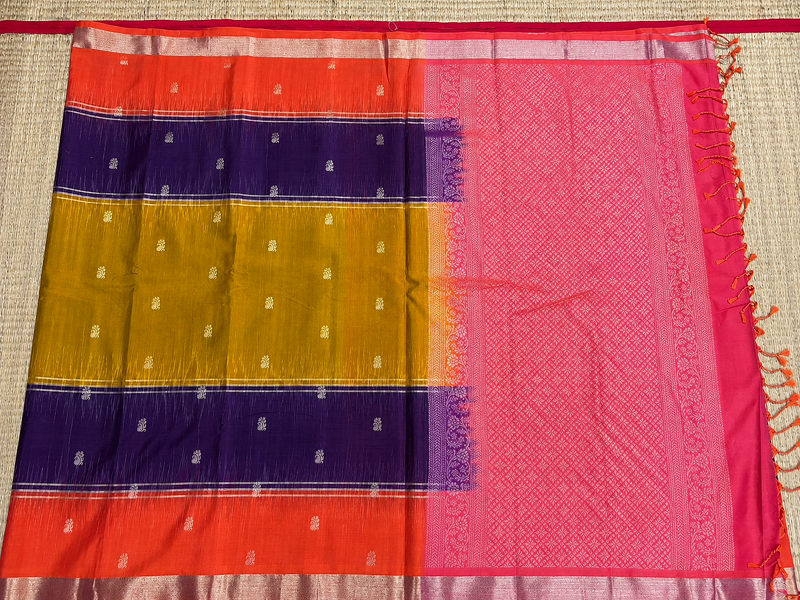
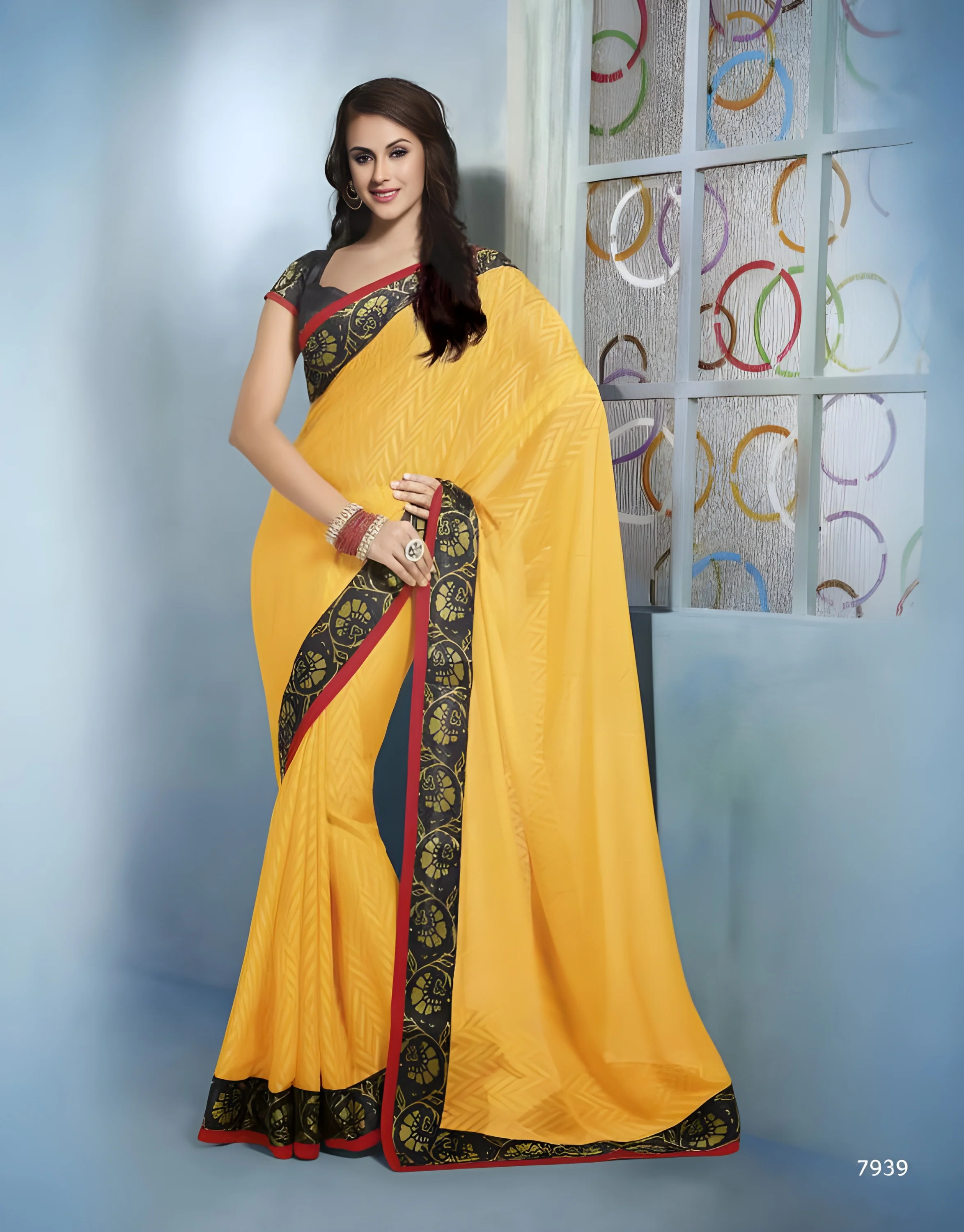
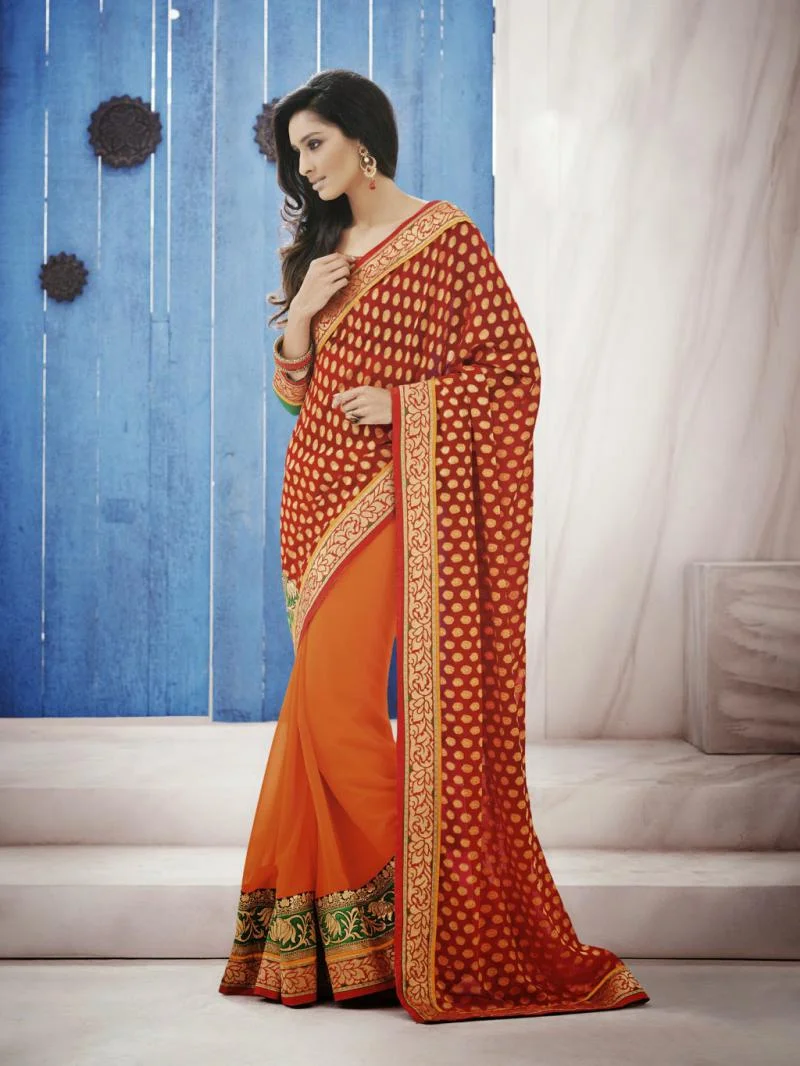
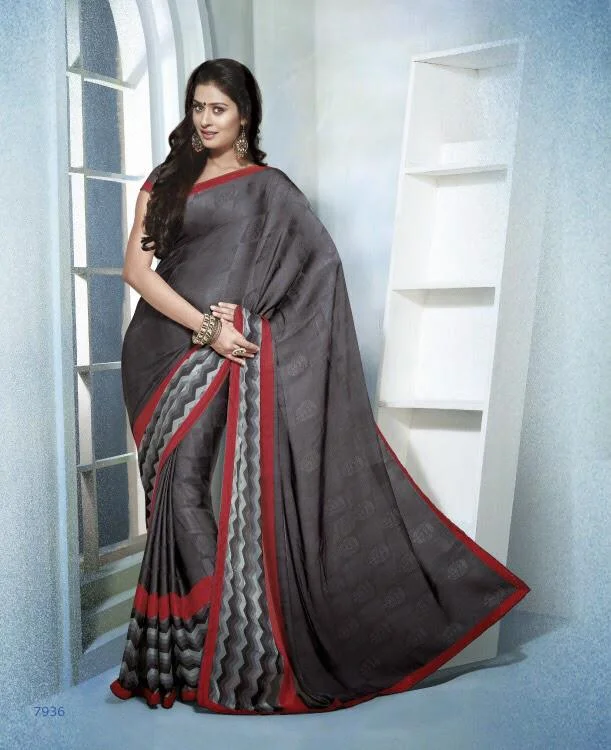
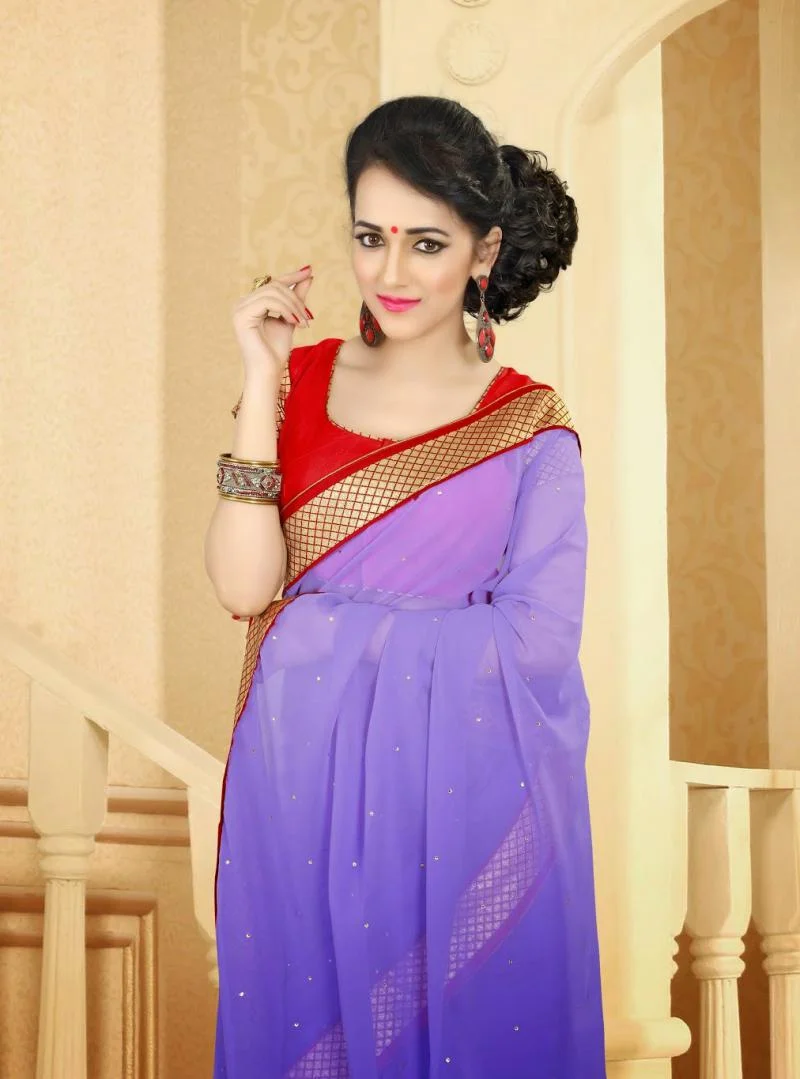
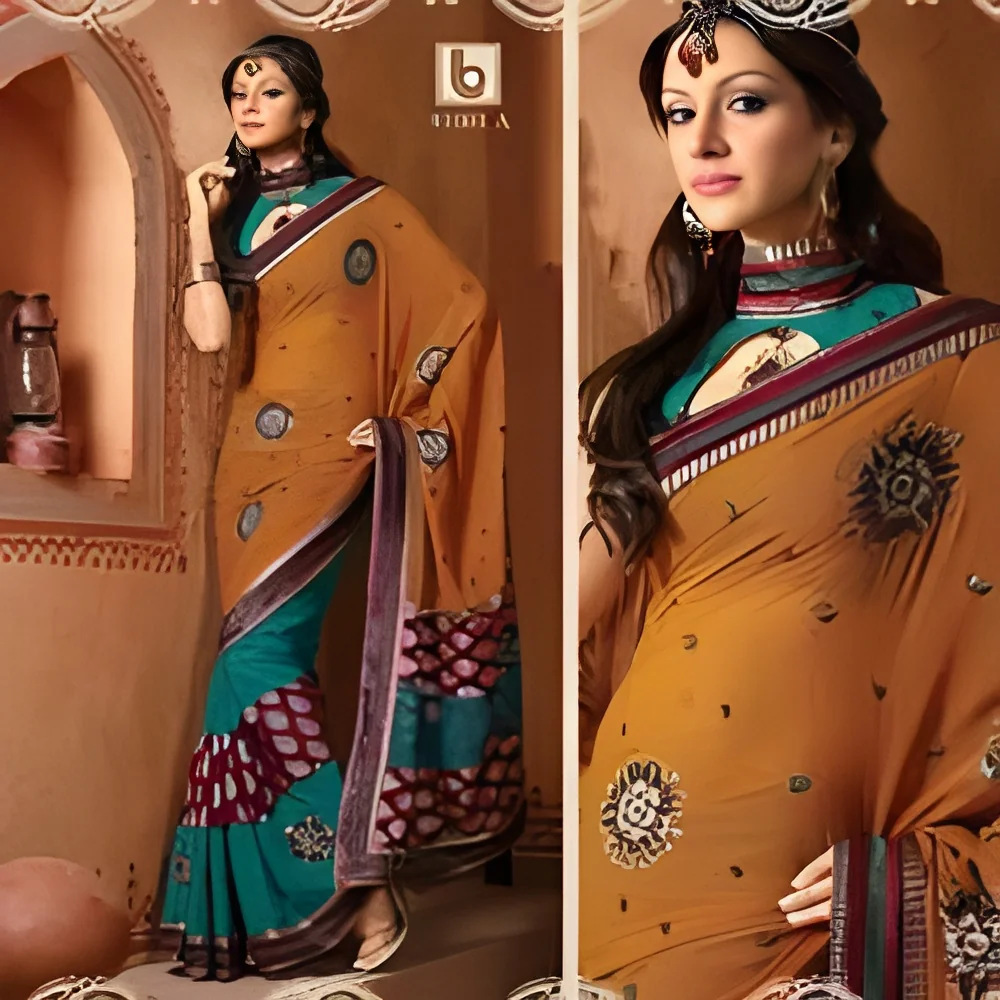
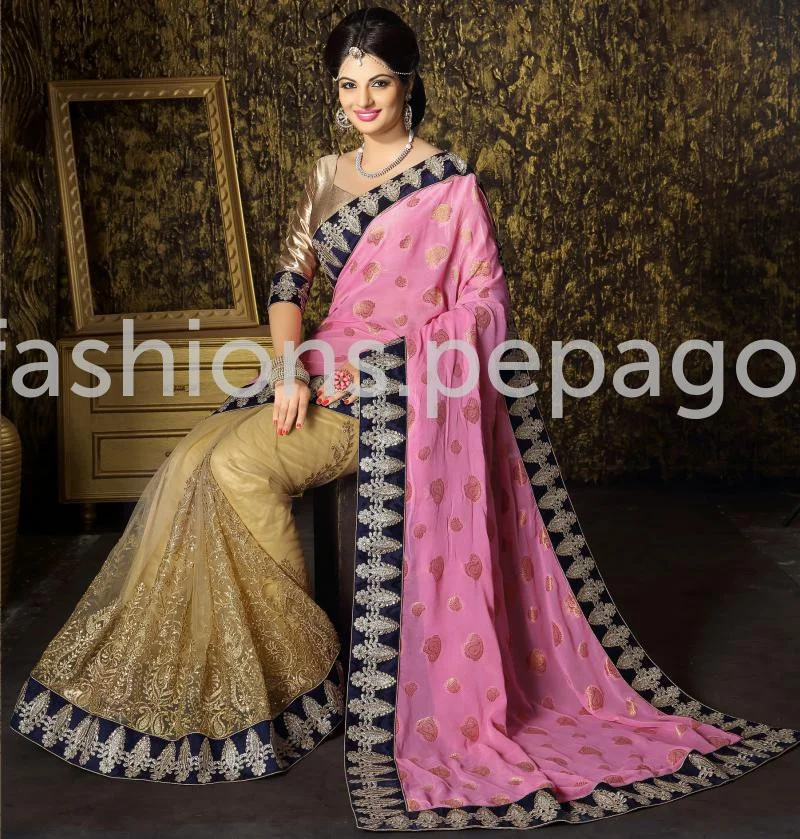
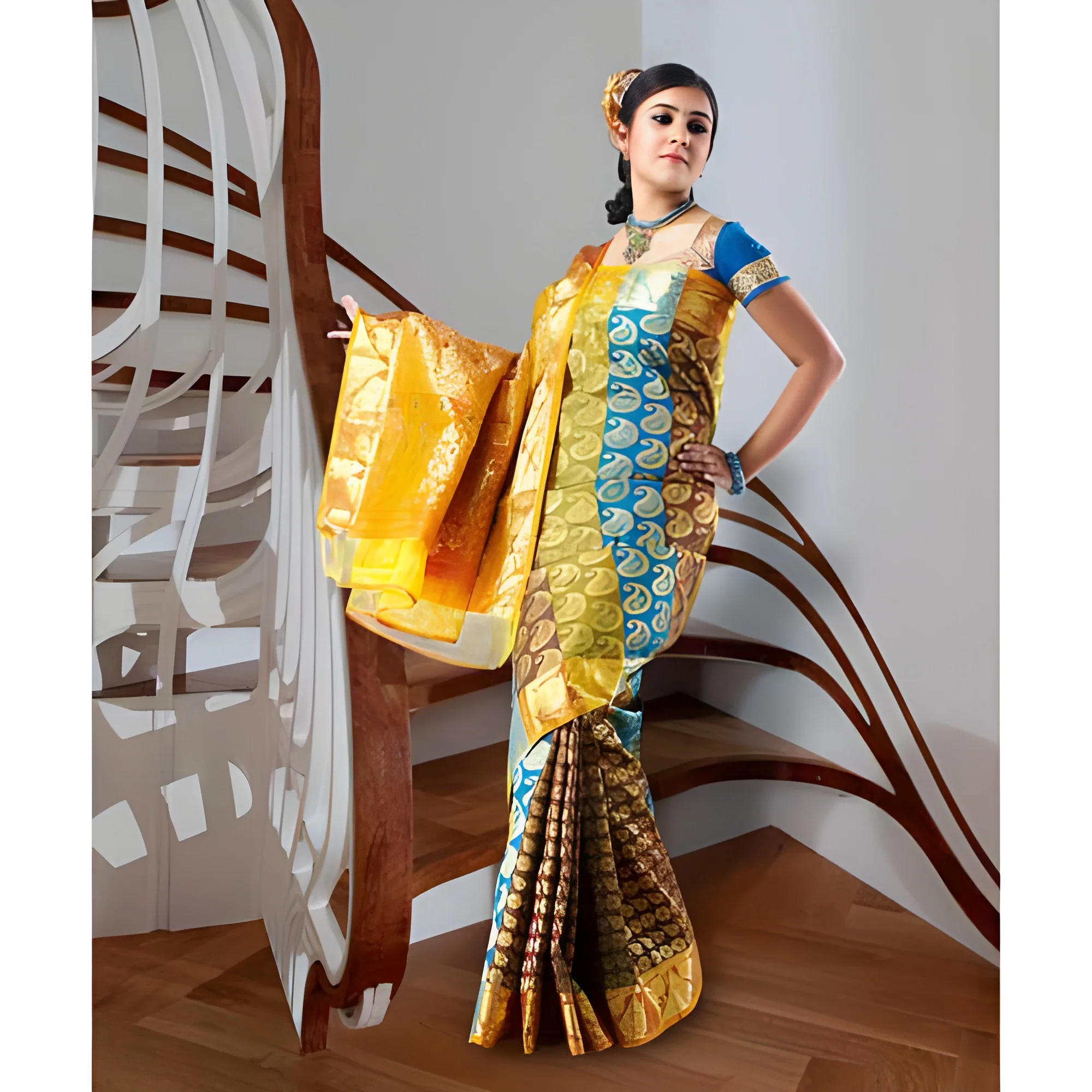
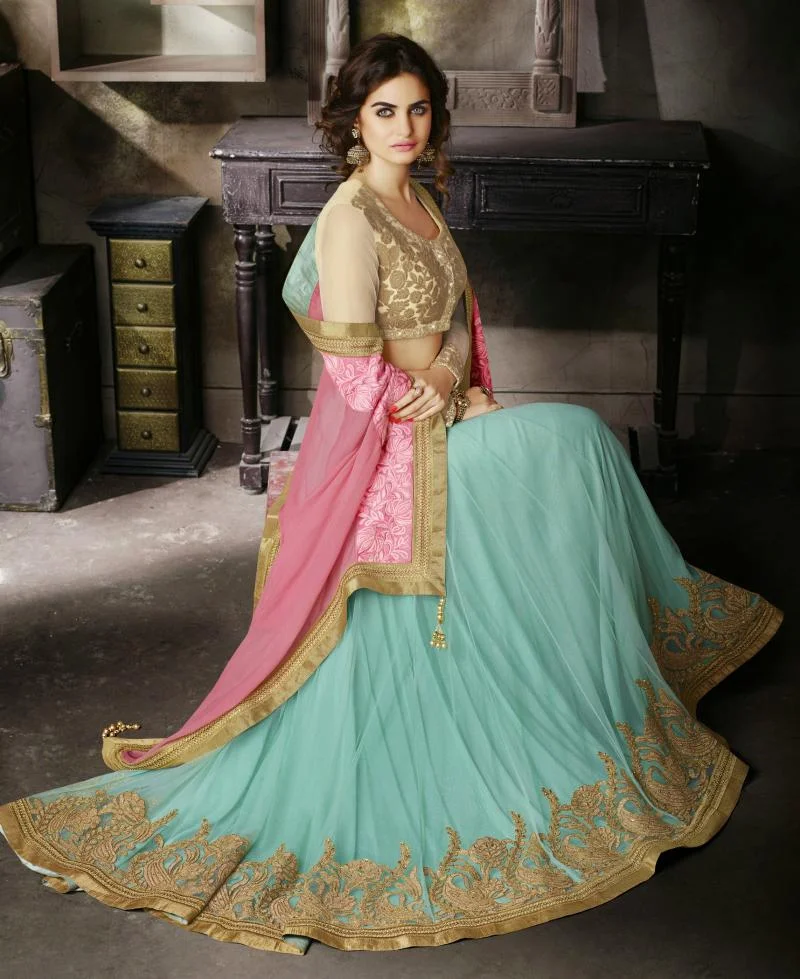
Sarees are traditional garments worn by women in South Asia, typically consisting of a long piece of fabric draped elegantly around the body. The fabric is available in various materials, including silk, cotton, and georgette, each offering unique qualities and styles. Silk sarees are known for their luxurious feel and sheen, cotton sarees are favored for their comfort and breathability, and georgette sarees provide a lightweight and flowy drape, making them popular for formal and festive occasions.
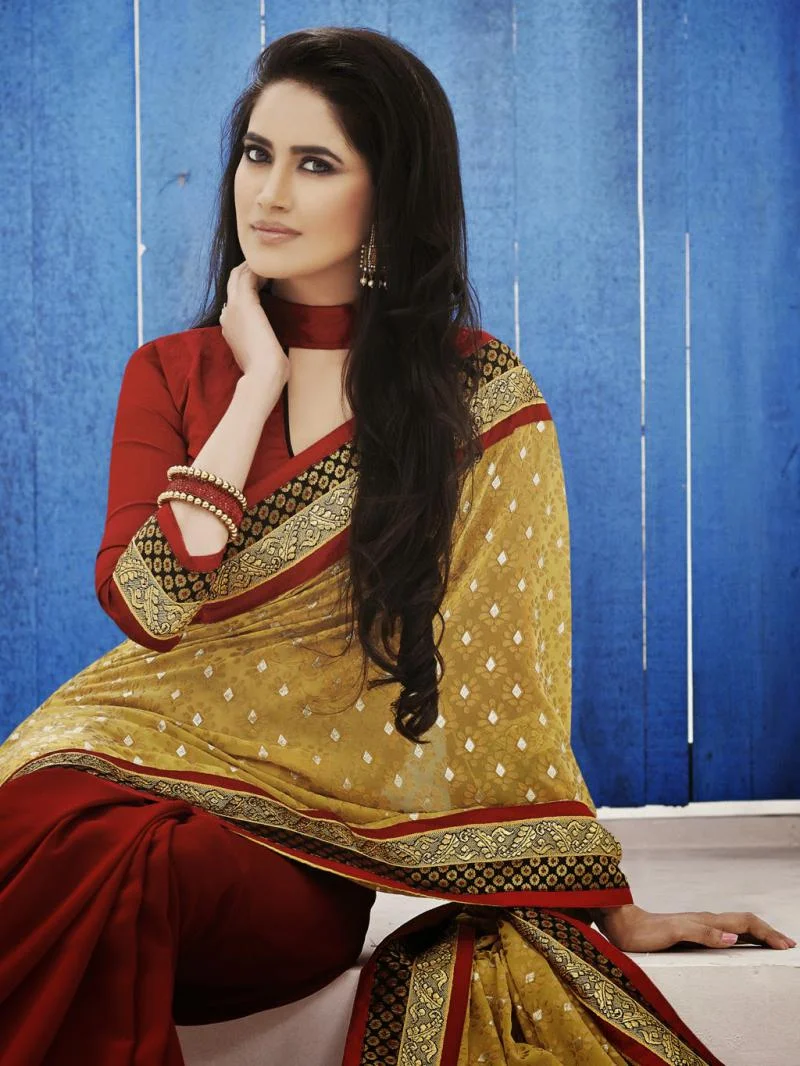
The primary uses of sarees extend beyond personal attire; they are also essential in the fashion industry, retail, and cultural celebrations. Businesses often source sarees for retail and wholesale purposes, catering to diverse customer preferences. Additionally, sarees play a significant role in cultural events, weddings, and festivals, presenting opportunities for businesses to engage in bulk sales and specialized offerings. The market for sarees is robust, with a strong demand for both traditional and contemporary designs.
In the context of the textile industry, sarees represent a blend of heritage and modern fashion. The growing trend of ethnic wear in various global markets has led to an increase in the production and export of sarees, positioning them as a relevant product in both local and international markets.
𝗞𝗲𝘆 𝗙𝗲𝗮𝘁𝘂𝗿𝗲𝘀 𝗮𝗻𝗱 𝗦𝗽𝗲𝗰𝗶𝗳𝗶𝗰𝗮𝘁𝗶𝗼𝗻𝘀
Sarees are characterized by their distinctive features and specifications, which vary by material type. Understanding these specifications helps businesses select the right sarees for their needs.
Key specifications include:
1. Material Type
- Silk: Known for its luster and smooth texture, ideal for formal occasions.
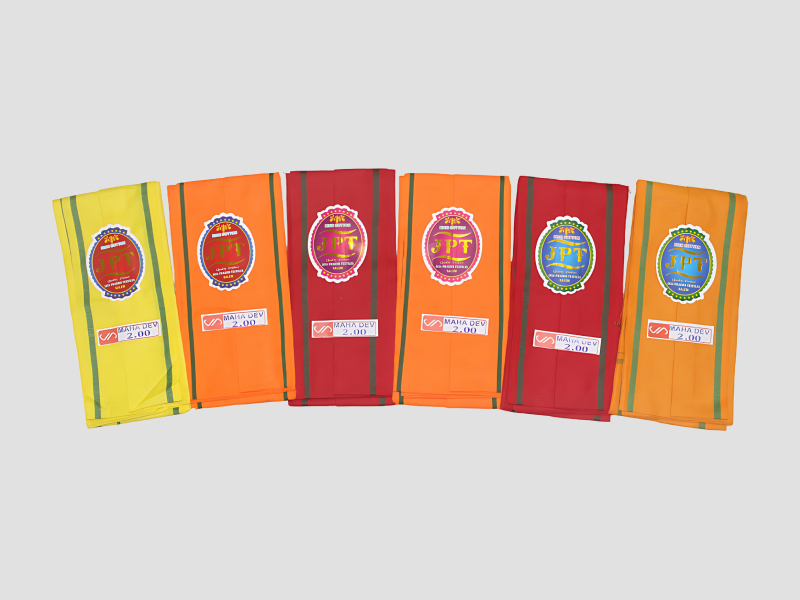
- Cotton: Offers comfort and breathability, suitable for everyday wear.
- Georgette: Lightweight and flowy, often used for draped styles.
2. Length and Width
- Standard length: Typically ranges from 5 to 9 yards.
- Width: Generally around 44 to 48 inches, providing ample draping.
3. Weave Type
- Plain weave: Common for cotton sarees, ensuring durability.
- Jacquard weave: Often seen in silk sarees, featuring intricate patterns.
4. Care Instructions
- Silk: Dry clean recommended to maintain quality.
- Cotton: Machine washable with mild detergent.
- Georgette: Hand wash preferred to prevent damage.
5. Color Variations
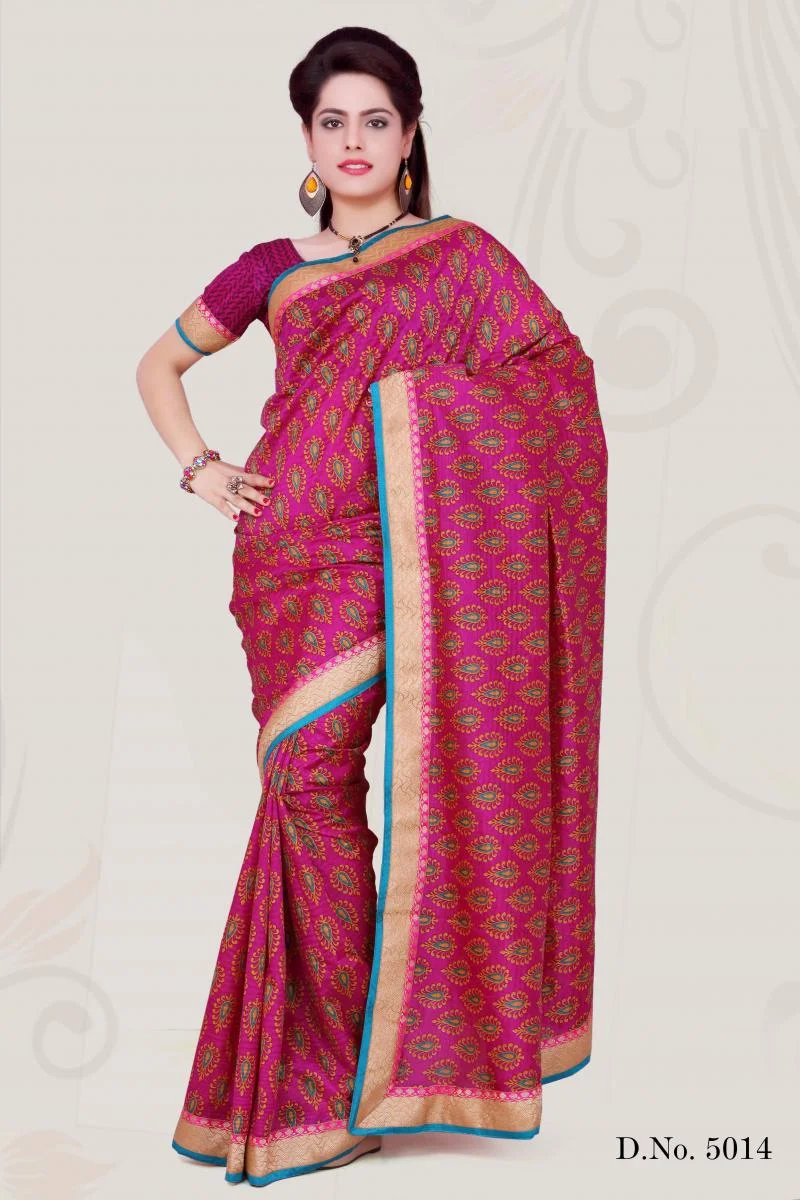
- Wide range of colors available, including solid, printed, and embroidered options.
6. Embellishments
- Possible inclusions of zari work, sequins, and beadwork for decorative appeal.
7. Regional Styles
- Different saree styles exist based on geographic regions, such as Banarasi, Kanjivaram, and Chanderi.
In summary, the features and specifications of sarees are diverse, reflecting the rich cultural heritage and modern fashion trends, making them a versatile choice for various occasions.
𝗖𝗼𝗺𝗺𝗼𝗻 𝗔𝗽𝗽𝗹𝗶𝗰𝗮𝘁𝗶𝗼𝗻𝘀 𝗮𝗻𝗱 𝗨𝘀𝗲 𝗖𝗮𝘀𝗲𝘀
Sarees find applications across multiple industries and settings, reinforcing their versatility and cultural significance.
1. Retail Fashion: Retailers stock sarees to cater to diverse customer preferences, offering traditional and contemporary designs.
2. Wedding Services: Sarees are a staple in bridal wear, making them essential for wedding planners and designers.
3. Cultural Events: Organizations often use sarees for festivals and cultural celebrations, enhancing their thematic presentations.
4. Export and Trade: Many businesses engage in exporting sarees to international markets, capitalizing on global demand.
5. Film and Television: Sarees are frequently used in costume design for movies and television, showcasing traditional attire.
6. Corporate Gifting: Companies may opt for sarees as gifts during festive seasons or corporate events, promoting cultural appreciation.
7. Handicraft Promotion: Artisans create unique sarees, promoting local craftsmanship and supporting community businesses.
𝗣𝗿𝗼𝗱𝘂𝗰𝘁 𝗩𝗮𝗿𝗶𝗮𝗻𝘁𝘀 𝗮𝗻𝗱 𝗦𝘂𝗯𝗰𝗮𝘁𝗲𝗴𝗼𝗿𝗶𝗲𝘀
Sarees come in various forms, each with distinctive characteristics suited for different occasions and preferences.
Silk Sarees
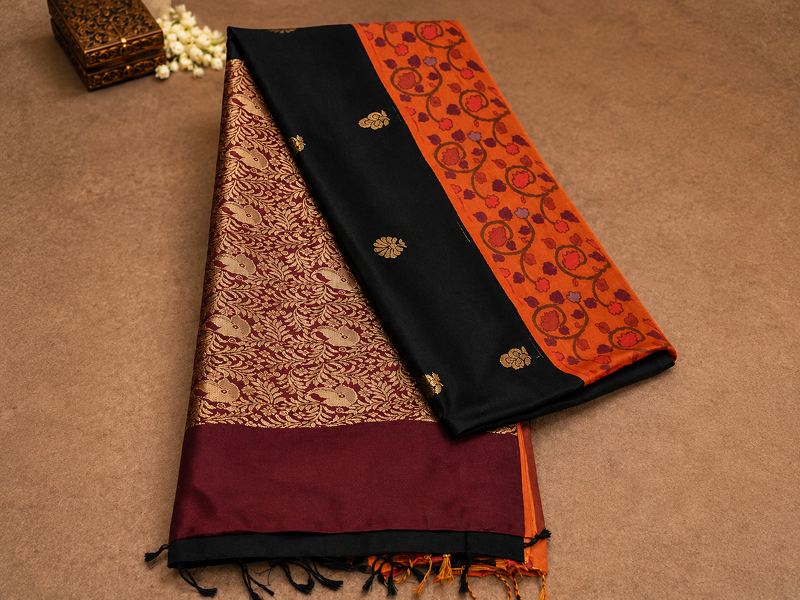
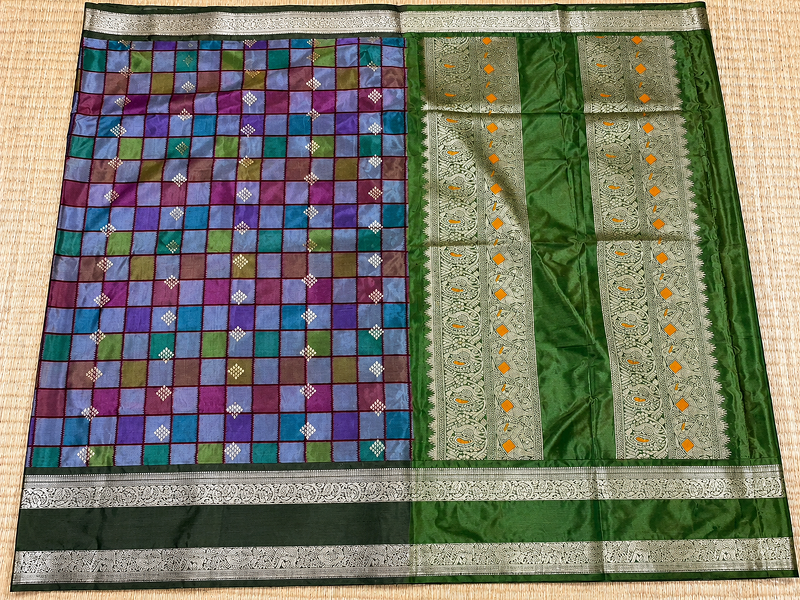
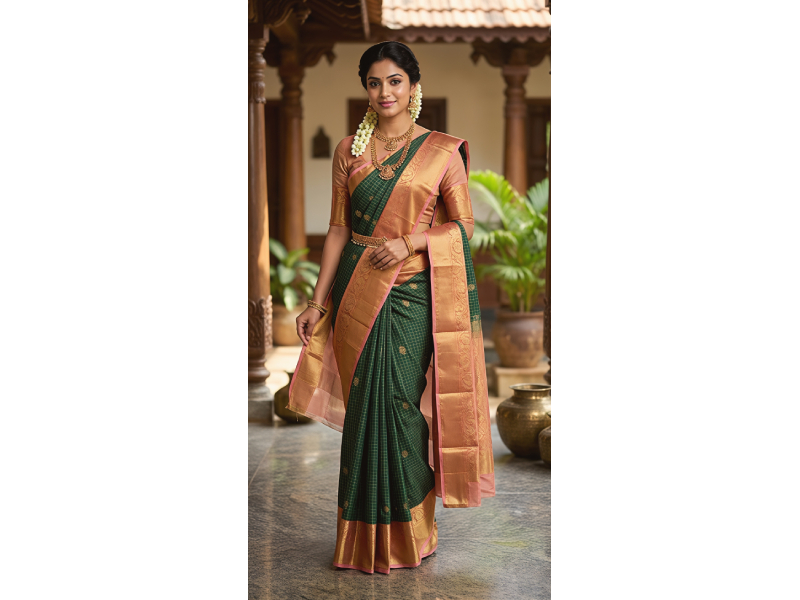
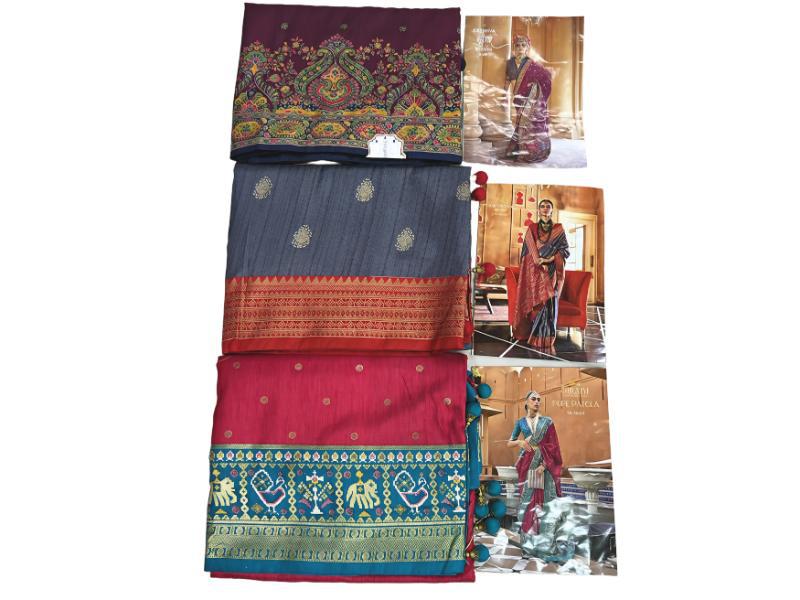
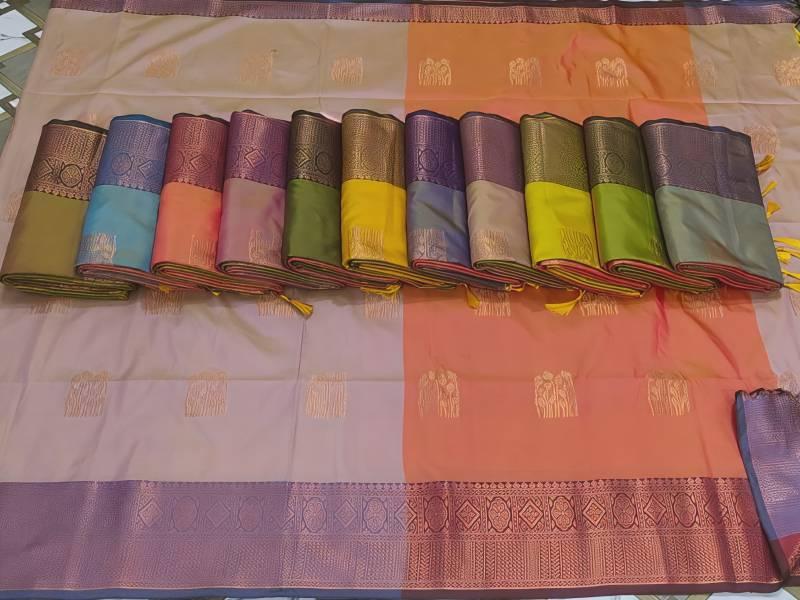
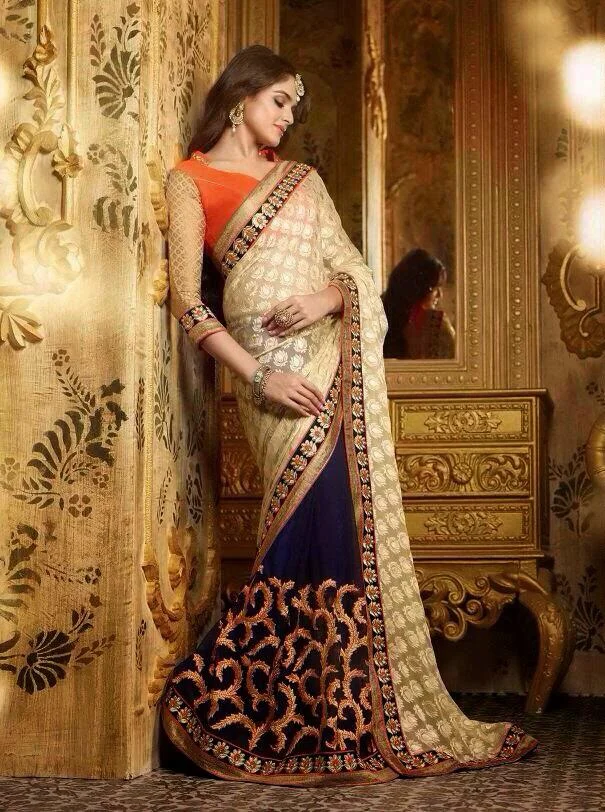
Silk sarees are synonymous with luxury and elegance. They feature intricate designs and rich textures, making them perfect for formal events and weddings. The vibrant colors and patterns enhance their appeal, attracting buyers looking for high-quality garments.
Cotton Sarees
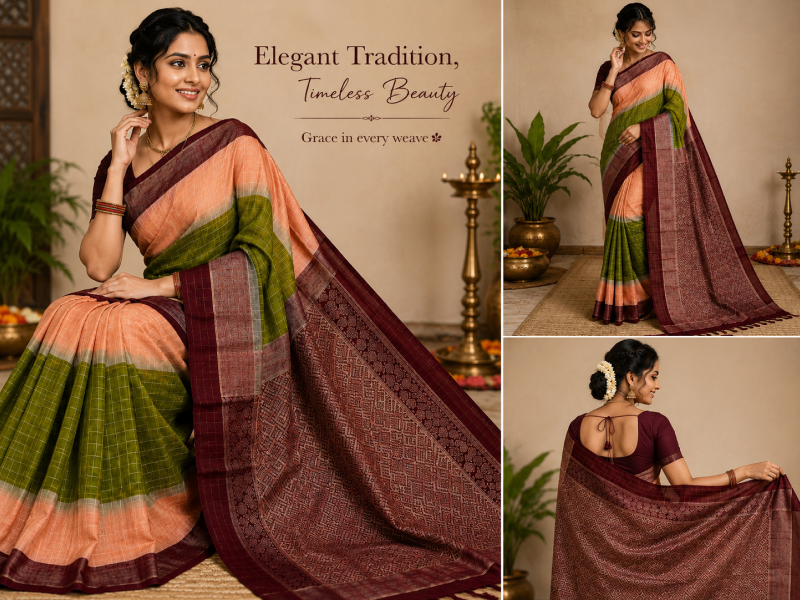
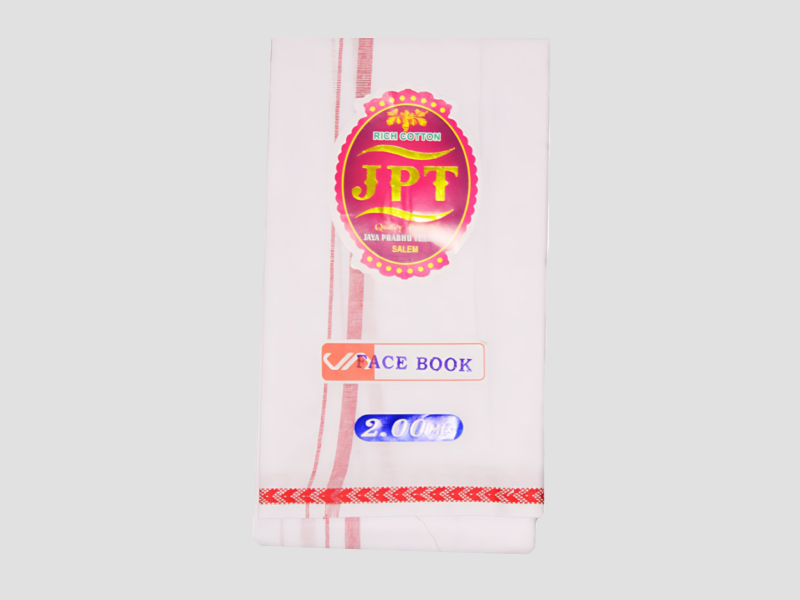
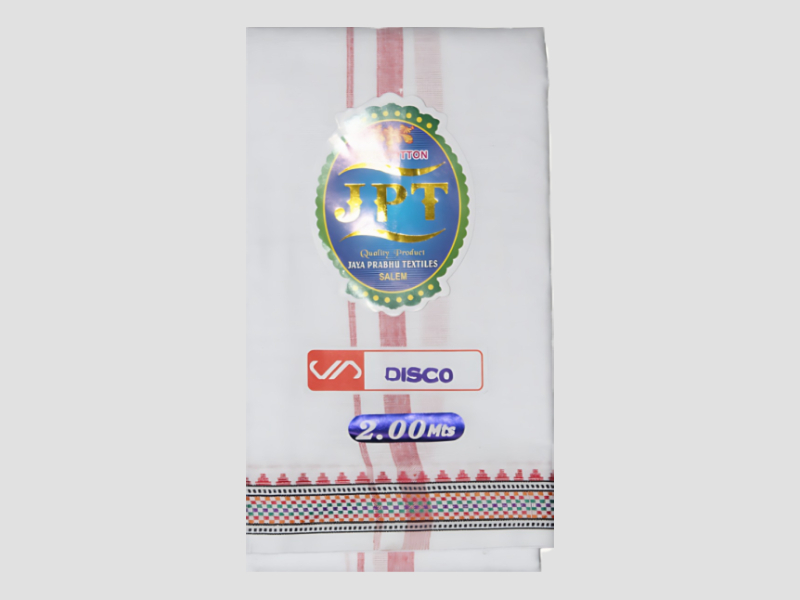
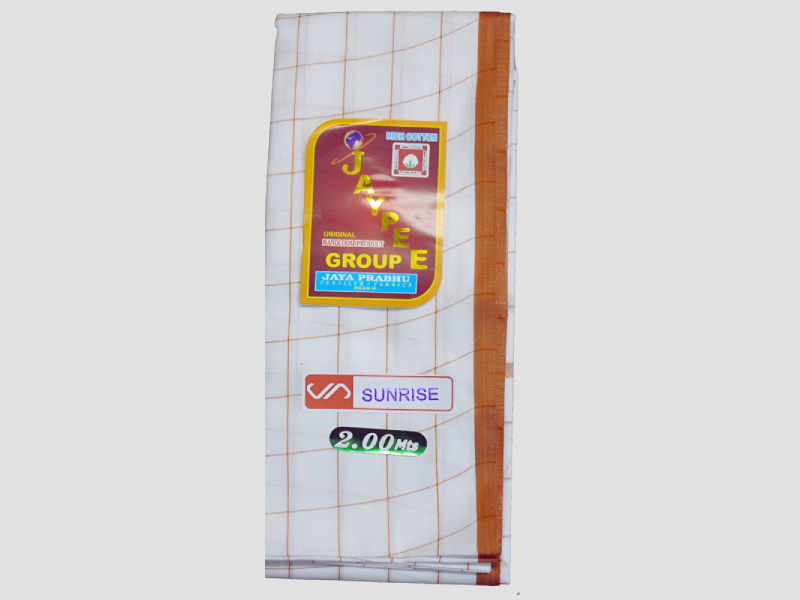
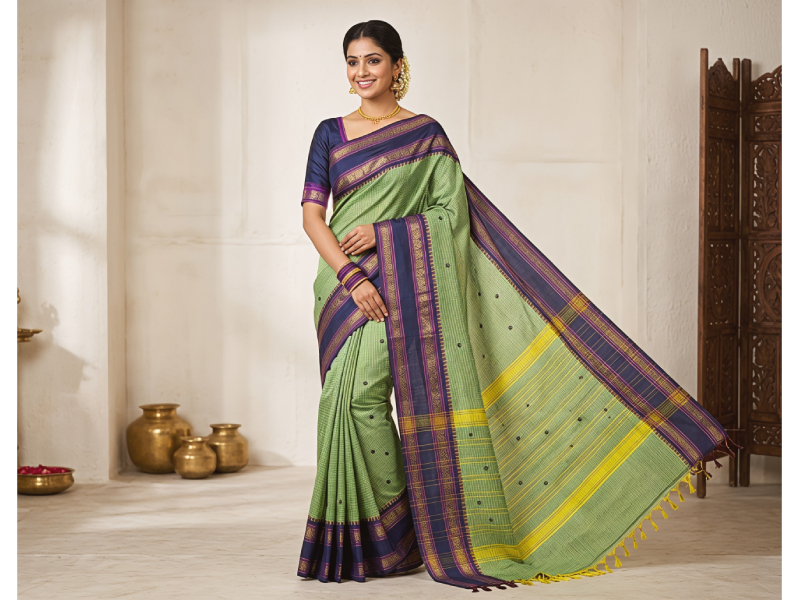
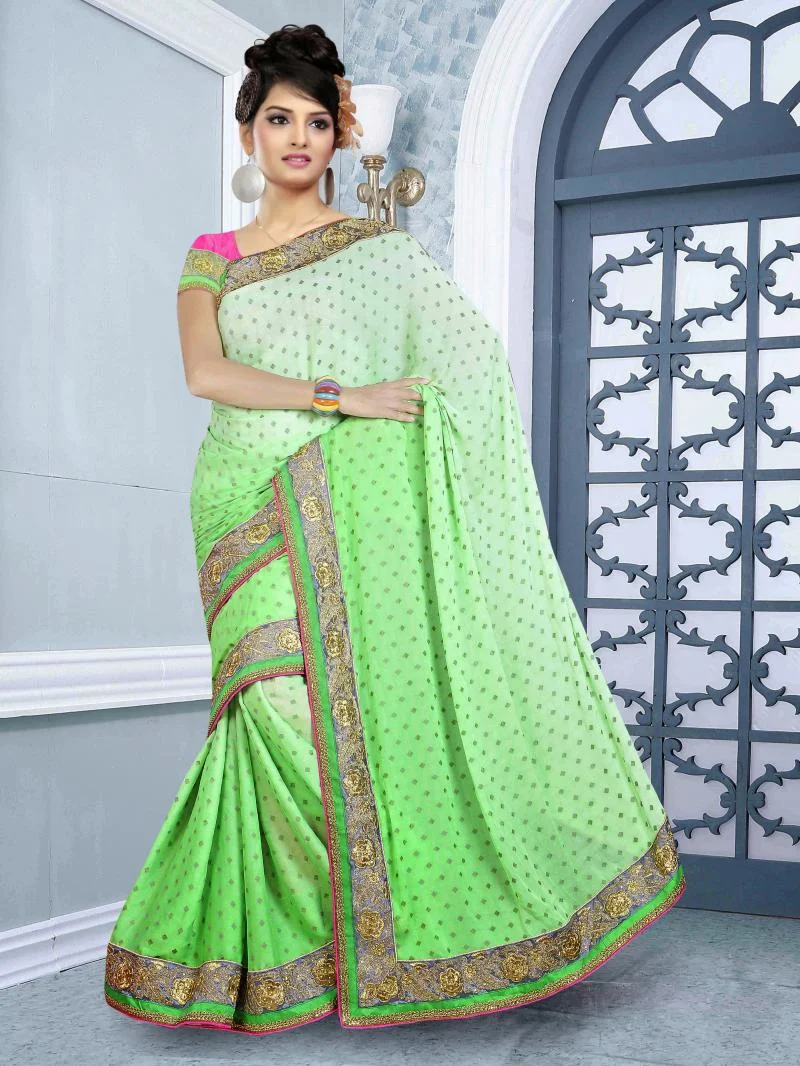
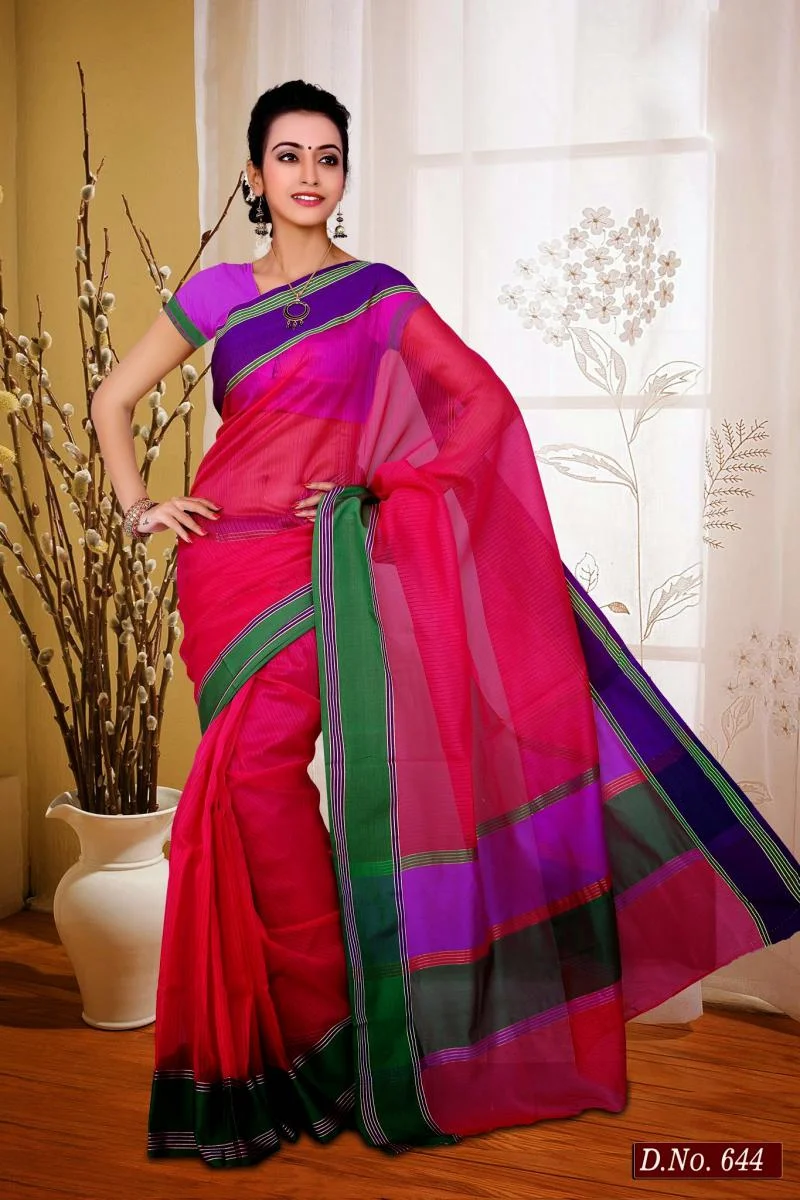
Cotton sarees are ideal for everyday wear. They are lightweight, breathable, and comfortable, making them suitable for warm weather. With a range of prints and colors, cotton sarees cater to casual and semi-formal occasions, appealing to a broader audience.
Georgette Sarees
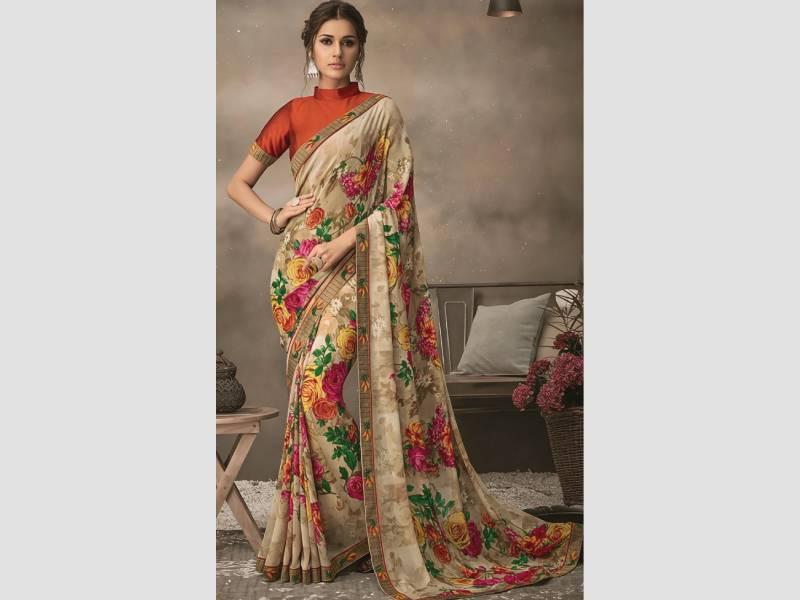
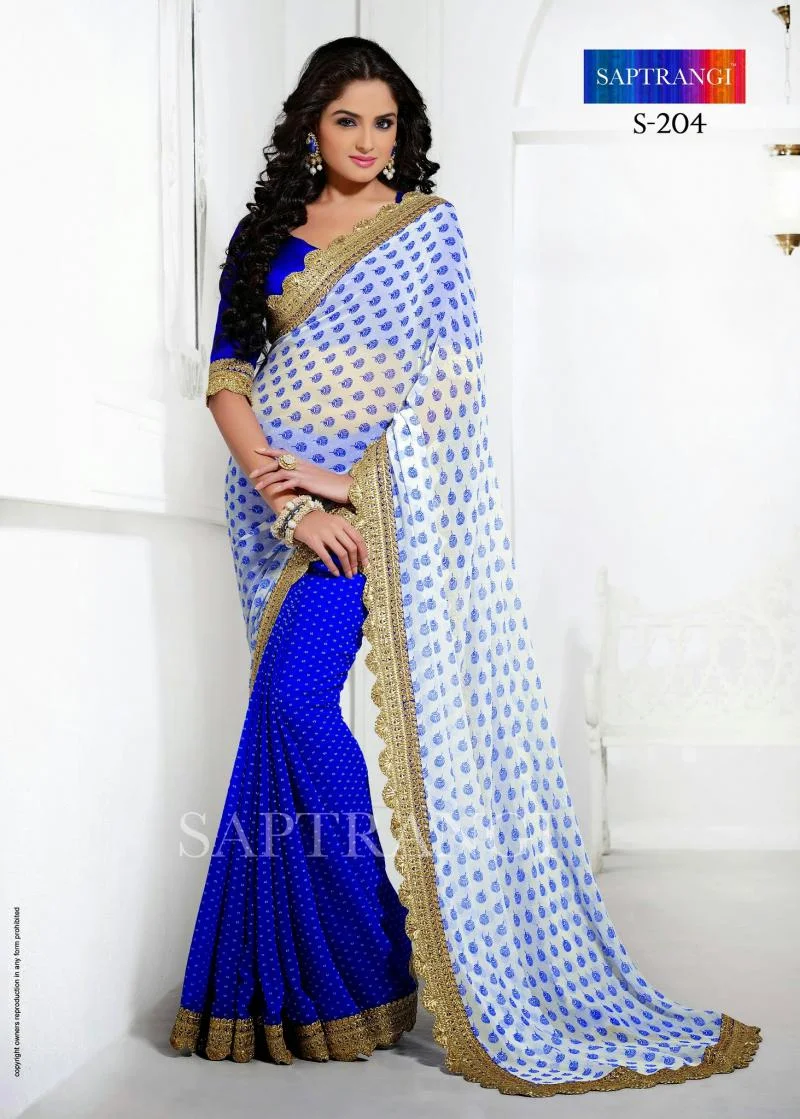
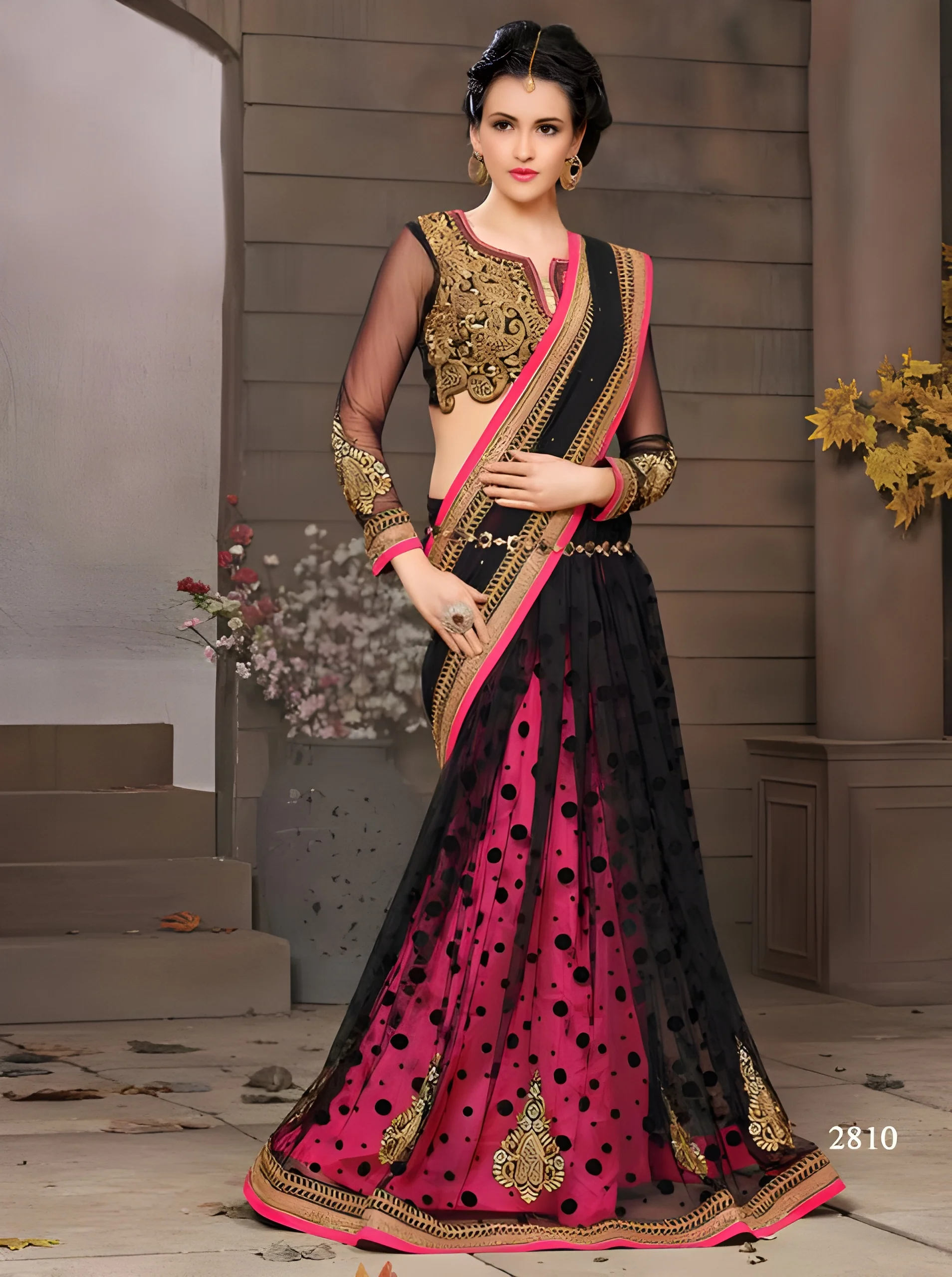
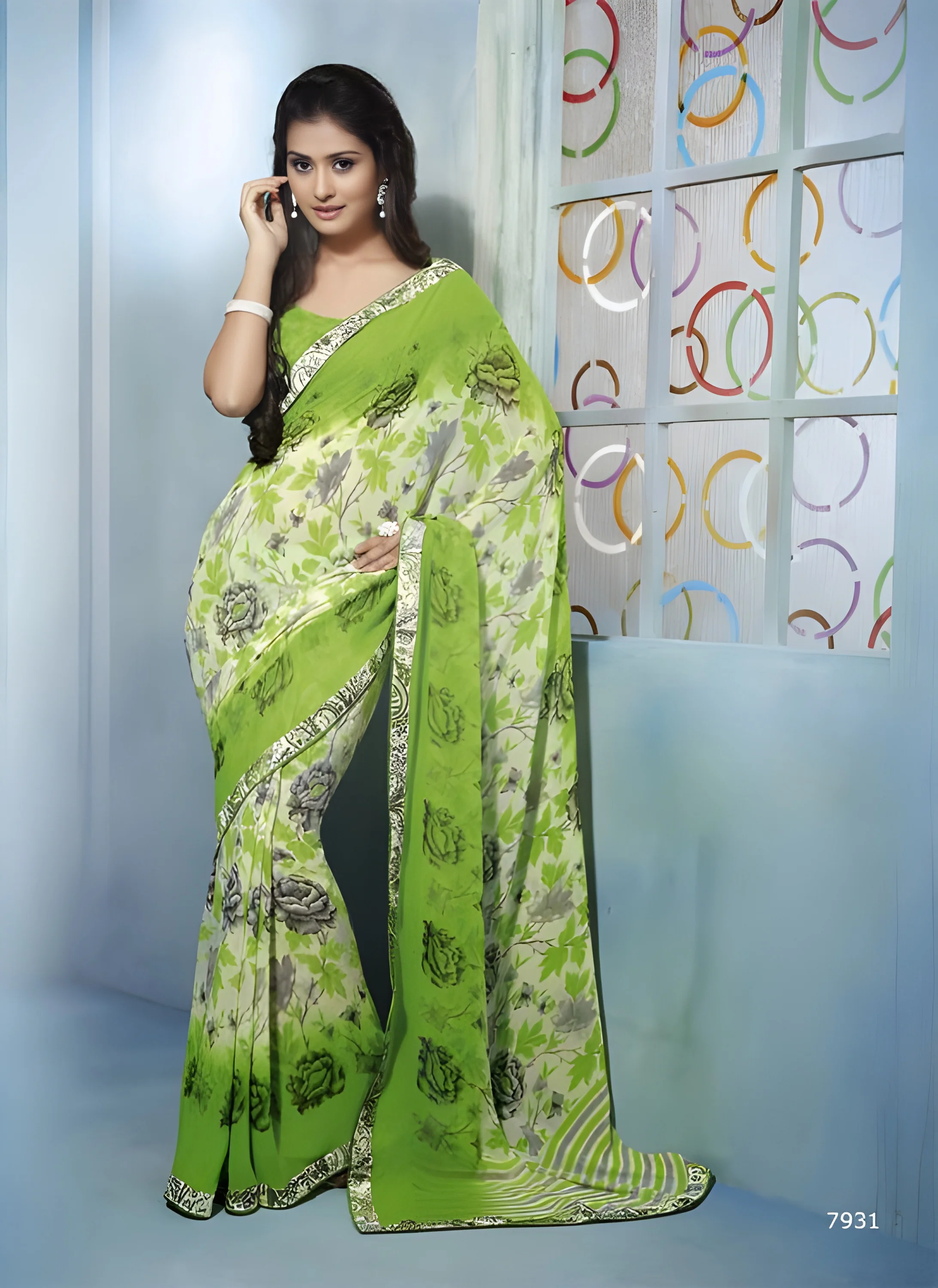
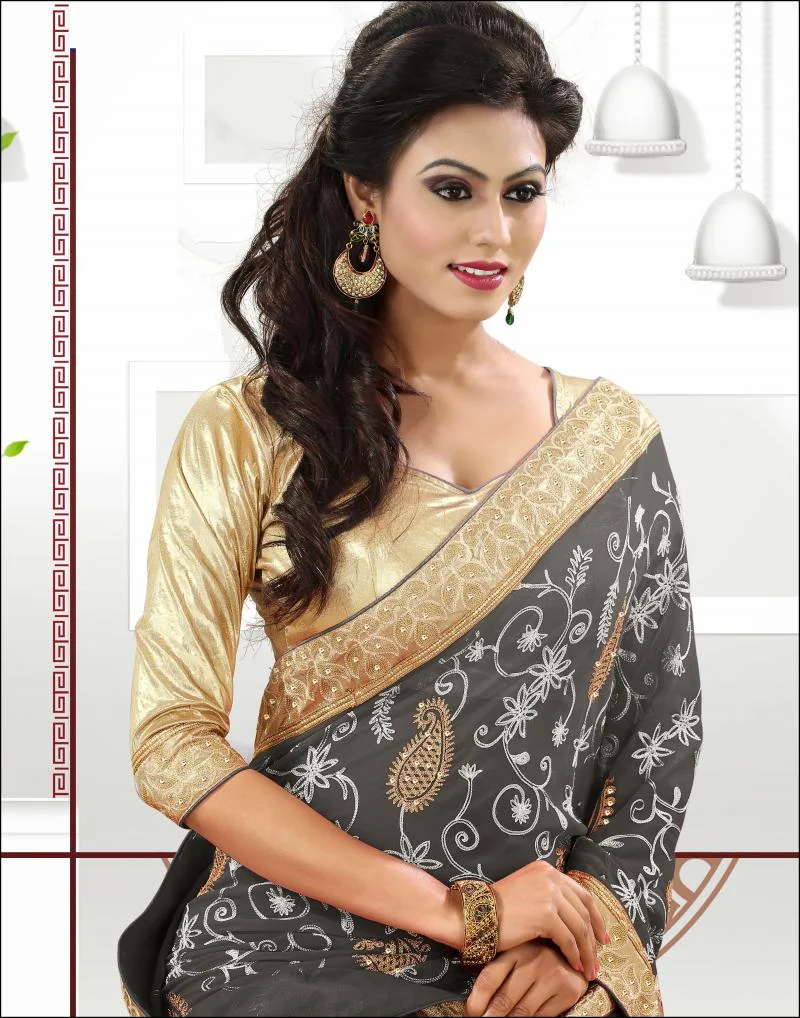
Georgette sarees are favored for their flowy drape and versatility. They often come with embellishments, making them suitable for parties and festive events. Their lightweight nature allows for easy styling, catering to fashion-forward consumers.
𝗕𝗲𝗻𝗲𝗳𝗶𝘁𝘀 𝗮𝗻𝗱 𝗔𝗱𝘃𝗮𝗻𝘁𝗮𝗴𝗲𝘀
Sarees offer numerous advantages for both consumers and businesses.
1. Cultural Significance: Sarees represent a rich cultural heritage, appealing to consumers seeking traditional attire.
2. Versatile Styles: Available in various materials and designs, sarees cater to diverse fashion preferences.
3. Comfort: Fabrics like cotton ensure comfort, making sarees suitable for daily wear and special occasions.
4. Customization Options: Many suppliers provide customization, allowing businesses to meet specific customer demands.
5. High Demand: The continuous popularity of sarees ensures a steady market, providing businesses with consistent sales opportunities.
6. Sustainable Practices: Many artisans and manufacturers focus on eco-friendly production methods, appealing to environmentally conscious buyers.
𝗕𝘂𝘆𝗶𝗻𝗴 𝗚𝘂𝗶𝗱𝗲 𝗳𝗼𝗿 𝗕𝟮𝗕 𝗕𝘂𝘆𝗲𝗿𝘀
When sourcing sarees (Silk, Cotton, Georgette), it is crucial for B2B buyers to consider several factors to make informed decisions.
1. Quality Assessment: Evaluate the quality of fabrics and craftsmanship. Look for sarees with consistent weaves and finishes that meet industry standards.
2. Supplier Verification: Vet suppliers thoroughly to ensure reliability. Check for reviews, certifications, and their track record in the industry.
3. Pricing and MOQ: Understand the pricing structure and minimum order quantities. Compare quotes from multiple suppliers to find the best value.
4. Delivery and Lead Times: Discuss delivery schedules and lead times to ensure timely availability of products for your business needs.
5. Compliance Requirements: Be aware of any regulatory requirements and certifications needed for importing or selling sarees in your region.
𝗖𝗼𝗺𝗽𝗹𝗶𝗮𝗻𝗰𝗲 𝗮𝗻𝗱 𝗖𝗲𝗿𝘁𝗶𝗳𝗶𝗰𝗮𝘁𝗶𝗼𝗻𝘀
Sarees must adhere to various quality standards and certifications to ensure product safety and marketability.
Relevant quality standards include ISO 9001, which emphasizes quality management systems, ensuring consistency in production. Compliance with HACCP (Hazard Analysis Critical Control Point) is essential for maintaining safe production processes, especially for materials that may come into contact with skin.
Industry certifications such as CE mark signify conformity with health, safety, and environmental protection standards. This certification is crucial for businesses looking to expand internationally.
Additionally, safety and testing requirements must be met to ensure that sarees are free from harmful substances. Regional compliance considerations should also be taken into account, as different markets may have specific regulations governing textile products.
Why Source Sarees (Silk, Cotton, Georgette) from Pepagora?
Pepagora offers a reliable platform for sourcing sarees (Silk, Cotton, Georgette) with several key advantages for B2B buyers.
Verified Supplier Network: Pepagora connects buyers with a network of verified suppliers, ensuring product authenticity and quality. Each supplier undergoes a thorough verification process to enhance buyer confidence.
Streamlined RFQ Process: The request for quotation (RFQ) system simplifies the sourcing process. Buyers can easily request quotes from multiple suppliers, making it easier to compare prices and offerings.
Trade Assurance and Support: Pepagora provides trade assurance services, protecting buyers against potential risks in transactions. This support fosters a secure purchasing environment.
Regional Coverage: With a strong presence in India, the GCC, and Southeast Asia, Pepagora caters to a wide geographic reach. This regional coverage allows buyers to access diverse saree options and capitalize on local market trends.