What are Folklore-Inspired Wear?
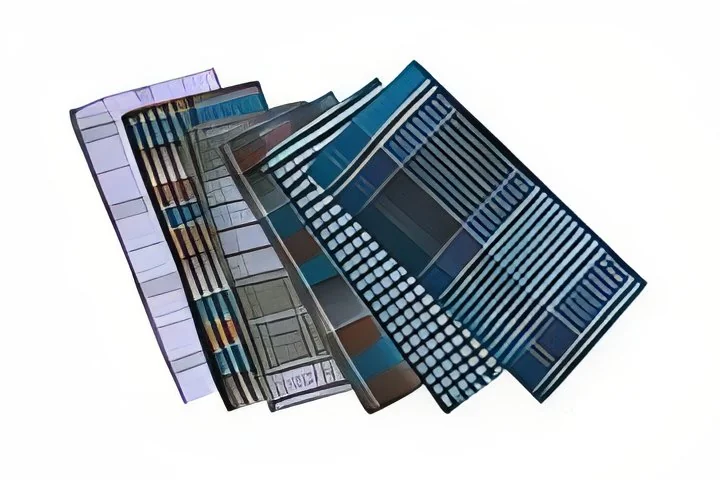
Folklore-Inspired Wear encompasses a unique range of clothing and accessories that draw inspiration from traditional tales and cultural heritage. This type of wear often features motifs, patterns, and designs that reflect the rich tapestry of folklore from various regions. These garments are not just fashion statements; they also serve to preserve cultural identities and stories that have been passed down through generations.
The primary uses of Folklore-Inspired Wear extend beyond personal attire. Businesses often utilize these products in sectors such as fashion retail, cultural tourism, and event management. Companies may incorporate folklore-inspired designs into their branding or product lines to appeal to consumers seeking authenticity and a connection to cultural roots. The market for such products is growing as consumers become increasingly interested in unique, story-driven fashion.
In terms of industry relevance, Folklore-Inspired Wear is gaining traction within the global fashion landscape. As traditional craftsmanship gains recognition, many designers incorporate folklore elements into contemporary styles. This trend reflects a broader movement towards sustainability and ethical fashion, making it a vital component of modern apparel markets.
Key Features and Specifications
Folklore-Inspired Wear is characterized by its distinctive designs and craftsmanship. The products vary in style, material, and cultural significance. Each piece is often handmade, ensuring a level of uniqueness and quality.
Key specifications include:
1. Material Composition
- Typically crafted from natural fibers such as cotton, silk, or wool
- May include sustainable and eco-friendly materials
2. Design Elements
- Features traditional motifs and patterns from various cultures
- Incorporates vibrant colors and textures that reflect folklore themes
3. Size Range
- Available in a variety of sizes to accommodate diverse body types
- Custom size options may be offered by some suppliers
4. Production Techniques
- Often handmade using traditional methods, adding to uniqueness
- May include embroidery, weaving, or dyeing techniques specific to cultural heritage
5. Durability Standards
- Designed for longevity, with attention to fabric quality and stitching
- Typically withstands regular wear and washing
6. Packaging and Presentation
- Often presented in eco-friendly packaging
- May include cultural narratives or care instructions to enhance customer experience
In summary, Folklore-Inspired Wear combines cultural artistry with modern fashion sensibilities, making it a valuable addition to any retail collection.
Common Applications and Use Cases
Folklore-Inspired Wear serves various industries, each leveraging its unique attributes.
1. Fashion Retail: Retailers may offer folklore-inspired collections to attract consumers interested in cultural fashion and storytelling. These products often stand out in a crowded market.
2. Cultural Tourism: Businesses in tourism may utilize these garments as souvenirs or promotional items, allowing visitors to take home a piece of the culture they experienced.
3. Event Management: Event planners may incorporate folklore-inspired wear in themed events, performances, or festivals, enhancing the overall cultural experience for attendees.
4. Educational Institutions: Schools and universities might use these garments in cultural programs or events to promote awareness and appreciation for diverse heritages.
5. Community Crafts: Artisans and local communities may produce folklore-inspired wear as part of craft initiatives, supporting local economies and preserving traditional techniques.
6. Costume Design: Theatrical productions or film industries may seek folklore-inspired wear for costumes that require authenticity and cultural representation.
7. Online Retail: E-commerce platforms can feature folklore-inspired collections, allowing for broader market reach and access to niche consumers.
Product Variants and Subcategories
Folklore-Inspired Wear offers a variety of products designed to meet diverse consumer preferences.
Traditional Dresses: These garments often reflect specific cultural styles, featuring intricate embroidery or weaving that tells a story about the region. They are perfect for festivals or cultural celebrations.
Accessories: Items such as scarves, jewelry, and bags that incorporate folklore designs complement outfits and allow consumers to express their appreciation for cultural heritage in subtle ways.
Casual Wear: This variant includes everyday clothing like t-shirts and skirts that feature folklore motifs, making cultural fashion accessible for regular use.
Seasonal Collections: Some brands may offer limited-edition seasonal items inspired by folklore, aligning with holidays or festivals to attract buyers during peak shopping times.
Benefits and Advantages
Folklore-Inspired Wear offers several benefits that appeal to both consumers and businesses.
1. Unique Aesthetic: Each piece is often one-of-a-kind due to handmade production, offering a distinct look that stands out in the market.
2. Cultural Preservation: Purchasing these garments supports artisans and helps preserve traditional crafts and stories that might otherwise be lost.
3. Sustainable Fashion: Many folklore-inspired products are made from eco-friendly materials, appealing to environmentally conscious consumers.
4. Market Differentiation: Businesses can differentiate themselves by offering unique, culturally rich products that resonate with consumers seeking authenticity.
5. Emotional Connection: These garments often carry stories and cultural significance, allowing consumers to connect emotionally with their purchases.
6. Versatility: Folklore-Inspired Wear can be styled for various occasions, from casual to formal, making it a valuable addition to any wardrobe.
Buying Guide for B2B Buyers
When sourcing Folklore-Inspired Wear, businesses should consider several important factors.
1. Quality Assessment: Ensure that products meet quality standards by evaluating materials and craftsmanship. Request samples to check for durability and design fidelity.
2. Supplier Verification: Vet suppliers by checking their production practices, ethical standards, and previous customer reviews to ensure reliability.
3. Pricing and MOQ: Understand the pricing structure and minimum order quantities (MOQs) that suppliers offer. Compare options to find the best value without compromising quality.
4. Delivery and Lead Times: Discuss logistics and expected delivery timelines to ensure products arrive on schedule, especially for seasonal or promotional events.
5. Compliance Requirements: Familiarize yourself with any regulatory compliance needed for textiles, including safety standards and labeling requirements.
Compliance and Certifications
Folklore-Inspired Wear must meet various compliance and certification standards to ensure quality and safety.
Relevant quality standards include ISO 9001, which outlines requirements for a quality management system, ensuring consistent product quality and customer satisfaction. Additionally, HACCP guidelines may apply to any textiles that come into contact with food or health sectors.
Industry certifications like CE help indicate that products comply with European health, safety, and environmental protection standards. This is particularly important for businesses targeting the European market.
Safety and testing requirements must be adhered to, especially regarding hazardous substances in textiles. Suppliers should provide documentation of compliance with relevant safety regulations.
Regional compliance considerations may vary, so it is essential for buyers to understand local laws and standards that apply to Folklore-Inspired Wear in their specific markets.
Why Source Folklore-Inspired Wear from Pepagora?
Pepagora provides a trusted platform for sourcing Folklore-Inspired Wear, offering several key advantages to buyers.
Verified Supplier Network: Pepagora features a range of verified suppliers who meet rigorous quality and ethical standards. This ensures buyers can trust the products they source.
Streamlined RFQ Process: The Request for Quotation (RFQ) process on Pepagora is designed to be user-friendly, allowing buyers to quickly compare quotes and make informed purchasing decisions.
Trade Assurance and Support: Buyers benefit from trade assurance measures that protect their investments. Pepagora provides support throughout the purchasing process, ensuring satisfaction and reliability.
Regional Coverage: With a strong presence in India, the GCC, and Southeast Asia, Pepagora connects buyers with suppliers across these regions. This geographic reach allows for diverse sourcing options tailored to various market needs.
In conclusion, sourcing Folklore-Inspired Wear from Pepagora not only ensures access to quality products but also fosters connections with suppliers committed to preserving cultural heritage.

 IN
IN