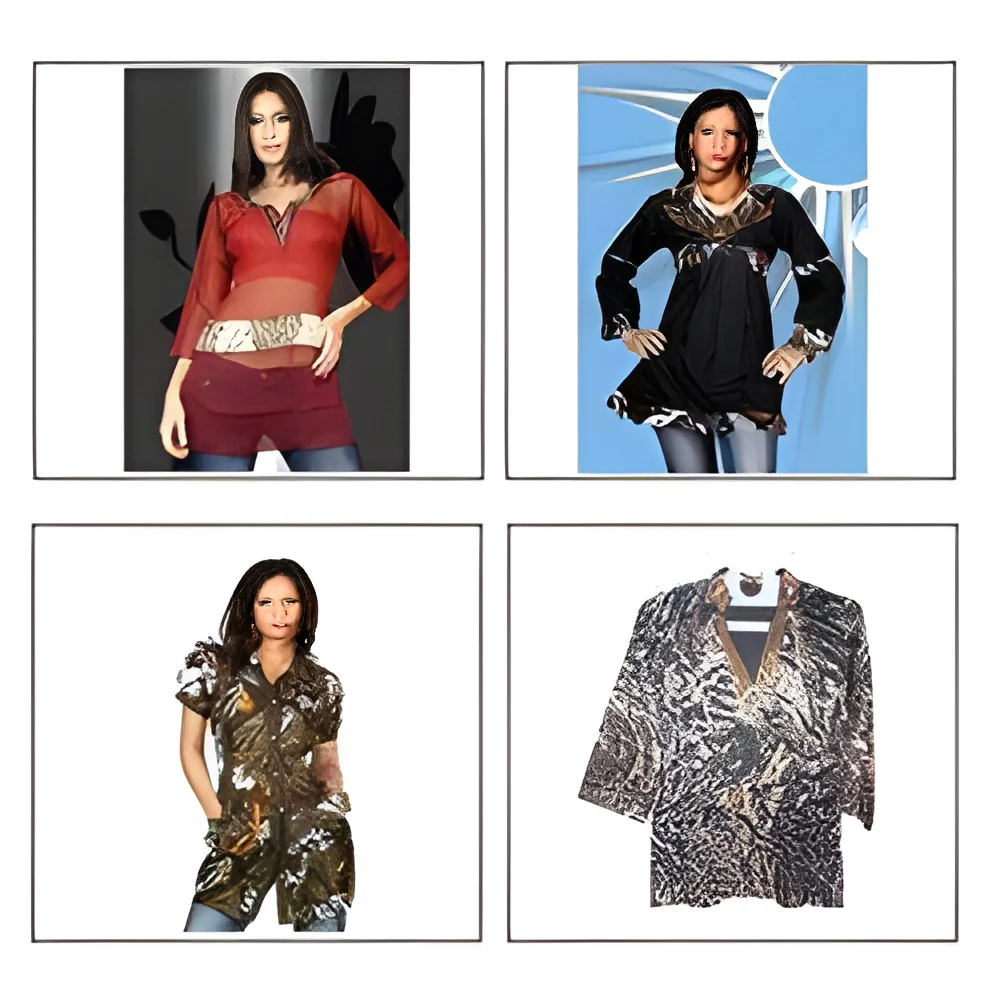
What are Other Ethnic & Cultural Clothing?
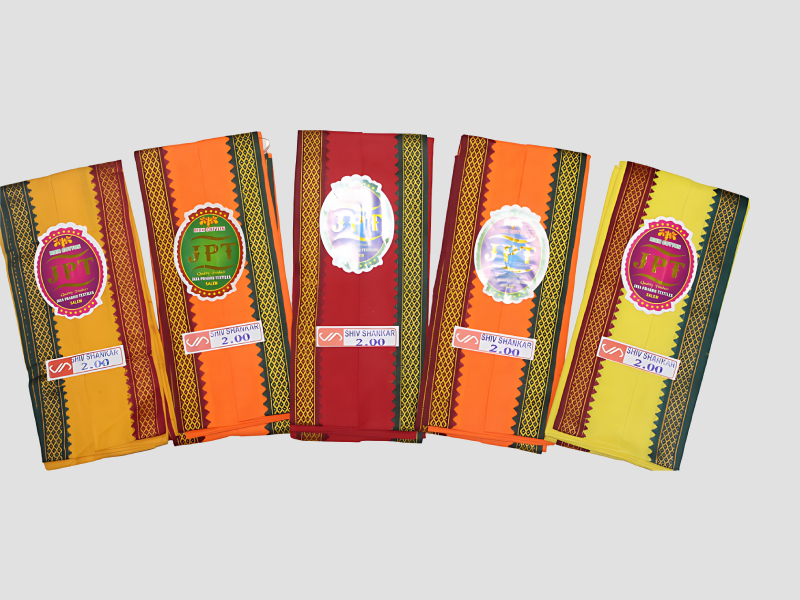
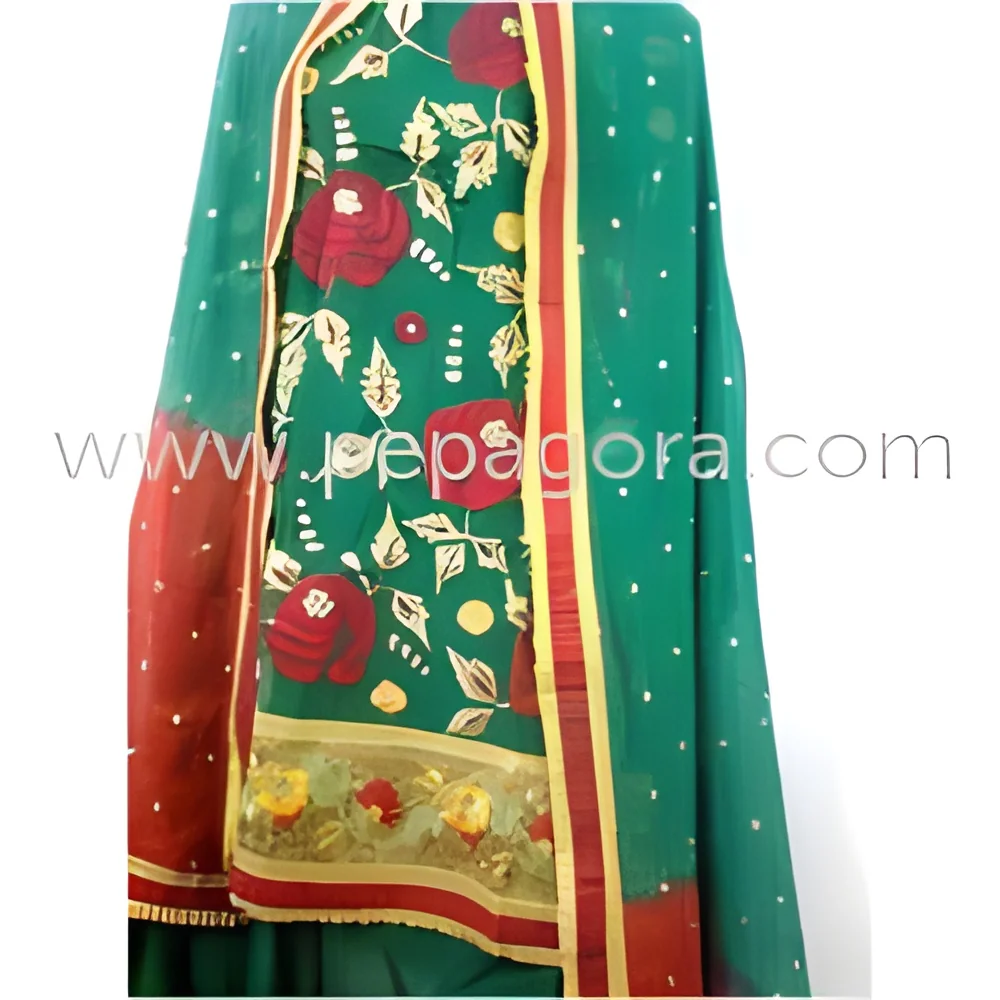
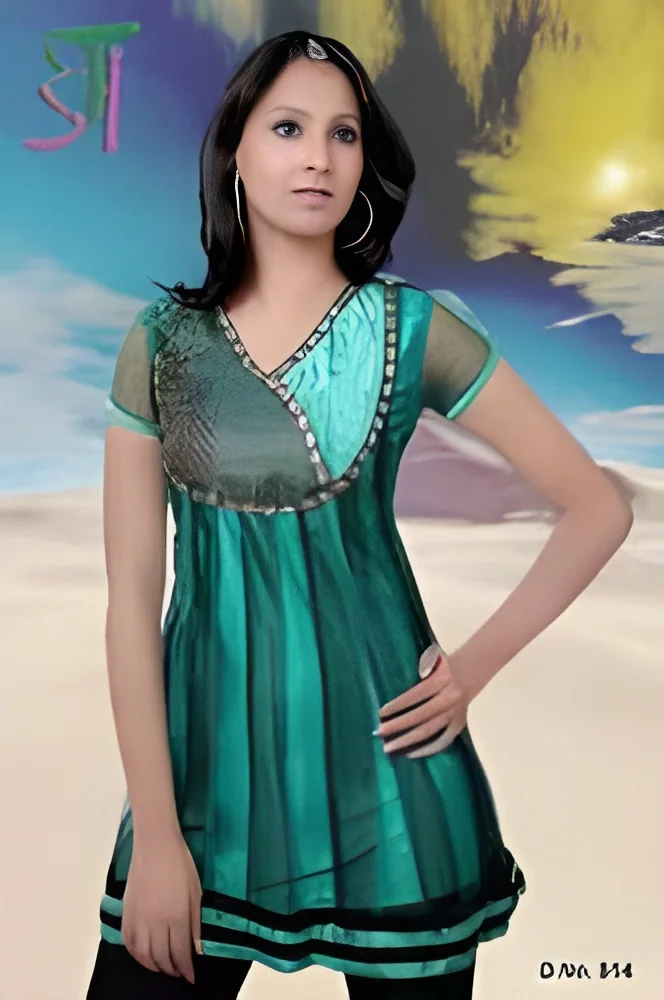
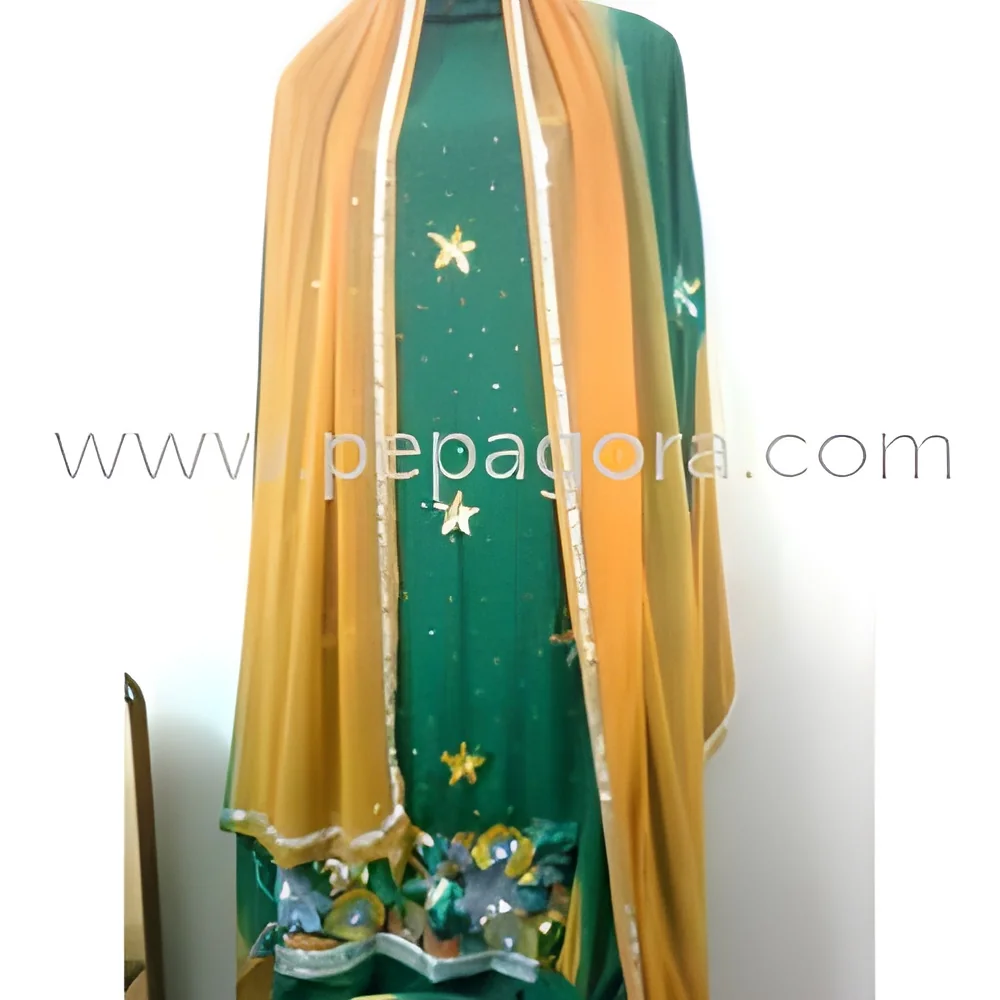
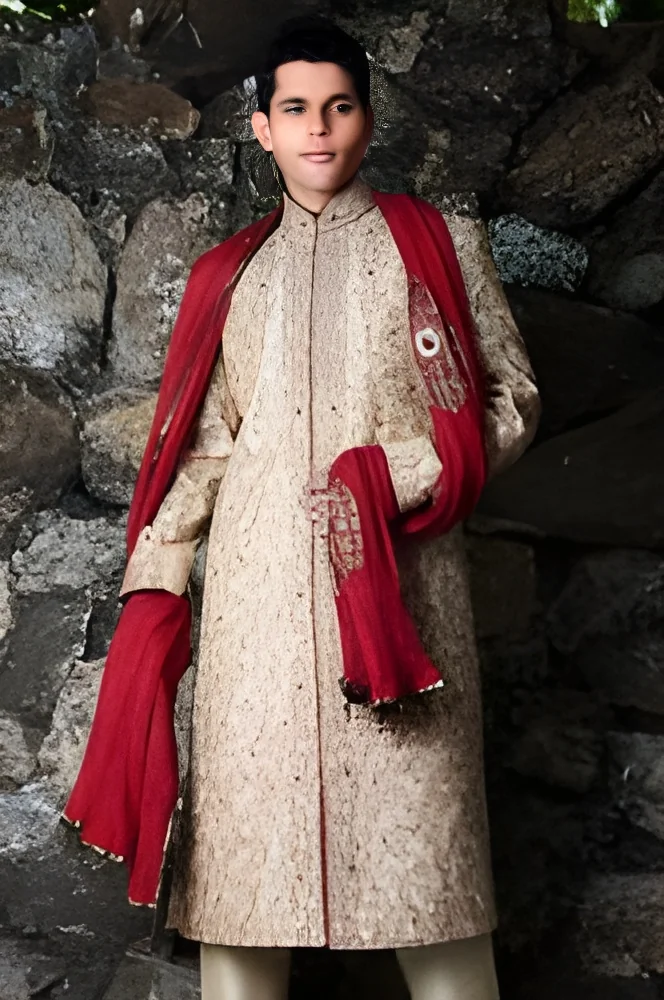
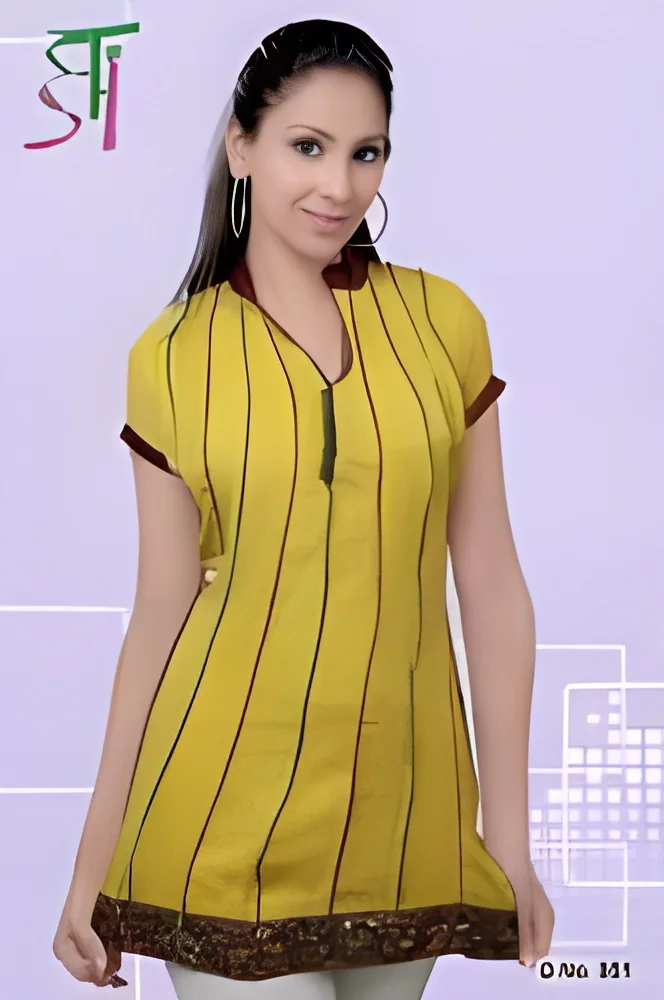
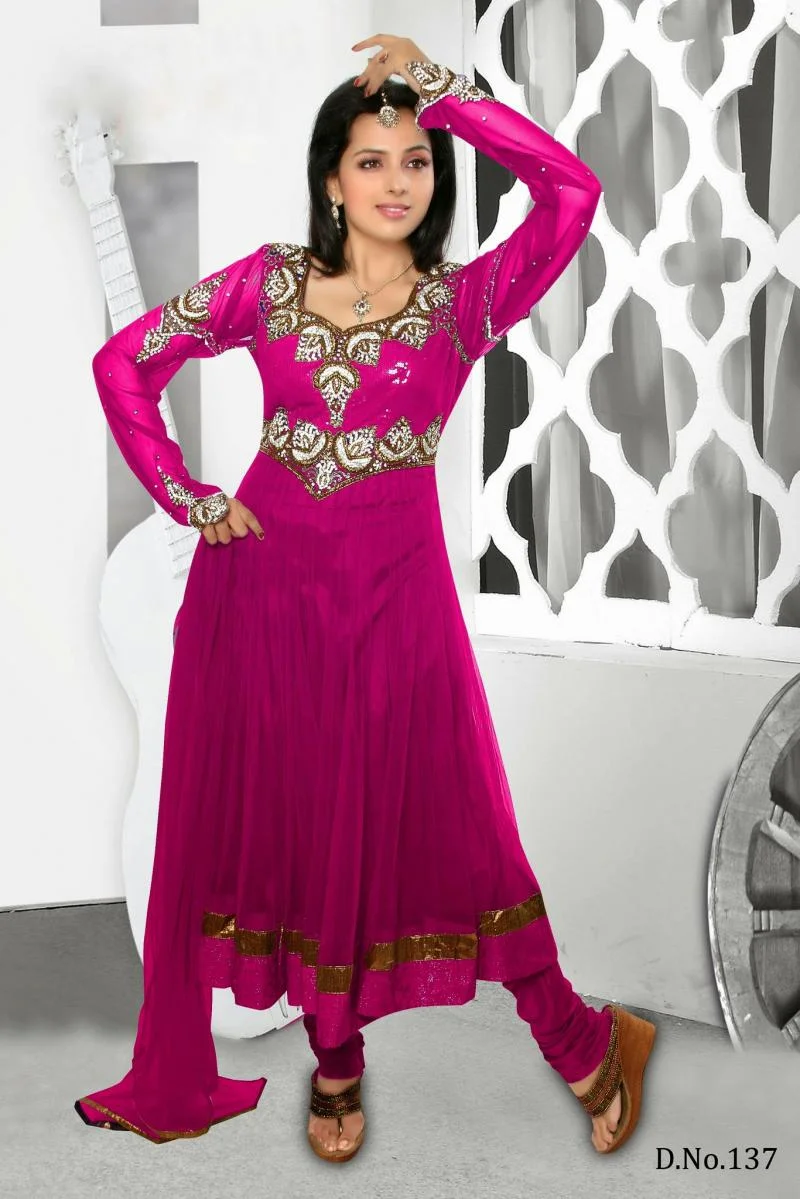
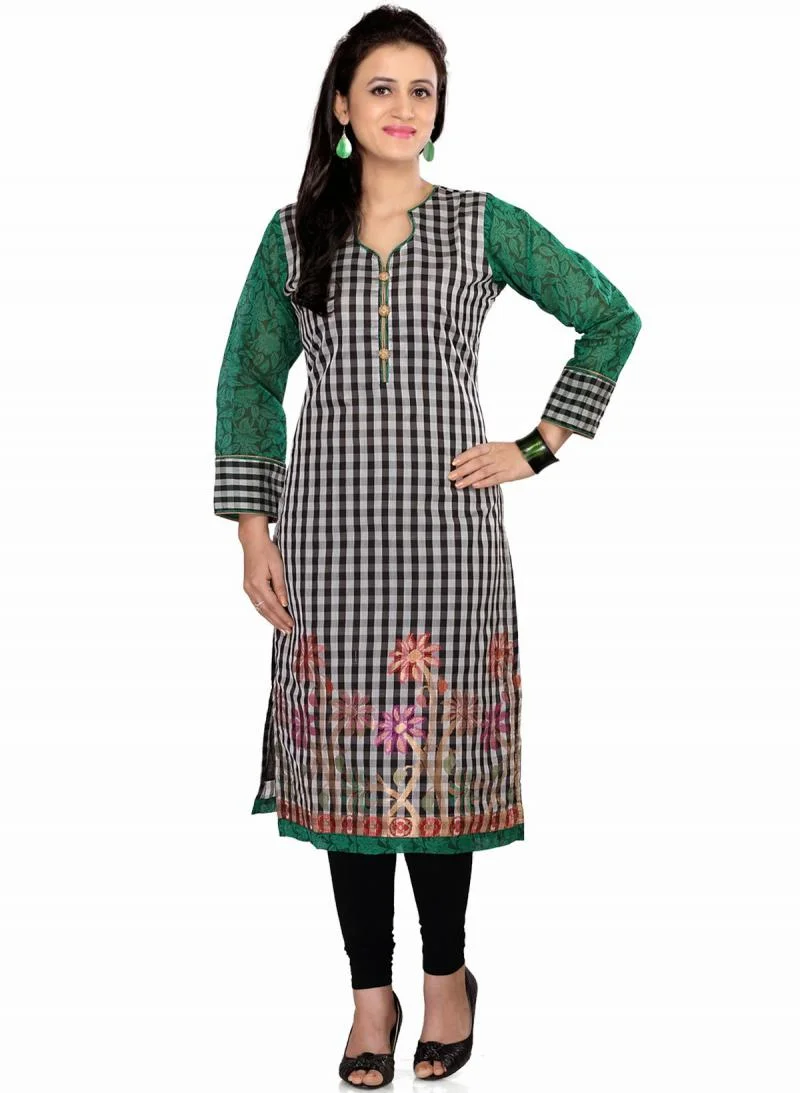
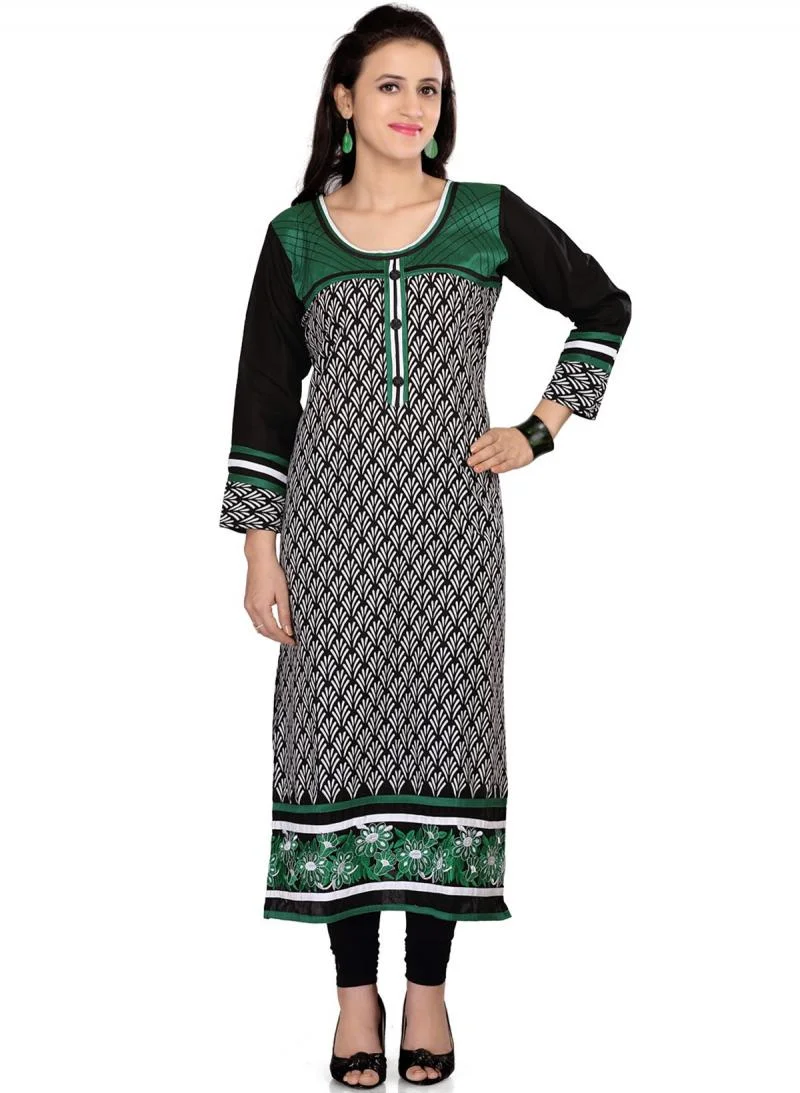
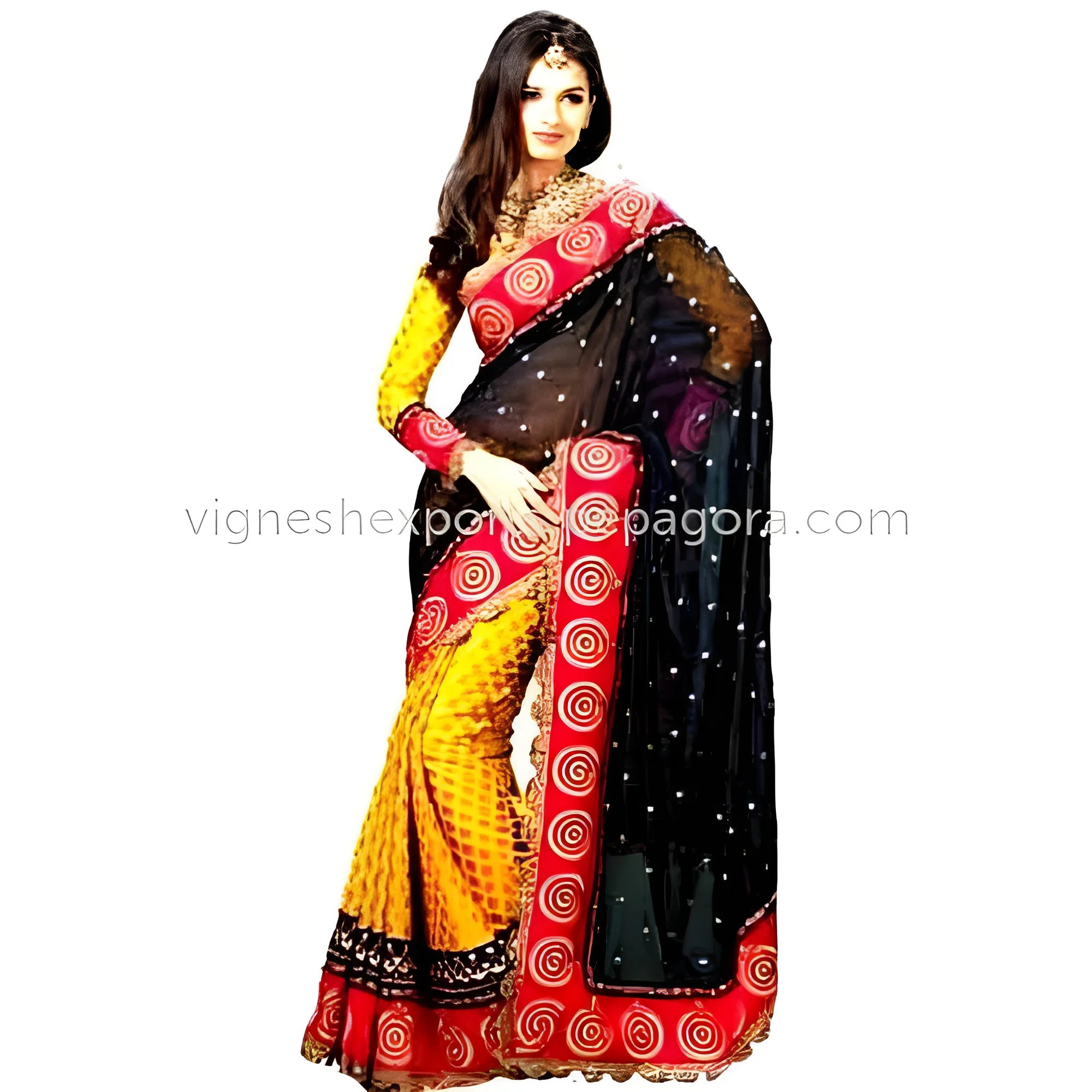
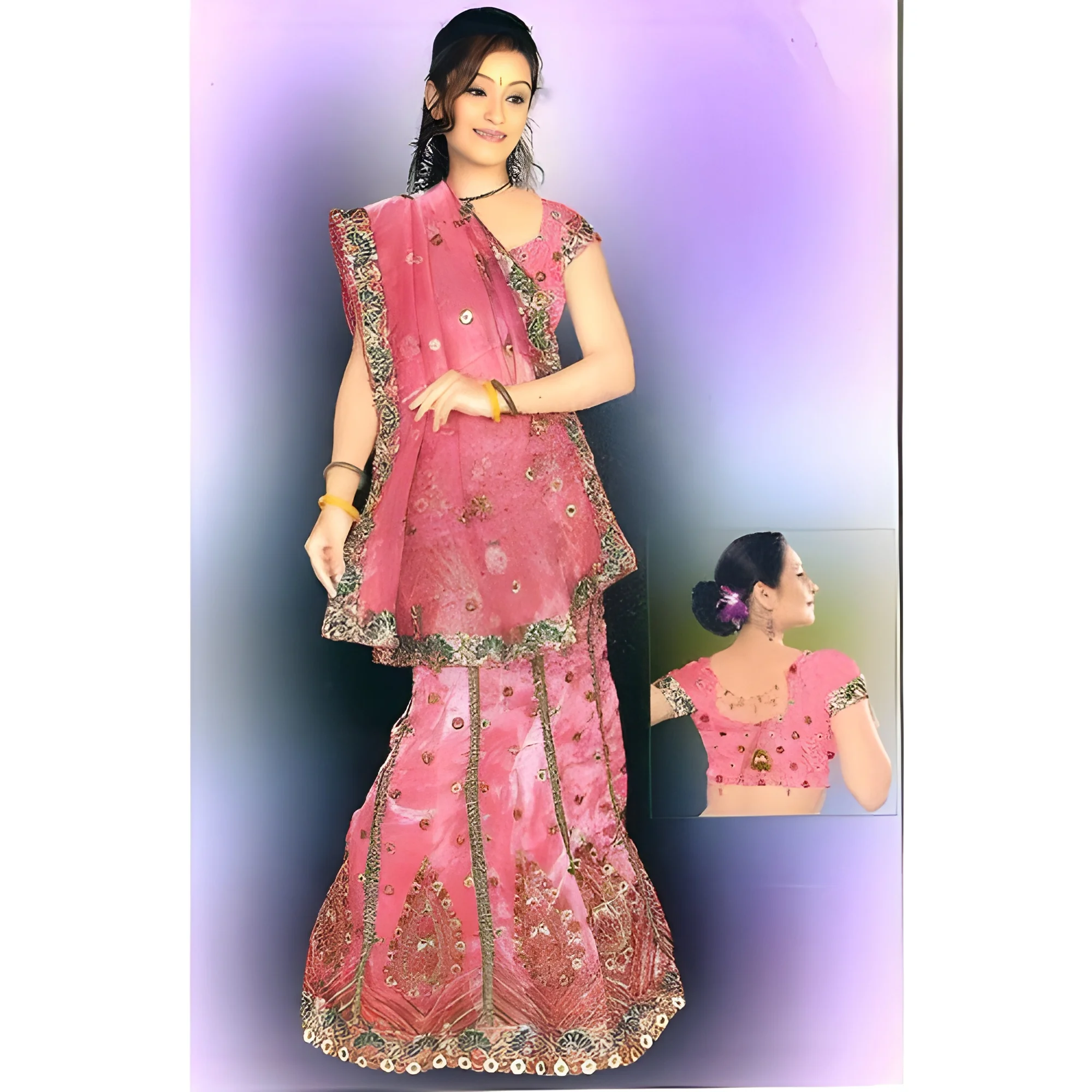
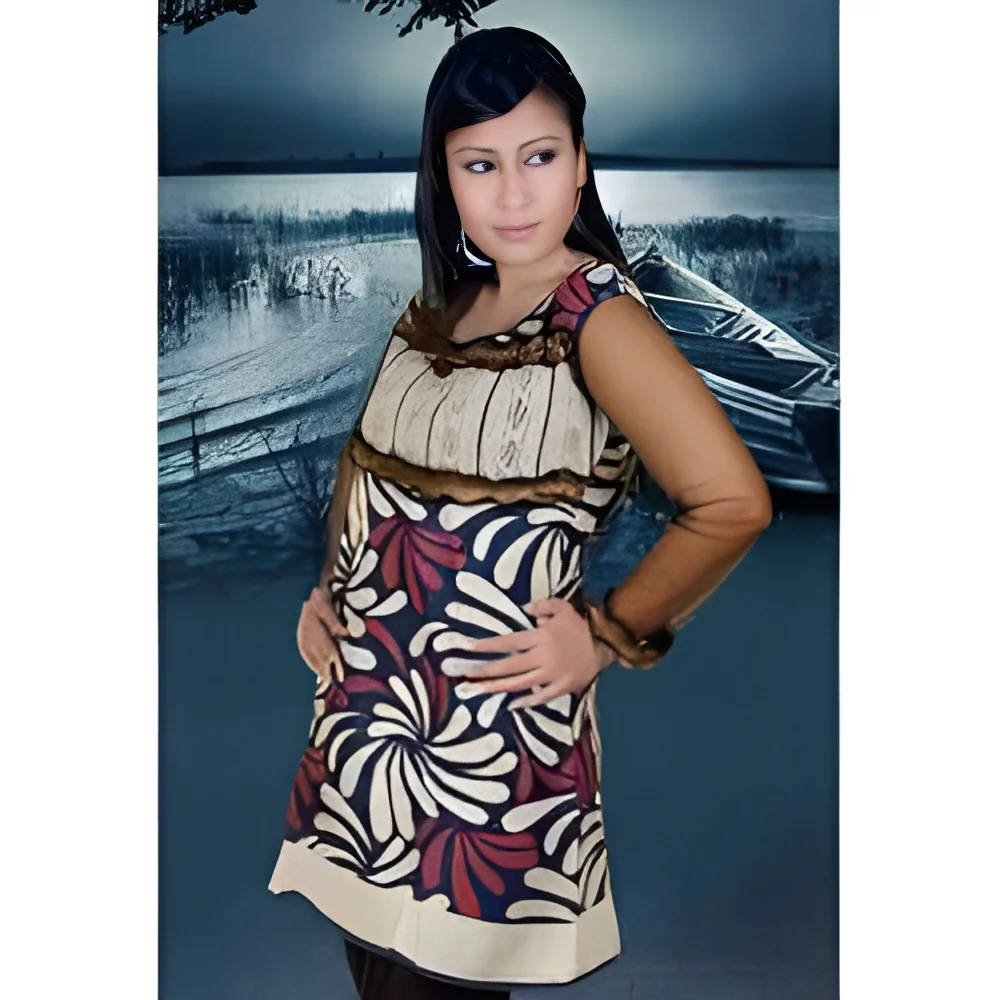
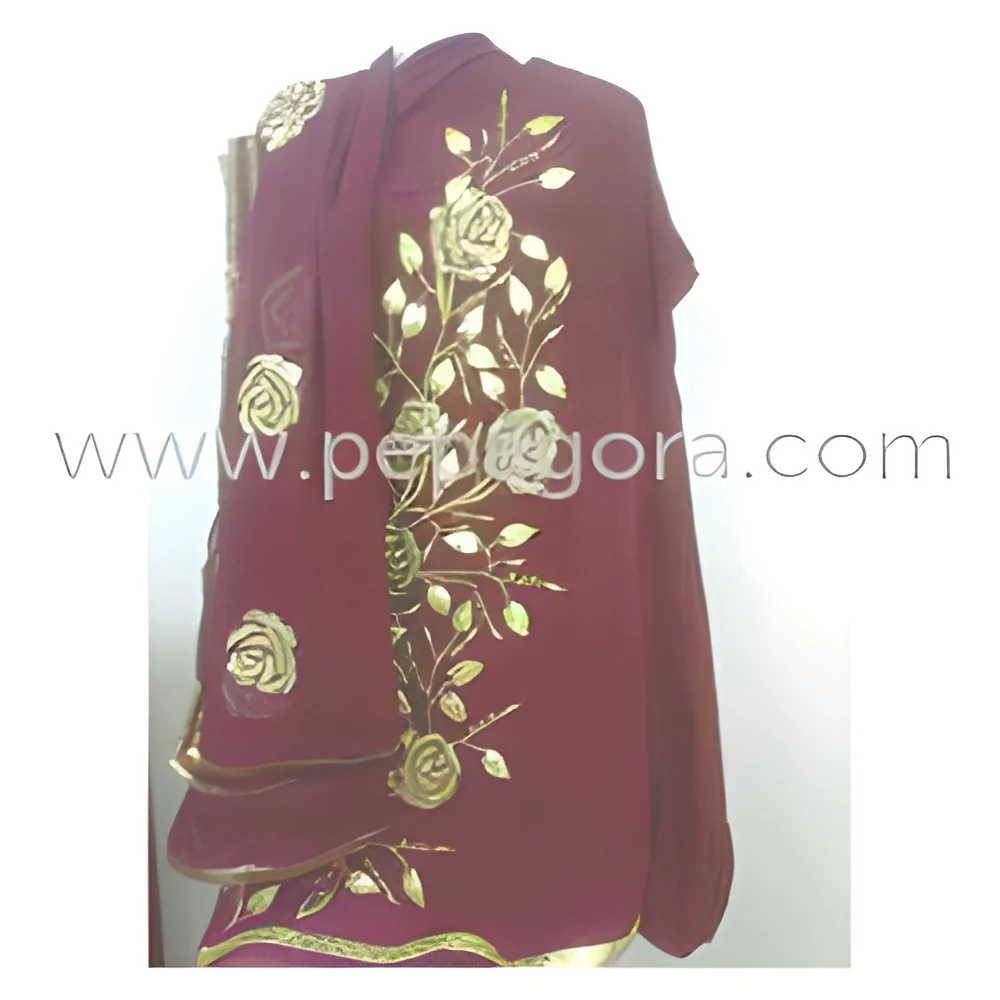
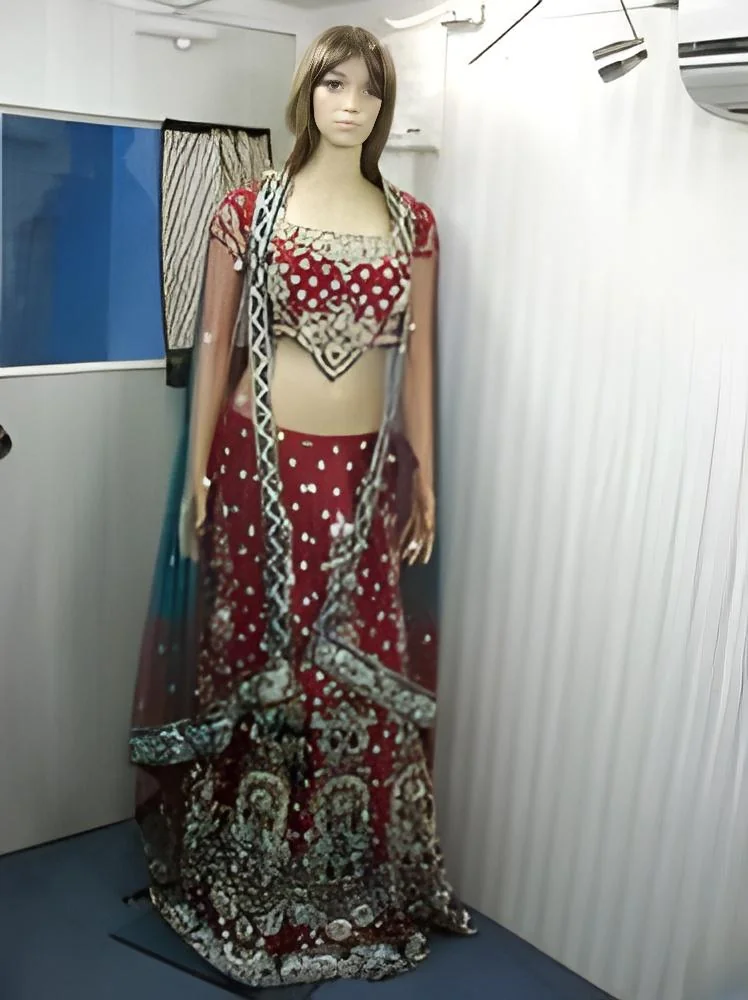
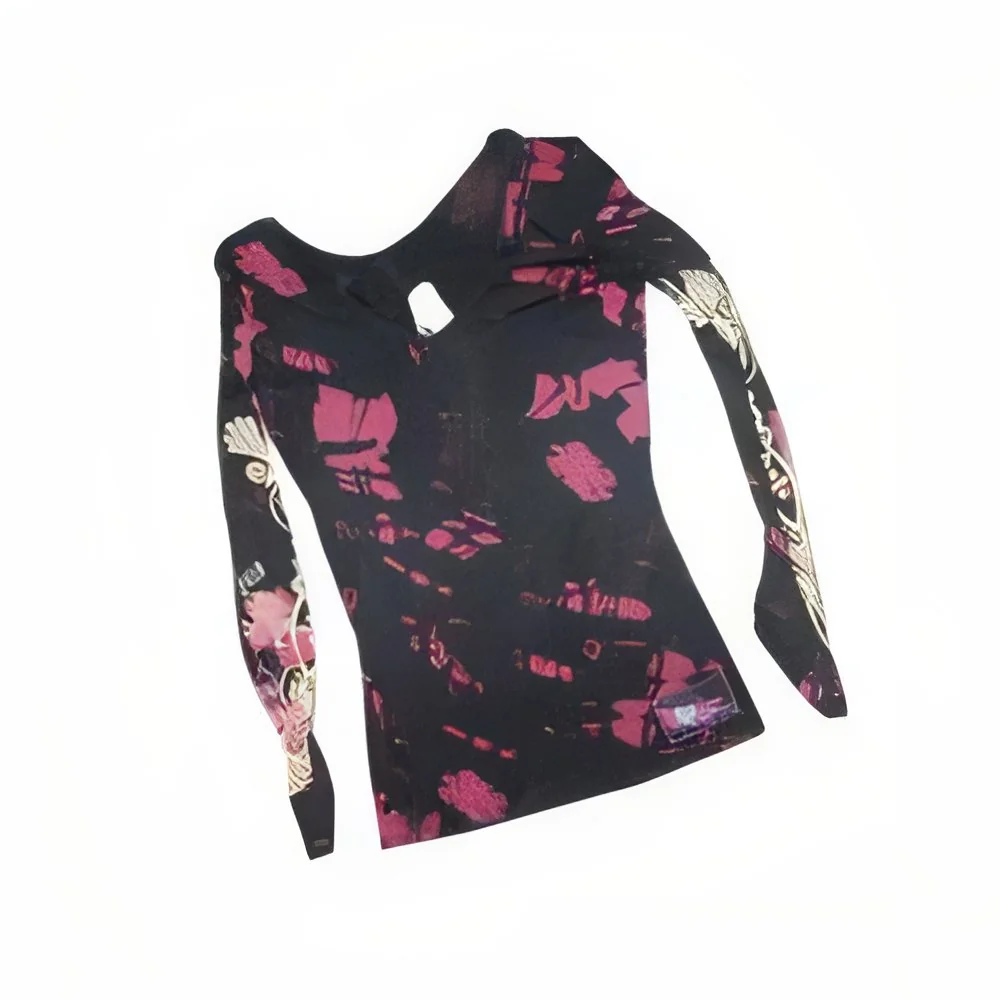
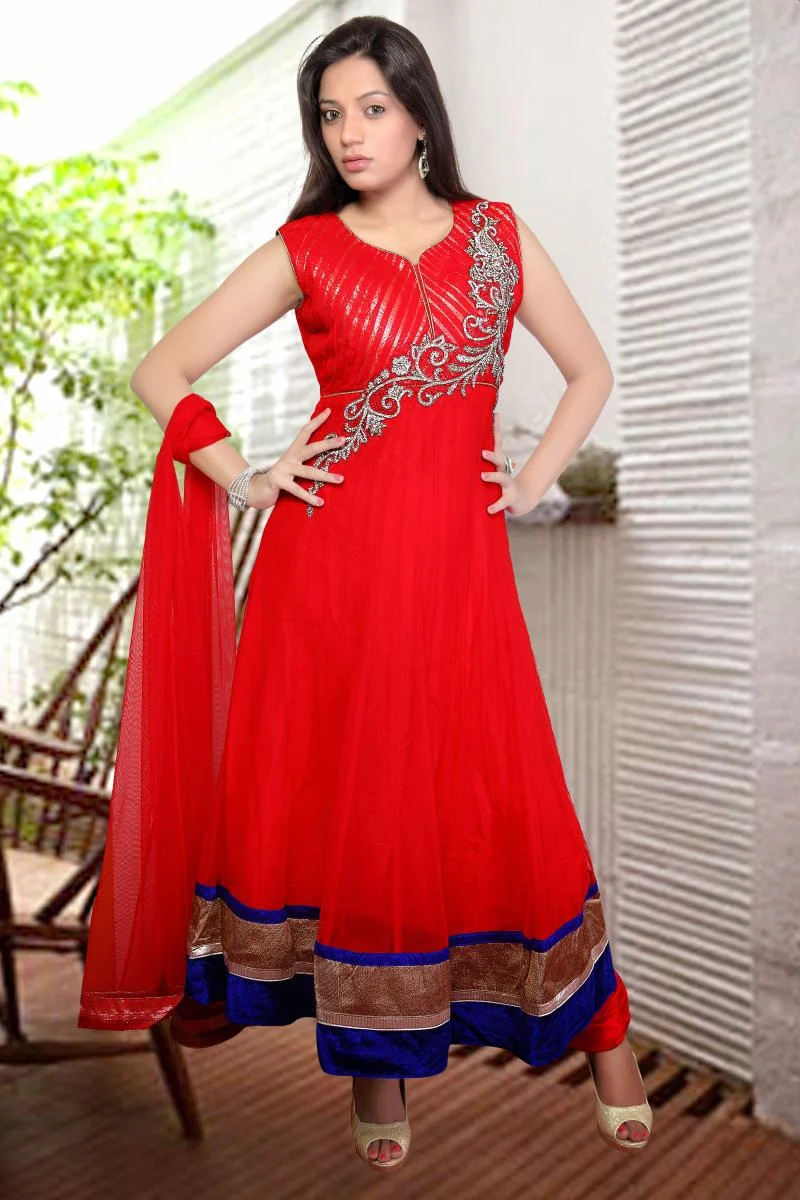
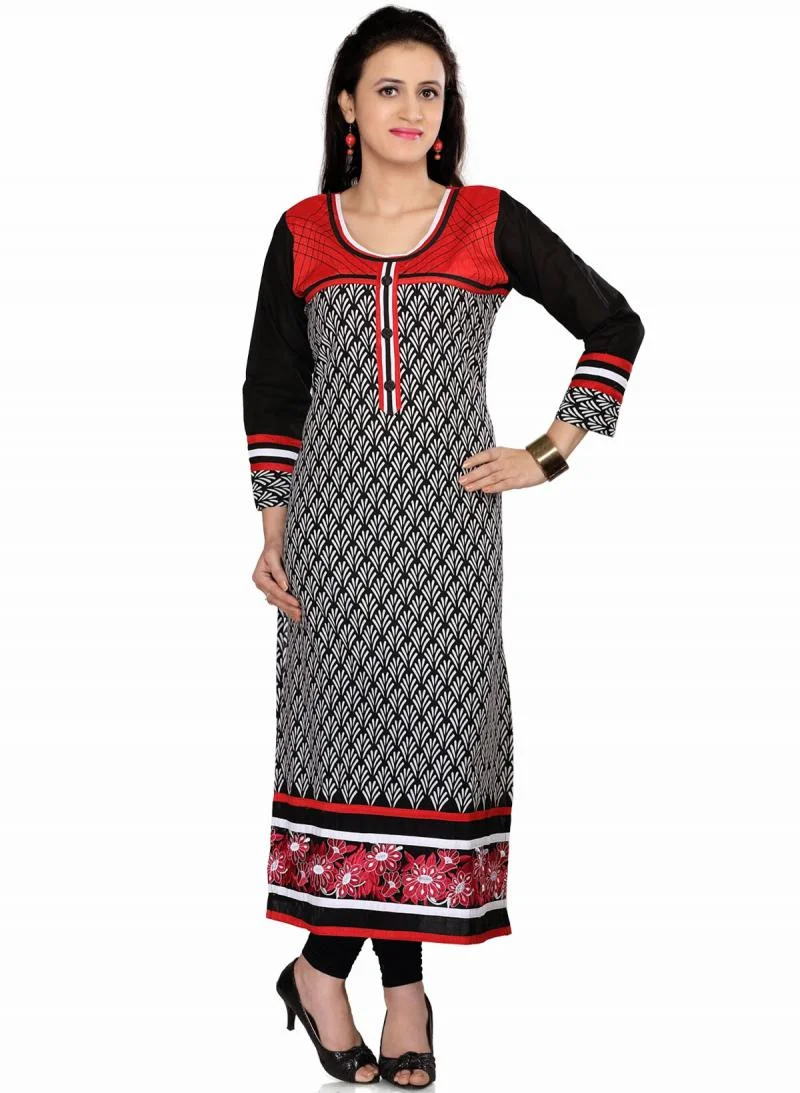
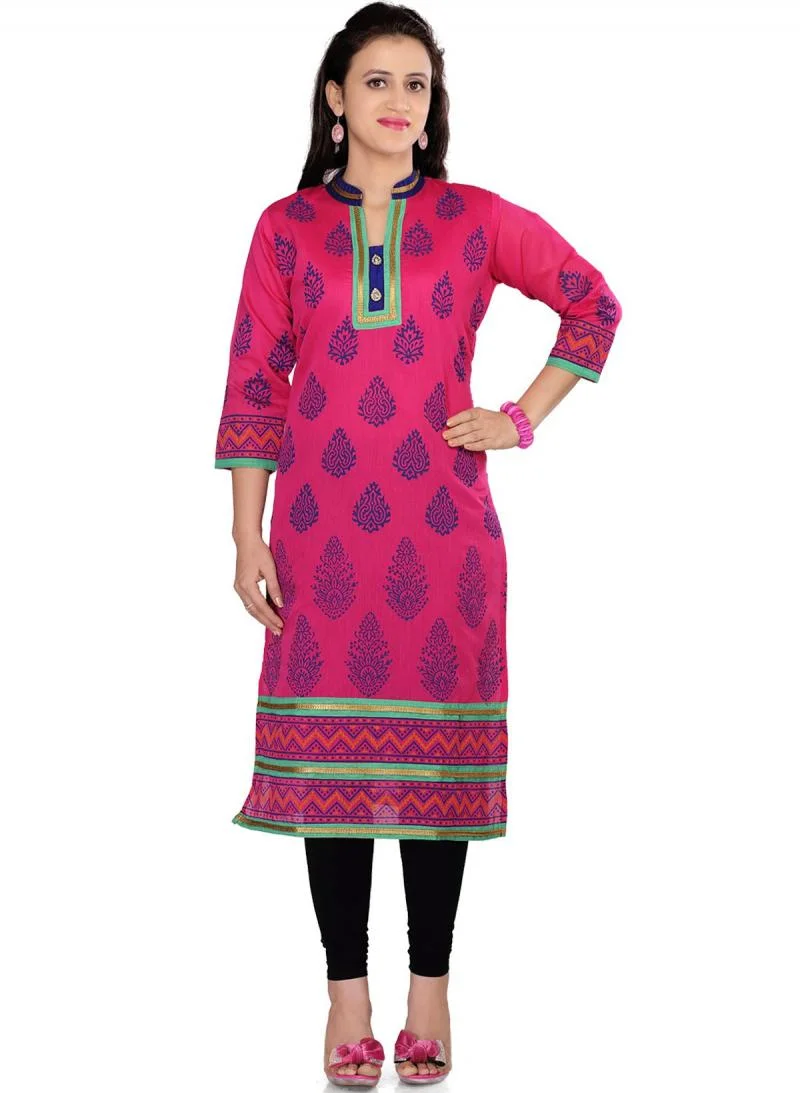
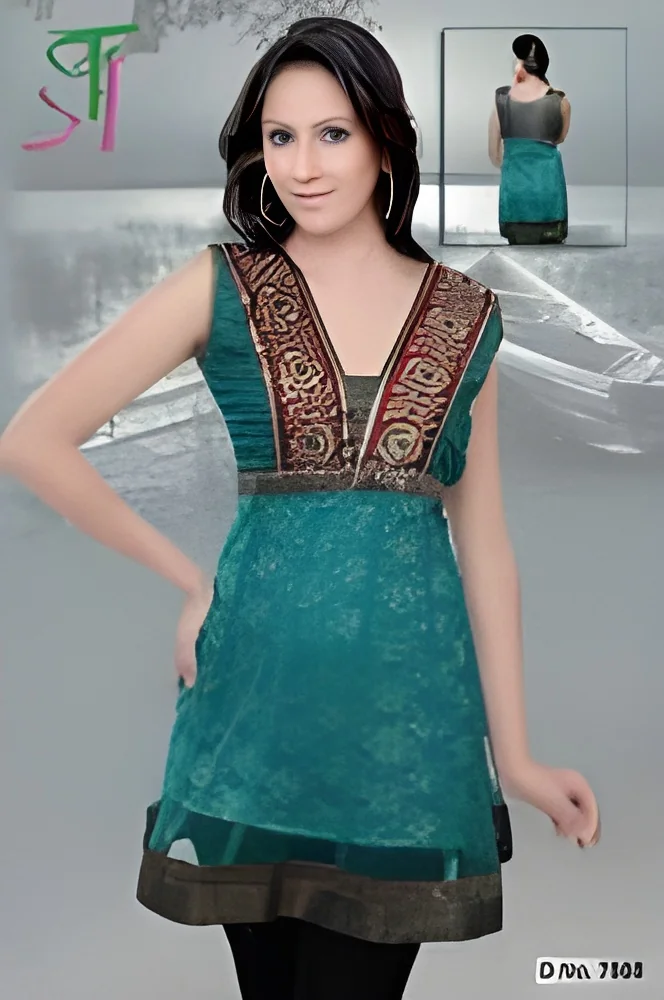
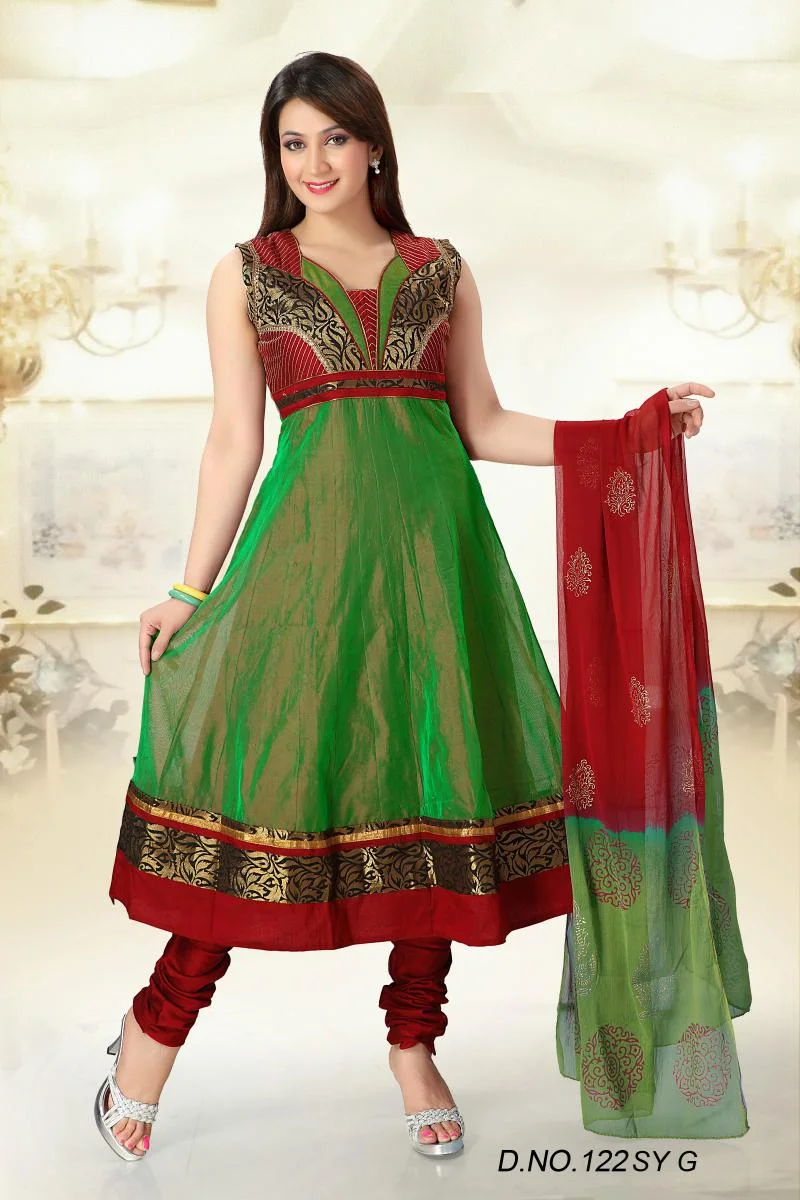
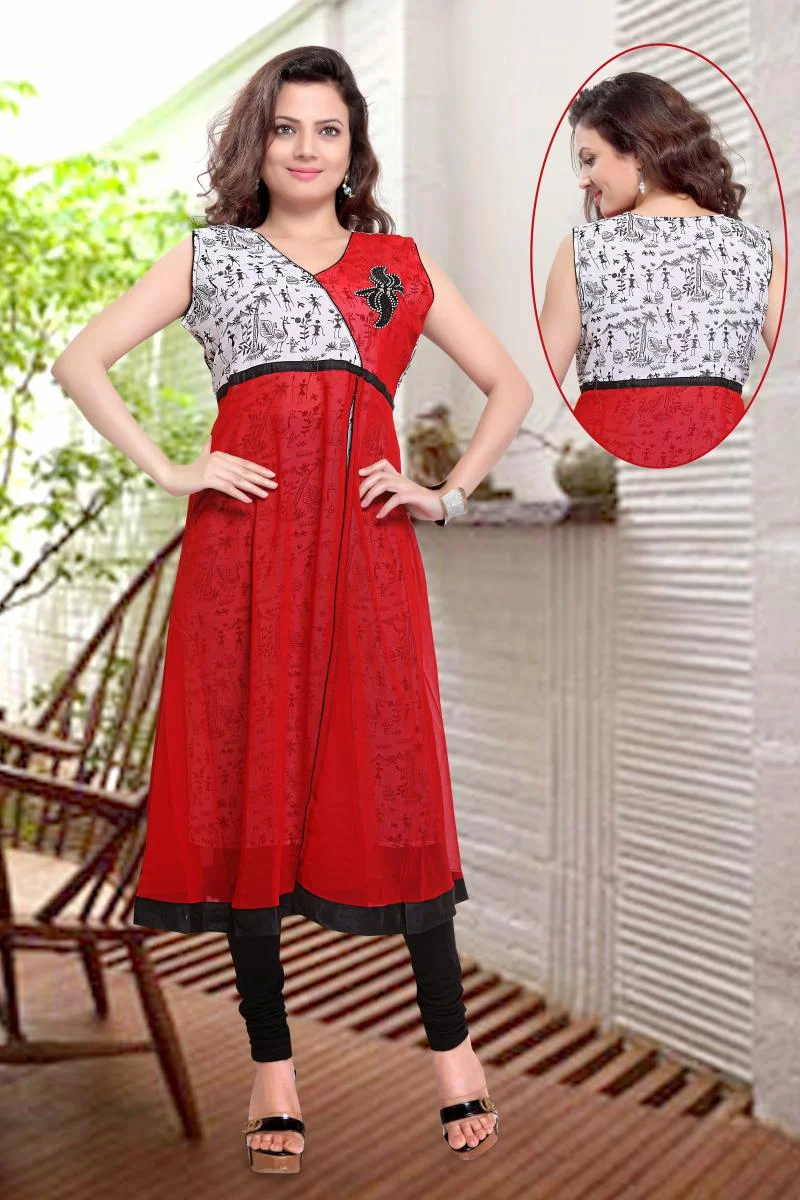
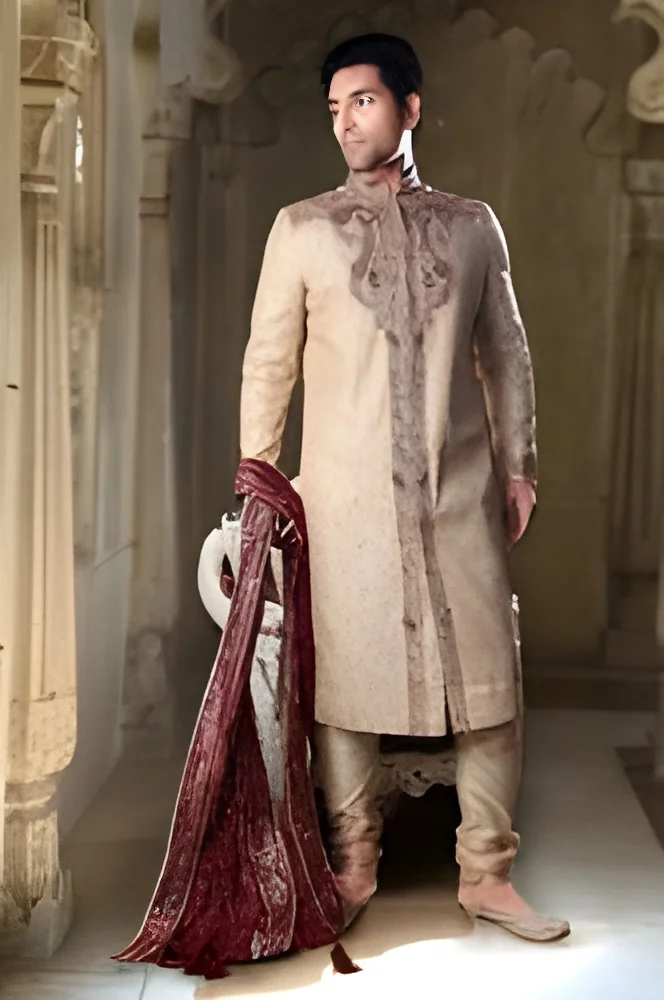
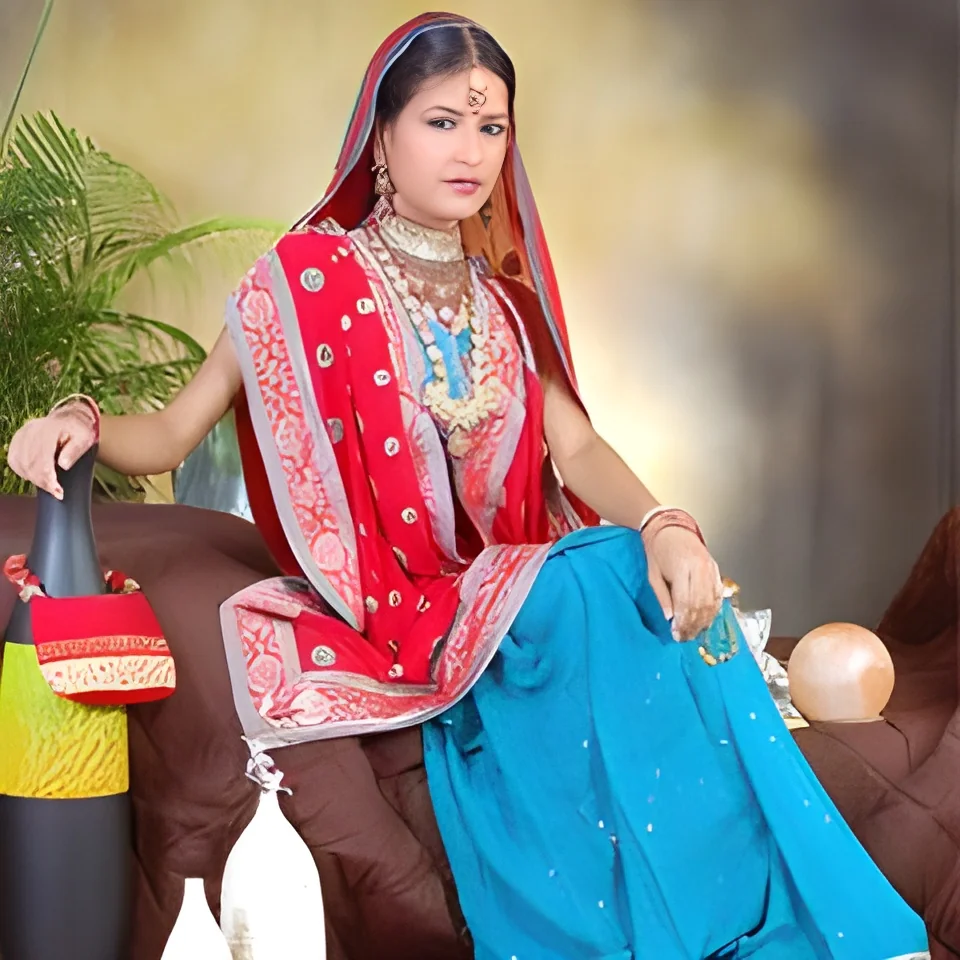
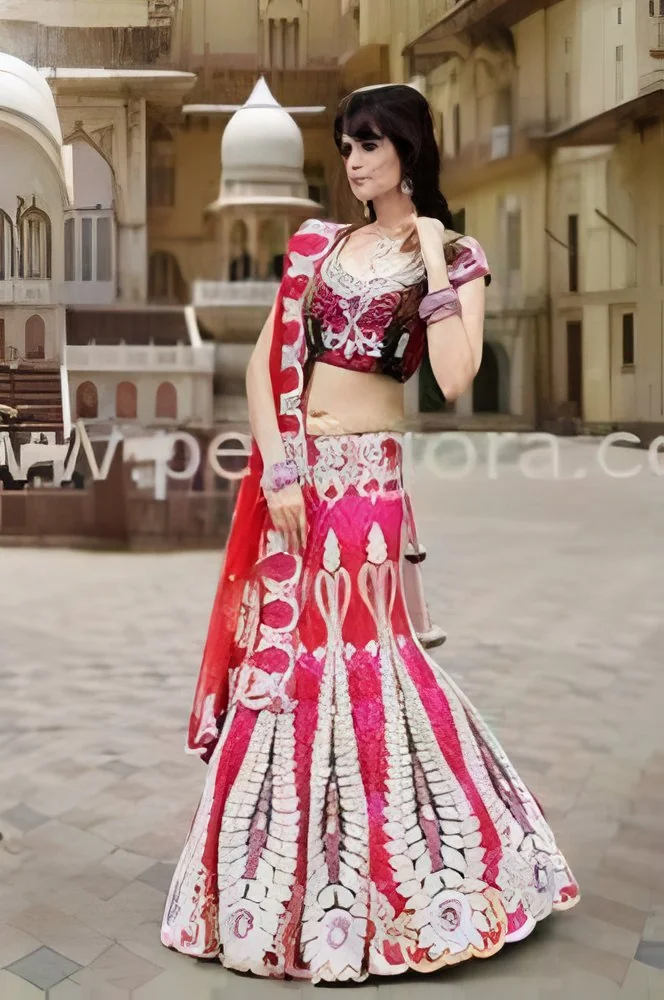
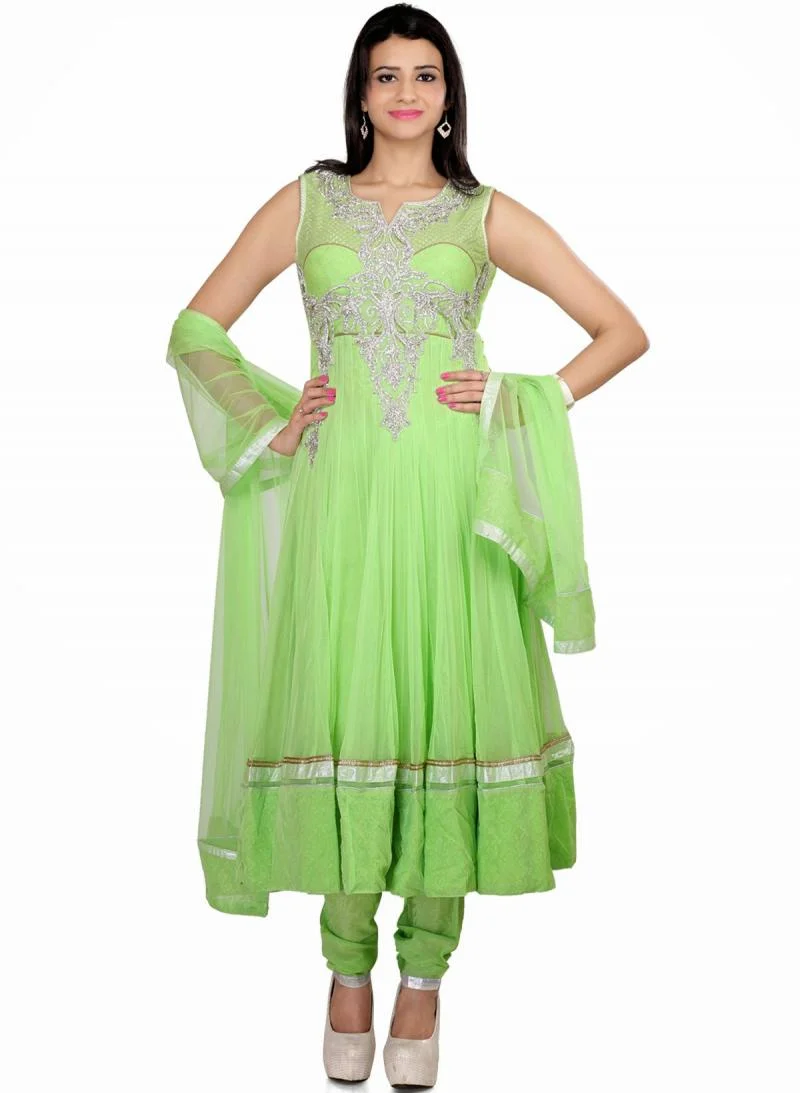
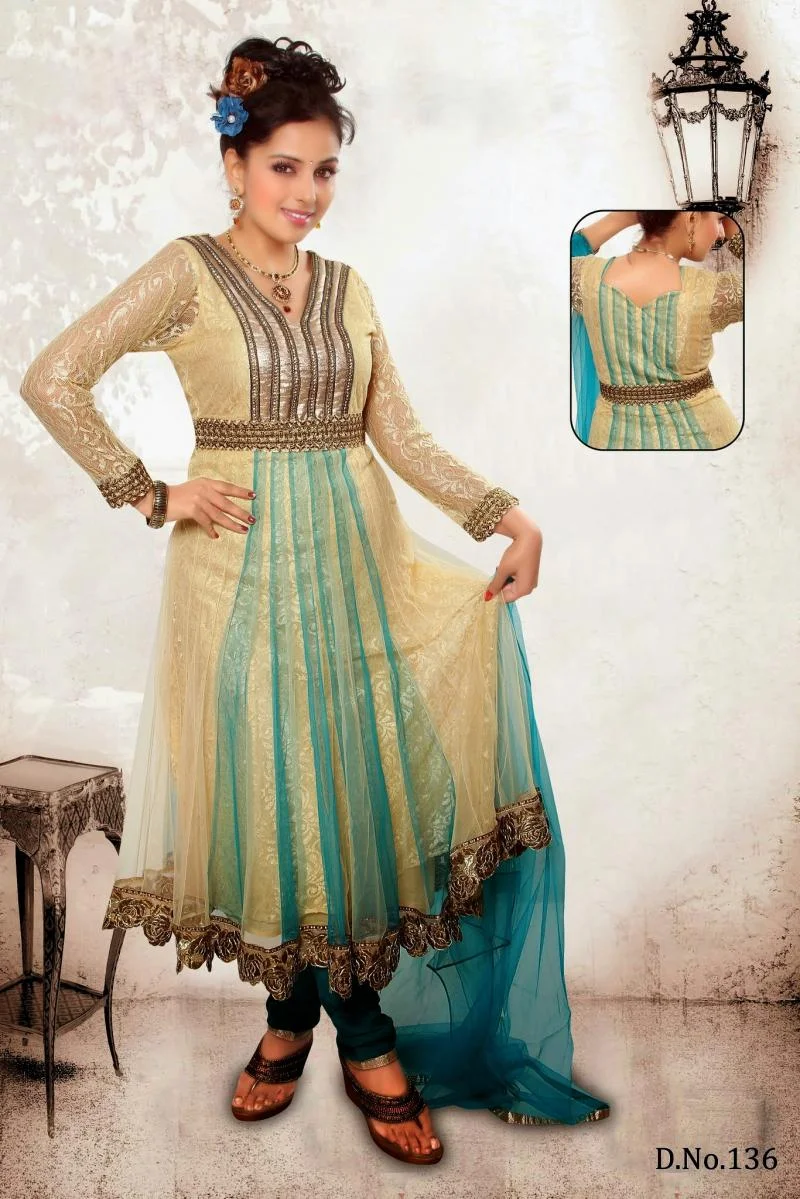
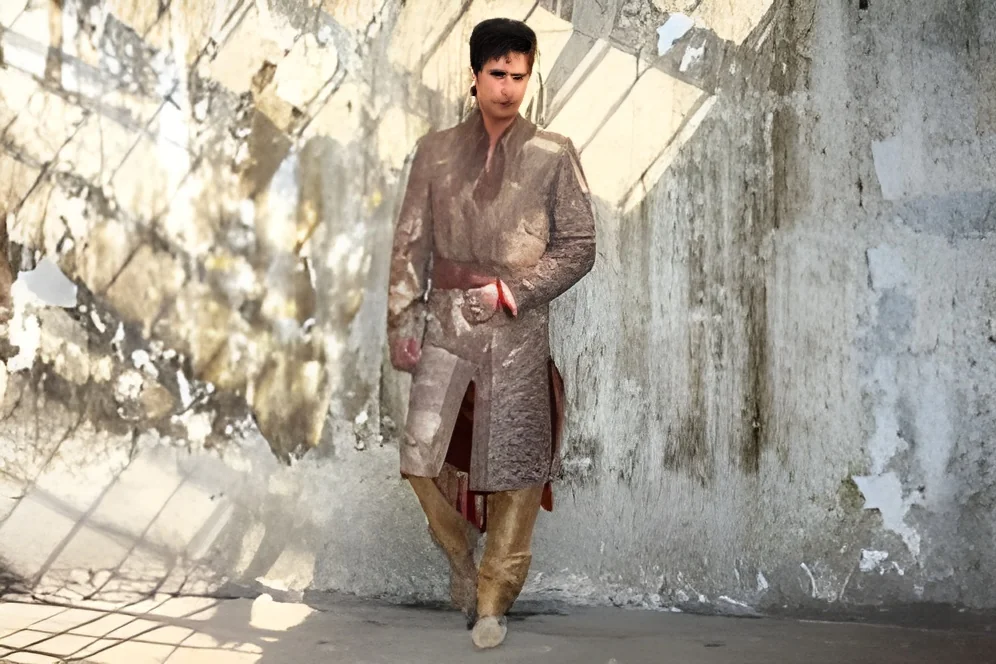
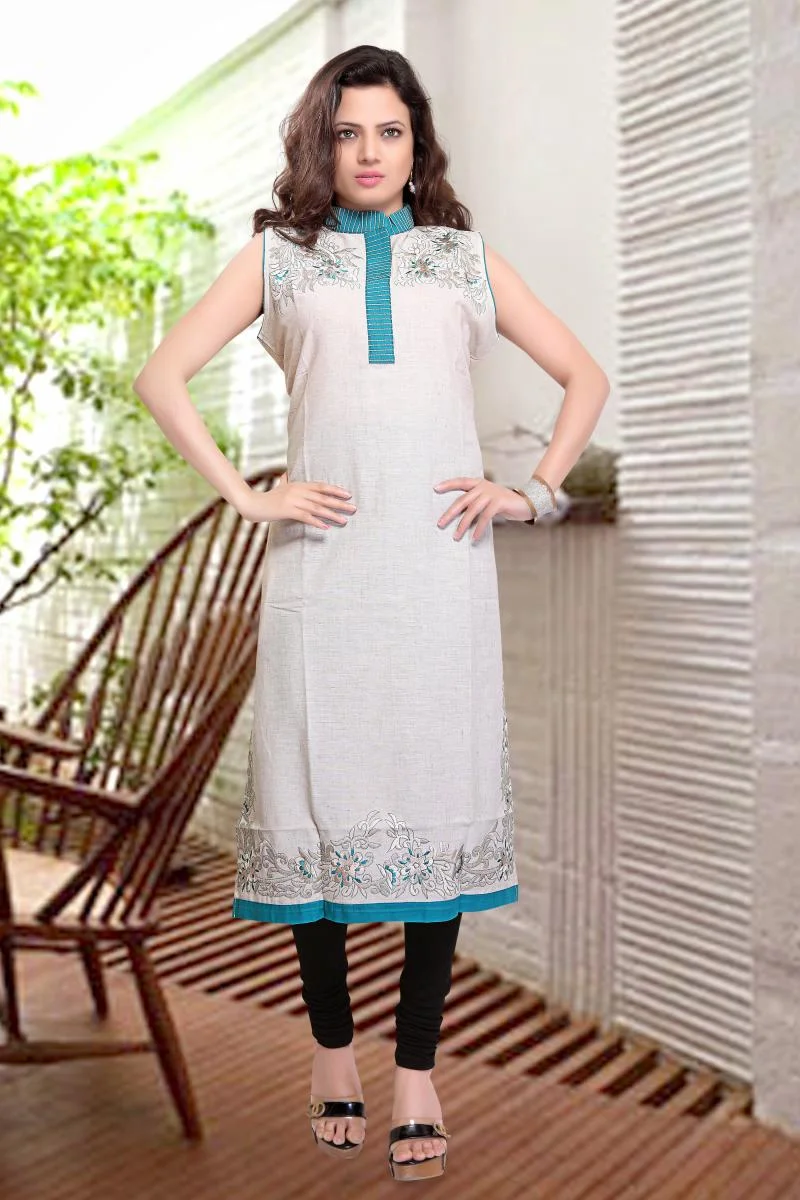
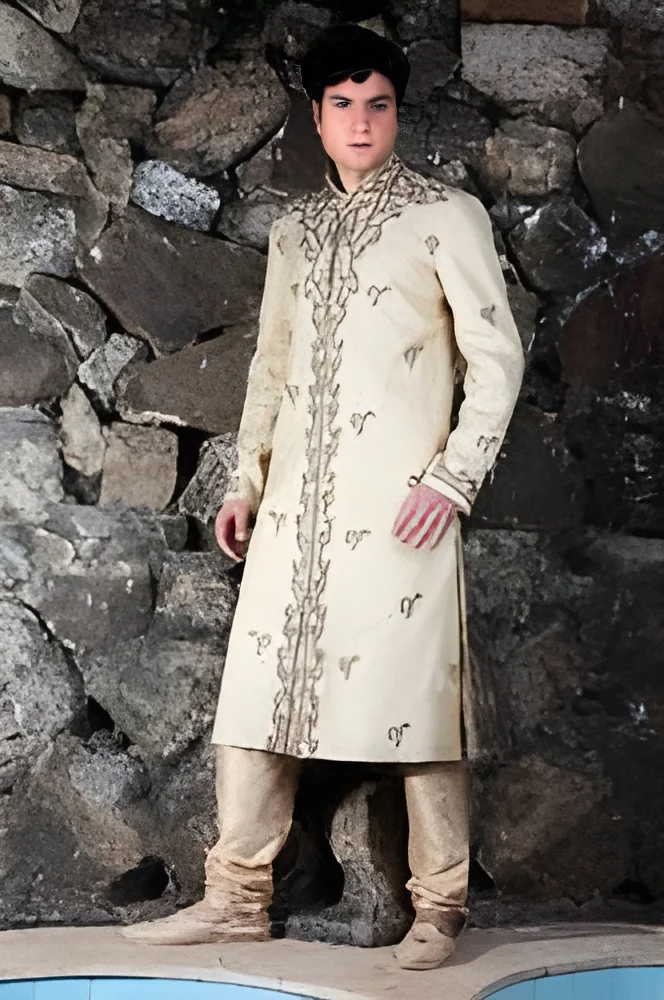
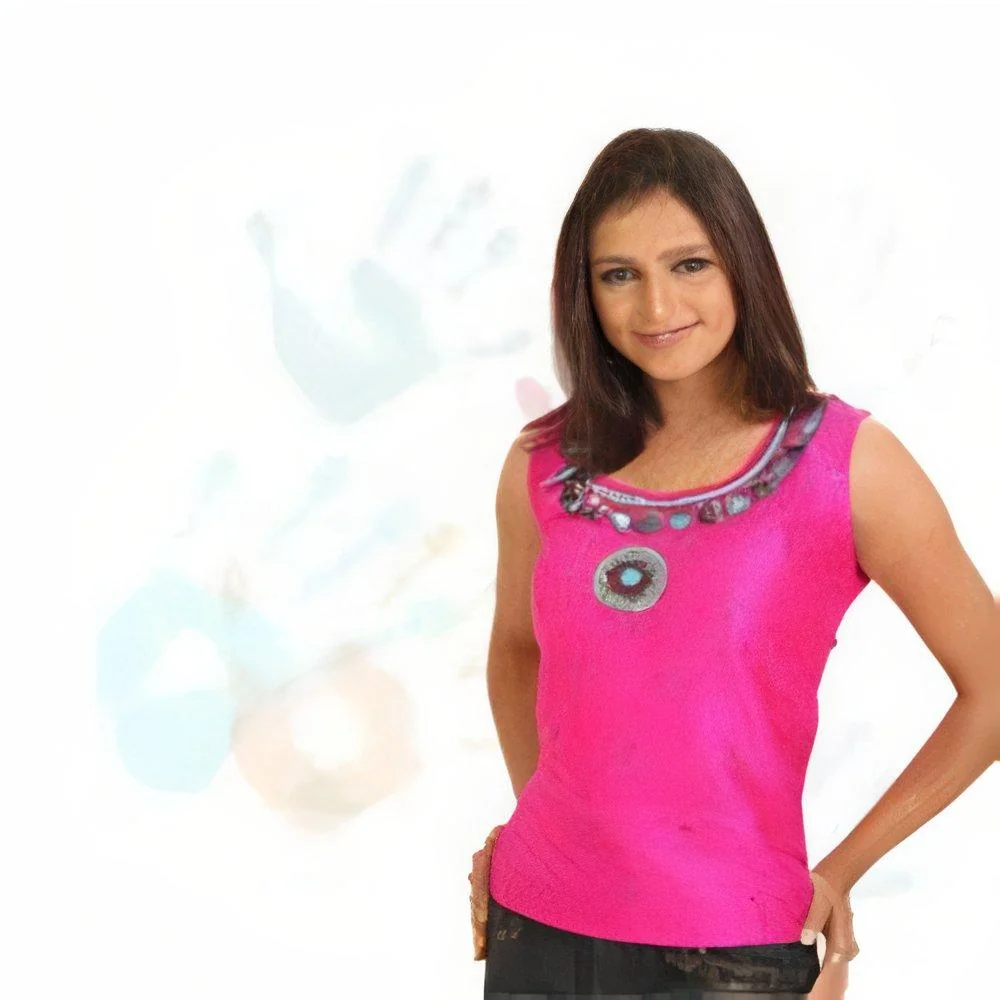
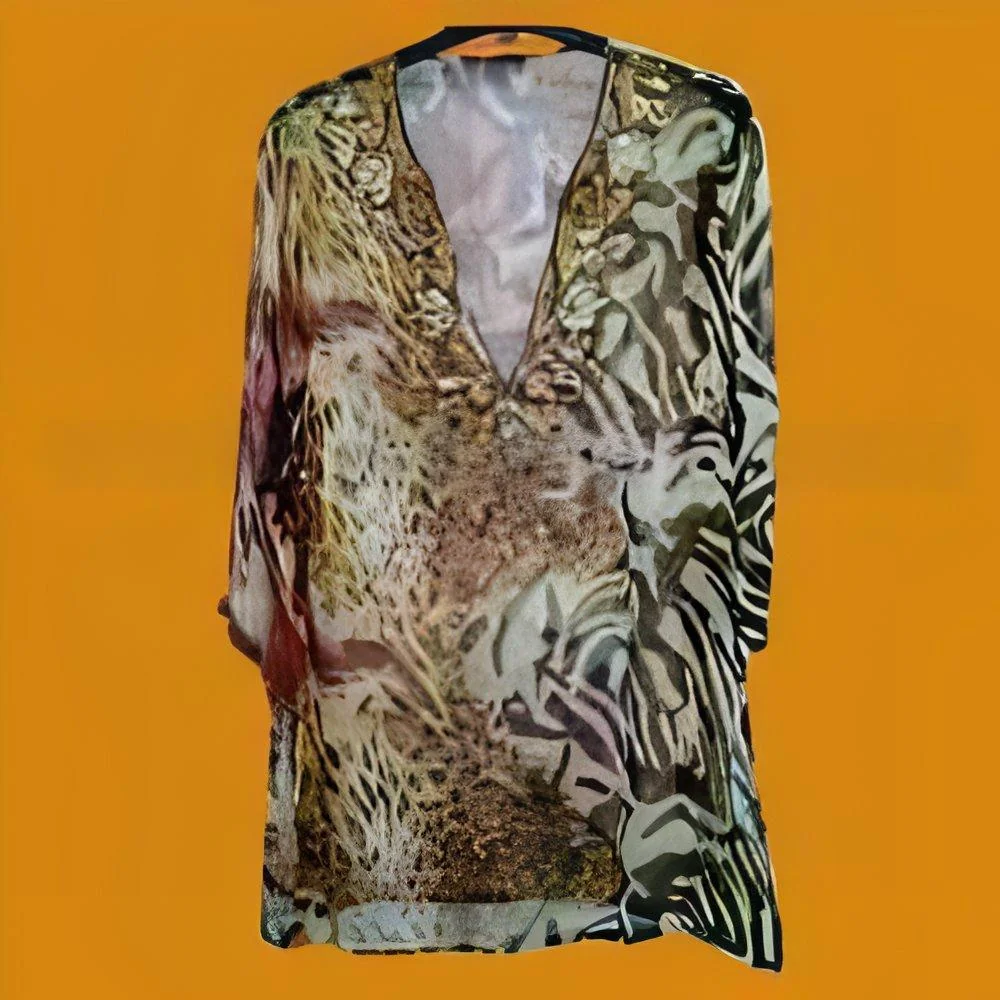
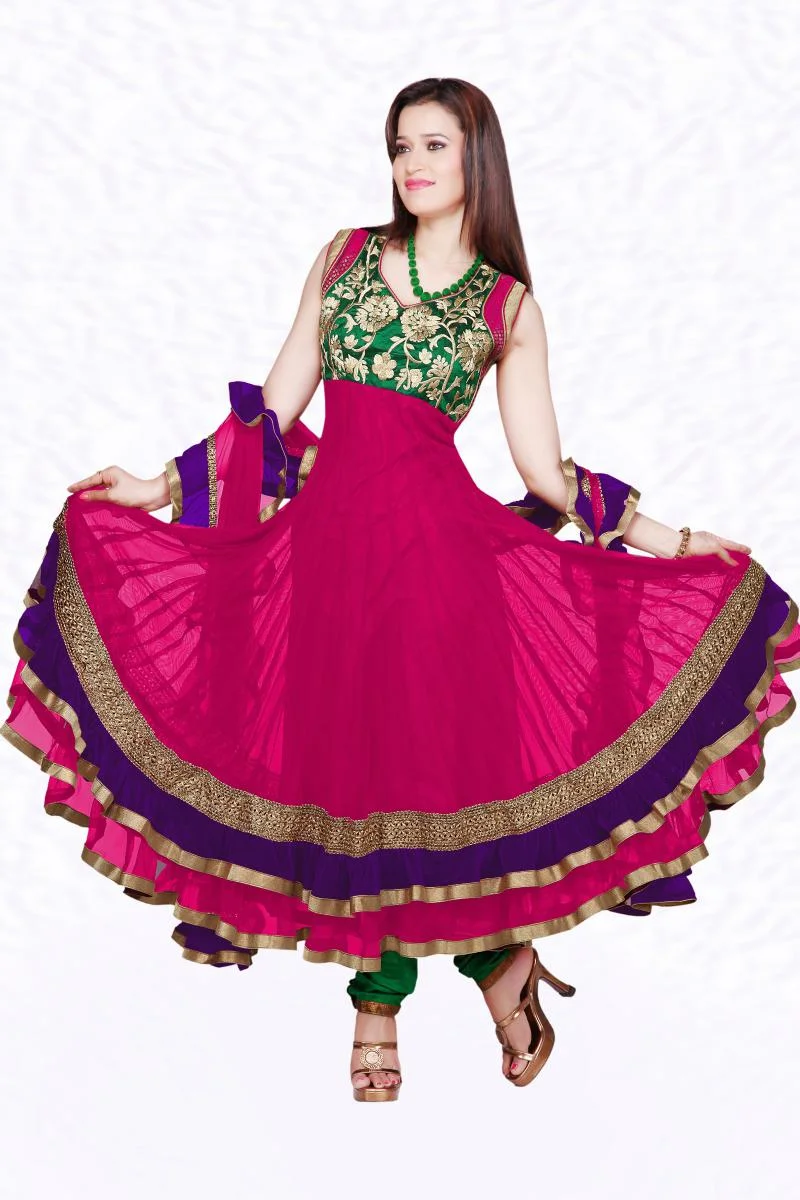
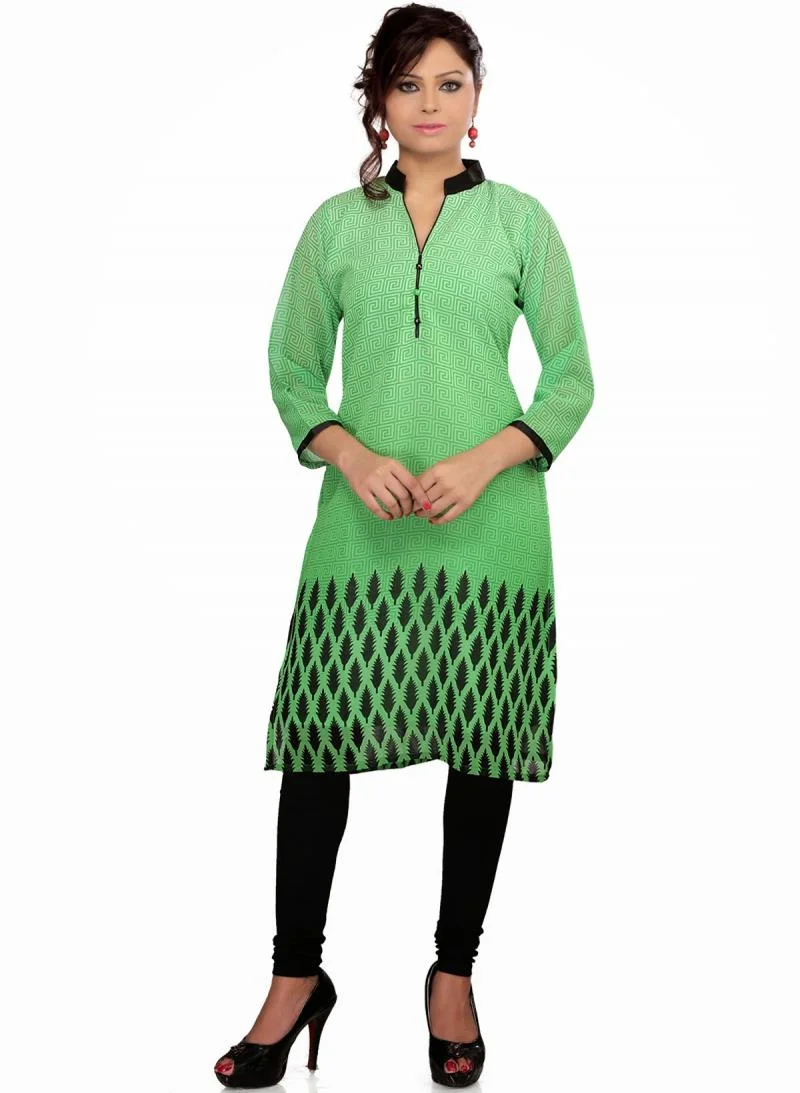
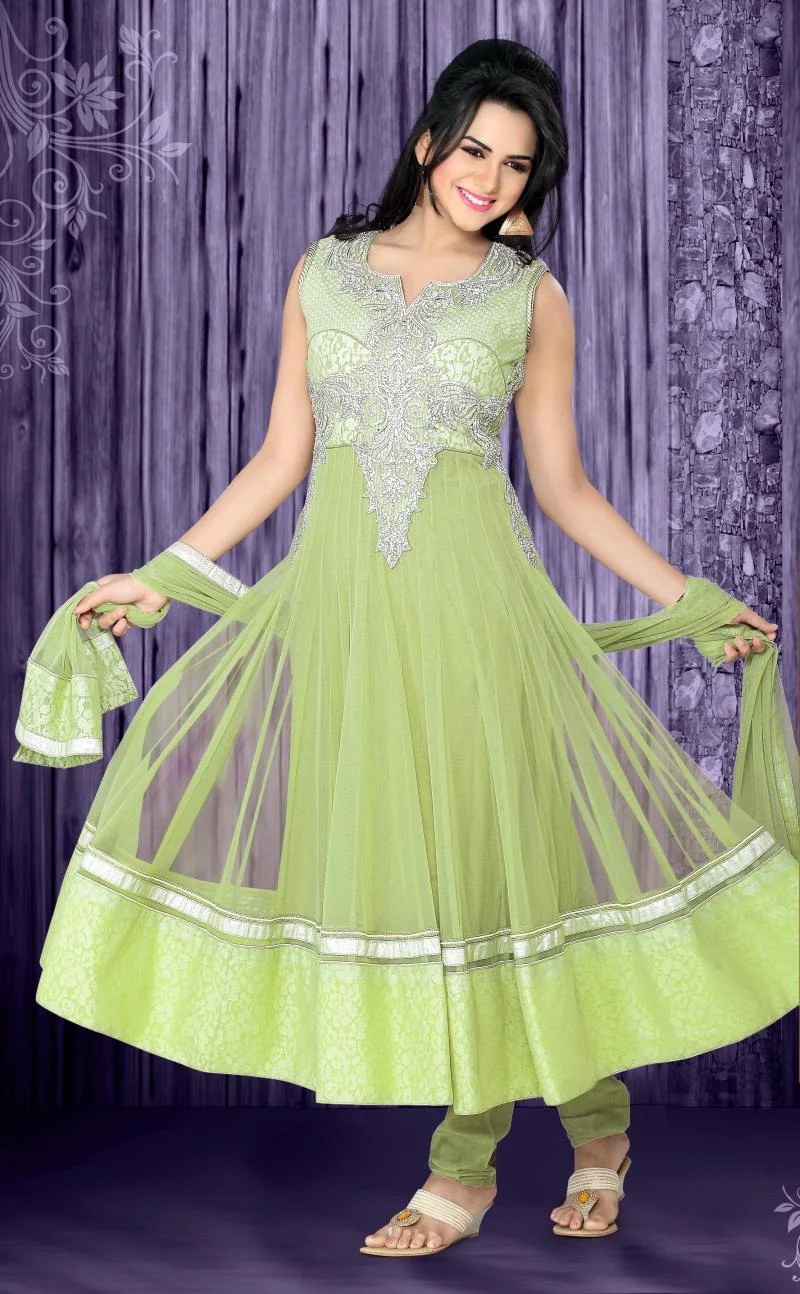
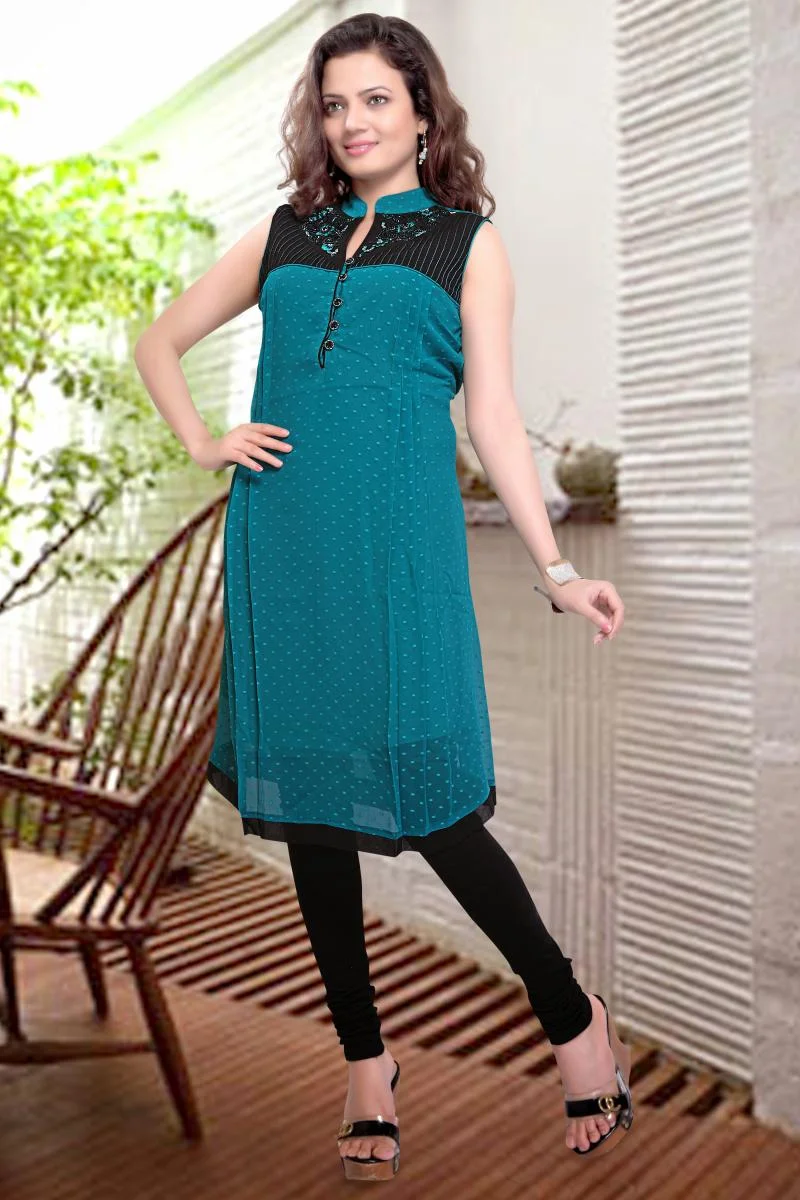
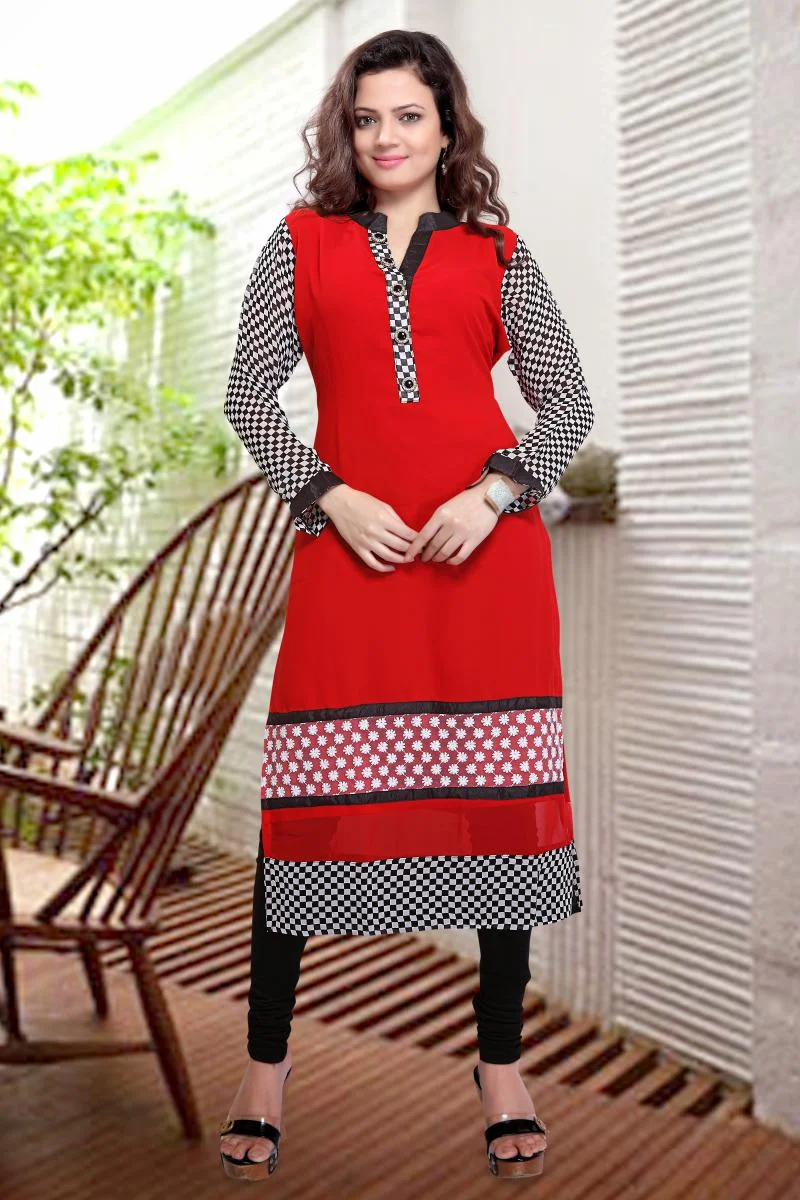
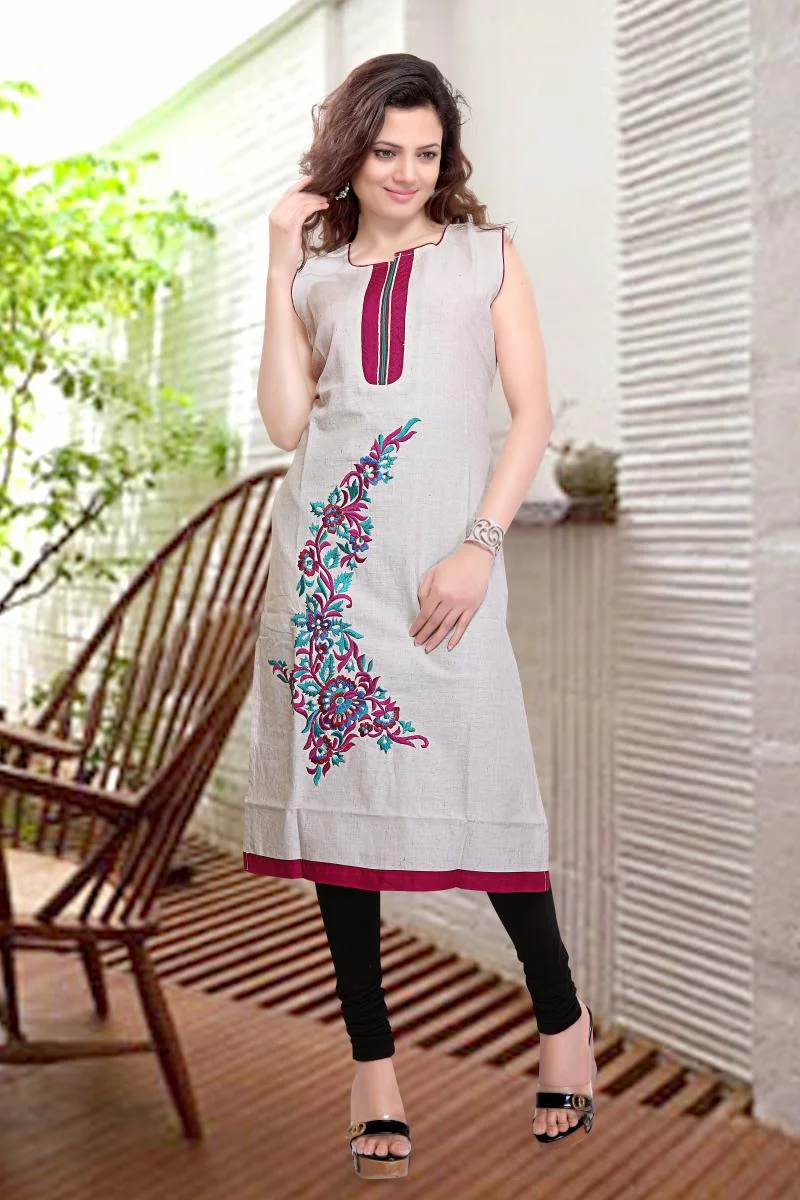
Other Ethnic & Cultural Clothing refers to garments that are traditionally worn by various ethnic groups around the world. These pieces often reflect the unique history, culture, and social practices of their respective communities. Such clothing can include items like saris, kimonos, dashikis, and many more. They are characterized by their distinctive designs, colors, and materials that are often tied to cultural heritage.
These garments serve multiple purposes in business applications. They are often used in cultural celebrations, festivals, and ceremonies, making them vital for businesses involved in the fashion, event management, and tourism sectors. Additionally, they can be important for educational institutions and cultural organizations that aim to promote understanding and appreciation of different cultures. The market for Other Ethnic & Cultural Clothing is significant, as it caters to a growing interest in cultural diversity and authenticity in fashion.
Key Features and Specifications
Other Ethnic & Cultural Clothing is defined by a range of features and specifications that highlight its quality and cultural significance. These specifications ensure that the garments meet both aesthetic and practical needs.
Key specifications include:
1. Fabric Quality
- Made from traditional materials such as cotton, silk, or linen.
- Ensures durability and comfort.
2. Design Authenticity
- Features patterns and motifs representative of specific cultures.
- Often handcrafted or produced using traditional techniques.
3. Size Range
- Available in various sizes to accommodate different body types.
- Custom sizing options may be offered based on cultural requirements.
4. Color Variability
- A wide spectrum of colors based on cultural significance.
- Seasonal color trends may influence availability.
5. Customization Options
- Potential for bespoke designs tailored to specific cultural events.
- Embroidery and embellishments can be added to enhance uniqueness.
6. Care Instructions
- Detailed guidance on washing and maintenance to preserve quality.
- Recommendations for dry cleaning or hand washing based on fabric type.
In summary, the features and specifications of Other Ethnic & Cultural Clothing ensure that these garments are not only visually appealing but also culturally significant and functional.
Common Applications and Use Cases
Other Ethnic & Cultural Clothing serves various industries and applications, making them versatile in their use.
1. Fashion Retail: Retailers specializing in ethnic wear use these garments to cater to a diverse clientele, offering authentic designs for everyday wear and special occasions.
2. Event Management: These clothing items are often rented or sold for cultural events, weddings, and festivals, enhancing the overall experience and authenticity of such occasions.
3. Education: Schools and colleges incorporate ethnic clothing in cultural programs and events, promoting awareness and appreciation of global cultures among students.
4. Tourism: Businesses in the travel industry may offer cultural clothing experiences, allowing tourists to engage more deeply with local traditions and customs.
5. Performing Arts: Theatrical productions and dance performances often require authentic ethnic costumes to convey cultural narratives accurately.
6. Cultural Organizations: Museums and cultural centers utilize these garments for educational displays, workshops, and community events to celebrate heritage.
Product Variants and Subcategories
The diversity of Other Ethnic & Cultural Clothing leads to various product variants, each with unique features and applications.
Traditional Sari
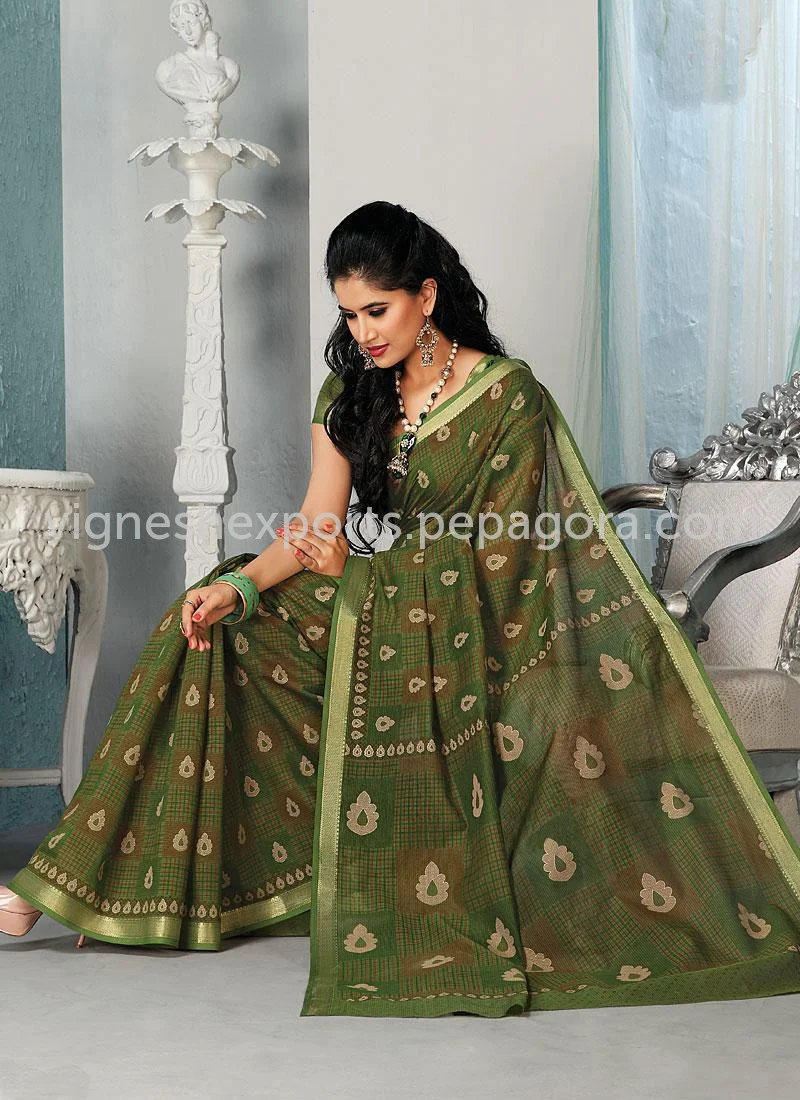
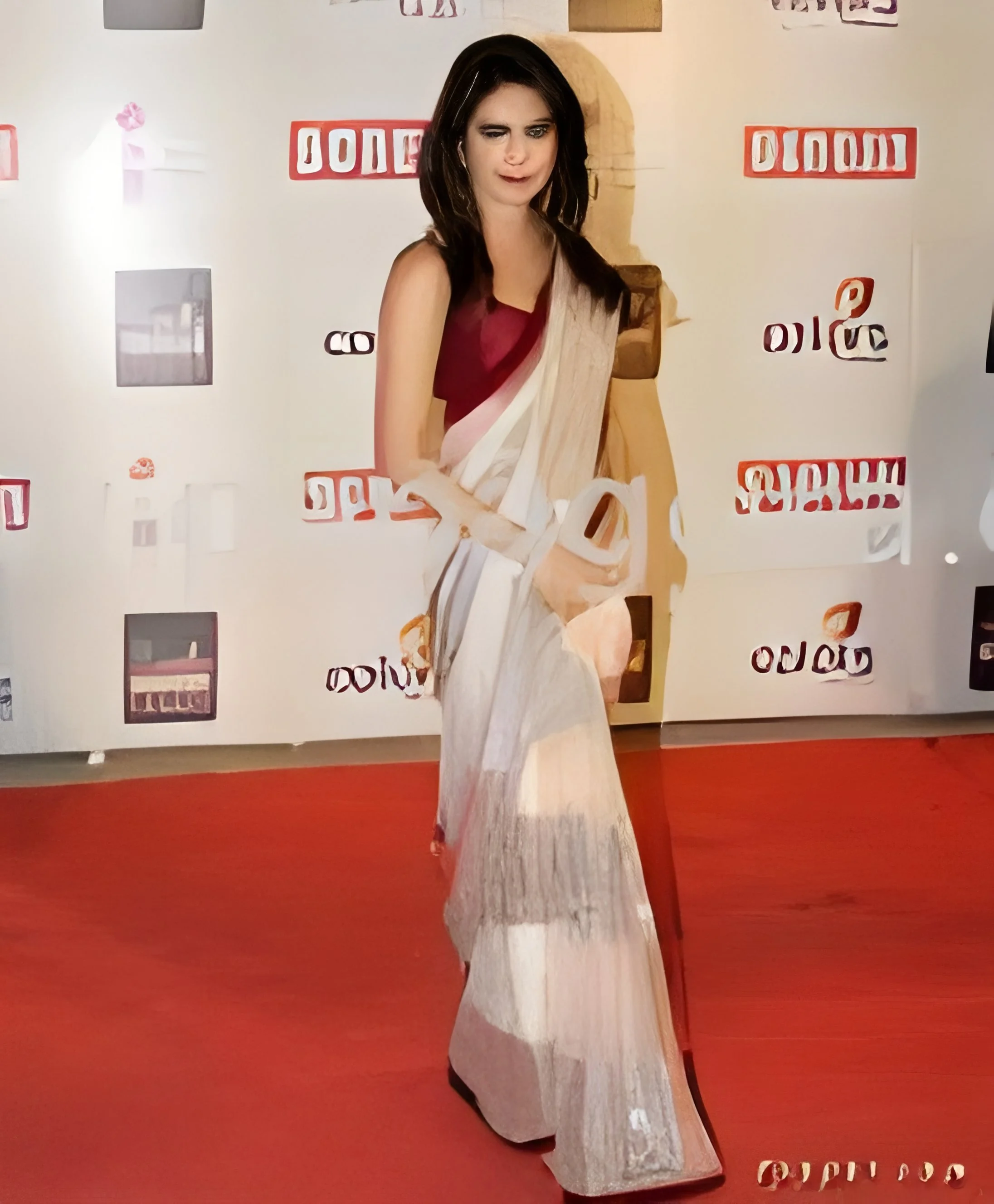
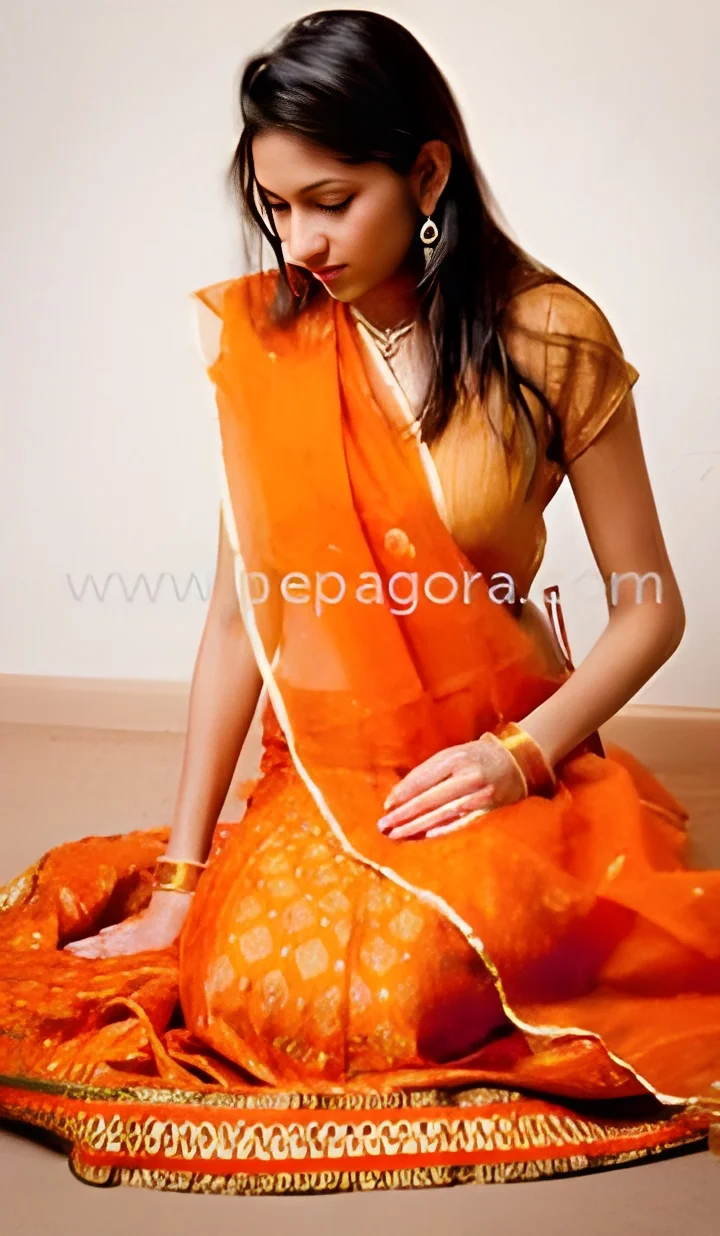
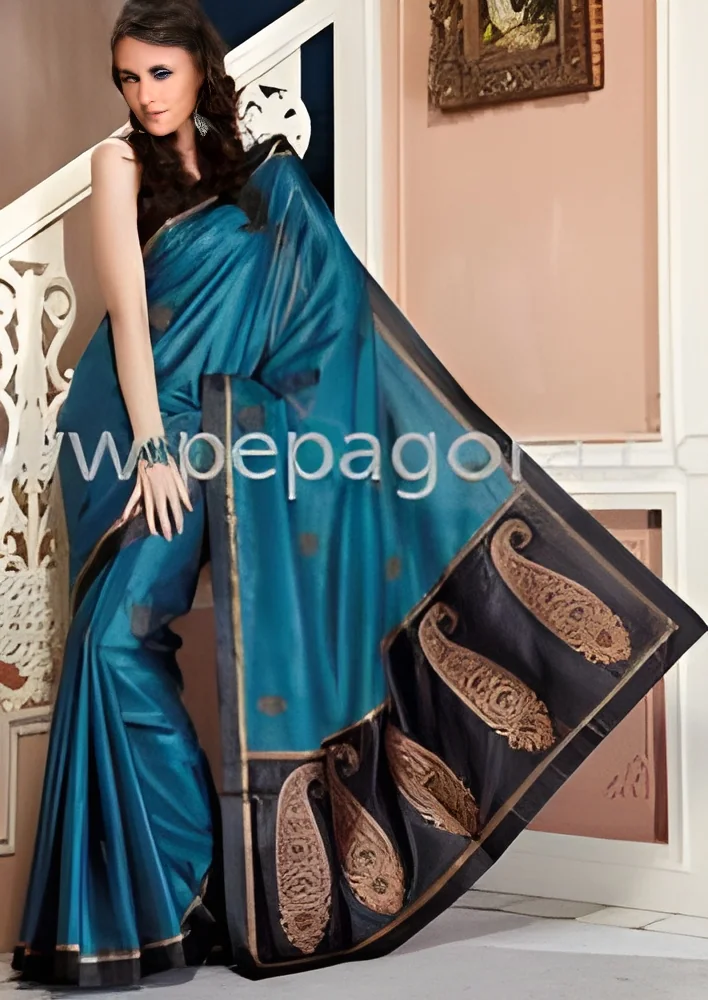
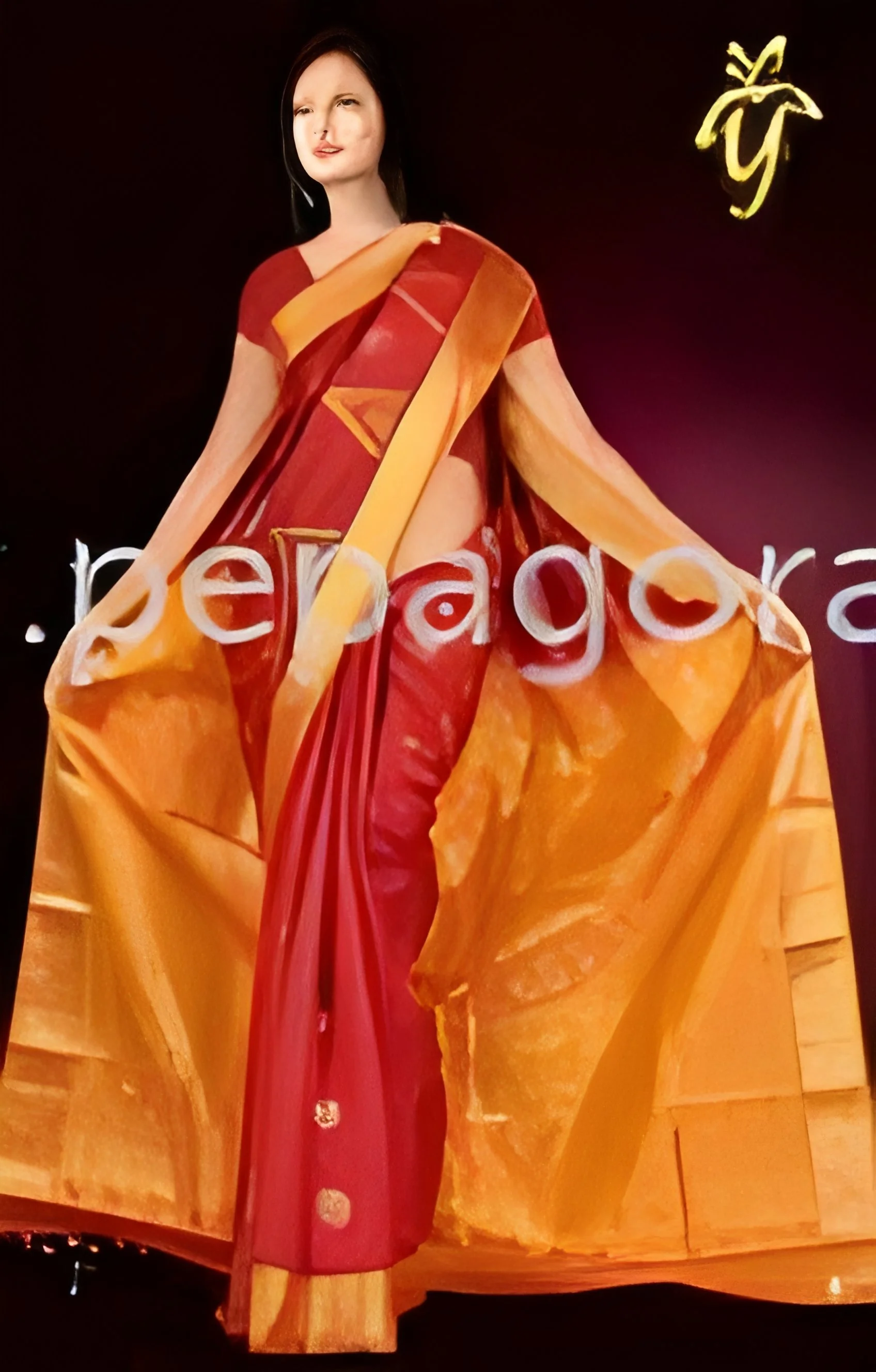
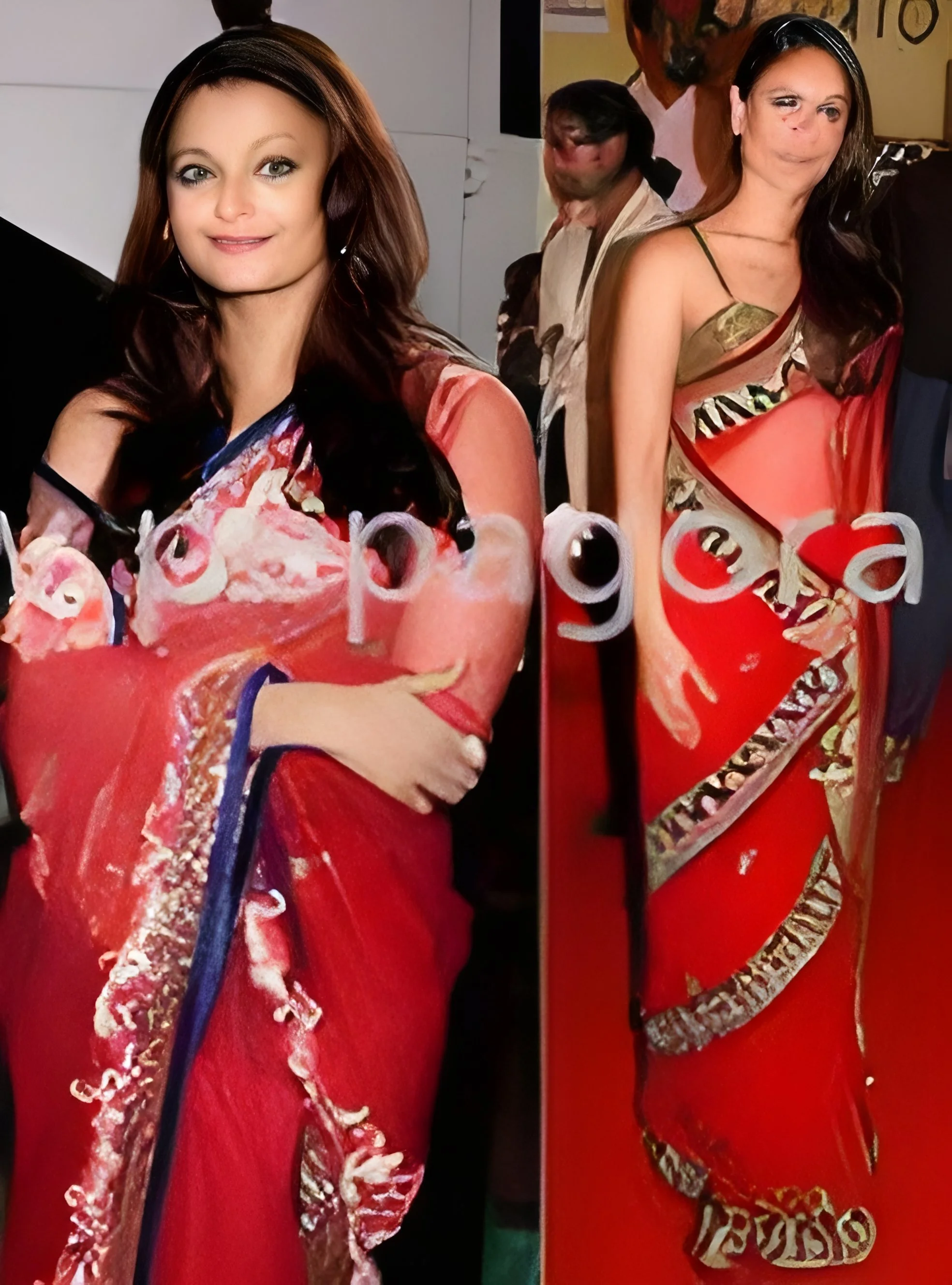
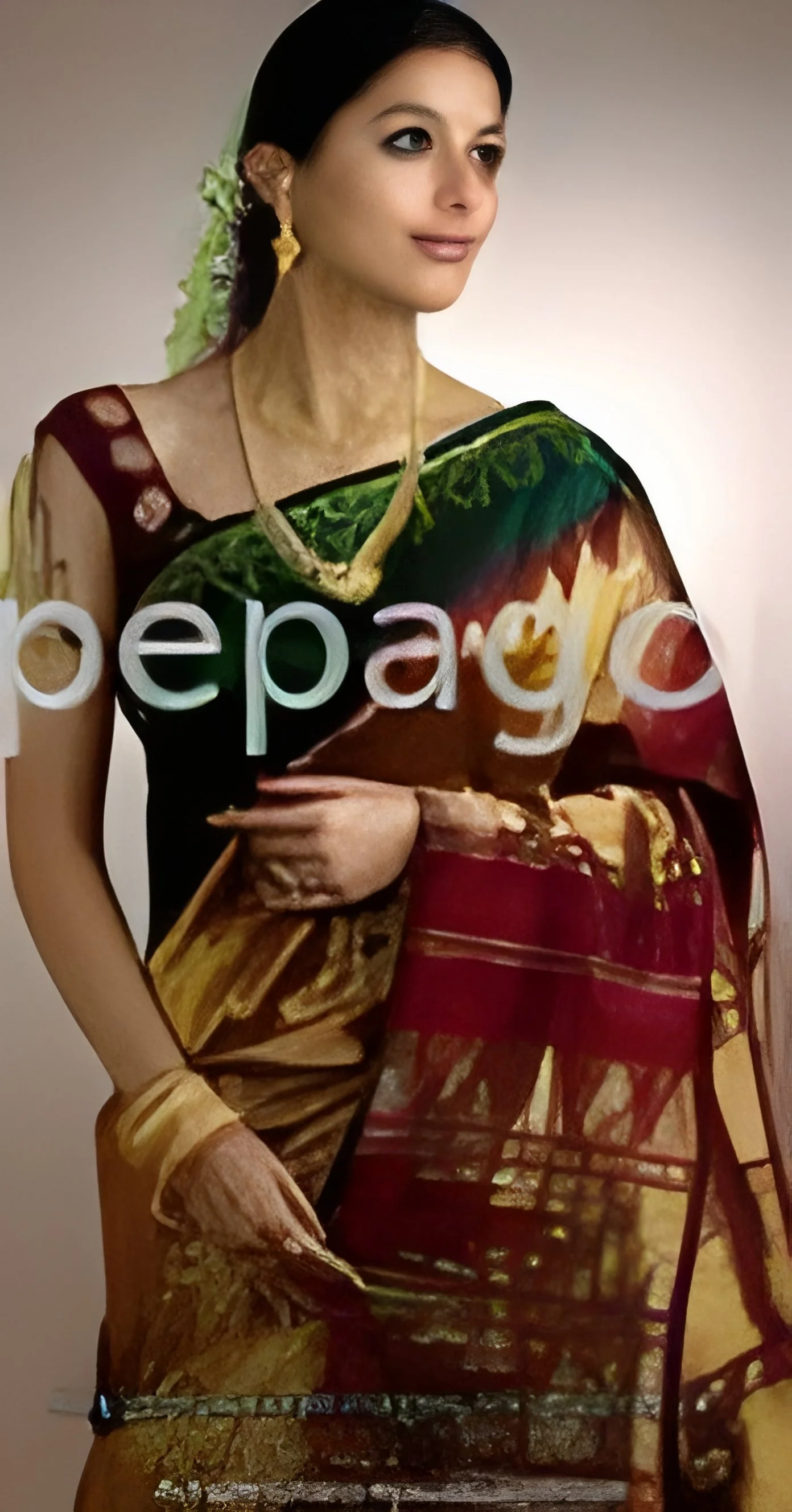
The sari is a timeless garment primarily worn in South Asia, characterized by its long length and intricate draping style. It comes in diverse fabrics and patterns, often adorned with embroidery, making it suitable for festive occasions, weddings, and cultural events.
Kimono
The kimono is a traditional Japanese garment known for its elegant design and rich symbolism. Typically made from silk, kimonos are worn during formal events and ceremonies, reflecting the wearer's culture and status.
Dashiki
The dashiki is a colorful garment worn in West African cultures. It is often made from vibrant fabrics with elaborate patterns. Dashikis are popular for casual wear and cultural celebrations, symbolizing pride in African heritage.
Benefits and Advantages
Other Ethnic & Cultural Clothing offers numerous advantages for businesses and consumers alike.
1. Cultural Authenticity: These garments provide a genuine connection to cultural heritage, enhancing the appreciation of diversity.
2. Unique Designs: With intricate patterns and styles, ethnic clothing stands out in the fashion market, attracting consumers looking for individuality.
3. Quality Craftsmanship: Many pieces are handcrafted, ensuring high-quality production and unique characteristics that mass-produced clothing cannot match.
4. Versatility: These garments can be worn for various occasions, from casual to formal events, making them a valuable addition to any wardrobe.
5. Market Demand: As global interest in cultural appreciation grows, the demand for ethnic clothing continues to rise, offering business opportunities in retail and fashion.
6. Customization Potential: The ability to customize designs allows businesses to cater to specific customer preferences and cultural needs, enhancing customer satisfaction.
Buying Guide for B2B Buyers
When sourcing Other Ethnic & Cultural Clothing, businesses should consider several key factors to ensure they make informed purchasing decisions.
1. Quality Assessment: Evaluate the materials and craftsmanship of the clothing. Look for reputable suppliers who provide samples to assess fabric quality and durability.
2. Supplier Verification: It is crucial to vet suppliers for their credentials and reliability. Look for reviews, certifications, and previous client testimonials to ensure they meet industry standards.
3. Pricing and MOQ: Understand the pricing structure and minimum order quantities. Compare prices across different suppliers to ensure competitive pricing without compromising quality.
4. Delivery and Lead Times: Discuss logistics and expected lead times for delivery. Ensure that the supplier can meet your timelines, especially for seasonal or event-related orders.
5. Compliance Requirements: Be aware of any regulatory or compliance standards that apply to ethnic clothing, such as safety regulations and ethical sourcing practices. Ensure that your suppliers adhere to these standards.
Compliance and Certifications
Compliance and certifications are essential for ensuring the quality and safety of Other Ethnic & Cultural Clothing. Relevant quality standards, such as ISO 9001, help ensure that manufacturers meet consistent quality management practices.
Industry certifications, including UL and CE, indicate that the clothing meets specific safety and performance standards. These certifications can be crucial for businesses looking to sell these garments in various markets, as they enhance consumer trust and product integrity.
Safety and testing requirements should also be considered, particularly for garments that will be worn for cultural events or ceremonies. Ensuring that clothing is free from harmful chemicals and produced in safe working conditions is vital.
Regional compliance considerations may vary, so businesses should be aware of local laws and regulations governing textile production and sales. This awareness helps mitigate risks associated with sourcing and selling ethnic clothing.
Why Source Other Ethnic & Cultural Clothing from Pepagora?
Pepagora provides a trusted platform for sourcing Other Ethnic & Cultural Clothing, offering several key advantages for B2B buyers.
Verified Supplier Network: Pepagora maintains a network of verified suppliers, ensuring that businesses can trust the quality and authenticity of the products offered. This verification process helps eliminate the risks often associated with sourcing from unfamiliar suppliers.
Streamlined RFQ Process: The platform simplifies the request for quotation (RFQ) process, allowing buyers to easily compare offers from multiple suppliers. This efficiency helps businesses make informed decisions quickly.
Trade Assurance and Support: Pepagora offers trade assurance programs that protect buyers against potential issues, providing an added layer of security during transactions. Their support team is also available to assist with any inquiries or concerns.
Regional Coverage: With a strong presence in India, the GCC, and Southeast Asia, Pepagora ensures that buyers have access to a diverse range of Other Ethnic & Cultural Clothing options, catering to various market demands. This regional reach allows businesses to tap into local markets and cultural trends effectively.

 IN
IN