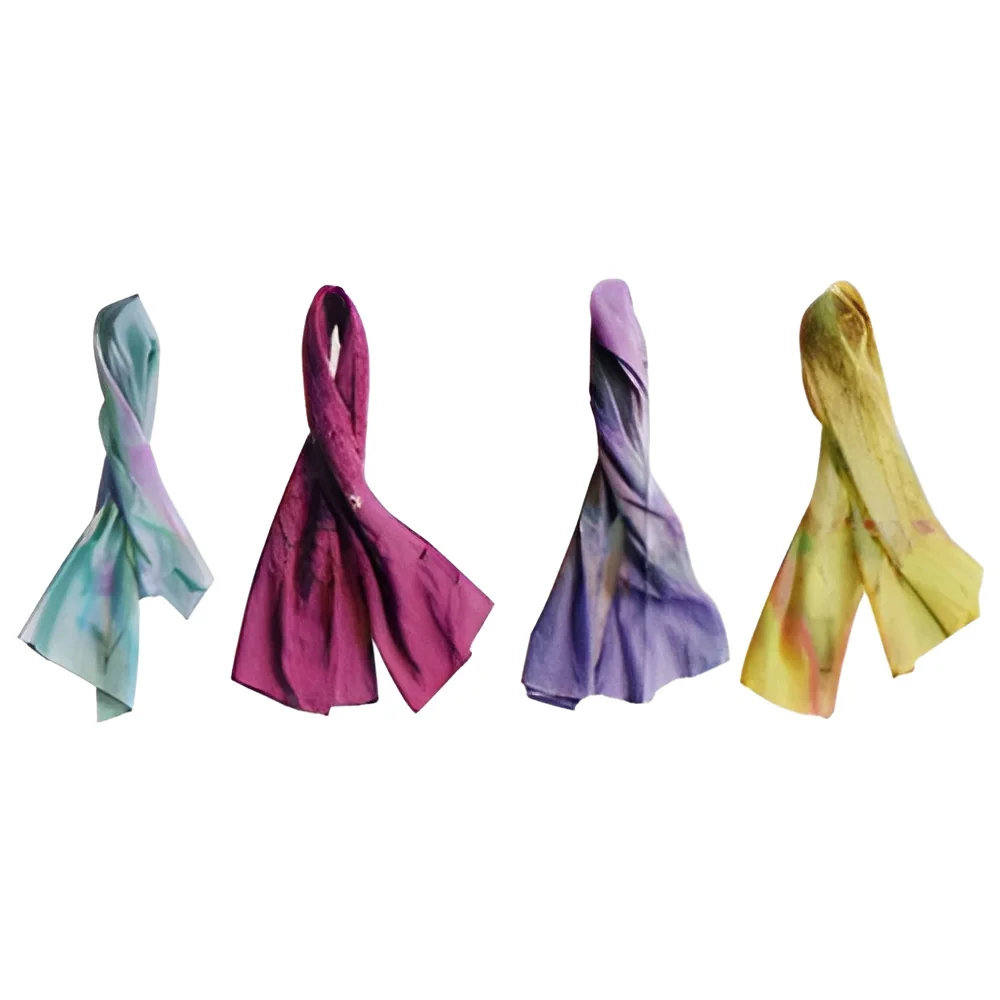
What are Dupattas & Stoles?
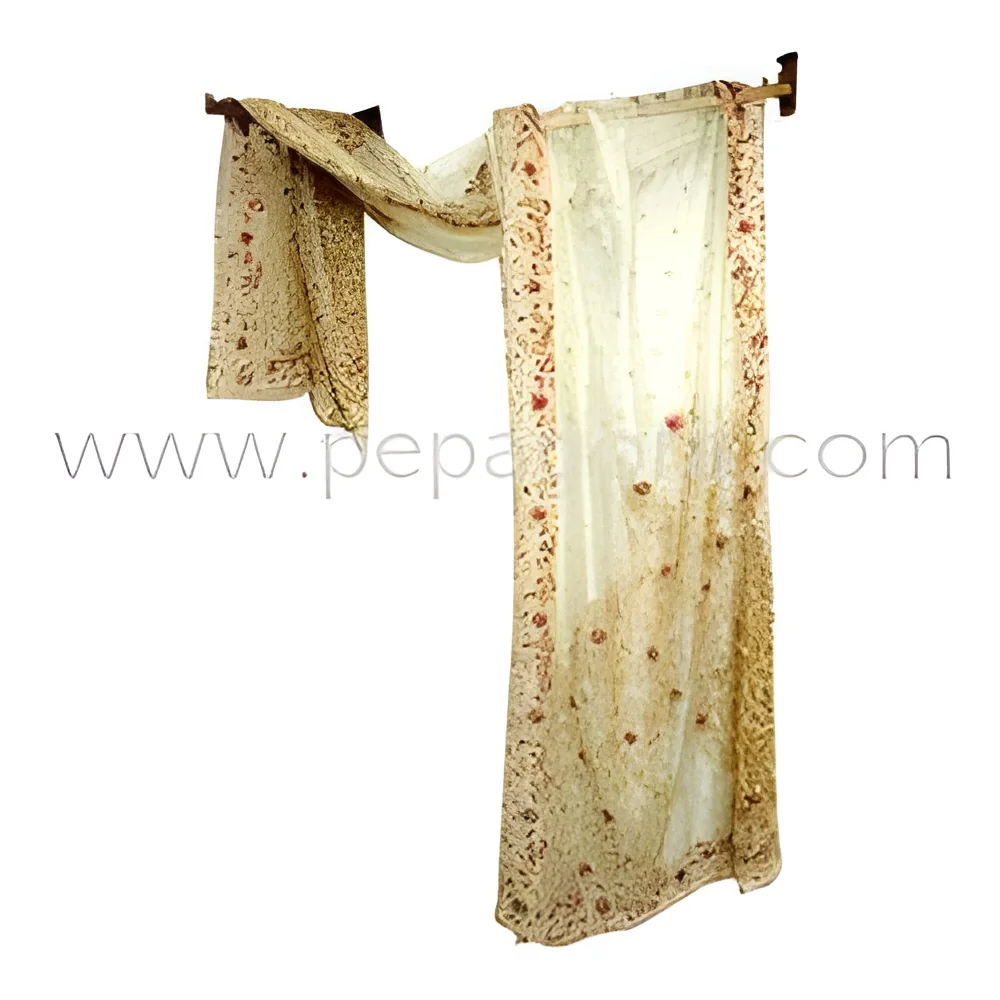
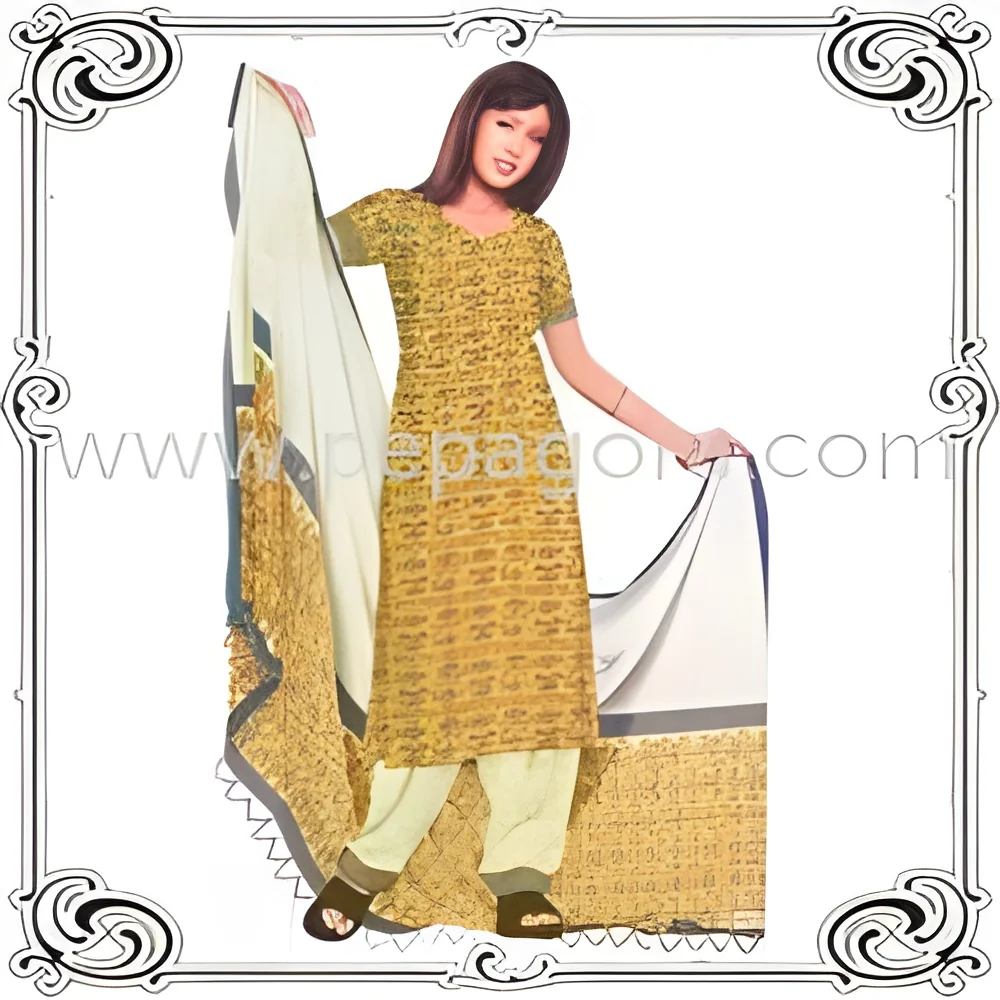
Dupattas and stoles are traditional garments worn primarily in South Asian cultures, serving both functional and aesthetic purposes. A dupatta is a long scarf or shawl often paired with ethnic wear, while a stole is a broader term that encompasses various types of wraps, including those made of lighter fabrics. Both items add layers of style and elegance to outfits, making them popular among consumers looking to enhance their wardrobe.
In a business context, dupattas and stoles are widely used in the fashion and textile industries. They are marketed to retailers, boutiques, and online platforms specializing in ethnic and contemporary clothing. With their versatility, these products can be used for casual, formal, or festive occasions, appealing to a broad customer base. The demand for dupattas and stoles has seen steady growth, driven by trends in fashion and cultural preferences, making them a relevant product in the global market.
The industry relevance of dupattas and stoles is underscored by their rich cultural heritage and evolving fashion trends. Designers and manufacturers are continually exploring new fabrics, styles, and embellishments, which keeps the market dynamic. As businesses aim to cater to diverse customer needs, dupattas and stoles remain integral to many clothing lines.
Key Features and Specifications
Dupattas and stoles come with various features that enhance their functionality and appeal. Understanding these specifications is essential for B2B buyers looking to source quality products.
Key specifications include:
1. Fabric Type
- Common materials include silk, cotton, chiffon, and georgette.
- Each fabric has unique characteristics in terms of texture, durability, and draping ability.
2. Size Dimensions
- Standard sizes typically range from 2 to 2.5 meters in length and 0.5 to 1 meter in width.
- Custom sizes can also be provided based on client requirements.
3. Design Patterns
- Dupattas and stoles come in various prints, including floral, geometric, and embroidered designs.
- Customization options are available for unique branding needs.
4. Color Variability
- Available in a wide range of colors to suit different tastes and trends.
- Seasonal color palettes and limited editions are often introduced.
5. Care Instructions
- Recommended cleaning methods vary by fabric, with some requiring dry cleaning while others can be hand-washed.
- Understanding care requirements helps in maintaining the product’s longevity.
6. Weight
- The weight of the fabric can influence how the garment drapes and feels.
- Lightweight fabrics are suitable for warmer climates, while heavier options are preferred for cooler conditions.
7. Finish
- Options include plain, printed, or embellished with sequins or beads.
- The finish can significantly enhance the overall aesthetic appeal.
8. Compliance Standards
- Adherence to quality standards such as CE certification ensures safety and reliability.
- Regular quality testing ensures products meet industry expectations.
In summary, when sourcing dupattas and stoles, it is crucial to consider these specifications to meet market demands and consumer preferences.
Common Applications and Use Cases
Dupattas and stoles serve various industries beyond just fashion retail.
1. Fashion Retail: Retailers use dupattas and stoles as essential accessories to complete ethnic wear collections. They enhance the overall appeal of outfits, attracting customers looking for stylish combinations.
2. Event Planning: Event planners often incorporate dupattas and stoles into their decor themes, using them as drapes or table runners for weddings and cultural events. Their vibrant colors and designs can elevate any event's ambiance.
3. Costume Design: Theatrical productions and film costume designers frequently use dupattas and stoles to create authentic cultural representations. Their versatility allows for creativity in character styling.
4. Promotional Merchandise: Businesses can customize dupattas and stoles as branded merchandise for events or giveaways. They serve as functional items that promote brand visibility.
5. Home Decor: Some consumers use dupattas and stoles creatively in home decor, such as wall hangings, table covers, or accent pieces. Their aesthetic appeal makes them suitable for various interior designs.
6. Gift Items: Dupattas and stoles are popular gift choices, especially during festivals and special occasions. Their versatility makes them a thoughtful present for various recipients.
7. Cultural Celebrations: Many communities incorporate dupattas and stoles into traditional attire during festivals and cultural celebrations, making them essential in preserving cultural heritage.
Product Variants and Subcategories
Dupattas and stoles come in a diverse range of styles and types, catering to different market segments.
Lightweight Chiffon Dupattas: These dupattas are perfect for warmer climates and casual occasions. They are often adorned with delicate prints or lace trimmings, making them suitable for everyday wear.
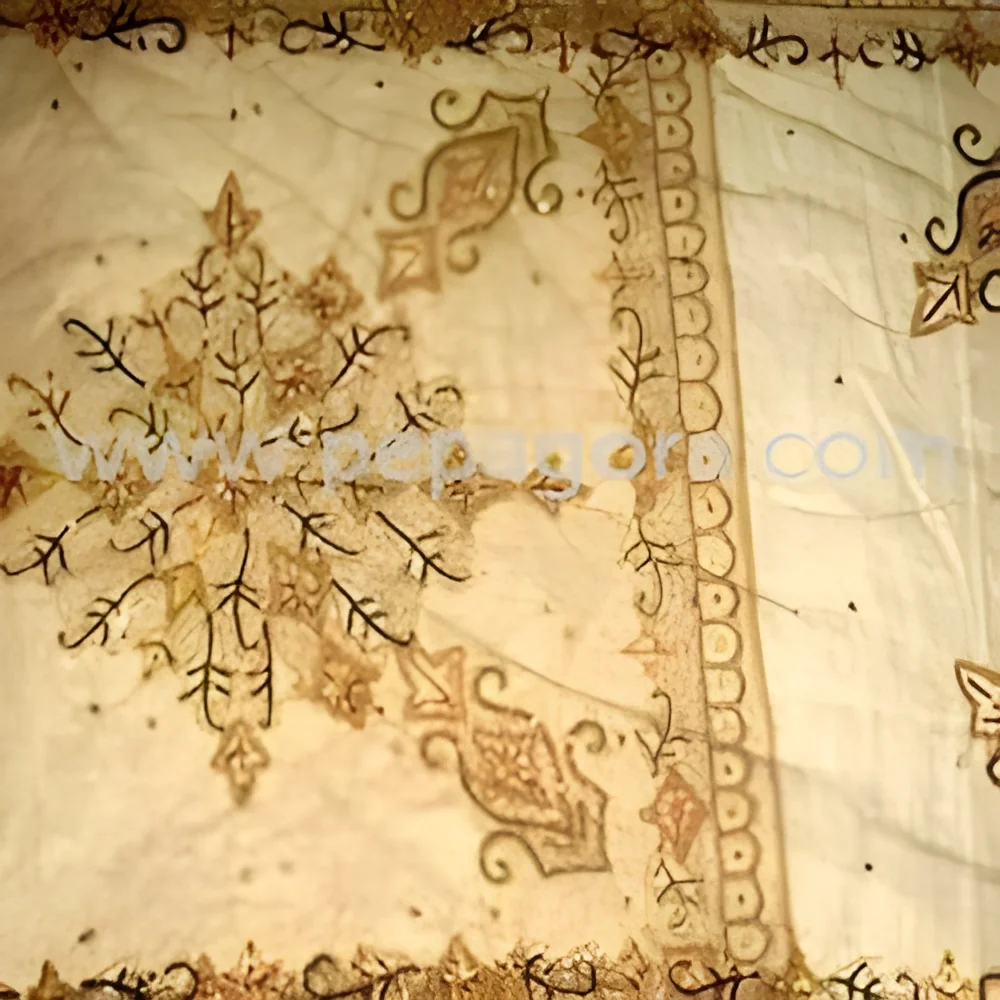
Embroidered Stoles: These stoles feature intricate embroidery and embellishments, making them ideal for formal events or festive occasions. Their luxurious appearance adds elegance to any outfit.
Printed Cotton Dupattas: Made from breathable cotton, these dupattas are popular for their comfort and versatility. They come in vibrant prints, catering to a younger audience looking for stylish yet casual options.
Silk Stoles: Known for their luxurious texture, silk stoles are often used in upscale fashion lines. They are suitable for evening wear and special occasions, offering a touch of sophistication.
Pashmina Dupattas: Renowned for their warmth and softness, pashmina dupattas are ideal for colder climates. They are often crafted with intricate designs, making them a premium offering in the market.
Benefits and Advantages
Sourcing dupattas and stoles offers several benefits for businesses.
1. Versatility: Dupattas and stoles can be styled in multiple ways, making them suitable for various occasions and outfits. This versatility appeals to a broad customer base.
2. Cultural Significance: These products hold cultural importance in many regions, allowing businesses to tap into markets that value tradition and heritage.
3. Customization Options: Many manufacturers offer customization, enabling businesses to create unique designs that resonate with their target audience.
4. Seasonal Appeal: Dupattas and stoles are not limited to a specific season, making them a year-round product. This consistency in demand can lead to stable sales.
5. Affordability: Compared to other fashion accessories, dupattas and stoles are often available at competitive prices, making them accessible to a wide range of consumers.
6. Brand Differentiation: Offering unique designs or high-quality materials can help businesses stand out in a crowded market, attracting more customers.
Buying Guide for B2B Buyers
When sourcing dupattas and stoles, B2B buyers should consider several critical factors.
1. Quality Assessment: Evaluate the materials used, craftsmanship, and finishing details. High-quality products will result in greater customer satisfaction and lower return rates.
2. Supplier Verification: Conduct thorough checks on potential suppliers to ensure they have a reliable track record. Look for reviews, certifications, and their ability to meet your volume requirements.
3. Pricing and MOQ: Understand the pricing structures and minimum order quantities. Factor in the total cost, including shipping, to ensure the pricing aligns with your budget and profit margins.
4. Delivery and Lead Times: Confirm lead times for production and shipping. Timely delivery is crucial for maintaining stock levels and meeting customer demand.
5. Compliance Requirements: Familiarize yourself with any local or international regulations regarding textiles. Ensure that the products meet necessary compliance standards to avoid legal issues.
Compliance and Certifications
Sourcing dupattas and stoles demands adherence to various quality standards and certifications. Key standards include ISO 9001, which ensures quality management systems are in place. Compliance with CE certification indicates that products meet European health and safety standards.
Testing requirements may include assessments for fabric durability, colorfastness, and safety from harmful substances. Regional compliance considerations must also be taken into account, especially when exporting products to different countries. Understanding these standards helps businesses maintain product quality and consumer trust.
Why Source Dupattas & Stoles from Pepagora?
Pepagora provides a trusted platform for sourcing dupattas and stoles with several key advantages.
Verified Supplier Network: Pepagora connects buyers with a network of verified suppliers, ensuring that businesses source high-quality products from reputable manufacturers. This verification process builds trust and reliability in the supply chain.
Streamlined RFQ Process: The platform offers a straightforward request for quotation (RFQ) process, allowing buyers to easily compare prices and specifications from multiple suppliers. This efficiency saves time and helps in making informed purchasing decisions.
Trade Assurance and Support: Pepagora offers trade assurance to protect buyers during transactions, ensuring that their investments are secure. Additionally, the platform provides support to resolve any disputes that may arise.
Regional Coverage: With a strong presence in India, the GCC, and Southeast Asia, Pepagora offers extensive geographic reach. This enables businesses to tap into a diverse market and access a wide range of products tailored to regional preferences.

 IN
IN