What are Jib Cranes?
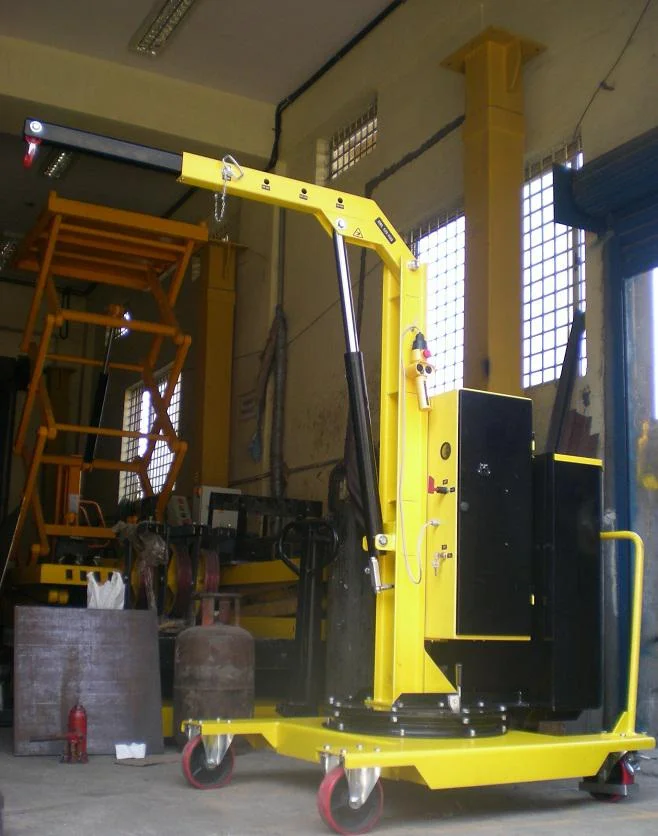
Jib cranes are versatile lifting devices used to move heavy materials in a specific area. They consist of a horizontal arm or jib that is mounted on a vertical post or pillar. The jib can rotate in a circular motion, allowing for the movement of loads across a defined radius. Jib cranes are designed for efficient material handling, making them an essential tool in various industrial settings.
These cranes are primarily used in manufacturing, warehousing, and construction industries. They facilitate the lifting and transferring of heavy items, enhancing productivity and reducing manual handling risks. Businesses utilize jib cranes to improve workflow and safety in operations, such as loading and unloading materials, assembly line work, and maintenance tasks. The relevance of jib cranes in the market continues to grow as industries seek to optimize their processes and minimize downtime.
Key Features and Specifications
Jib cranes come equipped with various features tailored to meet specific operational needs. Understanding these features helps businesses choose the right equipment for their applications.
Key specifications include:
1. Lifting Capacity
- The maximum weight the crane can lift, commonly ranging from 250 lbs to several tons.
2. Arm Length
- The length of the jib arm, typically between 10 to 30 feet, depending on the model.
3. Rotation Range
- The degree of rotation available, usually 180 to 360 degrees.
4. Mounting Type
- Jib cranes can be floor-mounted, wall-mounted, or ceiling-mounted to suit different layouts.
5. Construction Material
- Most jib cranes are made from steel or aluminum, offering durability and robustness.
6. Power Source
- Jib cranes can be manually operated or fitted with electric hoists for automated lifting.
7. Safety Features
- Include limit switches, overload protection, and emergency stop functions.
8. Compliance Standards
- Many jib cranes adhere to industry standards such as CE certification for safety and quality assurance.
In summary, jib cranes offer a range of specifications that cater to diverse industrial requirements, ensuring efficient material handling.
Common Applications and Use Cases
Jib cranes find applications across various industries, enhancing operational efficiency and safety.
1. Manufacturing: In manufacturing plants, jib cranes are often used for loading and unloading materials, assisting in assembly processes, and moving heavy machinery components.
2. Warehousing: Jib cranes aid in the efficient organization of goods, helping workers retrieve or store items quickly and safely.
3. Construction: On construction sites, jib cranes lift heavy materials such as steel beams and concrete blocks, facilitating faster building processes.
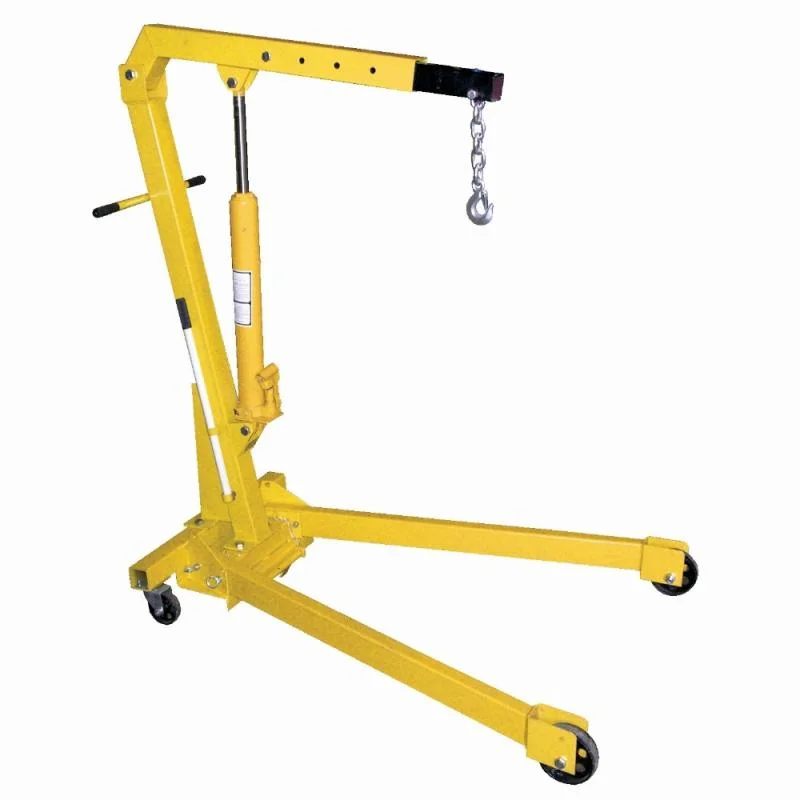
4. Automotive: In automotive workshops, these cranes are essential for lifting engines and other heavy parts during repairs and maintenance.
5. Marine: Jib cranes are utilized in shipyards for loading and unloading cargo from vessels, ensuring smooth operations.
6. Aerospace: In aerospace manufacturing, jib cranes assist in handling delicate and heavy components, which require precision and safety.
7. Food Processing: These cranes help in moving bulk ingredients and products during the manufacturing process, ensuring hygiene and efficiency.
Product Variants and Subcategories
Jib cranes are available in various configurations to accommodate diverse operational needs.
Wall-Mounted Jib Crane
This variant is designed to be attached to a wall, providing a space-saving solution for facilities with limited floor space. It is suitable for lighter loads and allows for a full rotation, maximizing efficiency in tight areas.
Freestanding Jib Crane
Freestanding jib cranes are independent structures that can be placed anywhere in a facility. They offer greater stability and can handle heavier loads, making them ideal for high-demand environments.
Articulating Jib Crane
This type features multiple segments that allow for greater reach and flexibility. Articulating jib cranes are perfect for accessing hard-to-reach areas and are commonly used in assembly lines.
Benefits and Advantages
Investing in jib cranes provides numerous advantages for businesses.
1. Improved Efficiency: Jib cranes enhance material handling processes, reducing the time required for lifting and moving loads.
2. Increased Safety: By minimizing manual handling, jib cranes significantly lower the risk of injuries in the workplace.
3. Space Optimization: Jib cranes can be designed to fit into tight spaces, maximizing the use of available warehouse or workshop areas.
4. Versatility: With various configurations, jib cranes can be adapted for different applications and industries.
5. Cost-Effective: Jib cranes require relatively low maintenance and have a long lifespan, making them a cost-effective solution for material handling.
6. Enhanced Productivity: By streamlining operations and facilitating faster workflows, jib cranes contribute to overall productivity improvements.
Buying Guide for B2B Buyers
When sourcing jib cranes, businesses should consider several critical factors to ensure they make informed decisions.
1. Quality Assessment: Evaluating the quality of jib cranes is essential. Buyers should look for materials that ensure durability and compliance with industry standards.
2. Supplier Verification: Vetting suppliers is crucial for reliability. Buyers should check for certifications, customer reviews, and industry reputation to ensure they are dealing with trusted manufacturers.
3. Pricing and MOQ: Understanding pricing structures and minimum order quantities (MOQ) is vital for budgeting. Buyers should compare prices among suppliers while considering the overall value offered.
4. Delivery and Lead Times: Logistics play a significant role in procurement. Buyers should inquire about delivery schedules and lead times to avoid production delays.
5. Compliance Requirements: It is essential to verify that the jib cranes meet all regulatory standards and safety requirements relevant to the buyer's industry.
Compliance and Certifications
Jib cranes must adhere to various quality standards and certifications to ensure safety and reliability.
Relevant quality standards include ISO 9001, which focuses on quality management systems and continuous improvement. This certification assures customers that the manufacturers implement effective quality management practices.
Industry certifications such as CE are important as they indicate compliance with European health, safety, and environmental protection standards. Products bearing this mark have met rigorous safety criteria, ensuring they are safe for use in industrial applications.
Safety and testing requirements are crucial. Jib cranes undergo testing to meet load capacity, stability, and operational efficiency standards. Compliance with these requirements ensures the safety of operators and minimizes workplace accidents.
Regional compliance considerations may vary. Buyers should be aware of local regulations and standards that apply to jib cranes in their specific regions to ensure legal compliance.
Why Source Jib Cranes from Pepagora?
Pepagora offers a reliable platform for sourcing jib cranes with several key advantages that benefit B2B buyers.
Verified Supplier Network: Pepagora ensures that all suppliers are thoroughly vetted, providing buyers with a trusted network of manufacturers. This verification process minimizes risks associated with procurement.
Streamlined RFQ Process: The request for quotation (RFQ) system at Pepagora simplifies the procurement process. Buyers can easily gather quotes from multiple suppliers, allowing for informed decision-making.
Trade Assurance and Support: Pepagora offers trade assurance programs that protect buyers throughout the procurement process. This includes support for resolving disputes and ensuring timely delivery.
Regional Coverage: With a strong presence in India, the GCC, and Southeast Asia, Pepagora connects buyers with suppliers in these regions. This geographic reach enables businesses to find local solutions that meet their specific needs.
In conclusion, sourcing jib cranes from Pepagora provides businesses with a comprehensive solution, ensuring quality, reliability, and support throughout the purchasing journey.

 IN
IN

 India
India