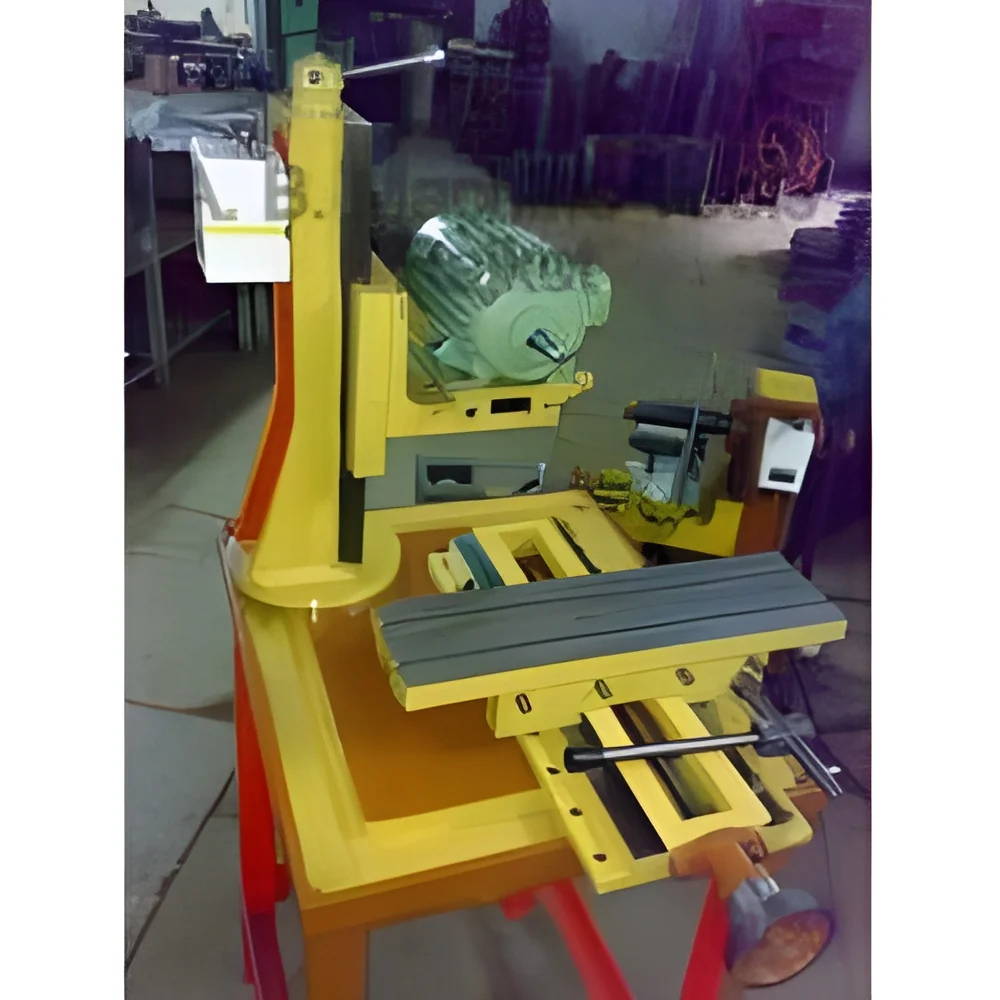
What are Industrial Blade Sharpening Equipment?
Industrial blade sharpening equipment is specialized machinery designed to restore the cutting edges of various blades used in manufacturing processes. These machines utilize advanced technology to ensure precision and efficiency, allowing blades to maintain optimal performance. By sharpening blades, businesses can extend their lifespan, enhance cutting quality, and reduce operational costs associated with frequent replacements.
These machines find their primary applications in industries such as manufacturing, woodworking, metalworking, and food processing. They are essential for businesses that rely on sharp blades for cutting, slicing, or shaping materials. The relevance of industrial blade sharpening equipment in today's market cannot be overstated, as companies seek to maximize productivity while minimizing waste and downtime. This equipment plays a vital role in maintaining the efficiency of production lines and ensuring product quality.
Key Features and Specifications
Industrial blade sharpening equipment comes with a variety of features tailored to meet the specific needs of different industries. When considering such equipment, it is essential to understand the specifications that define their performance and usability.
Key specifications include:
1. Motor Power
- Typically ranges from 0.5 to 10 horsepower
- Determines the efficiency and speed of the sharpening process
2. Blade Size Compatibility
- Accommodates blades ranging from 1 inch to over 20 inches in length
- Ensures versatility for various applications
3. Sharpening Method
- Includes options for rotary, linear, or CNC sharpening
- Affects precision and consistency of the sharpening results
4. Control System
- May feature manual, semi-automatic, or fully automatic controls
- Enhances ease of operation and precision
5. Safety Features
- Includes guards, emergency stops, and safety interlocks
- Ensures operator safety during operation
6. Weight
- Units typically weigh between 100 to 800 pounds
- Influences portability and stability during use
7. Power Supply
- Generally operates on standard 110V or 220V electrical supply
- Important for compatibility with existing infrastructure
8. Maintenance Requirements
- Varies by model, with some requiring minimal upkeep
- Essential for long-term operational reliability
In summary, understanding these key features and specifications is crucial for making informed decisions when purchasing industrial blade sharpening equipment.
Common Applications and Use Cases
Industrial blade sharpening equipment serves various industries, each with specific requirements for blade maintenance.
1. Manufacturing: In manufacturing settings, sharpening equipment is used to keep cutting tools sharp for processes such as stamping, die cutting, and machining.
2. Woodworking: Woodworking industries utilize these machines to maintain sharpness on blades used in saws, planers, and routers, which is essential for producing quality wood products.
3. Metalworking: In metalworking, sharp blades are crucial for cutting, shearing, and shaping metal parts, making regular sharpening essential for maintaining production quality.
4. Food Processing: Food processing facilities depend on sharp blades to ensure clean cuts for meats, vegetables, and other food items, reducing waste and maintaining hygiene.
5. Textile Industry: Blades used in cutting fabrics must be kept sharp to ensure precision and reduce fraying, making sharpening equipment a valuable asset.
6. Printing: In the printing industry, sharp blades are necessary for trimming paper and cutting materials accurately, making industrial sharpening equipment essential for operational efficiency.
7. Landscaping and Agriculture: Equipment used for cutting grass and other vegetation relies on sharp blades to ensure effective performance and reduce strain on machinery.
Product Variants and Subcategories
Industrial blade sharpening equipment comes in various forms, catering to different needs and applications.
Manual Blade Sharpeners: These are typically simpler machines that require manual operation. They are suitable for smaller workshops or businesses with lower sharpening needs.
Automatic Blade Sharpeners: These machines automate the sharpening process, offering consistent results with minimal operator intervention. They are ideal for larger operations with high volumes of blade sharpening.
CNC Blade Sharpeners: These advanced machines use computer numerical control to provide precision sharpening. They are perfect for industries that require highly accurate blade maintenance.
Portable Blade Sharpeners: Designed for mobility, these units are ideal for on-site sharpening, making them useful for contractors and service providers who travel to different locations.
Benefits and Advantages
Investing in industrial blade sharpening equipment offers numerous advantages for businesses.
1. Cost Efficiency: Regular sharpening extends the life of blades, reducing the need for costly replacements and lowering overall operational costs.
2. Improved Performance: Sharp blades enhance cutting efficiency, leading to better quality products and reducing waste in production processes.
3. Increased Safety: Properly sharpened blades are less likely to bind or break, reducing the risk of accidents and injuries in the workplace.
4. Enhanced Productivity: With efficient sharpening, production lines experience less downtime, allowing for smoother operations and increased output.
5. Customization Options: Many sharpening machines can be tailored to specific blade types or business needs, ensuring optimal performance.
6. Environmental Benefits: By prolonging the life of blades, businesses contribute to sustainability efforts by reducing waste associated with discarded blades.
Buying Guide for B2B Buyers
When sourcing industrial blade sharpening equipment, it is essential to consider several critical factors to ensure a suitable purchase.
1. Quality Assessment: Evaluate the quality of the equipment by reviewing manufacturer reputation, customer reviews, and performance data. Reliable brands often provide better long-term value.
2. Supplier Verification: Conduct thorough checks on suppliers to ensure they are credible and provide proper support and warranties. Look for certifications that demonstrate industry standards compliance.
3. Pricing and MOQ: Understand the pricing structure and minimum order quantities before making a decision. Compare costs across different suppliers to find the best deal.
4. Delivery and Lead Times: Consider logistics and delivery times when planning purchases. Ensure that suppliers can meet your operational timelines without delays.
5. Compliance Requirements: Be aware of regulatory standards that the equipment must meet, such as safety and environmental regulations, to avoid compliance issues.
Compliance and Certifications
Industrial blade sharpening equipment is subject to various quality standards and compliance requirements to ensure safety and performance.
ISO 9001 is a widely recognized quality management standard that many manufacturers adhere to, ensuring consistent quality in production processes.
CE certification indicates that a product meets European safety, health, and environmental protection standards. This certification is crucial for equipment sold in European markets.
Safety and testing requirements vary by region but typically include assessments of electrical safety, mechanical stability, and operational safety features.
Regional compliance considerations should be taken into account, as different areas may have specific regulations governing the manufacturing and use of industrial machinery. Businesses should ensure that their equipment adheres to all relevant local and international standards.
Why Source Industrial Blade Sharpening Equipment from Pepagora?
Pepagora provides a trusted platform for sourcing industrial blade sharpening equipment with several key advantages.
Verified Supplier Network: Pepagora has established a network of verified suppliers that meet industry standards. This ensures that buyers can obtain high-quality equipment from reputable sources.
Streamlined RFQ Process: The Request for Quotation (RFQ) system simplifies the procurement process, allowing buyers to receive competitive quotes from multiple suppliers efficiently.
Trade Assurance and Support: Pepagora offers buyer protection through trade assurance, providing peace of mind in transactions. Their support team is available to assist with any inquiries or issues.
Regional Coverage: Pepagora has a broad geographical reach, serving buyers in India, the GCC, and Southeast Asia. This extensive coverage makes it easier for businesses to find localized suppliers that meet their specific needs.

 IN
IN

 India
India