What are Induction Motors?
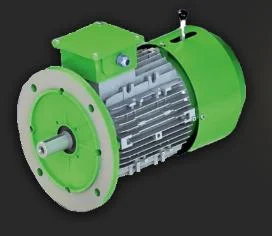
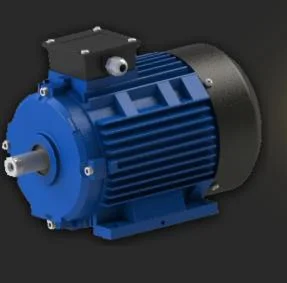
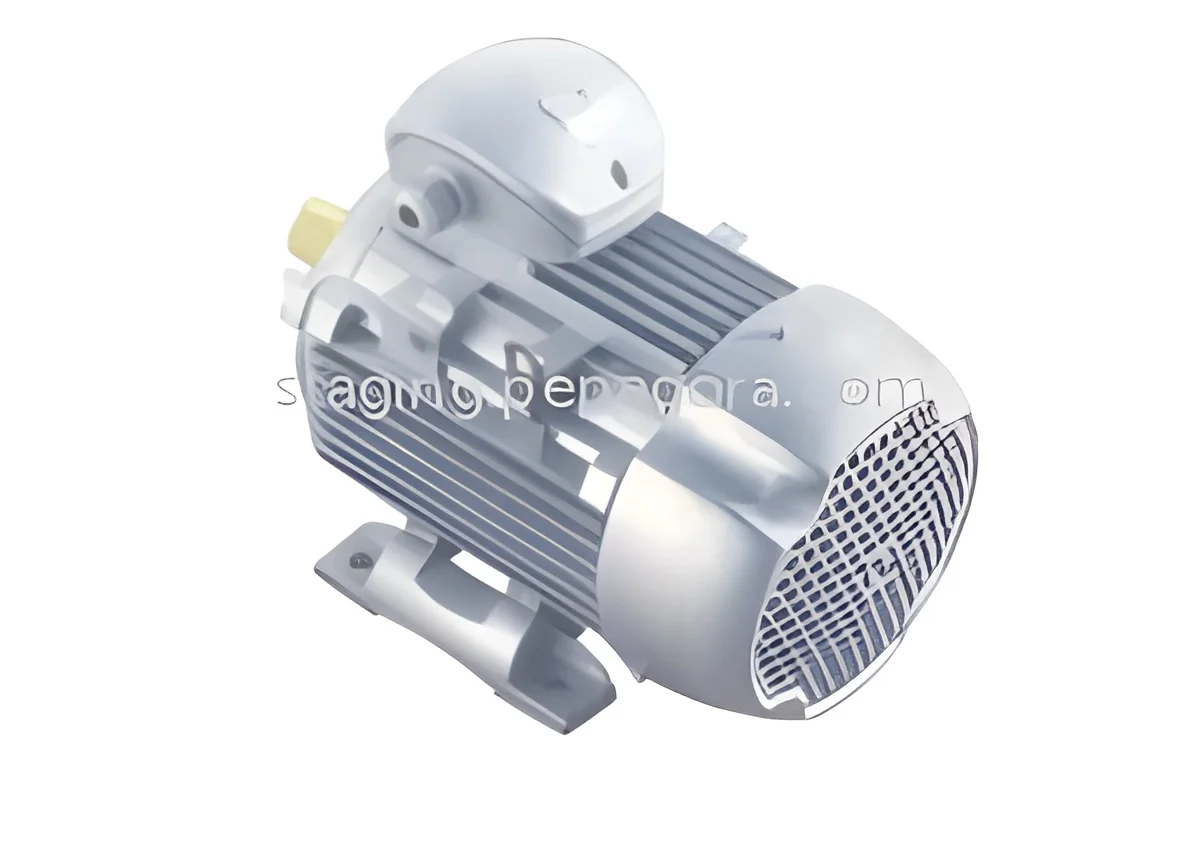
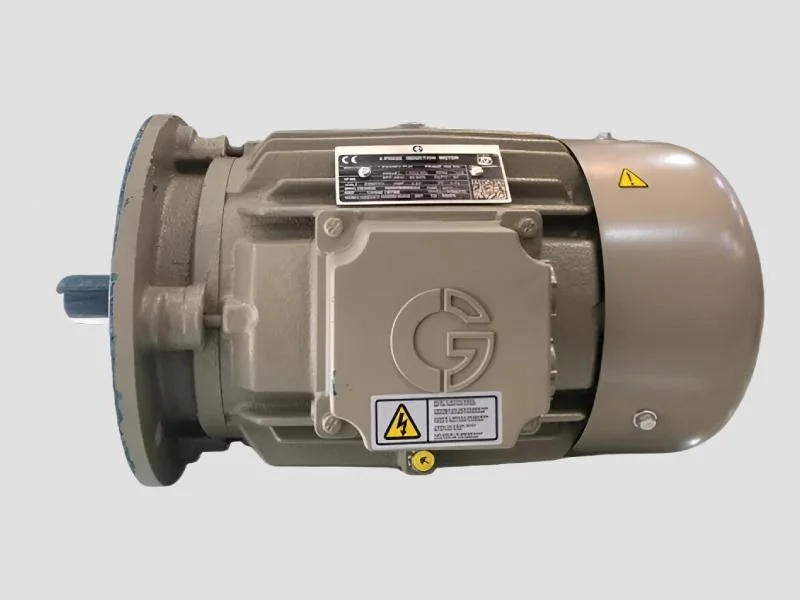
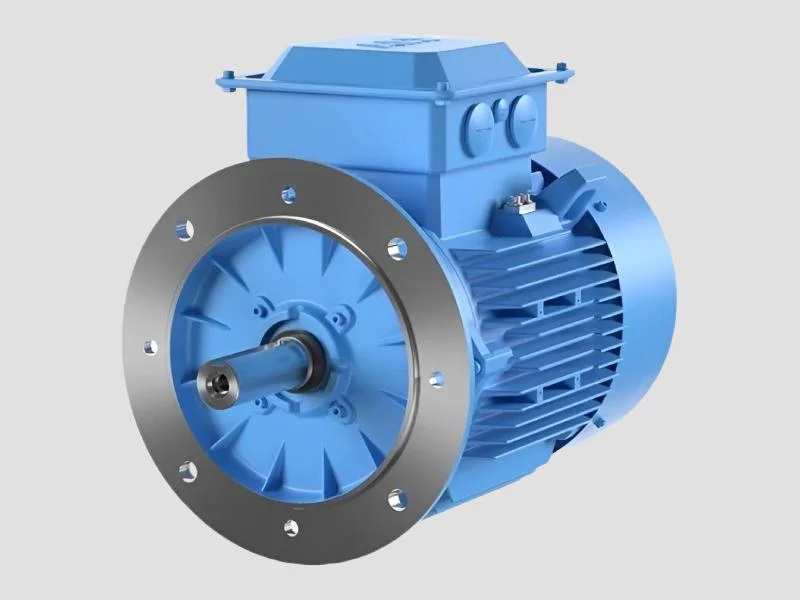
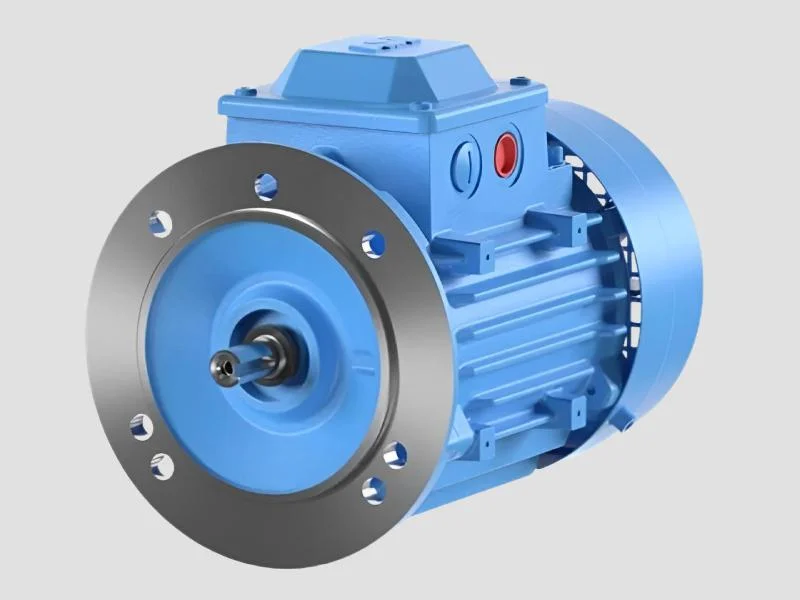
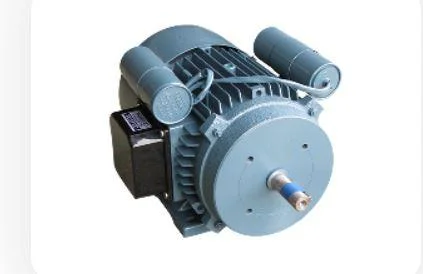
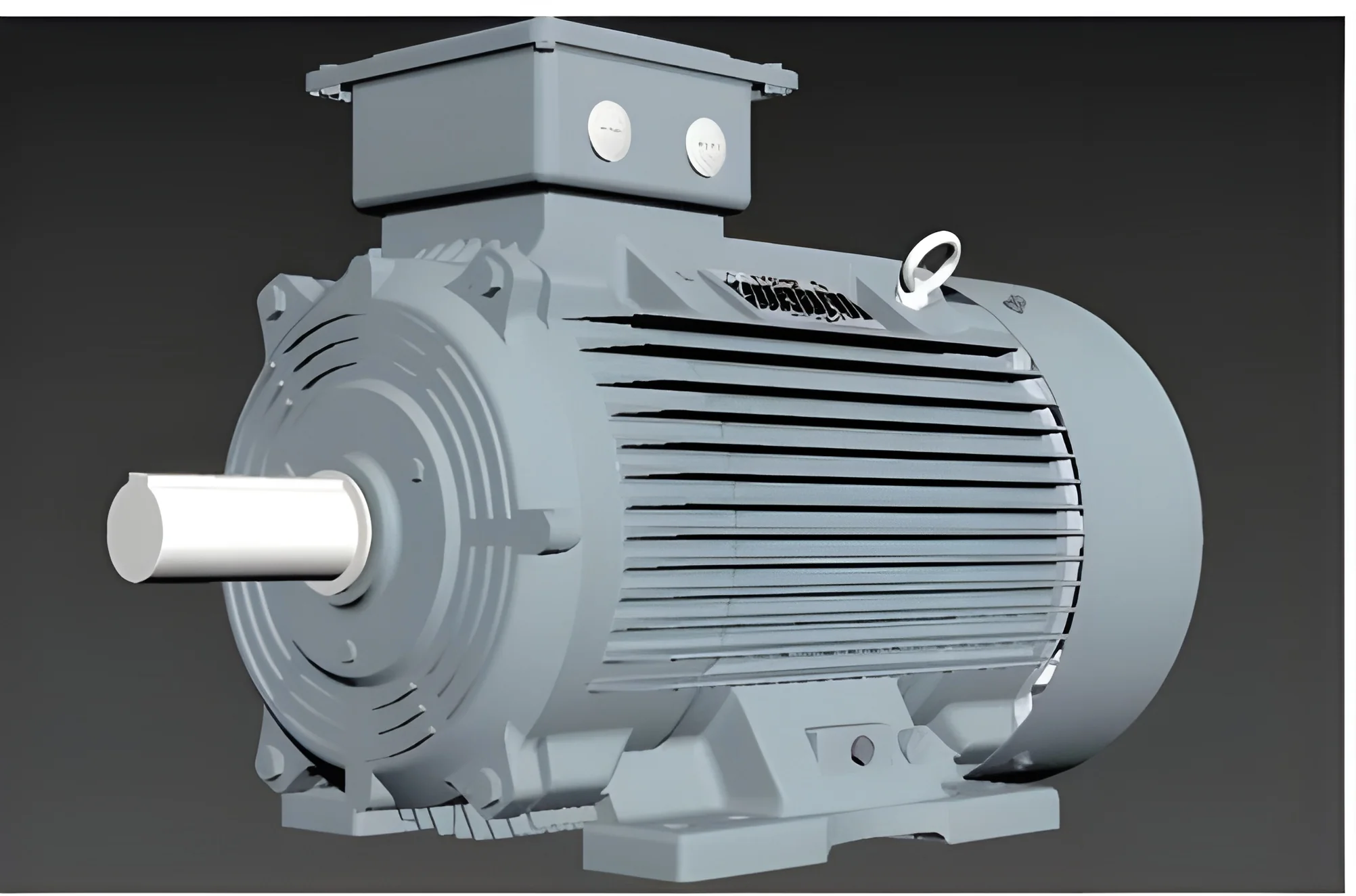
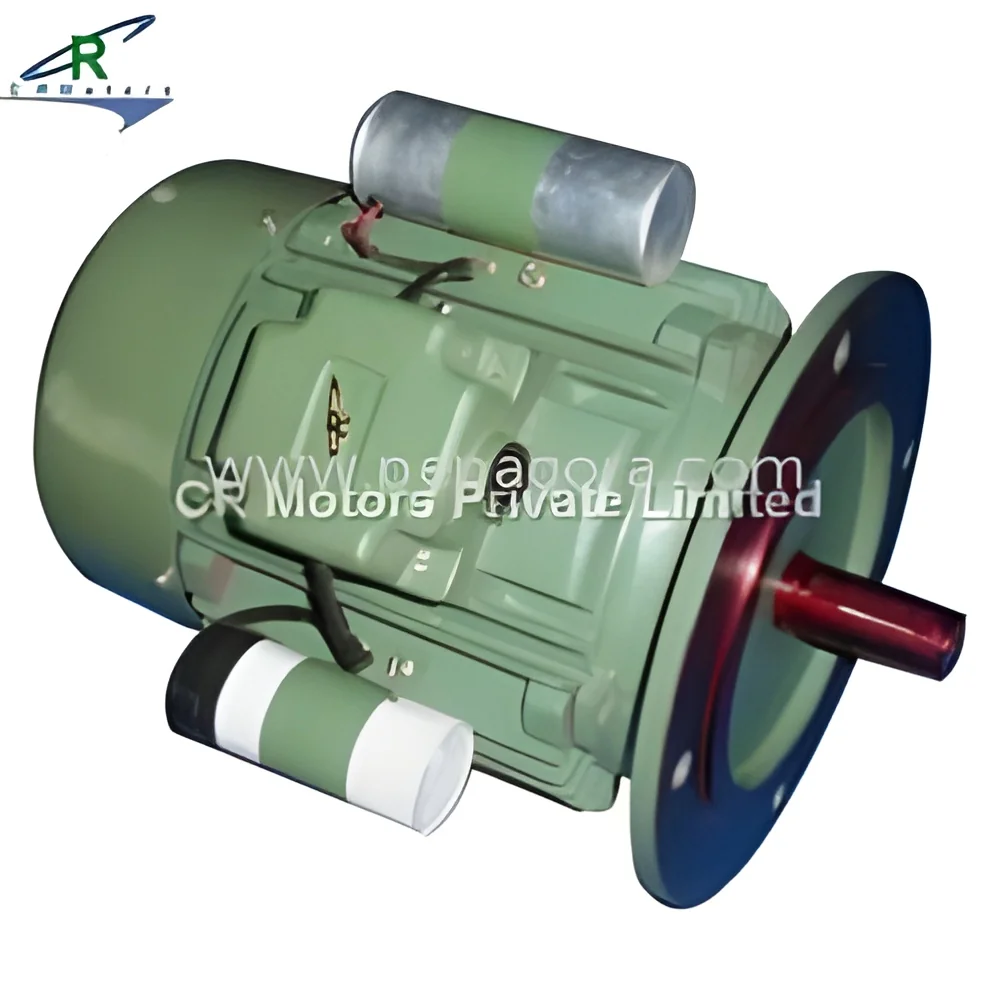
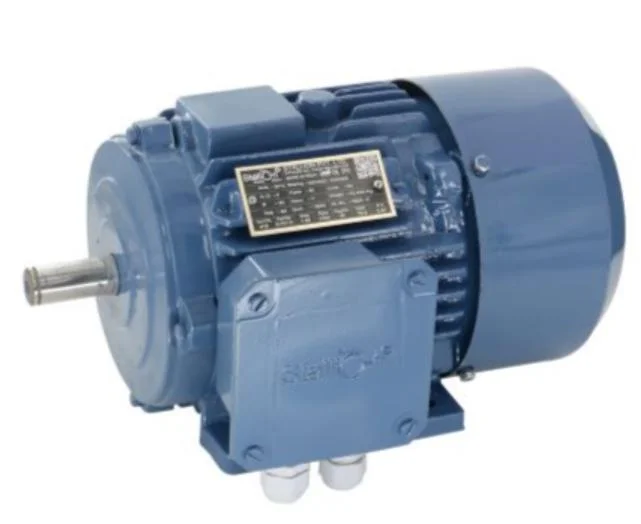
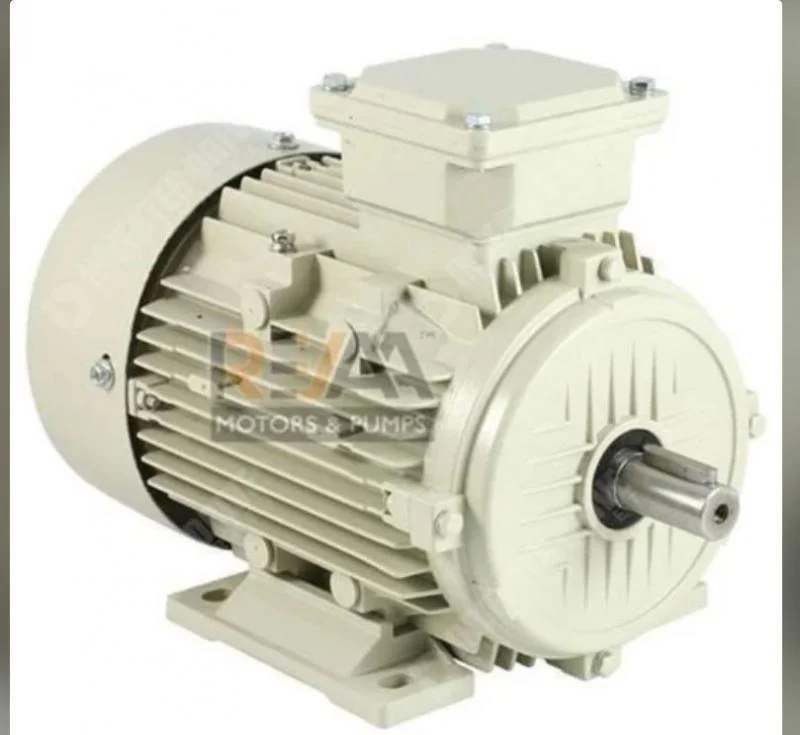
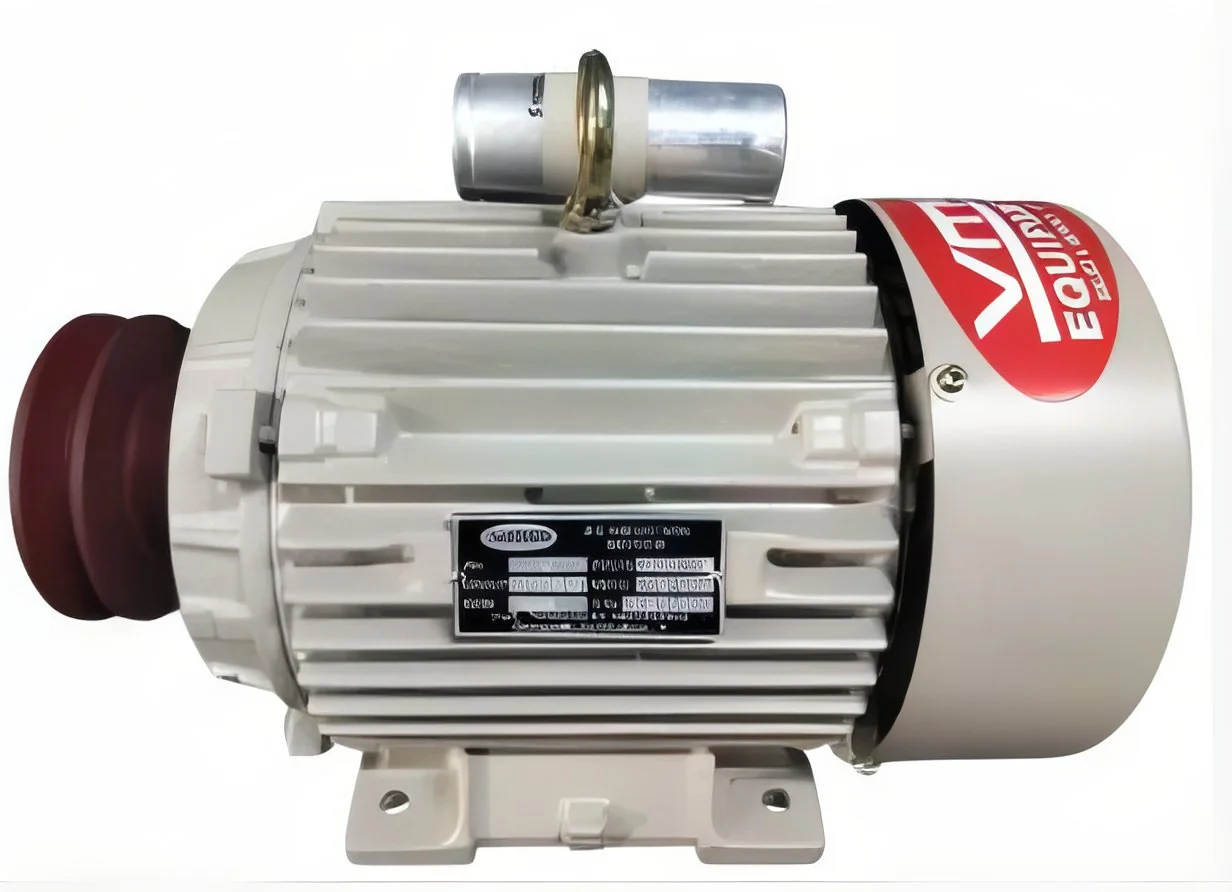
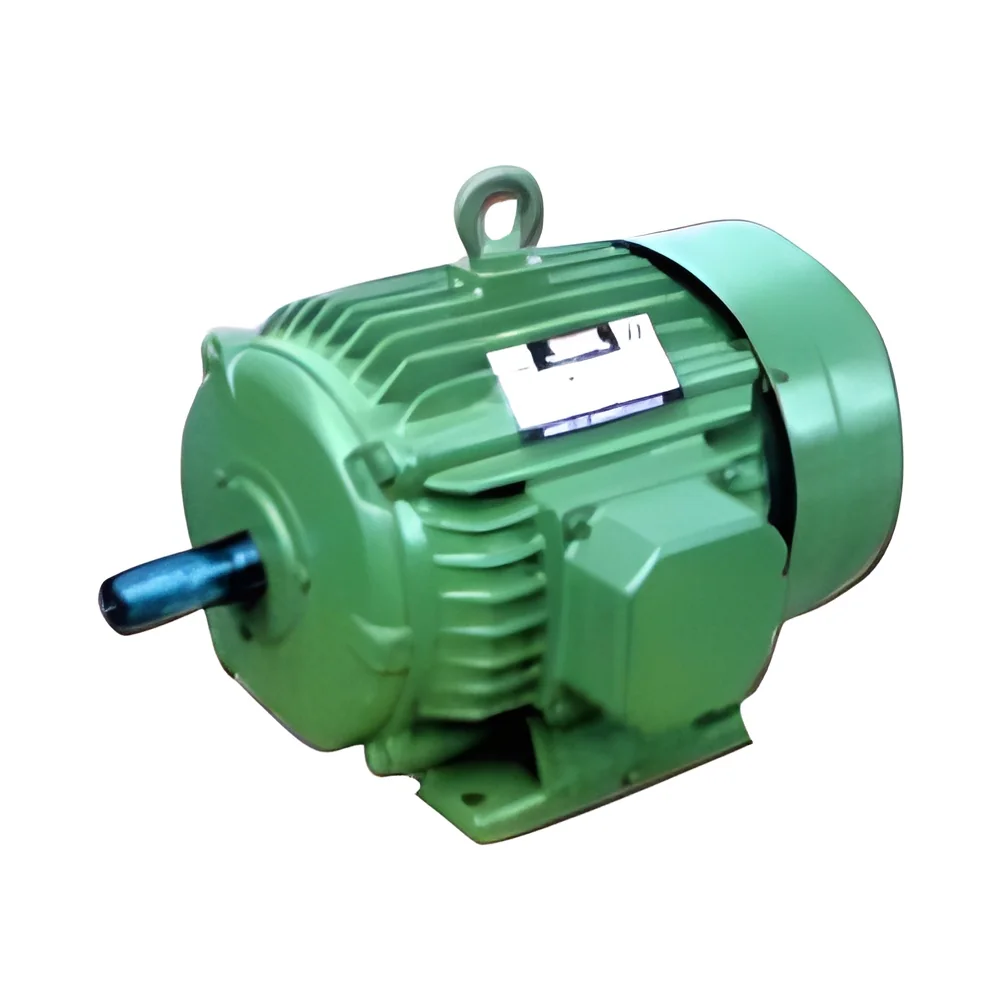
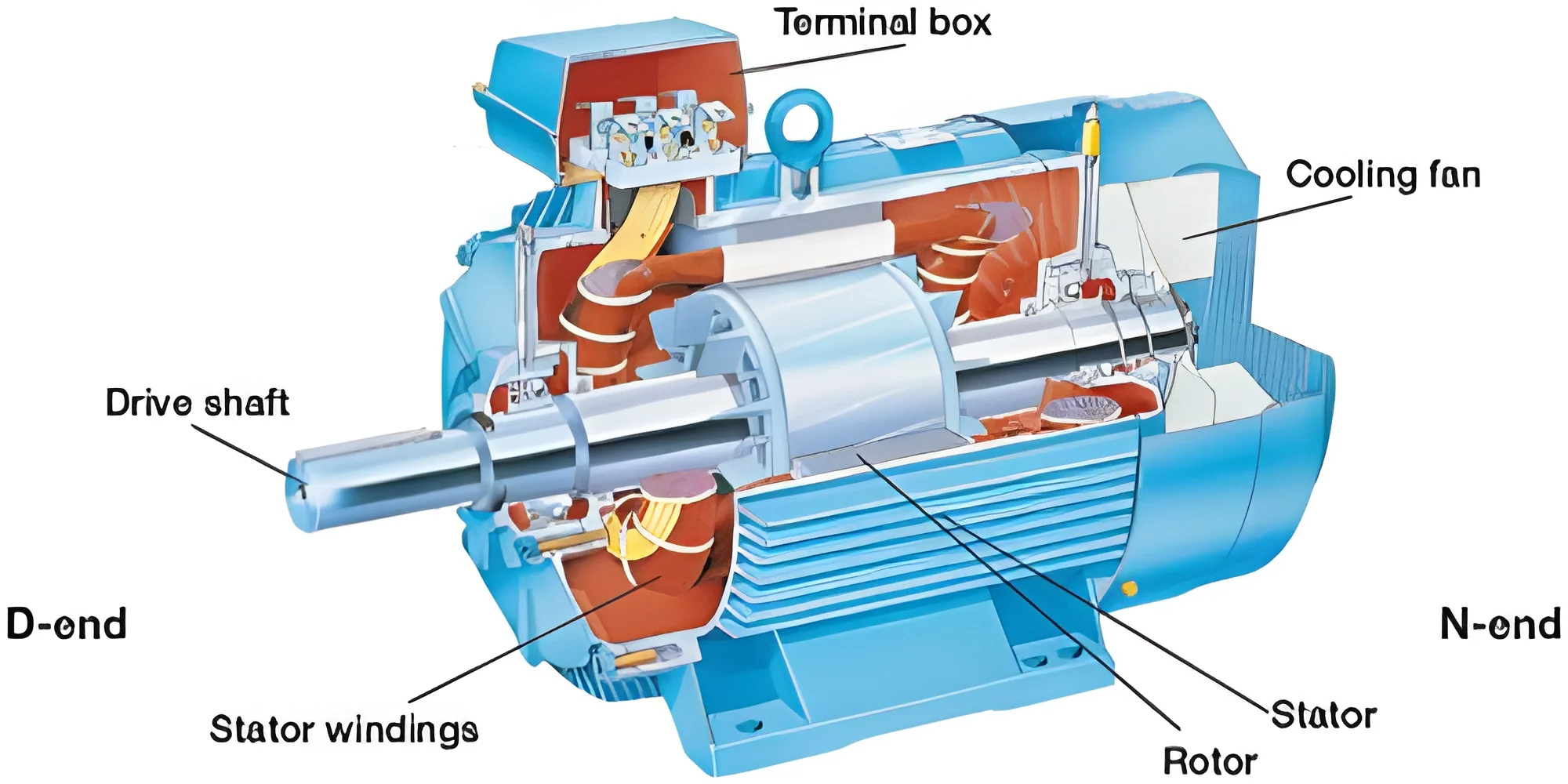
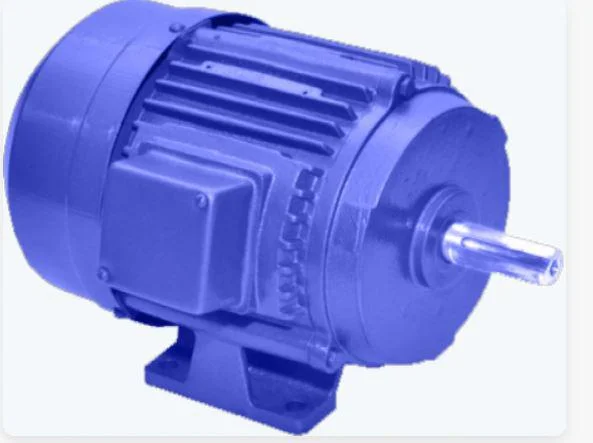
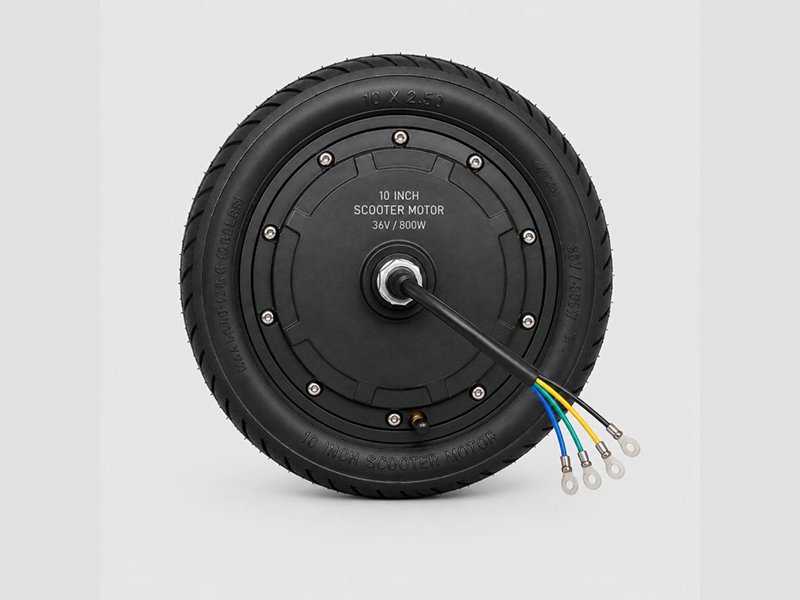
Induction motors are electric motors that operate on the principle of electromagnetic induction. They convert electrical energy into mechanical energy, allowing them to drive various types of machinery and equipment. Induction motors are characterized by their simplicity, reliability, and efficiency. They consist of two main components: the stator, which generates a rotating magnetic field, and the rotor, which is placed inside the stator and turns in response to the magnetic field. This design eliminates the need for brushes or commutators, reducing maintenance needs and operational wear.
These motors are widely used across various industries for applications such as pumps, fans, conveyors, and compressors. Their robust design makes them suitable for continuous operation in demanding environments. Induction motors are essential in sectors like manufacturing, mining, construction, and energy production. The growing demand for automation and energy-efficient solutions has further increased their relevance in today’s market, making them a key component in modern industrial operations.
Key Features and Specifications
Induction motors are known for their distinctive features that cater to a wide range of industrial needs. These features contribute to their performance, efficiency, and versatility. Key specifications of induction motors include:
1. Power Rating
- Typically ranges from a fraction of a horsepower to several thousand horsepower.
- Suitable for both small-scale and large-scale applications.
2. Voltage Rating
- Common voltage ratings include 230V, 400V, and 690V.
- Can be designed for specific voltage requirements based on application.
3. Frequency
- Standard frequencies are 50Hz and 60Hz.
- Frequency affects the motor’s speed and performance.
4. Efficiency Rating
- Efficiency levels can reach over 95%.
- Higher efficiency models can lead to significant energy savings.
5. Frame Size
- Various frame sizes available to accommodate different installation spaces.
- Standardized dimensions facilitate easy replacement.
6. Enclosure Type
- Options include open, closed, and explosion-proof designs.
- Enclosure type determines the motor's suitability for specific environments.
7. Cooling Method
- Common cooling methods include air and water cooling.
- Cooling efficiency affects motor performance and longevity.
8. Starting Method
- Induction motors can be started using direct-on-line, star-delta, or soft starters.
- Choice of starting method impacts torque and starting current.
In summary, the specifications of induction motors are designed to meet diverse operational needs while ensuring reliability and efficiency.
Common Applications and Use Cases
Induction motors are a vital component in numerous industries, providing reliable power for various applications.
1. Manufacturing: These motors drive machinery such as lathes, milling machines, and assembly lines, ensuring smooth and efficient production processes.
2. HVAC: In heating, ventilation, and air conditioning systems, induction motors power fans and compressors, promoting effective climate control.
3. Water Treatment: Induction motors are used in pumps for water supply and sewage treatment, crucial for maintaining infrastructure.
4. Mining: In this sector, they power conveyors and crushing equipment, supporting material handling and extraction operations.
5. Agriculture: These motors drive irrigation systems and agricultural machinery, enhancing productivity and efficiency in farming.
6. Transportation: Induction motors power electric vehicles and public transit systems, contributing to sustainable transportation solutions.
7. Construction: They are employed in cranes, lifts, and concrete mixers, facilitating various construction activities.
Product Variants and Subcategories
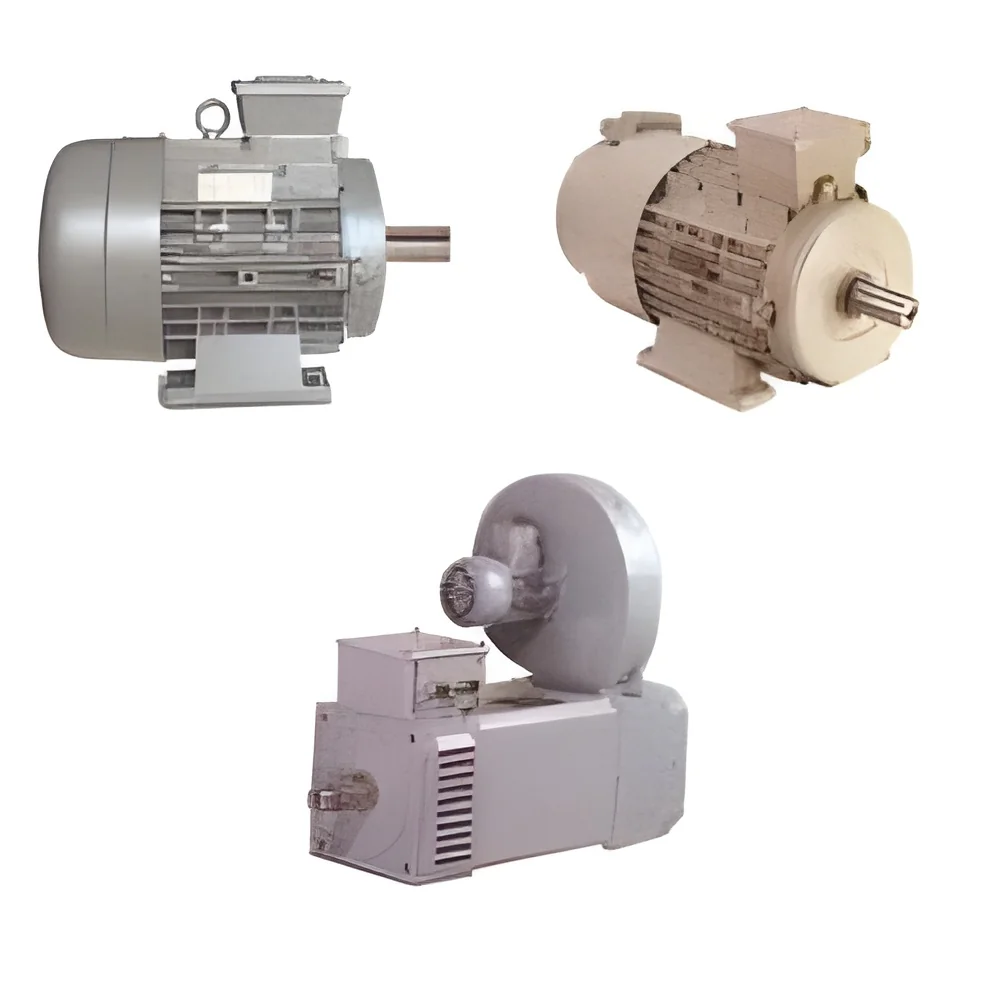
Induction motors come in several variants, each designed for specific applications and operational contexts.
Standard Induction Motors
These are the most common type, suitable for general-purpose applications. They offer a balance of efficiency and performance, making them ideal for a wide range of industrial tasks.
High-Efficiency Induction Motors
Designed to operate at higher efficiency levels, these motors reduce energy consumption. They are particularly beneficial in applications where energy costs are a significant concern.
Variable Frequency Drive (VFD) Compatible Induction Motors
These motors are designed to work with VFDs, allowing for precise speed control and improved performance. They are ideal for applications requiring variable speeds.
Benefits and Advantages
Induction motors provide numerous advantages that enhance operational efficiency and effectiveness.
1. Durability: Induction motors are built to withstand harsh conditions, ensuring long operational life and minimal downtime.
2. Low Maintenance: With fewer moving parts, these motors require less maintenance compared to other motor types, reducing operational costs.
3. Energy Efficiency: Many induction motors are designed to meet high-efficiency standards, leading to reduced energy consumption and lower utility bills.
4. Versatility: They can be used in a variety of applications, making them suitable for different industries and operational needs.
5. Simple Design: The straightforward design of induction motors allows for easy installation and integration into existing systems.
6. Cost-Effectiveness: Induction motors are generally more affordable than other motor types, providing a good return on investment for businesses.
Buying Guide for B2B Buyers
When sourcing induction motors, it is essential to consider several key factors to ensure you select the right product for your needs.
1. Quality Assessment: Evaluate the quality of induction motors by reviewing certifications, material specifications, and performance ratings. Look for motors that comply with relevant industry standards.
2. Supplier Verification: Vet suppliers by checking their reputation, experience, and customer feedback. Reliable suppliers should have a proven track record in providing quality products.
3. Pricing and MOQ: Understand the pricing structure and minimum order quantity (MOQ) requirements of suppliers. This information will help you budget and plan your procurement effectively.
4. Delivery and Lead Times: Inquire about delivery schedules and lead times to ensure that motors will be available when needed. Timely delivery is crucial for maintaining operational continuity.
5. Compliance Requirements: Ensure that the induction motors meet all regulatory requirements relevant to your industry. Compliance with safety and environmental standards is vital for operational integrity.
Compliance and Certifications
Induction motors must meet specific compliance standards to ensure safety and performance. Relevant quality standards include ISO 9001, which governs quality management systems. Adhering to ISO standards helps manufacturers maintain consistent product quality and reliability.
Additionally, many induction motors carry certifications such as CE, which indicates compliance with European safety standards. This certification assures buyers that the products meet necessary health, safety, and environmental protection requirements.
Safety and testing requirements for induction motors are critical, especially in industrial applications. Motors must undergo rigorous testing to ensure they can operate safely under specified conditions. Regional compliance considerations also play a role, as different countries may have varying requirements for electrical equipment.
Why Source Induction Motors from Pepagora?
Pepagora provides a trusted platform for sourcing induction motors, offering several key advantages that benefit B2B buyers.
Verified Supplier Network: Pepagora partners with a network of verified suppliers, ensuring that buyers have access to high-quality and reliable induction motors. This verification process helps mitigate risks associated with procurement.
Streamlined RFQ Process: The request for quotation (RFQ) system at Pepagora simplifies the sourcing process. Buyers can easily compare quotes from multiple suppliers, enabling informed decision-making and cost-effective purchasing.
Trade Assurance and Support: Pepagora offers trade assurance and buyer protection measures, ensuring that transactions are secure. This support provides peace of mind for buyers throughout the procurement process.
Regional Coverage: With a strong presence in India, the GCC, and Southeast Asia, Pepagora caters to a broad geographic reach. This regional coverage allows buyers to access local suppliers while benefiting from competitive pricing and delivery options.

 IN
IN




 India
India