What are Indoor Team Sports Equipment?
Indoor team sports equipment encompasses a range of products designed for use in sports played inside various facilities, such as gyms, schools, and sports complexes. This category includes equipment for sports like basketball, volleyball, futsal, and more. The equipment is specifically engineered to facilitate safe and effective gameplay, adhering to industry standards for performance and safety.
The primary uses of indoor team sports equipment are to enhance athletic performance, promote teamwork, and provide a platform for competitive play. Businesses such as schools, universities, fitness centers, and sports clubs rely on this equipment to create engaging environments that foster athletic development and community participation. The market for indoor sports equipment continues to grow as the demand for recreational and competitive sports rises.
In terms of industry relevance, indoor team sports equipment plays a crucial role in promoting physical fitness and well-being. As more organizations prioritize health and wellness initiatives, the demand for quality sports equipment is expected to increase. Manufacturers and suppliers are continually innovating to meet the needs of diverse users in this evolving landscape.
Key Features and Specifications
Indoor team sports equipment is built with specific features and specifications that enhance its functionality and safety. Understanding these specifications is essential for businesses looking to make informed purchasing decisions.
Key specifications include:
1. Material Quality
- Equipment is typically made from durable materials such as high-density polyethylene or reinforced metal.
- These materials ensure longevity and resistance to wear and tear.
2. Size and Dimensions
- Specific dimensions are set for various sports to maintain standard play.
- For example, basketball hoops are standardized at 10 feet in height.
3. Safety Standards
- Equipment must meet safety regulations to ensure player protection.
- Common standards include CE certification for European markets.
4. Weight Capacity
- Each piece of equipment has a designated weight capacity to ensure stability and safety during use.
- This varies depending on the type of equipment.
5. Warranty and Support
- Many suppliers offer warranties ranging from one to several years.
- Support services may include maintenance and repair options.
6. Customization Options
- Businesses often have the option to customize equipment for branding or specific needs.
- Customization may include colors, logos, and sizes.
7. Portability
- Some equipment is designed to be easily stored or transported.
- This feature is vital for facilities with limited space.
8. User-Friendly Design
- Equipment is designed for ease of use, allowing players of all skill levels to participate.
- Features may include adjustable components for different player heights.
In summary, understanding these key specifications is critical for making informed decisions regarding indoor team sports equipment.
Common Applications and Use Cases
Indoor team sports equipment serves various industries, each with specific applications.
1. Educational Institutions: Schools and universities utilize indoor sports equipment for physical education classes and competitive sports teams, fostering teamwork among students.
2. Fitness Centers: Gyms and fitness studios use this equipment for group classes and team-building exercises, enhancing member engagement and fitness levels.
3. Sports Clubs: Various sports clubs leverage indoor sports equipment for training sessions and tournaments, helping athletes improve their skills in a controlled environment.
4. Community Centers: Local community centers provide access to indoor sports equipment for recreational leagues and events, promoting health and wellness in the community.
5. Corporate Wellness Programs: Companies incorporate indoor team sports into their wellness initiatives, using equipment to encourage physical activity among employees.
6. Event Organizers: Organizations hosting tournaments or sports events rely on quality indoor equipment to ensure a professional setup that meets participants' expectations.
7. Rehabilitation Centers: Some rehabilitation facilities integrate indoor sports equipment to aid in the recovery process for patients, promoting mobility and coordination.
Product Variants and Subcategories
Indoor team sports equipment encompasses a diverse range of products tailored to different sports and environments.
Basketball Equipment
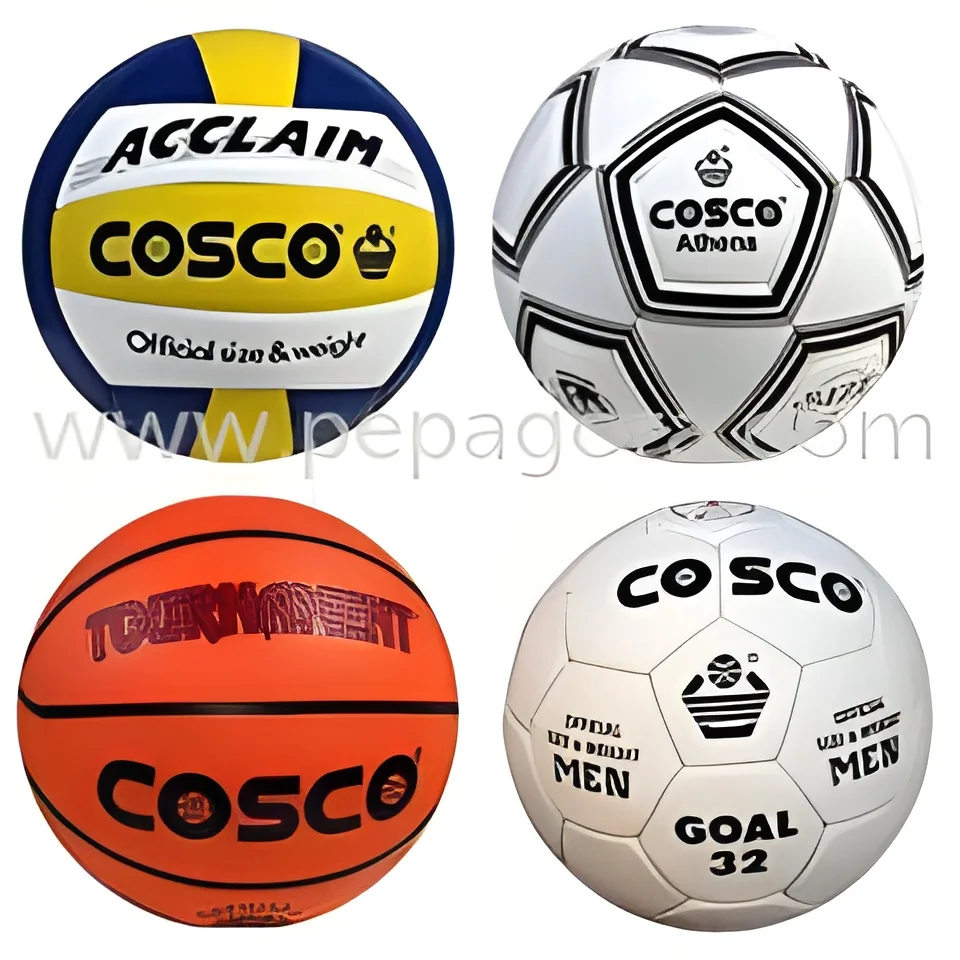
Basketball equipment includes hoops, backboards, and flooring designed for indoor play. These products are engineered to withstand high-impact usage and are essential for schools and sports facilities.
Volleyball Equipment
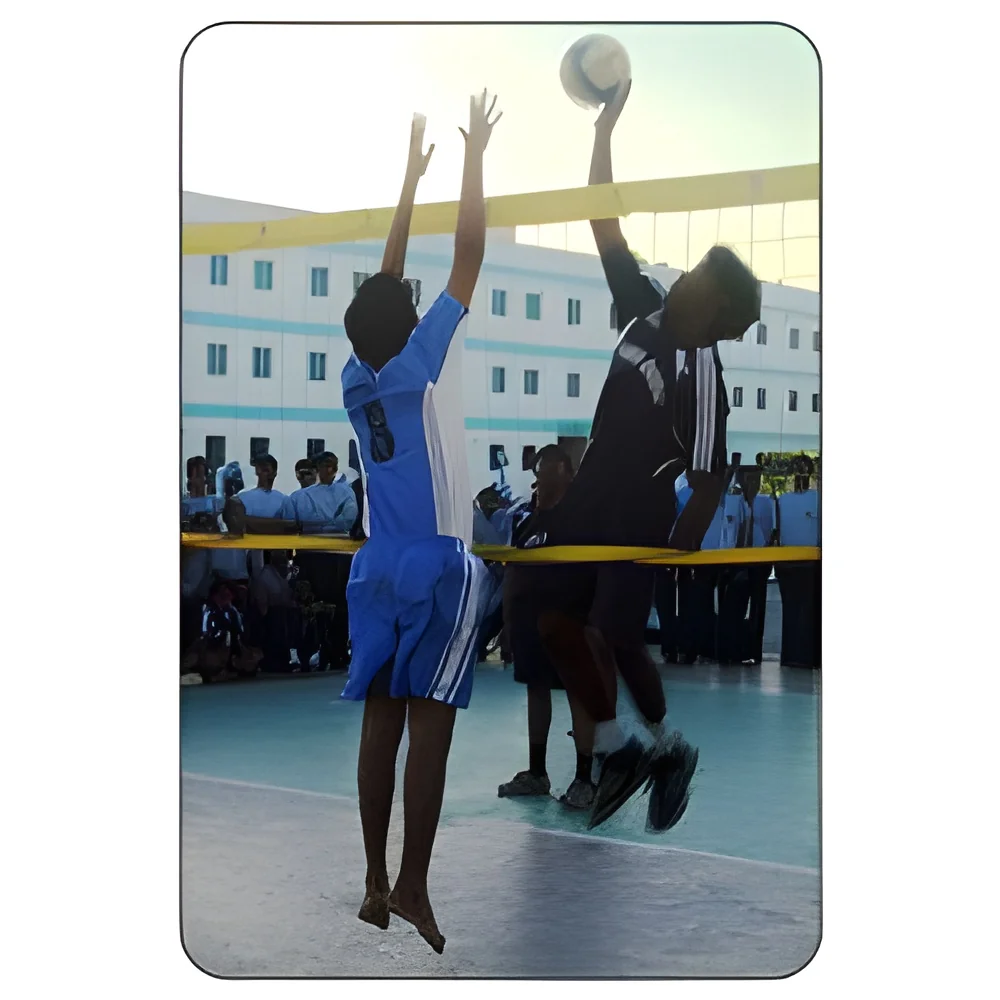
Volleyball equipment consists of nets, poles, and ball sets tailored for indoor games. The equipment is designed for durability and compliance with official play standards, making it ideal for competitive settings.
Futsal Equipment
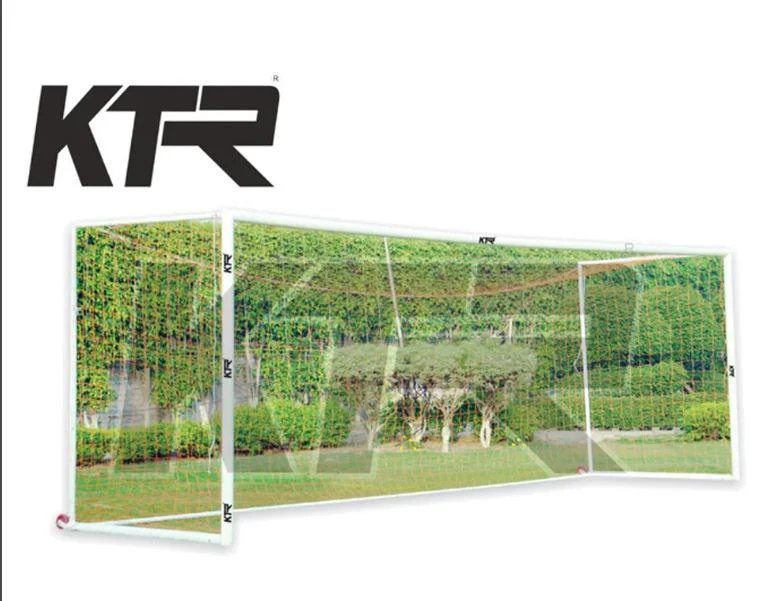
Futsal equipment includes goals and balls specifically designed for indoor soccer. This equipment is compact and suited for smaller playing areas, appealing to schools and recreational centers.
Badminton Equipment
Badminton equipment features nets, racquets, and shuttlecocks optimized for indoor play. Lightweight and portable, this equipment is often used in schools and fitness clubs.
Benefits and Advantages
Investing in indoor team sports equipment provides several key benefits.
1. Enhanced Athletic Performance: Quality equipment supports skill development and improves overall performance for athletes at all levels.
2. Promotes Teamwork: Indoor sports foster collaboration and teamwork among participants, which is essential for personal and team development.
3. Safety Assurance: Equipment designed with safety standards ensures a secure environment for players, minimizing the risk of injuries.
4. Increased Engagement: Providing access to quality sports equipment can increase participation rates in sports and physical activities.
5. Versatile Usage: Indoor sports equipment can be used in various settings, including schools, gyms, and community centers, making it a versatile investment.
6. Long-Term Durability: Investing in high-quality equipment ensures that it can withstand frequent use, providing a cost-effective solution over time.
Buying Guide for B2B Buyers
When sourcing indoor team sports equipment, several factors need consideration to ensure a successful purchase.
1. Quality Assessment: Evaluate the quality of materials and construction to ensure durability and safety. Look for suppliers that provide detailed product specifications and performance ratings.
2. Supplier Verification: Conduct thorough research on potential suppliers. Check for reviews, certifications, and references to ensure reliability and trustworthiness.
3. Pricing and MOQ: Understand the pricing structure and minimum order quantities (MOQ) required by suppliers. This helps in budgeting and planning purchases effectively.
4. Delivery and Lead Times: Consider logistics and delivery schedules when placing orders. Ensure that lead times align with your operational needs.
5. Compliance Requirements: Be aware of any regulatory standards that apply to the equipment. Compliance with safety and quality standards is vital for liability and operational integrity.
Compliance and Certifications
Indoor team sports equipment must adhere to various compliance and certification standards to ensure safety and quality.
Relevant quality standards, such as ISO 9001, emphasize the importance of quality management systems in manufacturing. Adopting these standards helps suppliers maintain high-quality production processes.
Industry certifications, including CE marking, indicate that the equipment meets European safety, health, and environmental protection standards. This certification is crucial for companies looking to enter or operate in European markets.
Safety and testing requirements are essential to guarantee that the equipment can withstand rigorous use. Manufacturers often conduct tests to ensure that their products meet established safety norms.
Regional compliance considerations should also be taken into account. Different regions may have specific regulations regarding sports equipment, making it essential for suppliers to be knowledgeable about local requirements.
Why Source Indoor Team Sports Equipment from Pepagora?
Pepagora provides a trusted platform for sourcing indoor team sports equipment, offering several key advantages for B2B buyers.
Verified Supplier Network: Pepagora has a robust network of verified suppliers who meet strict quality and safety standards. This ensures that buyers can source equipment from reputable manufacturers.
Streamlined RFQ Process: The platform simplifies the request for quotation (RFQ) process, allowing buyers to easily compare options and obtain competitive pricing for their needs.
Trade Assurance and Support: Buyers benefit from trade assurance and support services that protect their investments. This includes assistance with disputes and guarantees on product quality.
Regional Coverage: Pepagora's extensive reach spans India, the GCC, and Southeast Asia, allowing businesses in these regions to access a wide variety of indoor team sports equipment tailored to local market demands.
By sourcing through Pepagora, companies can ensure they receive quality products while benefiting from a streamlined purchasing experience.

 IN
IN
 India
India