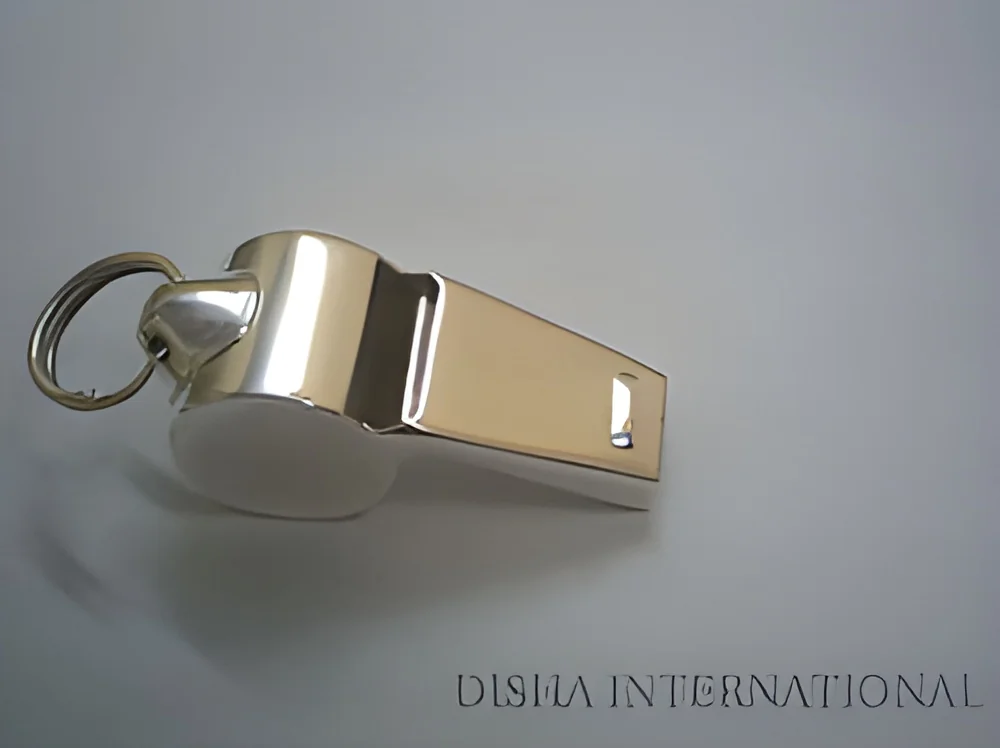
What are Sport Whistles & Horns?
Sport whistles and horns are essential signaling devices commonly used in various sports and recreational activities. These products are designed to produce loud, clear sounds that attract attention and communicate important signals. They are typically made from durable materials, ensuring they withstand the rigors of outdoor use and frequent handling. Sport whistles can be simple hand-held devices, while horns often require a mouthpiece and may use air compression to amplify sound.
These signaling tools are widely used in settings such as coaching, officiating, and event management. They serve as vital communication aids in sports like soccer, basketball, and track and field, where quick, clear signals are necessary to manage play or enforce rules. In addition to sports, sport whistles and horns find applications in emergency situations, crowd control, and safety training, making them versatile tools in various industries.
With a growing emphasis on safety and effective communication in sports and recreation, the market for sport whistles and horns is increasingly relevant. As the demand for these products continues to rise, manufacturers are innovating to enhance sound quality, durability, and user comfort, driving growth in both established and emerging markets.
Key Features and Specifications
Sport whistles and horns come with a variety of features that cater to different needs and preferences. When selecting these products, it is essential to understand the specifications that define their performance and usability.
Key specifications include:
1. Sound Level
- Measured in decibels (dB), the sound level indicates how loud the whistle or horn can be.
- Typical ranges can be between 90 dB to 120 dB, ensuring they can be heard over significant distances.
2. Material Composition
- Sport whistles are often made from plastic, metal, or a combination of both for durability and sound quality.
- Horns may use materials like ABS plastic or aluminum for lightweight yet robust construction.
3. Design Type
- Whistles can be pea-less, which provides a consistent sound, or have a pea for a distinctive tone.
- Horns may come as handheld or air-powered, offering different methods of sound production.
4. Weight
- Lightweight options are available for ease of use, particularly for coaches and referees.
- Typical weights range from 10 grams to 100 grams.
5. Color Variations
- Available in various colors for visibility and personalization, making them appealing to teams and organizations.
6. Water Resistance
- Certain models are designed to be water-resistant, ensuring functionality in diverse weather conditions.
7. Ergonomic Features
- Some whistles and horns include ergonomic grips or mouthpieces for enhanced comfort during prolonged use.
8. Compliance Certifications
- Many products comply with industry standards and certifications, ensuring reliability and safety.
In summary, understanding the key features and specifications of sport whistles and horns is crucial for selecting the right product for specific applications. Quality construction and sound performance are paramount for effective communication in sports and safety environments.
Common Applications and Use Cases
Sport whistles and horns have a wide range of applications across various industries. Their primary use is in sports, but they are also valuable in emergency and safety situations.
1. Sports Coaching: Coaches use whistles to signal plays, start drills, and manage game flow. The loud sound ensures that all players can hear instructions clearly.
2. Refereeing: Officials in sports such as soccer, basketball, and football rely on whistles to enforce rules and communicate with players. The distinct sound helps maintain order during games.
3. School Activities: In schools, teachers often use whistles during physical education classes or outdoor activities to gather students' attention or signal transitions.
4. Outdoor Recreation: Whistles are essential for hikers and outdoor enthusiasts for signaling in emergencies or calling for help in remote areas.
5. Event Management: Organizers use whistles and horns during events like marathons or festivals to direct crowds and manage participant flow effectively.
6. Safety Training: In safety drills and training sessions, whistles are used to signal important steps or provide alerts in emergency response scenarios.
7. Lifeguarding: Lifeguards use whistles to signal warnings or direct swimmers, making them an important tool for beach and pool safety.
In conclusion, the versatility of sport whistles and horns makes them integral to many sectors, enhancing communication and safety.
Product Variants and Subcategories
Sport whistles and horns come in various variants to cater to different user needs and preferences. These variants offer unique features and applications, ensuring users can find the right fit for their specific requirements.
Classic Sport Whistle
This traditional whistle is lightweight and easy to use, making it ideal for coaches and referees. It produces a sharp sound that can be heard clearly, ensuring effective communication during games and practices.
Electronic Horn
An electronic horn offers amplified sound with the push of a button. It is beneficial in larger venues or outdoor settings where reaching distant listeners is necessary. These horns often come with rechargeable batteries for extended use.
Pea-less Whistle
The pea-less whistle design eliminates the small ball inside that can get stuck, providing a consistent sound. This variant is favored for training and outdoor activities where reliability is crucial.
Multi-Tone Horn
This variant features multiple sound settings, allowing users to choose from different tones or volumes. It is especially useful in event management or emergency situations where varied signaling is required.
In summary, the diversity of sport whistles and horns accommodates a wide range of applications and user preferences, ensuring effective communication across various settings.
Benefits and Advantages
Choosing the right sport whistles and horns offers several benefits that enhance their value for users.
1. Enhanced Communication: These devices ensure clear and loud signaling, making them effective for coaches, referees, and event organizers to communicate important messages quickly.
2. Versatility: Sport whistles and horns can be used in multiple settings, including sports, safety training, and outdoor activities, making them valuable tools for various industries.
3. Durability: Most sport whistles and horns are constructed from robust materials, ensuring they can withstand harsh conditions and regular use without compromising performance.
4. Lightweight Design: Many variants are designed to be lightweight, making them easy to carry and use for extended periods without causing fatigue.
5. Customization Options: Some manufacturers offer customization, allowing organizations to brand their whistles and horns, enhancing team identity and marketing efforts.
6. Safety Features: In emergency situations, these signaling devices can attract attention quickly, making them essential for personal safety and crowd management.
In summary, the benefits of sport whistles and horns extend beyond their basic function, providing users with effective communication tools that enhance safety and operational efficiency.
Buying Guide for B2B Buyers
When sourcing sport whistles and horns, B2B buyers should consider several critical factors to ensure they select the best products for their needs.
1. Quality Assessment: Evaluate the build quality and material of the whistles and horns. Look for products that are durable, reliable, and suitable for the intended use.
2. Supplier Verification: It is essential to vet suppliers to ensure they have a reputation for quality and reliability. Check for customer reviews and request samples if possible.
3. Pricing and MOQ: Analyze the pricing structure and minimum order quantities (MOQ) offered by suppliers. This will help in budgeting and ensuring that the costs align with your purchasing strategy.
4. Delivery and Lead Times: Confirm the delivery schedules and lead times with suppliers. Timely delivery is crucial for maintaining stock levels and meeting customer demands.
5. Compliance Requirements: Ensure that the products meet any regulatory or compliance standards required in your industry. This may include safety certifications or quality standards.
In conclusion, taking these factors into account will help B2B buyers make informed decisions when sourcing sport whistles and horns, ensuring they choose products that meet their operational needs.
Compliance and Certifications
Sport whistles and horns must adhere to various compliance standards and certifications to ensure their safety and effectiveness in different applications.
Relevant quality standards, such as ISO 9001, provide guidelines for manufacturers to maintain consistent quality in production processes. Compliance with these standards assures buyers of the reliability and durability of the products.
In addition to quality standards, certain industry certifications, such as CE marking, indicate compliance with European safety and health requirements. This certification is crucial for products sold in European markets, ensuring they meet the necessary safety metrics.
Safety and testing requirements are vital for ensuring that sport whistles and horns perform as expected under various conditions. Manufacturers typically conduct rigorous testing to verify sound levels, durability, and material safety.
Regional compliance considerations may also play a role in sourcing decisions. Different regions may have specific regulations regarding sporting equipment, making it essential for buyers to be aware of local compliance needs.
In summary, compliance with relevant standards and certifications is critical for ensuring that sport whistles and horns are safe, reliable, and suitable for their intended uses.
Why Source Sport Whistles & Horns from Pepagora?
Pepagora offers a trusted platform for sourcing sport whistles and horns, providing several key advantages for B2B buyers.
Verified Supplier Network: Pepagora features a network of verified suppliers, ensuring that buyers can trust the quality and reliability of the products they purchase. This verification process helps eliminate risks associated with sourcing from unknown vendors.
Streamlined RFQ Process: The platform simplifies the request for quotation (RFQ) process, allowing buyers to easily compare prices and specifications from multiple suppliers. This efficiency helps buyers make informed decisions more quickly.
Trade Assurance and Support: Pepagora provides trade assurance and support, protecting buyers throughout the purchasing process. This includes assistance with order tracking, dispute resolution, and ensuring that products meet agreed-upon specifications.
Regional Coverage: With a strong presence in India, the GCC, and Southeast Asia, Pepagora offers extensive regional coverage, making it easy for buyers in these markets to source sport whistles and horns that meet their specific needs.
In conclusion, sourcing sport whistles and horns from Pepagora provides B2B buyers with a reliable and efficient solution, backed by a network of trusted suppliers and comprehensive support.

 IN
IN