What are Team Sports Safety Gear?
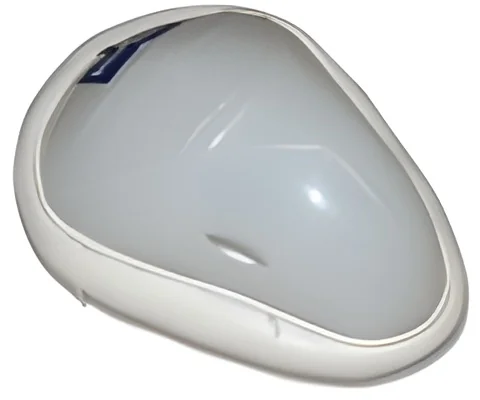
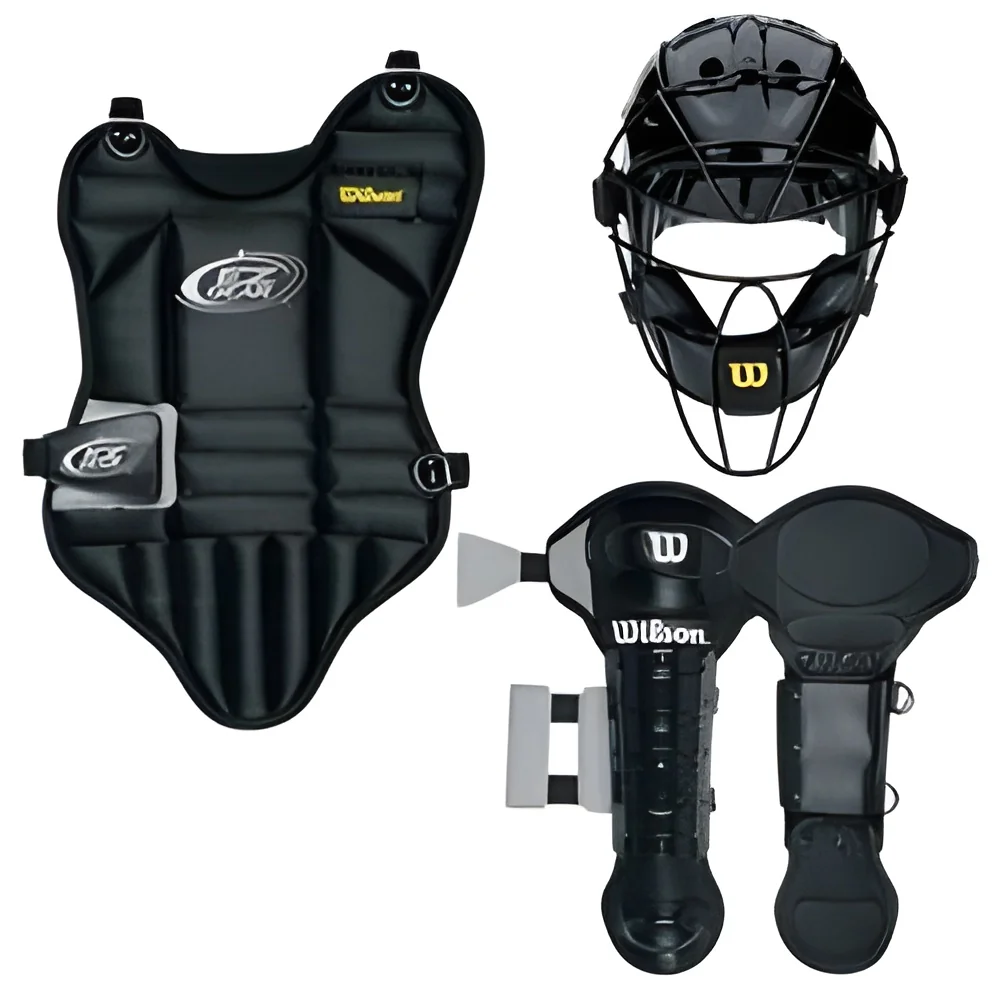
Team sports safety gear encompasses a range of protective equipment designed to ensure the safety of athletes participating in various team sports. This gear includes items such as helmets, pads, mouthguards, and other protective clothing. The primary purpose is to minimize the risk of injuries during practices and competitions, promoting a safer environment for players of all ages and skill levels.
The use of team sports safety gear is essential in various applications, from youth leagues to professional sports. Coaches, sports organizations, and schools invest in this gear to protect players and comply with safety regulations. As awareness of safety in sports continues to grow, the market for team sports safety gear is expanding, with more products being developed to meet the evolving needs of athletes.
In the current market context, the importance of team sports safety gear cannot be overstated. With increasing participation in sports and a greater focus on injury prevention, the demand for high-quality safety equipment is on the rise. This trend is influencing manufacturers to innovate and improve their offerings, thereby enhancing overall safety standards within the industry.
Key Features and Specifications
Team sports safety gear is designed with specific features to ensure optimal protection and performance for athletes. Understanding these features is critical when selecting the right equipment.
Key specifications include:
1. Material Composition
- Typically made from high-impact resistant materials
- Common materials include polyethylene, foam, and fabric blends
2. Size and Fit
- Available in various sizes to accommodate different athletes
- Adjustable straps for a secure and comfortable fit
3. Impact Resistance
- Designed to absorb and disperse impact energy
- Tested to meet industry safety standards
4. Breathability
- Features ventilation systems to enhance airflow
- Helps regulate body temperature during physical activity
5. Weight
- Lightweight designs for ease of movement
- Ensures that gear does not hinder performance
6. Customization Options
- Various colors and designs available
- Potential for team branding and personalization
7. Waterproofing
- Some gear includes water-resistant properties
- Important for outdoor sports in varying weather conditions
8. Compliance Standards
- Meets relevant safety certifications such as CE
- Adheres to industry regulations for sports safety
In summary, understanding the key features and specifications of team sports safety gear is essential for making informed purchasing decisions. Selecting gear that meets these criteria can significantly enhance safety and performance for athletes.
Common Applications and Use Cases
Team sports safety gear is utilized across various industries and sports disciplines, reflecting its versatility and importance.
1. Youth Sports Leagues: Safety gear is essential in youth leagues to protect young athletes from injuries during practice and competition, fostering a safe environment for skill development.
2. School Sports Programs: Educational institutions often require safety gear to comply with safety regulations, ensuring that students are protected during physical education classes and school-sponsored sports.
3. Professional Sports Teams: Elite athletes rely on advanced safety gear tailored for high-impact sports, such as football or hockey, to minimize injury risks while maximizing performance.
4. Recreational Sports Associations: Local leagues and recreational facilities implement safety gear to protect players of all ages, promoting safe participation in community sports activities.
5. Military and Law Enforcement Training: Safety gear is also used in training programs for military and law enforcement personnel, where physical readiness and safety are paramount.
6. Fitness and Training Facilities: Gyms and training centers may offer safety gear for group sports activities, ensuring that participants can train safely while enjoying various sports.
7. Special Needs Sports Programs: Programs designed for athletes with disabilities utilize specialized safety gear to promote inclusivity and safety in sports participation.
Product Variants and Subcategories
Team sports safety gear comes in various forms to cater to different sports and player needs. The diversity of products ensures that athletes receive the necessary protection.
Helmets
These are designed for sports like football and hockey, providing head protection against impacts. They often feature padded interiors and adjustable straps for a secure fit.
Shoulder Pads
Commonly used in football, shoulder pads protect key areas of the upper body. They are designed to absorb shocks and reduce the risk of injury during tackles.
Knee and Elbow Pads
These pads are used in sports such as roller hockey and skateboarding to protect joints from impacts and abrasions. They are lightweight and ergonomically designed for comfort.
Mouthguards
Mouthguards are essential for sports like basketball and football, protecting teeth and gums from injury. They come in customizable forms for a better fit.
Chest Protectors
Used in baseball and cricket, these protect vital organs from direct hits. They are lightweight yet sturdy, allowing for ease of movement while providing adequate protection.
Benefits and Advantages
Investing in team sports safety gear provides numerous benefits for athletes and organizations alike.
1. Injury Prevention: The primary advantage of safety gear is its ability to reduce the risk of injuries during sports activities, allowing athletes to play with confidence.
2. Enhanced Performance: With the right gear, athletes can perform better by focusing on their skills rather than worrying about potential injuries.
3. Compliance with Regulations: Many sports organizations require safety gear to comply with safety regulations, ensuring that teams meet necessary standards.
4. Improved Team Morale: Providing high-quality safety gear fosters a sense of care and responsibility, improving team morale and commitment to safety.
5. Long-Term Cost Savings: Investing in durable safety gear can lead to long-term savings by reducing the frequency and severity of injuries, which can be costly in terms of medical expenses.
6. Increased Participation: When athletes feel secure in their safety, they are more likely to participate in sports, promoting physical activity and health.
Buying Guide for B2B Buyers
When sourcing team sports safety gear, B2B buyers should consider several critical factors to ensure they make informed purchasing decisions.
1. Quality Assessment: Evaluate the quality of materials and construction to ensure durability and effectiveness in protecting athletes during play.
2. Supplier Verification: Vet suppliers for their reputation and reliability. Check for certifications and customer reviews to ensure they provide high-quality products.
3. Pricing and MOQ: Understand the pricing structure and minimum order quantities (MOQ) to align with budget constraints and inventory needs.
4. Delivery and Lead Times: Confirm logistics and delivery timelines to ensure that the gear arrives on schedule, especially before sports seasons or events.
5. Compliance Requirements: Be aware of regulatory requirements and safety standards that the gear must meet to ensure compliance and protect the organization from liability.
Compliance and Certifications
Compliance and certifications play a crucial role in the quality and safety of team sports safety gear. Relevant quality standards such as ISO 9001 ensure that manufacturers adhere to effective quality management systems. This standard helps guarantee that products are consistently produced to meet safety and performance criteria.
Industry certifications such as CE indicate that the gear conforms to European safety standards, providing assurance to buyers about the quality and safety of the products. This certification often involves rigorous testing to confirm that the equipment can withstand the demands of sports activities.
Safety and testing requirements may vary by region and sport, making it essential for manufacturers to stay updated with the latest regulations. Regional compliance considerations can also impact the design and materials used in safety gear, ensuring that products are suitable for specific markets.
Why Source Team Sports Safety Gear from Pepagora?
Pepagora provides a trusted platform for sourcing team sports safety gear, offering several key advantages for B2B buyers.
One significant benefit is the verified supplier network. Pepagora conducts thorough checks on suppliers to ensure that they meet quality and safety standards. This process helps buyers find reliable partners for their procurement needs.
The streamlined RFQ process simplifies the quotation system, allowing buyers to request quotes from multiple suppliers efficiently. This feature saves time and facilitates competitive pricing, making it easier to find the best deals.
Pepagora also offers trade assurance and support, providing buyers with protection during transactions. This assurance helps mitigate risks associated with sourcing products online.
Additionally, Pepagora's regional coverage extends across India, the GCC, and Southeast Asia, ensuring that buyers have access to a wide range of suppliers and products tailored to their specific markets. This geographic reach enhances sourcing opportunities and enables businesses to meet their requirements effectively.

 IN
IN