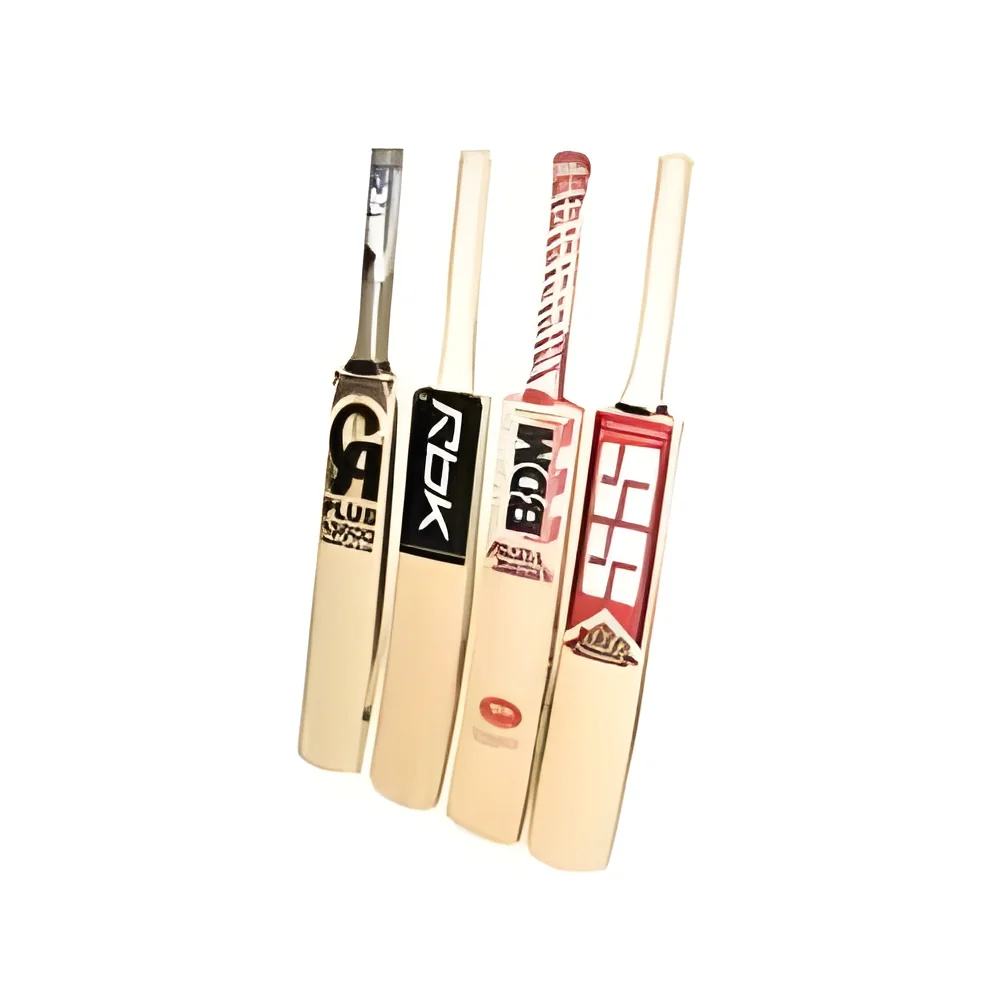
What are Cricket Bats (Wooden, Composite)?
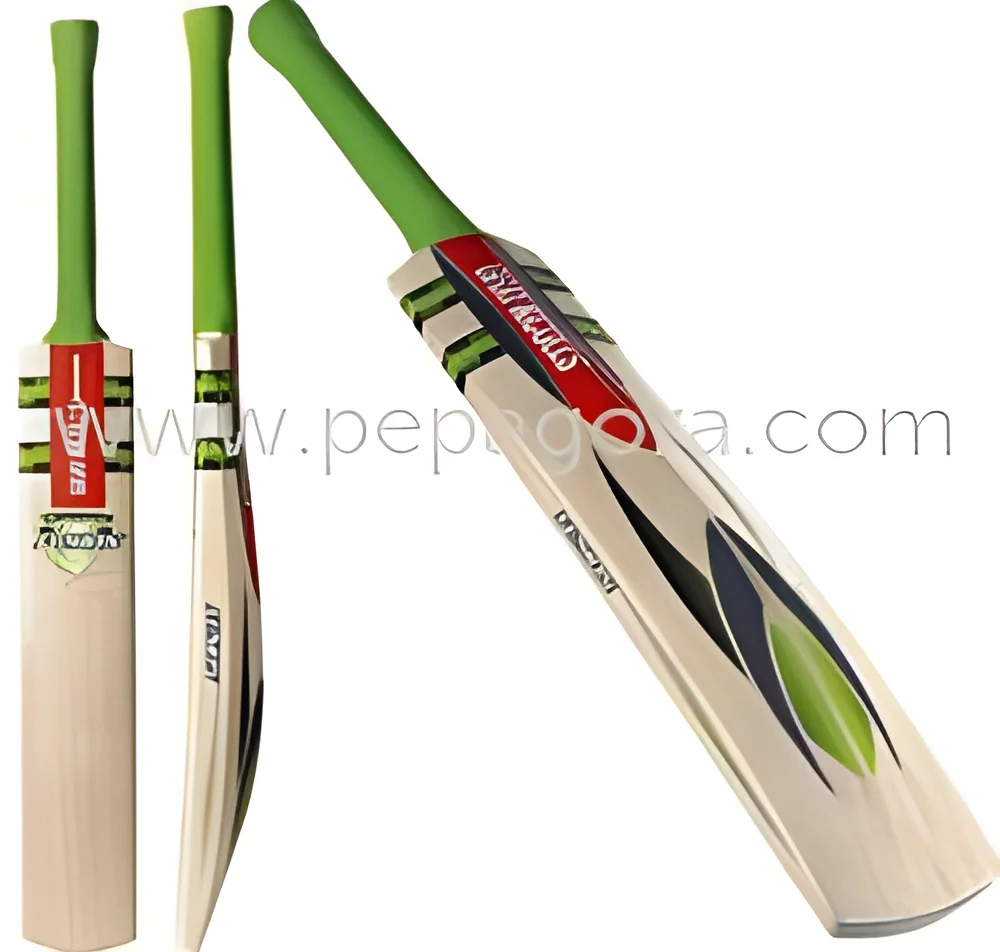
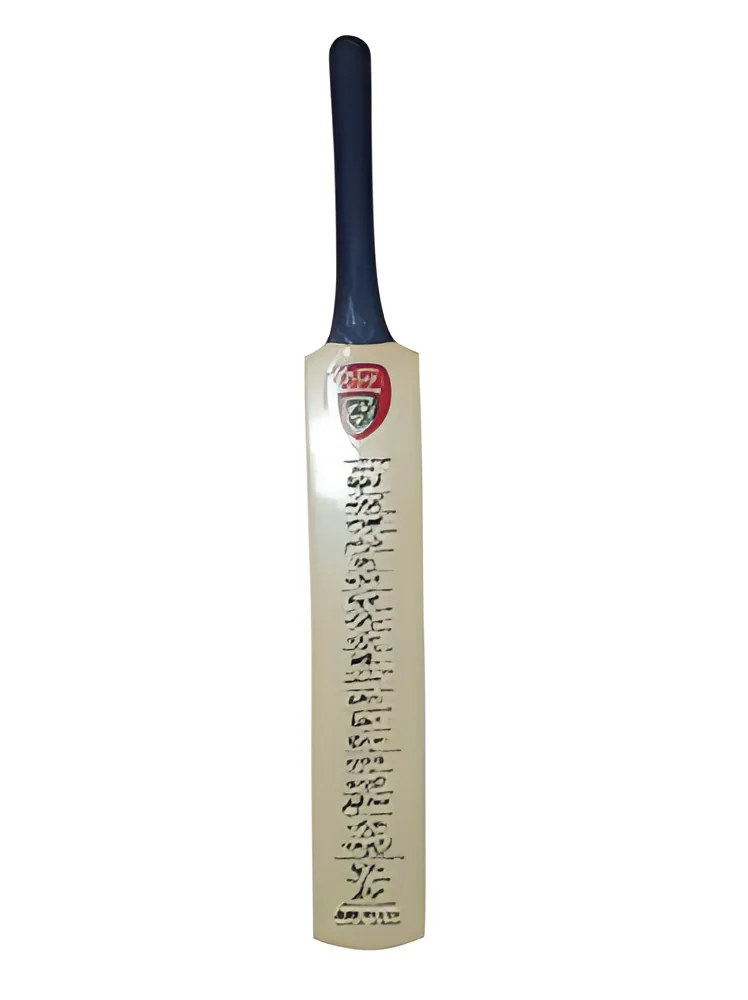
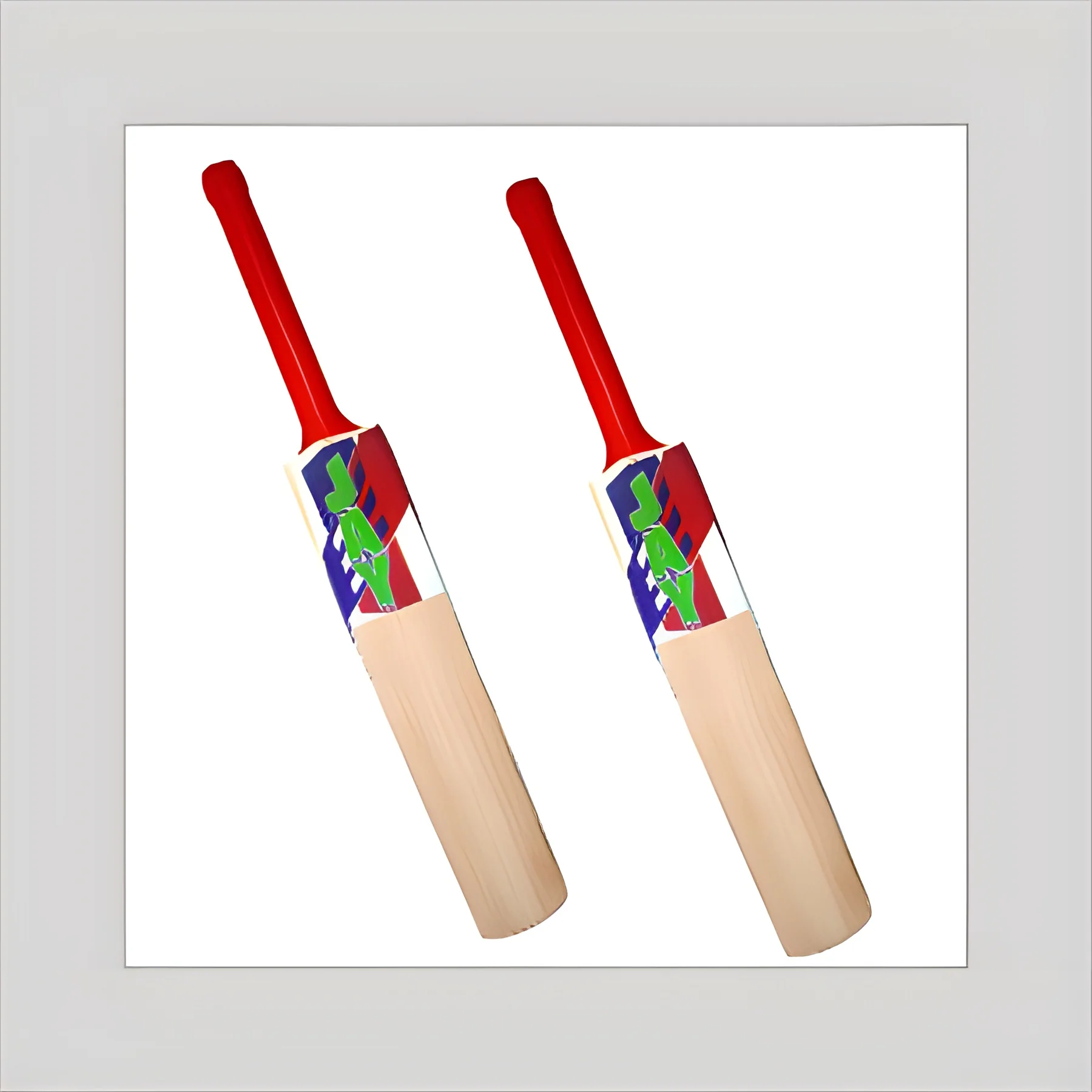
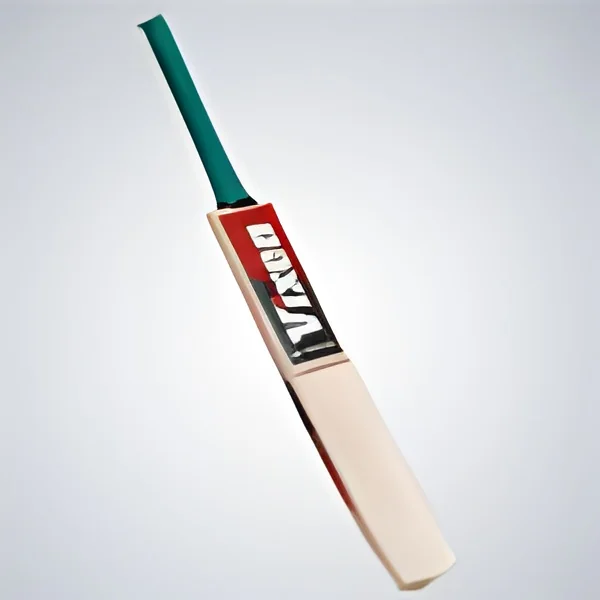
Cricket bats are essential equipment used in the sport of cricket, designed to strike the ball. They come in two primary materials: wooden and composite. Wooden bats are traditionally made from willow, known for its lightweight and durable characteristics. Composite bats, on the other hand, are made from a combination of various materials, including fiberglass and carbon fiber, which enhance their strength and performance.
These bats are used by players of all skill levels, from amateur enthusiasts to professional athletes. In business contexts, they are critical for sporting goods manufacturers, retailers, and distributors. The cricket bat market is influenced by factors such as technological advancements in materials and design, as well as the growing popularity of cricket worldwide. This makes understanding the types and specifications of cricket bats crucial for stakeholders in the sporting industry.
𝗞𝗲𝘆 𝗙𝗲𝗮𝘁𝘂𝗿𝗲𝘀 𝗮𝗻𝗱 𝗦𝗽𝗲𝗰𝗶𝗳𝗶𝗰𝗮𝘁𝗶𝗼𝗻𝘀
When evaluating cricket bats, it is essential to consider their features and specifications, as they directly impact performance and suitability for players.
Key specifications include:
1. Material Type
- Wooden bats are typically made from high-quality willow.
- Composite bats utilize advanced materials for enhanced performance.
2. Weight
- Bats generally range from 2.6 to 3.2 pounds.
- Weight affects the bat's swing and control.
3. Shape and Profile
- Bats come in various shapes, affecting balance and hitting power.
- Profile types include traditional and modern shapes.
4. Handle Type
- Bats may feature round or oval handles.
- Handle design influences grip and comfort.
5. Size
- Available in different sizes to accommodate various player ages and heights.
- Common sizes include junior, senior, and custom sizes.
6. Performance Rating
- Bats are rated based on their performance in different conditions.
- Ratings help players choose the right bat for their style of play.
7. Durability
- The lifespan of a bat can vary based on material and usage.
- Composite bats generally offer higher durability than wooden ones.
8. Design and Aesthetics
- Bats come in various colors and designs.
- Personalization options may be available for branding.
In summary, understanding the key features and specifications of cricket bats helps buyers select the right product to meet their performance needs and preferences.
𝗖𝗼𝗺𝗺𝗼𝗻 𝗔𝗽𝗽𝗹𝗶𝗰𝗮𝘁𝗶𝗼𝗻𝘀 𝗮𝗻𝗱 𝗨𝘀𝗲 𝗖𝗮𝘀𝗲𝘀
Cricket bats are utilized across several industries and applications.
1. Sports Equipment Retail: Retailers stock a variety of cricket bats to cater to different customer preferences and skill levels.
2. Sporting Goods Manufacturing: Manufacturers produce bats for local and international markets, focusing on quality and performance.
3. Schools and Educational Institutions: Cricket bats are used in physical education programs to teach students the fundamentals of the game.
4. Professional Cricket Leagues: Bats are essential for professional players and teams, impacting their performance in competitive cricket.
5. Recreational Clubs: Local clubs buy bats for their teams to encourage participation in the sport.
6. Event Management: Organizers of cricket tournaments require bats as part of their equipment inventory.
7. Online Retail: E-commerce platforms offer a wide range of cricket bats for buyers seeking convenience in purchasing.
𝗣𝗿𝗼𝗱𝘂𝗰𝘁 𝗩𝗮𝗿𝗶𝗮𝗻𝘁𝘀 𝗮𝗻𝗱 𝗦𝘂𝗯𝗰𝗮𝘁𝗲𝗴𝗼𝗿𝗶𝗲𝘀
Cricket bats are available in various variants to meet the diverse needs of players.
Wooden Bats: These bats are favored for their traditional feel and performance. Made from high-quality willow, they offer excellent control and power. Ideal for players who prefer a classic approach to batting.
Composite Bats: Designed for modern gameplay, these bats combine multiple materials for increased strength and reduced weight. They are suitable for players looking for enhanced performance and durability in competitive settings.
𝗕𝗲𝗻𝗲𝗳𝗶𝘁𝘀 𝗮𝗻𝗱 𝗔𝗱𝘃𝗮𝗻𝘁𝗮𝗴𝗲𝘀
Choosing the right cricket bat comes with numerous benefits.
1. Enhanced Performance: Quality bats improve batting techniques and overall performance, helping players achieve better results.
2. Customization Options: Many suppliers offer customization, allowing teams to brand their bats, which enhances team identity.
3. Durability: Composite bats often outlast wooden bats, providing better value over time, especially for frequent players.
4. Lightweight Design: Modern bats are designed to be lightweight, allowing for better swing speed and control.
5. Improved Grip: Innovative handle designs provide better grip, reducing the risk of slippage during play.
6. Versatility: Cricket bats can be used in various formats of the game, accommodating different playing styles and preferences.
𝗕𝘂𝘆𝗶𝗻𝗴 𝗚𝘂𝗶𝗱𝗲 𝗳𝗼𝗿 𝗕𝟮𝗕 𝗕𝘂𝘆𝗲𝗿𝘀
When sourcing cricket bats, several factors should be considered to ensure a satisfactory purchase.
1. Quality Assessment: Evaluate the quality of materials and craftsmanship. Look for certifications and performance reviews to gauge reliability.
2. Supplier Verification: Vet potential suppliers by checking their history, customer reviews, and compliance with industry standards to ensure they are reputable.
3. Pricing and MOQ: Understand the pricing structure and minimum order quantities (MOQ). It is important to find a balance between cost and quality.
4. Delivery and Lead Times: Discuss logistics with suppliers to ensure timely delivery. Consider potential delays and plan accordingly.
5. Compliance Requirements: Ensure that products meet regional regulations and quality standards, such as CE certifications, to avoid complications.
𝗖𝗼𝗺𝗽𝗹𝗶𝗮𝗻𝗰𝗲 𝗮𝗻𝗱 𝗖𝗲𝗿𝘁𝗶𝗳𝗶𝗰𝗮𝘁𝗶𝗼𝗻𝘀
Compliance with industry standards is critical for cricket bats, ensuring quality and safety for users.
Relevant quality standards like ISO 9001 focus on maintaining high-quality management systems throughout production. It ensures that manufacturers adhere to consistent processes that result in reliable products.
Industry certifications, such as CE marking, indicate that the bats meet EU safety requirements. This is particularly important for businesses exporting to Europe.
Safety and testing requirements include checks for material integrity and performance under various conditions. Manufacturers often conduct rigorous testing to confirm that their bats can withstand the rigors of the game.
Regional compliance considerations vary based on market requirements. Buyers should be aware of local regulations regarding sports equipment to ensure compliance.
Why Source Cricket Bats (Wooden, Composite) from Pepagora?
Pepagora offers a reliable platform for sourcing cricket bats, providing several key advantages for B2B buyers.
Verified Supplier Network: Pepagora connects buyers with a network of verified suppliers, ensuring that only reputable manufacturers and distributors are available. This reduces the risk of purchasing substandard products.
Streamlined RFQ Process: The request for quotation (RFQ) system simplifies the procurement process. Buyers can easily request quotes from multiple suppliers, allowing for informed decision-making based on price and quality.
Trade Assurance and Support: Pepagora provides trade assurance, protecting buyers against potential fraud and ensuring that orders are fulfilled as promised. This support instills confidence in the purchasing process.
Regional Coverage: With a strong presence in India and the GCC region, as well as Southeast Asia, Pepagora offers extensive geographical reach. This allows buyers to access a wide variety of cricket bats tailored to regional preferences and market demands.