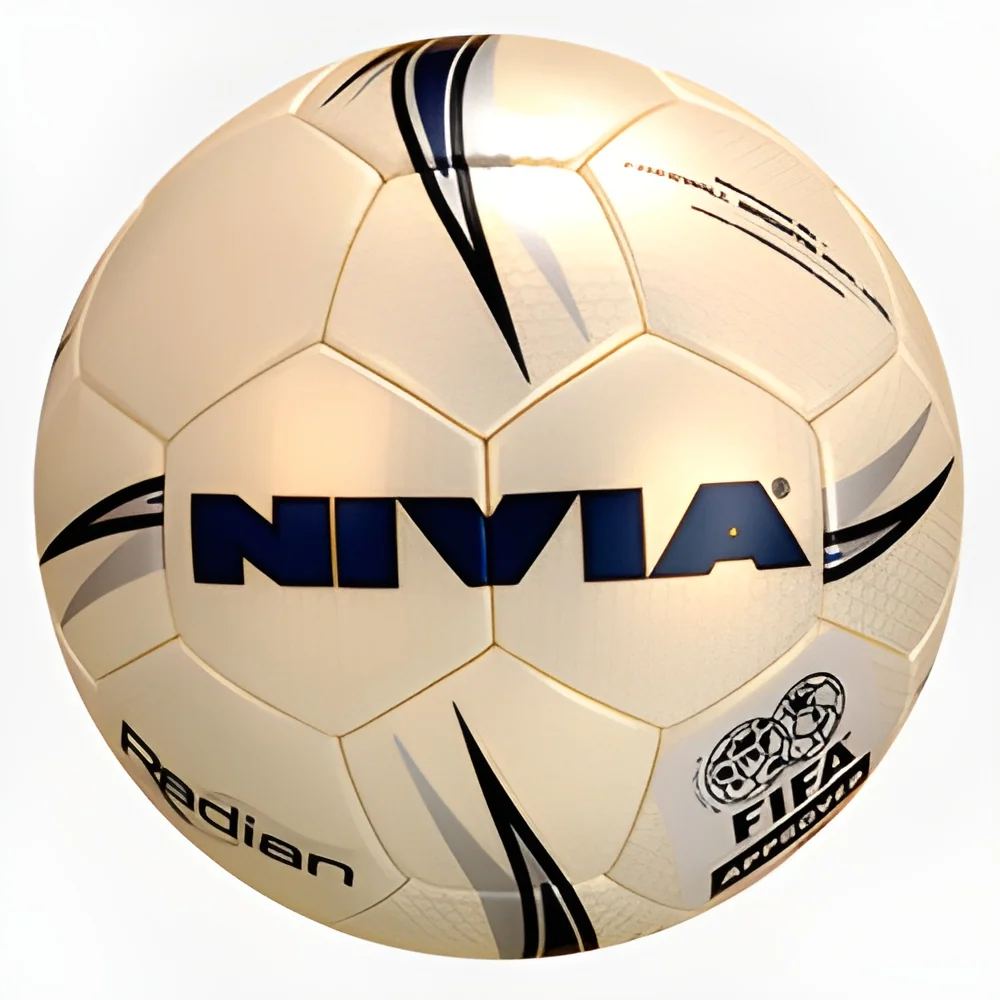
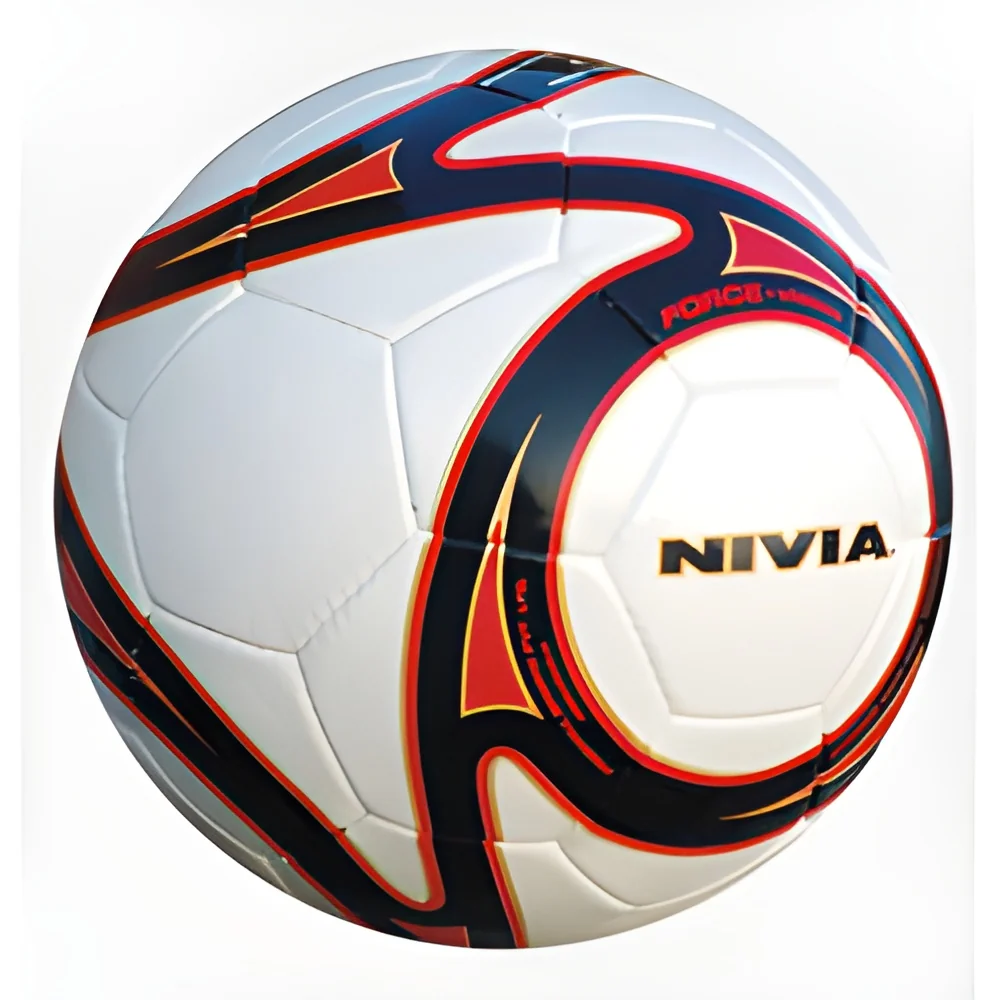
What are Football Match Balls?
Football match balls are specifically designed spheres that are used in the game of football (soccer). These balls are constructed to meet specific performance standards, ensuring they can withstand the rigors of competitive play. Made from high-quality materials, football match balls are engineered for durability, aerodynamics, and consistent performance on the field. They typically feature a specific internal bladder and outer cover designed to enhance grip, control, and distance.
In the business context, football match balls are utilized by sports teams, schools, and clubs for training and competitive matches. They are essential for professional leagues and amateur games alike. The demand for high-quality match balls has grown significantly, driven by increased participation in football at all levels, from youth leagues to professional teams. As such, manufacturers are focused on producing balls that not only meet regulatory standards but also provide enhanced performance characteristics.
Key Features and Specifications
Football match balls are characterized by several important features and specifications that define their quality and performance. Understanding these specifications is crucial for buyers in selecting the right product for their needs.
Key specifications include:
1. Material Composition
- Usually made from synthetic leather or polyurethane for durability
- Bladder made from latex or butyl for air retention
2. Size and Weight
- Standard size for adult matches is Size 5
- Typically weighs between 410 to 450 grams
3. Shape and Design
- Constructed to maintain a spherical shape under pressure
- Available in various colors and designs for branding purposes
4. Stitching Technique
- Hand-stitched or machine-stitched for durability
- Seamless designs may be available for reduced water absorption
5. Pressure Maintenance
- Recommended inflation pressure ranges from 0.6 to 0.8 bar
- Designed to retain air for extended periods
6. Certification
- Must meet specific regulatory standards such as FIFA Quality Pro or International Match Standards
7. Temperature Tolerance
- Designed for optimal performance in various weather conditions
8. Performance Features
- Enhanced grip and control for better ball handling
- Aerodynamic shape for improved flight stability
In summary, the specifications of football match balls are essential for ensuring they meet performance expectations during competitive play. Buyers should consider these specifications carefully when selecting products.
Common Applications and Use Cases
Football match balls see a wide range of applications across various sectors.
1. Professional Sports Teams: Used in league matches and training sessions, ensuring players have access to high-quality equipment.
2. Educational Institutions: Schools and universities utilize match balls for physical education classes and intercollegiate competitions.
3. Local Clubs: Amateur clubs depend on match balls for training and friendly matches, often seeking cost-effective options without compromising quality.
4. Recreational Leagues: Community leagues require durable match balls that can withstand frequent use by players of varying skill levels.
5. Sports Events: Organized events, such as tournaments or charity games, utilize match balls that meet specific quality standards to ensure fair play.
6. Retail: Sporting goods stores sell match balls to consumers for personal use, including recreational play and training.
7. Coaching Programs: Coaches require quality match balls for training sessions to help players develop their skills effectively.
Product Variants and Subcategories
Football match balls come in various forms to cater to different needs and preferences within the market.
Training Balls
Training balls are designed for practice sessions and skill development. They are typically more durable than match balls and may have a slightly different weight or feel to withstand regular use.
Junior Match Balls
These balls are specifically made for younger players, featuring a smaller size and lighter weight to accommodate developing skills. They often have a similar design to adult match balls for continuity in training.
Futsal Balls
Futsal balls are designed for indoor play and have a lower bounce compared to traditional match balls. They help players focus on ball control in smaller spaces.
Beach Soccer Balls
These are specially designed for play on sand, featuring a durable exterior that can withstand sandy conditions and a lower weight for easier handling.
Benefits and Advantages
Football match balls offer several advantages that make them a vital investment for teams and organizations.
1. Enhanced Performance: Designed for optimal aerodynamics and control, ensuring superior performance during matches.
2. Durability: Made with high-quality materials that withstand rigorous play, reducing the need for frequent replacements.
3. Consistency: Engineered to provide consistent performance across different playing conditions and surfaces.
4. Brand Visibility: Custom designs allow organizations to promote their brand effectively during matches and events.
5. Safety Standards: Comply with international safety standards, ensuring that players use reliable equipment.
6. Accessibility: Available in various price ranges, making them accessible for teams and organizations of all sizes.
Buying Guide for B2B Buyers
When sourcing football match balls, B2B buyers should consider several key factors to ensure they make informed purchasing decisions.
1. Quality Assessment: Evaluate the material, construction, and performance specifications to ensure the balls meet required standards.
2. Supplier Verification: Conduct thorough research to verify suppliers' credibility and their ability to deliver quality products consistently.
3. Pricing and MOQ: Understand the pricing structure and minimum order quantities to align with budget constraints and inventory needs.
4. Delivery and Lead Times: Assess the supplier's logistics capabilities to ensure timely delivery, especially for time-sensitive events.
5. Compliance Requirements: Ensure that the products meet relevant quality standards and certifications necessary for your region or industry.
Compliance and Certifications
Football match balls are subject to various quality standards and certifications to ensure their safety and performance.
ISO 9001 certification is often pursued by manufacturers to indicate that they adhere to quality management principles. This standard ensures consistent quality in manufacturing processes.
CE marking indicates compliance with European safety, health, and environmental protection standards. This certification is crucial for any product sold within the European market.
Manufacturers must also meet safety and testing requirements to ensure that the balls perform well and are safe for use in competitive play.
Regional compliance considerations may vary, so it is essential for buyers to understand any specific regulations that apply to their local markets.
Why Source Football Match Balls from Pepagora?
Pepagora offers a reliable platform for businesses seeking to source football match balls with multiple advantages.
Verified Supplier Network: Pepagora connects buyers with a network of verified suppliers, ensuring that products meet quality and performance standards.
Streamlined RFQ Process: The platform features a user-friendly RFQ system, allowing buyers to receive quotations from multiple suppliers quickly and efficiently.
Trade Assurance and Support: Buyers benefit from trade assurance measures that protect their purchases, providing peace of mind throughout the sourcing process.
Regional Coverage: With a strong presence in India, the GCC, and Southeast Asia, Pepagora facilitates access to a diverse range of suppliers, ensuring that buyers can find the right products for their market needs.

 IN
IN