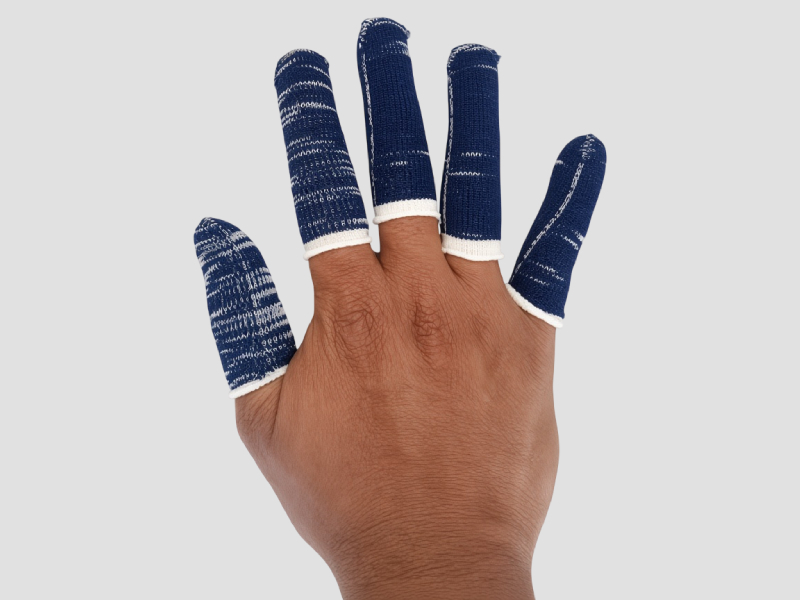
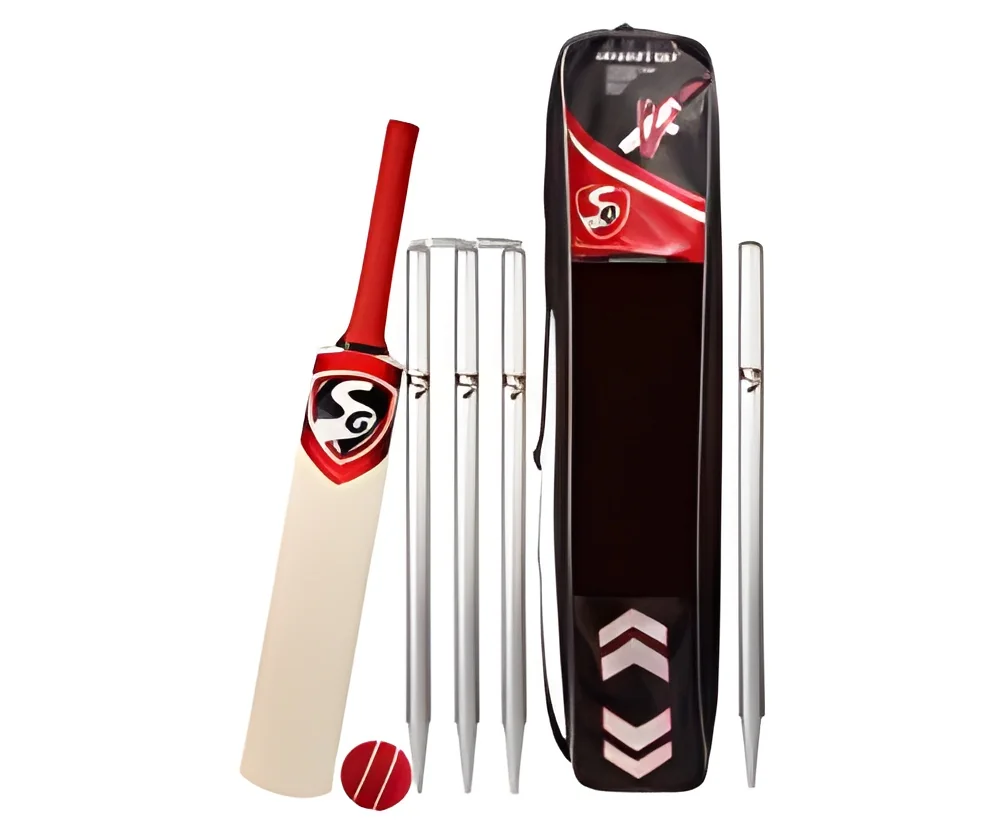
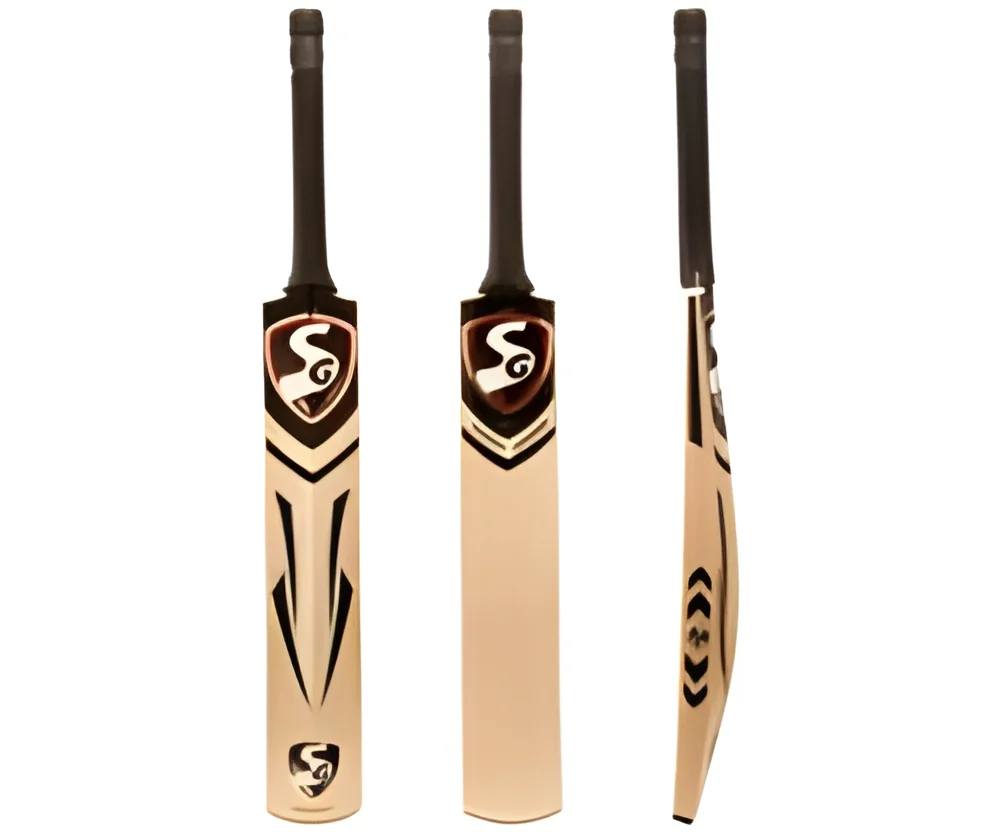
What are Cricket Gloves & Thigh Guards?
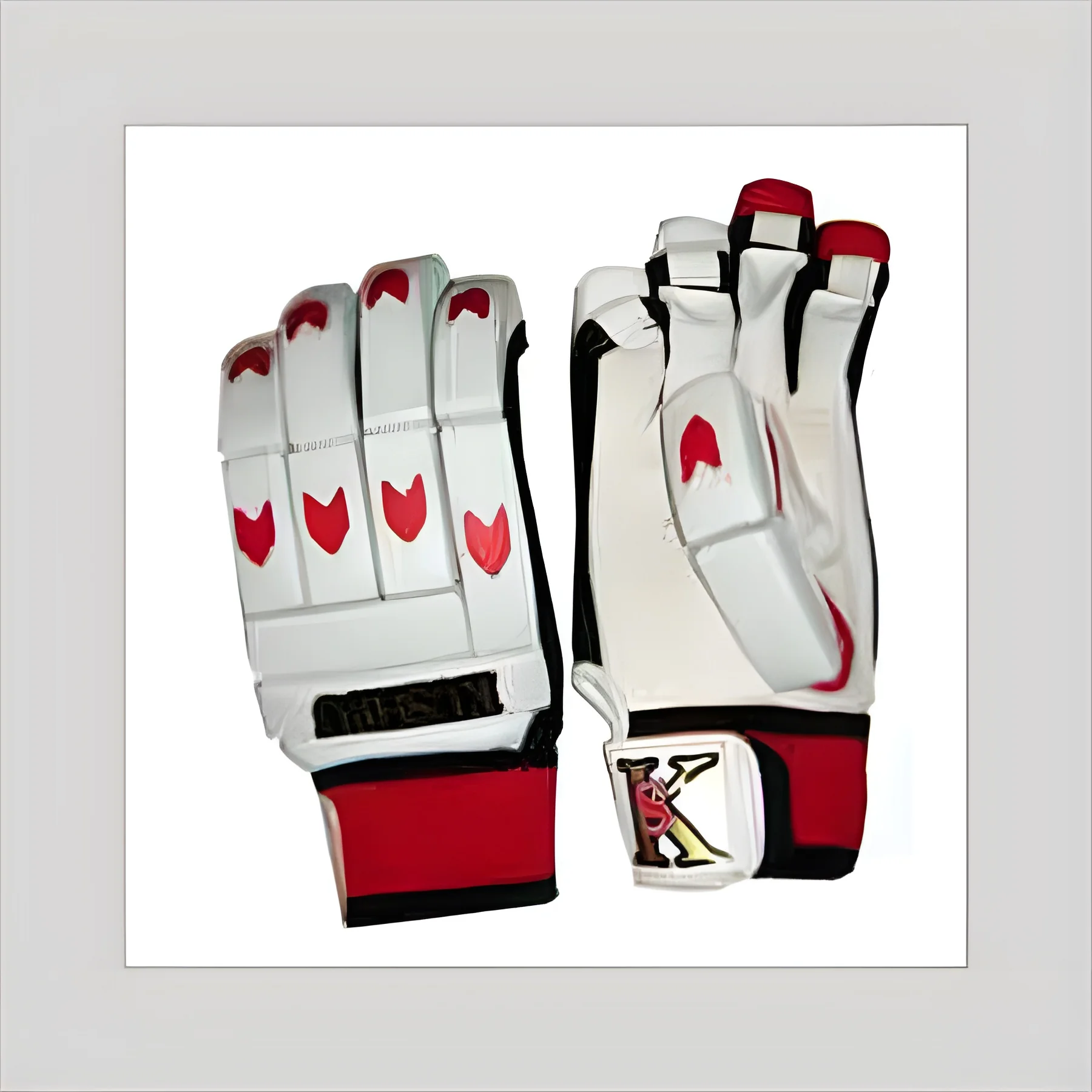
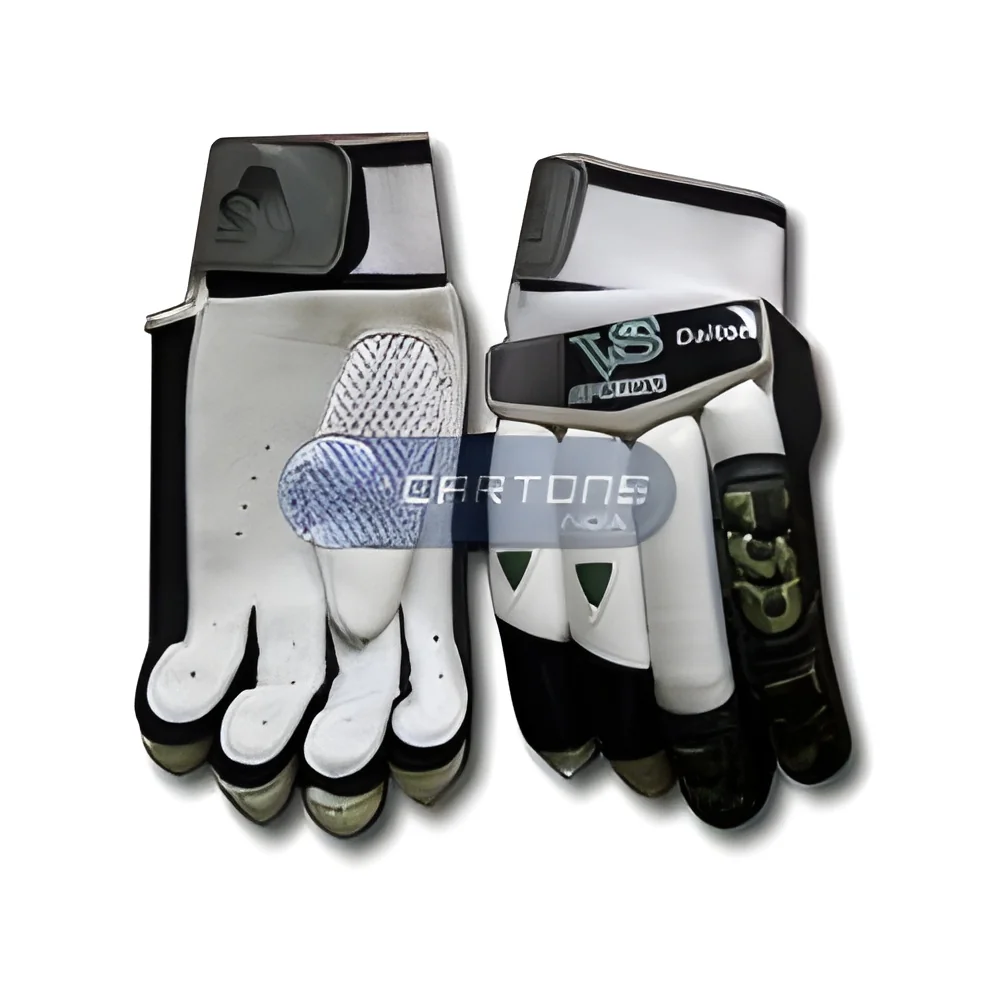
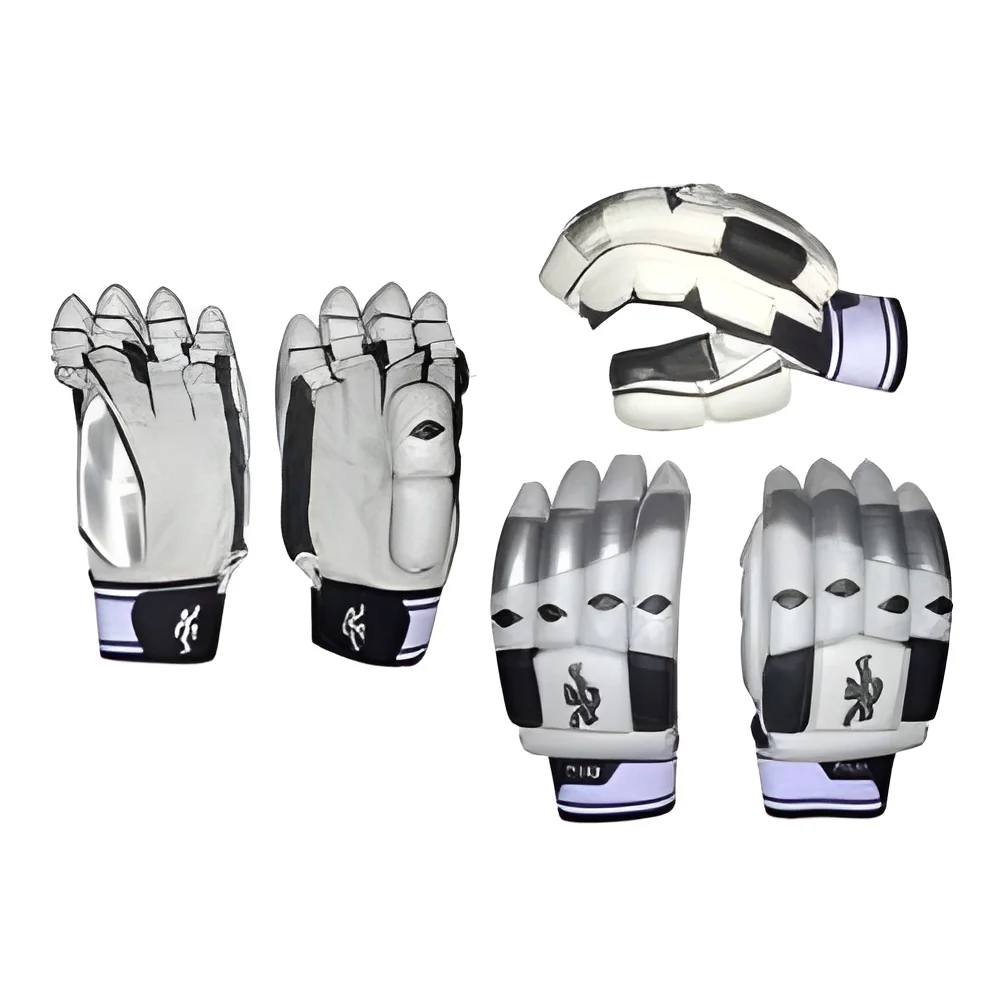
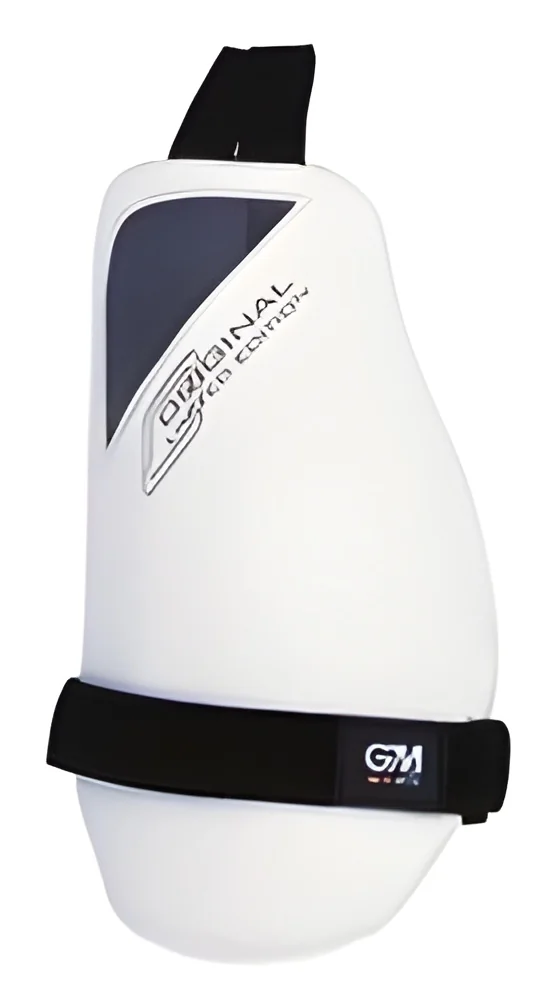
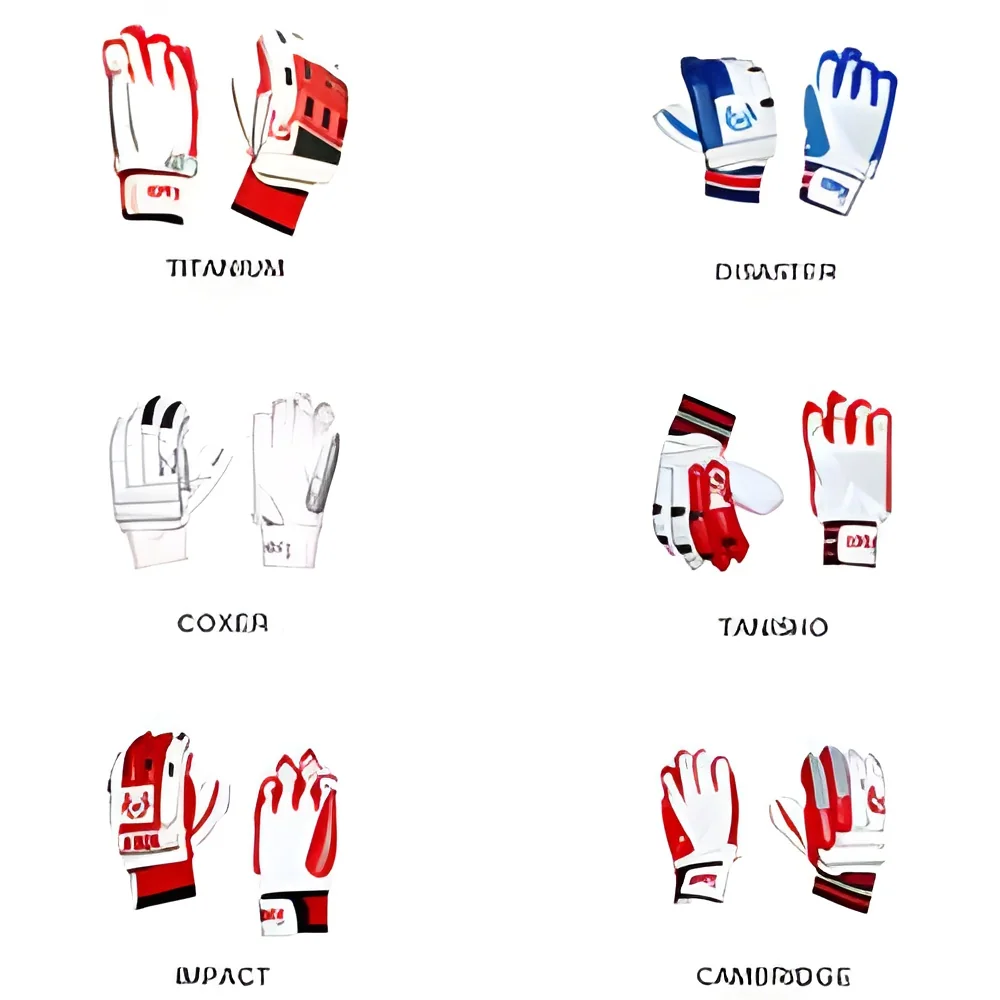
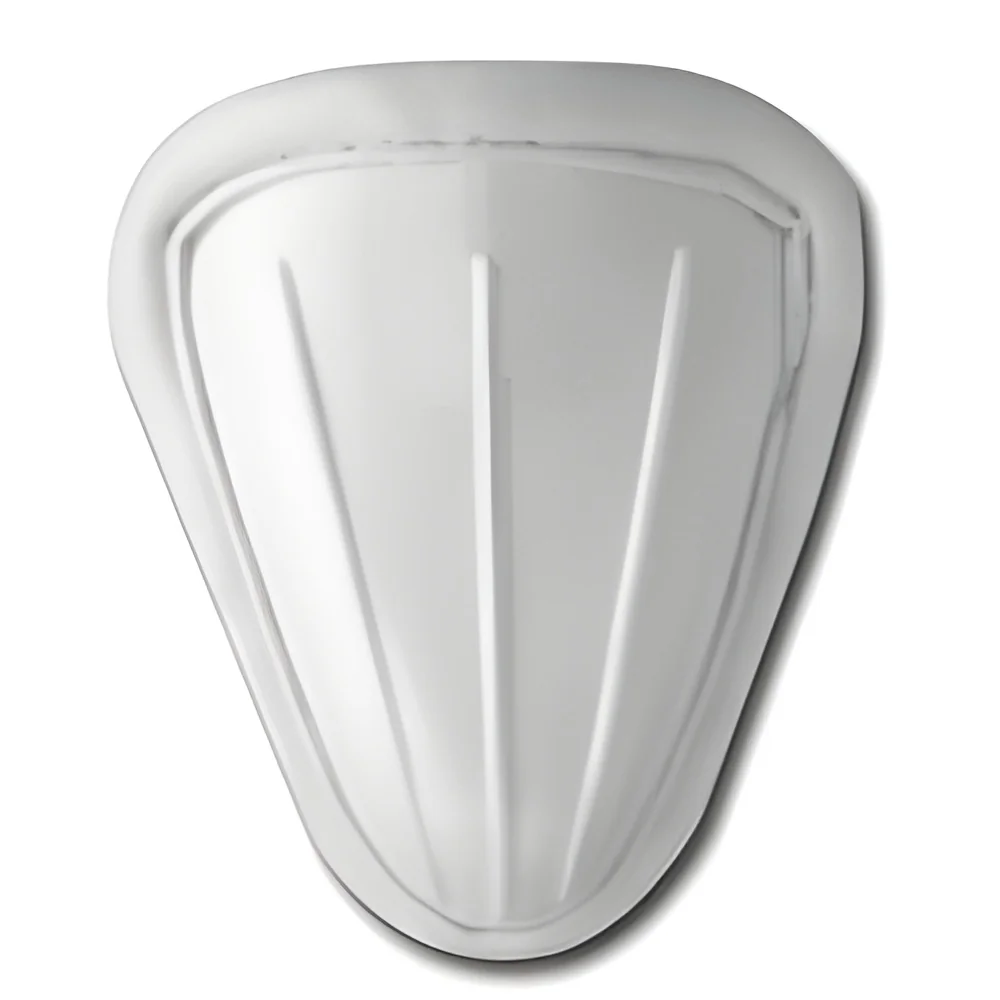
Cricket gloves and thigh guards are essential protective gear used by players in the sport of cricket. Cricket gloves are designed to protect the hands of the batsman and wicketkeeper, featuring padded sections that cover the fingers and palms. Thigh guards, on the other hand, are worn by batsmen and fielders to shield the thighs and upper legs from fast deliveries and potential injuries. Both products are crucial for enhancing player safety and performance on the field.
The primary application of cricket gloves and thigh guards is in competitive cricket, where players face high-speed deliveries and potential impacts from the ball. Businesses involved in cricket equipment manufacturing and distribution play a vital role in ensuring that players have access to high-quality protective gear. The market for cricket gloves and thigh guards is influenced by factors such as player safety standards, technological advancements in materials, and the growth of cricket as a global sport.
In the context of industry relevance, cricket gloves and thigh guards represent a significant segment of the sports equipment market. With the rising popularity of cricket in various regions, the demand for high-quality protective gear has increased. Manufacturers are constantly innovating to meet the evolving needs of players, making it imperative for businesses to stay informed about the latest trends and technologies in cricket equipment.
Key Features and Specifications
Cricket gloves and thigh guards come with various features and specifications that enhance their performance and usability. Understanding these specifications is essential for businesses looking to source the right products.
Key specifications include:
1. Material Composition
- Gloves are typically made from leather or synthetic materials for durability and flexibility.
- Thigh guards often feature high-density foam or plastic for impact resistance.
2. Padding Thickness
- Gloves have varying padding thicknesses to provide optimal protection without compromising grip.
- Thigh guards should have adequate padding to absorb impact from high-speed balls.
3. Size Range
- Cricket gloves are available in different sizes to accommodate players of all ages.
- Thigh guards also come in various sizes, ensuring a secure fit for maximum protection.
4. Breathability Features
- Gloves may include mesh panels for ventilation to reduce moisture build-up.
- Thigh guards may also have breathability features to enhance comfort during play.
5. Adjustable Straps
- Many gloves come with adjustable wrist straps for a snug fit.
- Thigh guards often include straps or Velcro fastenings for secure placement.
6. Certification Standards
- Products may be certified for quality and safety, such as CE certification.
- Compliance with relevant safety standards is crucial for market acceptance.
In summary, the features and specifications of cricket gloves and thigh guards are critical in ensuring player safety and comfort. Businesses should evaluate these aspects carefully when sourcing products.
Common Applications and Use Cases
Cricket gloves and thigh guards serve various industries beyond just sportswear manufacturing.
1. Sports Retail: Retailers sell cricket gloves and thigh guards to amateur and professional players, ensuring they have the right equipment for performance and safety.
2. Sporting Goods Manufacturing: Manufacturers focus on producing high-quality protective gear that meets the demands of competitive cricket.
3. Professional Cricket Teams: Teams require bulk purchases of cricket gloves and thigh guards for their players, emphasizing quality and durability.
4. Schools and Universities: Educational institutions involved in cricket programs need protective gear for their teams, often looking for cost-effective solutions.
5. Sports Coaching Academies: Coaches use cricket gloves and thigh guards for training young players, highlighting the importance of safety from an early age.
6. Event Organizers: Organizers of cricket tournaments and competitions often require branded protective gear for participants, creating opportunities for suppliers.
7. Fitness and Training Centers: Facilities offering cricket training programs need to equip their participants with the necessary protective gear to ensure safety during practice.
Product Variants and Subcategories
Cricket gloves and thigh guards come in various variants tailored to specific player needs and preferences.
Batting Gloves
These gloves are designed specifically for batsmen, featuring extra padding on the fingers and palms to absorb shock from fast deliveries. They provide excellent grip and flexibility, allowing for better control of the bat.
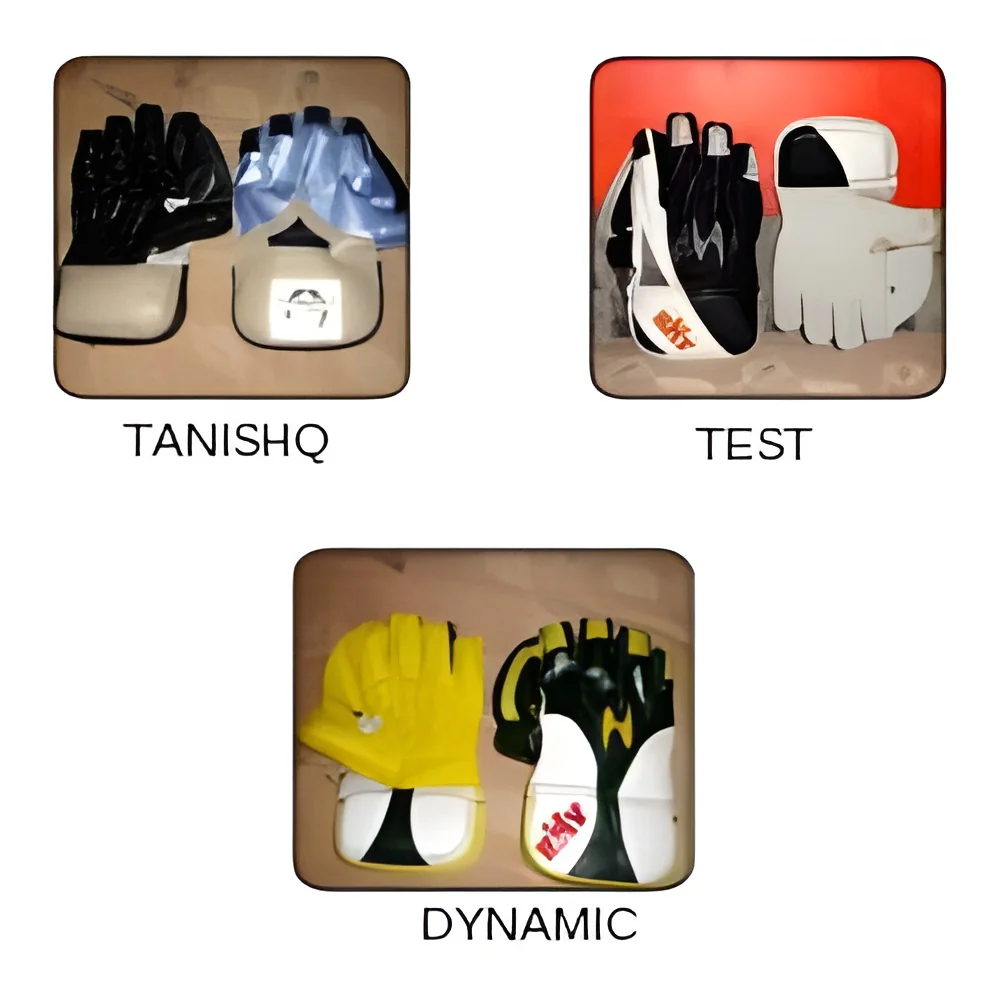
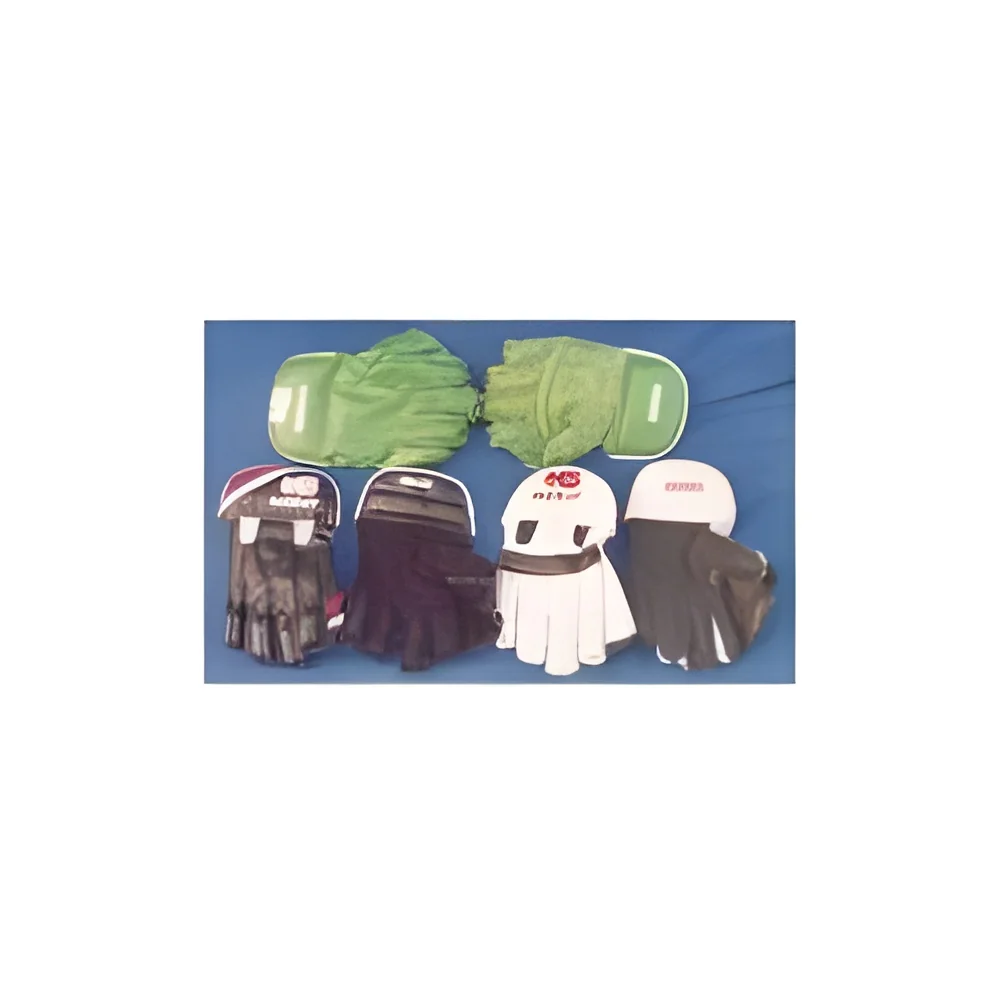
Wicketkeeping Gloves
Wicketkeeping gloves are tailored for the needs of wicketkeepers, featuring additional padding and a larger catching surface. They offer enhanced grip and finger protection, essential for catching and stumping.
Thigh Pads
Thigh pads are a critical form of protection for batsmen, designed to absorb impact from fast deliveries. They are lightweight and feature adjustable straps for a secure fit, making them ideal for long innings.
Leg Guards
Similar to thigh pads, leg guards protect the lower legs and knees. They are essential for both batsmen and wicketkeepers, offering comprehensive coverage against fast deliveries.
Benefits and Advantages
Investing in cricket gloves and thigh guards offers numerous advantages for players and teams.
1. Enhanced Safety: The primary benefit is the protection against injuries from high-speed balls, reducing the risk of serious harm.
2. Improved Performance: With proper protection, players can focus on their game without the fear of injury, leading to better performance on the field.
3. Comfort and Fit: Quality gloves and thigh guards are designed for comfort, allowing players to move freely while providing essential support.
4. Increased Confidence: Wearing reliable protective gear instills confidence in players, enabling them to play aggressively without hesitation.
5. Durability: Well-made gloves and thigh guards are built to withstand the rigors of competitive play, ensuring a longer lifespan and better value for money.
6. Customization Options: Many manufacturers offer customization, allowing teams to brand their gear and create a sense of unity among players.
Buying Guide for B2B Buyers
When sourcing cricket gloves and thigh guards, B2B buyers should consider several key factors to ensure they make informed decisions.
1. Quality Assessment: Evaluate the quality of materials and craftsmanship to ensure the products meet safety and performance standards. Consider checking reviews and testimonials from other buyers.
2. Supplier Verification: Vet potential suppliers by checking their credentials and industry reputation. Look for suppliers with a proven track record in manufacturing quality sports equipment.
3. Pricing and MOQ: Understand pricing structures and minimum order quantities (MOQ) to ensure budget compliance. Compare prices across various suppliers to find the best deal without compromising quality.
4. Delivery and Lead Times: Assess the supplier's ability to meet delivery schedules and lead times to avoid disruptions in inventory management. Prompt delivery is crucial for seasonal sports demands.
5. Compliance Requirements: Confirm that the products meet relevant safety and quality certifications, such as CE certification, to ensure they adhere to industry standards and regulations.
Compliance and Certifications
Cricket gloves and thigh guards are subject to various compliance and certification standards that ensure their quality and safety. Compliance with ISO 9001 quality management standards is essential for manufacturers, as it signifies a commitment to consistent quality and customer satisfaction.
Additionally, products may need to meet specific safety certifications like CE, which indicates conformity with health, safety, and environmental protection standards within the European Economic Area. Ensuring that equipment meets these standards is vital for market acceptance and player safety.
Safety and testing requirements also play a significant role in the production of cricket gloves and thigh guards. Manufacturers should conduct rigorous testing to assess the impact resistance and durability of materials used. Furthermore, regional compliance considerations may include local safety regulations that must be adhered to, depending on the market in which the products are sold.
Why Source Cricket Gloves & Thigh Guards from Pepagora?
Pepagora provides a trusted platform for sourcing cricket gloves and thigh guards, offering several key advantages for B2B buyers.
The verified supplier network ensures that businesses can connect with reputable manufacturers who meet industry standards and deliver quality products. This network fosters a level of trust that is crucial in the procurement process.
The streamlined RFQ process simplifies the quotation system, enabling buyers to request multiple quotes quickly and efficiently. This ease of access allows for better comparison and selection of suppliers based on pricing and quality.
Trade assurance and support from Pepagora protect buyers throughout the purchasing process. This assurance minimizes risks associated with online procurement, giving buyers peace of mind.
Finally, Pepagora's regional coverage extends across India, the GCC, and Southeast Asia, offering access to a wide variety of suppliers and products. This geographic reach ensures that businesses can find suitable cricket gloves and thigh guards tailored to their specific market needs.

 IN
IN