Key Features and Specifications
Cricket balls come with specific features and specifications that determine their performance and suitability for different applications. Understanding these specifications is vital for businesses looking to procure the right type of cricket balls.
Key specifications include:
1. Material Composition
- Leather cricket balls are made from high-quality leather for durability.
- Rubber cricket balls are composed of synthetic materials for flexibility and lower costs.
- Tennis cricket balls are made from felt and rubber, designed for lightweight play.
2. Size and Weight
- Standard leather cricket balls weigh about 155-160 grams.
- Rubber balls typically weigh around 130-140 grams.
- Tennis balls weigh approximately 58-60 grams, making them suitable for casual play.
3. Color
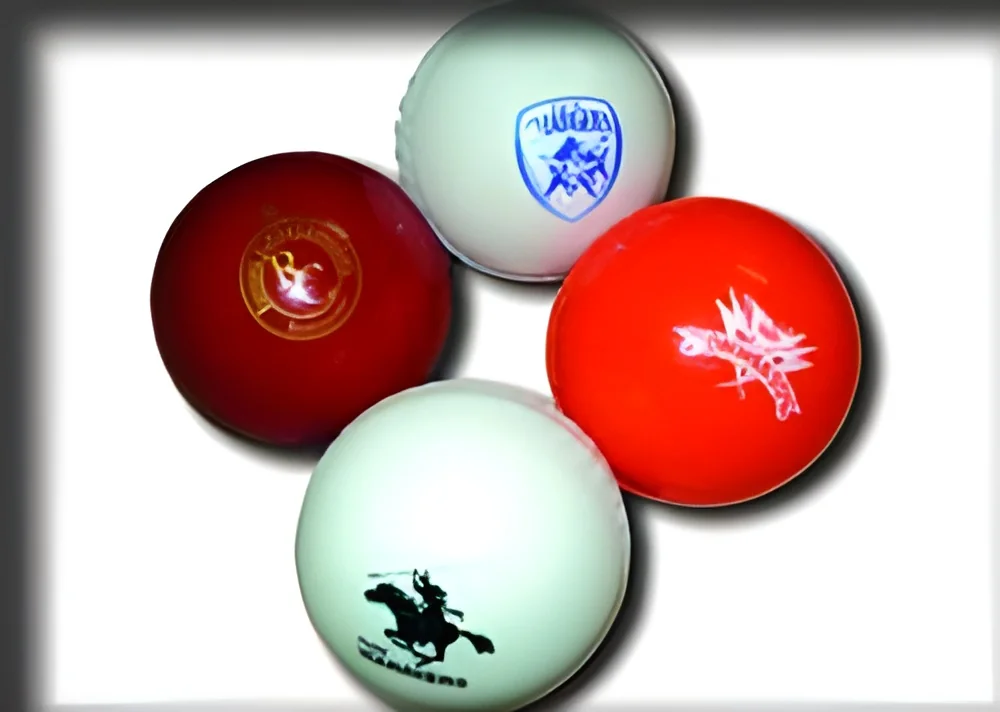
- Leather balls are usually red or white, depending on the format of the game.
- Rubber balls can be found in various colors for practice.
- Tennis balls are typically yellow for high visibility.
4. Stitching
- Leather balls feature hand-stitched seams for improved aerodynamics.
- Rubber balls have molded seams for added durability.
- Tennis balls have a seamless design to enhance bounce.
5. Bounce Characteristics
- Leather balls provide a consistent bounce on various surfaces.
- Rubber balls have a higher bounce, suitable for training.
- Tennis balls are designed for softer landings and are less durable.
6. Lifespan
- Leather cricket balls can last for multiple matches with proper care.
- Rubber balls are designed for shorter usage periods.
- Tennis balls may wear out quickly with heavy use.
In summary, choosing the right cricket ball involves understanding these key features and specifications to ensure optimal performance and suitability for the intended use.
Common Applications and Use Cases
Cricket balls serve various industries and applications, catering to different levels of play and training requirements.
1. Professional Sports: In professional cricket leagues, leather balls are mandatory for official matches, providing the best performance and longevity.
2. Educational Institutions: Schools and colleges use rubber cricket balls for training and recreational play, ensuring safety for younger players.
3. Sports Clubs: Amateur cricket clubs often purchase a mix of rubber and leather balls for practice and competitions, accommodating varying skill levels.
4. Fitness Programs: Tennis balls are used in fitness programs and casual games, promoting physical activity and team building.
5. Coaching and Training: Coaches utilize rubber and tennis balls for skill development and drills, allowing players to practice without the risks associated with harder balls.
6. Community Events: Local tournaments and community events often feature rubber balls due to their affordability and safety for participants of all ages.
7. International Matches: Leather cricket balls are used in international matches, ensuring high standards of play and compliance with regulations.
Product Variants and Subcategories
The diversity of cricket balls allows for various options to meet specific needs in the market.
Leather Cricket Balls: These balls are crafted from premium leather, designed for professional use. They provide superior durability and performance, making them the preferred choice for competitive matches.
Rubber Cricket Balls: Ideal for training and recreational play, these balls are made from rubber materials. They are lightweight, affordable, and suitable for use in schools and casual games.
Tennis Cricket Balls: Constructed from felt and rubber, tennis balls are lightweight and designed for informal play. They are popular for practice sessions and casual matches in parks or backyards.
Benefits and Advantages
Choosing the right cricket balls can provide several advantages for players and organizations.
1. Enhanced Performance: Quality leather balls offer exceptional flight and bounce characteristics, improving gameplay.
2. Safety: Rubber and tennis balls provide a safer option for beginners and younger players, reducing the risk of injury.
3. Cost-Effectiveness: Rubber balls are usually more affordable, making them suitable for budget-conscious organizations or schools.
4. Versatility: Different types of cricket balls allow for various applications, from professional matches to casual practice.
5. Skill Development: Training with rubber and tennis balls can help players improve their skills in a safe environment.
6. Increased Engagement: The availability of various cricket balls encourages participation in the sport, fostering a love for cricket among new players.
Buying Guide for B2B Buyers
When sourcing cricket balls (Leather, Rubber, Tennis), businesses should consider several key factors to ensure they select the right products.
1. Quality Assessment: Evaluate the material, stitching, and overall construction of the cricket balls to ensure they meet performance standards.
2. Supplier Verification: Vet suppliers by checking their reputation, quality certifications, and customer reviews to ensure reliability.
3. Pricing and MOQ: Consider the cost per unit and the minimum order quantity (MOQ) to align with budget constraints while ensuring adequate supply.
4. Delivery and Lead Times: Understand the logistics involved by asking about delivery schedules and lead times to ensure timely procurement.
5. Compliance Requirements: Be aware of any regulatory compliance necessary for cricket balls based on regional standards and industry requirements.
Compliance and Certifications
Cricket balls must adhere to specific quality standards and certifications to ensure they meet safety and performance requirements in the sport.
ISO 9001 is a relevant quality standard that specifies requirements for a quality management system. It ensures that manufacturers consistently provide products that meet customer and regulatory requirements.
CE certification indicates compliance with European safety standards. This certification assures buyers that the cricket balls have been tested for safety and performance according to industry regulations.
Safety and testing requirements are crucial for all types of cricket balls. Manufacturers should conduct rigorous testing to ensure durability and performance across various conditions.
Regional compliance considerations may vary. Buyers should ensure that the cricket balls comply with local regulations and standards relevant to their markets.
Why Source Cricket Balls (Leather, Rubber, Tennis) from Pepagora?
Pepagora offers a trusted platform for sourcing cricket balls, providing several key advantages for businesses.
Verified Supplier Network: Pepagora connects buyers with a network of verified suppliers, ensuring that all products meet industry standards for quality and performance.
Streamlined RFQ Process: The platform simplifies the quotation process, allowing buyers to request quotes from multiple suppliers quickly, facilitating competitive pricing and options.
Trade Assurance and Support: Buyers benefit from trade assurance, providing protection against risks associated with procurement, ensuring a secure purchasing experience.
Regional Coverage: With a strong presence in India, the GCC, and Southeast Asia, Pepagora offers extensive geographic reach, making it easier for buyers to find suppliers that meet their specific needs in various regions.

 IN
IN