Key Features and Specifications
Indian pickles come with distinct features that cater to various culinary needs. Their preparation methods and ingredients result in unique flavors and textures, making them appealing to different consumer bases.
Key specifications include:
1. Flavor Profile
- Varieties like mango offer a sweet and tangy taste, while lime presents a zesty and refreshing flavor.
- Mixed pickles combine different fruits and spices for a complex taste experience.
2. Ingredients
- Made from high-quality fruits and vegetables, along with a blend of spices such as mustard, fenugreek, and turmeric.
- Preserved in edible oils like mustard or sesame oil.
3. Packaging Options
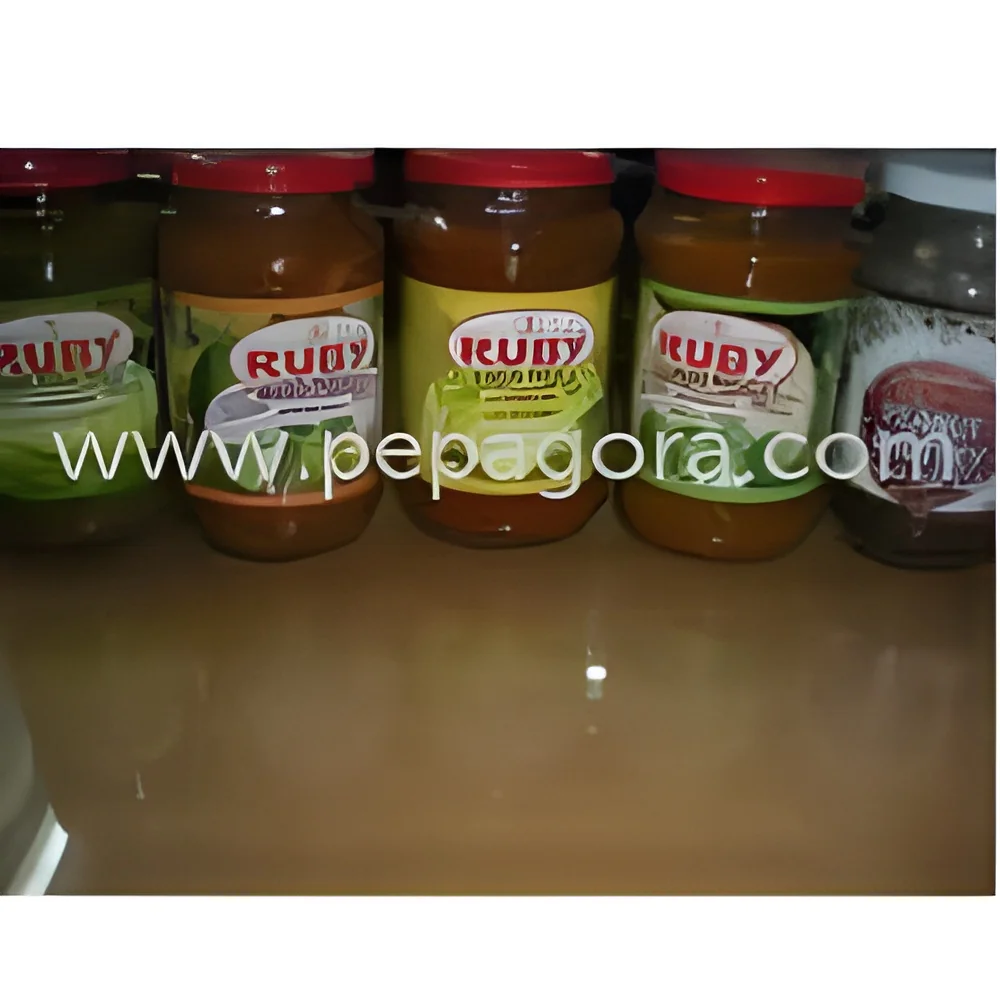
- Available in jars, pouches, or bulk containers to meet diverse business needs.
- Ensures product integrity and freshness during transport.
4. Shelf Life
- Typically ranges from six months to two years, depending on storage conditions and preservatives used.
- Longer shelf life allows for better inventory management in commercial settings.
5. Nutritional Value
- Provides essential vitamins and minerals from the fruits and vegetables used.
- Low in calories, making them suitable for various dietary preferences.
6. Customization
- Potential for flavor customization to cater to local tastes or specific customer demands.
- Ability to create unique blends with different spices.
In summary, these specifications highlight the versatility and market appeal of Indian pickles, making them an essential product for businesses in the food sector.
Common Applications and Use Cases
Indian pickles serve a variety of industries and applications, showcasing their versatility in culinary practices.
1. Food Service Industry: Restaurants and catering services use Indian pickles to enhance dishes, providing unique flavor profiles that attract customers.
2. Food Processing: Manufacturers incorporate pickles as ingredients in ready-to-eat meals, snacks, and sauces, leveraging their taste and preservation qualities.
3. Retail: Grocery stores and specialty food shops sell packaged pickles to consumers, appealing to those seeking authentic Indian flavors.
4. Export: Companies exporting Indian cuisine products often include pickles as a staple offering, capitalizing on the growing global demand for ethnic foods.
5. Cultural Events: Pickles are a popular item at festivals and cultural events, serving as traditional accompaniments to various dishes.
6. Online Grocery: E-commerce platforms sell Indian pickles, reaching a wider audience and enabling consumers to access diverse products conveniently.
Product Variants and Subcategories
The diversity of Indian pickles allows for various product offerings that cater to different tastes and preferences.
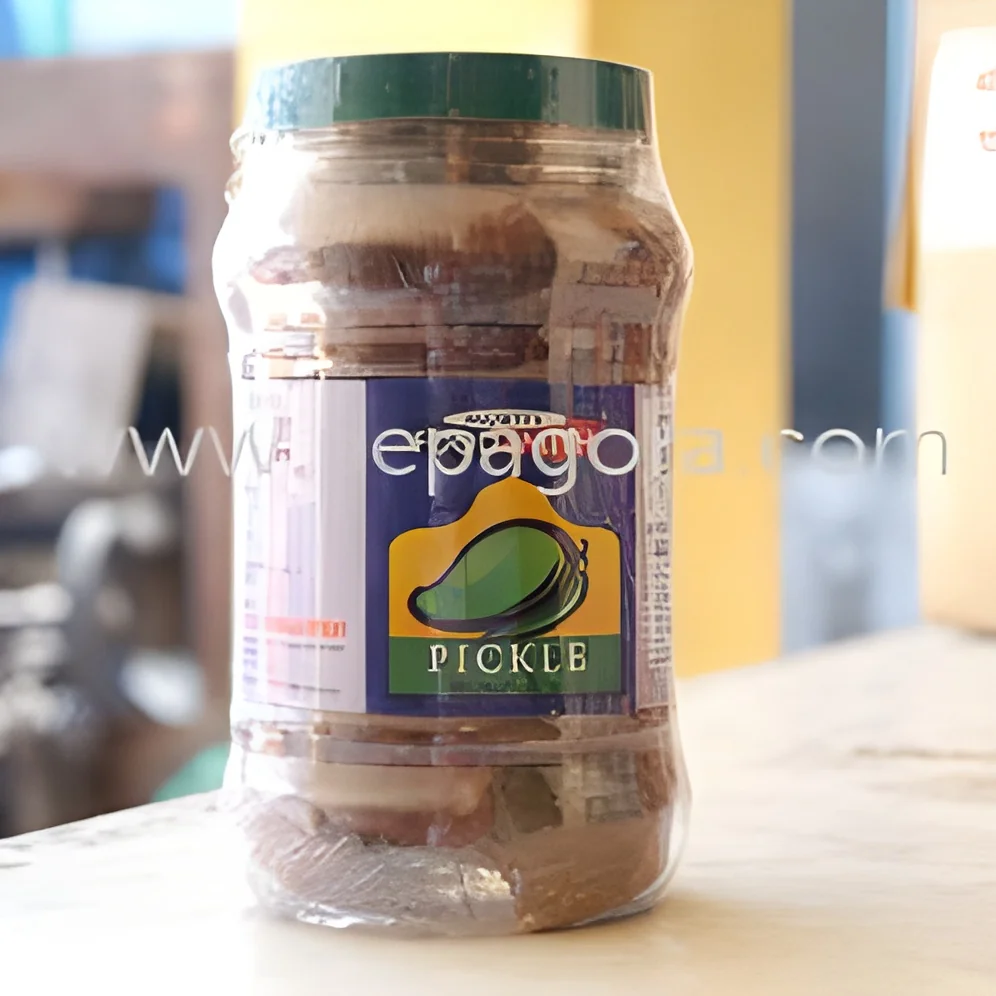
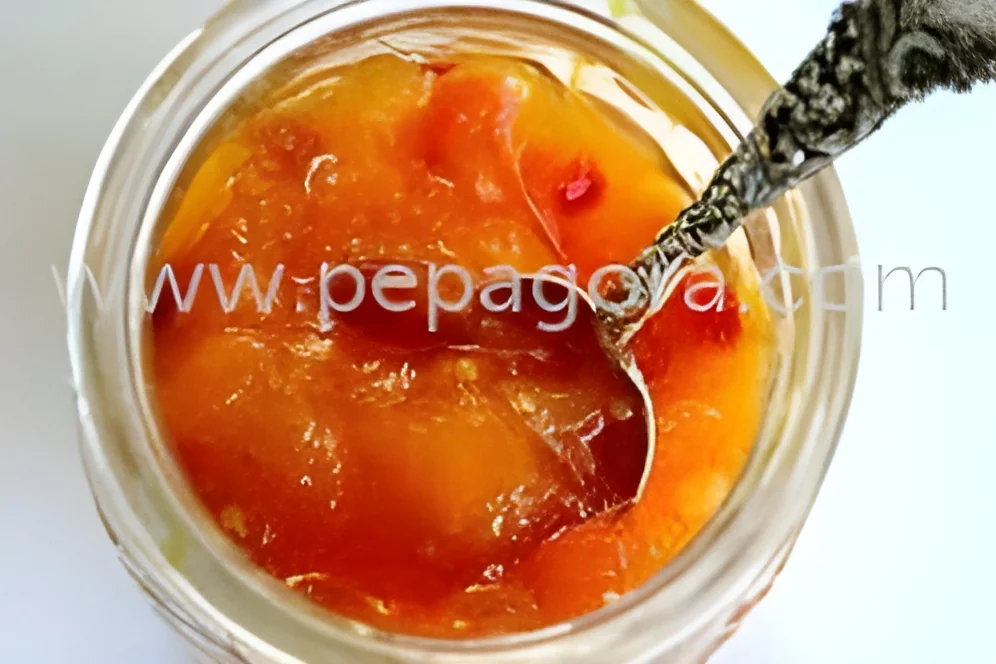
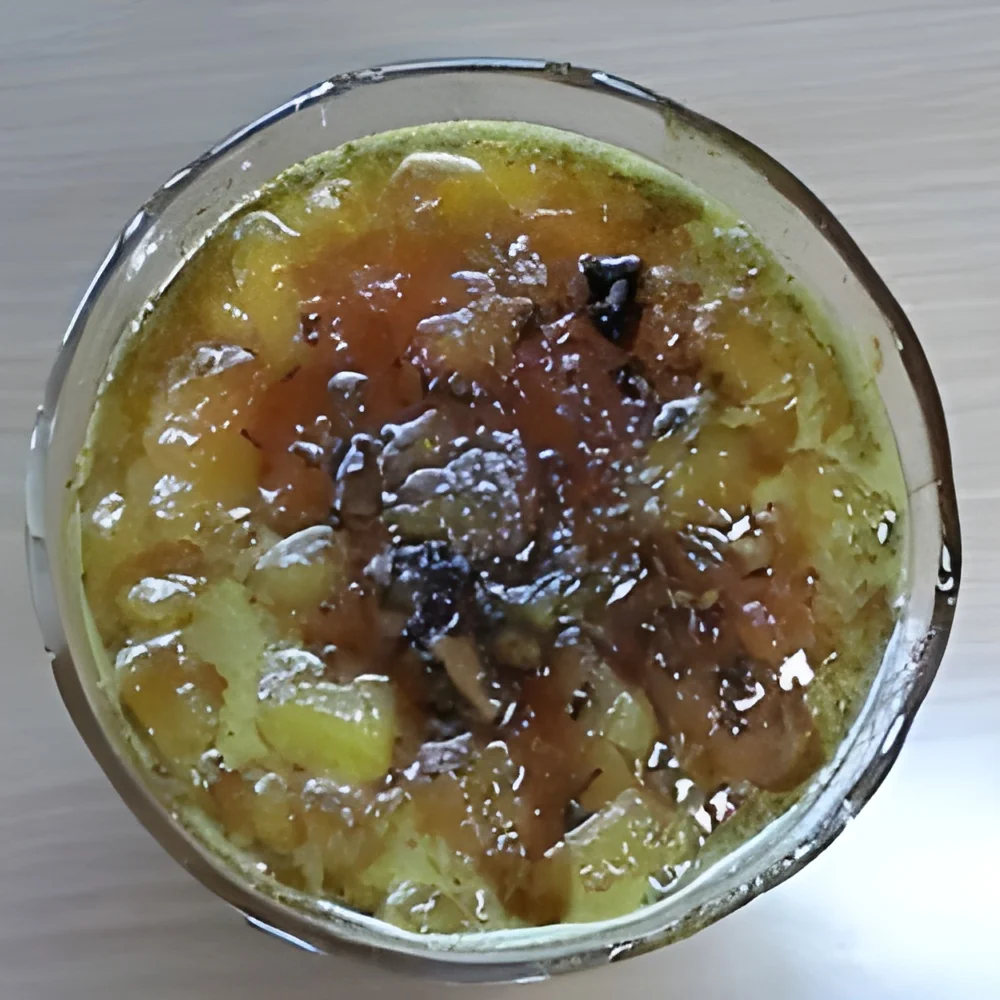
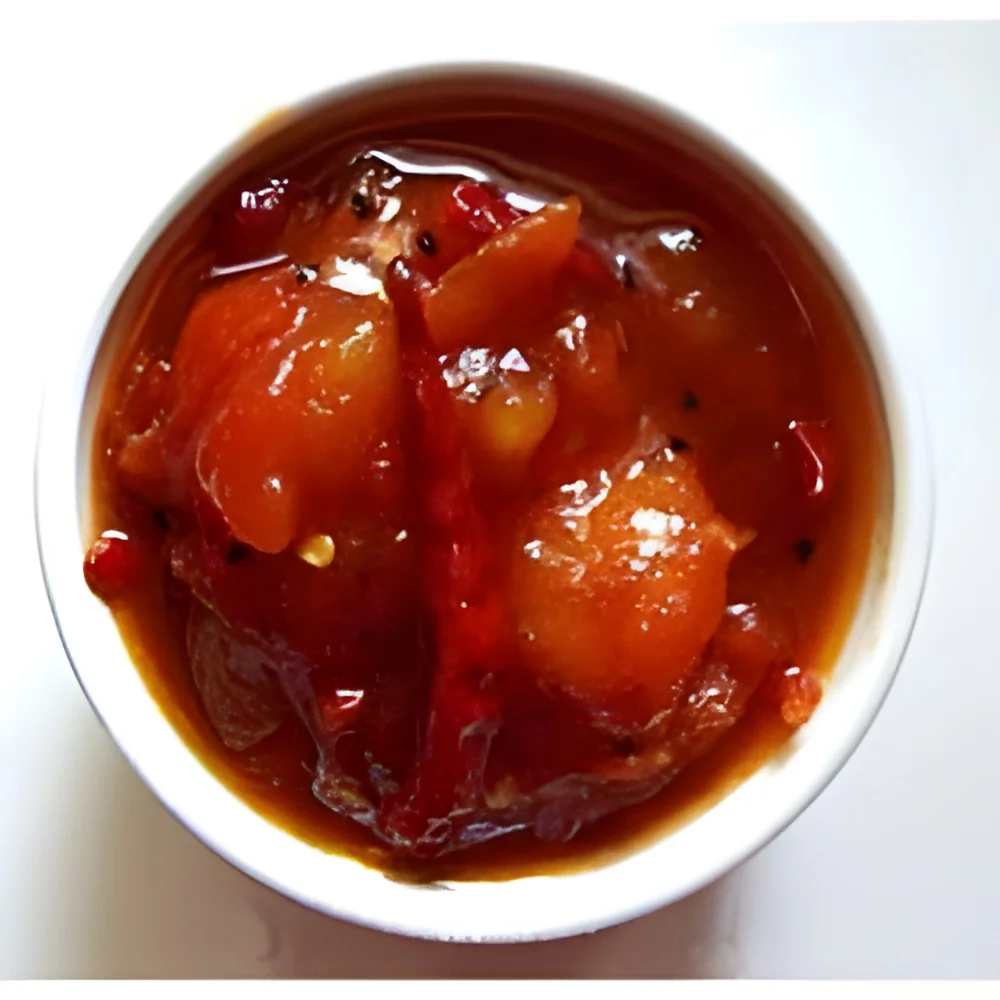
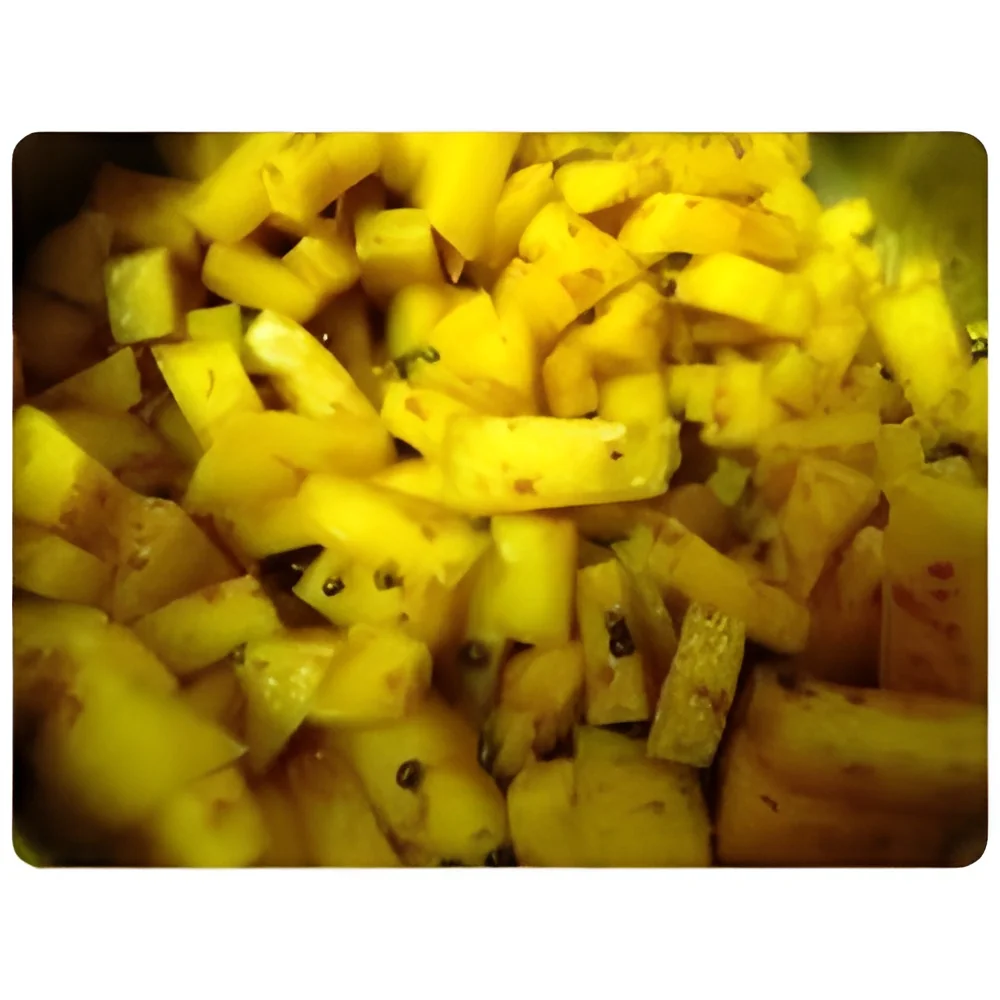
Mango Pickles: Made from raw mangoes, these pickles are typically tangy and spicy, appealing to those who enjoy bold flavors. They are often used as a side dish or condiment with rice and curries.
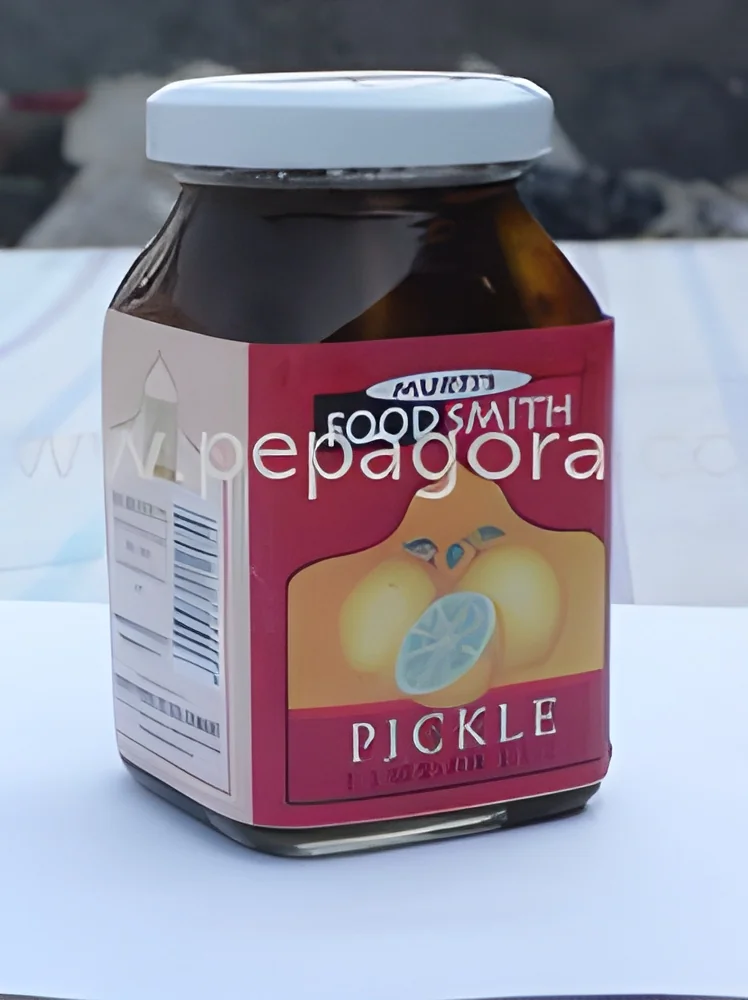
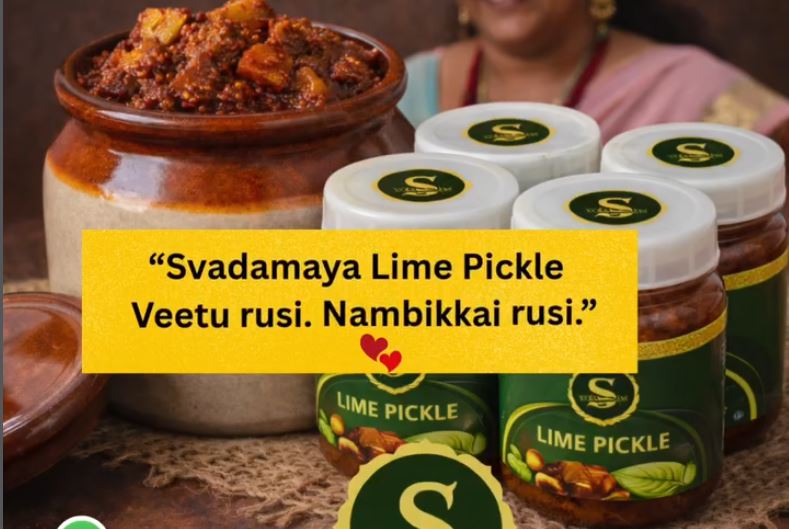
Lime Pickles: Prepared using whole limes, these pickles offer a zesty flavor with a hint of sweetness. They are great for enhancing the taste of grilled meats and fried snacks.
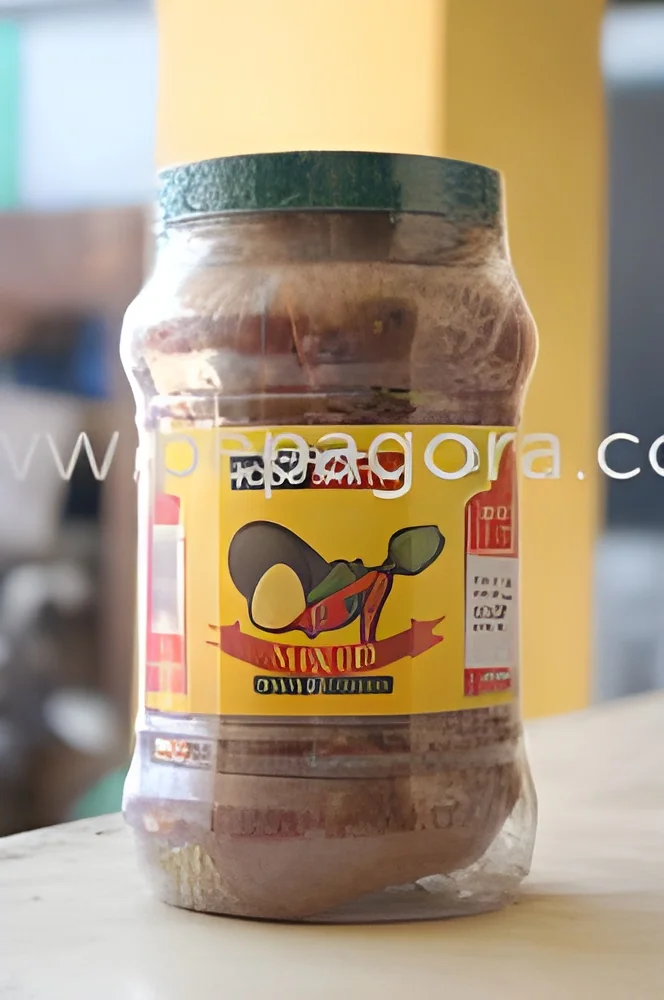
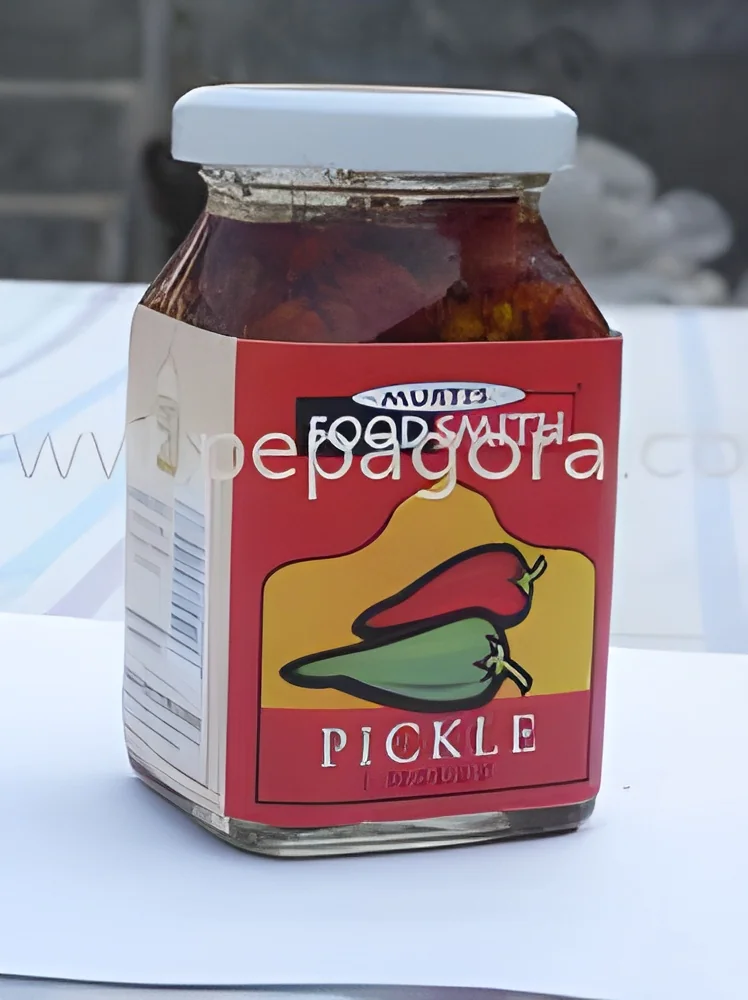
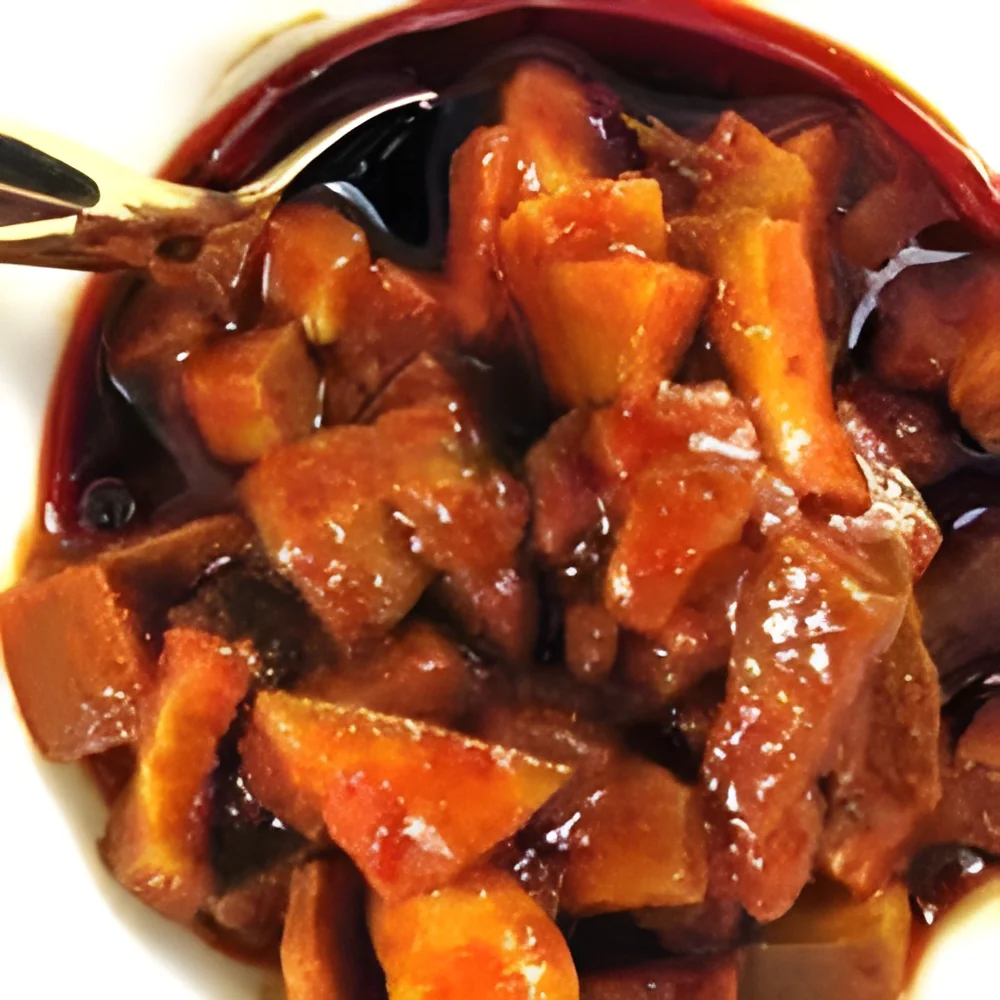
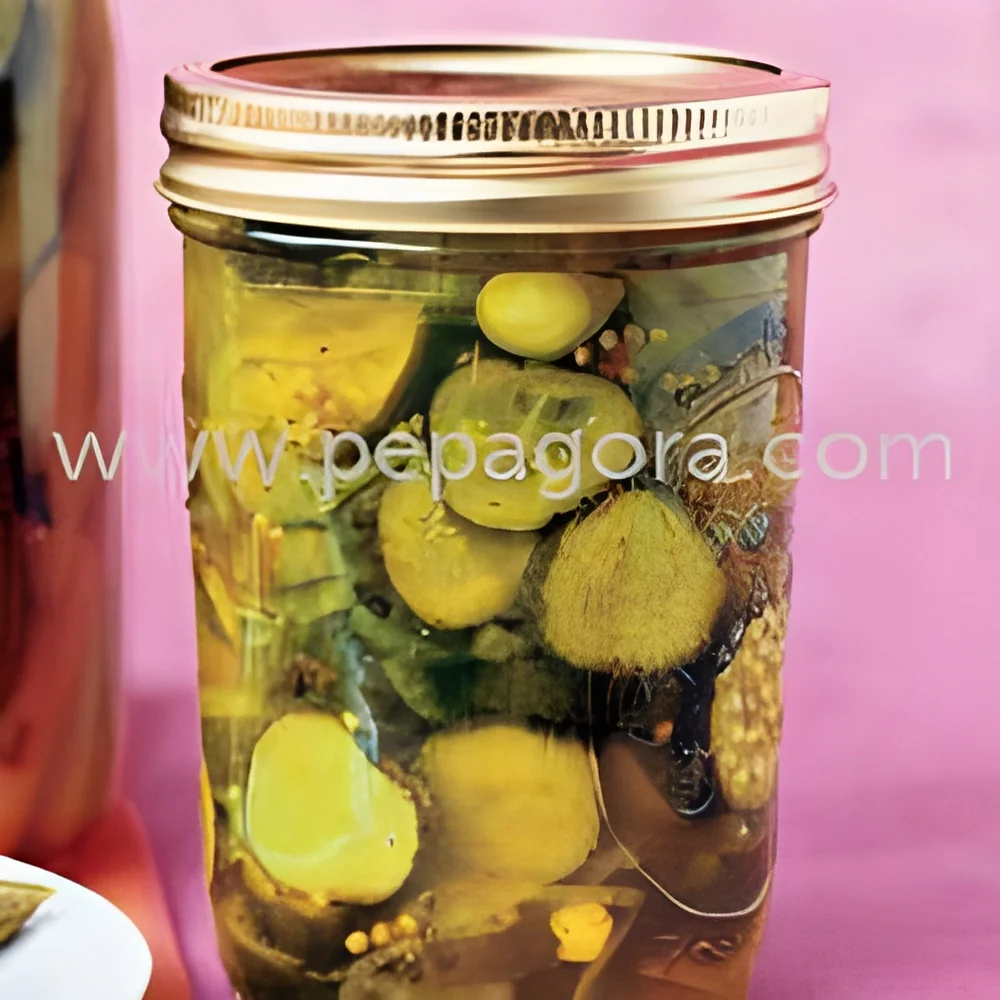
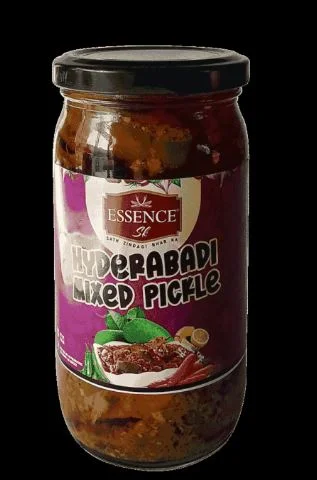
Mixed Pickles: A blend of different fruits and vegetables, mixed pickles provide a complex flavor profile. These are popular for their versatility in pairing with various dishes, from biryanis to sandwiches.
Benefits and Advantages
Indian pickles offer numerous benefits that make them appealing to B2B buyers.
1. Flavor Enhancement: They add depth and complexity to dishes, making meals more enjoyable and memorable for consumers.
2. Long Shelf Life: The preservation process allows pickles to be stored for extended periods, reducing waste and ensuring availability.
3. Nutritional Value: Rich in vitamins and minerals, they provide health benefits alongside flavor, appealing to health-conscious consumers.
4. Customization Options: Manufacturers can tailor flavors and ingredients to meet specific consumer preferences, allowing for unique product offerings.
5. Cultural Appeal: Indian pickles resonate with consumers interested in global cuisines, making them a popular choice in diverse markets.
6. Cost-Effective: The long shelf life and versatility of pickles contribute to cost savings for businesses, making them a wise investment.
Buying Guide for B2B Buyers
When sourcing Indian pickles, it is crucial for buyers to consider several factors to ensure they select the best products for their needs.
1. Quality Assessment: Evaluating the quality of pickles involves checking the ingredients used and ensuring they meet expected flavor and texture standards. Buyers should request samples to assess quality firsthand.
2. Supplier Verification: It is essential to vet suppliers for reliability and reputation. Checking reviews and references can help ensure that the supplier adheres to quality standards and delivers on time.
3. Pricing and MOQ: Understanding the pricing structure and minimum order quantities (MOQ) is vital for budget planning. Buyers should compare prices among suppliers to ensure they get competitive rates.
4. Delivery and Lead Times: Buyers must consider logistics, including delivery times and shipping options. Timely delivery is essential for maintaining inventory and meeting customer demand.
5. Compliance Requirements: Ensuring that products meet regulatory standards is critical. Buyers should verify that suppliers comply with relevant food safety and quality certifications.
Compliance and Certifications
Indian pickles must adhere to various quality standards and certifications to ensure safety and reliability in the market. Common standards include ISO 9001, which focuses on quality management systems, and HACCP, which emphasizes food safety management.
Certifications such as CE indicate that the products meet European health, safety, and environmental protection standards, enhancing their credibility in global markets.
Additionally, safety and testing requirements include regular checks for contaminants and proper labeling of ingredients. Regional compliance considerations also play a significant role, as different markets may have specific regulations regarding food products.
Why Source Indian Pickles (Mango, Lime, Mixed) from Pepagora?
Pepagora provides a trusted platform for sourcing Indian pickles, offering several key advantages to B2B buyers.
Verified Supplier Network: Pepagora connects businesses with a network of verified suppliers, ensuring that buyers can trust the quality and reliability of the products they source.
Streamlined RFQ Process: The request for quotation process on Pepagora is efficient and user-friendly, allowing buyers to receive competitive quotes from multiple suppliers quickly.
Trade Assurance and Support: Buyers benefit from trade assurance measures that protect their transactions, providing peace of mind throughout the purchasing process.
Regional Coverage: With a geographic reach that includes India, the GCC, and Southeast Asia, Pepagora facilitates access to a diverse range of Indian pickles, catering to various market needs.

 IN
IN