𝗪𝗵𝗮𝘁 𝗮𝗿𝗲 𝗚𝗵𝗲𝗿𝗸𝗶𝗻𝘀 𝗶𝗻 𝗕𝗿𝗶𝗻𝗲?
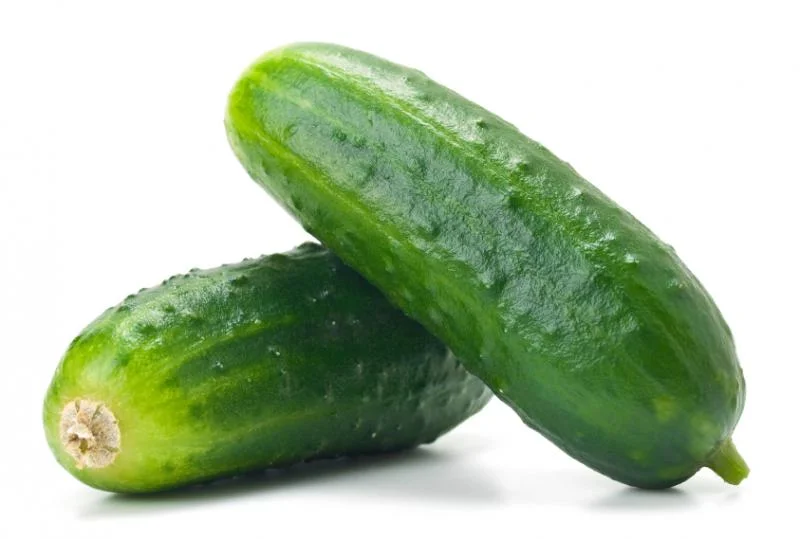
Gherkins in brine are small, pickled cucumbers typically utilized in various culinary applications. These cucumbers are harvested while still immature, delivering a crisp texture and distinct flavor. The brining process involves soaking the gherkins in a solution of salt, vinegar, and spices, which enhances their taste and preserves their freshness. This method not only extends the shelf life of the product but also infuses the gherkins with a tangy flavor profile that is highly sought after.
In the B2B market, gherkins in brine are predominantly used in the food service industry, including restaurants, catering companies, and food production facilities. They serve as key ingredients in salads, sandwiches, and charcuterie boards. Additionally, they can be used as a garnish or condiment, enhancing the overall flavor of various dishes. The growing demand for gourmet and specialty foods has further propelled the popularity of gherkins in brine, establishing them as a staple in many commercial kitchens.
The relevance of gherkins in brine extends beyond culinary uses, impacting the broader food processing sector. With consumers becoming increasingly health-conscious, the demand for pickled products that offer probiotic benefits is on the rise. As a result, gherkins in brine are gaining traction in markets focused on organic and natural food products. This growing market presents opportunities for suppliers and manufacturers to cater to evolving consumer preferences.
𝗞𝗲𝘆 𝗙𝗲𝗮𝘁𝘂𝗿𝗲𝘀 𝗮𝗻𝗱 𝗦𝗽𝗲𝗰𝗶𝗳𝗶𝗰𝗮𝘁𝗶𝗼𝗻𝘀
Gherkins in brine are characterized by several key features and specifications that cater to diverse business needs. Understanding these specifications is crucial for B2B buyers looking for quality products that meet their operational requirements.
Key specifications include:
1. Size and Shape
- Typically small in size, ranging from 1 to 3 inches in length
- Uniform shape for consistency in packaging and presentation
2. Brine Composition
- Made with a mixture of vinegar, salt, and spices
- Flavor profiles can vary based on regional preferences
3. Packaging Options
- Available in jars, cans, or bulk packaging
- Sealed for extended shelf life and freshness
4. Shelf Life
- Generally lasts up to 2 years when stored properly
- Requires refrigeration after opening to maintain quality
5. Nutritional Information
- Low in calories, generally around 5 calories per serving
- Contains vitamins and minerals such as Vitamin K and potassium
6. Certifications
- Compliance with food safety standards, such as CE certification
- Production processes adhering to HACCP guidelines
7. Origin
- Sourced from various regions, ensuring quality and flavor consistency
- May be available as organic or conventional options
In summary, understanding the key features and specifications of gherkins in brine is essential for businesses looking to enhance their product offerings. By choosing high-quality gherkins, companies can ensure a superior taste and experience for their customers.
𝗖𝗼𝗺𝗺𝗼𝗻 𝗔𝗽𝗽𝗹𝗶𝗰𝗮𝘁𝗶𝗼𝗻𝘀 𝗮𝗻𝗱 𝗨𝘀𝗲 𝗖𝗮𝘀𝗲𝘀
Gherkins in brine serve a wide range of applications across various industries. Their versatility makes them a valuable ingredient in many culinary contexts.
1. Food Service Industry: Gherkins are frequently used in restaurants for salads, sandwiches, and burgers, adding a tangy flavor and crunchy texture to dishes.
2. Food Processing: Manufacturers often incorporate gherkins into sauces, dressings, and condiments, enhancing flavor profiles and providing texture.
3. Catering and Events: Gherkins are popular in catering, served as part of antipasto platters or charcuterie boards, appealing to gourmet consumers.
4. Grocery Retail: Retailers carry gherkins in brine as a popular snack item, offering consumers easy-to-use, flavorful options for at-home dining.
5. Specialty Foods: Gourmet food producers use gherkins as a unique ingredient in artisanal products, capitalizing on their distinctive taste.
6. Vegan and Vegetarian Markets: Gherkins are often included in plant-based diets, providing flavor and crunch in various dishes.
7. Export Markets: Gherkins are exported globally, catering to diverse palates and culinary traditions, further expanding their market reach.
𝗣𝗿𝗼𝗱𝘂𝗰𝘁 𝗩𝗮𝗿𝗶𝗮𝗻𝘁𝘀 𝗮𝗻𝗱 𝗦𝘂𝗯𝗰𝗮𝘁𝗲𝗴𝗼𝗿𝗶𝗲𝘀
Gherkins in brine come in various forms, catering to different consumer preferences and culinary needs. This diversity allows businesses to choose products that best fit their market demands.
Whole Gherkins
Whole gherkins are the traditional option, preserved in brine and offered in various sizes. They maintain their crisp texture and are ideal for garnishing or including in salads.
Sliced Gherkins
Sliced gherkins are pre-cut for convenience, making them an excellent choice for sandwiches, burgers, and salads. Their uniform slices ensure easy application in food service settings.
Sweet Gherkins
Sweet gherkins are pickled with a sugar-rich brine, offering a sweeter flavor profile. They are popular in gourmet dishes and often used in relishes and sauces.
Spicy Gherkins
Spicy gherkins incorporate additional spices or chili, appealing to consumers looking for a bolder taste. They are often used in charcuterie boards and as a snack item.
𝗕𝗲𝗻𝗲𝗳𝗶𝘁𝘀 𝗮𝗻𝗱 𝗔𝗱𝘃𝗮𝗻𝘁𝗮𝗴𝗲𝘀
Choosing gherkins in brine provides several advantages for businesses looking to enhance their product offerings.
1. Versatility: Gherkins can be used in a variety of dishes, making them suitable for multiple culinary applications across different industries.
2. Extended Shelf Life: The brining process preserves gherkins, allowing for long storage periods without compromising quality.
3. Flavor Enhancement: The tangy taste of gherkins adds depth to dishes, helping to create memorable culinary experiences for consumers.
4. Nutritional Value: Gherkins are low in calories and provide essential vitamins and minerals, appealing to health-conscious consumers.
5. Easy Storage: Gherkins in brine can be easily stored and require minimal refrigeration, making them convenient for restaurants and food service providers.
6. Strong Market Demand: As consumer interest in pickled products grows, businesses can benefit from increased sales and customer interest.
𝗕𝘂𝘆𝗶𝗻𝗴 𝗚𝘂𝗶𝗱𝗲 𝗳𝗼𝗿 𝗕𝟮𝗕 𝗕𝘂𝘆𝗲𝗿𝘀
When sourcing gherkins in brine, several factors should be considered to ensure quality and satisfaction.
1. Quality Assessment: Look for products that meet high-quality standards. Check for certifications and assess the sensory properties, such as taste and texture.
2. Supplier Verification: Vet potential suppliers thoroughly. Confirm their reputation, compliance with food safety regulations, and quality assurance processes.
3. Pricing and MOQ: Understand the pricing structure and minimum order quantities. Compare prices among suppliers to ensure competitive sourcing.
4. Delivery and Lead Times: Discuss delivery schedules and lead times to ensure timely supply for your operations. Efficient logistics are critical in maintaining inventory levels.
5. Compliance Requirements: Ensure that the products meet all relevant regulatory standards in your region, such as food safety and labeling laws. This is essential for maintaining consumer trust and business compliance.
𝗖𝗼𝗺𝗽𝗹𝗶𝗮𝗻𝗰𝗲 𝗮𝗻𝗱 𝗖𝗲𝗿𝘁𝗶𝗳𝗶𝗰𝗮𝘁𝗶𝗼𝗻𝘀
Gherkins in brine must adhere to several compliance and certification standards that ensure product safety and quality. These standards are crucial for businesses looking to supply or use gherkins in various applications.
Relevant quality standards include ISO 9001, which focuses on effective quality management systems. This certification helps ensure that the products meet consistent quality requirements throughout the production process.
HACCP (Hazard Analysis Critical Control Point) is another important standard, emphasizing food safety management. It identifies potential hazards in the production process and establishes critical control points to mitigate risks, ensuring that gherkins are safe for consumption.
Safety and testing requirements are essential in the production of gherkins in brine. Regular testing for contaminants and adherence to safety protocols are necessary to comply with national and international food safety regulations.
Regional compliance considerations must also be taken into account. Different regions may have specific guidelines and regulations regarding food products, including labeling, ingredient sourcing, and safety standards.
𝗪𝗵𝘆 𝗦𝗼𝘂𝗿𝗰𝗲 𝗚𝗵𝗲𝗿𝗸𝗶𝗻𝘀 𝗶𝗻 𝗕𝗿𝗶𝗻𝗲 𝗳𝗿𝗼𝗺 𝗣𝗲𝗽𝗮𝗴𝗼𝗿𝗮?
Pepagora offers a reliable platform for sourcing gherkins in brine, providing numerous advantages to B2B buyers.
Verified Supplier Network: Pepagora's network of suppliers undergoes strict vetting processes, ensuring that buyers receive high-quality products from trusted manufacturers. This reliability is essential for maintaining operational standards in the food service industry.
Streamlined RFQ Process: The request for quotation process on Pepagora is designed to be user-friendly and efficient. Buyers can quickly submit their requirements and receive competitive quotes from multiple suppliers, facilitating informed purchasing decisions.
Trade Assurance and Support: Pepagora provides trade assurance, protecting buyers from potential risks associated with sourcing. The platform offers support throughout the purchasing journey, ensuring a smooth transaction process.
Regional Coverage: With a broad geographic reach across India, the GCC, and Southeast Asia, Pepagora connects buyers with suppliers in diverse markets. This extensive coverage allows businesses to tap into different consumer preferences and expand their market presence.
In summary, sourcing gherkins in brine from Pepagora not only guarantees product quality but also enhances the efficiency of the procurement process for businesses in various sectors.

 IN
IN