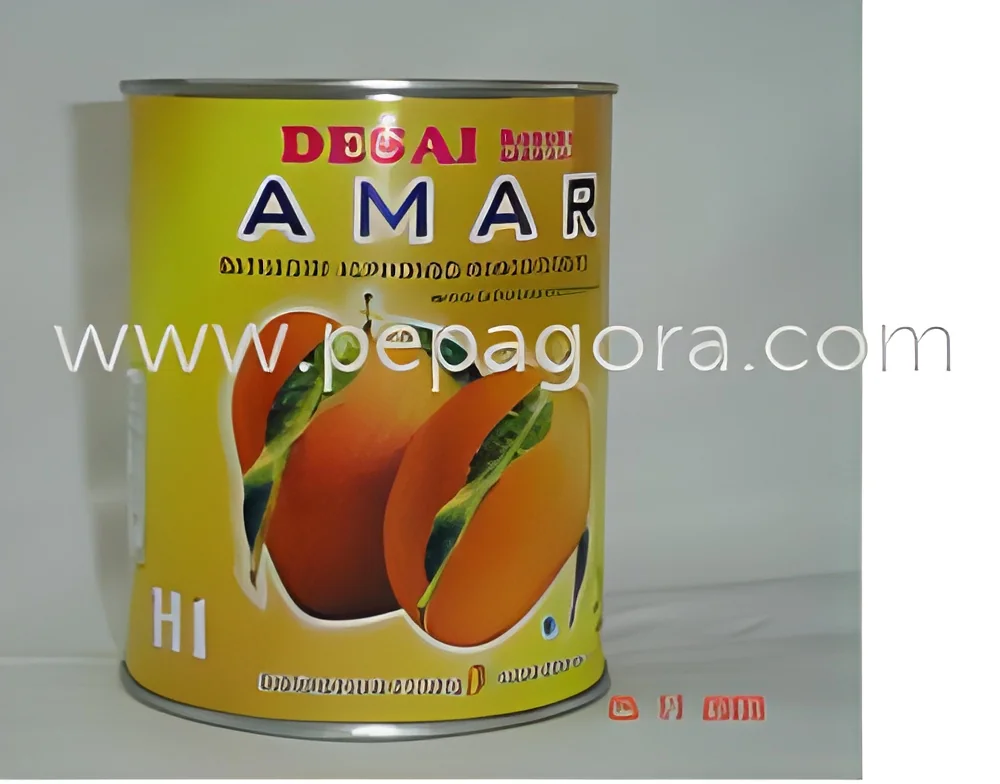
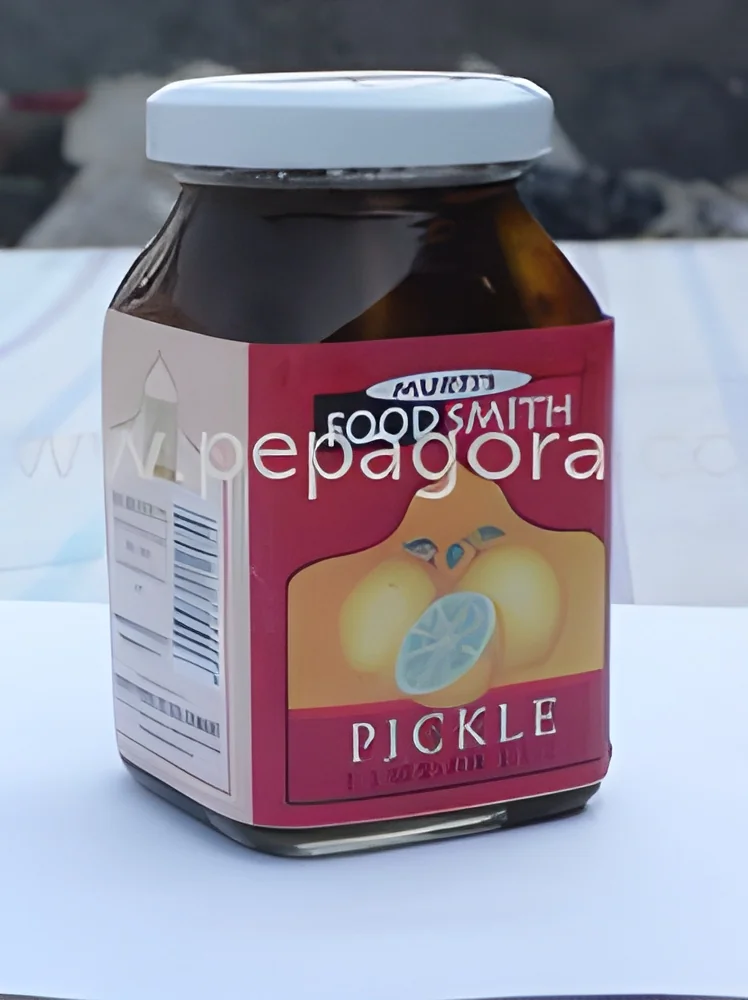
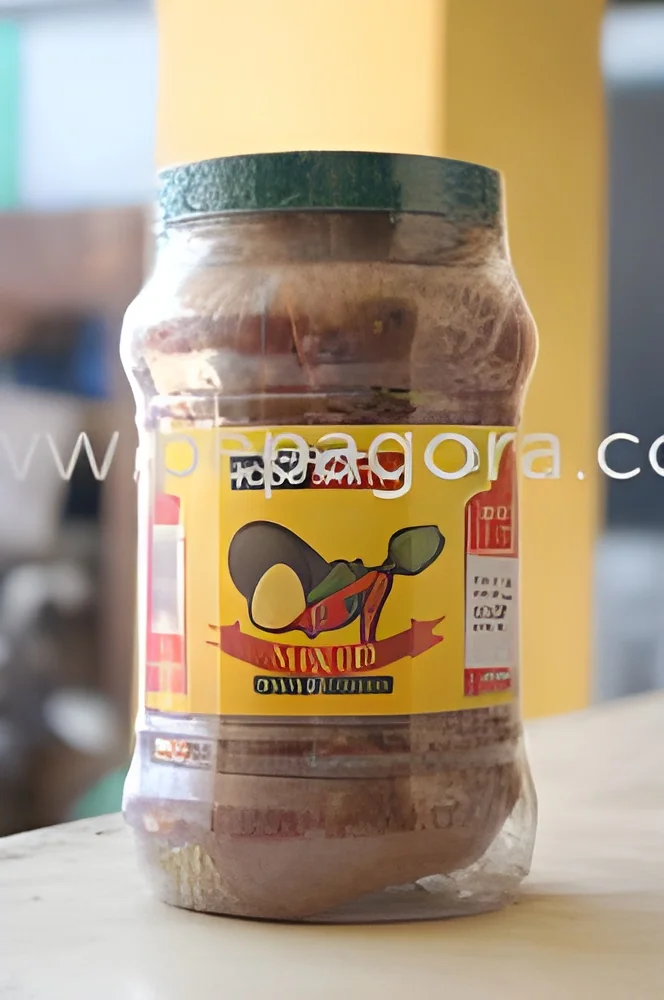
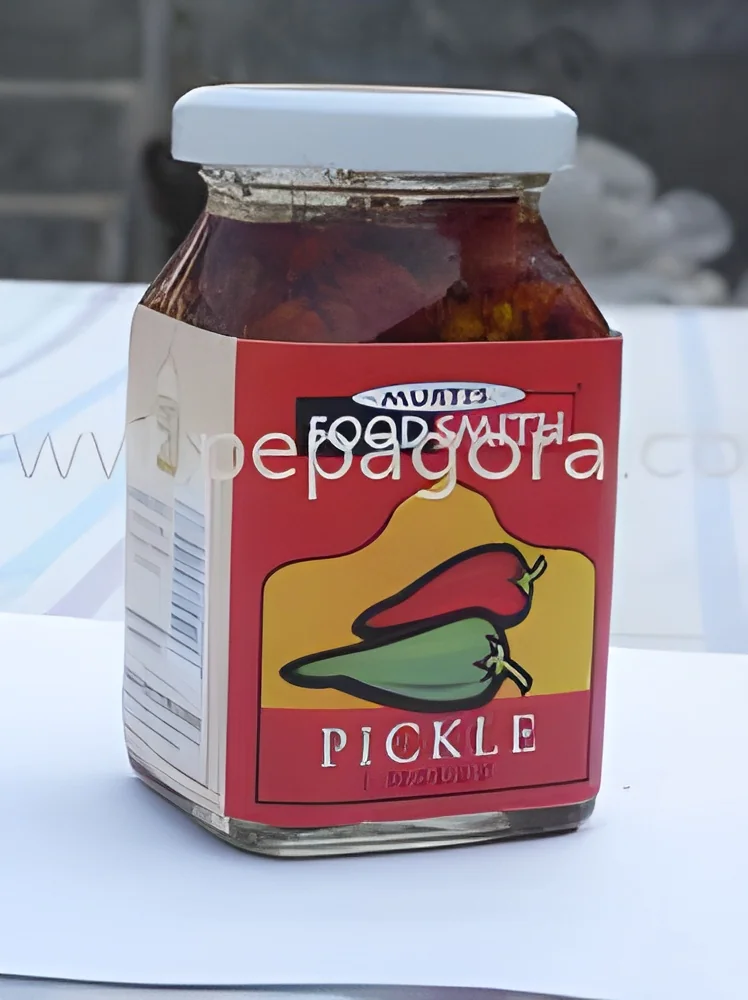
𝗪𝗵𝗮𝘁 𝗮𝗿𝗲 𝗖𝗮𝗻𝗻𝗲𝗱 & 𝗣𝗿𝗲𝘀𝗲𝗿𝘃𝗲𝗱 𝗙𝗼𝗼𝗱𝘀?
Canned and preserved foods are products that have been processed and sealed in airtight containers to extend their shelf life and maintain flavor and nutritional value. This method of preservation involves heating the contents to destroy bacteria and enzymes that may cause spoilage. Canned foods can include a wide range of items such as vegetables, fruits, meats, fish, and ready-to-eat meals, offering convenience and long-term storage solutions.
These foods are primarily used in various sectors including retail, food service, and manufacturing. Businesses rely on canned and preserved foods for their extended shelf life, making them an ideal choice for inventory management and supply chain efficiency. They are particularly valuable in regions with limited access to fresh produce or during off-seasons, ensuring that consumers have access to essential food items year-round. The canned food industry has seen significant growth in recent years, driven by increasing consumer demand for convenient food options and the expansion of global supply chains.
𝗞𝗲𝘆 𝗙𝗲𝗮𝘁𝘂𝗿𝗲𝘀 𝗮𝗻𝗱 𝗦𝗽𝗲𝗰𝗶𝗳𝗶𝗰𝗮𝘁𝗶𝗼𝗻𝘀
Canned and preserved foods offer a variety of features that cater to different market needs. These specifications ensure quality, safety, and efficiency in usage.
Key specifications include:
1. Packaging Type
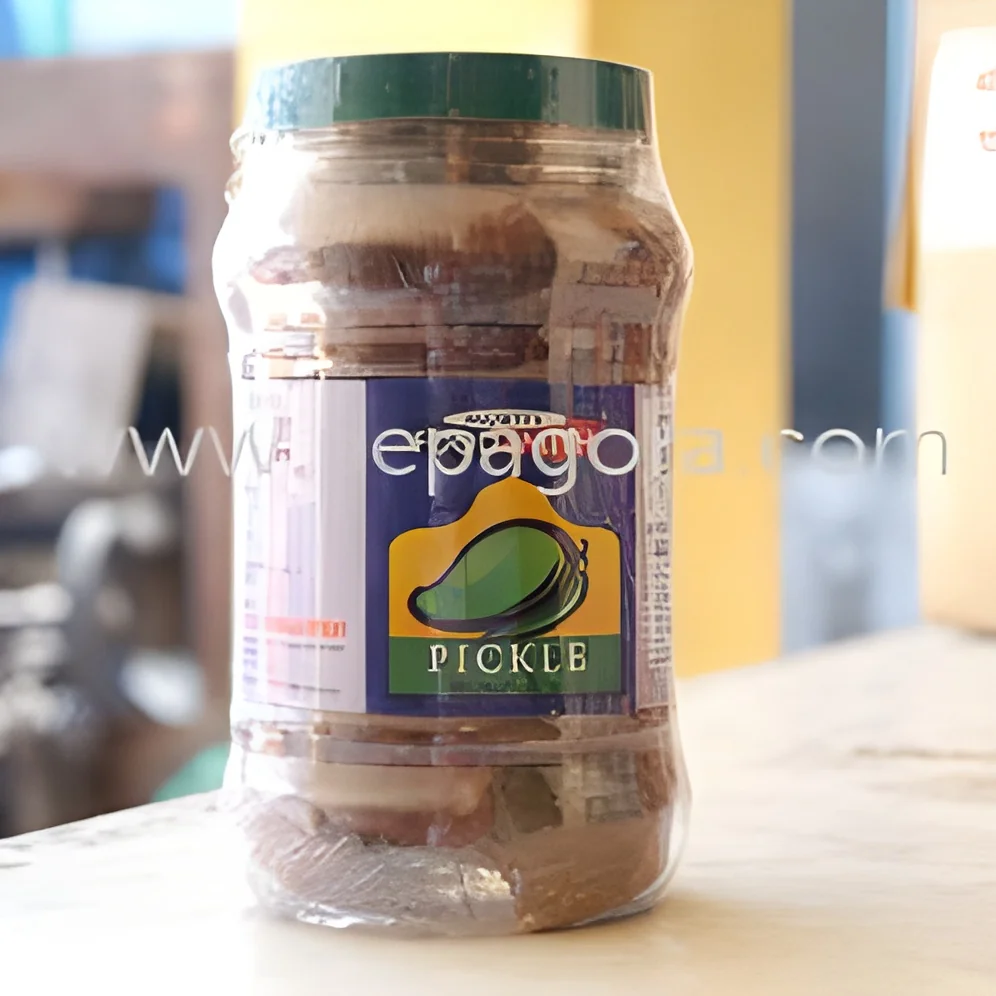
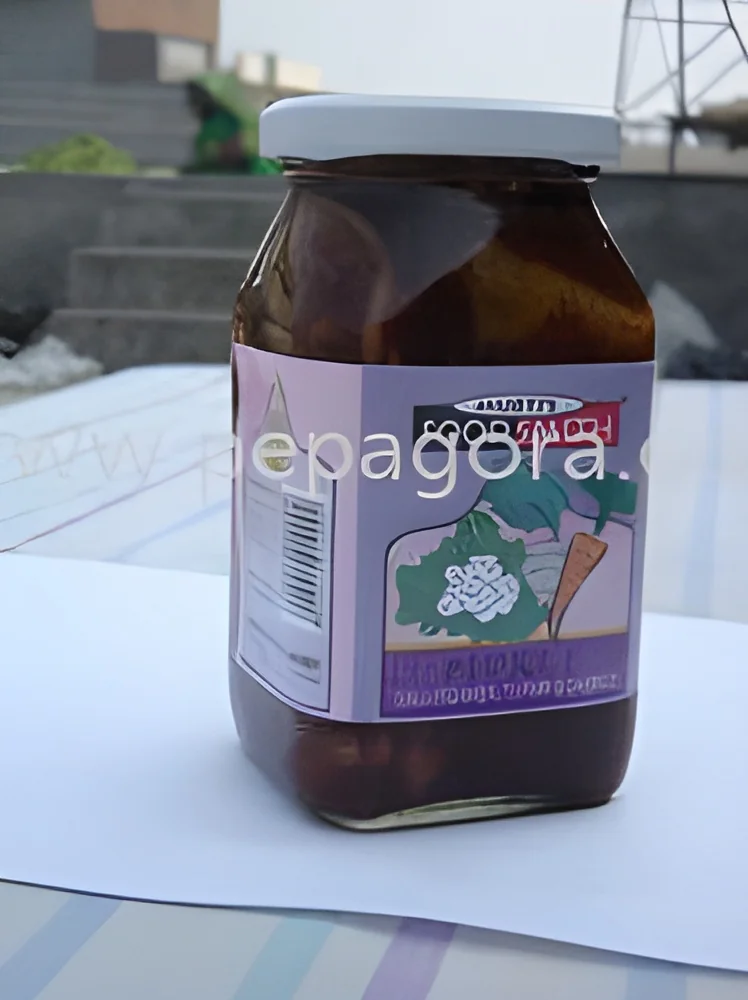
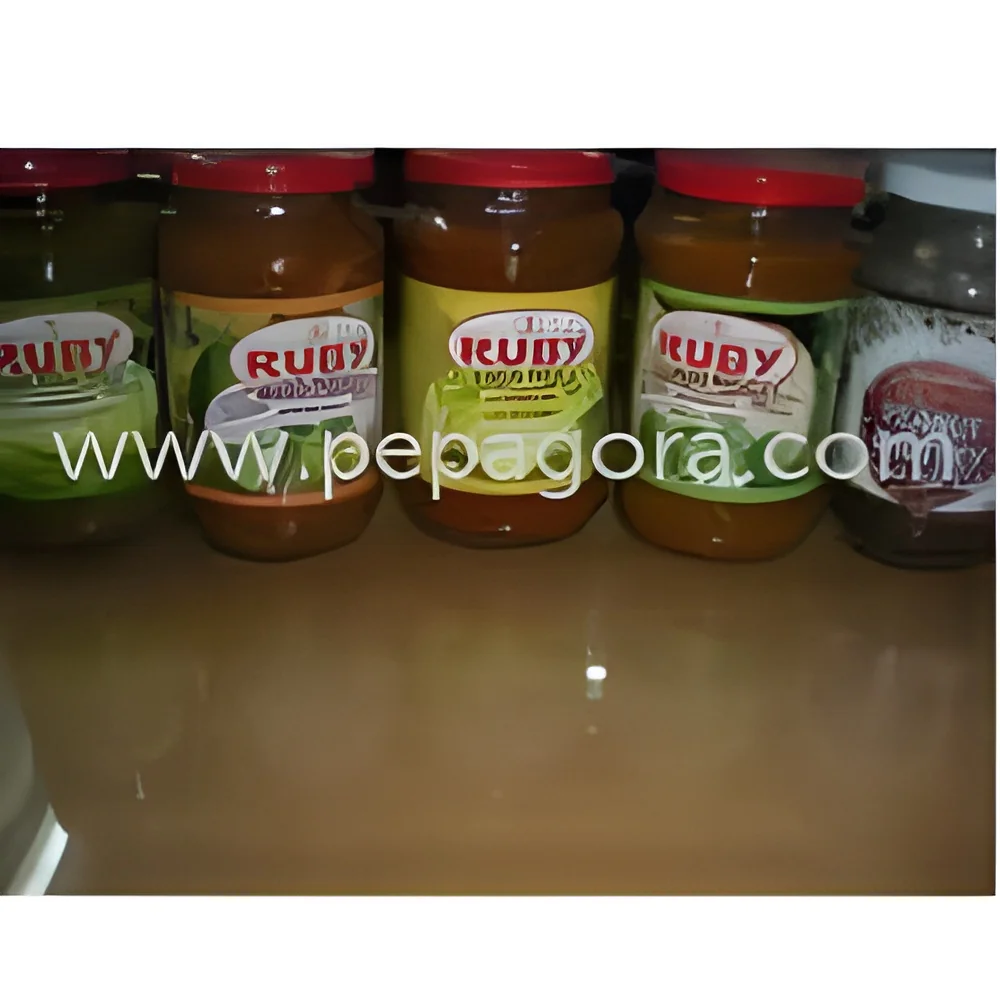
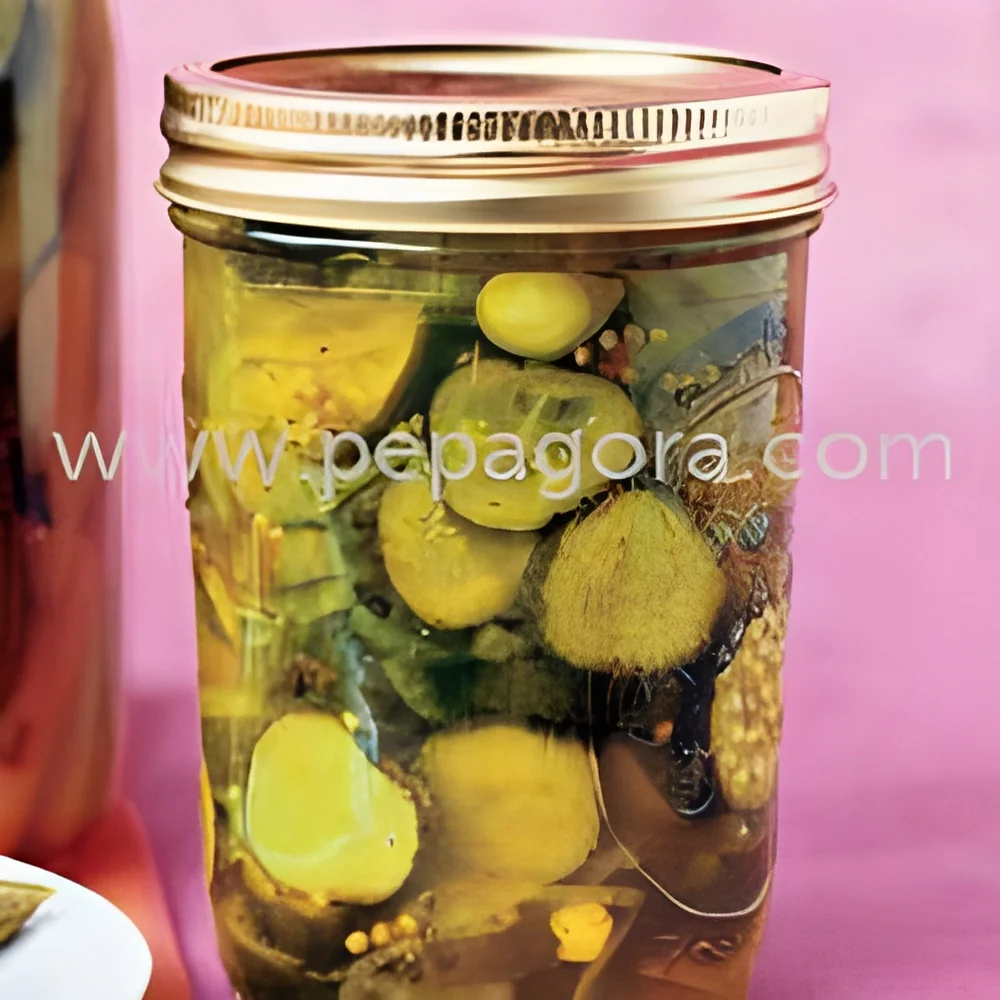
- Common options include metal cans, glass jars, and vacuum-sealed pouches.
- Each type provides different benefits in terms of durability and usability.
2. Shelf Life
- Typically ranges from 1 to 5 years depending on the product and storage conditions.
- Extended shelf life minimizes waste and enhances inventory management.
3. Nutritional Content
- Products are often fortified or preserved to maintain vitamins and minerals.
- Nutritional labeling helps consumers make informed choices.
4. Preparation Method
- Includes options such as ready-to-eat, heat-and-serve, or requiring cooking.
- Different methods cater to diverse consumer preferences.
5. Ingredient Quality
- Many products feature non-GMO, organic, or locally sourced ingredients.
- This aspect is crucial for health-conscious consumers.
6. Compliance Standards
- Must meet safety and quality standards such as CE certification and HACCP.
- Compliance ensures reliability and safety for consumers.
7. Environmental Impact
- Many manufacturers focus on sustainable practices in sourcing and packaging.
- This includes recycling initiatives and reduced carbon footprints.
8. Customization Options
- Some suppliers offer tailored products to meet specific customer needs.
- Customization can include ingredient adjustments or packaging designs.
These features collectively enhance the usability and appeal of canned and preserved foods for businesses and consumers alike.
𝗖𝗼𝗺𝗺𝗼𝗻 𝗔𝗽𝗽𝗹𝗶𝗰𝗮𝘁𝗶𝗼𝗻𝘀 𝗮𝗻𝗱 𝗨𝘀𝗲 𝗖𝗮𝘀𝗲𝘀
Canned and preserved foods find application across various industries, providing versatile solutions for different needs.
1. Food Service: Restaurants and catering services utilize canned foods for quick meal preparations, ensuring consistent taste and quality.
2. Retail: Supermarkets and grocery stores stock canned foods as staple items, appealing to consumers seeking convenience and variety.
3. Emergency Preparedness: Canned foods are critical in disaster relief and emergency kits due to their long shelf life and easy storage.
4. Manufacturing: Food manufacturers incorporate canned ingredients into their products for efficiency and cost-effectiveness.
5. Hospitality: Hotels and resorts use canned foods to streamline kitchen operations and manage supply chain challenges.
6. Health Care: Hospitals and care facilities rely on canned foods to provide nutritious meals that cater to dietary restrictions.
7. Military: Armed forces utilize preserved foods for field rations, ensuring sustenance during deployments.
𝗣𝗿𝗼𝗱𝘂𝗰𝘁 𝗩𝗮𝗿𝗶𝗮𝗻𝘁𝘀 𝗮𝗻𝗱 𝗦𝘂𝗯𝗰𝗮𝘁𝗲𝗴𝗼𝗿𝗶𝗲𝘀
Canned and preserved foods come in a diverse range of variants to meet different consumer needs.
Vegetable Cans
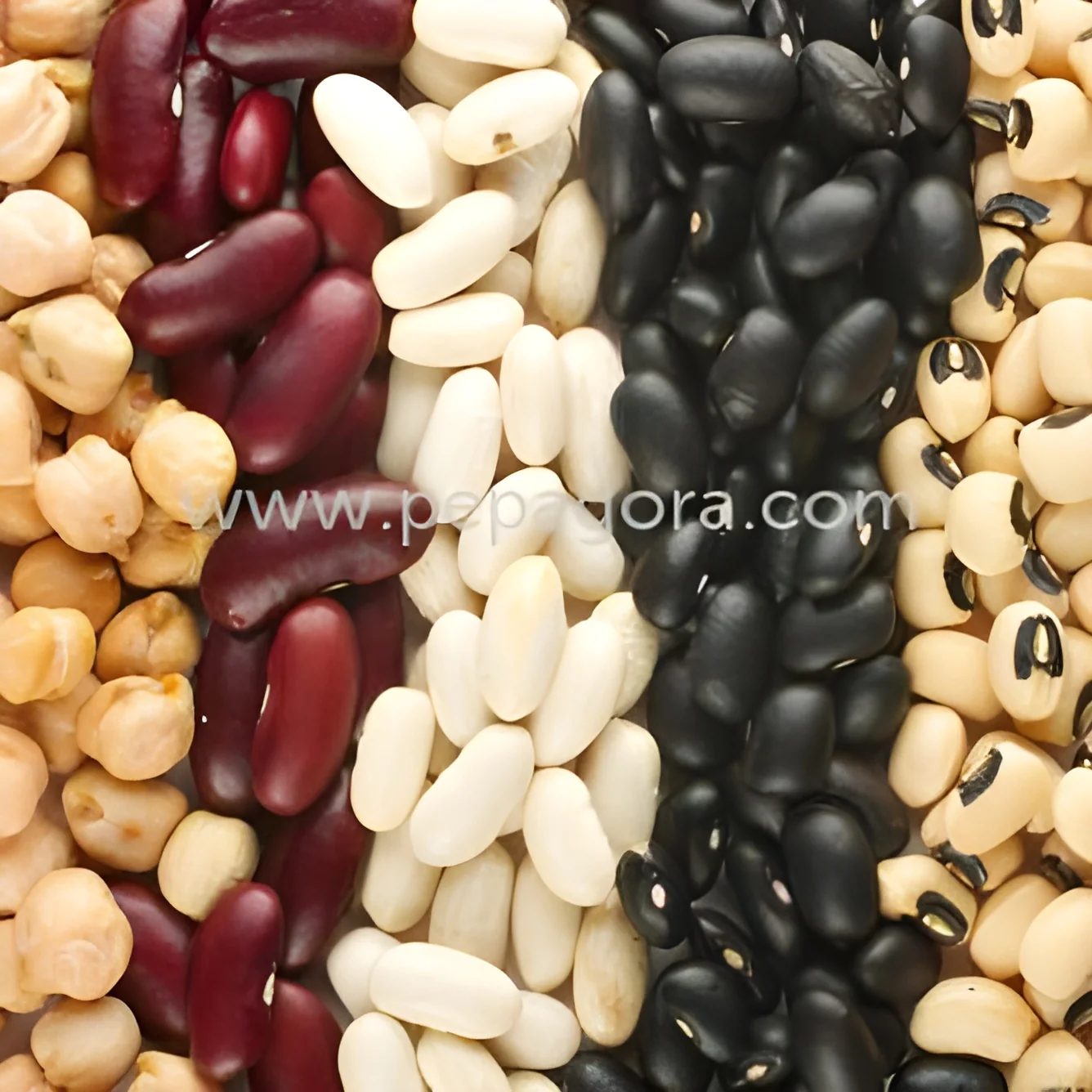
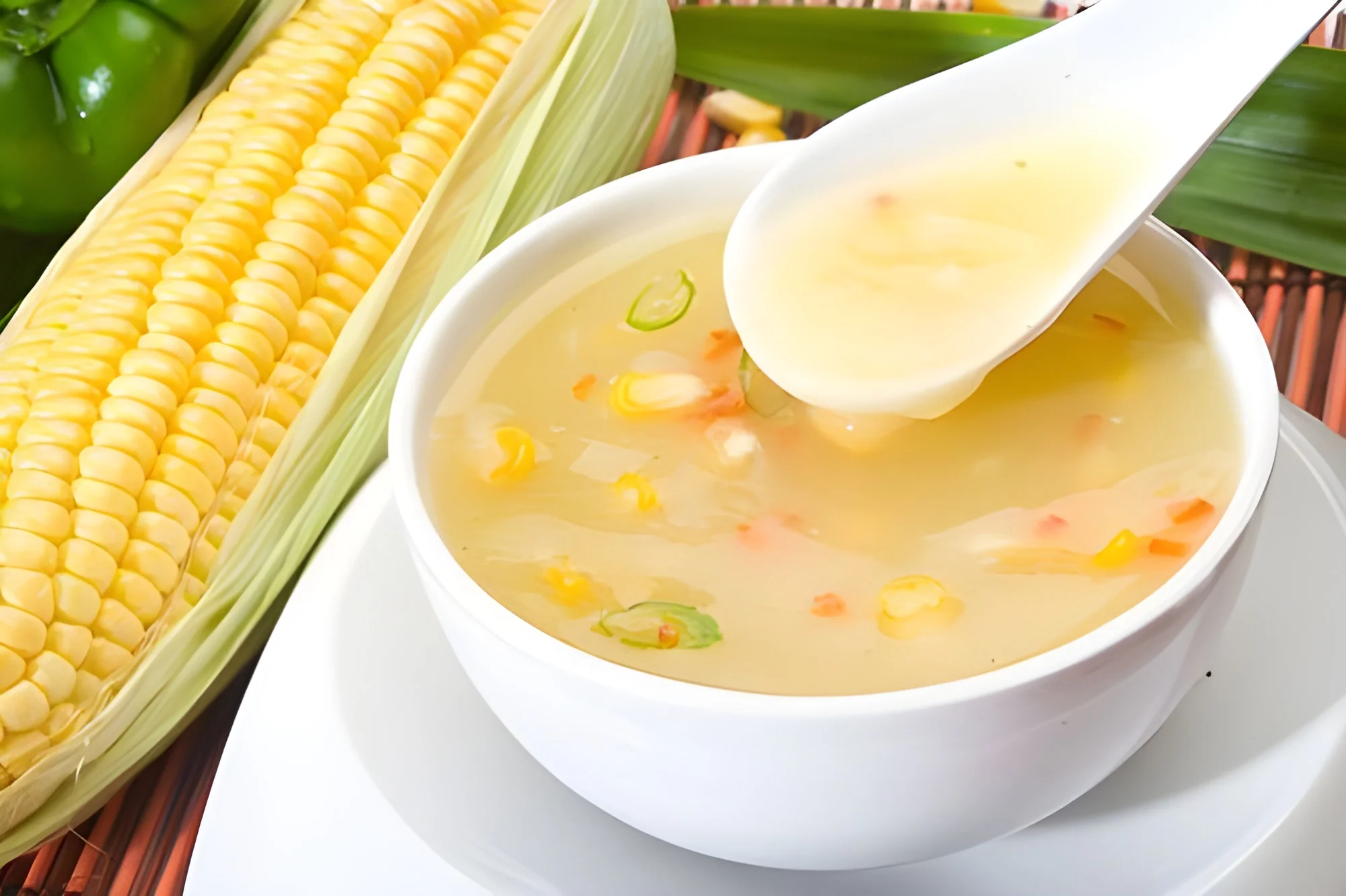
These variants include a variety of vegetables such as peas, corn, and green beans. They are ideal for quick meal preparations and side dishes.
Fruit Cans
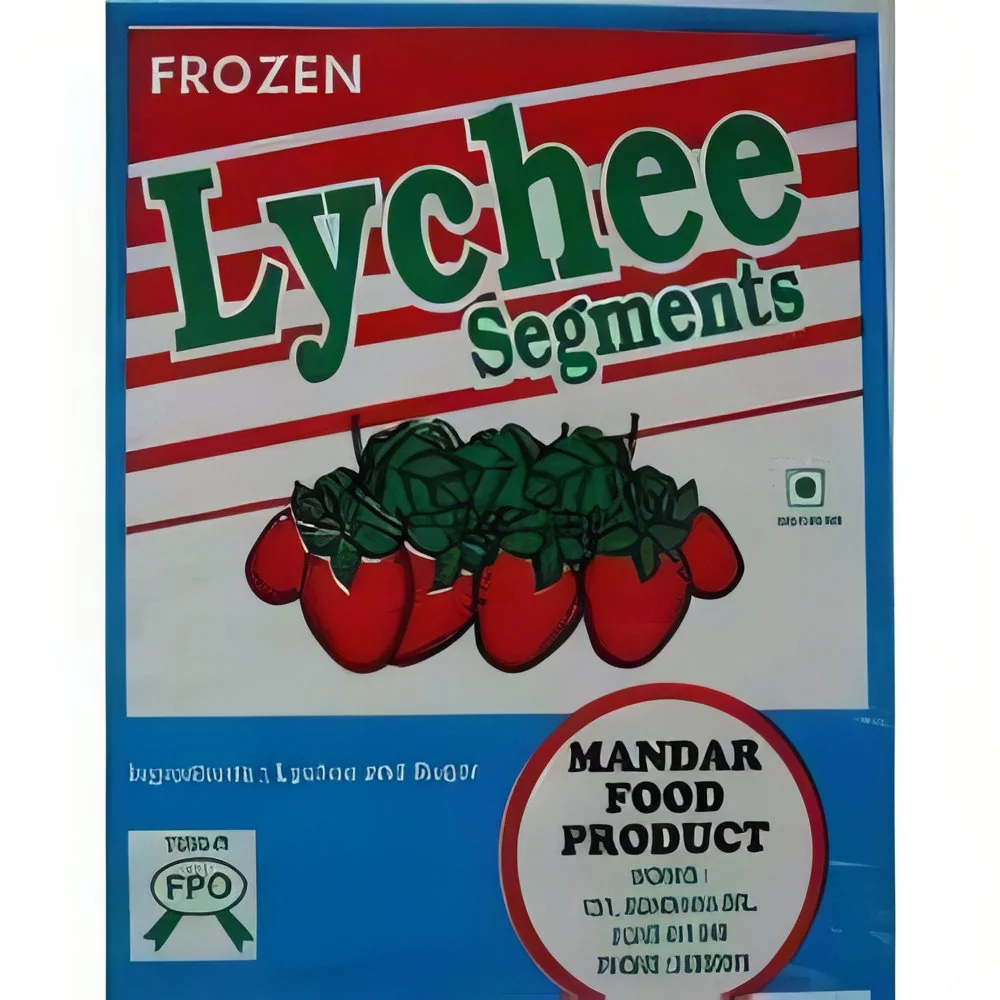
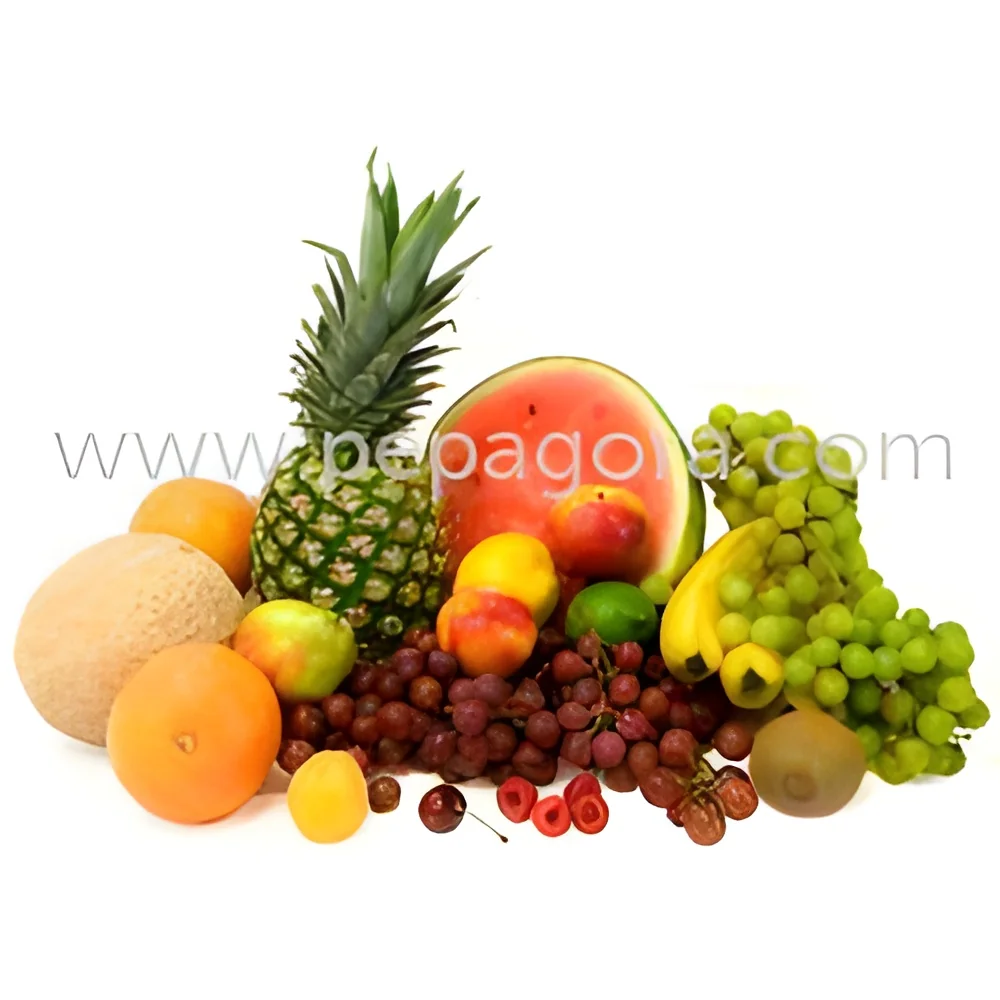
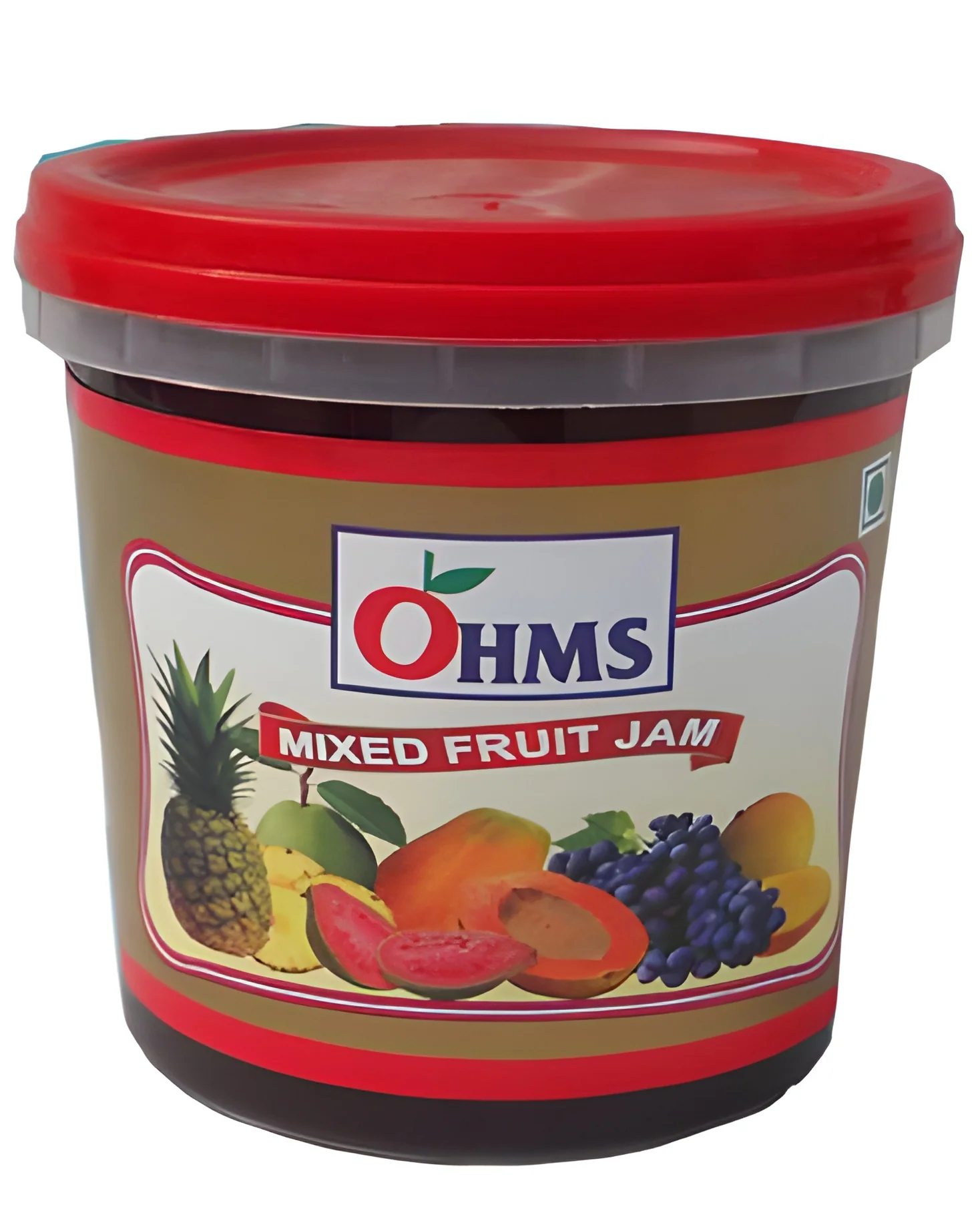
This category features fruits like peaches, pears, and mixed fruit in syrup or juice. They are commonly used in desserts and snacks.
Meat and Fish Cans
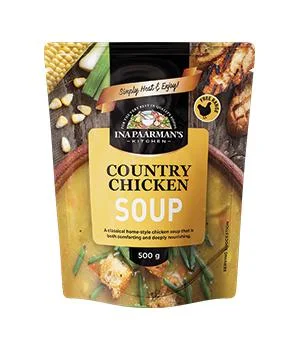
These products include canned chicken, tuna, and salmon. They serve as protein-rich options for a variety of meals.
Ready-to-Eat Meals
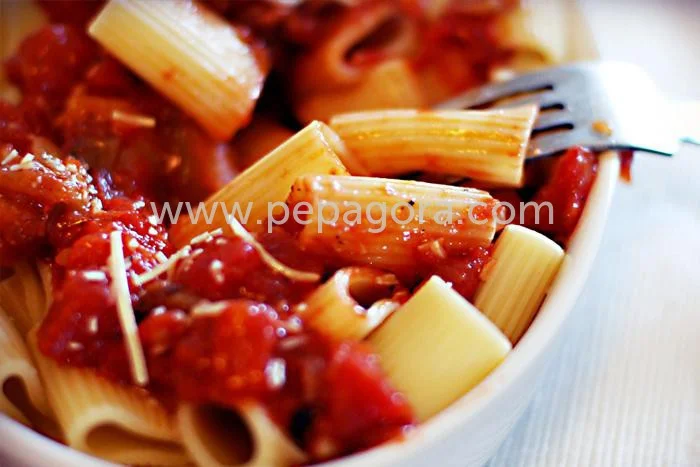
These meals come fully prepared and require minimal heating. They are perfect for consumers looking for convenience without sacrificing taste.
𝗕𝗲𝗻𝗲𝗳𝗶𝘁𝘀 𝗮𝗻𝗱 𝗔𝗱𝘃𝗮𝗻𝘁𝗮𝗴𝗲𝘀
Canned and preserved foods offer numerous benefits for businesses and consumers alike.
1. Long Shelf Life: Extended shelf life reduces waste and allows for bulk purchasing, providing cost savings for businesses.
2. Convenience: Ready-to-use formats save time in meal preparation, catering to busy lifestyles and operational efficiency.
3. Nutritional Value: Many canned foods retain essential nutrients, offering a viable alternative to fresh produce.
4. Versatility: A wide variety of options and flavors allows for diverse meal planning and culinary creativity.
5. Consistency: Canned foods provide uniform taste and quality, which is essential for businesses in the food service industry.
6. Food Safety: The canning process ensures that products are safe to consume, minimizing the risk of spoilage and contamination.
𝗕𝘂𝘆𝗶𝗻𝗴 𝗚𝘂𝗶𝗱𝗲 𝗳𝗼𝗿 𝗕𝟮𝗕 𝗕𝘂𝘆𝗲𝗿𝘀
When sourcing canned and preserved foods, businesses should consider several key factors to ensure a successful purchase.
1. Quality Assessment: Evaluate products based on quality certifications and ingredient transparency. Look for trusted brands with a history of quality control.
2. Supplier Verification: Conduct thorough background checks on suppliers to ensure reliability and compliance with industry standards. This may include reviewing certifications and customer feedback.
3. Pricing and MOQ: Understand the pricing structure and minimum order quantities. This information is crucial for budgeting and inventory planning.
4. Delivery and Lead Times: Confirm delivery schedules and lead times to align with operational needs. Timely deliveries are vital for maintaining stock levels.
5. Compliance Requirements: Ensure that products meet local and international regulatory standards. Compliance with health and safety regulations is essential for consumer trust.
𝗖𝗼𝗺𝗽𝗹𝗶𝗮𝗻𝗰𝗲 𝗮𝗻𝗱 𝗖𝗲𝗿𝘁𝗶𝗳𝗶𝗰𝗮𝘁𝗶𝗼𝗻𝘀
Canned and preserved foods must adhere to various quality standards and certifications to ensure safety and compliance. Key standards include ISO 9001, which focuses on quality management systems, and HACCP, which addresses food safety management. These certifications help companies maintain high production standards and ensure consumer safety.
Additionally, obtaining CE certification demonstrates that products meet European safety requirements, enhancing marketability in regions that demand such compliance. Regular testing for safety and quality is essential, including evaluations for contaminants and spoilage indicators.
Regional compliance considerations also play a significant role in the canned food industry. Different countries may have specific regulations regarding food labeling, ingredient disclosures, and preservation methods, which manufacturers must adhere to in order to successfully market their products.
𝗪𝗵𝘆 𝗦𝗼𝘂𝗿𝗰𝗲 𝗖𝗮𝗻𝗻𝗲𝗱 & 𝗣𝗿𝗲𝘀𝗲𝗿𝘃𝗲𝗱 𝗙𝗼𝗼𝗱𝘀 𝗳𝗿𝗼𝗺 𝗣𝗲𝗽𝗮𝗴𝗼𝗿𝗮?
Pepagora offers a trusted platform for sourcing canned and preserved foods, providing a range of advantages for B2B buyers.
The Verified Supplier Network ensures that businesses can connect with reliable manufacturers that meet quality and safety standards. This network is crucial for mitigating risks associated with sourcing.
The Streamlined RFQ Process simplifies the quotation and procurement stages, allowing buyers to receive and compare offers quickly. This efficiency helps businesses make informed purchasing decisions.
Pepagora also provides Trade Assurance and Support, protecting buyers throughout the transaction process. This feature enhances trust and encourages long-term business relationships.
With extensive Regional Coverage across India, GCC, and Southeast Asia, Pepagora facilitates access to a diverse range of products and suppliers. This geographic reach ensures that businesses can find the right products to meet their specific needs, no matter where they operate.

 IN
IN