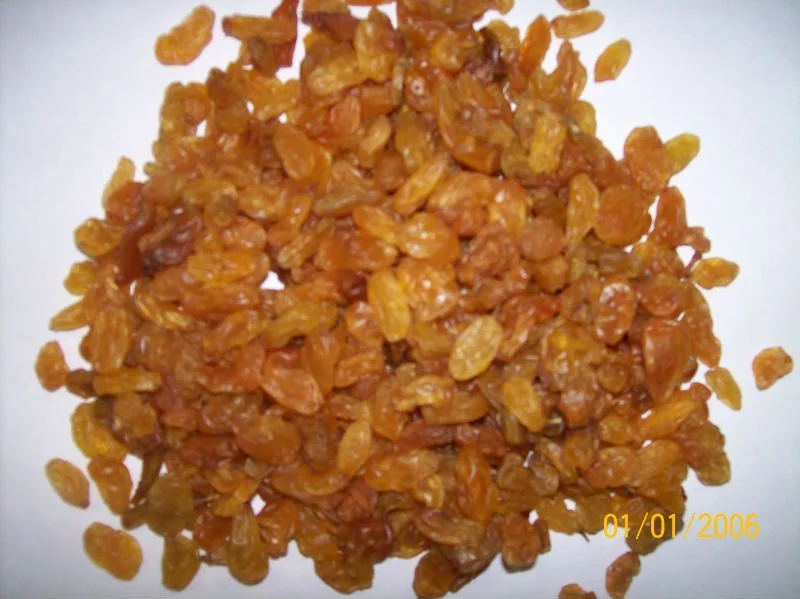
What are Marmalades (Orange, Citrus)?
Marmalades, specifically orange and citrus varieties, are fruit preserves made from the juice and peel of citrus fruits. These spreads are known for their sweet and tangy flavor profile, making them a popular addition to various food products. The process of making marmalade involves boiling the fruit with sugar, resulting in a thick, gel-like consistency that retains the natural citrus aroma and taste.
In the B2B sector, marmalades find extensive use in the food industry, often as a key ingredient in bakery products, sauces, and dressings. They can also serve as toppings for various products ranging from pastries to breakfast items. The versatility of marmalades allows businesses to incorporate them into their offerings, catering to consumer preferences for unique flavors and natural ingredients.
The market for marmalades is growing, driven by increasing consumer interest in artisanal and gourmet food products. As health-conscious consumers seek out natural alternatives, marmalades made with high-quality ingredients are becoming more relevant. Businesses that offer marmalades can capitalize on this trend by providing premium products that meet the demands of diverse market segments.
𝗞𝗲𝘆 𝗙𝗲𝗮𝘁𝘂𝗿𝗲𝘀 𝗮𝗻𝗱 𝗦𝗽𝗲𝗰𝗶𝗳𝗶𝗰𝗮𝘁𝗶𝗼𝗻𝘀
Marmalades (Orange, Citrus) are characterized by several key features that distinguish them in the marketplace. Understanding these specifications is important for businesses looking to source high-quality products.
Key specifications include:
1. Ingredients
- Made primarily from orange and other citrus fruits
- Contains sugar, pectin, and sometimes additional flavorings
2. Storage Conditions
- Best stored in a cool, dry place
- Refrigeration recommended after opening
3. Shelf Life
- Typically ranges from 12 to 24 months when unopened
- May vary based on specific formulations
4. Pack Sizes
- Available in various packaging sizes, commonly ranging from 250 grams to 5 kilograms
- Bulk options may be available for large-scale production
5. Flavor Profile
- Sweet and tangy with a noticeable citrus zest
- Varieties may include additional flavors such as lemon or lime
6. Color and Texture
- Generally bright orange to amber in color
- Smooth to slightly chunky texture depending on fruit content
7. Nutritional Information
- Contains vitamins A and C from citrus fruits
- Typically low in fat and high in sugar
In summary, understanding these key features and specifications helps businesses select the right marmalade products that align with their needs and consumer preferences.
𝗖𝗼𝗺𝗺𝗼𝗻 𝗔𝗽𝗽𝗹𝗶𝗰𝗮𝘁𝗶𝗼𝗻𝘀 𝗮𝗻𝗱 𝗨𝘀𝗲 𝗖𝗮𝘀𝗲𝘀
Marmalades (Orange, Citrus) have a wide range of applications across various industries. Their unique flavor and texture make them suitable for many uses.
1. Bakery Industry: Used as a filling for pastries, tarts, and cakes, providing a flavorful component that enhances the overall product.
2. Food Service: Commonly used in restaurants and cafes as a spread for bread, toast, or served alongside cheese platters.
3. Confectionery: Incorporated into candies and chocolates to add a citrusy flavor twist, appealing to consumers looking for unique treats.
4. Sauces and Dressings: Used as a base for glazes, marinades, and salad dressings, offering a sweet and tangy flavor profile.
5. Beverage Industry: Used in cocktails and mocktails for added flavor, or as a syrup component in refreshing drinks.
6. Retail Packaging: Available in consumer-friendly jars for home use, appealing to health-conscious consumers seeking natural spreads.
7. Catering: Utilized in catering services for breakfast buffets or dessert stations, enhancing the menu offerings.
𝗣𝗿𝗼𝗱𝘂𝗰𝘁 𝗩𝗮𝗿𝗶𝗮𝗻𝘁𝘀 𝗮𝗻𝗱 𝗦𝘂𝗯𝗰𝗮𝘁𝗲𝗴𝗼𝗿𝗶𝗲𝘀
Marmalades (Orange, Citrus) come in various forms to meet diverse consumer tastes and business needs. The different variants allow companies to target specific markets effectively.
Classic Orange Marmalade
This variant is made primarily from Seville oranges, known for their distinct tartness. It features a balance of sweetness and acidity, making it a popular choice for breakfast spreads.
Citrus Mix Marmalade
A blend of different citrus fruits including lemon and grapefruit, this variant offers a complex flavor profile. It is often used in gourmet applications and can serve as a unique topping for desserts.
Organic Orange Marmalade
Made from organically grown oranges and free from artificial additives, this variant appeals to health-conscious consumers. It is often marketed as a premium product for specialty stores.
Low-Sugar Orange Marmalade
This variant contains reduced sugar content, catering to the growing demand for healthier options. It retains the citrus flavor while being suitable for consumers monitoring their sugar intake.
𝗕𝗲𝗻𝗲𝗳𝗶𝘁𝘀 𝗮𝗻𝗱 𝗔𝗱𝘃𝗮𝗻𝘁𝗮𝗴𝗲𝘀
Sourcing Marmalades (Orange, Citrus) offers several benefits that can enhance product offerings and customer satisfaction.
1. Versatility: Marmalades can be used in various applications, from baking to cooking, making them a valuable ingredient for any food business.
2. Natural Flavor: Made from real fruit, marmalades provide an authentic citrus taste that appeals to health-conscious consumers looking for natural ingredients.
3. Extended Shelf Life: With proper storage, marmalades can last a long time, reducing waste and improving inventory management for businesses.
4. Customization: Many suppliers offer the ability to customize flavors or formulations, allowing businesses to create unique products that stand out in the market.
5. Consumer Demand: The increasing popularity of artisanal and gourmet food products makes marmalades an attractive option for businesses looking to meet consumer preferences.
6. Easy Integration: Marmalades can be easily integrated into existing recipes or product lines, making it simple for businesses to enhance their offerings.
𝗕𝘂𝘆𝗶𝗻𝗴 𝗚𝘂𝗶𝗱𝗲 𝗳𝗼𝗿 𝗕𝟮𝗕 𝗕𝘂𝘆𝗲𝗿𝘀
When sourcing Marmalades (Orange, Citrus), it is essential to consider several factors to ensure a successful purchase.
1. Quality Assessment: Evaluate the quality of the marmalade by reviewing ingredient lists and conducting taste tests. Look for products made with real fruit and minimal additives.
2. Supplier Verification: Vet potential suppliers to ensure they meet industry standards and have a good reputation. Check for certifications and customer reviews.
3. Pricing and MOQ: Understand the pricing structure and minimum order quantities required by suppliers. Compare prices to find the best value without compromising on quality.
4. Delivery and Lead Times: Inquire about delivery options and lead times to ensure timely availability of products. Reliable logistics are crucial for maintaining inventory levels.
5. Compliance Requirements: Be aware of any regulatory requirements related to food safety and labeling. Ensure the supplier complies with necessary standards to avoid potential issues.
𝗖𝗼𝗺𝗽𝗹𝗶𝗮𝗻𝗰𝗲 𝗮𝗻𝗱 𝗖𝗲𝗿𝘁𝗶𝗳𝗶𝗰𝗮𝘁𝗶𝗼𝗻𝘀
Marmalades (Orange, Citrus) are subject to various quality standards and certifications that ensure safety and quality. Compliance with these standards is essential for both suppliers and buyers.
Relevant quality standards include ISO 9001, which focuses on maintaining consistent quality management systems. This certification demonstrates a supplier's commitment to quality and customer satisfaction.
HACCP (Hazard Analysis Critical Control Point) is another critical standard that emphasizes food safety through proactive risk management. Suppliers adhering to HACCP guidelines can provide assurance of safe production practices.
CE certification may also apply to certain food products, indicating compliance with European health, safety, and environmental protection standards. This is particularly relevant for businesses exporting products to the European market.
Safety requirements include rigorous testing for contaminants and adherence to regional compliance considerations. Businesses must ensure that their suppliers meet these safety standards to deliver high-quality marmalades to consumers.
Why Source Marmalades (Orange, Citrus) from Pepagora?
Pepagora offers a trusted platform for sourcing Marmalades (Orange, Citrus) with several key advantages that set it apart from competitors.
Verified Supplier Network: Pepagora connects buyers with a network of verified suppliers who meet strict quality and safety standards. This ensures businesses can source high-quality products with confidence.
Streamlined RFQ Process: The request for quotation (RFQ) process on Pepagora is designed to be straightforward and efficient. Buyers can quickly obtain quotes from multiple suppliers, allowing for informed decision-making.
Trade Assurance and Support: Pepagora provides trade assurance, protecting buyers against potential disputes and ensuring timely deliveries. Their dedicated support team is available to assist throughout the sourcing process.
Regional Coverage: With a strong presence in India, the GCC, and Southeast Asia, Pepagora offers extensive regional coverage. This geographic reach allows businesses to tap into local markets and meet diverse consumer needs.

 IN
IN