What are Fruit Jams (Strawberry, Mixed Fruit)?
Fruit jams, specifically Strawberry and Mixed Fruit varieties, are sweet spreads made primarily from fruit, sugar, and pectin. The process involves cooking the fruit with sugar until it reaches a gel-like consistency, which enhances the natural flavors and preserves the fruit. Strawberry jam is known for its vibrant red color and sweet, tangy taste, while mixed fruit jam combines various fruits, offering a diverse flavor profile that appeals to a broader audience.
These jams have multiple applications in the food industry. They are commonly used as toppings for bread, pastries, and desserts, making them popular in bakeries and cafes. Additionally, fruit jams are utilized in food processing for creating fillings in products like cakes and pastries, or as ingredients in sauces and dressings. The versatility of these jams allows businesses to cater to different consumer preferences and enhance their product offerings.
In the current market context, fruit jams are growing in popularity due to increasing consumer demand for natural and organic products. The rise of health-conscious consumers has led to a surge in interest for products that contain real fruit and minimal additives. This trend makes fruit jams relevant for businesses looking to meet evolving consumer needs while capitalizing on the expanding market for fruit-based products.
๐๐ฒ๐ ๐๐ฒ๐ฎ๐๐๐ฟ๐ฒ๐ ๐ฎ๐ป๐ฑ ๐ฆ๐ฝ๐ฒ๐ฐ๐ถ๐ณ๐ถ๐ฐ๐ฎ๐๐ถ๐ผ๐ป๐
Fruit jams come with essential features and specifications that define their quality and usability. When selecting fruit jams, buyers should consider the following specifications to ensure they meet their operational needs.
Key specifications include:
1. Ingredients Quality
- Made from real fruit and natural sweeteners.
- No artificial colors or preservatives.
2. Sugar Content
- Varies typically between 30% to 50% depending on the recipe.
- Allows for customization based on client needs.
3. Pectin Type
- Can be made with natural or synthetic pectin.
- Affects the consistency and setting of the jam.
4. Packaging Options
- Available in jars, tubs, or bulk containers.
- Options for glass or plastic depending on client preference.
5. Shelf Life
- Generally ranges from 1 to 2 years when unopened.
- Requires refrigeration after opening for optimal freshness.
6. Flavor Profiles
- Variety of flavors available, with Strawberry and Mixed Fruit being the most popular.
- Custom flavor options can be requested.
7. Nutritional Information
- Typically low in fat and high in fruit content.
- May include dietary fiber depending on the fruit used.
8. Certifications
- Commonly certified with CE marking.
- Adherence to relevant food safety standards.
In summary, understanding the features and specifications of fruit jams helps businesses choose the right product that aligns with their quality standards and consumer needs.
๐๐ผ๐บ๐บ๐ผ๐ป ๐๐ฝ๐ฝ๐น๐ถ๐ฐ๐ฎ๐๐ถ๐ผ๐ป๐ ๐ฎ๐ป๐ฑ ๐จ๐๐ฒ ๐๐ฎ๐๐ฒ๐
Fruit jams are utilized across various industries, demonstrating their versatility and broad appeal.
1. Food Service Industry: Restaurants and cafes use fruit jams as toppings for breakfast items like pancakes and waffles, enhancing their menu offerings.
2. Bakery Industry: Bakeries incorporate fruit jams into pastries, cakes, and desserts, adding flavor and appealing textures to their baked goods.
3. Food Processing: Manufacturers use fruit jams as fillings in confectionery products such as donuts and fruit bars, capitalizing on the sweet flavor and natural fruit appeal.
4. Retail Sector: Supermarkets and grocery stores stock fruit jams as a staple product, catering to consumer preferences for spreads and condiments.
5. Catering Services: Catering companies use fruit jams in their dessert offerings, providing guests with a taste of natural sweetness in various culinary presentations.
6. Health Food Products: Companies focusing on health-conscious consumers use fruit jams made with organic ingredients to attract a niche market looking for natural options.
7. Export Markets: Businesses looking to export fruit jams can tap into international markets where demand for high-quality fruit preserves is increasing.
๐ฃ๐ฟ๐ผ๐ฑ๐๐ฐ๐ ๐ฉ๐ฎ๐ฟ๐ถ๐ฎ๐ป๐๐ ๐ฎ๐ป๐ฑ ๐ฆ๐๐ฏ๐ฐ๐ฎ๐๐ฒ๐ด๐ผ๐ฟ๐ถ๐ฒ๐
Fruit jams offer a variety of options to suit different tastes and applications.
Strawberry Jam: This variant is made from fresh strawberries, yielding a sweet and tangy flavor that is perfect for breakfast spreads and dessert fillings. It is popular among consumers looking for a classic jam experience.
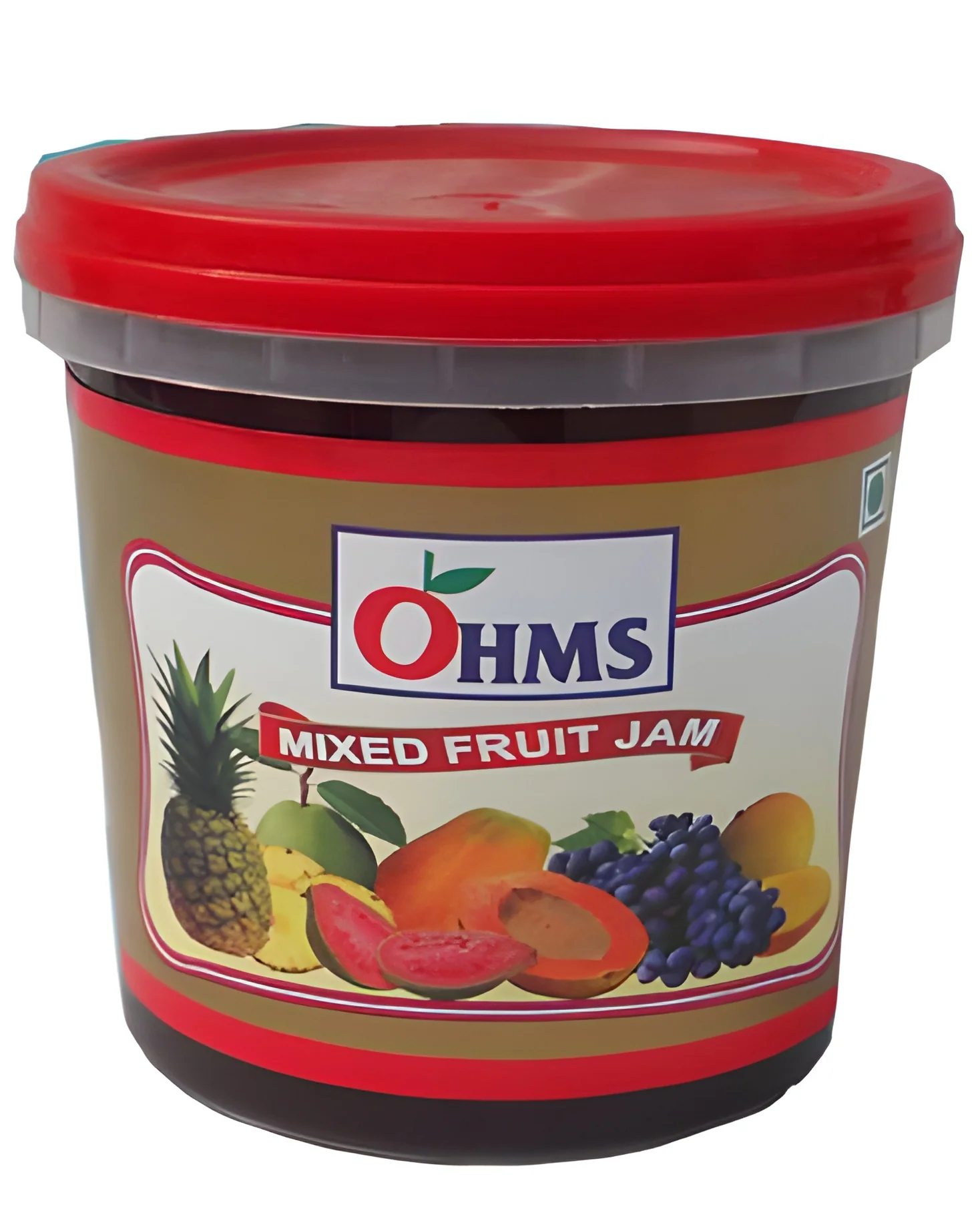
Mixed Fruit Jam: This variant combines multiple fruits, such as apples, peaches, and berries, creating a complex flavor profile. It is ideal for those who enjoy diverse tastes and can be used in various culinary applications.
๐๐ฒ๐ป๐ฒ๐ณ๐ถ๐๐ ๐ฎ๐ป๐ฑ ๐๐ฑ๐๐ฎ๐ป๐๐ฎ๐ด๐ฒ๐
Fruit jams provide several benefits that make them an attractive option for businesses.
1. Versatile Usage: Fruit jams can be used across diverse applications, from breakfast items to dessert fillings, making them a multifunctional product.
2. Natural Ingredients: Many fruit jams are made from real fruits and natural sweeteners, appealing to health-conscious consumers seeking authentic flavors.
3. Shelf Stability: With a long shelf life, fruit jams can be stored for extended periods without compromising quality, offering convenience for businesses.
4. Flavor Variety: The availability of different flavors allows businesses to cater to various consumer preferences and enhance their product offerings.
5. Customization Options: Many suppliers offer customization in recipes and packaging, enabling businesses to create unique products that stand out in the market.
6. Easy Integration: Fruit jams can be easily integrated into existing recipes and menus, allowing businesses to enhance their culinary creations without significant changes.
๐๐๐๐ถ๐ป๐ด ๐๐๐ถ๐ฑ๐ฒ ๐ณ๐ผ๐ฟ ๐๐ฎ๐ ๐๐๐๐ฒ๐ฟ๐
When sourcing Fruit Jams (Strawberry, Mixed Fruit), consider the following factors to ensure a successful purchase.
1. Quality Assessment: Evaluate the quality of ingredients and ensure that the jams meet your business standards. Look for certifications and quality testing reports.
2. Supplier Verification: Research potential suppliers to confirm their credibility and track record. Check reviews and ratings from other businesses.
3. Pricing and MOQ: Understand the pricing structure and minimum order quantities. Compare quotes from different suppliers to find the best value.
4. Delivery and Lead Times: Inquire about delivery schedules and lead times to ensure timely availability of products for your operations.
5. Compliance Requirements: Ensure that the products meet local and international food safety regulations, including labeling and ingredient disclosures.
๐๐ผ๐บ๐ฝ๐น๐ถ๐ฎ๐ป๐ฐ๐ฒ ๐ฎ๐ป๐ฑ ๐๐ฒ๐ฟ๐๐ถ๐ณ๐ถ๐ฐ๐ฎ๐๐ถ๐ผ๐ป๐
Fruit jams are subject to various quality standards and certifications that ensure their safety and quality for consumers.
ISO 9001 is a quality management standard that ensures consistent quality in production processes. Compliance with this standard indicates that the manufacturer follows best practices in quality control.
HACCP (Hazard Analysis Critical Control Point) is a systematic approach to food safety that focuses on identifying and controlling potential hazards during production. Adherence to HACCP principles helps ensure that fruit jams are safe for consumption.
GDP (Good Distribution Practice) ensures that products are consistently stored, transported, and handled in a manner that maintains their quality and safety. Manufacturers should adhere to GDP guidelines to prevent degradation during logistics.
CE certification indicates that the product meets European health, safety, and environmental protection standards. This certification is crucial for businesses looking to enter the European market.
Businesses should also consider regional compliance requirements, as different areas may have specific regulations governing the production and sale of food products.
Why Source Fruit Jams (Strawberry, Mixed Fruit) from Pepagora?
Pepagora provides a trusted platform for sourcing Fruit Jams (Strawberry, Mixed Fruit) with several key advantages that cater to B2B buyers.
Verified Supplier Network: Pepagora connects buyers with a network of verified suppliers, ensuring that businesses can source high-quality products with confidence. Rigorous vetting processes help guarantee the reliability of suppliers.
Streamlined RFQ Process: The platform simplifies the request for quotation process, allowing businesses to easily compare prices and specifications from multiple suppliers. This efficiency saves time and helps buyers make informed purchasing decisions.
Trade Assurance and Support: Pepagora offers trade assurance, providing buyers with added protection during transactions. The platform also offers customer support to assist with any inquiries or issues that may arise.
Regional Coverage: With a broad geographic reach, including India, GCC, and Southeast Asia, Pepagora enables businesses to access a diverse range of suppliers and products, facilitating international trade opportunities.