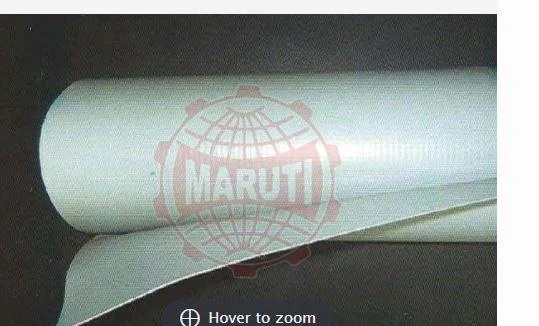
𝗪𝗵𝗮𝘁 𝗮𝗿𝗲 𝗚𝗲𝗼𝘁𝗲𝘅𝘁𝗶𝗹𝗲 𝗟𝗮𝘆𝗲𝗿𝘀?
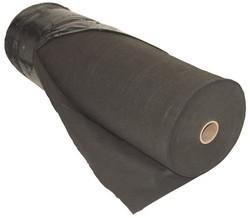
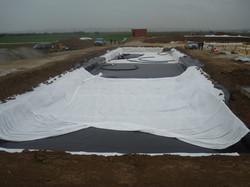
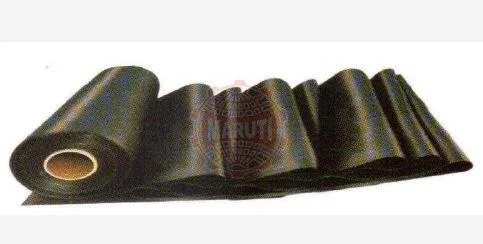
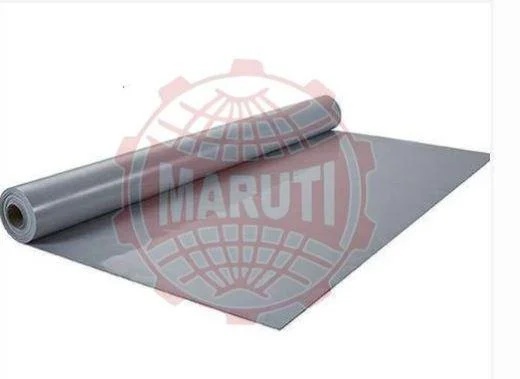
Geotextile layers are permeable fabrics used in civil engineering and construction projects to enhance soil stability and drainage. These layers serve to separate, filter, reinforce, protect, or drain soil. Made from synthetic polymer materials, geotextiles are designed to withstand various environmental conditions and mechanical stresses. They play a crucial role in ensuring the longevity and effectiveness of infrastructure projects.
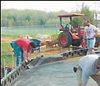
The primary applications of geotextile layers include road construction, erosion control, drainage systems, and landfill projects. In road construction, they provide separation between subgrade and aggregate layers, improving load distribution. In drainage applications, they facilitate the movement of water while preventing soil migration. Their versatility makes them essential in various sectors including agriculture, transportation, and environmental management.
In the current market, the demand for geotextile layers is increasing due to the growing awareness of sustainable practices in construction. As more industries focus on optimizing land use and reducing environmental impact, geotextiles are becoming vital components in modern engineering solutions.
𝗞𝗲𝘆 𝗙𝗲𝗮𝘁𝘂𝗿𝗲𝘀 𝗮𝗻𝗱 𝗦𝗽𝗲𝗰𝗶𝗳𝗶𝗰𝗮𝘁𝗶𝗼𝗻𝘀
Geotextile layers offer a range of features and specifications that make them suitable for diverse applications. Understanding these specifications is key to selecting the right product for your specific needs.
Key specifications include:
1. Material Type
- Typically made from polypropylene or polyethylene
- Available in woven and non-woven formats
2. Fabric Weight
- Ranges from 100 to 800 grams per square meter
- Heavier fabrics provide more durability and strength
3. Permeability
- Varies based on material and construction
- Ensures effective drainage while preventing soil loss
4. Tensile Strength
- Measured in kilonewtons per meter (kN/m)
- Important for applications requiring reinforcement
5. Elongation at Break
- Indicates fabric flexibility
- Ranges from 10% to 20%
6. UV Resistance
- Essential for outdoor applications
- Typically rated for exposure up to 5000 hours
7. Chemical Resistance
- Important for applications in contaminated sites
- Ensures longevity in various environmental conditions
8. Compliance with Standards
- Products may comply with various quality standards such as CE certifications
In summary, the specifications of geotextile layers are designed to meet the requirements of various construction and environmental applications. Choosing the right specification ensures optimal performance and durability.
𝗖𝗼𝗺𝗺𝗼𝗻 𝗔𝗽𝗽𝗹𝗶𝗰𝗮𝘁𝗶𝗼𝗻𝘀 𝗮𝗻𝗱 𝗨𝘀𝗲 𝗖𝗮𝘀𝗲𝘀
Geotextile layers find extensive use across multiple industries, each leveraging their unique properties for effective solutions.
1. Civil Engineering: Geotextiles are used in road construction to provide separation between different soil layers, enhancing stability and extending the lifespan of roads.
2. Environmental Management: In landfill projects, geotextiles prevent soil contamination and control leachate movement, thereby protecting groundwater resources.
3. Agriculture: They are applied in agricultural fields to improve drainage, promote soil aeration, and prevent erosion in crops.
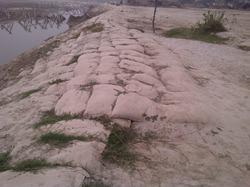
4. Coastal Protection: Geotextiles serve to stabilize sandy beaches and prevent coastal erosion, safeguarding marine ecosystems.
5. Mining: In mining operations, geotextiles are used for tailings management and erosion control, minimizing environmental impact.
6. Retaining Structures: They provide reinforcement in retaining walls and other structures, ensuring stability under varying load conditions.
7. Sports Fields: Geotextiles improve drainage and soil quality in sports fields, ensuring optimal playing conditions.
𝗣𝗿𝗼𝗱𝘂𝗰𝘁 𝗩𝗮𝗿𝗶𝗮𝗻𝘁𝘀 𝗮𝗻𝗱 𝗦𝘂𝗯𝗰𝗮𝘁𝗲𝗴𝗼𝗿𝗶𝗲𝘀
Geotextile layers come in various forms, each tailored for specific applications and environmental conditions.
Non-Woven Geotextiles
These are made from randomly oriented fibers, providing excellent drainage and filtration properties. They are ideal for applications such as erosion control and drainage systems.
Woven Geotextiles
Constructed from interlaced fibers, woven geotextiles offer superior tensile strength and are primarily used in applications requiring high load-bearing capacity, such as road construction and reinforcement.
Geocomposite Geotextiles
This variant combines geotextiles with other geosynthetic materials, enhancing performance in drainage and filtration applications. They are widely used in landfill and environmental projects.
𝗕𝗲𝗻𝗲𝗳𝗶𝘁𝘀 𝗮𝗻𝗱 𝗔𝗱𝘃𝗮𝗻𝘁𝗮𝗴𝗲𝘀
Geotextile layers provide numerous benefits that make them an essential choice for various applications.
1. Soil Stability: They enhance soil stability by providing separation and support, reducing the risk of soil erosion and failure.
2. Effective Drainage: Geotextiles facilitate drainage while preventing soil migration, ensuring optimal water management in construction projects.
3. Cost-Effectiveness: Their use can reduce material costs and labor, leading to overall savings in project budgets.
4. Environmental Protection: Geotextiles help in controlling erosion and managing contaminated sites, contributing to environmental sustainability.
5. Versatility: They can be adapted for a wide range of applications, making them suitable for diverse industries.
6. Long Lifespan: Made from durable synthetic materials, geotextiles offer long service life and reliability in harsh conditions.
𝗕𝘂𝘆𝗶𝗻𝗴 𝗚𝘂𝗶𝗱𝗲 𝗳𝗼𝗿 𝗕𝟮𝗕 𝗕𝘂𝘆𝗲𝗿𝘀
When sourcing geotextile layers, it is essential to consider a variety of factors to ensure the right choice for your needs.
1. Quality Assessment: Evaluate the quality of geotextiles based on material composition, tensile strength, and compliance with industry standards. High-quality materials will provide better performance and longevity.
2. Supplier Verification: Vet suppliers carefully to ensure they offer reliable and certified products. Look for reviews, certifications, and a proven track record in the industry.
3. Pricing and MOQ: Understand the pricing structure and minimum order quantities (MOQ) from suppliers. Compare prices to ensure you get the best value for your investment.
4. Delivery and Lead Times: Discuss delivery options and lead times with potential suppliers to ensure timely project execution. Delays can impact overall project timelines.
5. Compliance Requirements: Ensure that the geotextile layers meet relevant compliance and certification standards to avoid regulatory issues during installation and use.
𝗖𝗼𝗺𝗽𝗹𝗶𝗮𝗻𝗰𝗲 𝗮𝗻𝗱 𝗖𝗲𝗿𝘁𝗶𝗳𝗶𝗰𝗮𝘁𝗶𝗼𝗻𝘀
Geotextile layers must adhere to various quality standards to ensure reliability and performance. Common standards include ISO 9001 for quality management systems, ensuring consistent product quality.
Additionally, geotextiles may carry the CE marking, indicating compliance with European safety and environmental standards.
Safety and testing requirements are critical, especially for applications in sensitive environments like landfills or contaminated sites.
Regional compliance considerations may vary, so it is essential to be aware of local regulations governing the use of geotextiles in construction and environmental projects.
𝗪𝗵𝘆 𝗦𝗼𝘂𝗿𝗰𝗲 𝗚𝗲𝗼𝘁𝗲𝘅𝘁𝗶𝗹𝗲 𝗟𝗮𝘆𝗲𝗿𝘀 𝗳𝗿𝗼𝗺 𝗣𝗲𝗽𝗮𝗴𝗼𝗿𝗮?
Pepagora provides a trusted platform for sourcing geotextile layers with several key advantages.
Verified Supplier Network: Pepagora connects buyers with a network of verified suppliers, ensuring that all products meet high-quality standards and compliance requirements. This reduces the risk associated with sourcing materials.
Streamlined RFQ Process: The platform features a streamlined Request for Quotation (RFQ) process, allowing buyers to quickly and efficiently obtain quotes from multiple suppliers. This simplifies the procurement process and saves valuable time.
Trade Assurance and Support: Pepagora offers trade assurance programs and buyer protection, providing peace of mind during transactions. This ensures that buyers receive what they expect and that disputes can be resolved effectively.
Regional Coverage: With a strong presence in India, the GCC, and Southeast Asia, Pepagora is positioned to meet the needs of businesses across diverse regions. This geographic reach allows for local support and quick response times to customer inquiries.

 IN
IN
 India
India