𝗪𝗵𝗮𝘁 𝗮𝗿𝗲 𝗪𝗮𝘁𝗲𝗿𝗽𝗿𝗼𝗼𝗳𝗶𝗻𝗴 𝗠𝗮𝘁𝗲𝗿𝗶𝗮𝗹𝘀?
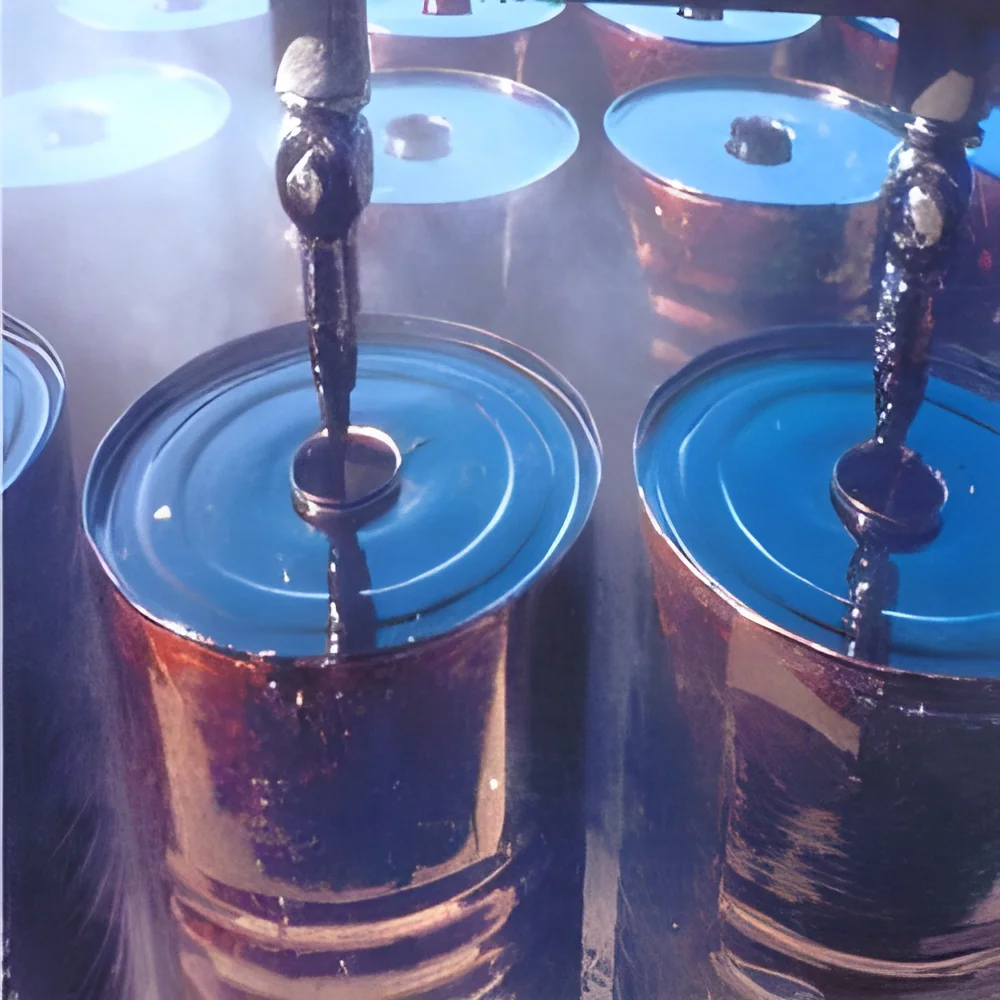
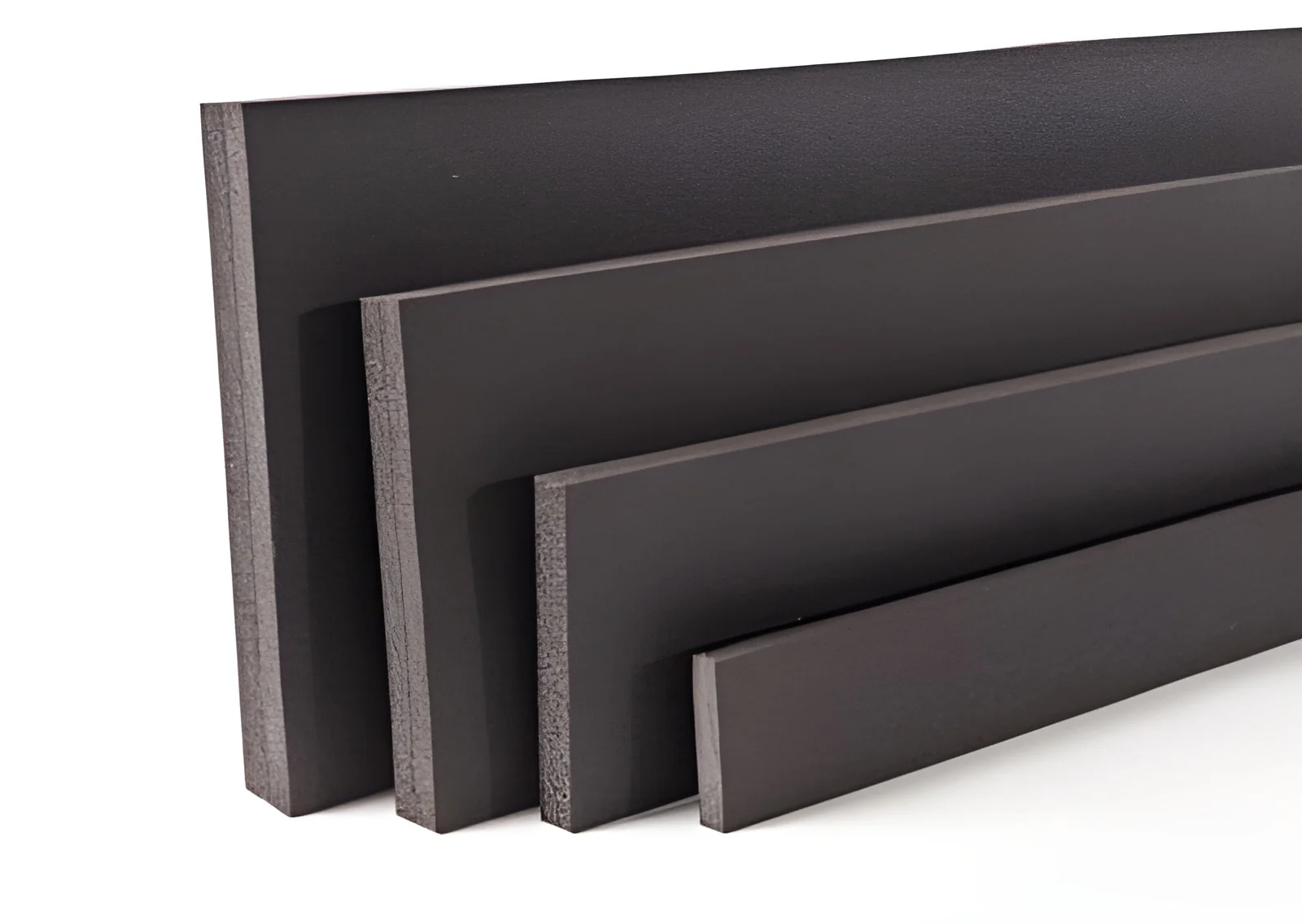
Waterproofing materials are specialized products designed to prevent water from infiltrating structures and surfaces. These materials can take various forms, including membranes, coatings, and sealants, each engineered to provide effective barriers against moisture. They are essential in protecting buildings, infrastructure, and other assets from water damage, which can lead to costly repairs and structural deterioration.
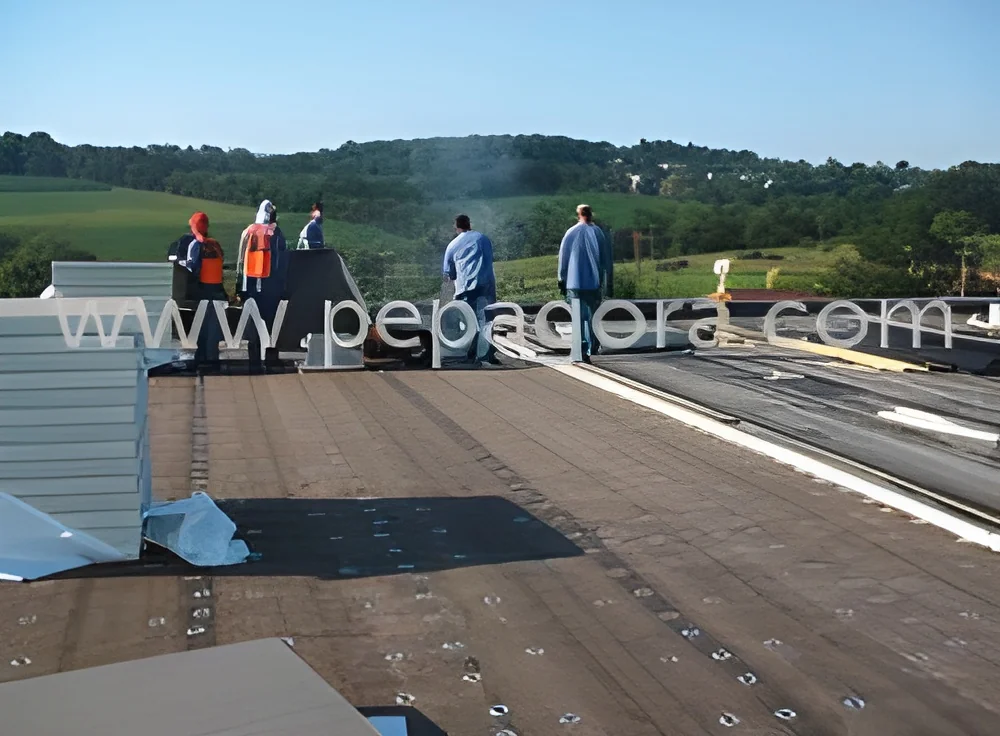
The primary uses of waterproofing materials include applications in construction, roofing, basements, and infrastructure projects such as bridges and tunnels. Businesses often employ these materials to enhance durability and ensure long-term performance in environments exposed to water, humidity, or dampness. The relevance of waterproofing materials is significant across various industries, including construction, manufacturing, and maintenance. As the demand for resilient and sustainable building solutions increases, waterproofing materials play a crucial role in meeting industry standards and customer expectations.
𝗞𝗲𝘆 𝗙𝗲𝗮𝘁𝘂𝗿𝗲𝘀 𝗮𝗻𝗱 𝗦𝗽𝗲𝗰𝗶𝗳𝗶𝗰𝗮𝘁𝗶𝗼𝗻𝘀
Waterproofing materials come with a range of features and specifications designed to meet specific application needs. Understanding these specifications is imperative for businesses looking to invest in effective solutions.
Key specifications include:
1. Material Type
- Common types include liquid applied membranes, sheet membranes, and cementitious coatings.
- Each type offers different advantages depending on the application.
2. Application Method
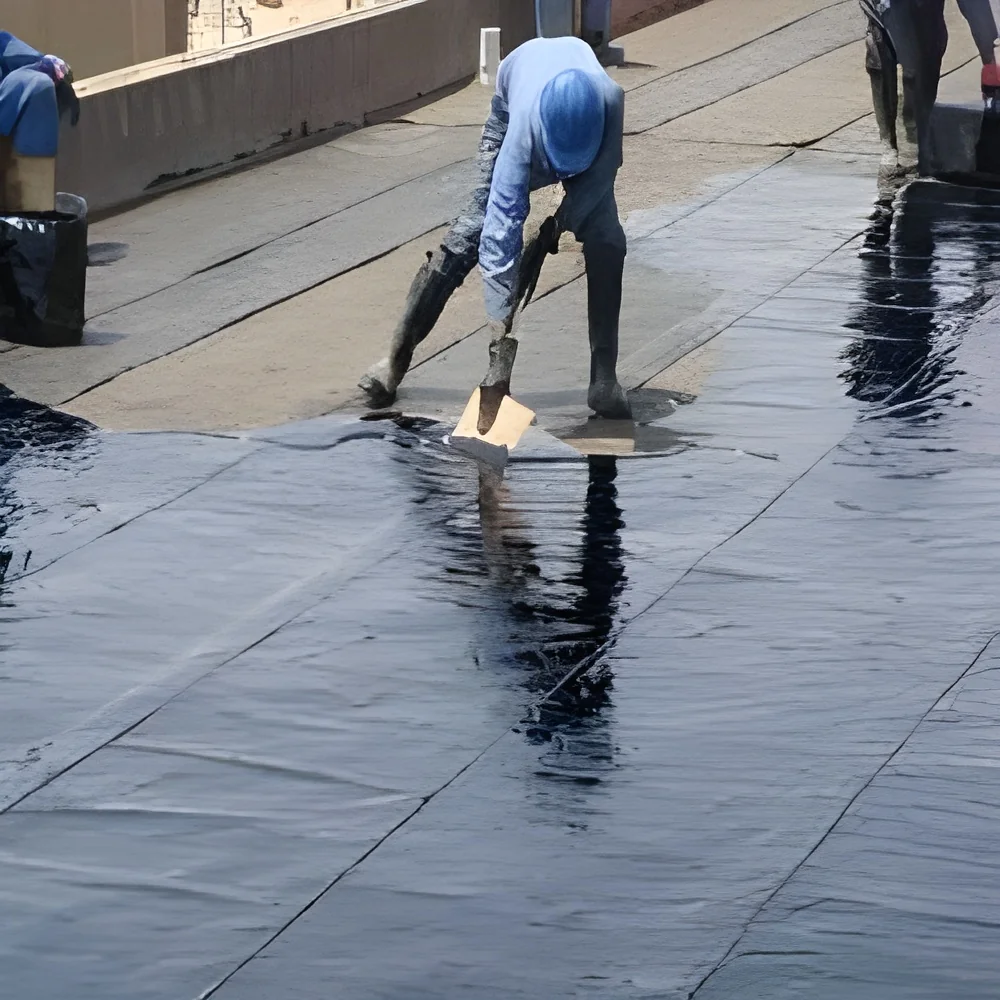
- Application can be conducted through spraying, rolling, or troweling.
- The method chosen affects the coverage and performance of the material.
3. Curing Time
- Varies by product, with some materials curing in a few hours while others may take several days.
- Proper curing is essential for optimal performance.
4. Temperature Resistance
- Specifications often indicate temperature ranges for application and performance.
- This ensures the material remains effective in varied climates.
5. Adhesion Strength
- High adhesion strength is crucial for longevity.
- This specification indicates how well the material bonds to surfaces.
6. Flexibility
- The ability to withstand movement and stress without cracking.
- Important for areas prone to structural shifts.
7. UV Resistance
- Some waterproofing materials offer protection against UV radiation.
- This feature enhances durability when exposed to sunlight.
8. Environmental Impact
- Many products now focus on eco-friendliness and low VOC content.
- This consideration is significant given regulatory trends.
In summary, the selection of waterproofing materials should align with the specific needs of the project, ensuring that the chosen product features meet the demands of the application.
𝗖𝗼𝗺𝗺𝗼𝗻 𝗔𝗽𝗽𝗹𝗶𝗰𝗮𝘁𝗶𝗼𝗻𝘀 𝗮𝗻𝗱 𝗨𝘀𝗲 𝗖𝗮𝘀𝗲𝘀
Waterproofing materials are utilized across various industries to address specific challenges related to water exposure.
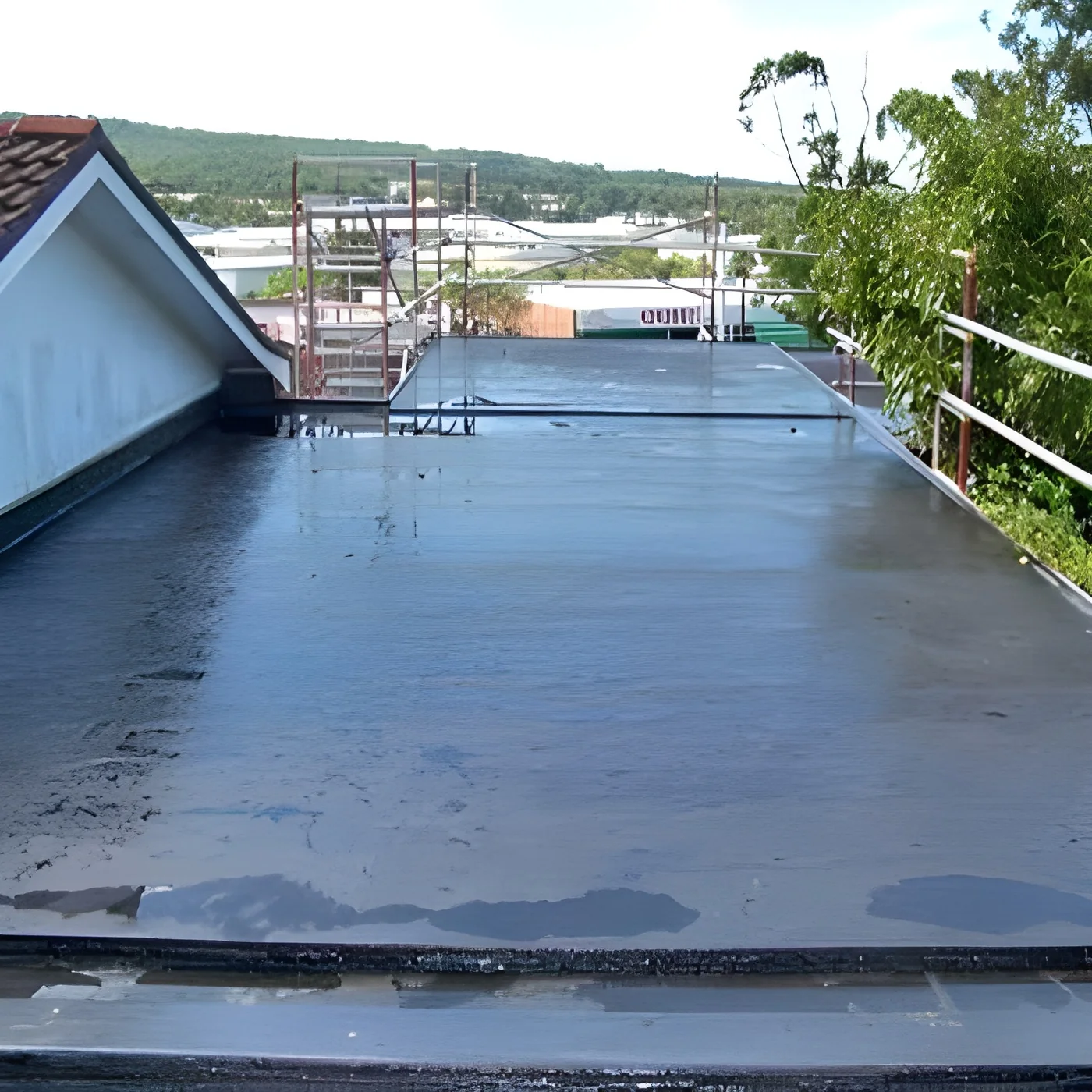
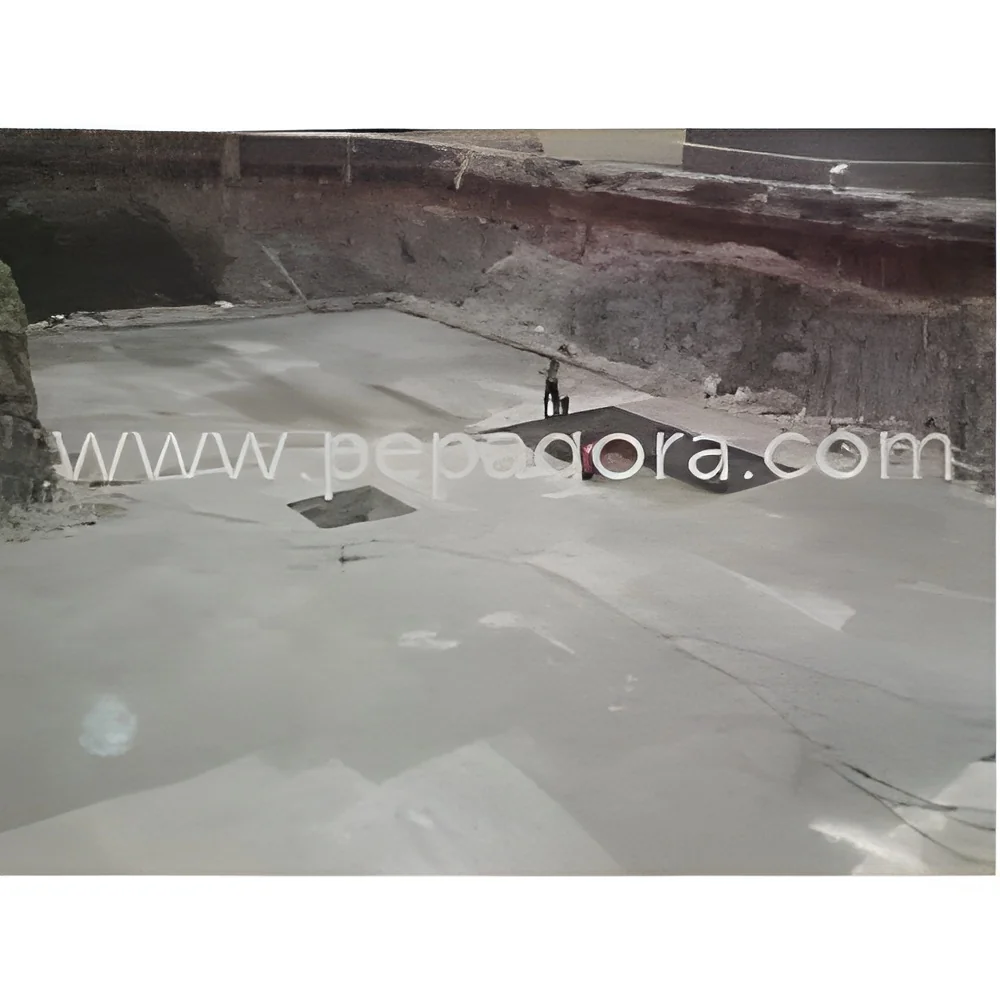
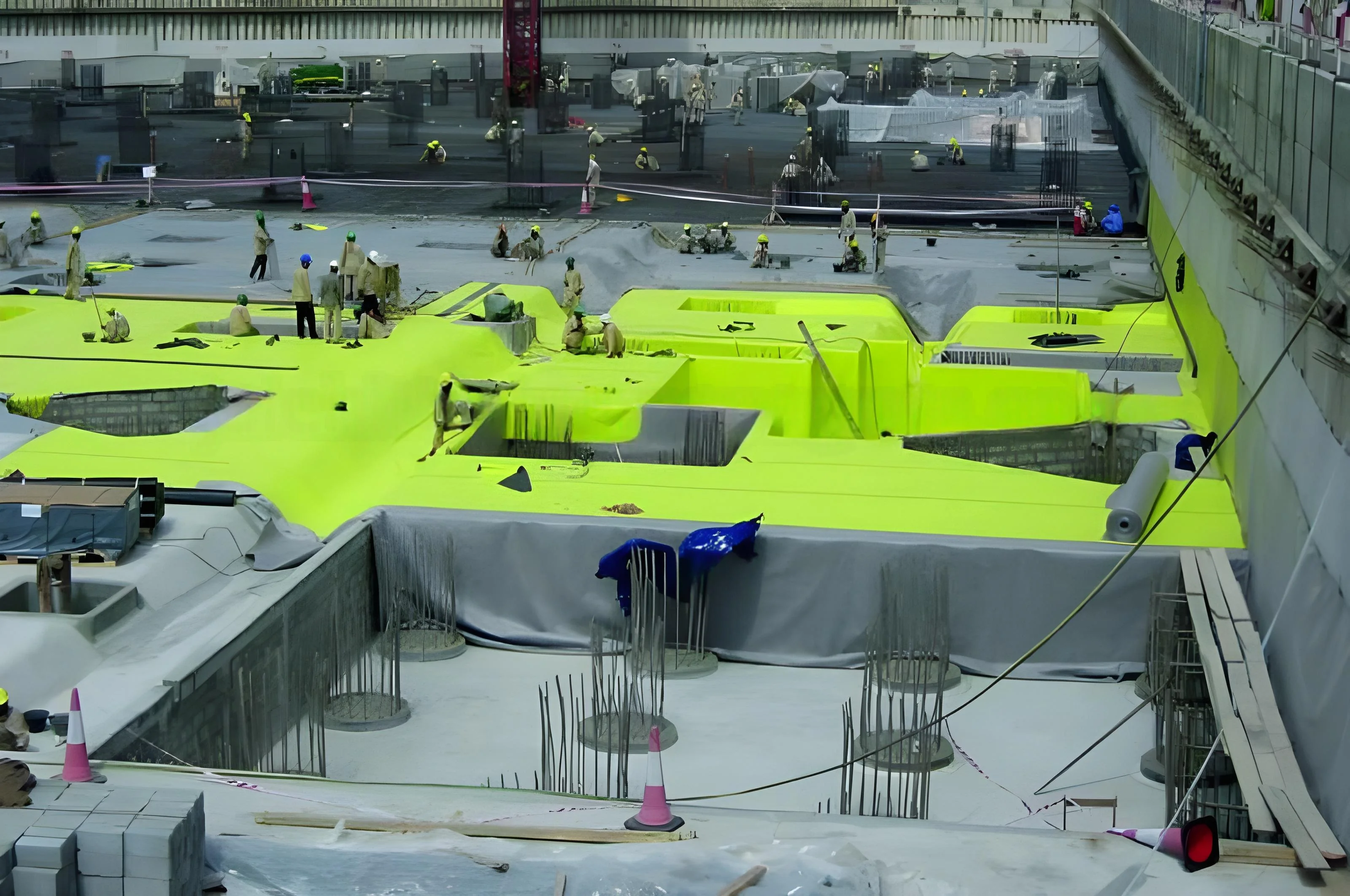
1. Construction: In construction, waterproofing materials are essential for foundations, roof installations, and retaining walls to prevent water ingress.
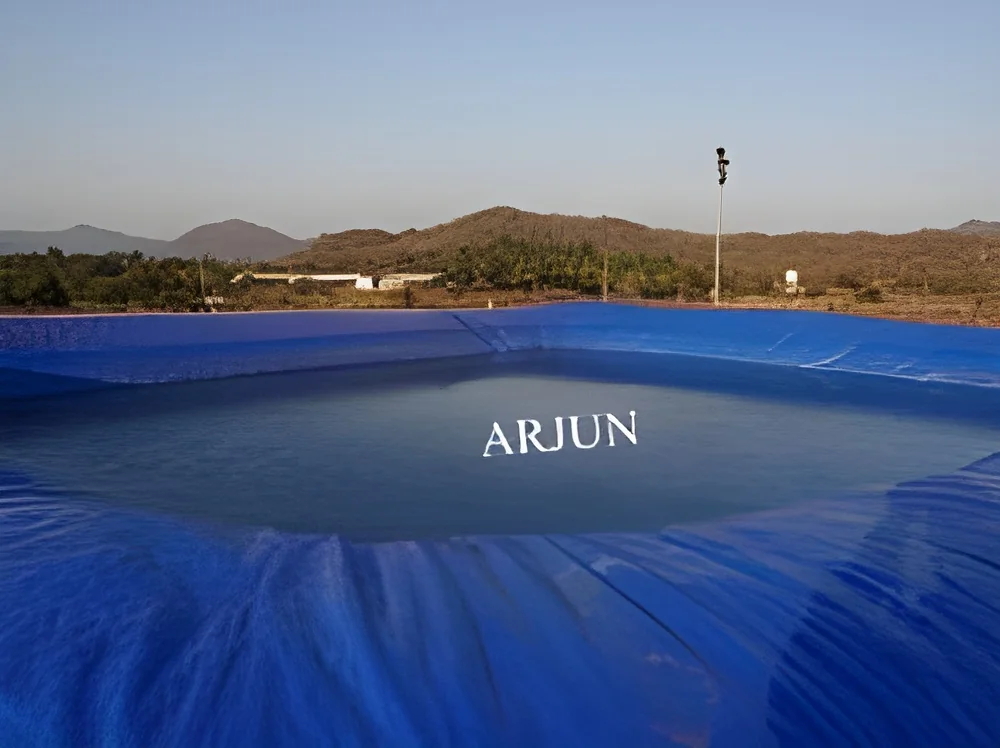
2. Agriculture: Farmers use waterproofing solutions for irrigation systems and agricultural buildings to protect against water damage and ensure operational efficiency.
3. Automotive: In automotive manufacturing, waterproof coatings protect vehicles from moisture, enhancing durability and longevity.
4. Marine: The marine industry uses waterproofing materials to safeguard boats and ships from water damage and corrosion.
5. Infrastructure: Bridges and tunnels benefit from waterproofing solutions to protect structural integrity against water exposure over time.
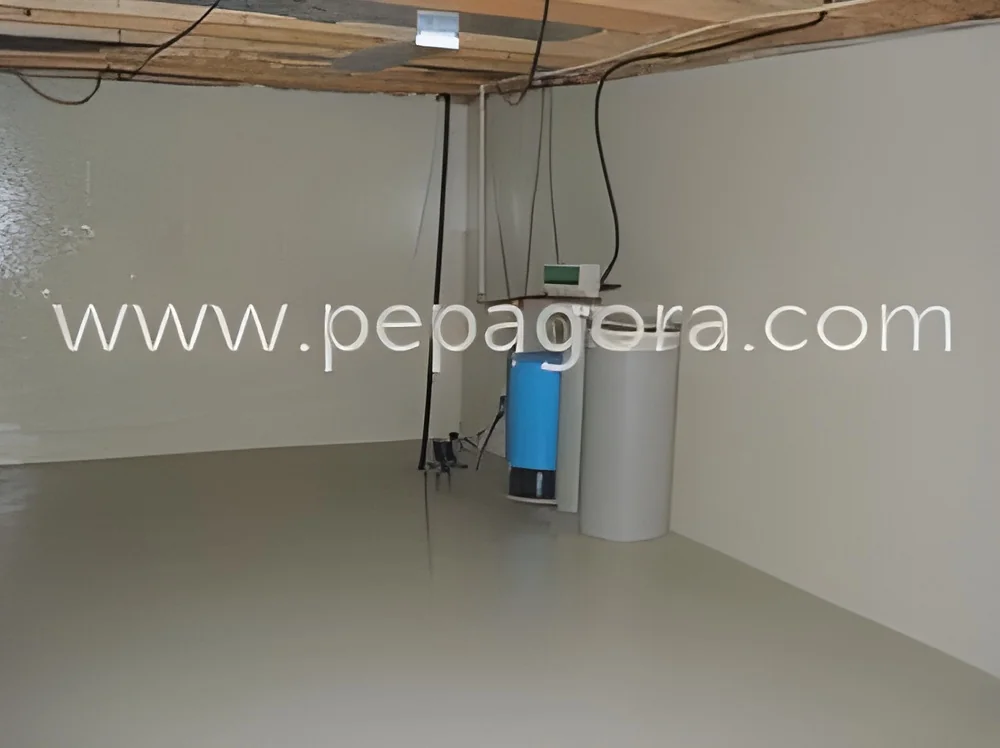
6. Residential: Homeowners employ waterproofing products in basements and crawl spaces to prevent mold and structural damage.
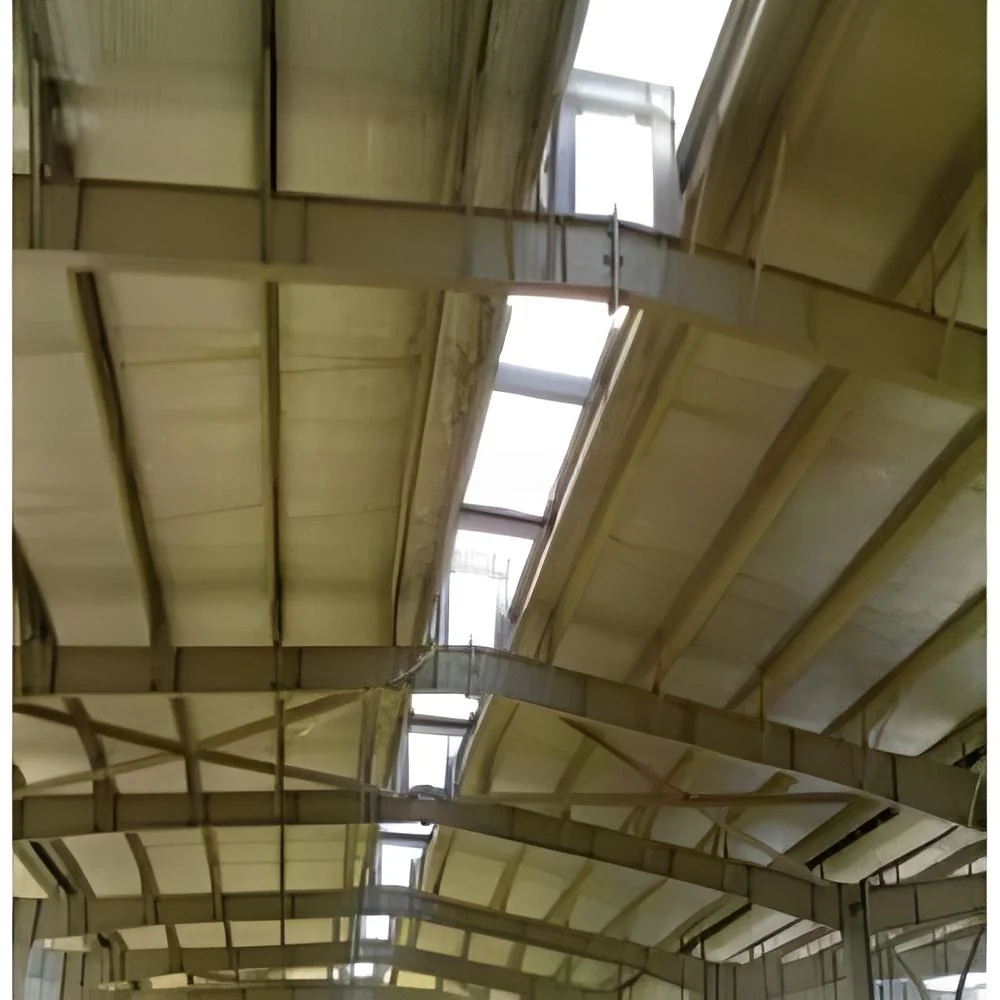
7. Industrial: Factories and warehouses utilize waterproofing materials to protect equipment and inventory from moisture-related issues.
𝗣𝗿𝗼𝗱𝘂𝗰𝘁 𝗩𝗮𝗿𝗶𝗮𝗻𝘁𝘀 𝗮𝗻𝗱 𝗦𝘂𝗯𝗰𝗮𝘁𝗲𝗴𝗼𝗿𝗶𝗲𝘀
Waterproofing materials come in various types tailored to different applications, allowing businesses to select the most suitable products for their needs.
Liquid Applied Membranes: These products are applied as a liquid and cure to form a seamless membrane. They are ideal for complex shapes and provide excellent adhesion.
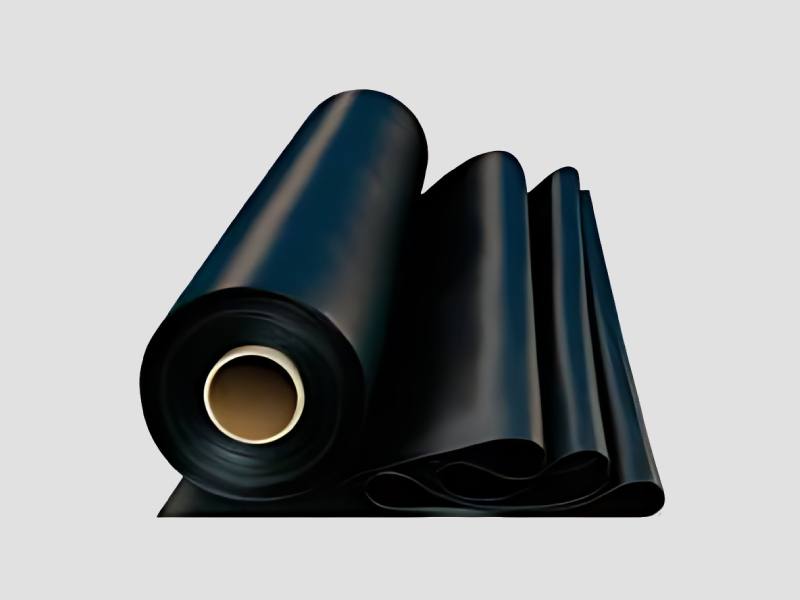
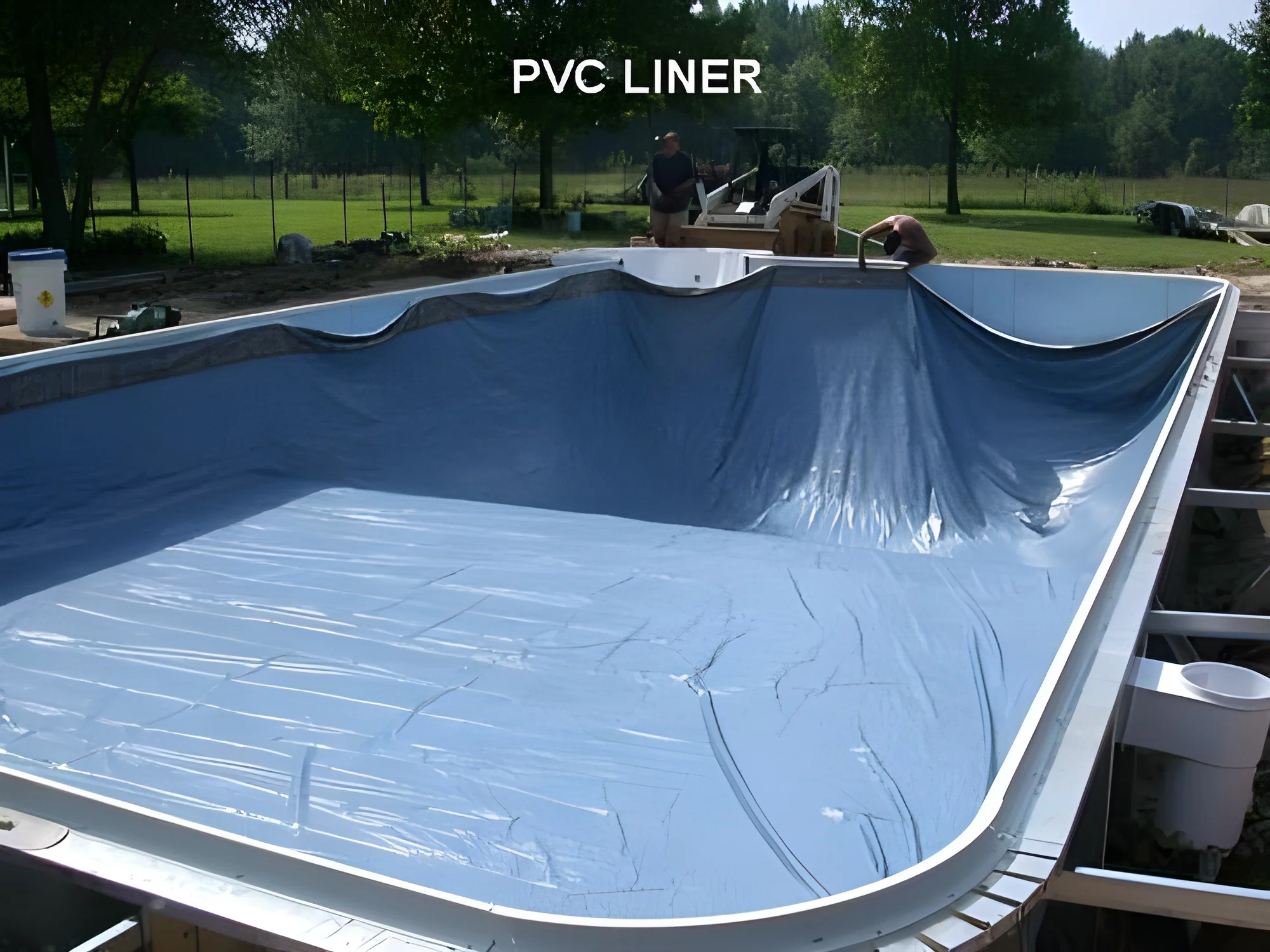
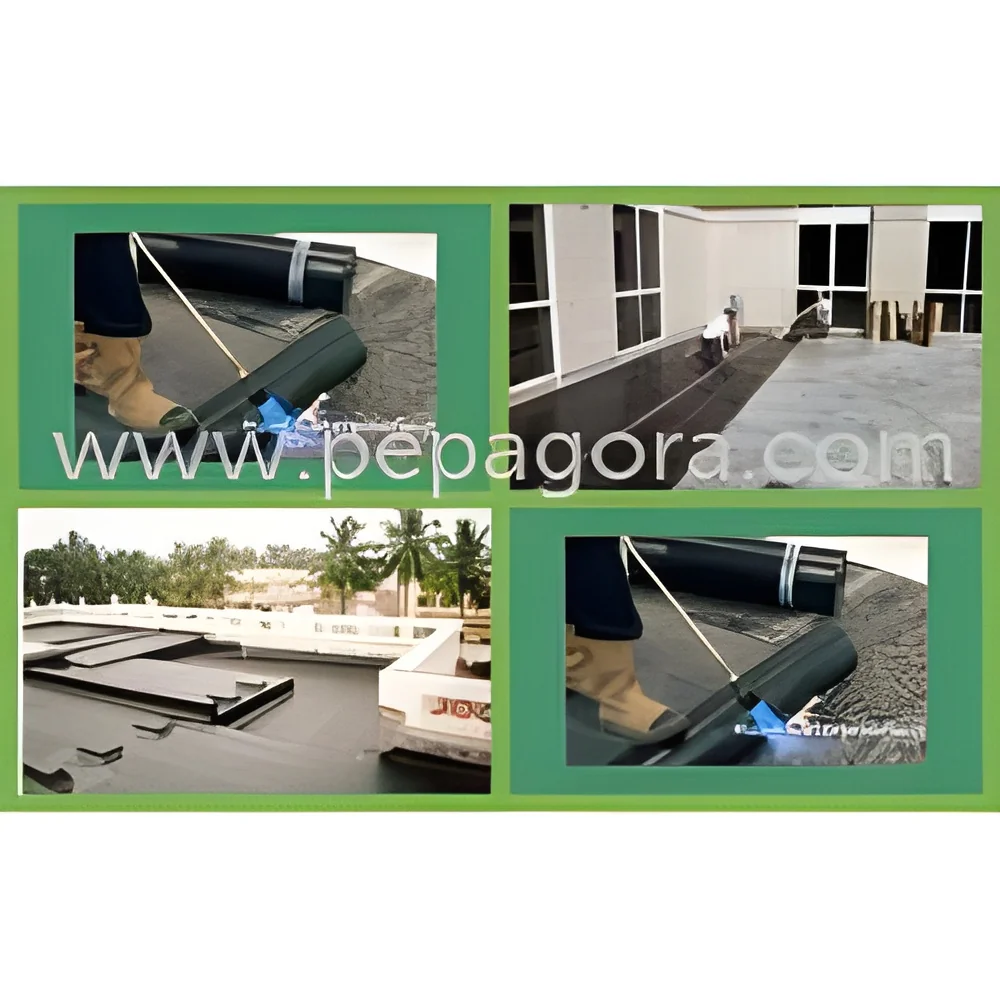
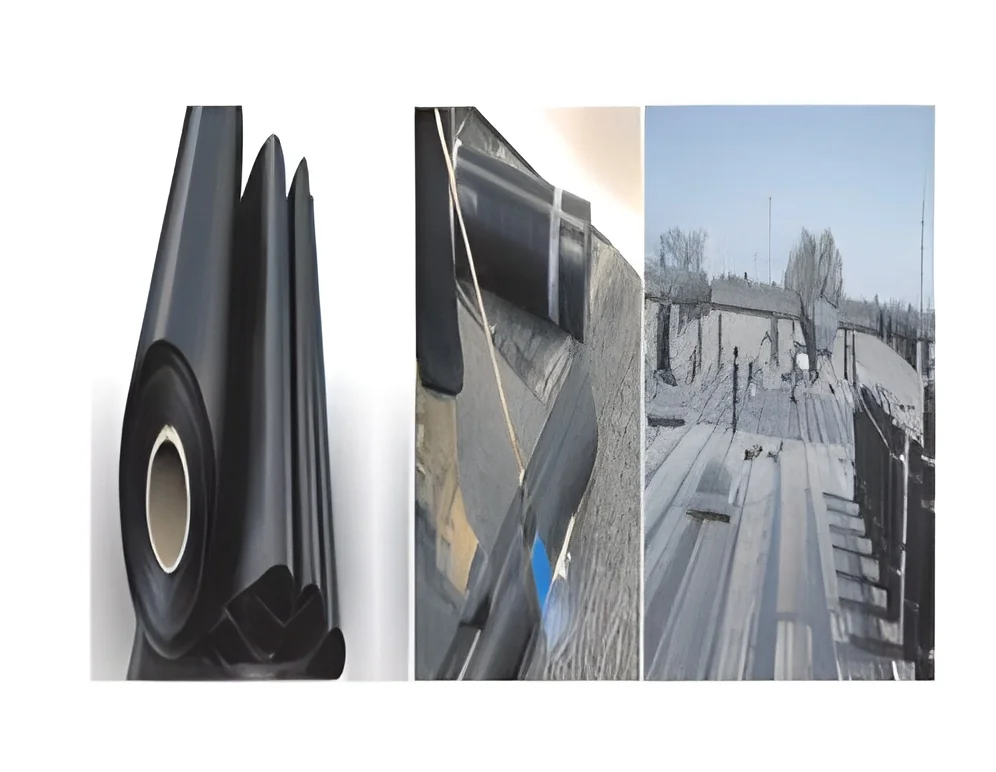
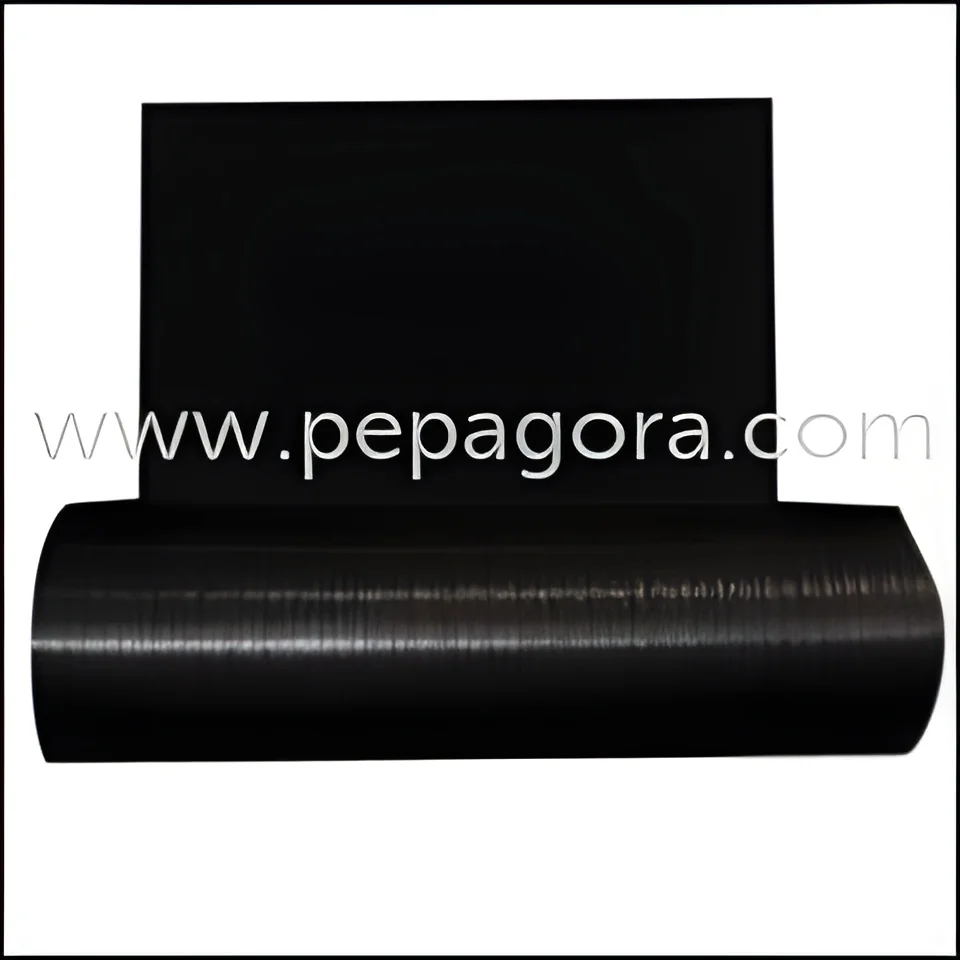
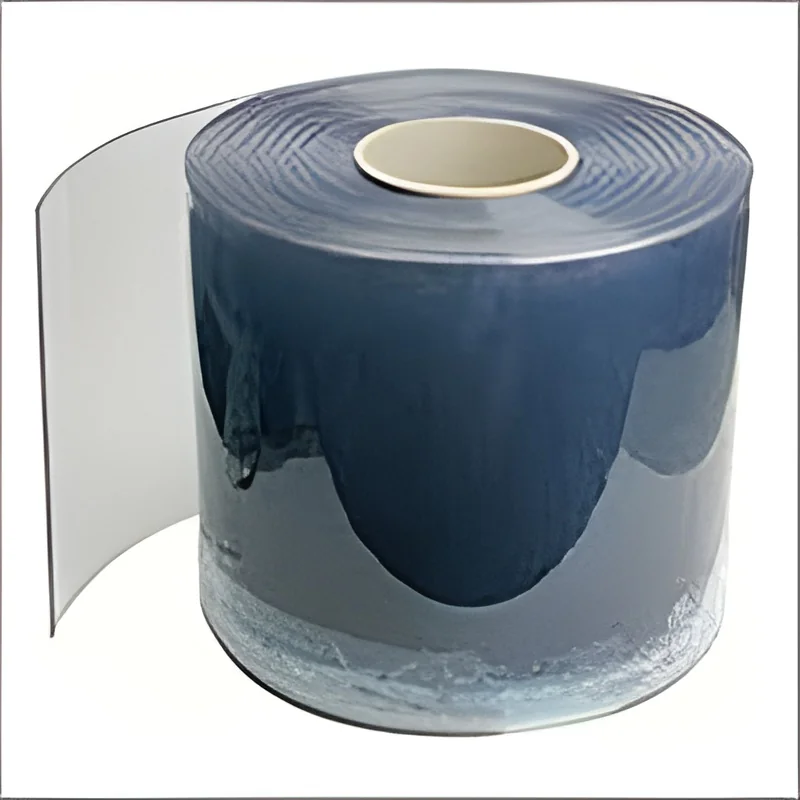
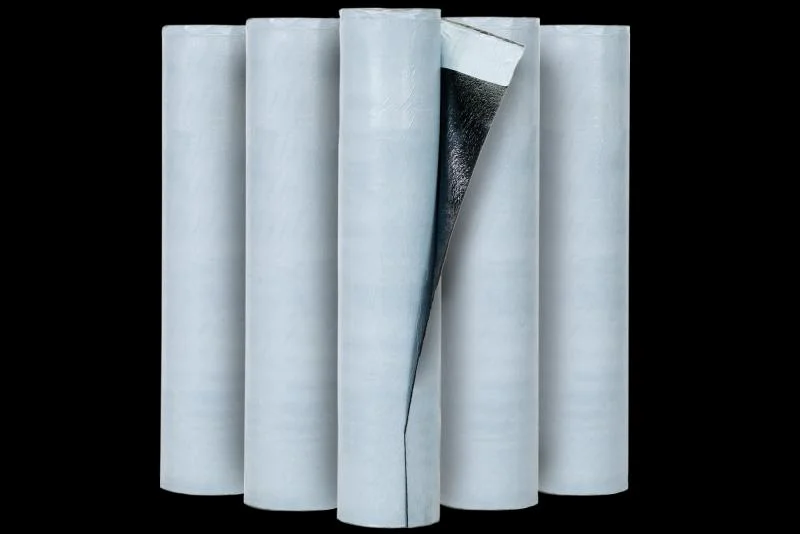
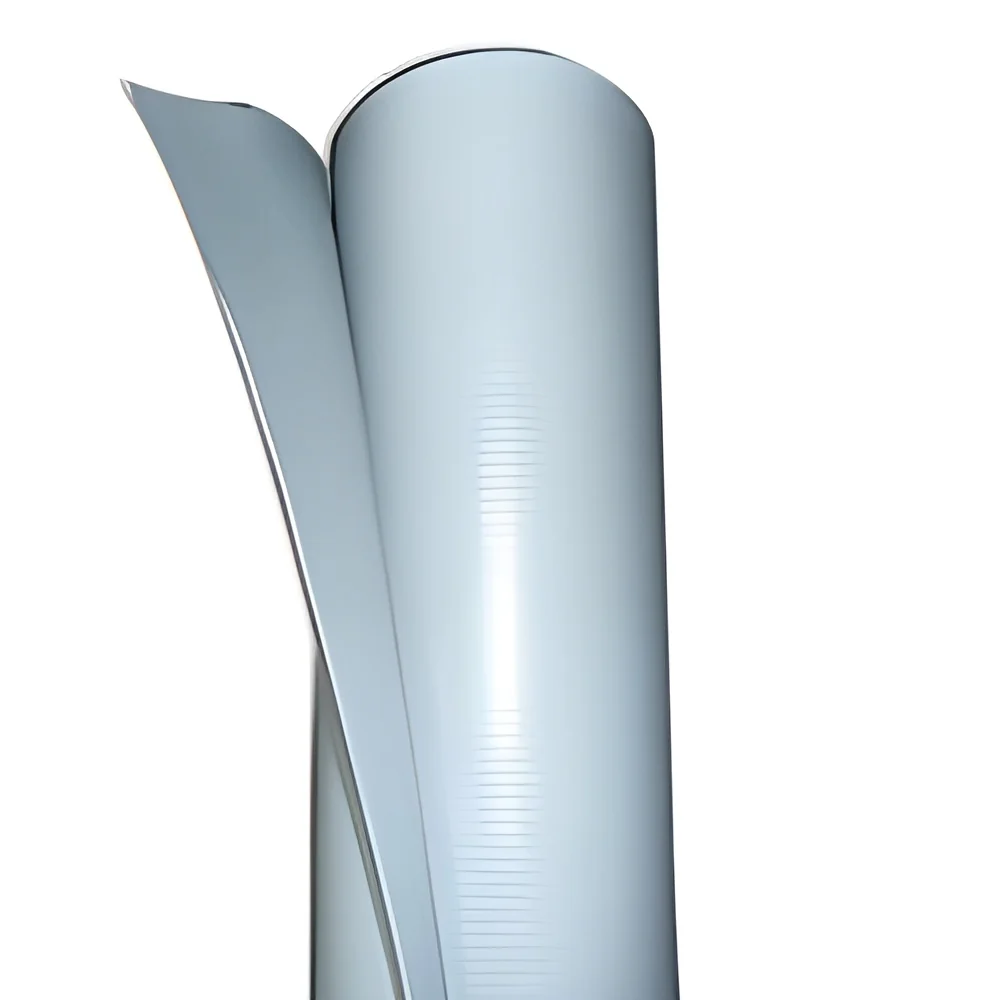
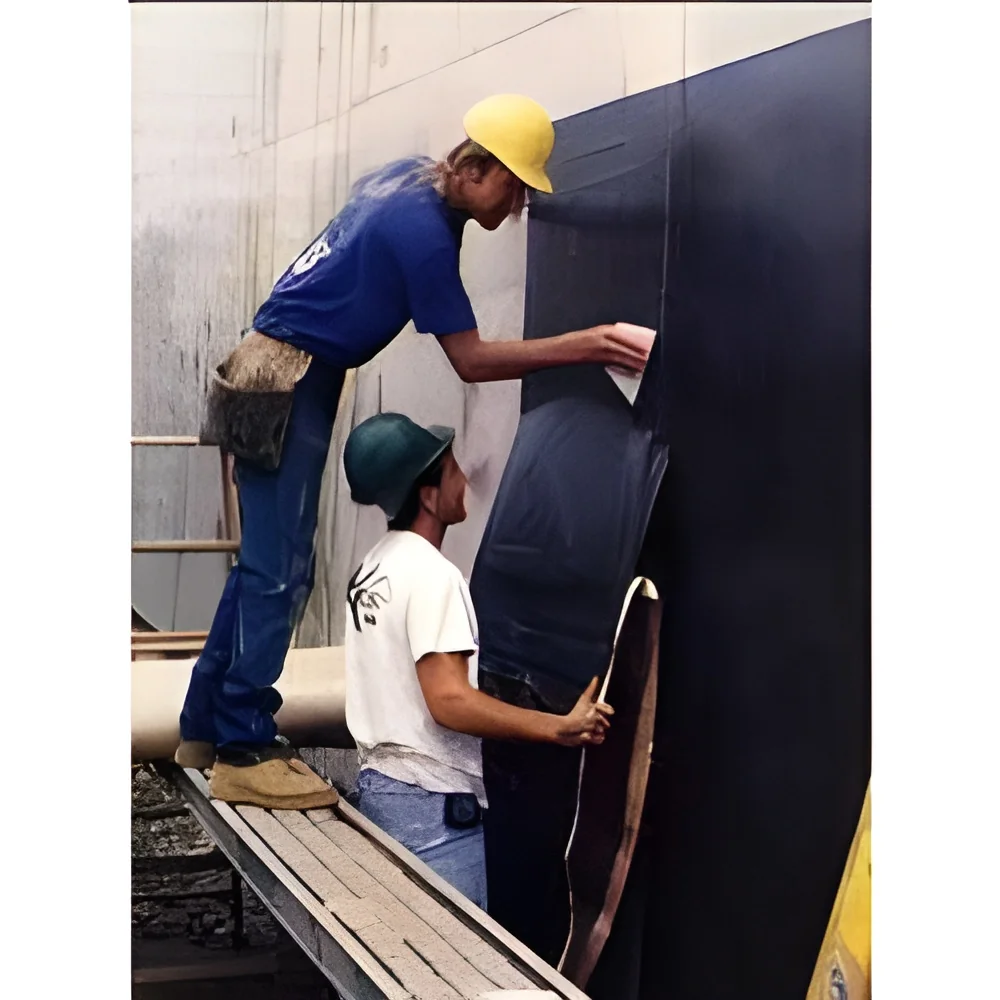
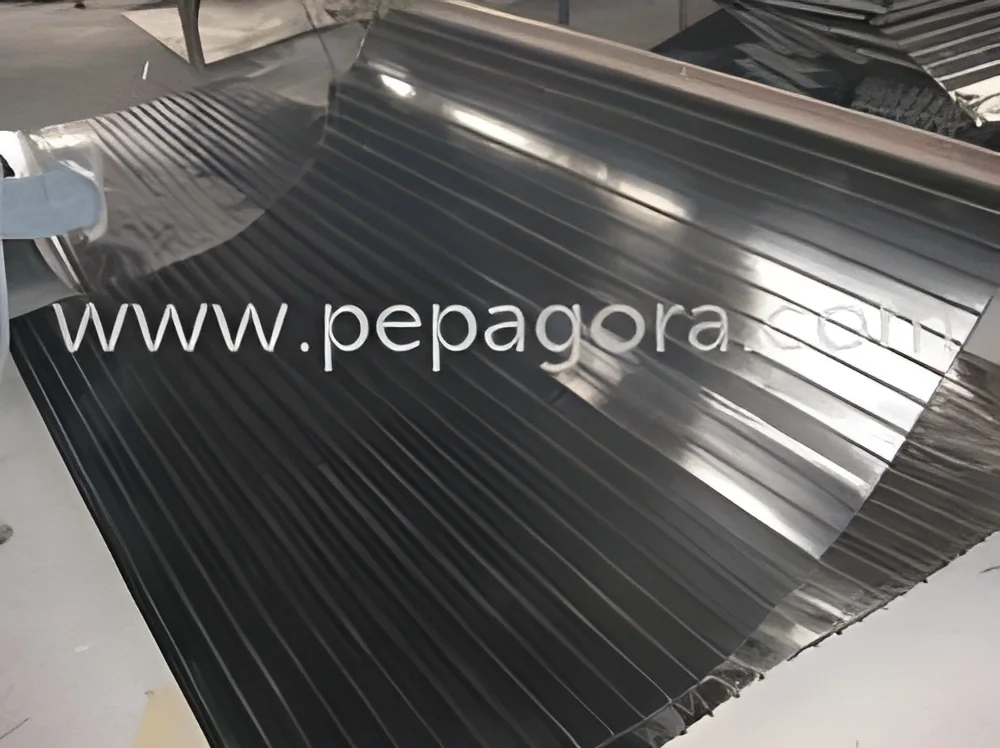
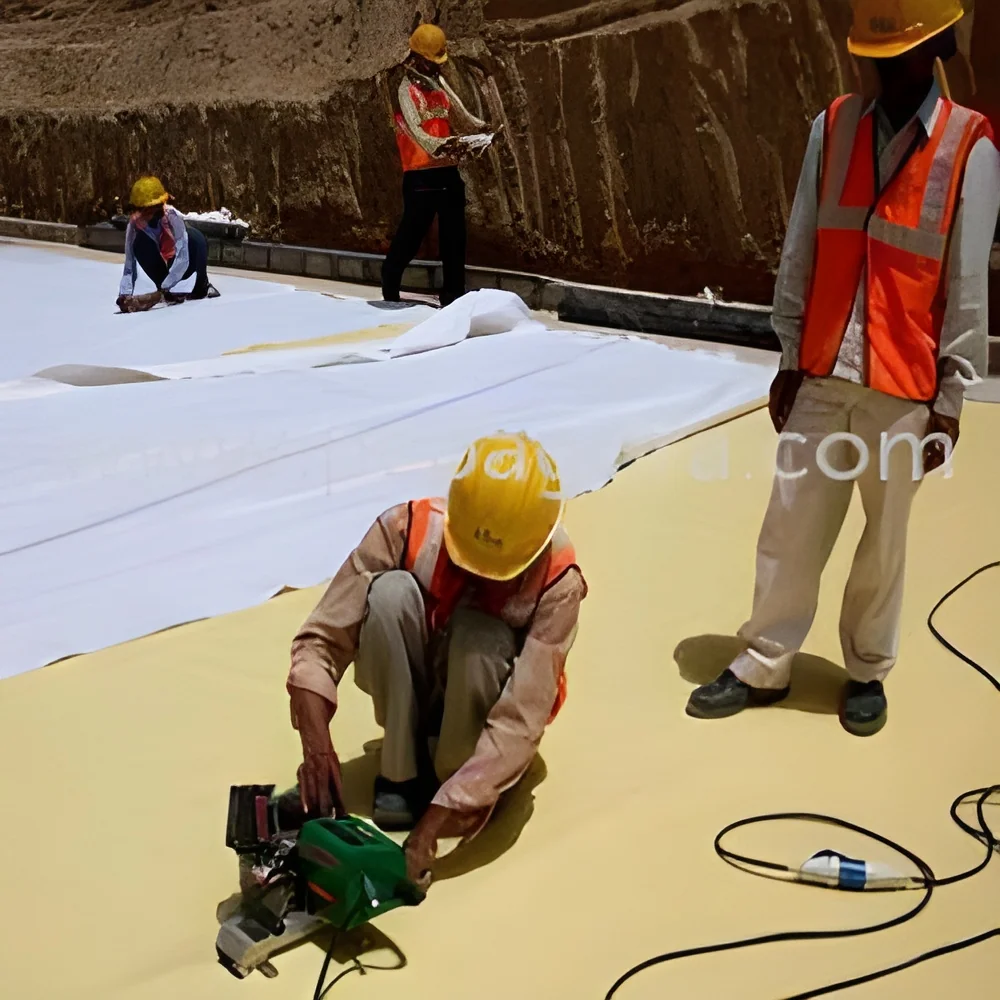
Sheet Membranes: Pre-manufactured sheets that are installed to create a barrier against water. They are commonly used for roofing and below-grade applications.
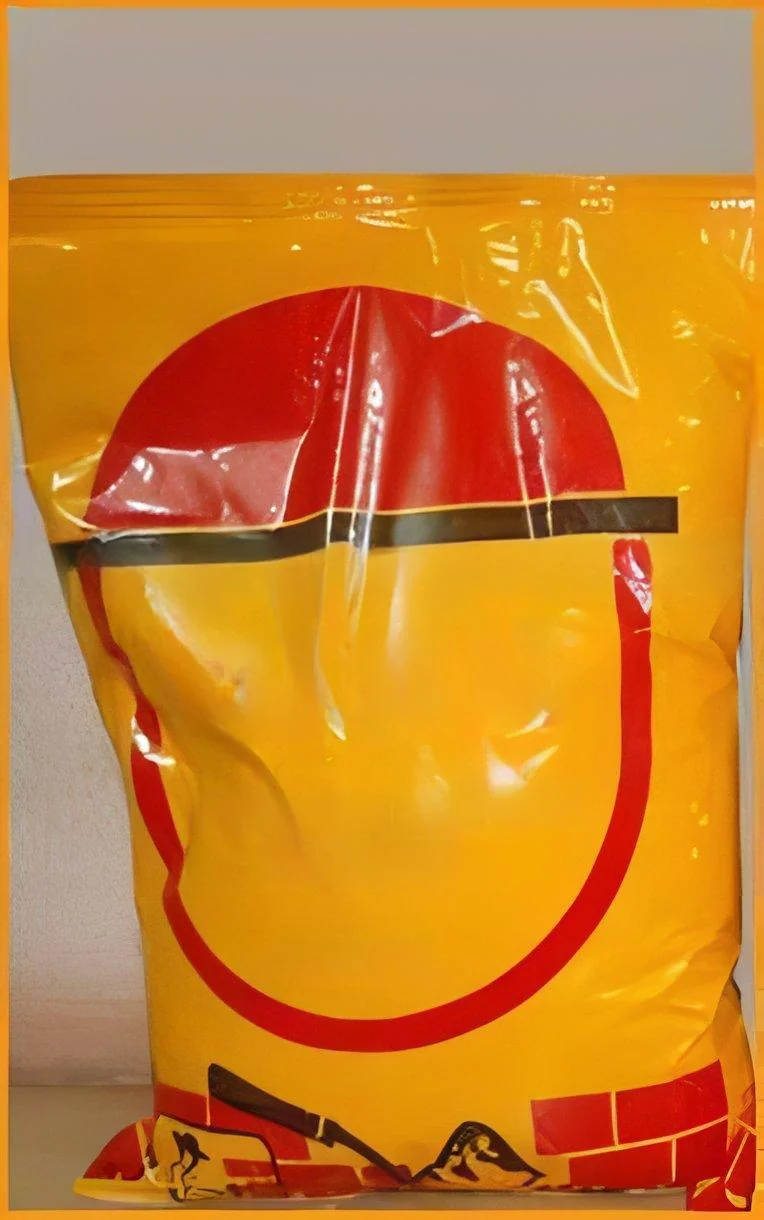
Cementitious Coatings: These are commonly used in below-grade applications and provide a rigid waterproof barrier. They are suitable for areas exposed to high hydrostatic pressure.
𝗕𝗲𝗻𝗲𝗳𝗶𝘁𝘀 𝗮𝗻𝗱 𝗔𝗱𝘃𝗮𝗻𝘁𝗮𝗴𝗲𝘀
Choosing the right waterproofing materials offers several critical advantages for businesses.
1. Enhanced Durability: Waterproofing materials significantly extend the lifespan of structures by preventing water damage.
2. Cost-Effectiveness: By mitigating water-related issues, companies can avoid costly repairs and maintenance.
3. Improved Safety: Keeping areas dry reduces hazards such as slips, falls, and mold growth, promoting a safer environment.
4. Energy Efficiency: Proper waterproofing can improve insulation, leading to energy savings in heating and cooling.
5. Increased Property Value: Well-protected properties maintain their value better and are more appealing to buyers.
6. Regulatory Compliance: Many waterproofing materials meet industry standards, ensuring compliance with local building codes.
𝗕𝘂𝘆𝗶𝗻𝗴 𝗚𝘂𝗶𝗱𝗲 𝗳𝗼𝗿 𝗕𝟮𝗕 𝗕𝘂𝘆𝗲𝗿𝘀
When sourcing waterproofing materials, several factors should be considered to ensure the right selection.
1. Quality Assessment: Evaluate the quality of materials by reviewing certifications and performance data. Look for products that meet industry standards to ensure reliability.
2. Supplier Verification: Vet potential suppliers by checking their reputation, customer reviews, and history of product performance. Reliability is key to successful sourcing.
3. Pricing and MOQ: Understand the pricing structure and minimum order quantities. This knowledge helps in budgeting and managing inventory effectively.
4. Delivery and Lead Times: Confirm delivery schedules and lead times to ensure materials arrive when needed. Timely delivery is crucial for project planning.
5. Compliance Requirements: Be aware of any regulatory compliance needed for the materials. This includes understanding local building codes and environmental regulations.
𝗖𝗼𝗺𝗽𝗹𝗶𝗮𝗻𝗰𝗲 𝗮𝗻𝗱 𝗖𝗲𝗿𝘁𝗶𝗳𝗶𝗰𝗮𝘁𝗶𝗼𝗻𝘀
Compliance with industry standards is vital for waterproofing materials to ensure safety and effectiveness. Relevant quality standards include ISO 9001, which focuses on quality management systems. This certification ensures that manufacturers maintain consistent quality in their products.
Industry certifications like CE signify compliance with European safety and performance standards. These certifications help businesses ensure that the products they source meet necessary safety requirements.
Safety and testing requirements also play a crucial role in the selection process. Manufacturers should conduct rigorous testing to confirm that their waterproofing materials perform as expected under various conditions.
Regional compliance considerations may vary, depending on local regulations and standards. Understanding these requirements is essential for businesses operating in different regions.
𝗪𝗵𝘆 𝗦𝗼𝘂𝗿𝗰𝗲 𝗪𝗮𝘁𝗲𝗿𝗽𝗿𝗼𝗼𝗳𝗶𝗻𝗴 𝗠𝗮𝘁𝗲𝗿𝗶𝗮𝗹𝘀 𝗳𝗿𝗼𝗺 𝗣𝗲𝗽𝗮𝗴𝗼𝗿𝗮?
Pepagora offers a robust platform for sourcing waterproofing materials, providing businesses with a reliable solution for their needs.
Verified Supplier Network: Our platform features a network of verified suppliers, ensuring that buyers can trust the quality and reliability of the products offered.
Streamlined RFQ Process: The request for quotation process is designed for efficiency, allowing buyers to receive competitive quotes quickly. This enables informed decision-making based on cost and quality.
Trade Assurance and Support: Pepagora provides protection for buyers through trade assurance, ensuring that transactions are secure and that support is available throughout the buying process.
Regional Coverage: With a strong presence in India, the GCC, and Southeast Asia, Pepagora connects businesses with suppliers across multiple regions, enhancing sourcing opportunities and market reach.
By leveraging Pepagora's platform, companies can confidently source waterproofing materials that meet their specific requirements.

 IN
IN