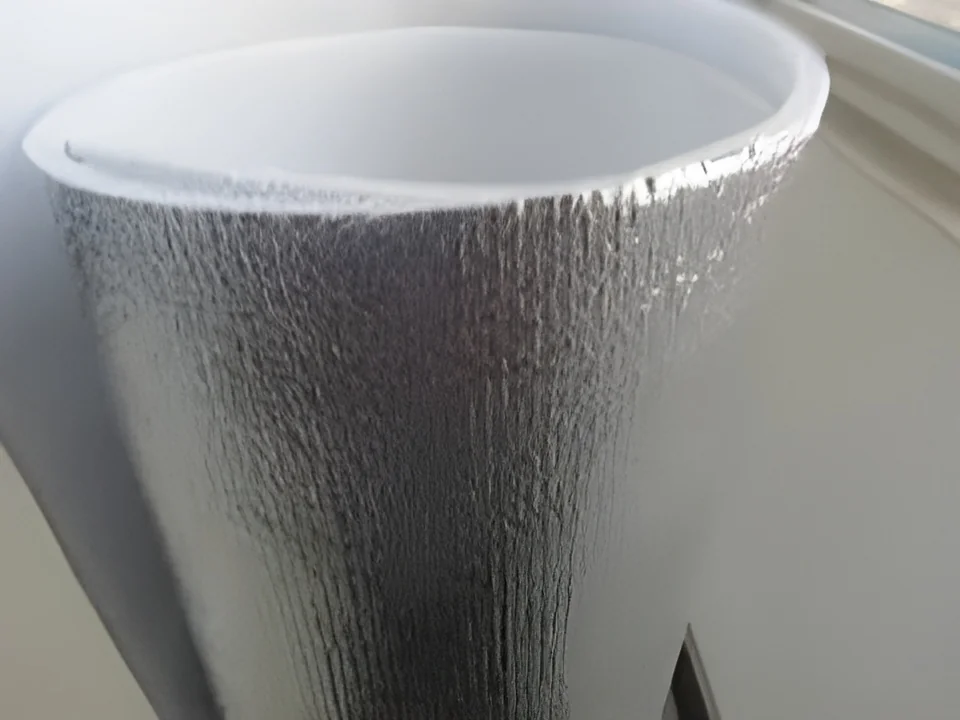
What are Thermal Reflective Membranes?
Thermal Reflective Membranes are advanced materials designed to enhance energy efficiency in buildings and industrial applications. These membranes work by reflecting radiant heat away from the structure, thereby reducing the amount of thermal energy absorbed. This property makes them particularly useful in managing indoor temperatures, leading to significant energy savings in heating, ventilation, and air conditioning systems.
The primary uses of Thermal Reflective Membranes include insulation for roofs, walls, and other surfaces in both commercial and residential buildings. They are commonly employed in sectors such as construction, manufacturing, and agriculture. By providing effective thermal management, these membranes help maintain comfortable indoor environments while lowering energy costs. As industries continue to focus on sustainability and energy efficiency, the demand for such solutions is expected to grow in relevance and market presence.
Key Features and Specifications
Thermal Reflective Membranes offer a variety of features that enhance their effectiveness and applicability across different industries. Their specifications are crucial for ensuring they meet the specific needs of each application.
Key specifications include:
1. Reflectivity
- The ability to reflect radiant heat, typically measured as a percentage.
- Common values range from 80% to 95%.
2. Thermal Resistance (R-value)
- A measure of the membrane's resistance to heat flow.
- Typical R-values can range from R-3 to R-6, depending on thickness and material.
3. UV Resistance
- The capacity to withstand ultraviolet radiation without degradation.
- Usually rated for prolonged exposure without significant loss of performance.
4. Durability
- Resistance to wear, tear, and environmental factors.
- Products often feature weatherproof characteristics for longevity.
5. Weight
- The overall mass of the membrane, which can affect installation and structural support.
- Weights typically vary from 0.5 to 2.5 kilograms per square meter.
6. Installation Method
- Various installation techniques are available, such as adhesive bonding or mechanical fastening.
- Flexibility in installation methods allows for diverse applications.
7. Fire Resistance
- Many membranes are treated to resist fire hazards.
- Fire ratings may include classifications such as Class A or B.
8. Compliance with Industry Standards
- Many membranes meet essential safety and performance standards.
- CE certification is commonly sought for market acceptance.
These specifications collectively help determine the suitability of Thermal Reflective Membranes for specific applications and environments.
Common Applications and Use Cases
Thermal Reflective Membranes are versatile products that serve various industries effectively.
1. Construction: In the construction sector, these membranes are used for roofing and wall insulation. They help maintain temperature control in commercial and residential buildings, promoting energy efficiency.
2. Agriculture: Farmers utilize Thermal Reflective Membranes in greenhouses to regulate internal temperatures. This results in a more favorable growing environment, improving crop yields.
3. Industrial Manufacturing: In manufacturing plants, these membranes assist in controlling temperature in production areas. This is particularly important for processes sensitive to temperature fluctuations.
4. Warehousing: Warehouses benefit from these membranes by maintaining stable temperatures for stored goods. This reduces energy costs associated with heating and cooling.
5. Automotive: In the automotive industry, Thermal Reflective Membranes are used in vehicle components to manage heat and enhance comfort for passengers.
6. Food Processing: These membranes help maintain temperature in food processing facilities, ensuring product quality and safety during storage and transportation.
7. Healthcare: Hospitals and clinics use Thermal Reflective Membranes to maintain comfortable indoor temperatures, which is critical for patient care.
Product Variants and Subcategories
Thermal Reflective Membranes come in various forms to meet specific needs across different applications.
Standard Reflective Membrane
This variant is designed for general use in building insulation and offers high reflectivity and durability. It is suitable for both commercial and residential applications.
High-Performance Reflective Membrane
Engineered for industrial applications, this variant provides superior thermal resistance and durability. It is ideal for environments with extreme temperature variations.
Eco-Friendly Reflective Membrane
This option is made from sustainable materials, catering to environmentally conscious businesses. It offers similar performance benefits while supporting green building initiatives.
Benefits and Advantages
Thermal Reflective Membranes provide numerous advantages that contribute to their growing popularity in various industries.
Key benefits include:
1. Energy Efficiency: By reflecting heat, these membranes significantly reduce energy consumption in heating and cooling systems, leading to lower utility bills.
2. Improved Comfort: They help maintain consistent indoor temperatures, enhancing the comfort of occupants in residential and commercial spaces.
3. Extended Lifespan of HVAC Systems: Reduced workload on heating and cooling systems results in less wear and tear, extending their operational lifespan.
4. Versatility: Thermal Reflective Membranes can be used in a wide range of applications, from construction to agriculture, making them adaptable for various needs.
5. Environmental Impact: By lowering energy usage, these membranes contribute to reduced carbon footprints and support sustainability efforts.
6. Cost-Effectiveness: The initial investment in Thermal Reflective Membranes often pays off through long-term savings in energy costs and improved efficiency.
Buying Guide for B2B Buyers
When sourcing Thermal Reflective Membranes, several critical factors should be considered to ensure the best selection for your needs.
1. Quality Assessment: Evaluate the quality of the membranes based on manufacturer specifications, customer reviews, and performance ratings. Look for certifications that indicate compliance with industry standards.
2. Supplier Verification: Conduct thorough research on potential suppliers. Check their reputation, history, and customer feedback to ensure reliability and quality assurance.
3. Pricing and MOQ: Understand the pricing structure and minimum order quantities (MOQs) from suppliers. Compare costs across different suppliers while considering quality and service.
4. Delivery and Lead Times: Assess the logistics involved in procurement, including delivery times and shipping options. Ensure that lead times align with your project timelines.
5. Compliance Requirements: Understand any regulatory requirements that may apply, such as fire safety or environmental standards. Ensure that the products sourced meet necessary compliance criteria.
Compliance and Certifications
Thermal Reflective Membranes must adhere to various quality standards and certifications to ensure safety and performance.
Relevant quality standards include ISO 9001, which focuses on quality management systems, and HACCP, which ensures food safety. These standards help guarantee that manufacturers maintain high-quality production processes.
Industry certifications such as CE are important for market acceptance. CE marking indicates that a product meets European safety, health, and environmental protection standards.
Safety and testing requirements are essential in verifying the performance and reliability of Thermal Reflective Membranes. Regular testing for durability, fire resistance, and thermal performance is crucial.
Regional compliance considerations vary by location, and it is vital to ensure that products meet local regulations. Buyers should be aware of specific requirements in their operating regions to avoid compliance issues.
Why Source Thermal Reflective Membranes from Pepagora?
Pepagora provides a trusted platform for sourcing Thermal Reflective Membranes with several key advantages.
Verified Supplier Network: Pepagora partners with a network of verified suppliers to ensure quality and reliability. Each supplier undergoes a thorough vetting process, giving buyers confidence in their sourcing choices.
Streamlined RFQ Process: The platform offers a streamlined Request for Quotation (RFQ) system, simplifying the procurement process. This enables buyers to receive competitive quotes quickly, facilitating informed decision-making.
Trade Assurance and Support: Pepagora offers trade assurance, protecting buyers from potential risks during transactions. Support services are also available to assist buyers throughout the sourcing process.
Regional Coverage: With a strong presence in India, the GCC, and Southeast Asia, Pepagora provides extensive regional coverage. This ensures that buyers can access quality Thermal Reflective Membranes tailored to their specific market needs.

 IN
IN