What are PVC & TPO Waterproofing Membranes?
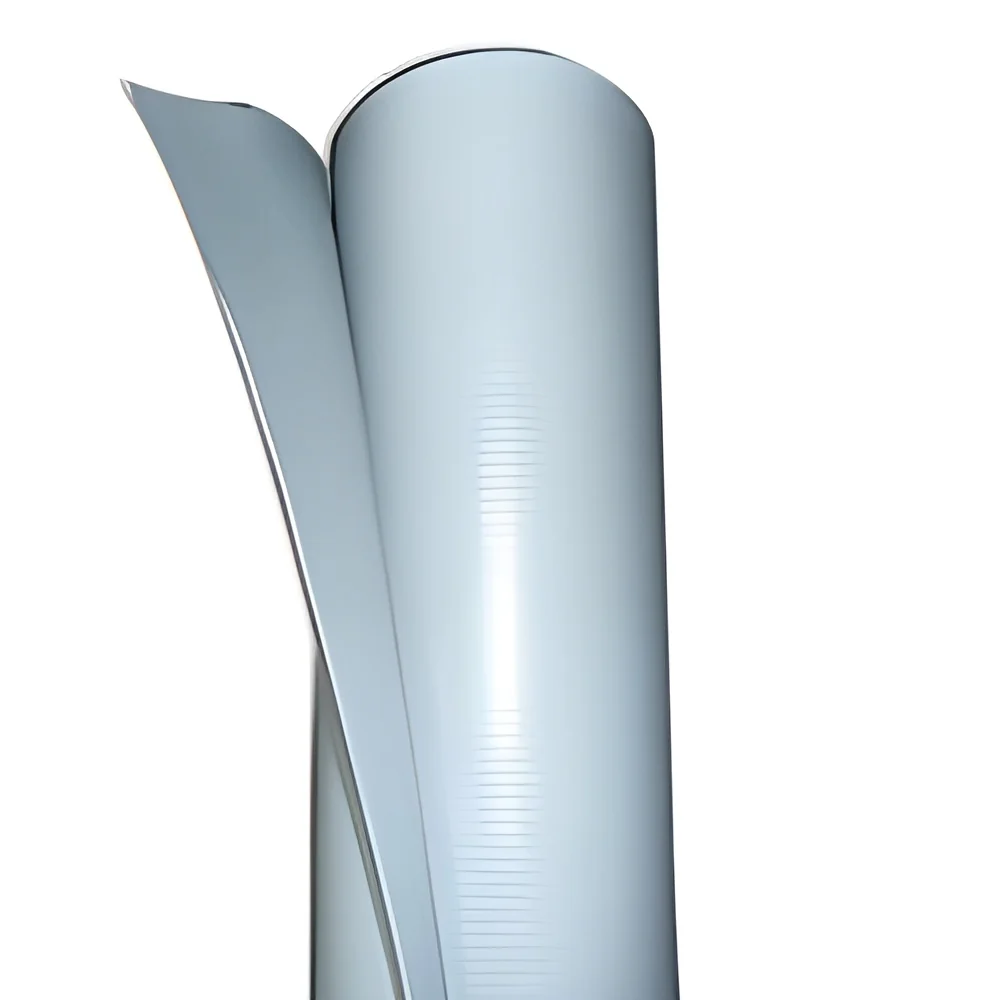
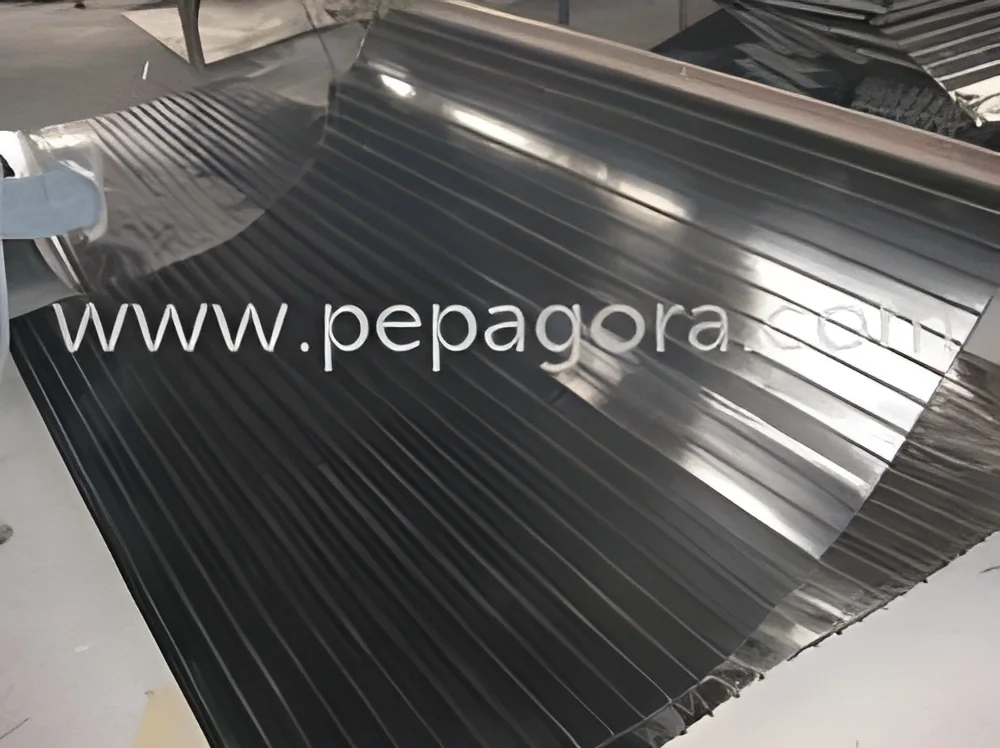
PVC (Polyvinyl Chloride) and TPO (Thermoplastic Olefin) waterproofing membranes are essential materials used in modern construction to protect structures from water infiltration. These membranes are designed to provide a robust barrier against moisture, ensuring the longevity and durability of buildings. They are typically applied to roofs, foundations, and other surfaces where water exposure is a concern.
These waterproofing solutions have gained popularity across various industries due to their effectiveness and versatility. They are commonly used in commercial and residential roofing, below-grade applications, and in industrial settings. Their ability to withstand harsh environmental conditions makes them suitable for a wide range of applications, from flat roofs to complex architectural designs. The growing demand for reliable waterproofing solutions has positioned PVC and TPO membranes as a key component in construction projects worldwide.
As the construction industry evolves, the relevance of PVC and TPO waterproofing membranes continues to grow. Market trends indicate an increasing emphasis on sustainable building practices, leading to a higher demand for these materials. Their energy efficiency, ease of installation, and recyclability further enhance their appeal to businesses seeking environmentally friendly solutions.
Key Features and Specifications
PVC and TPO waterproofing membranes come with a variety of features that make them suitable for diverse applications. They are engineered for durability, flexibility, and resistance to environmental elements.
Key specifications include:
1. Material Composition
- PVC membranes are made from polyvinyl chloride, while TPO membranes consist of a blend of polypropylene and ethylene-propylene rubber.
- Both materials offer excellent waterproofing properties.
2. Thickness Range
- PVC membranes typically range from 40 mil to 80 mil in thickness.
- TPO membranes generally range from 45 mil to 80 mil.
3. UV Resistance
- Both types of membranes are designed to withstand UV exposure, reducing degradation over time.
- They help maintain structural integrity and appearance.
4. Temperature Tolerance
- PVC membranes can function effectively in temperatures from -40°F to 180°F.
- TPO membranes have a similar temperature tolerance, making them suitable for various climates.
5. Installation Methods
- Both membranes can be mechanically fastened, adhered, or ballasted, providing flexibility in installation.
- This adaptability makes them suitable for different building types.
6. Fire Resistance
- PVC membranes offer excellent fire resistance and can provide a Class A fire rating.
- TPO membranes also exhibit good fire performance, enhancing safety.
7. Color Options
- PVC membranes are available in various colors, including white, gray, and black.
- TPO membranes also come in different colors, allowing for aesthetic customization.
8. Sustainability Features
- Both PVC and TPO membranes can be recycled, contributing to sustainable building practices.
- Their energy-efficient properties help reduce heat absorption, lowering energy costs.
In summary, PVC and TPO waterproofing membranes offer numerous features that enhance their performance and versatility in various applications. These specifications ensure they meet the demands of modern construction and contribute to sustainable building efforts.
Common Applications and Use Cases
PVC and TPO waterproofing membranes are widely used across multiple industries due to their effectiveness and reliability.
1. Commercial Roofing: These membranes are extensively used in the construction of commercial roofs, providing a waterproof barrier that protects the building structure.
2. Residential Roofing: Homebuilders often choose PVC and TPO membranes for residential roofing projects due to their durability and energy efficiency.
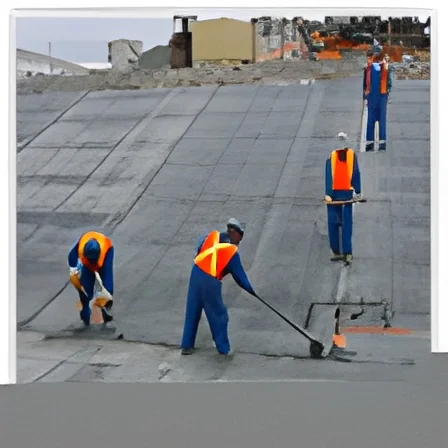
3. Industrial Applications: Factories and warehouses utilize these membranes for roof and floor waterproofing, safeguarding against water damage.
4. Below-Grade Waterproofing: These membranes are effective for below-grade applications in basements and foundations, preventing moisture intrusion.
5. Green Roof Systems: The lightweight and flexible nature of TPO membranes makes them ideal for green roof installations, promoting sustainability.
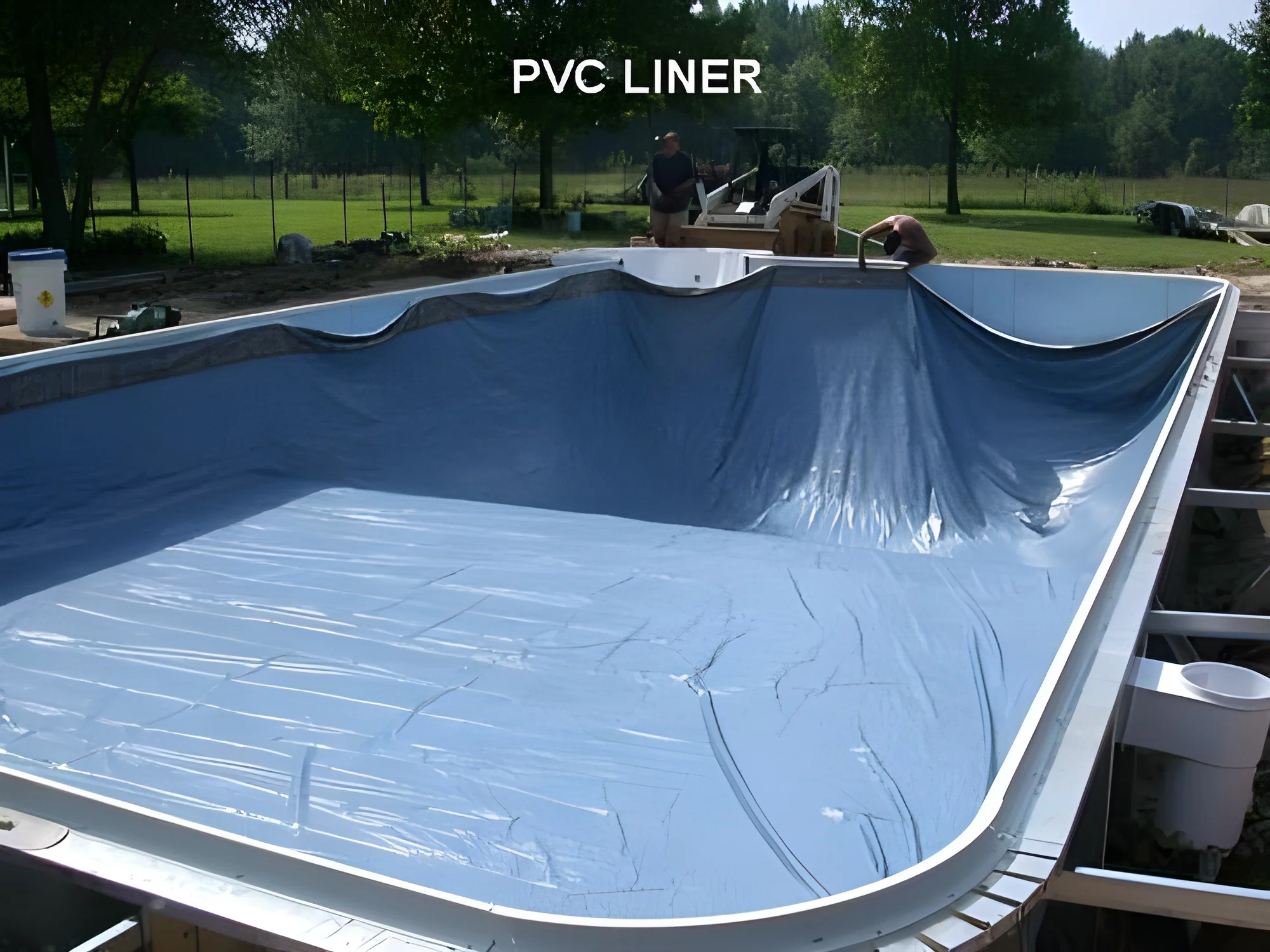
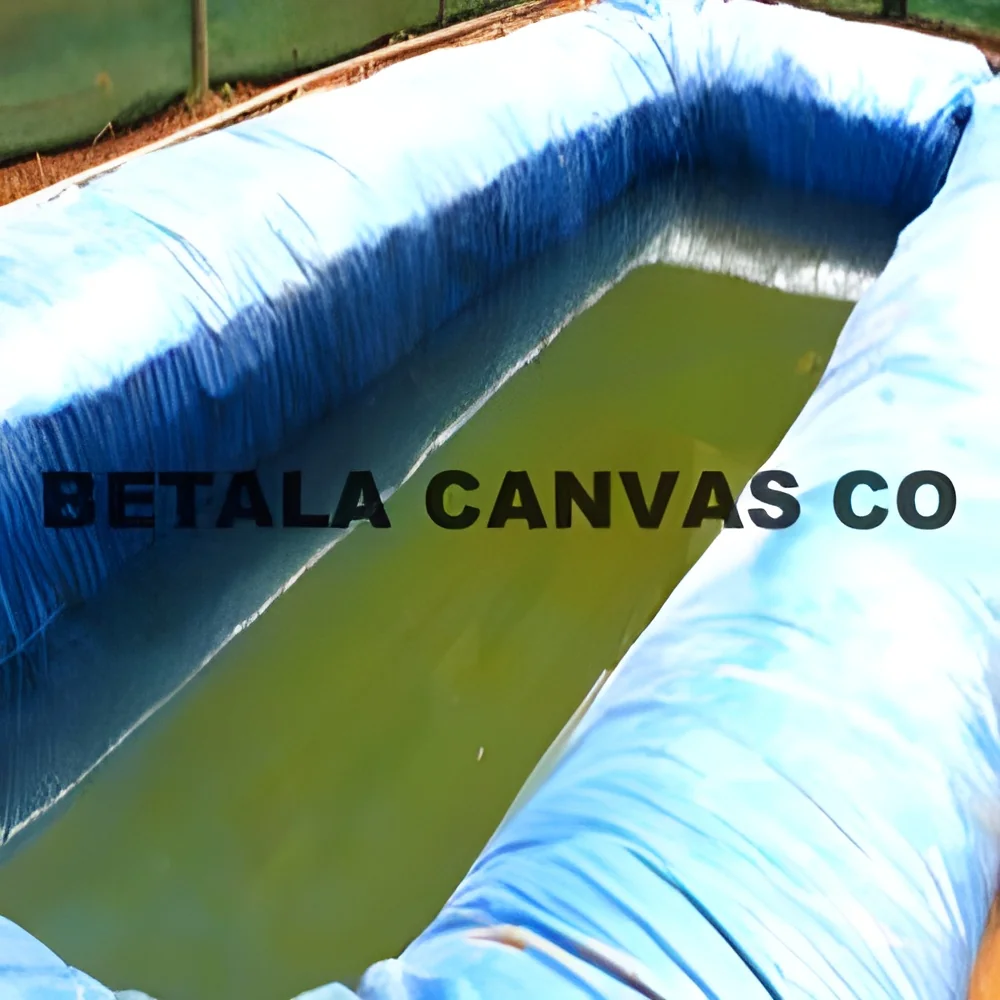
6. Swimming Pools: PVC membranes are often used in the construction of swimming pools, ensuring watertight integrity.
7. Parking Garages: Waterproofing membranes are critical in parking garage construction, protecting the structure from water and chemical exposure.
Overall, the diverse applications of PVC and TPO waterproofing membranes highlight their importance in various construction projects.
Product Variants and Subcategories
PVC and TPO waterproofing membranes come in various forms to meet specific project needs.
Standard PVC Membrane
This variant is known for its durability and flexibility. It is commonly used in commercial and residential roofing applications due to its excellent UV resistance and ease of installation.
Standard TPO Membrane
TPO membranes are increasingly popular for their energy efficiency and environmental benefits. They are ideal for flat roofing systems and provide excellent resistance to heat and UV rays.
The diversity in product variants ensures that businesses can find the right solution for their specific waterproofing requirements.
Benefits and Advantages
The adoption of PVC and TPO waterproofing membranes offers numerous advantages for businesses and construction projects.
Key benefits include:
1. Durability: These membranes are designed to withstand harsh weather conditions, ensuring long-lasting protection.
2. Energy Efficiency: TPO membranes reflect sunlight, reducing heat absorption and lowering energy costs for cooling.
3. Ease of Installation: Both PVC and TPO membranes can be installed quickly and efficiently, minimizing labor costs.
4. Cost-Effectiveness: Their long lifespan and low maintenance requirements make them a cost-effective choice for waterproofing.
5. Environmentally Friendly: The recyclability of these materials makes them a sustainable option for modern construction.
6. Versatility: Their ability to be used in various applications makes them suitable for different industries and building types.
In summary, the benefits of PVC and TPO waterproofing membranes provide significant value to businesses looking for reliable and efficient waterproofing solutions.
Buying Guide for B2B Buyers
When sourcing PVC and TPO waterproofing membranes, it is essential for B2B buyers to consider several critical factors.
1. Quality Assessment: Evaluate the quality of membranes by checking for compliance with industry standards. Look for certifications that indicate durability and performance.
2. Supplier Verification: Ensure that suppliers are reputable and have a track record of delivering high-quality products. Request references and verify credentials.
3. Pricing and MOQ: Compare pricing across suppliers and understand the minimum order quantities required for purchase. This ensures cost-effectiveness and meets project needs.
4. Delivery and Lead Times: Discuss logistics with suppliers to understand delivery timelines. Timely delivery is crucial for project schedules.
5. Compliance Requirements: Ensure that the membranes meet all regional and industry-specific compliance standards. This may include safety and environmental regulations.
By carefully considering these factors, B2B buyers can make informed decisions when sourcing PVC and TPO waterproofing membranes.
Compliance and Certifications
PVC and TPO waterproofing membranes must adhere to various quality standards and certifications to ensure their performance and safety.
Relevant quality standards like ISO 9001 establish a framework for quality management systems, ensuring consistent product quality. Additionally, certifications such as CE indicate that the products meet European safety and environmental requirements.
Industry certifications are crucial for verifying the performance of these membranes under various conditions. This includes fire safety ratings, which are essential for compliance in commercial buildings.
Safety and testing requirements must also be met to ensure that the membranes can withstand environmental stressors. This involves rigorous testing for factors such as tensile strength, elongation, and resistance to UV exposure.
Finally, regional compliance considerations may vary, so it is essential for businesses to understand local regulations regarding construction materials. This compliance ensures that projects meet all necessary legal and safety standards.
Why Source PVC & TPO Waterproofing Membranes from Pepagora?
Pepagora offers a trusted platform for sourcing PVC and TPO waterproofing membranes, providing several key advantages for businesses.
Verified Supplier Network: All suppliers on Pepagora are thoroughly vetted to ensure they meet strict quality and performance standards. This verification process helps buyers find reliable sources for their waterproofing needs.
Streamlined RFQ Process: The request for quotation process is designed to be efficient, allowing businesses to quickly obtain quotes from multiple suppliers. This helps buyers compare options and make informed decisions.
Trade Assurance and Support: Pepagora provides trade assurance, protecting buyers from potential issues during transactions. This support ensures a smooth purchasing experience.
Regional Coverage: Pepagora has a wide geographic reach, covering markets in India, the GCC, and Southeast Asia. This extensive network connects buyers with suppliers in their region, facilitating local sourcing.
Overall, choosing Pepagora as a sourcing platform for PVC and TPO waterproofing membranes ensures that businesses receive quality products and reliable support throughout the purchasing process.

 IN
IN